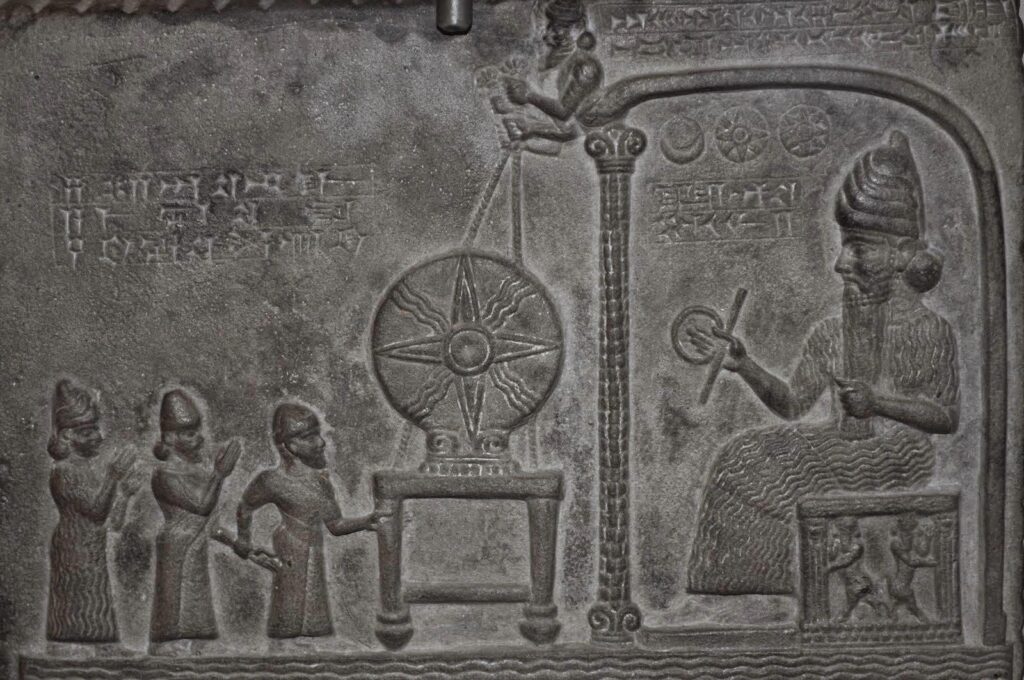

There is something irresistibly tantalizing about the idea that extremely ancient texts might hide advanced scientific knowledge. The Anunnaki narratives from Mesopotamia – especially those later popularized by modern authors – are often said to contain eerily accurate details about the solar system that science only confirmed in the last century or so. If that were literally true in a straightforward way, it would change everything we think we know about history and human origins. But here is the catch: when you actually put the claims side by side with what mainstream archaeology, Assyriology, and modern astronomy say, the picture is far more complicated. Some overlaps are genuinely striking, some are clearly over‑interpretations, and some are just retrofitting vague ancient language onto modern discoveries. Let’s walk through seven of the most talked‑about “matches,” what the texts actually say, what astronomers actually found, and where a sober, 2026-level look at the evidence really leaves us.
1. The Claim of a “Twelfth Planet” Beyond Pluto
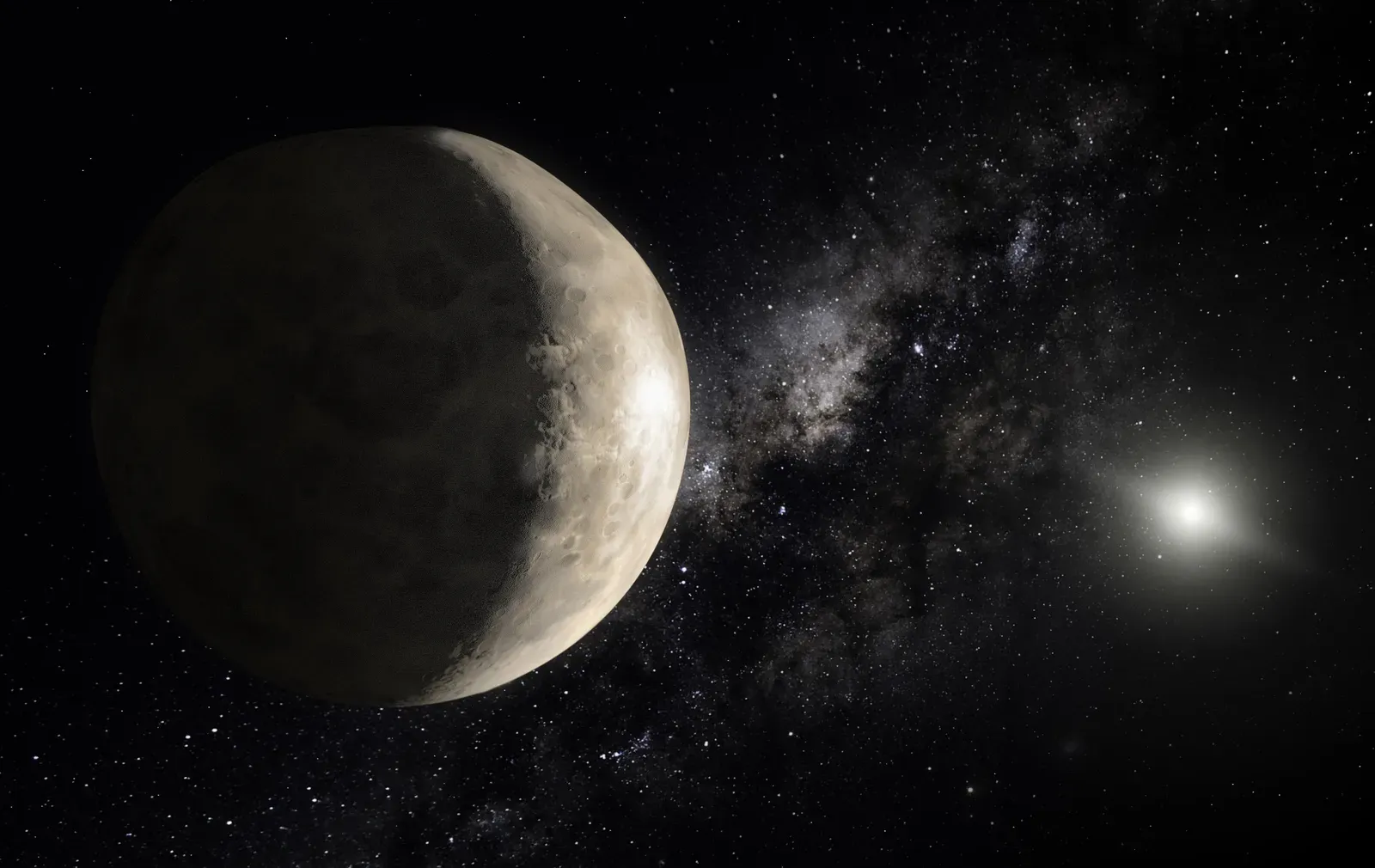
One of the boldest Anunnaki-related claims is that ancient Mesopotamian sources supposedly described a twelfth planetary body in our system, often called Nibiru, that modern science only rediscovered in the last century. In popular books, this is linked to ideas like Planet X, a mysterious world lurking beyond Pluto whose gravitational pull might explain oddities in the outer solar system. On the surface, this sounds like a wild but thrilling convergence: clay tablets from thousands of years ago hinting at a hidden planet that astronomers started seriously hunting for in the twentieth century.
When you dig into the actual cuneiform, though, the story becomes much less neat. The word “Nibiru” in genuine Mesopotamian texts shifts meaning depending on context; sometimes it refers to a crossing point, sometimes to Jupiter, sometimes to a region in the sky. The ancient scribes counted differently: “twelve” could include the Sun, Moon, and major planets visible to the naked eye, not a detailed modern inventory of the solar system. Meanwhile, in modern astronomy, even Pluto’s planethood has been reclassified, and no confirmed extra large planet has been found, though there are active hypotheses about a distant, massive “Planet Nine.” To me, the overlap here is more about how humans recycle the same symbolic numbers and cosmic longings than about literal ancient knowledge of a distant world.
2. Hints of Uranus and Neptune: Planets You Can’t See With the Naked Eye
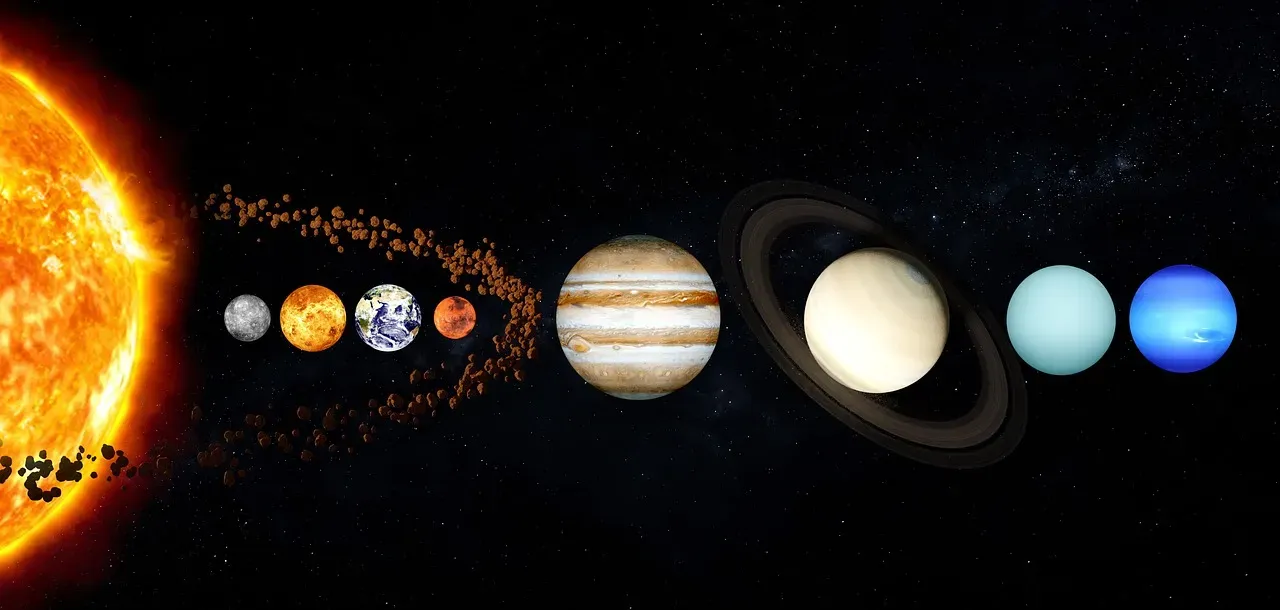
Another dramatic claim is that the Anunnaki texts somehow describe planets only discovered with telescopes: Uranus and Neptune. Modern readers point to Mesopotamian depictions of a Sun surrounded by eleven or twelve bodies and argue that this shows knowledge of all the major planets, including the ice giants that are invisible to normal human eyesight. On top of that, they sometimes highlight poetic phrases about greenish or blue waters of the heavens as veiled references to the colors of those distant worlds.
Here, the astronomy is clear: Uranus was first recorded with a telescope in the late eighteenth century and recognized as a planet shortly afterward; Neptune’s existence was mathematically predicted in the nineteenth century and then visually confirmed. There is no solid, unambiguous cuneiform line that explicitly lists or describes Uranus or Neptune in a way that could not be coincidence or symbolic imagery. Mesopotamian sky watchers were incredibly sophisticated for their time, tracking planetary cycles with impressive precision, but they were working entirely with naked-eye observations. If you love the idea that they somehow “knew” about Uranus and Neptune, you have to accept that the evidence rests on interpretive gymnastics, not on clean, one‑to‑one matches between a tablet and a twentieth‑century discovery.
3. The Accurate Ordering of Planets from the Sun
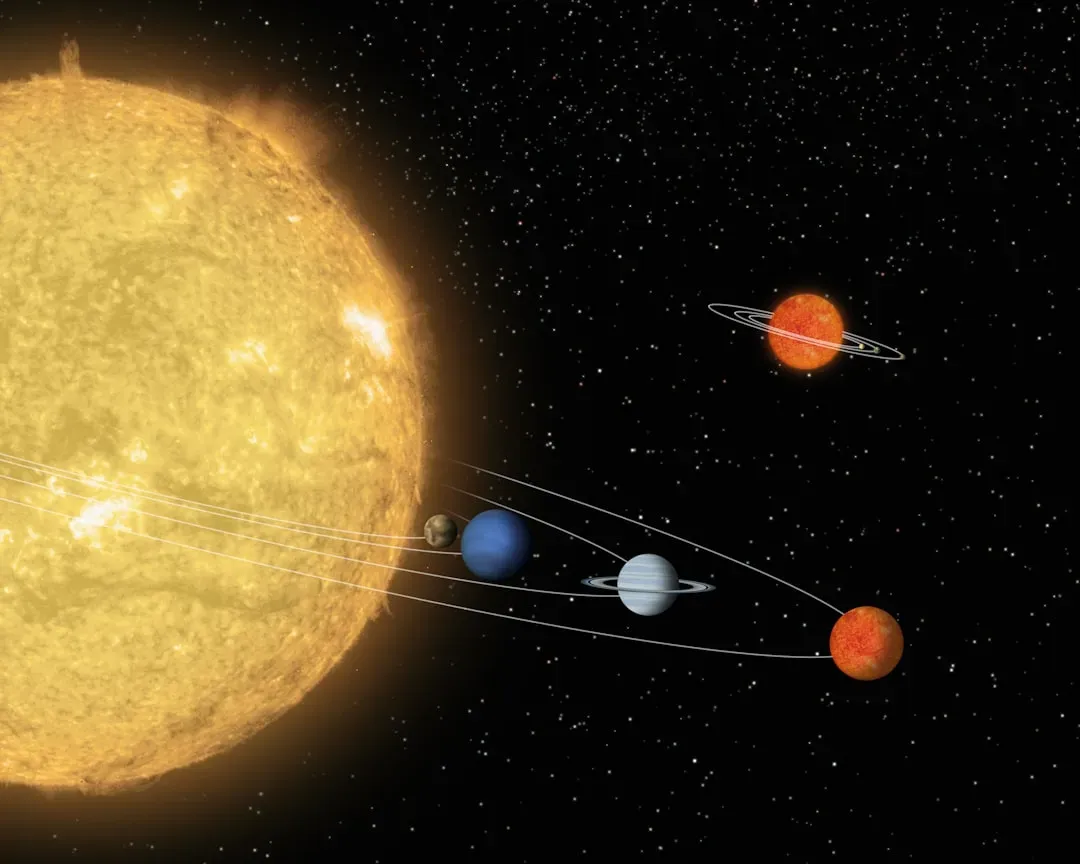
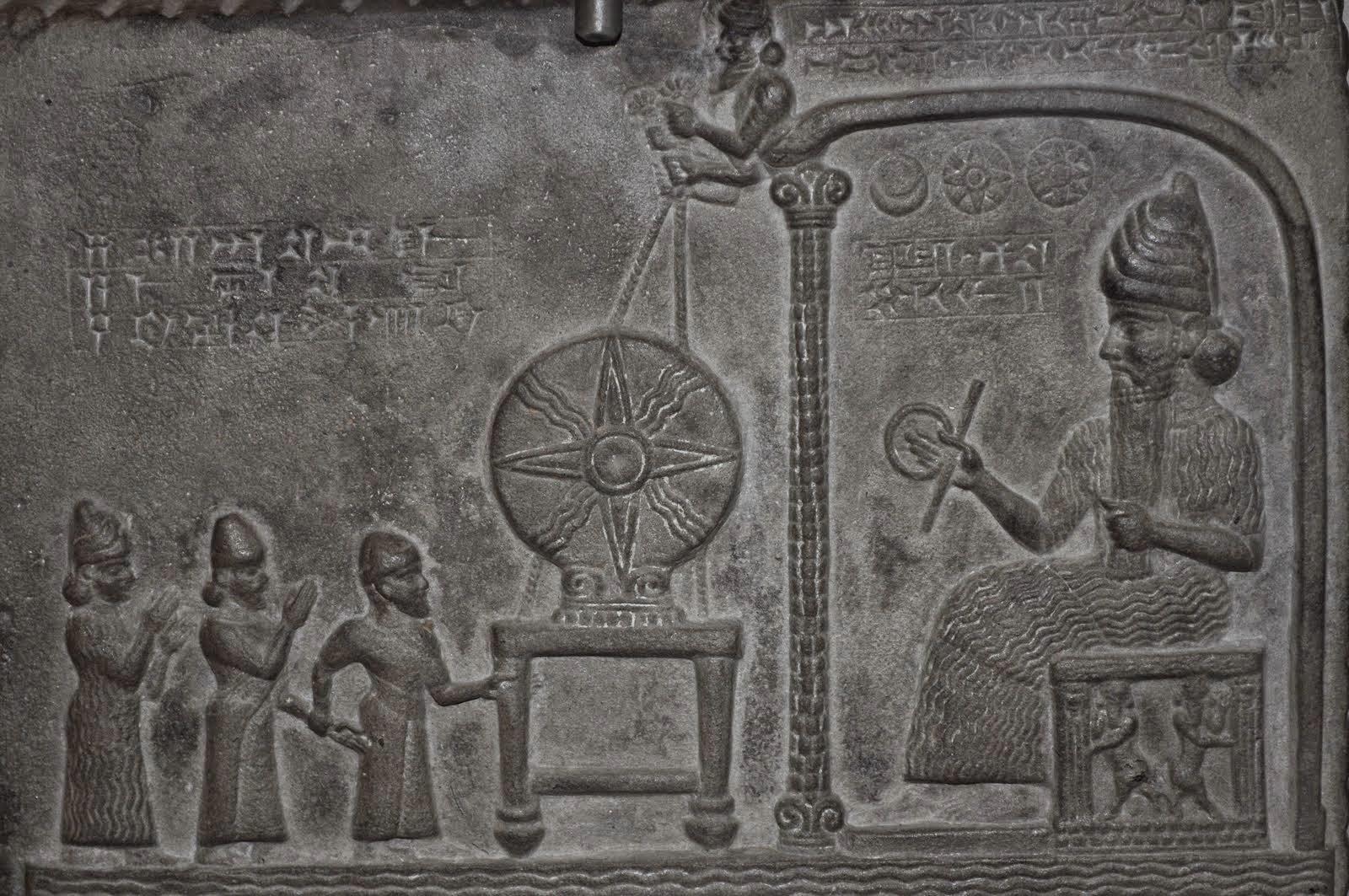
One of the more subtle alleged matches is the claim that certain Anunnaki-related interpretations show the planets in their correct order from the Sun, something that modern science only locked down fully after telescopic astronomy and space probes. Fans of the theory point to diagrams or seal impressions that seem to show a star-like Sun with orbiting dots arranged in a pattern and argue that this is essentially an ancient solar system chart. From Mercury out toward Saturn, these patterns can certainly look suggestive to a modern eye that already knows the order.
Yet when historians and Assyriologists analyze these same artifacts, they usually see symbolic arrangements rather than scientific diagrams. Ancient Mesopotamian cosmology was not built around our modern concept of orbits and heliocentric order; they generally thought in terms of a geocentric universe with the Earth at the center and heavenly bodies moving across a celestial dome. The fact that some arrangements can be retrofitted to resemble a correct planetary order might say more about our human tendency to find patterns than about literal knowledge. I think the honest, grown‑up way to see this is that the ancients were incredible observers of the sky, but what we call the “scientific” order was established through centuries of post‑Renaissance astronomy, not smuggled in from Bronze Age gods.
4. The Moon as a Distinct World with Phases and Eclipses
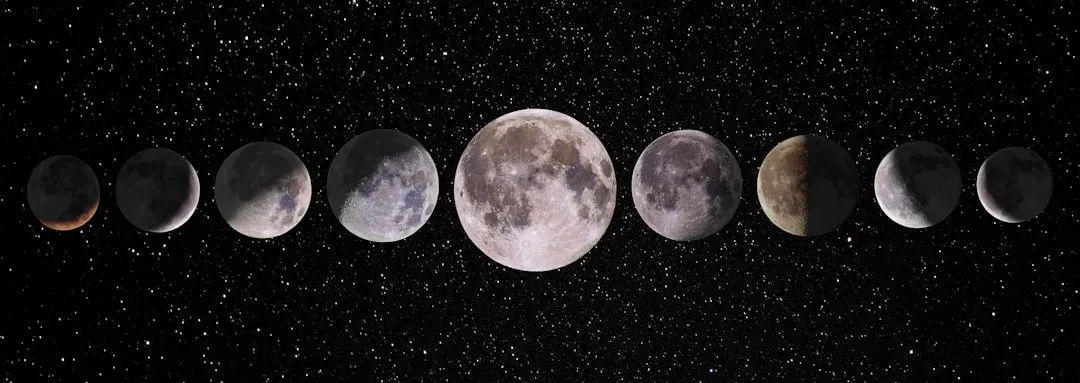
Compared to hidden planets, the Moon may sound boring, but here the overlap between ancient texts and modern science is real and fascinating. Mesopotamian scribes wrote extensively about the Moon’s phases, its monthly cycle, and its role in predicting eclipses. By the time modern astronomy developed precise orbital mechanics in the nineteenth and twentieth centuries, we came to understand those same cycles in far more detail, but the basic pattern – that the Moon is a distinct orbiting body whose motions can be charted and predicted – was already central to Babylonian scholarship.
In fact, researchers have shown that Babylonian astronomer‑priests developed impressive mathematical schemes to forecast lunar phenomena, using stepwise functions and recurring cycles that feel surprisingly modern in spirit. This does not mean they knew about things like the exact distance to the Moon or its internal structure, which required radio measurements, spacecraft, and twentieth‑century physics. But it does mean that some of the more sober “Anunnaki gave us advanced astronomy” arguments are at least grounded in a kernel of truth: ancient Mesopotamian astronomy really did lay mathematical and observational groundwork that resonates with what would much later be formalized in modern celestial mechanics.
5. Awareness of the Great Year and Long-Term Cycles

Another area where people see eerie convergence is in references to huge cycles of time in Mesopotamian and Anunnaki-linked myths, often interpreted as knowledge of grand astronomical cycles like precession of the equinoxes or long planetary alignments. Some modern writers argue that when the texts talk about reigns of gods lasting tens of thousands of years, or ages ruled by different divine forces, they are encoding sophisticated awareness of cosmic cycles that modern science only quantified cleanly with precise instruments and twentieth‑century models of Earth’s motion.
There is some real overlap here, but it is more nuanced than it looks on a meme graphic. Ancient Mesopotamians certainly tracked longer rhythms in planetary and lunar movements and developed calendar schemes that spanned generations. However, the precise phenomenon of axial precession – the slow wobble of Earth’s axis over many thousands of years – was first clearly understood in the classical Greek world and only modeled accurately with modern astronomy. When modern Anunnaki theories take mythic spans of time and map them directly onto exact astronomical cycles, they are turning poetic, religious time into scientific time. That translation can be interesting and even creatively insightful, but it is not proof that Sumerian priests were secretly doing twentieth‑century celestial mechanics on clay tablets.
6. Detailed Planetary Motions and Retrograde Loops
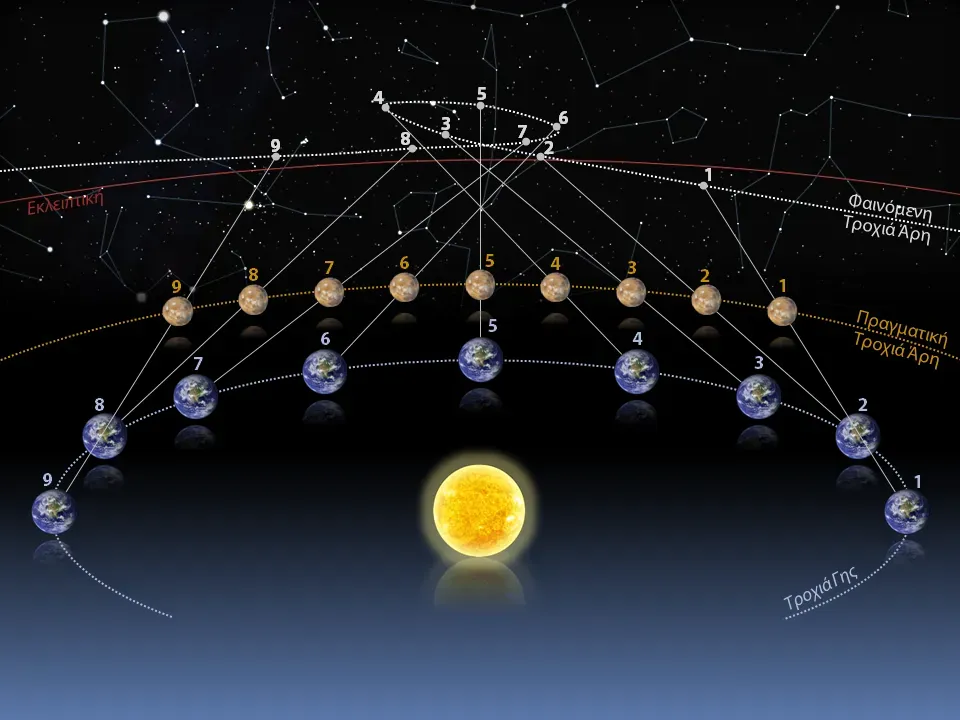
Where the ancient texts really do mesh in a concrete way with modern astronomical data is in their records of planetary motions, especially the strange backward loops we now call retrograde motion. Babylonian astronomers carefully logged the behavior of planets like Mars and Jupiter over years and decades, noting how they seemed to slow, stop, move backward, and then resume forward motion. Modern science, confirmed with telescopes and spacecraft in the twentieth century, explains this as an optical effect of orbits and relative motion, but the pattern itself was already captured with gritty precision by these early sky watchers.
Tablets from the first millennium BCE show that Mesopotamian astronomers built predictive schemes for these movements that came surprisingly close to the numbers you would get from modern orbital data, even if their underlying cosmology was very different. They did not have Newtonian gravity or Kepler’s laws, yet through patient observation and clever number work, they produced tables that, when compared to reconstructed planetary paths, line up impressively. To me, this is where the “ancient advanced knowledge” story really lives: not in secret star maps of hidden planets, but in the sheer intellectual power of people with no telescopes who still teased order out of the sky in ways modern scientists can recognize and respect.
7. The Idea of Earth as Just One Planet Among Many
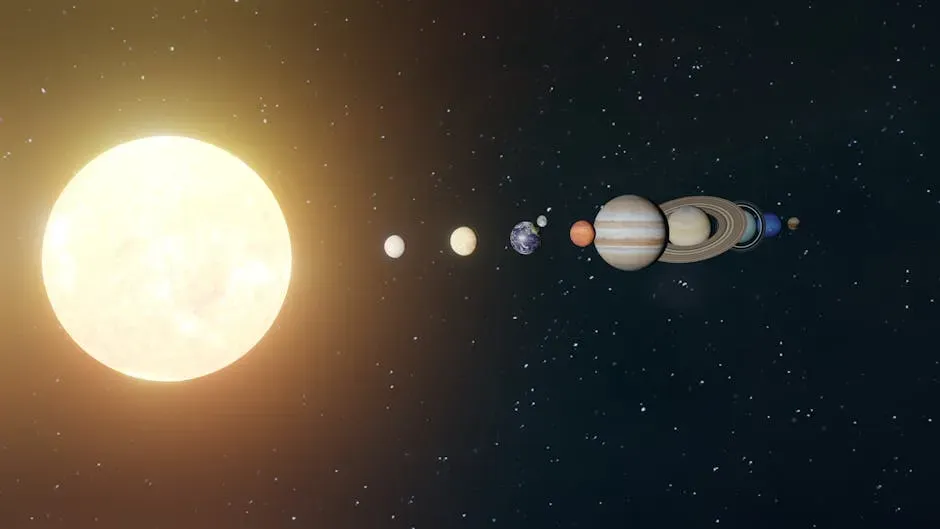
Perhaps the most philosophically important overlap is not a single data point but a worldview: the notion that Earth is one of several wandering stars, not the entire cosmic stage. In many Mesopotamian texts, the gods move across the heavens, linked with planets that have distinct characters and paths. Although their cosmology put Earth at the center and wrapped it in layers of sky and underworld, there is still a sense that our world is part of a structured system with other powerful bodies, not a flat plate under an arbitrary dome.
Modern astronomy in the twentieth century took that intuition and pushed it to extremes: Earth became one planet orbiting a nondescript star in a huge galaxy, itself one of uncountable galaxies. The Anunnaki narratives, especially as reinterpreted by modern writers, lean hard into the idea that the gods came from elsewhere in this system or even beyond it, which resonates emotionally with our current sense of living in a vast, populated cosmos. Historically, the evidence that ancient scribes literally thought in terms of alien planets and interstellar travel is weak. But the psychological move – seeing the sky as an ordered place, populated by traveling powers, and understanding Earth as one node in that order – absolutely foreshadows the mental shift that twentieth‑century astronomy forced on all of us.
Conclusion: Ancient Genius, Modern Projections, and the Real Mystery
When you line up the strongest Anunnaki‑related astronomical claims against what we actually know in 2026, a pattern emerges. The genuine, documentable overlaps mostly concern careful observation, long-term record keeping, and surprisingly clever mathematical schemes for predicting visible celestial events. The more sensational claims – hidden distant planets, explicit knowledge of Uranus and Neptune, or perfectly encoded grand precessional cycles – tend to dissolve into ambiguity once you strip away modern reinterpretations and look at the original texts as specialists understand them today.
Personally, I think the real marvel is not that ancient Mesopotamians secretly knew twentieth‑century astrophysics, but that without telescopes, rockets, or space probes, they still wrestled the sky into patterns that we can compare with modern data at all. That alone should feel almost supernatural, even though it rests on human patience and curiosity rather than visiting gods. So maybe the deeper question is not whether the Anunnaki were extraterrestrials with advanced tech, but why we are so eager to credit outsiders instead of recognizing how astonishingly capable humans have always been. If someone told you that clay tablets from four thousand years ago could still challenge how you see the universe, would you have believed it?