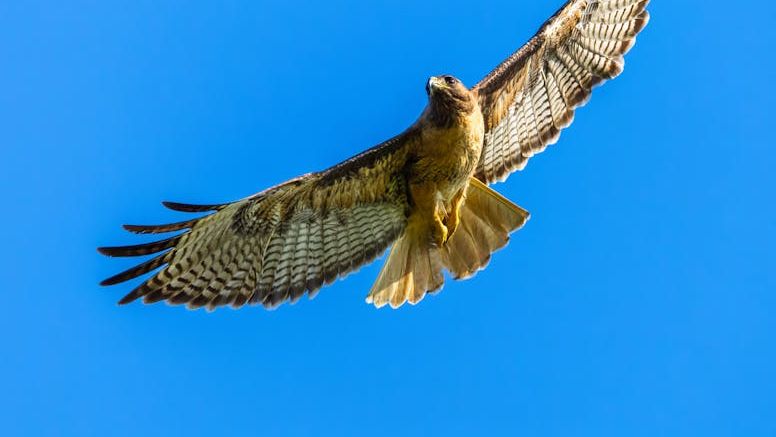

When a hawk circles above your house over and over, it is hard not to feel like something bigger is going on. You might catch yourself stepping outside, hand over your eyes, wondering whether this bird is bringing a message, a warning, or just looking for lunch. That mix of curiosity and unease is completely normal, especially because hawks have such a powerful presence in the sky.
At the same time, you live in a world where nature, science, and personal meaning all overlap. A circling hawk can be a very simple behavior with a straightforward explanation, and it can also stir something emotional or even spiritual in you. In this article, you will unpack both sides: what is really happening up there, what it might mean for your home and environment, and how you can respond in a way that is respectful, safe, and maybe even a little bit magical.
You Are Watching a Skilled Hunter at Work
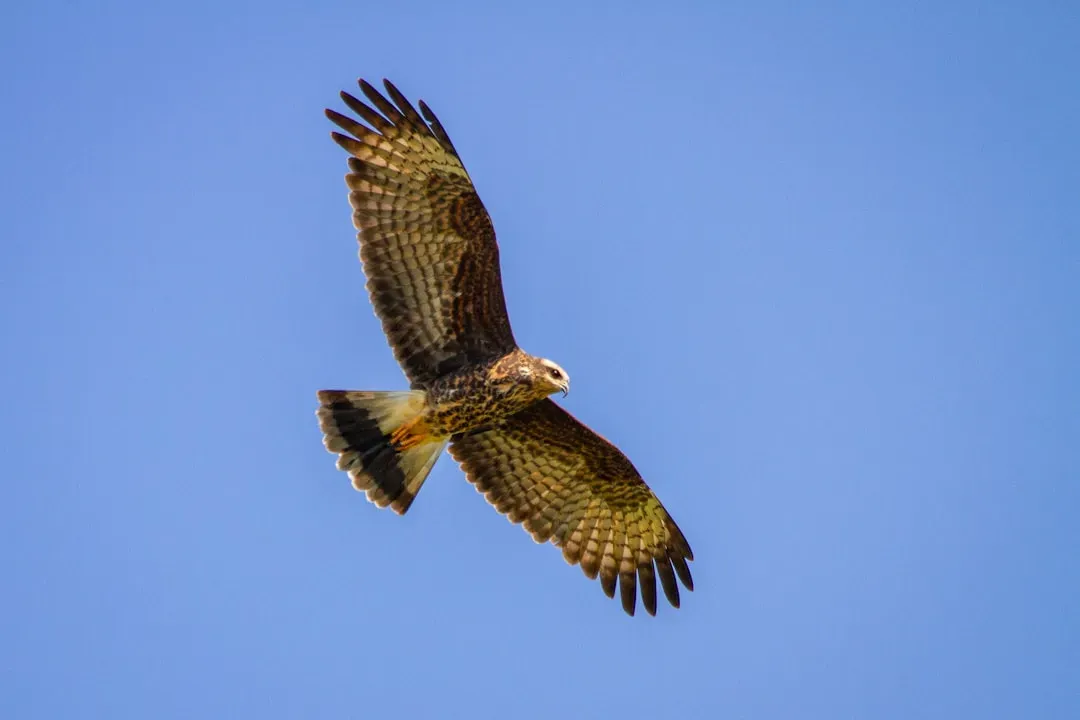
When you see a hawk circling above your house, the most down‑to‑earth explanation is also the most important: you are watching a hunter scanning for prey. Hawks have sharp eyesight and use that circular flight to survey a wide area for small animals like mice, voles, rabbits, snakes, and sometimes even unwary birds. Your roof, yard, and nearby trees just happen to be a great viewing platform from their perspective.
If you pay attention, you will probably notice patterns. The hawk may circle, pause briefly on a nearby tree or telephone pole, then take off again. It might return at similar times of day, often early morning or late afternoon when prey is more active. Instead of assuming it is about you personally, it helps to see your house as part of a local food network. In a way, your home is a balcony seat to a wild, ongoing drama that has been playing out long before you lived there.
Your Yard Is Likely a Rich Hunting Ground
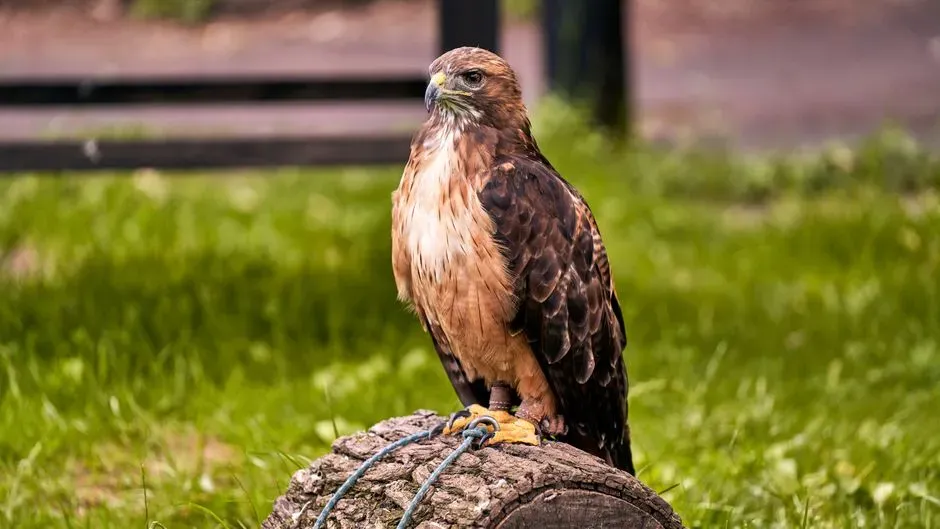
A hawk does not waste energy circling for no reason, so its repeated visits are usually a sign that your immediate surroundings are full of potential meals. Long grass, bird feeders, woodpiles, compost, chicken coops, and even outdoor pet food can all attract rodents and smaller birds. Those animals attract hawks the way a food court attracts people at a mall. If the bird keeps coming back, it is probably because your yard is paying off.
You can test this idea simply by slowing down and really looking at your outdoor space. You might spot chipmunks darting along your fence line, sparrows fighting over spilled seed, or evidence of burrows near sheds and decks. Once you start noticing these small movements, the hawk’s circling suddenly makes practical sense. Your roof is not just a roof; to a hawk, it is the high vantage point above a busy, hidden city of prey.
The Bird May Be Riding Invisible Highways in the Sky
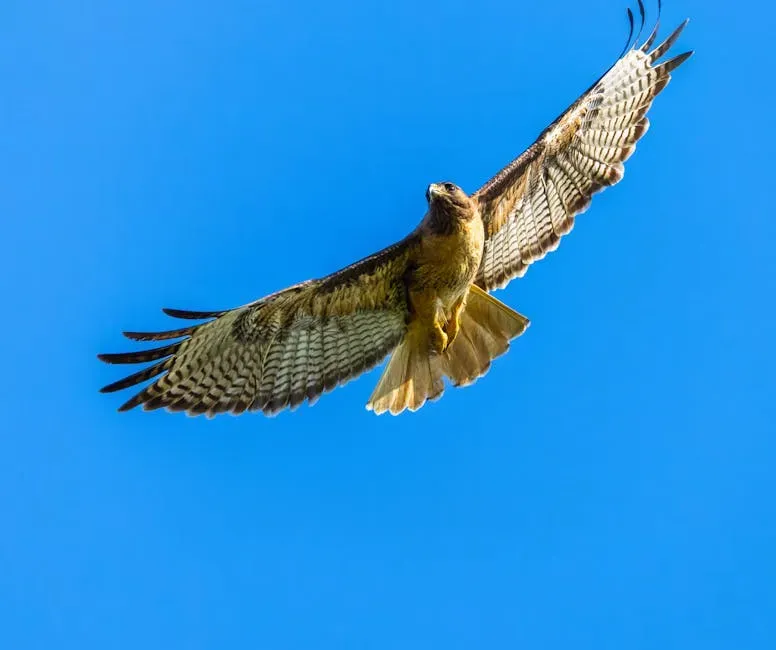
Sometimes, a hawk is circling less because of what is on the ground, and more because of what is happening in the air. Hawks often use rising columns of warm air, called thermals, to gain altitude while using very little energy. To you, those lazy circles might look like aimless wandering; to the hawk, it is like stepping onto a moving escalator that lifts it higher and higher with almost no effort.
Your house might sit in a spot where these thermals regularly form, especially if you live near open fields, paved areas, or hills that heat up in the sun. On sunny, breezy days, you may notice the hawk circling higher and higher until it is just a dot in the sky. In that case, your house is more like a landmark along an invisible aerial highway than a special target. The bird is simply using the physics of the air above you to travel, hunt, or migrate more efficiently.
You Might Be Near a Nest or Territory Boundary
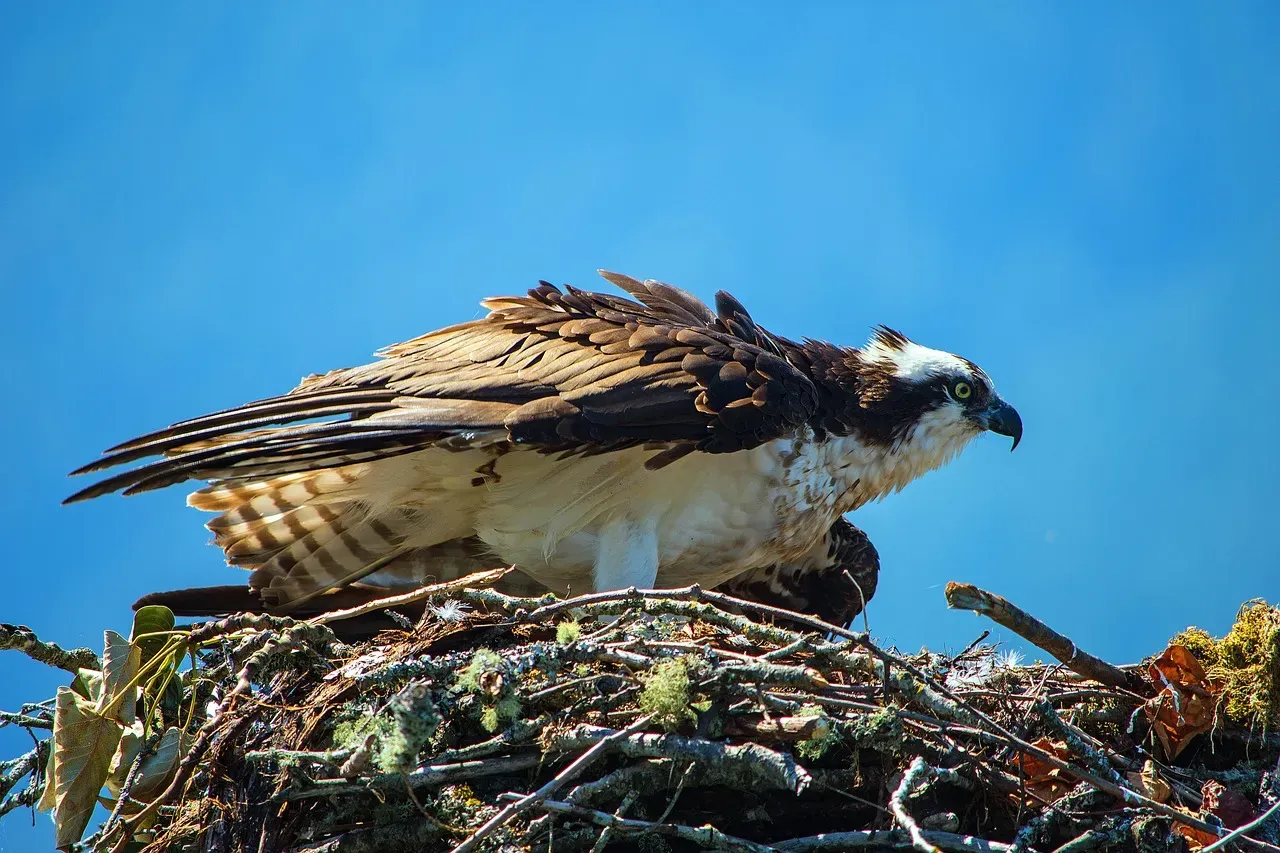
If a hawk is circling your house repeatedly and also calling loudly, diving, or perching on the same trees day after day, you may be near a nesting site or a defended territory. Hawks are territorial during breeding season and will patrol their space to chase off rivals and potential threats. Your house, tall trees, or even a quiet corner of your yard could be close to where they have chosen to raise their young.
In this situation, you might notice more than one hawk, especially during spring and early summer. One may circle while another remains nearer a nest, or they might take turns hunting and guarding. If you have kids or pets, it is worth paying attention to these behaviors, not because hawks are out to get you, but because a protective parent bird can be bold. Giving them space and watching from a distance respects their instincts while keeping your family at ease.
You Are Seeing a Natural Rodent Control System
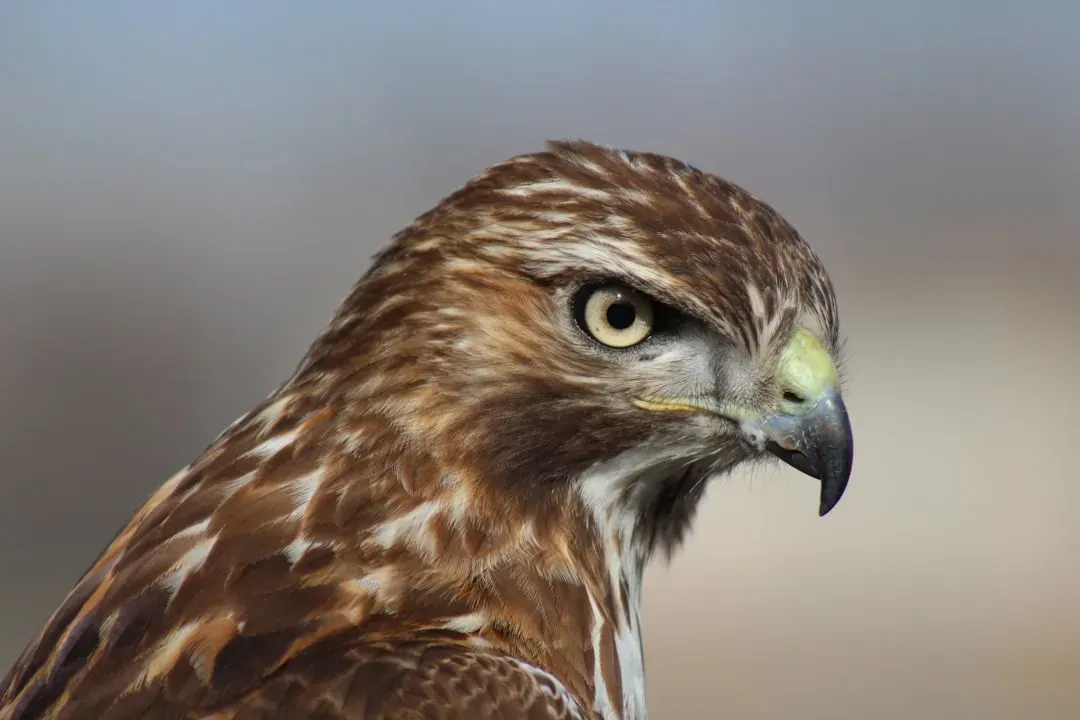
While it can feel unsettling to have a raptor circling your home, that bird is actually doing you some big favors. By hunting rodents and other small animals, hawks help keep populations in check. That means fewer mice in your garage, fewer rats raiding your trash, and less chance of rodent‑related damage or disease. In a very real sense, the circling hawk is a free, eco‑friendly pest control service that costs you nothing but a little curiosity.
If you think about it, people pay good money for traps, poisons, and professional services to deal with the same problem. A hawk is the opposite of all that: silent, efficient, and self‑managing. As long as you are not leaving out unsecured chickens, small outdoor pets, or piles of food waste, you benefit far more than you lose. Seen from this angle, that repeating circle above your house becomes a sign that the natural balance around you is still working.
Spiritual and Symbolic Meanings You Might Feel
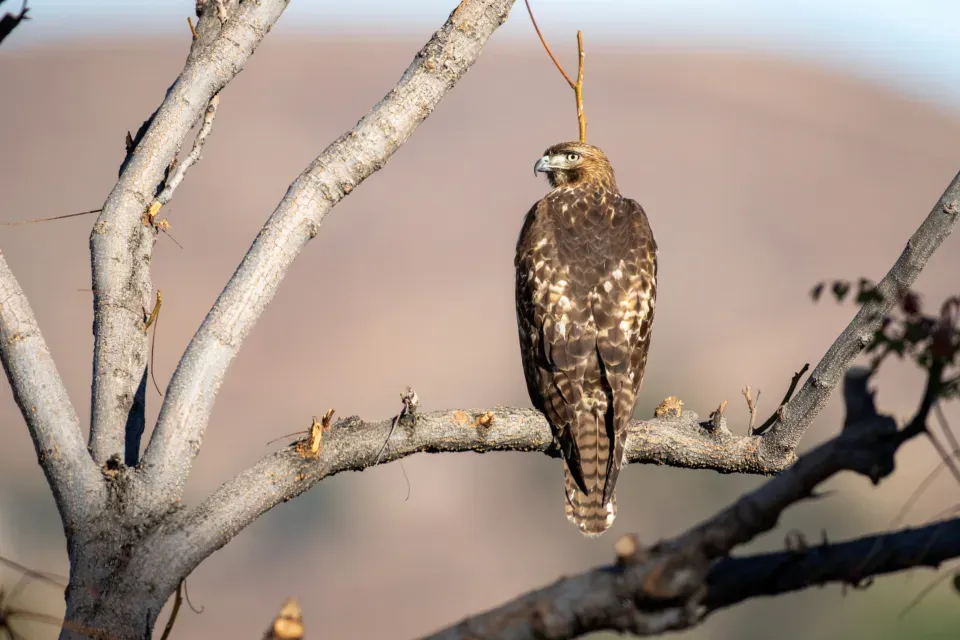
Beyond biology, you might feel that a hawk repeatedly circling your house is some kind of sign. Across many cultures, hawks are associated with keen vision, focus, courage, and a higher perspective. When you see one circling persistently, it can stir a sense that you are being asked to pay closer attention, rise above daily noise, or see a situation in your life from a wider angle. Even if you are not religious, that feeling can be powerful.
The key is to treat this more like a mirror than a message written in stone. The hawk is not sending you a personalized memo, but your reaction to it can reveal a lot. Maybe it appears during a time when you are weighing a big decision, feeling stuck, or craving change, and its calm, commanding flight nudges you to zoom out mentally. You are allowed to let nature inspire you, as long as you remember that the bird is still just being a bird.
Safety for Small Pets and Backyard Animals
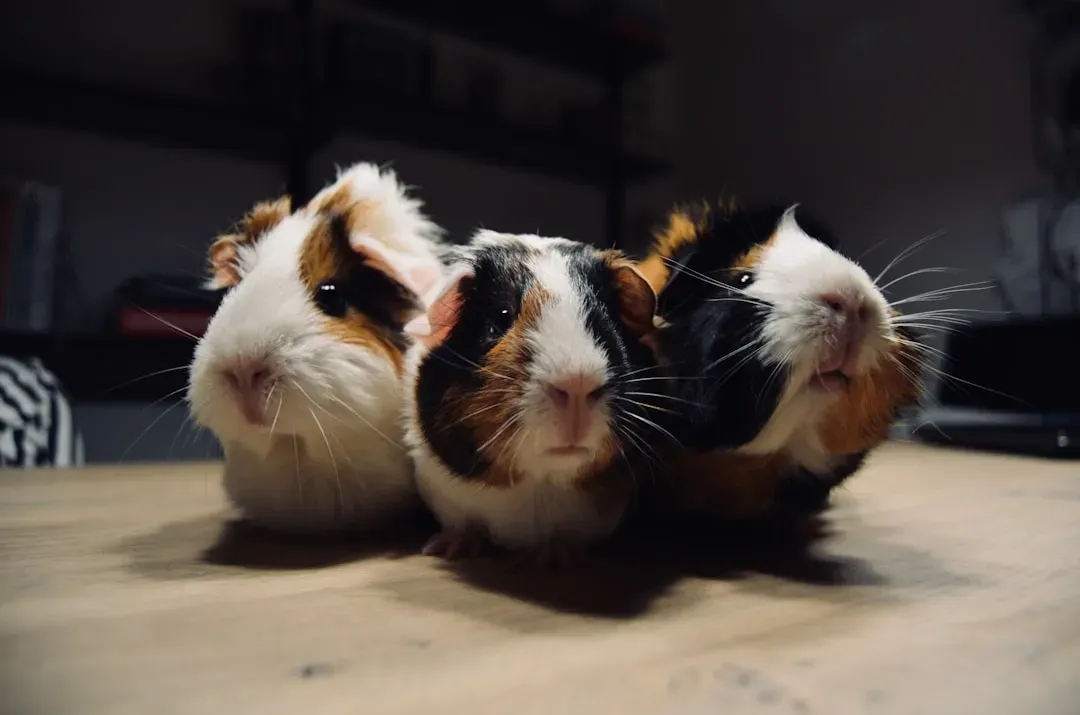
Of course, when a predator is circling overhead, you naturally worry about the small creatures you care about. If you have tiny dogs, cats, rabbits, guinea pigs, or backyard chickens, it is smart to be cautious. While larger pets are usually safe, very small ones can be at some risk, especially if they are left unsupervised in open spaces with nowhere to hide. You do not need to panic, but you do want to be realistic about size and vulnerability.
You can take simple, practical steps without turning your yard into a fortress. Covered runs for chickens and rabbits, supervised outdoor time for the tiniest pets, and plenty of shrubs or shelters for smaller animals all reduce exposure. Avoid leaving pet food or scraps outside that attract extra prey animals, which in turn draw in more hawks. This way, you let the raptor do its natural job while you still protect the companions that depend on you.
How to Respond Respectfully Without Interfering
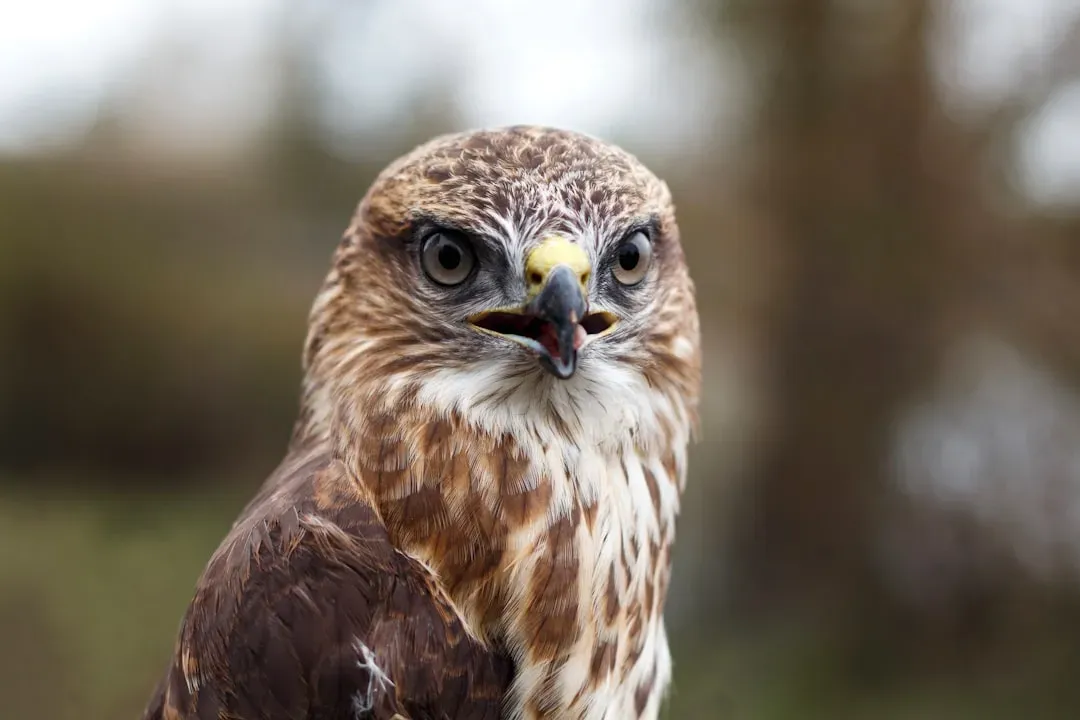
When a hawk keeps circling above your house, you might feel the urge to chase it away or somehow intervene. In most places, though, hawks are legally protected, and there is no ethical reason to harm or harass them. Instead, your best response is to adjust your environment if needed and then simply observe. If the presence of the bird shows you that you have a rodent problem, for example, you can secure trash, seal gaps, and tidy clutter while still letting the hawk hunt naturally.
You can also turn the experience into a chance to deepen your connection with the place you live. Grab a pair of binoculars, keep a little notebook, or just mentally track when the hawk appears, how it flies, and where it perches. Over time, you might recognize individual birds and seasonal patterns. That sense of familiarity can replace anxiety with a kind of quiet companionship, as if you share your neighborhood with a wild neighbor who just happens to prefer the sky.
Seeing a Hawk as a Reminder of Perspective
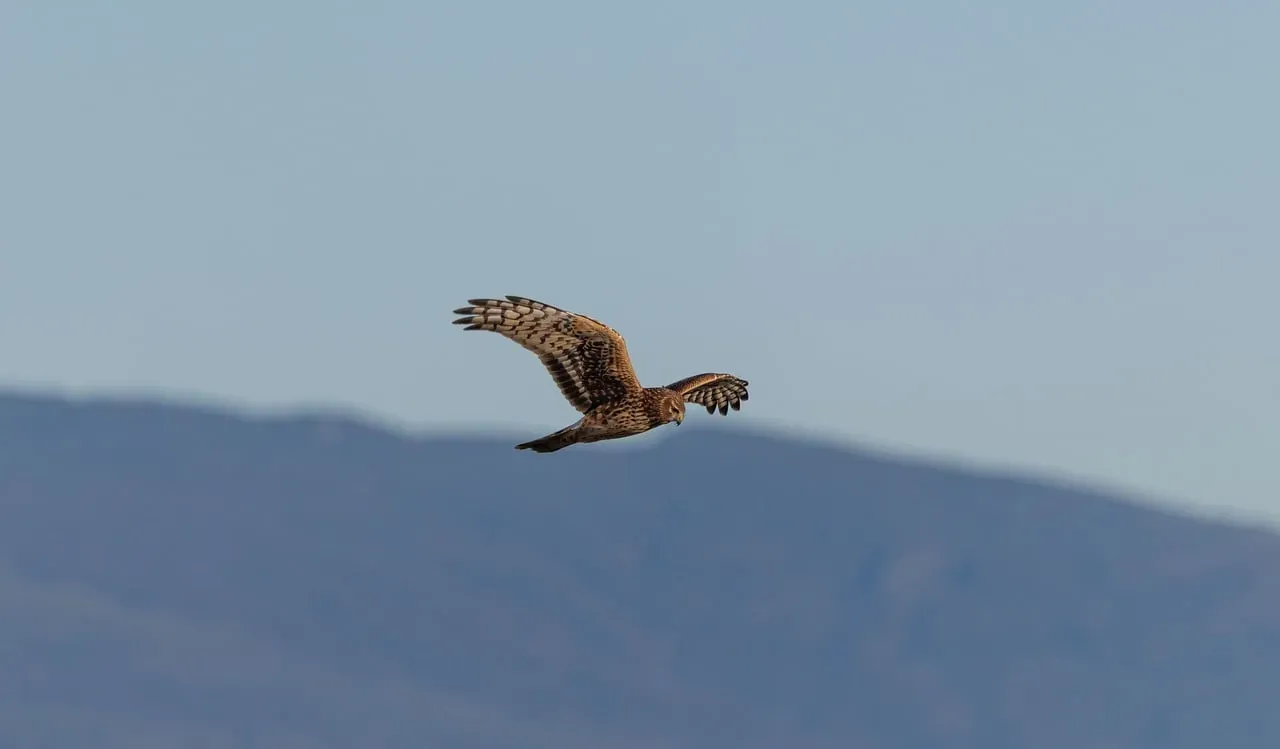
When you step back, a hawk circling above your house repeatedly is a reminder that your daily life takes place inside a bigger, wilder world. On the surface, it is hunting, nesting, gliding on thermals, and keeping rodents in check. Underneath that, it might be nudging you to look up more often, to notice the subtle life around your home, and to remember that you are part of an ecosystem, not separate from it. That realization alone can be strangely grounding.
At the end of the day, you do not have to choose between science and meaning. You can understand the hawk’s behavior in clear, practical terms and still let it spark reflection about focus, courage, and perspective in your own life. The next time you hear that faint cry or notice a shadow circling over your yard, you might feel a little less spooked and a little more in awe. When was the last time you looked up and really noticed who is sharing the sky above your home?