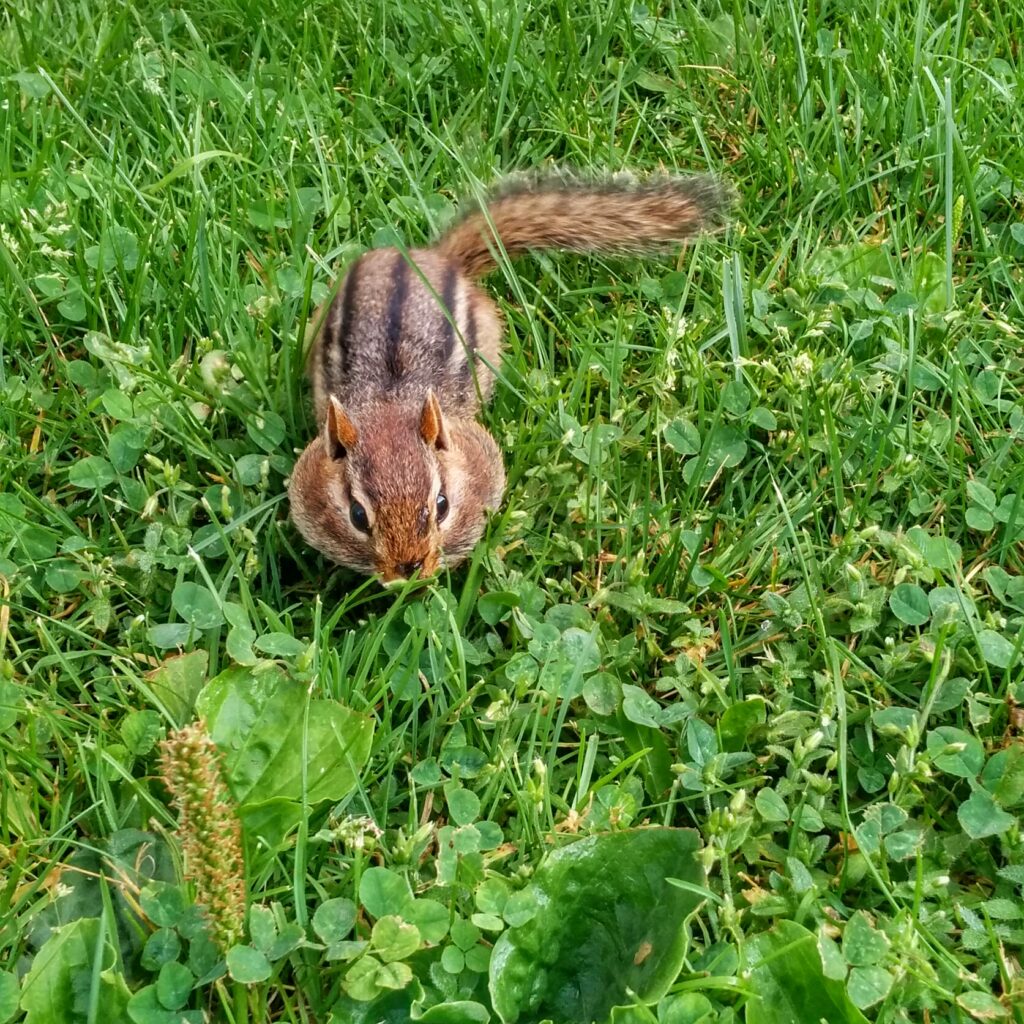
You’re walking through the yard, you spot a tiny chipmunk on the move, and suddenly its cheeks balloon like it’s smuggling half the forest in its face. Then, in a blink, it vanishes into a hole and does not come back up for hours. It feels mysterious, almost like a tiny magic trick happening right under your feet.
Once you know what is actually going on, that little scene turns from cute to downright fascinating. Behind those stuffed cheeks and quick escapes are survival strategies, complex behavior, and some surprisingly intense drama. Let’s pull back the curtain on what that chipmunk is really up to underground – and why it should completely change how you see that “cute little rodent” in your yard.
Those Huge Cheeks Are Not Just Cute, They’re Serious Storage Tech
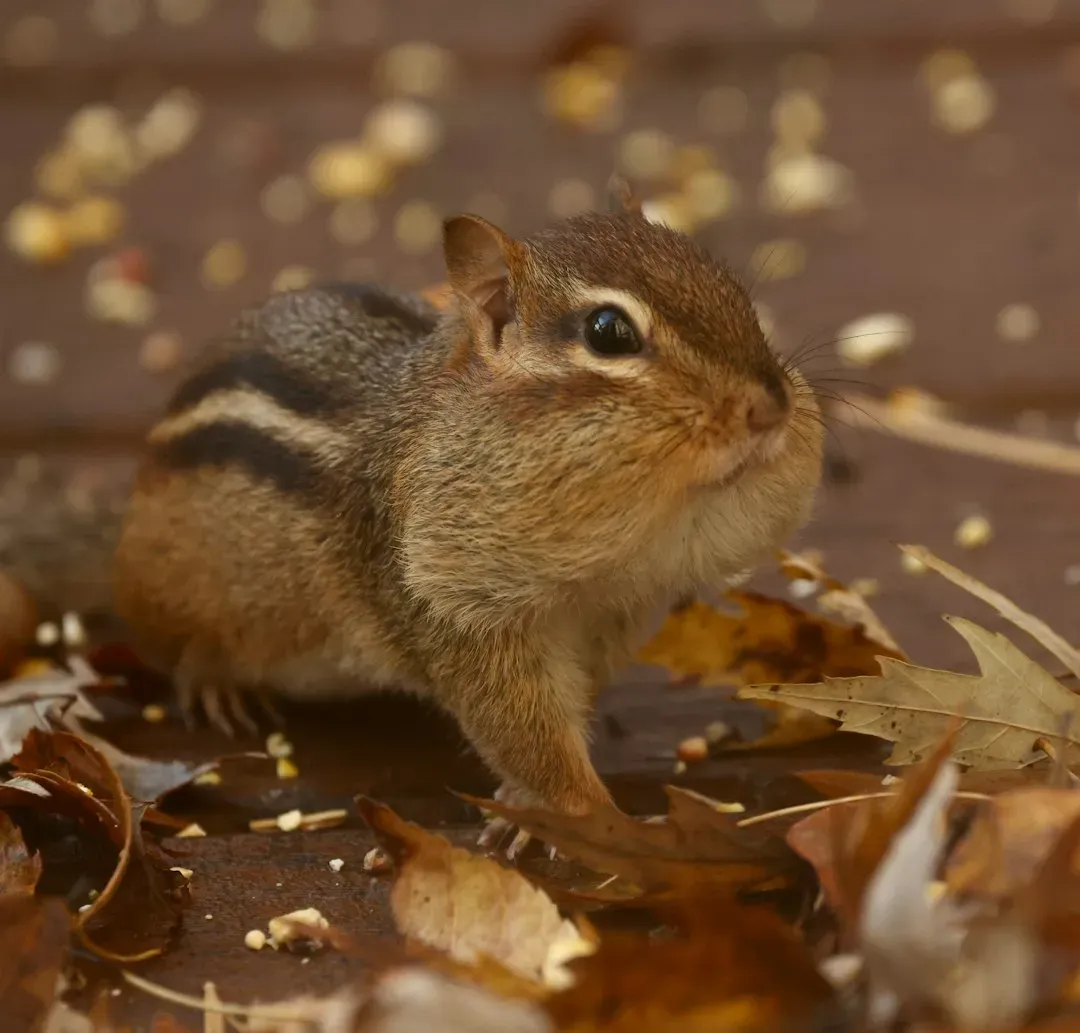
When a chipmunk’s cheeks balloon out, you’re watching a highly evolved storage system in action. Chipmunks have expandable cheek pouches that run back along the sides of their head and neck, allowing them to stuff in seeds, nuts, and bits of food many times the size of their own head. It looks funny, but it is one of the main reasons they survive harsh seasons.
Instead of nibbling everything on the spot like a squirrel often does, a chipmunk behaves more like a tiny cargo truck. It races out, loads up, then races back to unload in hidden storage rooms. Every trip with full cheeks is a high-stakes grocery run; every second above ground is risk, so those cheeks let the chipmunk make the risk worth it.
Vanishing Underground Is About Survival, Not Shyness
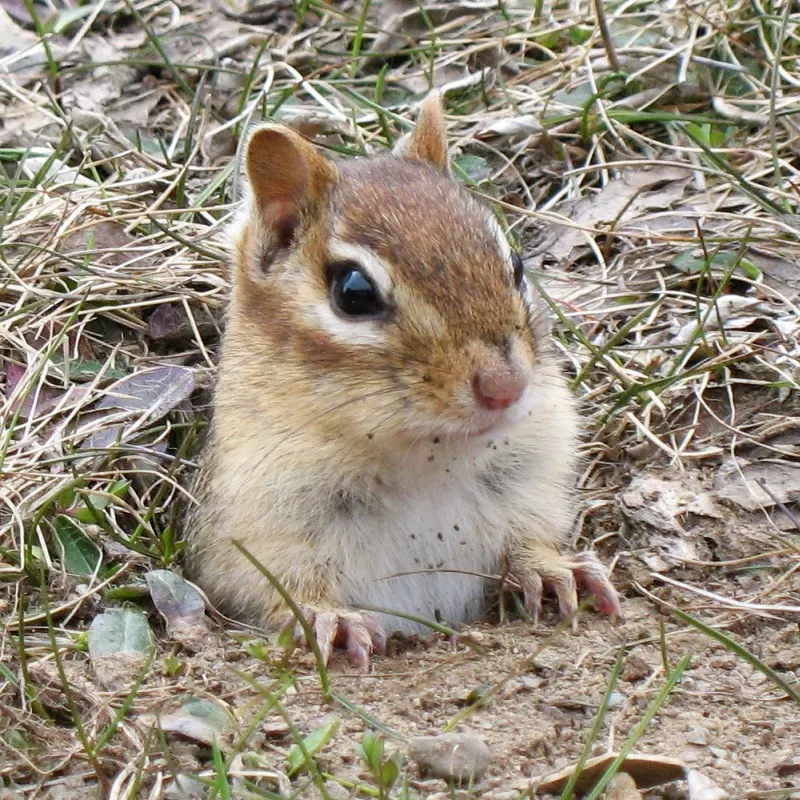
When a chipmunk disappears underground for hours after filling its cheeks, it is not ducking you because it is antisocial; it is avoiding predators. Hawks, owls, foxes, snakes, and even roaming neighborhood cats are constant threats. Staying exposed on the surface, even for a few extra minutes, can be the difference between living and becoming lunch.
Going underground turns the terrain in the chipmunk’s favor. Below the surface, it has narrow tunnels, hidden chambers, and multiple exits that are nearly impossible for larger animals to maneuver through. What looks like a simple hole in your lawn is often the front door to a carefully designed bunker built for escape and protection.
Inside the Burrow: A Tiny Multi-Room Home You Never See
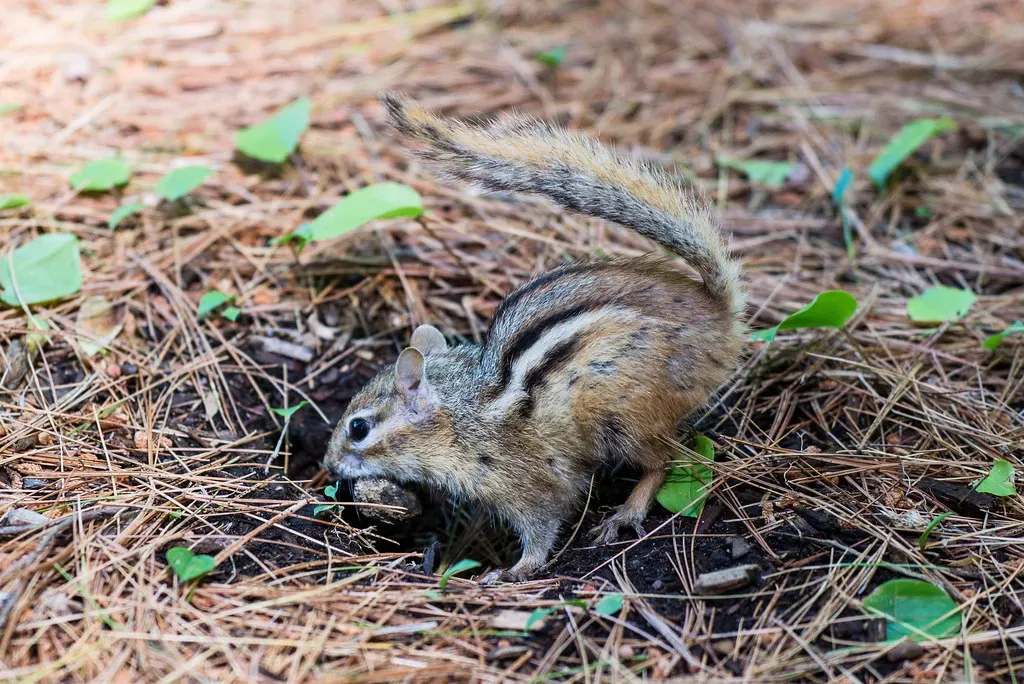
Once your chipmunk neighbor vanishes into the ground, it is usually not just sitting there in a single dirt tunnel. Chipmunk burrows can have several meters of passageways with multiple rooms, including food storage chambers, nesting areas, and sometimes separate “bathroom” spots to keep their living space cleaner. It is far more sophisticated than the random hole it appears to be from above.
There are often multiple entrances and emergency exits, some of them hidden under leaves or grass to avoid detection. If a predator sticks its nose into one opening, the chipmunk can shoot out another like a tiny escape artist. So when it disappears for hours, it is not “gone” so much as busy moving, organizing, and living in an underground mini-city.
Chipmunk Hoarding: The Underground Pantry Strategy
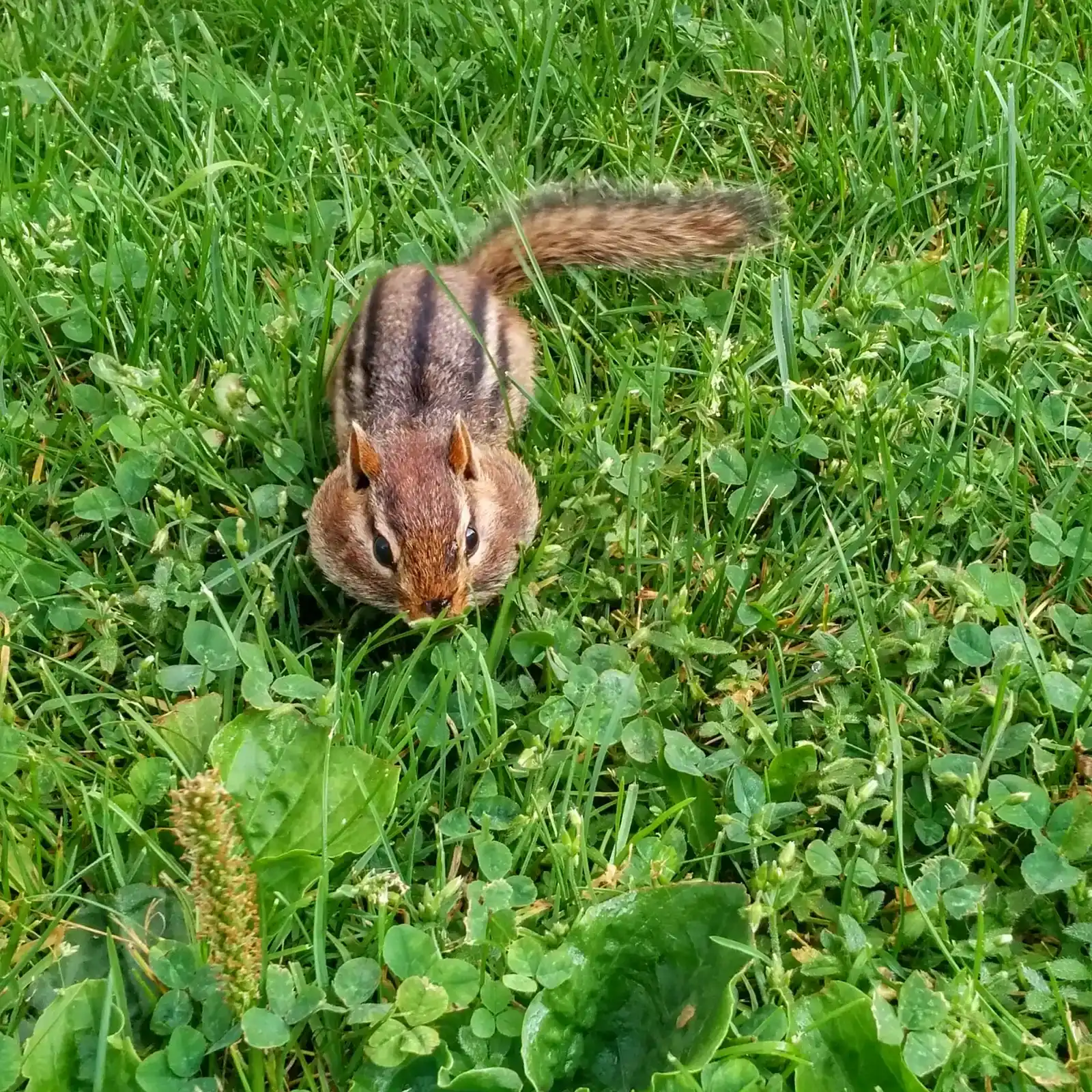
Those stuffed cheeks almost always mean one thing: pantry work. Chipmunks are classic “scatter hoarders” and “larder hoarders,” meaning they can stash food both in many small spots and in one large main storage area. Underground, they unload those cheeks into stockpiles of seeds, nuts, and grains that can keep them going through winter or long stretches of bad weather.
In some cases, a single chipmunk can store thousands of seeds over a season. That might sound extreme, but scarcity is their normal reality. When temperatures drop or snow covers the ground, that pantry becomes life support. So if your chipmunk disappears for hours after a big forage, it is probably busy sorting, moving, and tucking away food like a tiny, obsessive organizer preparing for the worst.
Why Chipmunks Rush: Every Surface Trip Is a Risky Mission
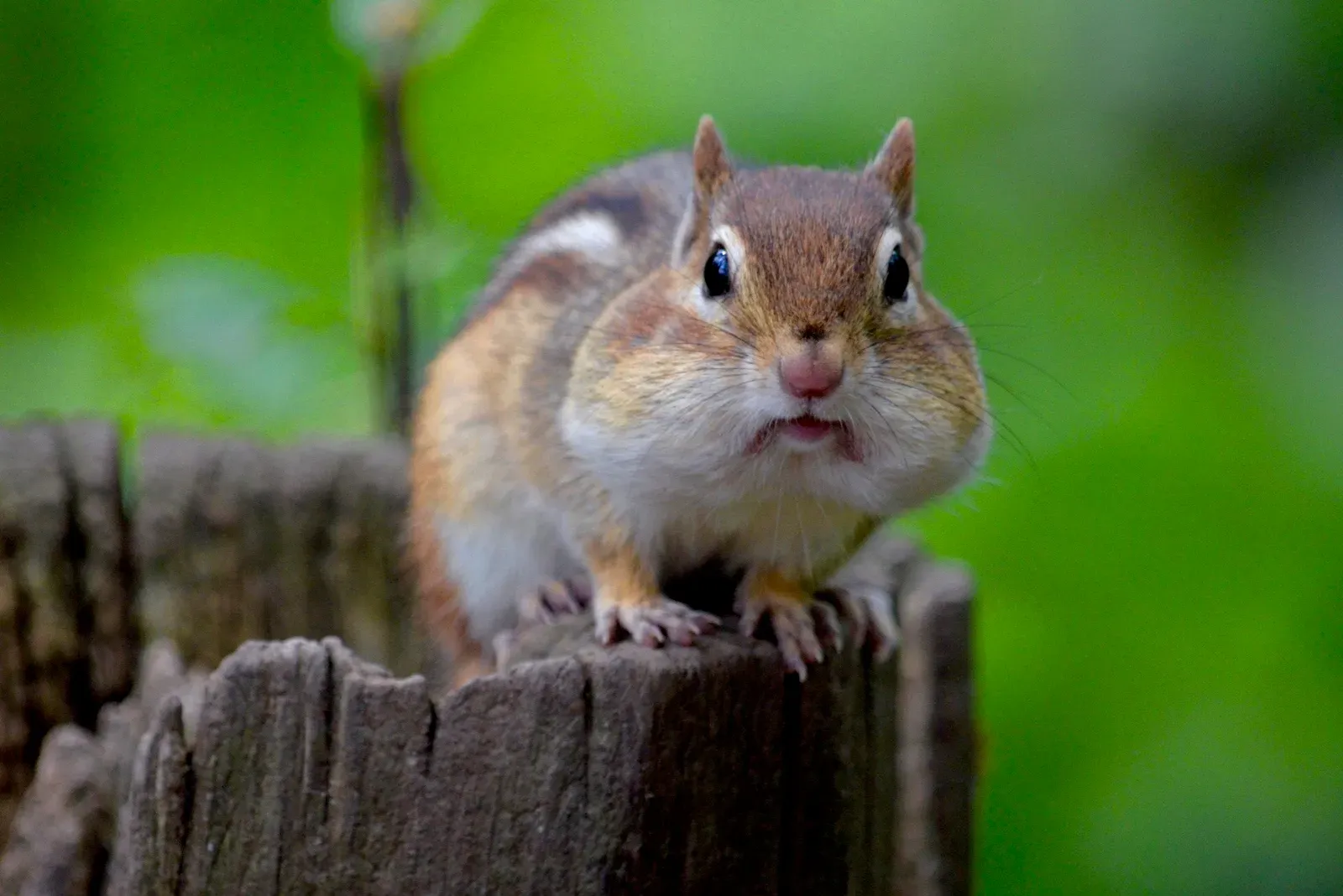
The frantic speed – dash out, stuff cheeks, vanish – is not random hyperactivity. From the chipmunk’s point of view, every second in the open is like standing in the middle of a highway. Raptors scan from above, snakes hunt from below, and mammals stalk from the sides. Moving quickly and minimizing time exposed is a clear survival upgrade.
Filling the cheeks to the max makes those dangerous moments more efficient. Instead of carrying one nut at a time in its mouth or paws, the chipmunk uses each outing to haul a big payload. Think of it like trying to bring all your grocery bags in from the car in one trip: awkward, maybe, but it means you get inside faster and close the door on the outside world sooner.
Seasonal Clues: What Their Behavior Says About the Time of Year
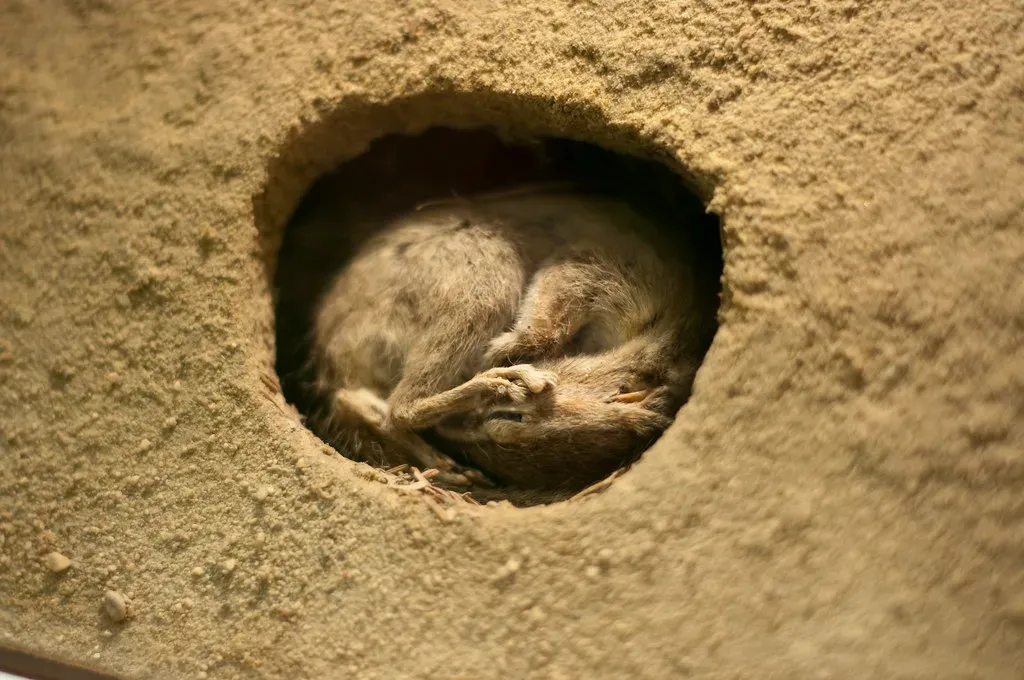
If you notice your local chipmunk filling its cheeks and vanishing underground more often and for longer in late summer or fall, you are watching a seasonal sprint. As days shorten and temperatures begin to drop, chipmunks ramp up their efforts to build food reserves and patch up burrows. Those long hours underground may be spent reorganizing storage, expanding chambers, or fortifying entrances.
In colder regions, chipmunks do not truly hibernate in the deep, continuous way some animals do; instead, they enter states of torpor and wake periodically to eat from their stash. That means every nut and seed stored in late summer and autumn is directly tied to whether they make it through winter. So those intense, repetitive disappearances underground are basically their version of overtime before a long shutdown.
Family Life Underground: Nests, Young, and Quiet Drama
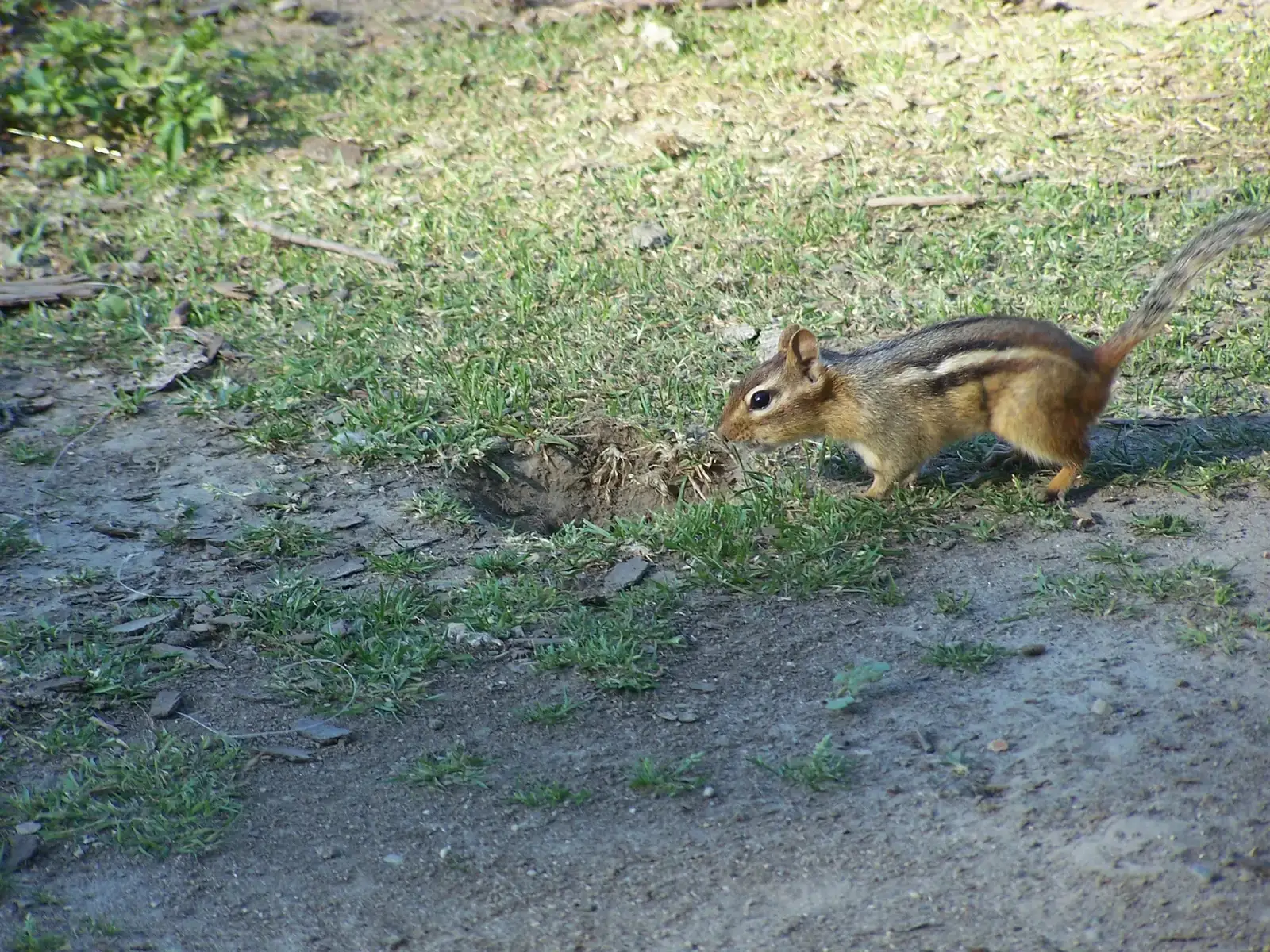
Sometimes, cheeks full of food and long stretches underground are not just about the adult’s survival, but about feeding and protecting babies. Chipmunks typically raise their young in those same burrows, in nesting chambers lined with leaves, grasses, and other soft materials. When there are young in the nest, adults need to bring in more food and spend more time below ground to keep everyone safe.
This family dynamic often means that what looks like one chipmunk popping in and out actually represents a much more complex life below the surface. There can be nursing, grooming, sleeping piles of tiny chipmunks, and careful guarding from unseen threats. You may never see the young directly, but those stuffed cheeks and long absences can be subtle signs that there is a lot more life under your lawn than you realize.
Chipmunks as Garden Villains or Unsung Helpers?
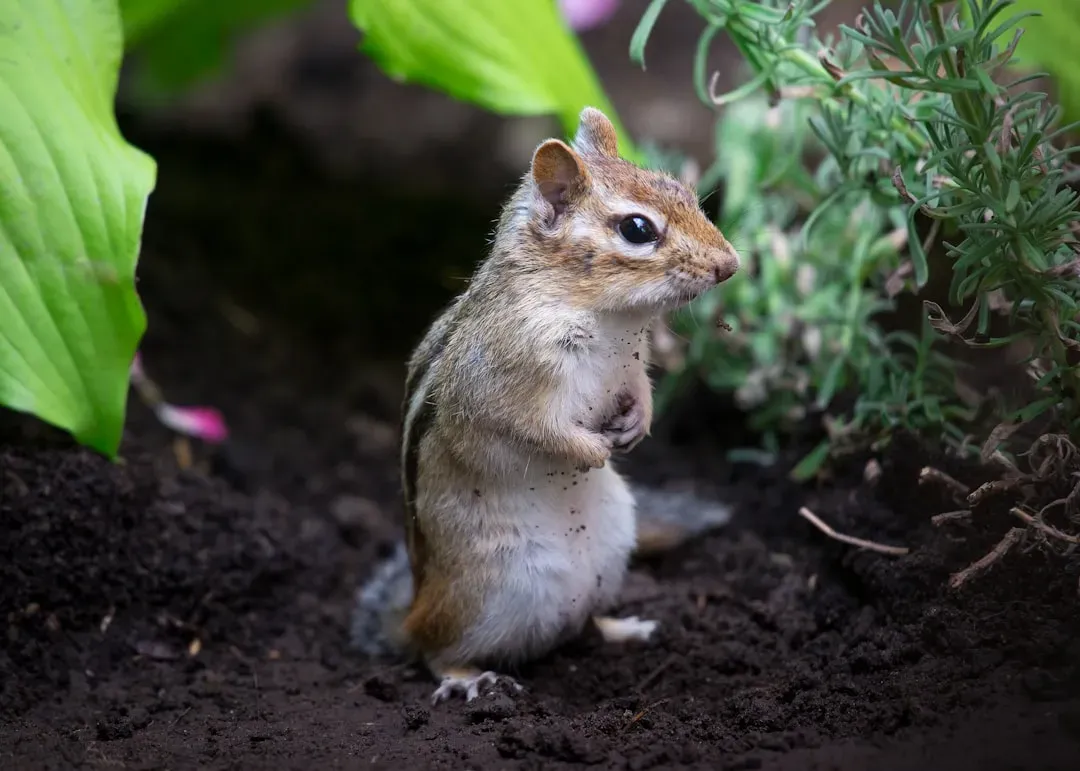
When people see chipmunks disappear underground, especially near gardens, the first reaction is often annoyance or worry about damage. Yes, they can dig around foundations, raid bird feeders, or nibble on bulbs and freshly planted seeds. If you care about your landscaping, it is easy to put them on your mental list of pests and think of those full cheeks as stolen property.
But chipmunks also play a surprisingly useful ecological role. By burying and sometimes forgetting seeds and nuts, they help with forest regeneration and plant spread. They feed predators higher up the food chain and mix soil through their tunneling. Personally, I think we underestimate how much value there is in tolerating a bit of minor mischief in exchange for the quiet, constant ecological work these tiny neighbors are doing beneath our feet.
What Your Chipmunk Is Really Telling You When It Vanishes
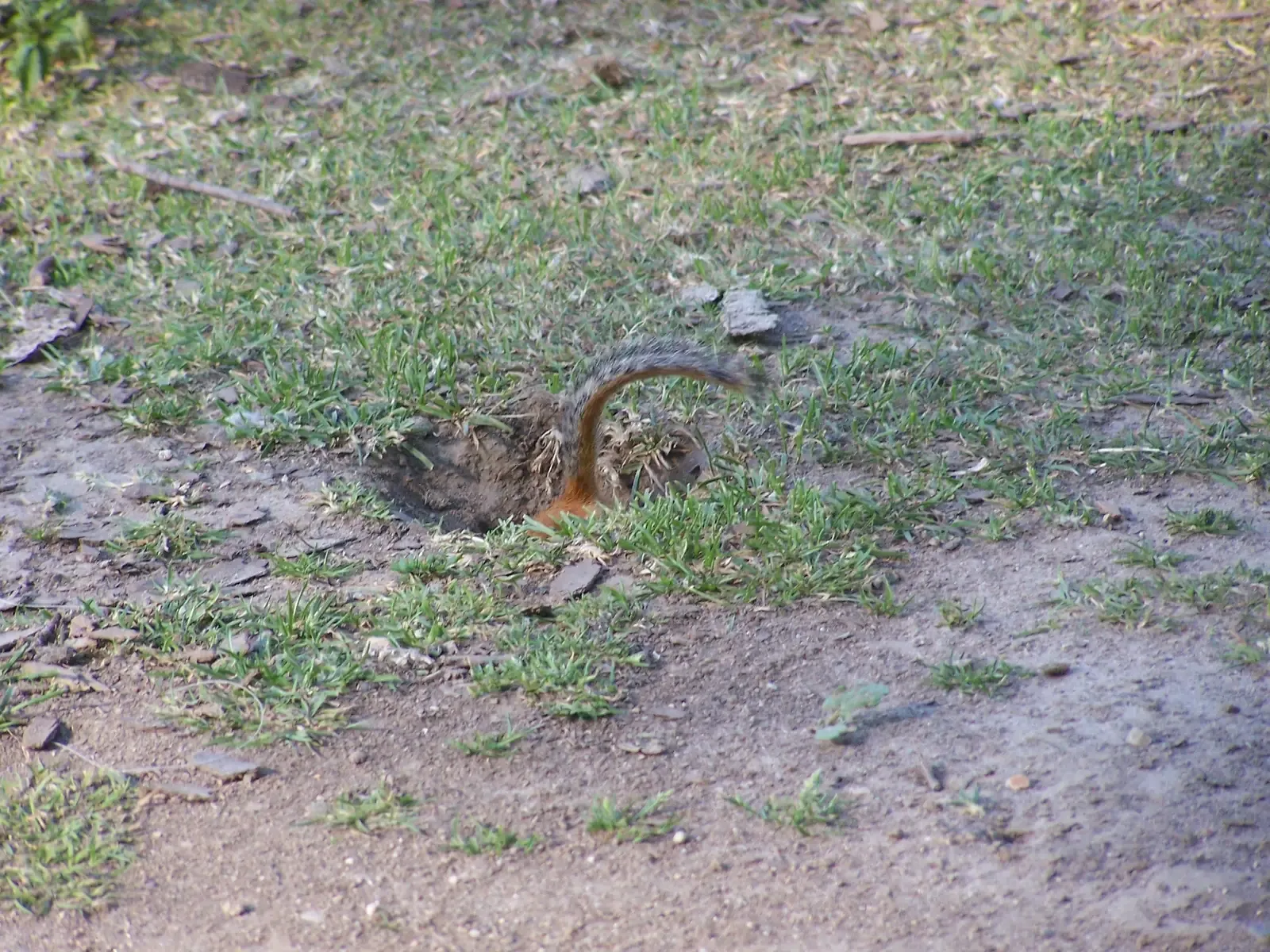
When you put it all together – the cheek pouches, the frantic foraging, the long hours underground – your chipmunk is sending a pretty clear message: life out there is tough, and every behavior is tuned for survival. It is not just being “cute” when it stuffs its face; it is running a carefully balanced system of risk, storage, family care, and seasonal timing. Once you see that, the whole scene feels a lot more like watching a skilled worker than a cartoon character.
If anything, that little vanishing act is a reminder that wild animals around us have complex strategies we rarely notice. The next time a chipmunk swells its cheeks and disappears for hours, it is worth pausing before calling it a nuisance. Under that patch of soil, there is a hard-working, anxious, relentlessly prepared creature betting its entire life on those secret tunnels and carefully packed food piles – and that makes the whole show a lot more impressive, don’t you think?