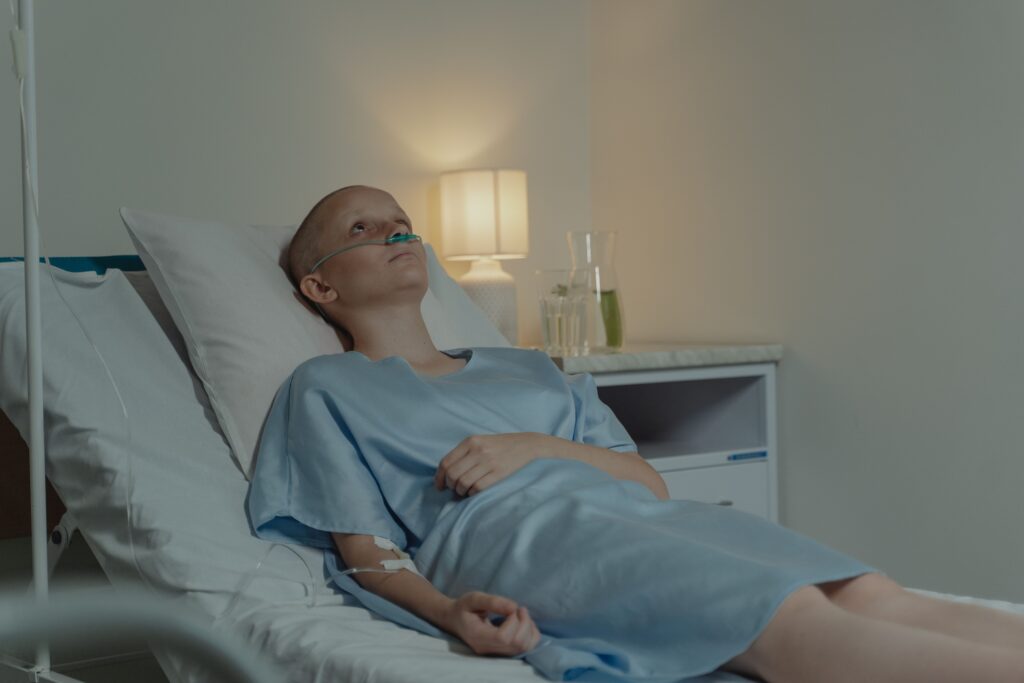

Most of us secretly assume that when we die, someone will be there: a hand to hold, a voice to hear, a nurse rushing in when the monitors start to scream. But what happens when none of that is there, when death arrives in a quiet room, a small apartment, or an empty field and nobody notices for hours, days, or even longer? The idea of dying alone hits a deep, ancient fear, but underneath the emotion is a very physical story written in blood chemistry, failing organs, microbes, and time.
In reality, the biology of a solitary death is not dramatically different from any other death at the moment it happens; your cells do not care if a loved one is in the room. What changes is everything that comes after: how fast your body cools, how insects and bacteria move in, what marks are left for investigators or relatives, and how your story is reconstructed from the traces you leave behind. Once you understand the timeline, the picture becomes less like a horror movie and more like a strange, precise clock ticking through its final sequence. It can be unsettling, but weirdly, knowing the science can make the idea less terrifying and a little more honest.
The Final Minutes: How the Body Actually Shuts Down
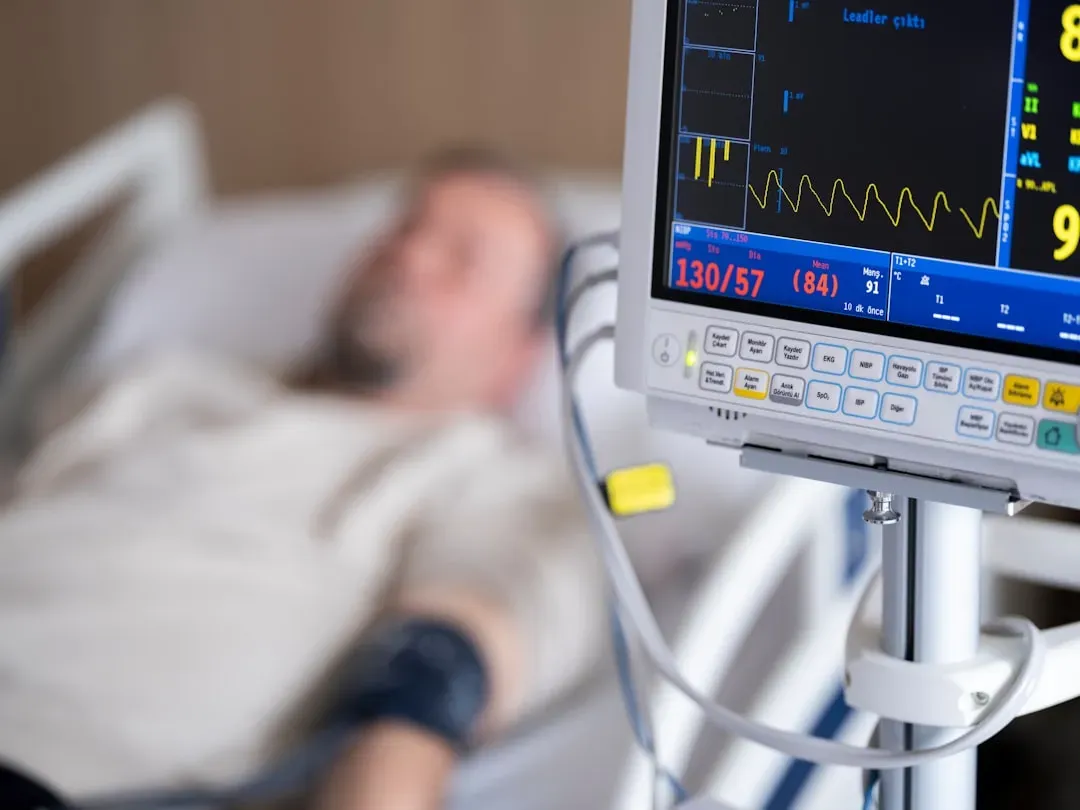
The moment of death is not a single switch flipping off; it is more like a city going dark neighborhood by neighborhood when the power grid fails. In the minutes leading up to death, the heart may become erratic, breathing turns shallow or irregular, and blood pressure drops so low that organs begin to starve for oxygen. If someone dies alone, these last changes still unfold in the same order: brain, heart, and lungs are locked together in a kind of mutual collapse, each organ depending on the others and failing together.
At the cellular level, oxygen levels fall and energy production grinds to a halt, so cells cannot maintain their internal chemistry. Ion pumps in cell membranes fail, causing a rush of ions and water that makes cells swell and break apart. In a hospital, monitors turn these invisible changes into lines and numbers; in an empty room, there is only silence, but the physiology is identical. Consciousness likely fades before the final shutdown is complete, meaning the person is usually gone in any subjective sense even while some parts of the body are still struggling on for a few last mechanical beats.
The First Hour After Death: Cooling, Relaxing, Then Stiffening
Once the heart has stopped and breathing ceases, the body begins the slow slide back toward the surrounding environment. Blood settles under the influence of gravity, creating purplish discoloration in the lowest parts of the body, a process known as lividity. At the same time, body temperature starts to fall toward room temperature, usually dropping noticeably within the first hour, though the exact rate depends on factors like clothing, insulation, and room temperature. When someone dies alone, nobody adjusts the thermostat, opens windows, or moves the body, so these processes may be surprisingly “clean” from a forensic perspective.
Muscles initially relax, which is why the face may appear peaceful and the jaw can slacken shortly after death. Then, as energy stores are depleted, rigor mortis develops: muscles stiffen because they can no longer break the bonds between the proteins that produce contraction. This stiffness usually starts in smaller muscles like those of the jaw and neck before spreading to the limbs over the next several hours. In a solitary death, there is no one to reposition the body during this window, so the final posture is fixed wherever gravity and last movements left it, sometimes creating awkward or even misleading scenes for those who eventually find the person.
The Invisible Battle Inside: Autolysis and the Body Digesting Itself
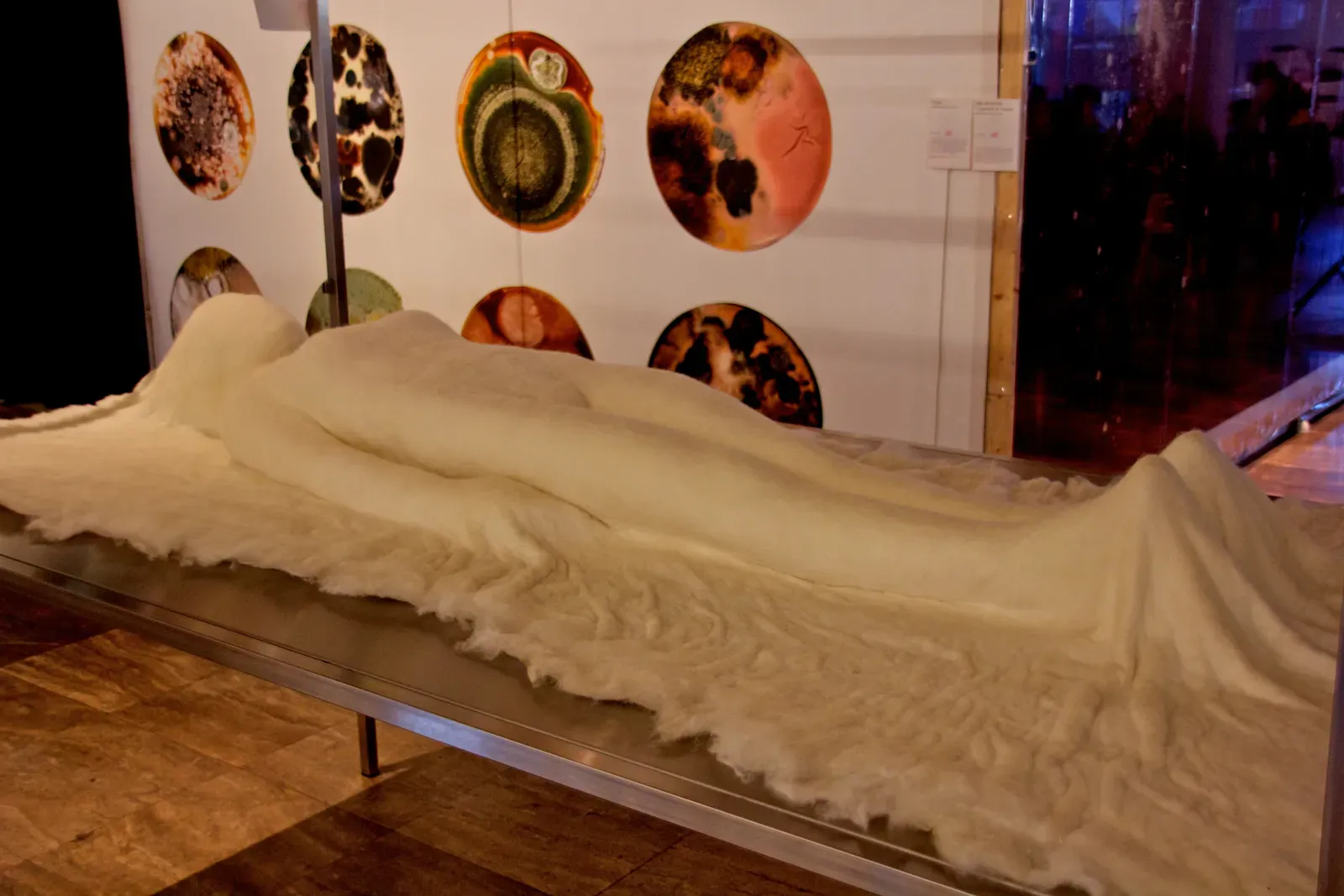
Without fresh oxygenated blood and active regulation, cells lose their integrity and the body’s own enzymes start a quiet, relentless attack. This self-digestion process, called autolysis, begins in organs rich in powerful enzymes like the pancreas, liver, and stomach lining. These enzymes normally help you break down food, but after death they turn inward, breaking cell membranes, loosening tissues, and releasing fluids into surrounding spaces. It is not dramatic on the outside yet, but inside, the structure of organs is slowly dissolving.
In a hospital death, embalming or refrigeration may interrupt this progression fairly quickly, but a solitary death often means autolysis is allowed to unfold naturally for many hours or days. The body’s pH changes, membranes leak, and compartments that were strictly separated in life begin to mix. It sounds gruesome, but you can think of it almost like a meticulously organized office whose filing cabinets suddenly unlock and spill out, papers drifting into chaotic piles. By the time someone discovers the body, much of this invisible chemistry has already reshaped the internal landscape, even if the outer appearance seems relatively unchanged.
Microbial Takeover: From Friendly Residents to Decomposition Engineers
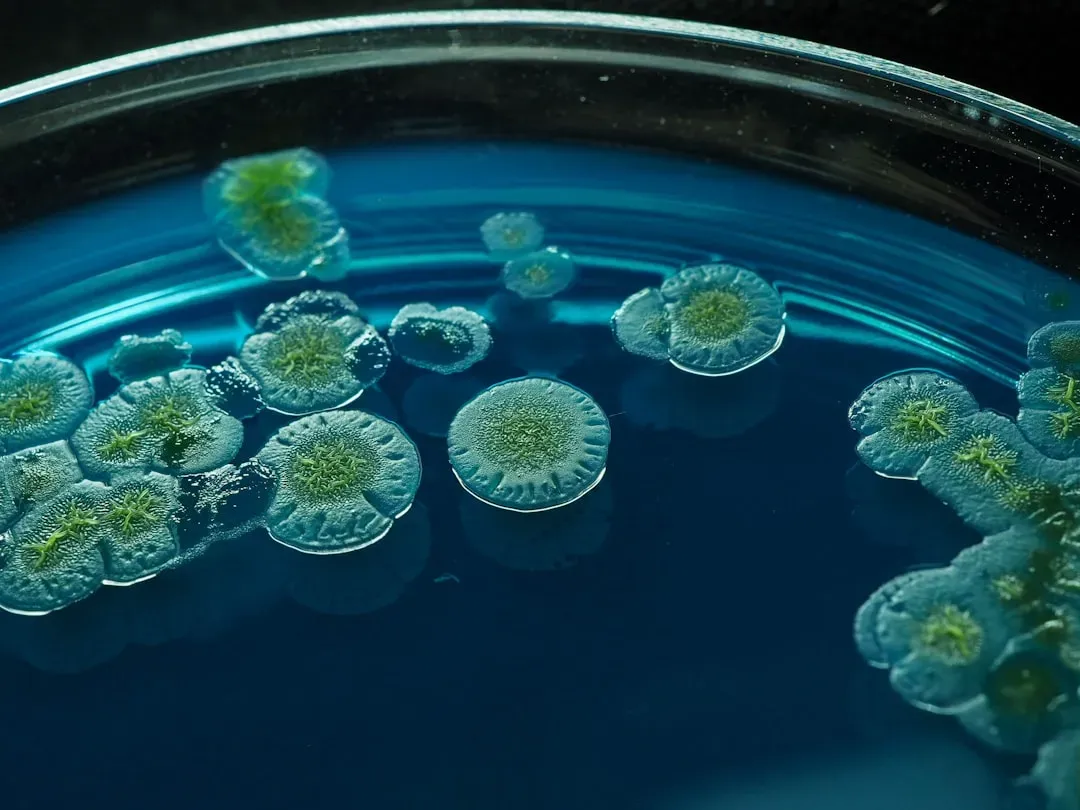
Even while you are alive, your body is home to a vast community of bacteria, viruses, and fungi, many of which help keep you healthy. After death, that relationship flips: the immune system shuts down, barriers are no longer repaired, and your microscopic residents are suddenly free to roam. Gut bacteria begin to move beyond the intestines, feeding on tissues and releasing gases like methane and hydrogen sulfide. This internal fermentation is a major driver of early decomposition, and it is especially pronounced when a body remains undisturbed, as often happens in solitary deaths.
These microbes are not malicious; they are simply doing what they are programmed to do in an environment that has abruptly changed. As gases build up, the body can bloat, skin may stretch, and fluids can be pushed into new areas or even leak externally. In a crowded hospital ward, this advanced stage is often prevented or delayed by cooling or prompt handling, but in an empty apartment, the microbiome has a kind of open runway. Over time, the composition of these microbial communities changes in somewhat predictable ways, which forensic scientists increasingly use to estimate time since death, turning your own microbes into a biological clock that keeps ticking long after you are gone.
Insects, Environment, and the Timeline of Discovery
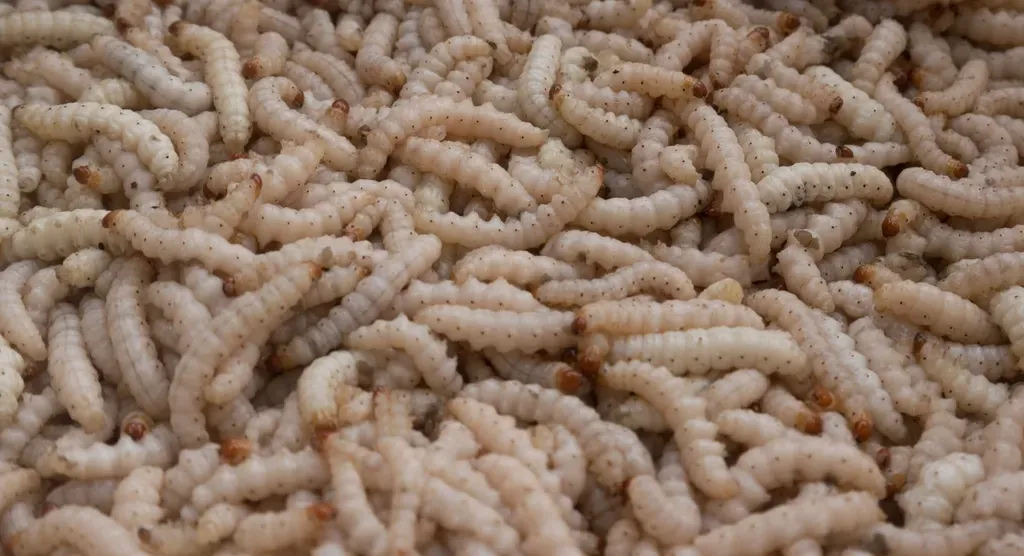
Outdoors or in spaces with open windows, insects quickly join the story, especially certain species of flies that are remarkably efficient at finding even small traces of decomposition. They lay eggs in moist, protected areas like the eyes, mouth, and wounds, and the resulting larvae feed aggressively, speeding tissue breakdown. In urban apartments or sealed homes, the process can be slower, limited by access, but given enough time, insects or other scavengers usually find a way. The species that appear, and the stage of their life cycle when a body is found, can reveal a surprising amount about how long someone has been dead.
In solitary deaths, this ecological succession often proceeds without interruption, making the biological timeline more precise but the scene harder to confront for loved ones. Temperature, humidity, and even the presence of pets all shape how decomposition unfolds. For example, a warm, humid environment can accelerate changes that would take much longer in a cool, dry space. When a body is only discovered after neighbors complain about a smell or mail piling up, investigators essentially read the environment like a layered diary, with microbes, insects, and physical changes all marking the passage of time more honestly than any human witness could.
The Psychology of Dying Alone vs. the Biology of It
When people say they fear dying alone, they are rarely talking about their cells, enzymes, or gut bacteria; they are talking about abandonment, about the idea that their life will end without acknowledgment. Biologically, though, the body’s shutdown is not inherently more painful or chaotic just because no one is present. Many deaths, whether solitary or not, involve a gradual slipping away as consciousness fades, and there is no evidence that the body somehow suffers more intensely purely due to lack of witnesses. The emotional horror comes from the living imagining themselves conscious and terrified, but in many cases the brain’s own decline protects against that scenario.
That does not mean the fear is silly; it is deeply human to want our final chapter to be seen, to want some proof that we mattered. But if you strip away the cultural stories and nightmare images, the biology of a solitary death is mostly a series of predictable chemical and physical changes. The tragedy is often less about what the body goes through and more about what does not happen: the missed goodbyes, the unanswered messages, the story that has to be pieced together later from receipts and search histories. Knowing the science will not erase the emotional weight, but it can at least separate what is physically likely from what our imaginations tend to invent in the dark.
Aftermath and Investigation: How Science Reconstructs a Solitary Death
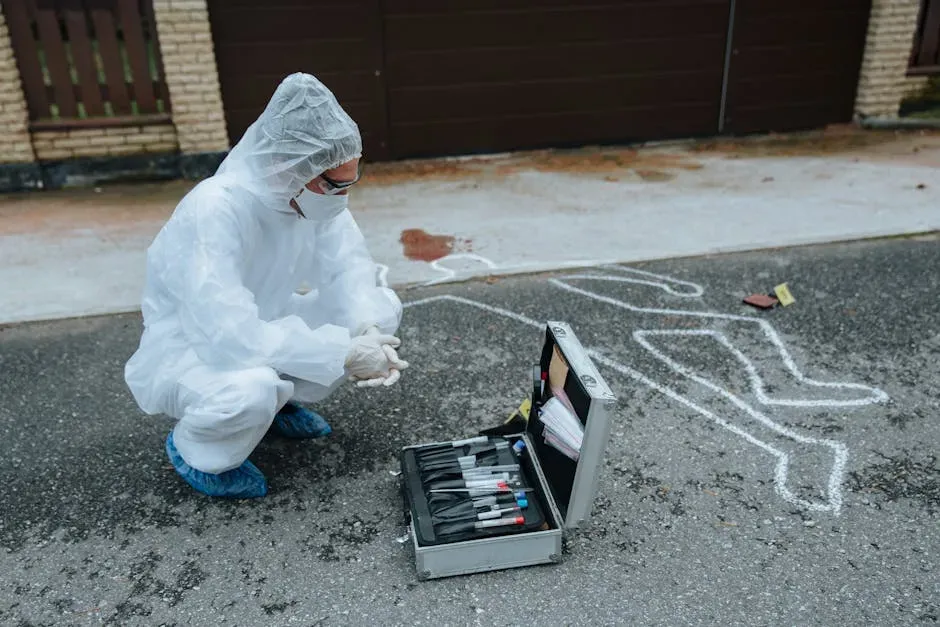
When a person who lived alone is found dead, the scene becomes a puzzle for medical examiners, forensic pathologists, and sometimes detectives. They look at lividity patterns, rigor mortis, body temperature, and decomposition level to estimate when death occurred, layering that evidence with external clues like last phone use, grocery receipts, or security camera footage. Autopsy findings can reveal heart disease, strokes, infections, or injuries, helping distinguish between natural death, accident, self-harm, or foul play. In many solitary deaths, the outcome is a quiet, medically straightforward cause, even if the discovery feels dramatic to those who find the body.
The more advanced the decomposition, the harder it can be to identify subtle clues, which is one reason delays in discovery are so challenging. Yet modern techniques – ranging from toxicology to imaging and even DNA-based microbial analysis – allow investigators to reconstruct a surprisingly detailed timeline. There is something almost poetic in that: even when no one was present at the final moment, the body itself preserves a record of what happened. It is not romantic, and it cannot replace human comfort, but it does mean that dying alone does not necessarily erase your story; it just hands it over to science to be read in a different language.
Why Understanding Solitary Death Might Change How You Live
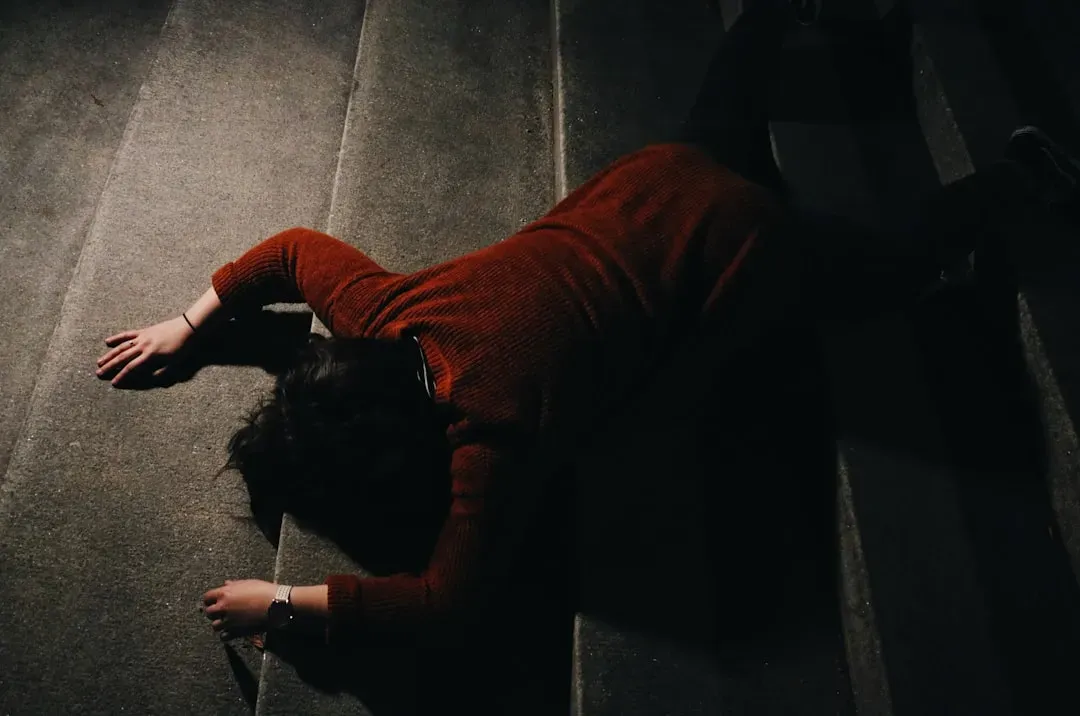
It is easy to react to the idea of dying alone with pure dread and then shove the whole topic into a mental closet, but that usually leaves the fear lurking in the dark, stronger than it needs to be. When you look closely, the biology of a solitary death is stark but not supernatural: organs fail in familiar patterns, microbes and insects do their age-old work, and the body slowly returns its borrowed materials to the environment. There is nothing in that process that diminishes your worth or retroactively determines whether your life mattered. The body is simply following the same rules it always has, whether you spent your final minutes surrounded by family or scrolling your phone on the couch.
My own view – after spending too much time reading about this stuff – is that the real horror is not decomposition; it is disconnection while we are still alive. If anything, learning how ordinary the physical side of a solitary death really is makes me more stubborn about building relationships now, checking in on the friend who lives alone, or being honest about my own wishes for end-of-life care. You cannot control every detail of how or when you die, and trying to might just make you miserable, but you can choose how you show up in other people’s lives while you are here. Maybe the more interesting question is not whether you will die alone, but whether you are truly alone today when it still matters.