There is a quiet, almost eerie moment that unfolds inside the body the second a doctor says the words nobody wants to hear: time of death. From the outside, it can look like everything stops. On the inside, though, it is anything but still. Cells fight, chemical storms erupt, and for a surprisingly short window, parts of us are more “in-between” than truly gone. In a strange way, the body does not give up easily; it negotiates its exit.
When I first learned how much activity continues after the heart stops, it completely rewired how I thought about death. We tend to imagine an instant, sharp cutoff, like a switch flipped to “off.” In reality, it is more like a city going dark block by block, while some neighborhoods keep their lights on a little longer. What happens in those first seconds and minutes after clinical death is equal parts brutal biology and haunting mystery – and once you see that picture clearly, the idea of “the moment of death” will never feel simple again.
The Exact Moment the Heart Stops: Triggering Clinical Death
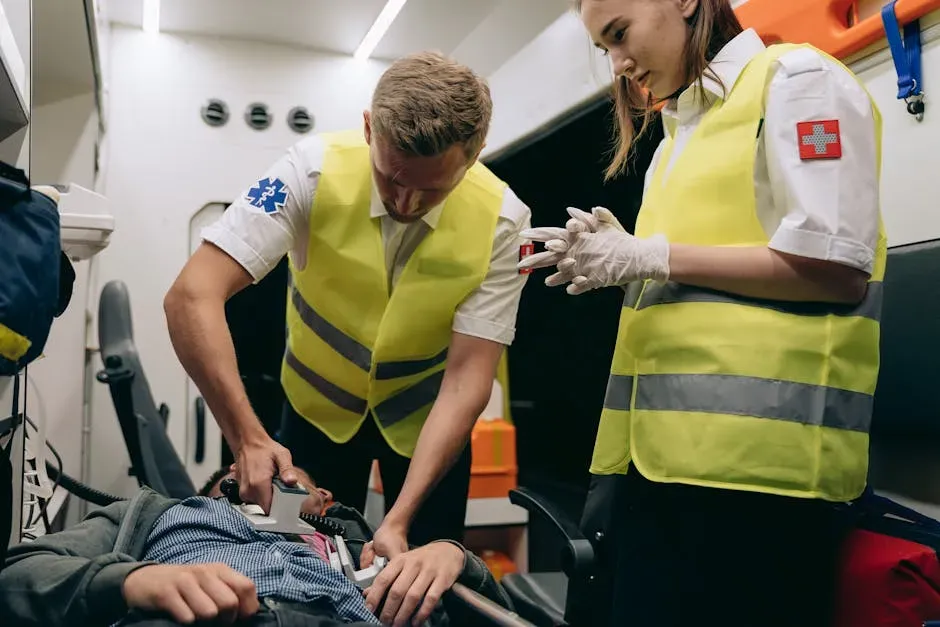
Clinical death starts when the heart fails to pump blood effectively enough that circulation stops or becomes so weak it cannot sustain organs. This can be from a sudden event, like cardiac arrest, or a slower decline, like end-stage heart failure slipping into a final rhythm collapse. In those first few seconds, blood pressure plummets, oxygen delivery to organs drops close to zero, and the body goes from carefully controlled balance to emergency free fall. To medical staff, this is the moment they lose a pulse and cannot detect breathing or organized heart activity.
From the inside, the body instantly shifts into crisis mode. Tissues that have depended on a constant stream of oxygen suddenly have to survive on whatever reserves they currently have. The brain and heart are the most dramatic victims because they burn through energy fast, like sports cars that suddenly run out of fuel on the highway. Yet, despite this abrupt disruption, most cells do not die immediately at the exact second the heart stops; instead, they begin a countdown that can last minutes to hours, depending on the tissue and the conditions.
Seconds After: The Brain’s Rapid Descent into Silence
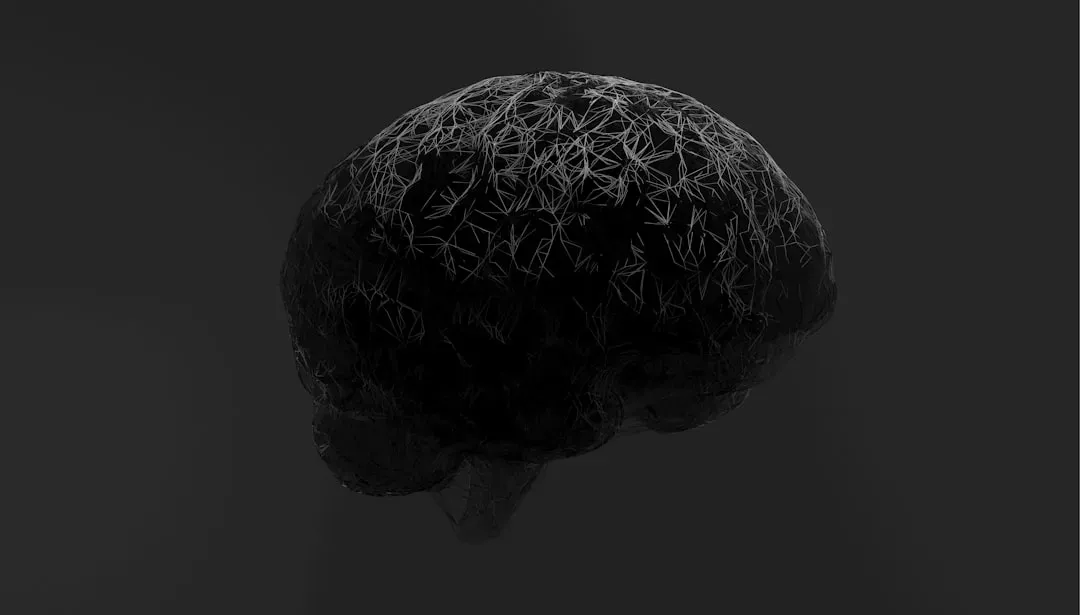
Within about ten to twenty seconds of the heart stopping, the brain runs out of usable oxygen, and consciousness fades. That dizzy, blacking-out sensation someone might experience in the final moment of a cardiac arrest is the brain losing the ability to keep nerve signals coordinated. Electrical activity becomes chaotic and then rapidly quiets as neurons can no longer maintain the differences in charge they need to fire. To an outside observer, this shows up as unresponsiveness and the absence of normal brain-driven reflexes.
Inside individual brain cells, however, a lot is still happening. Without oxygen, the machinery that keeps ions like sodium and potassium in the right places starts to fail, leading to swelling, chemical imbalance, and eventually cell death if circulation is not restored. Interestingly, research has found that some organized electrical bursts can occur shortly after the heart stops, almost like a final flare of activity before the brain goes dark for good. That has fueled debates about near-death experiences and last moments of awareness, but from a cautious scientific standpoint, what we can say clearly is this: the brain begins to shut down very fast, but its cells do not all die instantly the second clinical death is declared.
Breathing, Reflexes, and the Illusion of “Nothing Happening”
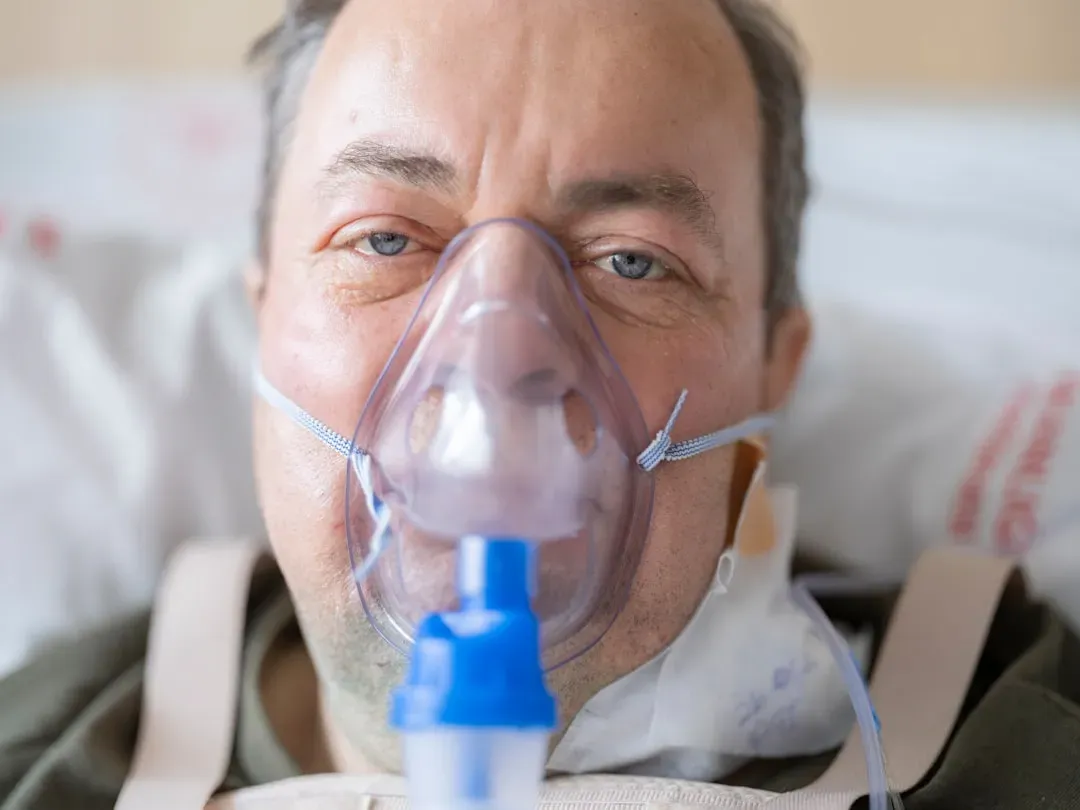
Right after clinical death, breathing either has stopped or is reduced to weak, gasping movements called agonal respirations. These gasps can be unsettling to witness, because they may occur even when the person is unresponsive and deeply unconscious. They are driven more by automatic brainstem circuits and residual spinal reflexes than by conscious effort. Clinicians are trained to recognize them as a sign of severe distress, not recovery, which is why they trigger urgent resuscitation attempts rather than reassurance.
Other reflexes can briefly linger too, creating the impression that the person is still somehow partially alive in a fully functioning sense. There may be small muscle twitches, changes in pupil size, or spinal reflex movements if the body is touched or moved. None of this means that full brain function has returned; instead, it is evidence that different parts of the nervous system are shutting down at slightly different speeds. The overall picture is stark: what looks motionless and final from the outside is actually a staggered and uneven shutdown process on the inside.
Circulation Collapse and the Oxygen Debt in Every Organ
Once the heart stops, blood in the vessels comes to a standstill, and the entire body abruptly loses its delivery system for oxygen and nutrients. Organs that are normally first in line for fresh blood – like the heart, brain, and kidneys – now sit in a stagnant pool of increasingly oxygen-poor blood. Cells switch from efficient oxygen-based energy production to emergency backup pathways that generate far less energy and more toxic byproducts. This shift is a bit like a city losing its power grid and trying to run everything on a handful of battery packs and generators; it works for a moment, but the system is not built to last that way.
As minutes pass without new oxygen, tissues fall into a growing “oxygen debt.” Acidic molecules build up, the pH inside cells drops, and enzymes that normally keep the cell stable begin to misfire. Different organs tolerate this stress for different lengths of time. Brain cells are fragile and tend to be critically injured after a few minutes of no blood flow at normal body temperature, while skin, bone, and some connective tissues can hang on much longer. This is why medical teams rush to restore circulation quickly: every extra minute of no blood flow increases the risk that brain and heart damage will become irreversible, even if the heartbeat is later restarted.
Cellular Chaos: Energy Failure, Ion Imbalance, and Swelling
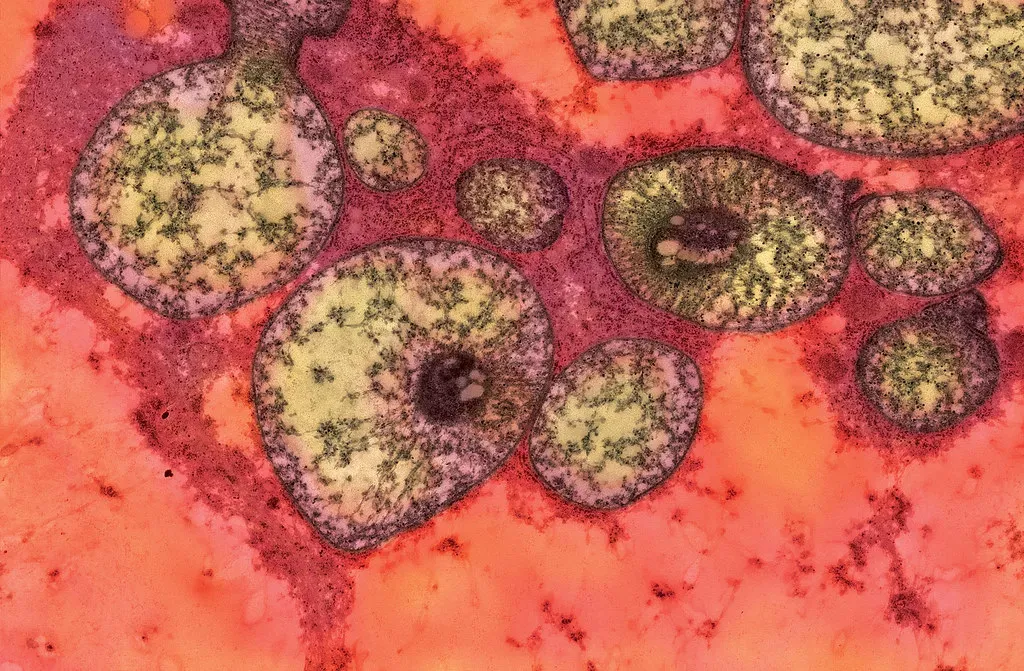
At the microscopic level, the most dramatic change after clinical death is energy failure inside cells. Without oxygen, mitochondria – the little power plants in cells – can no longer keep producing enough ATP, the molecule that fuels almost every cellular process. When ATP runs low, the pumps that move ions like sodium, potassium, and calcium across cell membranes start to fail. Sodium and water rush into cells, causing them to swell, while calcium floods in and activates destructive enzymes that can chew up proteins and membranes. This chain reaction is a major reason why delayed resuscitation, even if successful, can still leave serious damage.
In parallel, the breakdown of membranes allows harmful molecules to leak in and out of cells, like a damaged dam letting water pour both ways. Reactive oxygen species – highly reactive chemicals normally kept in check – can spike, especially if oxygen suddenly comes flooding back during resuscitation. This is part of what doctors call reperfusion injury, where the act of restoring blood flow can paradoxically cause additional harm. It sounds unfair, almost cruel, but it is a basic feature of how delicate living cells are when pushed to their limits.
Not Everything Dies at Once: The Strange “Afterlife” of Cells
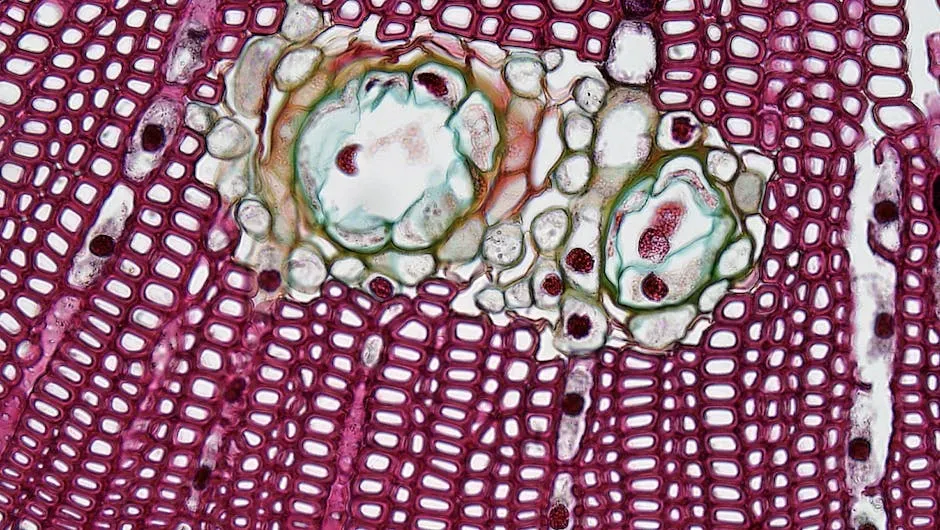
One of the most surprising truths about clinical death is that many cells and tissues are still biologically alive for quite some time after the heart and brain have stopped functioning. Muscles, skin, and even some internal organs can remain viable for minutes to hours, especially if the body is kept cool. This is why organ donation after death is even possible: surgeons rely on that window where tissues are still alive enough to function in a new body, even though the original person has been declared dead. In lab settings, scientists have been able to revive limited cellular functions in organs removed after death, underscoring just how gradual the biological shutdown really is.
From an emotional perspective, this delayed cellular death can feel both unsettling and strangely hopeful. On one hand, it challenges our intuitive idea of death as a single, precise moment; on the other hand, it is exactly this extended cellular survival that allows transplants to save the lives of people on waiting lists. I remember the first time I really understood that a beating heart in an operating room could be coming from someone declared dead not long before – it felt almost like a contradiction. Yet from a scientific point of view, it is fully consistent: clinical death marks the loss of integrated consciousness and circulation in a person, while individual cells and organs can still carry on for a short while on their own.
Resuscitation and the Narrow Window for Reversing Clinical Death
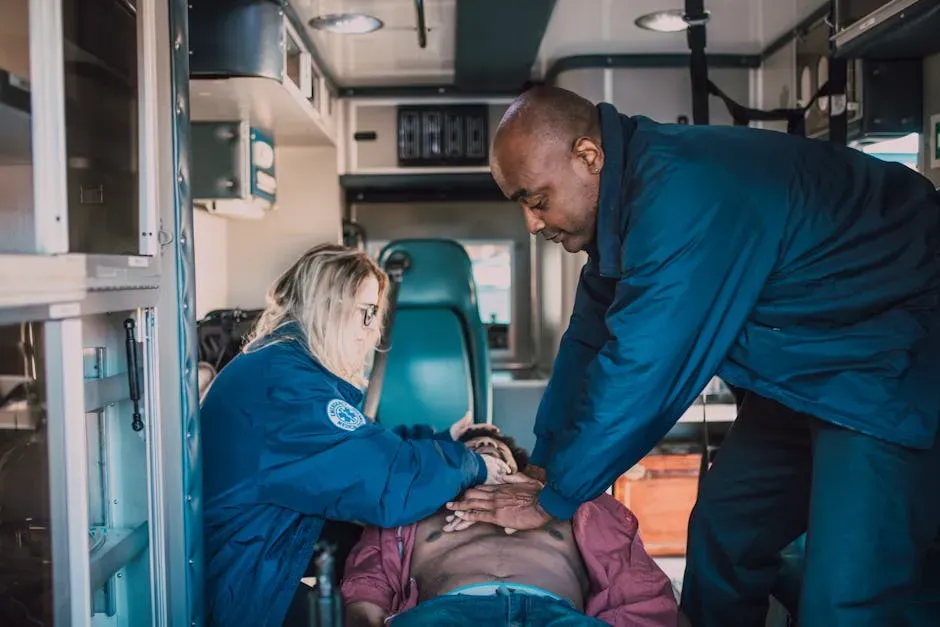
The flip side of everything that happens after clinical death is that, for a brief window, some of it can be reversed. Cardiopulmonary resuscitation (CPR), defibrillation, and advanced life support aim to restart the heart and restore oxygen before the damage in vital organs crosses the line into irreversibility. Cooling the body, using certain drugs, and providing high-quality chest compressions can extend the amount of time the brain and heart remain salvageable. In recent years, there have even been cases where people with prolonged cardiac arrest were brought back with surprisingly good outcomes, especially when cold temperatures or rapid intervention slowed down the injury process.
Still, the window is not endless, and this is where I think it is important to be honest rather than romantic. For all our progress, biology still enforces hard limits on how long a brain can go without adequate blood flow before the person, as a conscious, thinking self, cannot return in any meaningful way. Stories of miraculous recoveries after very long downtimes are rare precisely because they rely on unusual protective circumstances, not on some secret new rule of nature. The uncomfortable but necessary truth is that resuscitation is a race against the same cellular chaos we just walked through – and sometimes, even heroic efforts simply cannot beat the clock.
Conclusion: Death as a Process, Not a Switch
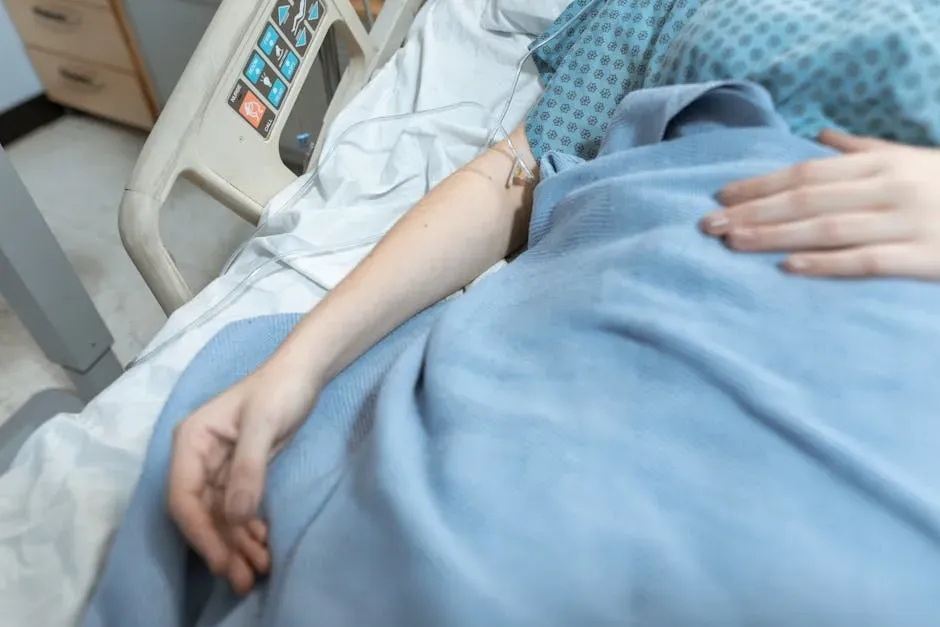
When you zoom in on those first moments after clinical death, the neat line we like to draw between “alive” and “dead” starts to blur. The heart stops, consciousness disappears, and yet, beneath the surface, millions of cells keep fighting, failing, or occasionally getting pulled back from the brink. To me, calling death a process rather than a single moment is not just a scientific correction; it is a more honest way of describing what is really happening inside the body. It means accepting that there is a messy, complicated in-between phase where the person is gone in every functional sense, but their biology has not yet fully let go.
My own opinion is that understanding this should change more than just how we talk in hospitals; it should change how we think about timing around end-of-life decisions, organ donation, and even the ethics of emerging resuscitation technologies. There is a temptation to either cling to the idea that anything is possible with enough machines or to imagine death as an instant, unchangeable wall. The reality lives somewhere in the middle: there is a narrow, scientifically defined window where intervention matters deeply, and beyond that, we ought to focus less on fighting nature and more on respecting the person who once animated that still-active biology. Knowing that death is a process might be unsettling, but it also invites a harder, wiser question: what do we really want those final minutes and choices to mean?