
There is a quiet, unsettling fact most of us carry around but rarely look at directly: the thing you call “you” can be wiped out by a few seconds without oxygen, a tiny blood clot, or a random accident. Consciousness feels vast and deep from the inside, yet biology shows it is perched on a narrow, breakable ledge. When we face death up close – our own brush with it or the loss of someone we love – that illusion of solidity cracks, and we catch a glimpse of just how precarious our mental life really is.
I still remember standing in an intensive care unit, watching a relative who was technically alive – heart beating, lungs moving with the help of a machine – yet clearly no longer “there” in the way I had always known. It felt like the universe was pulling back a curtain: this was not a soul stepping neatly from one room into another, but a complex system failing, piece by piece. In that moment, the fragility of consciousness stopped being a philosophical idea and became something painfully physical, wired into vulnerable tissue and fallible chemistry. Once you see that, it is hard to unsee it.
The Brain: A Delicate Machine Running a Grand Illusion
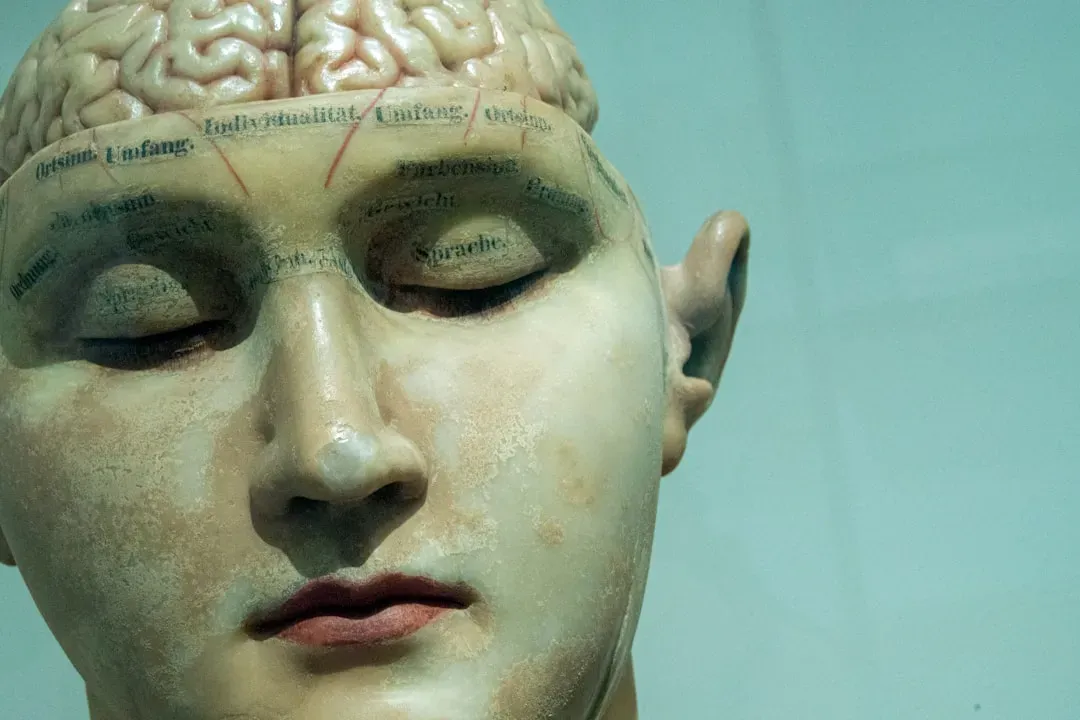
One of the most shocking things death reveals is how much our entire mental world depends on a piece of soft tissue that fits inside a helmet. About one and a half kilograms of brain, powered by electrical signals and chemical messengers, somehow generates every memory, every fear, every love story and identity. Neuroscience has spent decades mapping how specific regions support language, movement, emotion and self-awareness, and the pattern is brutally clear: damage the hardware and the “software” of consciousness starts falling apart. That romantic idea of an untouchable inner self looks a lot shakier once you have seen how easily a stroke can erase a lifetime of skills or a tumor can twist a personality.
Yet from the inside, consciousness sells itself as something far more stable. We experience a smooth stream of “me-ness” as if there were a solid core behind our eyes steering the ship. Death, and even near-death brain states, tear open that story and show us its wiring. In medical settings, you see people drift in and out of awareness under anesthesia, sedation, or coma, and it becomes obvious that what we call the self is tightly coupled to brain function. The grand illusion is not that consciousness exists, but that it is secure; death proves it is more like a brilliant yet glitchy app running on very breakable hardware.
How Quickly We Vanish: The Biology of Shutting Down
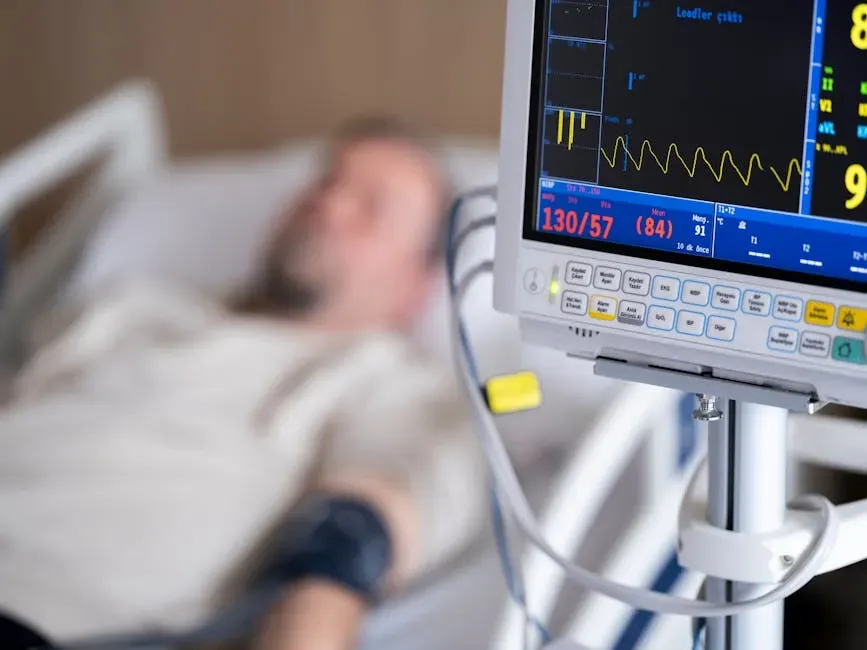
Biologically, the speed at which consciousness can be lost is almost insulting. Cut off oxygen to the brain for only a few seconds and awareness starts to fade; leave it longer and neurons begin to die in waves. There is a narrow window where resuscitation can restore normal function, and beyond that, the lights may come back on in the body but not in the mind. Heart surgeons, emergency doctors, and paramedics see it repeatedly: one moment, a thinking, talking person; the next, an unresponsive body whose inner movie has flickered out. This rapid switch from presence to absence exposes just how razor-thin the margin is for maintaining conscious life.
Even when people are revived after cardiac arrest, the outcome ranges wildly: some return with intact memory and personality, others with severe cognitive damage or permanent coma. It is as if consciousness is suspended on a few fragile biological conditions – blood flow, temperature, electrical stability – and when those are disturbed beyond a certain point, the structure of the mind crumbles. The uncomfortable lesson is that “you” are not a permanent feature of the universe; you are a state that can vanish as quickly as a pattern in smoke when the wind changes.
Near-Death Experiences and the Edges of Awareness
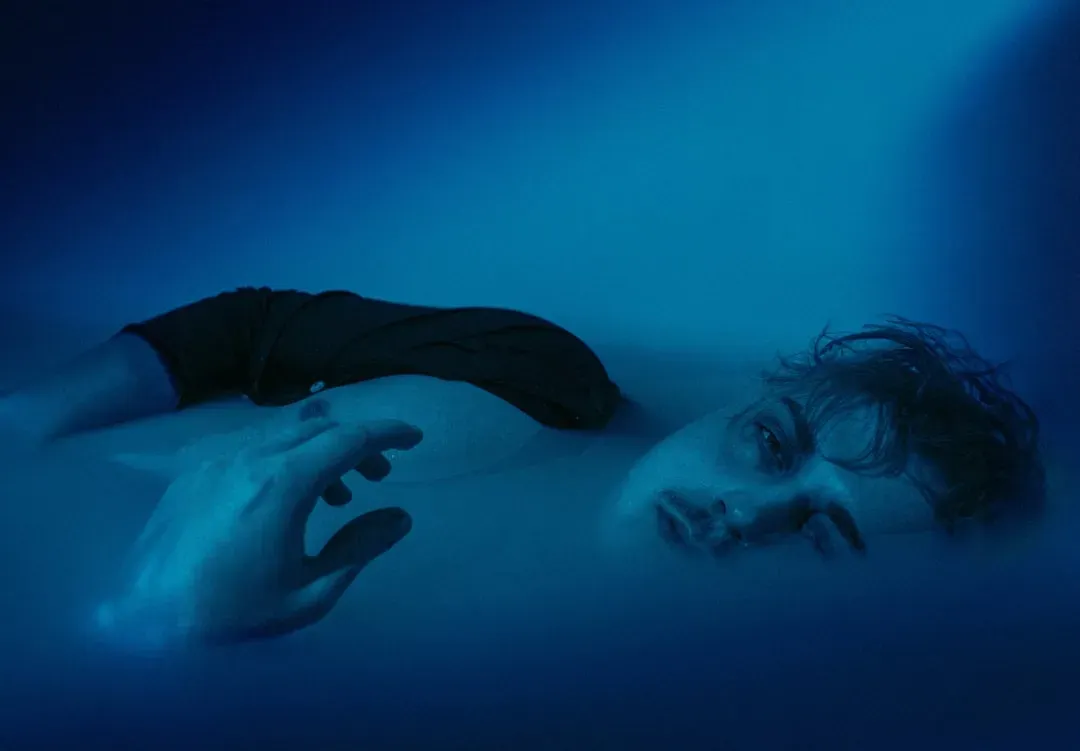
Near-death experiences often sound mystical – tunnels of light, life reviews, a sense of detaching from the body – but they also highlight how unstable and reconstructive consciousness can be under extreme stress. A growing body of research suggests that when the brain is starved of oxygen or flooded with certain chemicals, it can generate vivid, organized experiences even as it is shutting down. People often report similar sensations despite different cultures or beliefs, hinting at common neurobiological mechanisms rather than purely spiritual scripts. Instead of proving that consciousness floats free of the brain, these episodes may show just how strangely the brain behaves at the threshold of collapse.
That does not make the experiences fake or meaningless; they can be profoundly transformative and emotionally real. But they remind us that what feels utterly convincing subjectively is not always a reliable guide to what is objectively happening. Under stress, the brain stitches together fragments of memory, emotion, and sensation into powerful narratives, sometimes filling in gaps without our awareness. Death’s approach magnifies that creative chaos, pushing the system into unusual patterns that we only later try to interpret. In a way, near-death experiences are like the mind’s final improvisations, revealing both its incredible artistry and its fundamental fragility.
Personality, Memory, and the Shocking Malleability of the Self
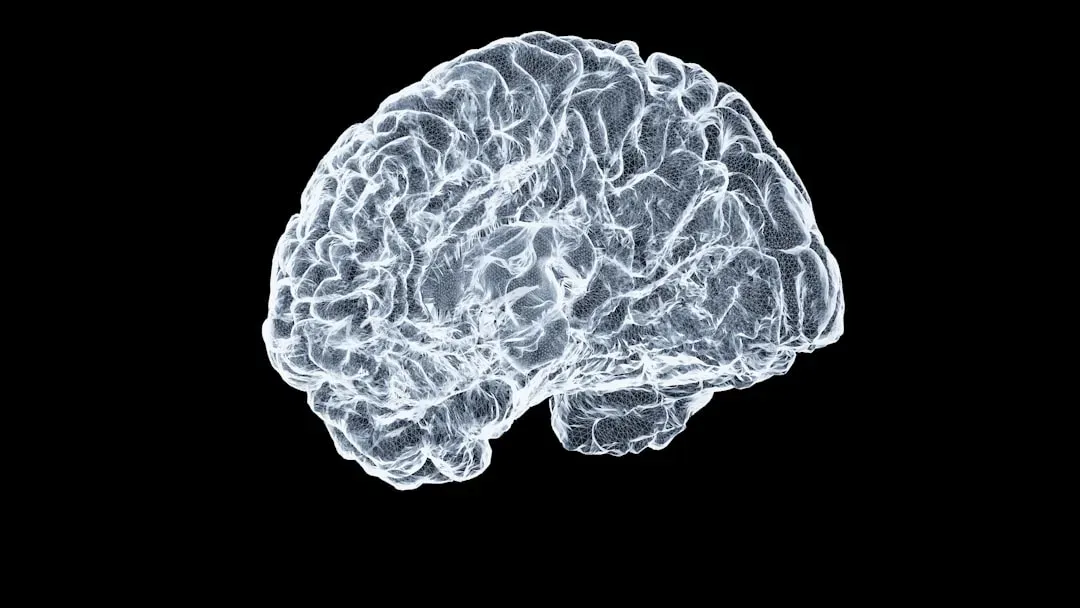
Spend any time around people with dementia, traumatic brain injury, or advanced neurodegenerative disease, and you quickly realize that the self is not a fixed object – it is a function, and a fragile one. Death often arrives at the end of a long decline where memory thins, language slips, and long-familiar traits begin to dissolve. The person you knew decade after decade can shift into someone impatient, withdrawn, or unrecognizable, all because plaques or tangles or tiny vascular insults are changing the brain’s wiring. When death finally comes, it can feel like the last page of a book that has already been quietly rewritten.
This is emotionally brutal but philosophically revealing. It shows that our sense of identity rests on networks that can reconfigure or decay, and that continuity of “who I am” is surprisingly negotiable. If losing certain neurons can erase your childhood, dull your empathy, or erase your ability to recognize loved ones, then the supposedly solid self looks disturbingly like a temporary pattern in a storm. Death is just the final break, but the gradual erosion leading up to it teaches us that the self is less a statue and more a sand sculpture – detailed, beautiful, and always one strong wave away from being something else entirely.
Consciousness Without a Driver: Coma, Vegetative States, and the Gray Zones
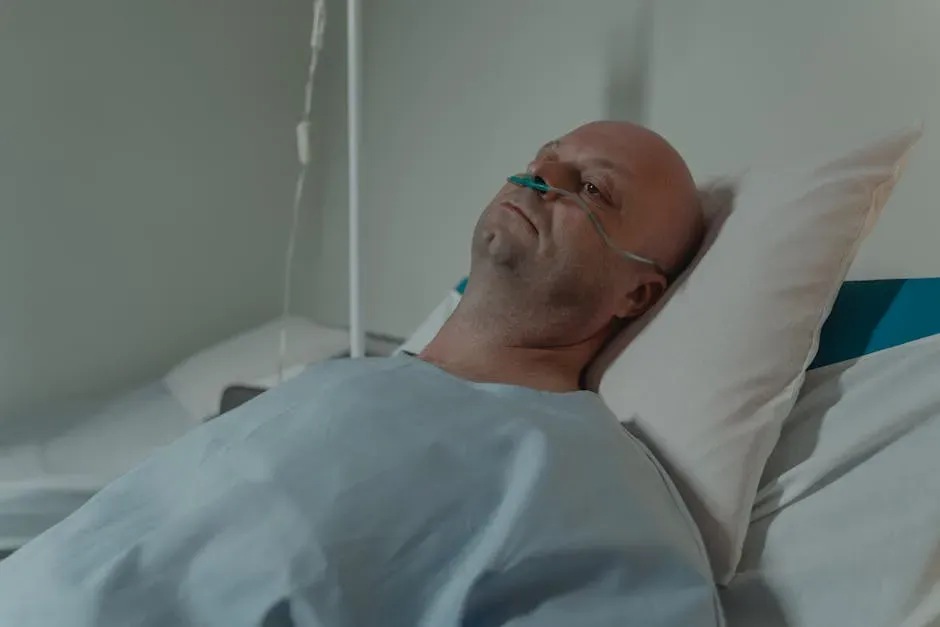
Modern intensive care keeps people alive who, in earlier centuries, would have died quickly. That medical progress has uncovered strange gray zones between life and death that say a lot about the fragility of consciousness. Patients in coma show no wakeful response at all, while those in vegetative states have sleep–wake cycles without any clear signs of awareness. Some later emerge, others never do, and brain scans have revealed that a few who appear entirely unresponsive still show patterns suggesting hidden awareness. That ambiguity is unsettling: consciousness is not an on–off switch but a spectrum, and it can flicker in ways our bedside exams do not fully capture.
For families, this limbo is its own kind of torment. The body is warm, the chest rises and falls, reflexes sometimes remain – but the person they knew may be gone, or only faintly present. Decisions about continuing life support force people to confront a hard question: is a beating heart without evident consciousness still the same person? Those gray-zone conditions strip away comfortable stories and confront us with the raw dependence of our inner life on delicate brain networks. When those networks are disrupted, what remains is not an immortal soul on display but a biological system whose capacity for experience has become uncertain and deeply precarious.
In the end-of-life setting, new technologies like EEG monitoring and advanced imaging are helping clinicians better estimate whether any meaningful awareness persists. Yet even with more data, we are often left with probabilities instead of certainties, which underlines just how incomplete our understanding of consciousness remains. Death, when it finally comes, can feel like a strange relief from this ambiguity, a stark line after months or years of gray. That whole ordeal drives home a sobering truth: the thing we value most – our ability to experience, to relate, to choose – is one of the least guaranteed aspects of our biology.
Cultural Stories of the Soul vs. Scientific Fragility

Human cultures everywhere have developed stories that try to make death feel less abrupt and consciousness less fragile. Ideas of souls, reincarnation, ancestral spirits, or heavenly reunions provide a narrative continuity that biology does not. These stories serve powerful psychological and social purposes: they soften grief, reinforce moral codes, and help people face mortality without being paralyzed by fear. From a scientific perspective, though, what we can actually measure and test points again and again to consciousness as deeply tied to a functioning brain rather than something indestructible floating above it.
Holding those two layers at once – the comforting cultural myths and the unforgiving scientific data – is emotionally difficult. Many people live in a kind of double exposure, praying for an afterlife while signing medical documents that quietly assume the brain is the seat of the self. Death reveals the tension between our need for an enduring story and the harsh evidence of neurological dependence. You can see that clash at funerals and hospital bedsides, where talk of “spirit” mingles with close attention to scans, vital signs, and prognosis. However we personally resolve that tension, the underlying message from science is hard to escape: whatever else may or may not exist, the conscious person we knew was unmistakably rooted in a fragile, mortal organ.
What Fragility Demands of Us: Ethics, Medicine, and How We Treat the Dying

Once you accept that consciousness is this fragile, medical and ethical questions look different. Debates about when to start or stop life support, how aggressively to treat terminal illnesses, or when to prioritize comfort over cure all revolve around what kind of conscious life is still possible. The goal quietly shifts from simply preventing death to preserving a form of experience that the person themselves would find meaningful. There is growing recognition that keeping a body alive at any cost may not always honor the value of a mind that is fading or unlikely to return in a recognizable way.
This fragility also challenges how we think about pain, fear, and dignity at the end of life. If the final weeks or months of a person’s consciousness are dominated by unrelieved suffering or confusion, the biological victory of prolonging existence can become a human defeat. Conversations about advance directives, palliative care, and even assisted dying in some parts of the world come from this sober realization. Knowing how easily consciousness can be damaged, altered, or extinguished forces us to ask not just how long someone lives, but how those last chapters feel from the inside. In my view, truly respecting the mind’s fragility means being braver and more honest about prioritizing quality of awareness over sheer quantity of days.
Living With the Knowledge That We End

So what do we do with the knowledge that consciousness is far more fragile than we like to admit? One response is denial: stay busy, scroll more, treat death as someone else’s problem until circumstances make that impossible. Another is despair: if everything I am can vanish due to a clot or a car accident, what is the point? But there is also a third path, and it is the one that, personally, has changed how I live: take the fragility seriously and let it sharpen your sense of what matters. When you really let in the fact that today’s ordinary conversation, walk, or laugh could be one of the last fully conscious ones you ever have, it shifts the emotional weight of small moments.
Recognizing that your inner life rides on such a thin biological thread can be strangely clarifying. It makes grudges look petty, perfectionism laughable, and mindless distraction less appealing. It nudges you toward caring about your brain’s health – sleep, movement, nutrition – not as wellness trends but as maintenance of the only platform your experience has. More importantly, it can deepen your appreciation of other people’s minds as equally precarious and precious. You start to see every person as a temporary, luminous pattern that could blink out at any time, and that recognition can soften your edges in ways that no motivational slogan ever could.
Conclusion: The Hard Gift of Knowing We Can Break

I think death’s most honest lesson is not that life is meaningless, but that consciousness is shockingly easy to lose and impossibly valuable while we have it. The evidence from neuroscience, intensive care units, and everyday aging all point in the same direction: what we call the self is not a diamond; it is glass. Beautiful, complex, capable of reflecting whole worlds – but also vulnerable to cracks, shatters, and silent fading. Pretending otherwise might feel comforting in the short term, but it leaves us unprepared for the real shape of loss and the real stakes of how we spend our fleeting, lucid years.
If we take that fragility seriously, it should push us toward two things: fierce protection of conscious life where it can be meaningfully preserved, and honest acceptance when it cannot. That means supporting brain health, mental health, and compassionate end-of-life care with the same urgency we give to flashier causes. It also means daring to talk openly about death instead of outsourcing it to hospital corridors and whispered side conversations. In the end, the awareness that our minds can break is a hard gift, but it is a gift nonetheless: it invites us to live more awake, more kind, and more aware that every moment of clear consciousness is, quite literally, on borrowed time. What do you want to do with the fragile minutes you have left while you still know you are here?