Imagine walking into your living room and your dog greets you with a wagging tail, bright eyes, and a tongue lolling out in delight. You probably think you know exactly how your pet feels—happy, excited, maybe even a little mischievous. But what if you could know for sure? Today, thanks to incredible breakthroughs in artificial intelligence, scientists are uncovering the secret emotional worlds of our pets in ways that once seemed like pure fantasy. AI facial recognition technology is turning the once-mysterious language of whiskers, wags, and whisker-twitches into a readable script, revealing what pets are feeling with jaw-dropping accuracy. The result is not just a revolution in animal science, but a heartwarming journey into the minds of our furry companions.
The Birth of AI-Powered Animal Emotion Detection

The idea of using AI to understand pet emotions originated from a simple but powerful question: Can machines “read” animal faces as well as humans do? Early experiments focused on livestock, where farmers needed to spot pain or distress quickly. Now, this technology is leaping from barns to living rooms. By training AI on thousands of pet images—each carefully labeled with emotion cues—scientists have created algorithms that can pinpoint the difference between a playful dog and one feeling anxious. This breakthrough is giving pet owners a window into their animals’ inner lives, one tail wag or ear flick at a time.
How Facial Recognition Works for Animals
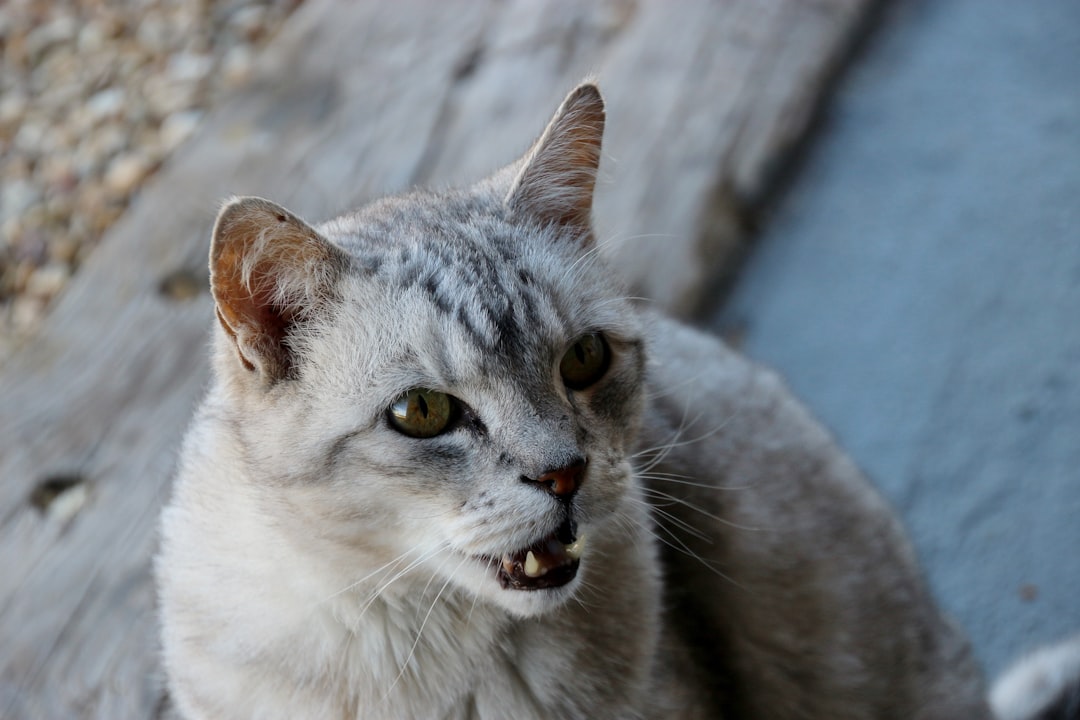
At first, it might seem odd to use facial recognition—usually reserved for people—on pets. But these systems analyze key facial landmarks, like the position of ears, eyes, and mouths. With pets, AI must account for fur, whiskers, and unique breed features. Sophisticated neural networks scan countless photos, learning subtle patterns: a cat’s flattened ears might signal annoyance, while a dog’s raised eyebrows could show surprise. Think of it as teaching a computer to be a super-observant animal whisperer, picking up on details that even the most attentive owner might miss.
From Human Expressions to Animal Emotions

Humans have long relied on facial cues to gauge each other’s feelings. With animals, though, the translation isn’t always straightforward. AI bridges this gap. By referencing databases of animal expressions—gleaned from scientific studies and countless pet videos—researchers teach AI to recognize what happiness, fear, or curiosity actually look like in non-human faces. This process involves thousands of hours of data crunching, but the payoff is profound: a digital interpreter for pet emotions that’s as reliable as it is fascinating.
The Science Behind Emotion Recognition in Pets
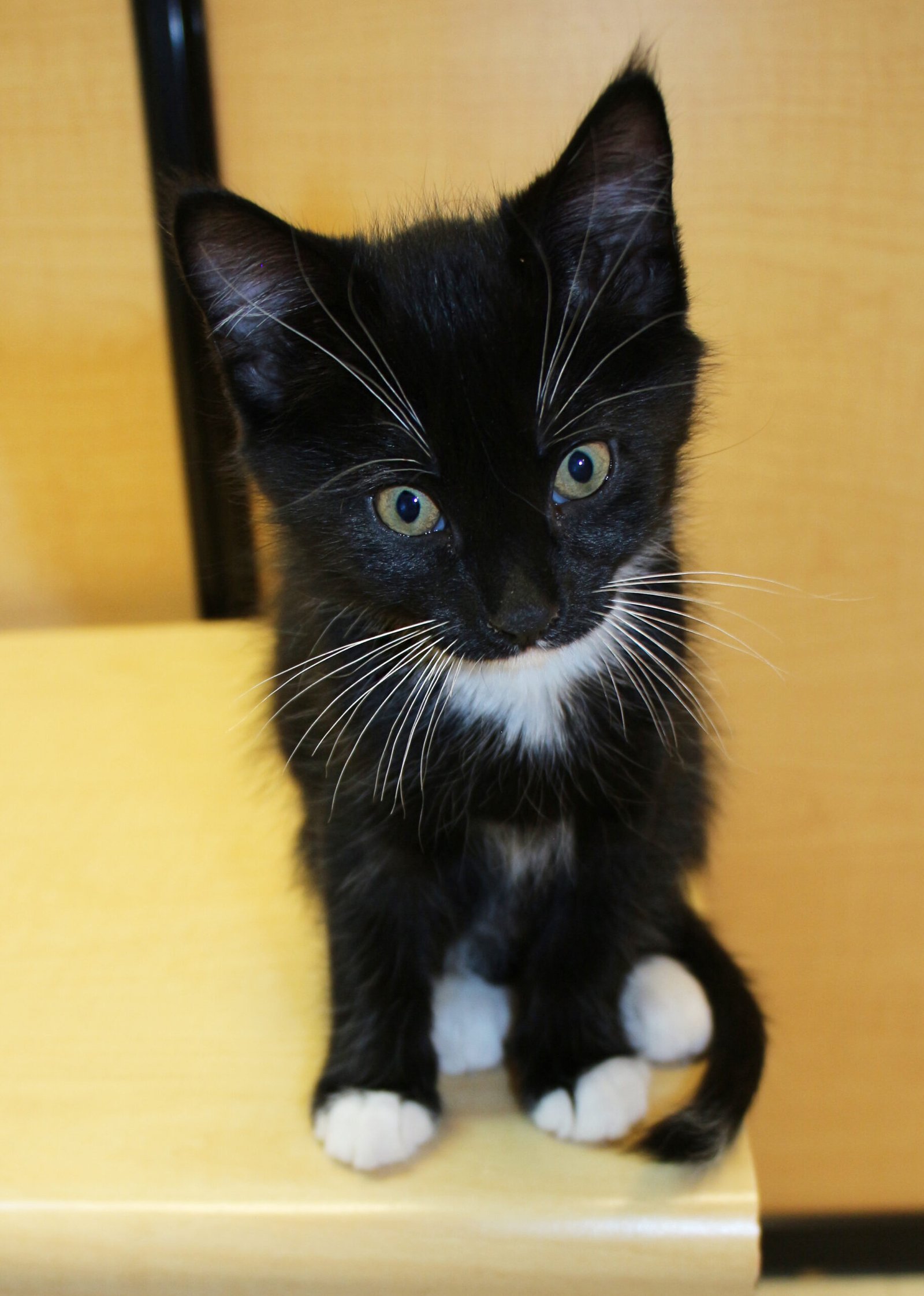
Researchers have built on decades of animal behavior studies to make AI emotion detection possible. They focus on “action units”—small, observable changes in facial muscles. For example, the Dog Facial Action Coding System (DogFACS) and similar cat-based systems break down each twitch or eyebrow raise. AI learns to spot these micro-expressions with astonishing precision. As a result, scientists can now distinguish between subtle shades of emotion—like the difference between mild annoyance and outright fear—in pets’ faces.
Real-World Applications in Veterinary Care
Veterinarians are among the first to benefit from AI facial recognition. By detecting pain or distress in animals that can’t speak, this technology is revolutionizing animal healthcare. Imagine a cat recovering from surgery: AI monitors her facial expressions and alerts staff if she’s uncomfortable, helping vets fine-tune pain management. For older pets or those with chronic illnesses, regular emotion scans mean earlier intervention and a gentler, more responsive approach to care.
Enhancing the Human-Pet Bond

Pet owners are eager to understand their animals on a deeper level, and AI is making this possible. Apps and smart devices now allow people to “read” their pet’s feelings in real time. Picture a dog wearing a collar equipped with a tiny camera and sensors—every tail wag and ear twitch analyzed, then translated into a simple message on your phone: “Buddy is happy!” This new level of insight brings pet owners and their companions closer, fostering empathy and trust.
Uncovering the Emotional Complexity of Pets
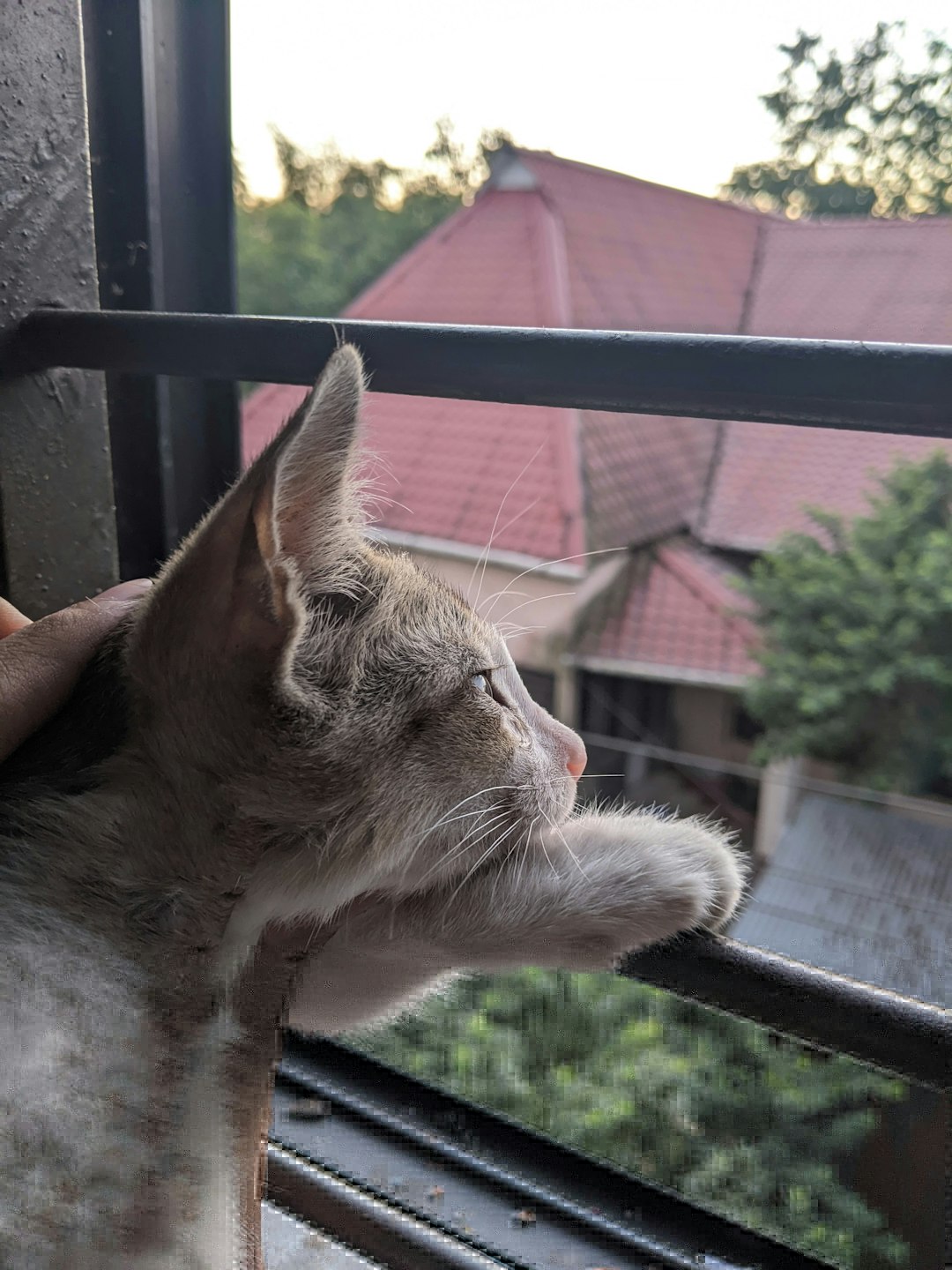
One of the most surprising discoveries is just how complex pet emotions really are. AI has revealed that dogs and cats don’t just feel happy or sad—they experience nuanced emotions like anticipation, frustration, and even jealousy. For example, a dog’s subtle side-eye glance when another pet gets attention can now be scientifically recognized as envy. These revelations remind us that pets have rich emotional lives, not unlike our own.
The Challenges of Decoding Animal Faces
Deciphering pet emotions with AI isn’t without hurdles. Animals have fur, whiskers, and unique facial structures that can confuse even the smartest algorithms. Breed differences add another layer of complexity—a bulldog’s face looks nothing like a greyhound’s. Lighting, camera angles, and even playful movement can throw off readings. Scientists are constantly refining their models, using larger and more diverse datasets to ensure accuracy across the animal kingdom.
Expanding Beyond Dogs and Cats

While much of the spotlight is on dogs and cats, researchers are now adapting AI facial recognition for other animals. Horses, rabbits, and even birds are getting their own emotion-detection tools. In zoos, keepers can monitor the mental well-being of elephants or primates, using AI to spot stress before it leads to health problems. This expansion is opening new frontiers in animal welfare, conservation, and research.
Revealing Hidden Signs of Stress
Pets often hide signs of pain or fear—an evolutionary instinct to avoid looking vulnerable. AI facial recognition is helping to uncover these hidden signals. For instance, a slight tightening around a dog’s eyes or a barely perceptible whisker droop in a cat can indicate discomfort. Early detection means quicker intervention and less suffering, making everyday life safer and happier for our pets.
Transforming Animal Shelters and Adoption
Shelters face the tough task of understanding the emotional states of hundreds of animals. AI emotion detection tools are now helping staff identify which pets are thriving and which may be struggling. This technology can also match animals with potential adopters, suggesting pets whose emotional profiles fit best with different families. The result? Happier adoptions and fewer animals returning to shelters.
AI and the Study of Wild Animals
Beyond the home, researchers are using AI facial recognition to study wild animals in their natural habitats. Trail cameras and drones capture images, while AI analyzes expressions to gauge stress, excitement, or fear in species like wolves, foxes, or big cats. These insights are invaluable for conservation efforts, helping scientists protect vulnerable animals and understand how they respond to environmental change.
Ethical Questions and Privacy Concerns

As with all technology, AI emotion recognition brings ethical questions. Should we monitor our pets’ emotions constantly? Where is the line between care and intrusion? Some critics worry about privacy, even for animals. Others raise concerns that over-reliance on technology could overshadow our own intuition and connection with pets. These debates are shaping how the technology is used and reminding us to balance innovation with empathy.
AI Tools for Everyday Pet Owners
From smart collars to phone apps, AI emotion recognition is becoming accessible to everyday pet owners. Some apps even use cameras to analyze live video, offering instant feedback: “Your cat is anxious—try moving her litter box.” These tools are user-friendly and designed to complement, not replace, the human-animal bond. They help owners make better decisions and respond more thoughtfully to their pets’ needs.
Breaking Down Cultural Myths About Pet Emotions
For years, myths like “cats are aloof” or “dogs only feel basic emotions” have shaped how we treat our pets. AI is shattering these stereotypes by proving that pets are far more emotionally complex than we once believed. This new understanding encourages richer, more respectful relationships, inspiring owners to see their animals as sentient beings with real feelings.
Training AI with Real-Life Pet Stories

To make AI truly effective, researchers rely on real stories from pet owners. People share videos and photos of their pets experiencing everything from pure joy to grumpy annoyance. These candid moments help train AI systems, making them more accurate and relatable. In a way, every silly pet video on the internet is contributing to a global project to understand animals better than ever before.
Helping Pets With Special Needs

Pets with disabilities or chronic illnesses often struggle to communicate their feelings. AI facial recognition is offering new hope. For example, a dog with limited mobility might not show pain through movement, but his facial expressions can tell the story. Specialized AI tools are helping owners and vets deliver more compassionate, personalized care to these vulnerable animals.
The Future: AI and Cross-Species Communication
Some scientists believe that AI facial recognition is just the beginning. Imagine a future where AI interprets not just facial expressions but also body language and vocalizations, allowing us to “talk” with animals in real time. While this may sound like science fiction, early experiments are already hinting at new ways to bridge the communication gap between species, deepening our connection to the animal world.
Personal Stories: A New Era of Understanding

Many pet owners who’ve tried AI emotion detection tools report transformative experiences. One cat owner was shocked to learn her “grumpy” tabby was actually anxious due to a new neighbor’s dog. Another saw her elderly spaniel’s pain levels more clearly and adjusted his care, improving his last months. These stories highlight how AI is turning data into empathy, making us better companions for the animals we love.
What Will We Discover Next?

The journey into our pets’ emotional lives is just beginning. Every new breakthrough in AI facial recognition brings us closer to understanding the creatures who share our homes and hearts. As we learn to see the world through their eyes, we’re reminded of the deep, mysterious, and beautiful connections that bind us across species.