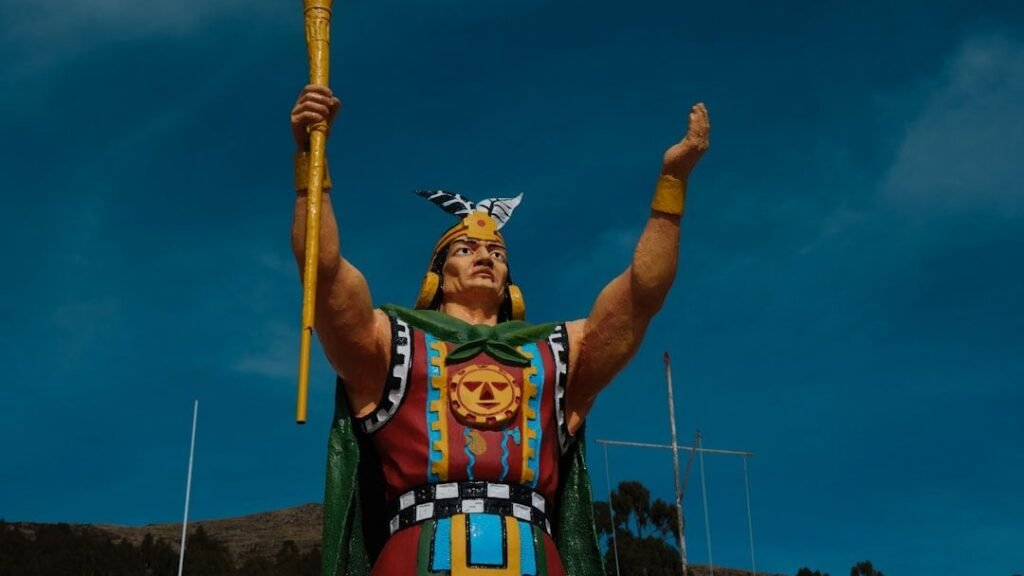

Most of us grew up with a simple story: history moves in a straight line from primitive cave dwellers to the sleek technology of today. Then you stumble across an ancient city with indoor plumbing, precision stonework, or complex astronomy, and that neat little story starts to fall apart. The deeper archaeologists dig, the more it looks like earlier cultures understood engineering, math, medicine, and the environment in ways that school textbooks barely mentioned.
This does not mean there were hidden laser guns or global Wi‑Fi thousands of years ago. It does mean that many so‑called “primitive” societies were astonishingly clever, organized, and innovative for their time. These 25 lost civilizations show how often human brilliance has flared up, been hit by disaster, conquest, or climate change, and then nearly vanished from memory. Reading about them can feel a bit like discovering that your quiet grandparents once lived secret lives as explorers and inventors.
1. Ancient Mesopotamia: The Engineers Of Time And Law
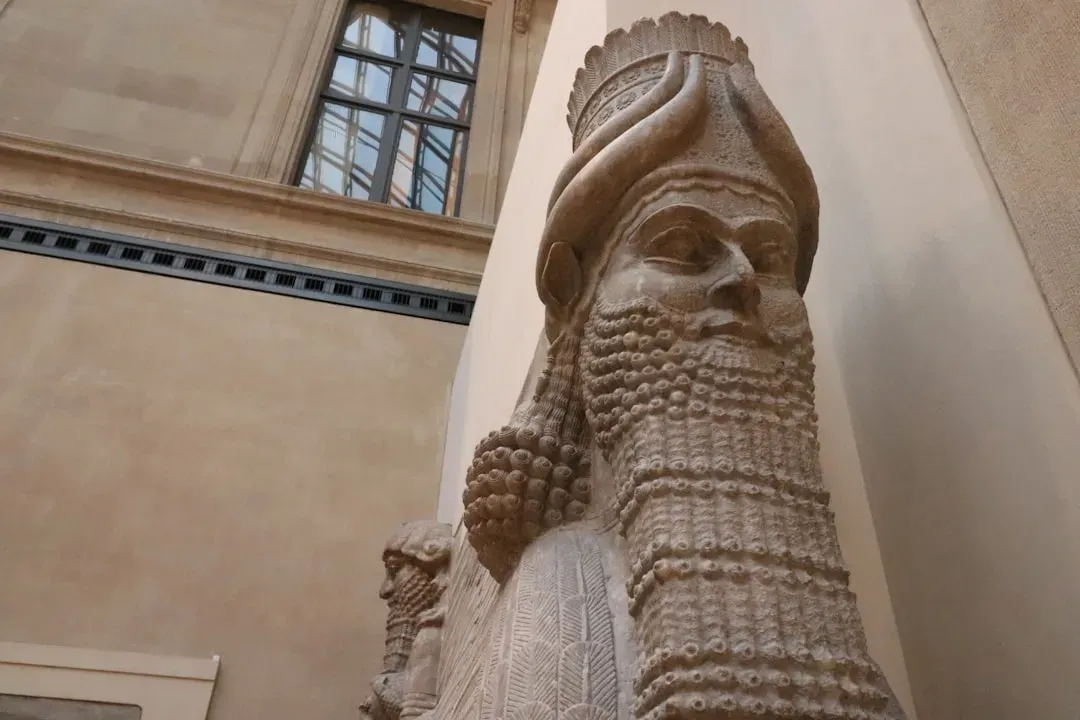
Mesopotamia is often called the cradle of civilization, but that phrase is so overused it hides how radical these people actually were. In the river valleys of the Tigris and Euphrates, Sumerians and their successors created the first known cities, the earliest known writing system, and detailed legal codes that sound eerily familiar to modern courts. They were tracking debts, contracts, and court decisions at a time when much of the world was still organized in small tribal groups.
They mapped the night sky well enough to predict eclipses and developed base‑60 mathematics, which is why we still divide an hour into sixty minutes and a circle into 360 degrees. Their irrigation projects turned floodplains into carefully controlled fields, using canals, levees, and storage basins that required complex planning and maintenance. It is hard not to feel small when you realize that people over four thousand years ago were already wrestling with city traffic, water management, and bureaucratic paperwork.
2. Ancient Egypt: Masters Of Stone, Medicine, And Eternity
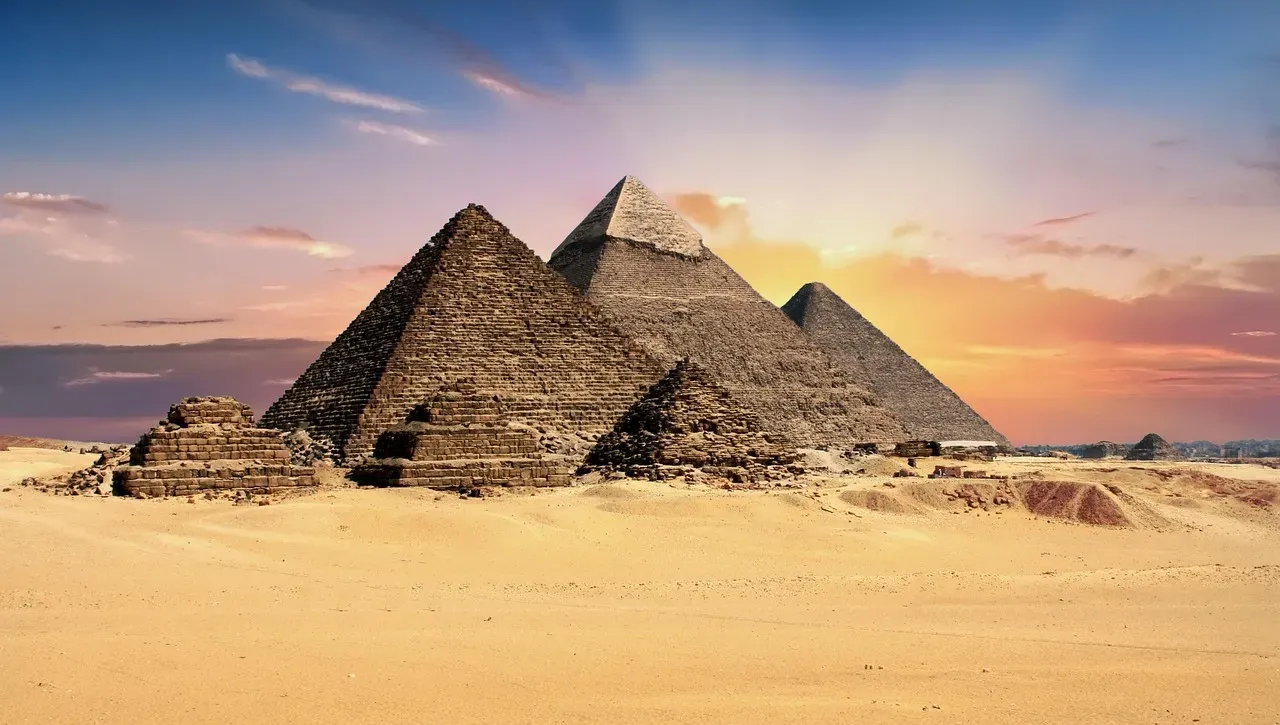
Most people think of pyramids and mummies and stop there, as if Egypt was only about tombs and treasure. In reality, ancient Egyptians built a civilization that lasted for millennia with a level of administrative control, agricultural planning, and medical care that feels shockingly modern. Hieroglyphic texts and papyri show doctors diagnosing injuries, performing basic surgery, and using plant‑based remedies in ways that were systematic rather than magical.
Their architectural achievements are not just about size but precision: the Great Pyramid’s alignment with cardinal directions and its extremely tight construction tolerances still amaze engineers. They managed large‑scale stone transport, labor organization, and resource distribution without iron tools, fossil fuels, or modern machinery. When schools present Egypt mainly as a backdrop for treasure‑hunting movies, they miss the deeper story of a society that quietly solved logistical problems on a continental scale.
3. The Indus Valley Civilization: Urban Planners Ahead Of Their Time
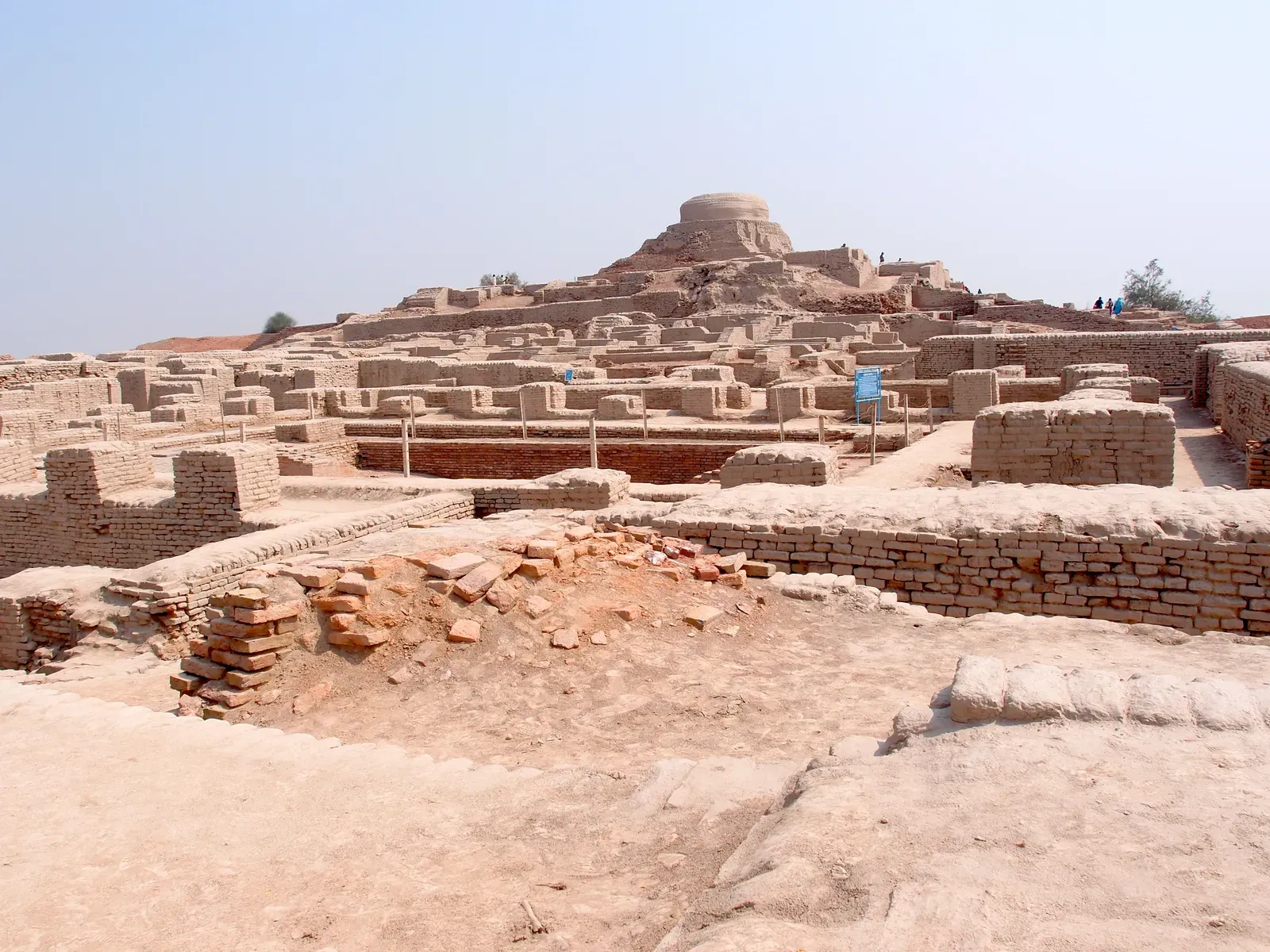
For many students, history seems to jump from Mesopotamia and Egypt straight to Greece, skipping the Indus Valley altogether. That is a shame, because cities like Mohenjo‑Daro and Harappa show urban planning that outshines many later empires. They laid out cities on grid patterns, with standardized baked bricks, central drainage systems, and what look like private bathrooms connected to covered sewers. This was not one neat neighborhood; it was a whole region of carefully organized settlements.
Even stranger, this civilization seems to have functioned with relatively few obvious royal palaces or giant tombs, suggesting a different model of power and wealth than the god‑kings of Egypt or Mesopotamia. Their standardized weights and measures hint at regulated trade and quality control across hundreds of kilometers. When you picture people thousands of years ago, you probably do not imagine regular households with something close to running water and civic sanitation – yet the Indus people came surprisingly close.
4. Norte Chico (Caral): Monument Builders Without Pottery Or War
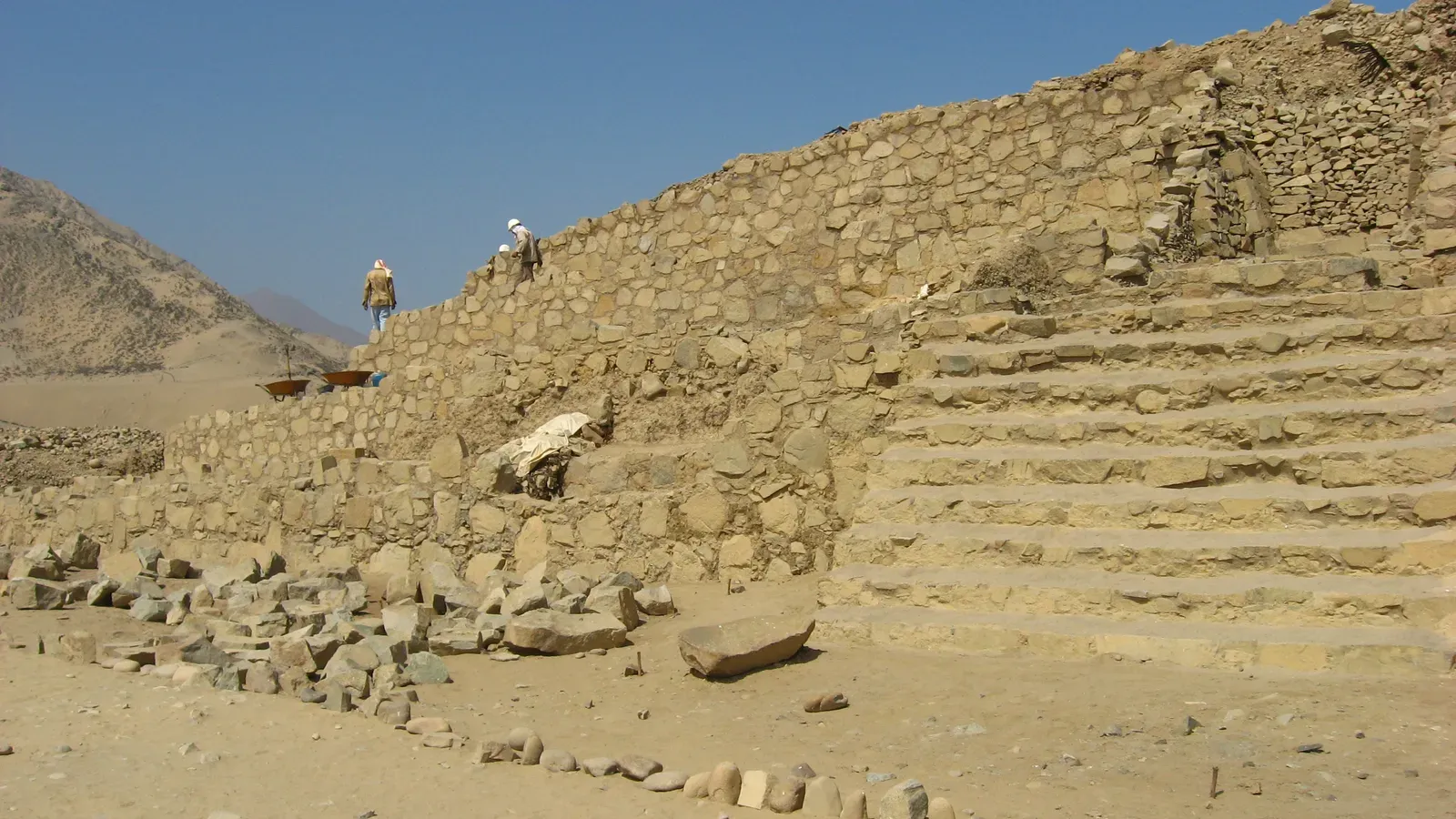
On the coast of what is now Peru, the Norte Chico culture (often associated with the site of Caral) built large pyramidal platforms and sunken plazas more than four thousand years ago. That puts them among the earliest known complex societies in the Americas, roughly contemporaneous with ancient Egypt’s Old Kingdom. But they did it in a way that breaks a lot of our assumptions: there are no clear signs of large‑scale warfare, no ceramic technology, and yet there are monumental constructions and organized labor.
They seemed to rely heavily on textiles – knotted cords and woven materials – for both practical and possibly administrative uses. Their economy revolved around irrigation agriculture inland and rich marine resources on the coast, requiring cooperation and planning between communities. When you realize that such impressive urban centers could arise without many of the classic “markers” of civilization, it becomes obvious that human ingenuity has more than one script.
5. The Minoans: Sophisticated Island Society In The Bronze Age
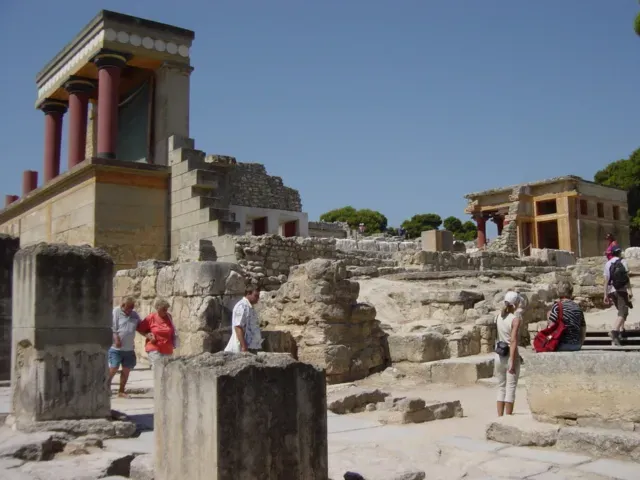
The Minoans, based on the island of Crete, feel almost like a myth because their script (Linear A) is still undeciphered. Yet their cities and artifacts speak loudly enough. They built multi‑story palatial complexes with elaborate plumbing systems, light wells, and storage rooms that look like the backbone of complex bureaucracies. Their frescoes and artifacts show a society engaged in vibrant art, long‑distance trade, and possibly formalized sports or ritual performances.
They developed an extensive maritime network, sailing across the Mediterranean and linking cultures from Egypt to mainland Greece. There is evidence that they experimented with advanced metalworking and carefully managed agricultural terraces in their rugged landscapes. The idea that the Bronze Age Aegean was a quiet backwater vanishes when you imagine Minoan ships crisscrossing the sea with textiles, crafted goods, and ideas long before the classical Greeks appeared.
6. The Mycenaeans: Proto‑Greeks With Hidden Complexity
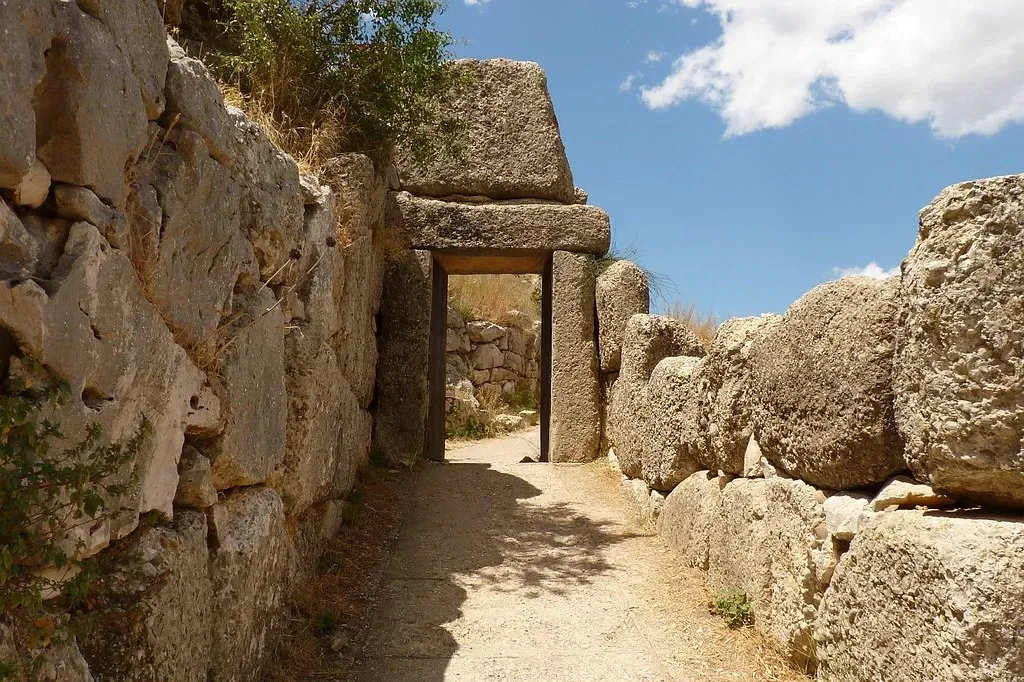
Usually, the story told in school starts history in Greece with the classical city‑states like Athens and Sparta, but the Mycenaeans were already running complex kingdoms centuries earlier. They left behind fortified palaces, monumental tombs, and a deciphered script (Linear B) that reveals a detailed administrative system. Clay tablets list rations, offerings, land holdings, and specialized workers, pointing to tightly controlled economies and intricate social hierarchies.
They engineered large stone structures such as the so‑called “Cyclopean” walls and the massive corbelled dome of the so‑called Treasury of Atreus, feats that would have required advanced knowledge of load distribution and project management. Their sea trade reached far across the Mediterranean, exchanging metals, luxury goods, and possibly mercenary services. When the Bronze Age collapse hit, much of that material culture burned, and with it went a chapter of experimentation and statecraft that only slowly re‑emerged in later Greek history.
7. The Olmec: The “Mother Culture” Of Mesoamerica
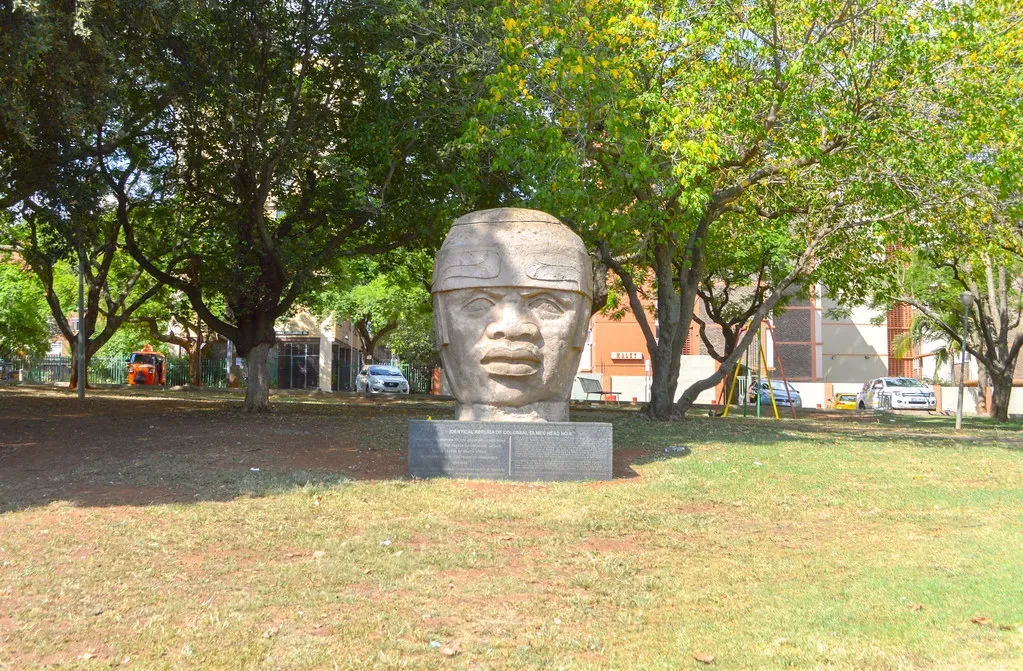
Before the Maya and Aztec, the Olmec flourished along the Gulf Coast of what is now Mexico. They are often reduced to their colossal stone heads, but those heads hint at something deeper: the ability to quarry, transport, and shape massive basalt boulders with sophistication. Their ceremonial centers, with pyramidal mounds, plazas, and complex iconography, suggest a layered religious and political system capable of mobilizing huge workforces.
They seem to have developed early forms of writing and a sacred calendar that echoed through later Mesoamerican cultures. The way their motifs and religious symbols spread points to broad cultural influence, almost like a template that others adapted over time. When you realize that later famous empires were standing on Olmec shoulders, it becomes clear how much is missing from the story most of us were given.
8. The Maya: Astronomers And Mathematicians Of The Jungle
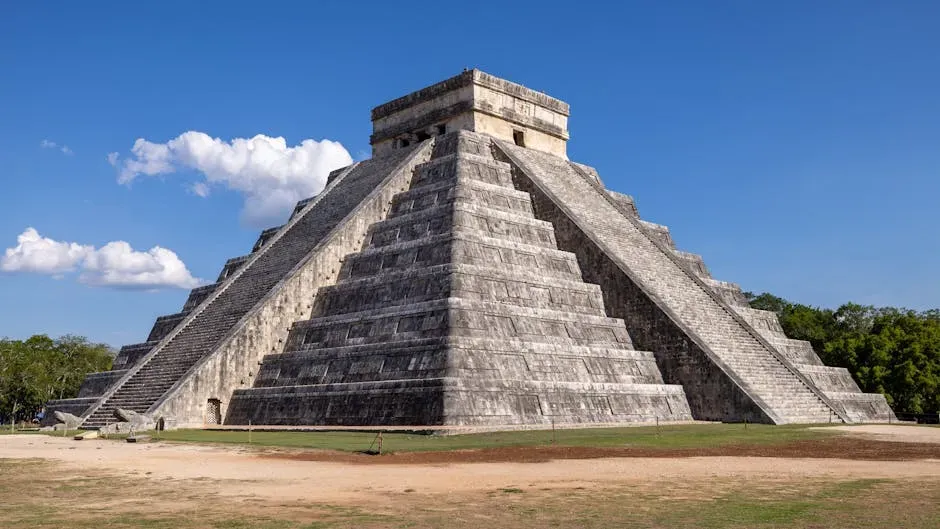
The Maya are often remembered mainly for their dramatic collapse and sensationalized doomsday predictions, which is deeply unfair to what they actually achieved. They developed a fully fledged writing system, recorded their history on stone monuments and in books, and created mathematical concepts, including the explicit use of zero, that rivaled or surpassed many contemporaneous cultures. Their calendar systems tracked planetary cycles and solar events with extraordinary precision.
Their cities were not just clusters of pyramids but vast urban sprawls connected by causeways and supported by sophisticated water management systems. Beneath the jungle, lidar surveys have revealed networks of terraces, reservoirs, and canals showing a deep understanding of ecology and landscape engineering. It is humbling to realize that people often dismissed as “jungle dwellers” were orchestrating complex civic projects and astronomical observations for centuries.
9. Teotihuacan: The Mysterious Metropolis Of Central Mexico
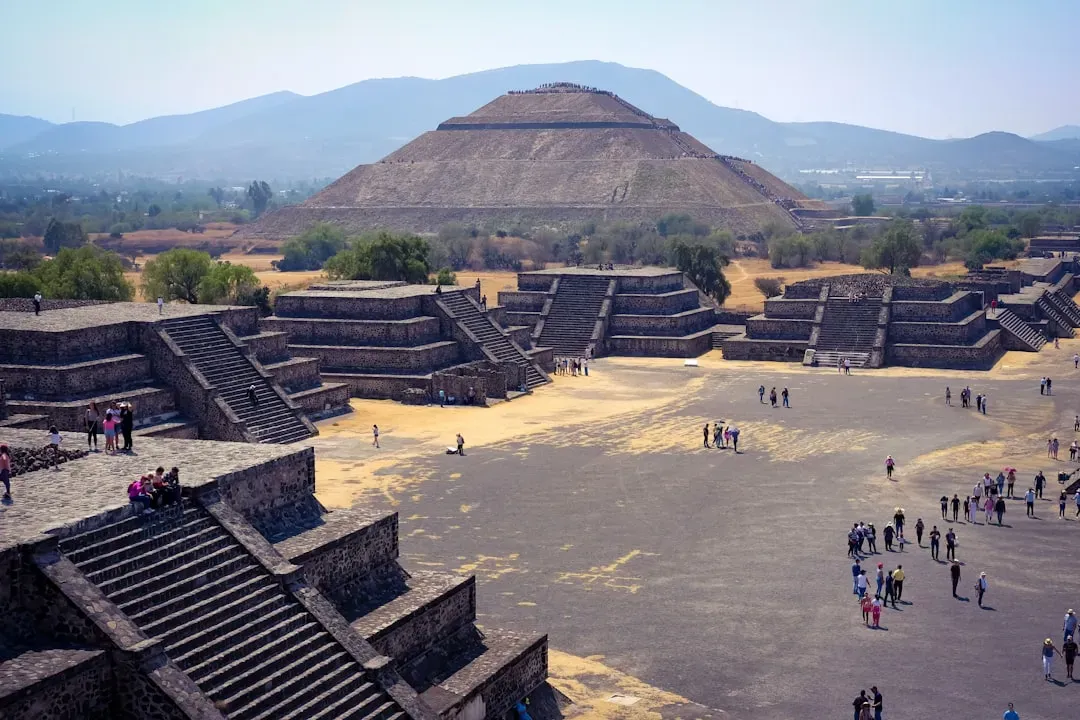
Teotihuacan, with its massive Avenue of the Dead and towering pyramids, was a cosmopolitan city long before the Aztecs ever saw it. At its height, it may have housed tens or even hundreds of thousands of people, making it one of the largest cities on Earth at the time. Its grid layout, multi‑family apartment compounds, and industrial areas for obsidian and craft production point to planned zoning and state‑level coordination.
What makes it even more intriguing is how little we know about its ruling system, language, or why it eventually declined. Yet the city’s influence stretched far, leaving traces in art and political symbols across Mesoamerica. Walking through its ruins today, it is easy to feel that this was not just a big ancient town but a carefully choreographed machine of religion, commerce, and governance that rivals later empires in complexity.
10. The Nazca: Desert Artists And Water Engineers
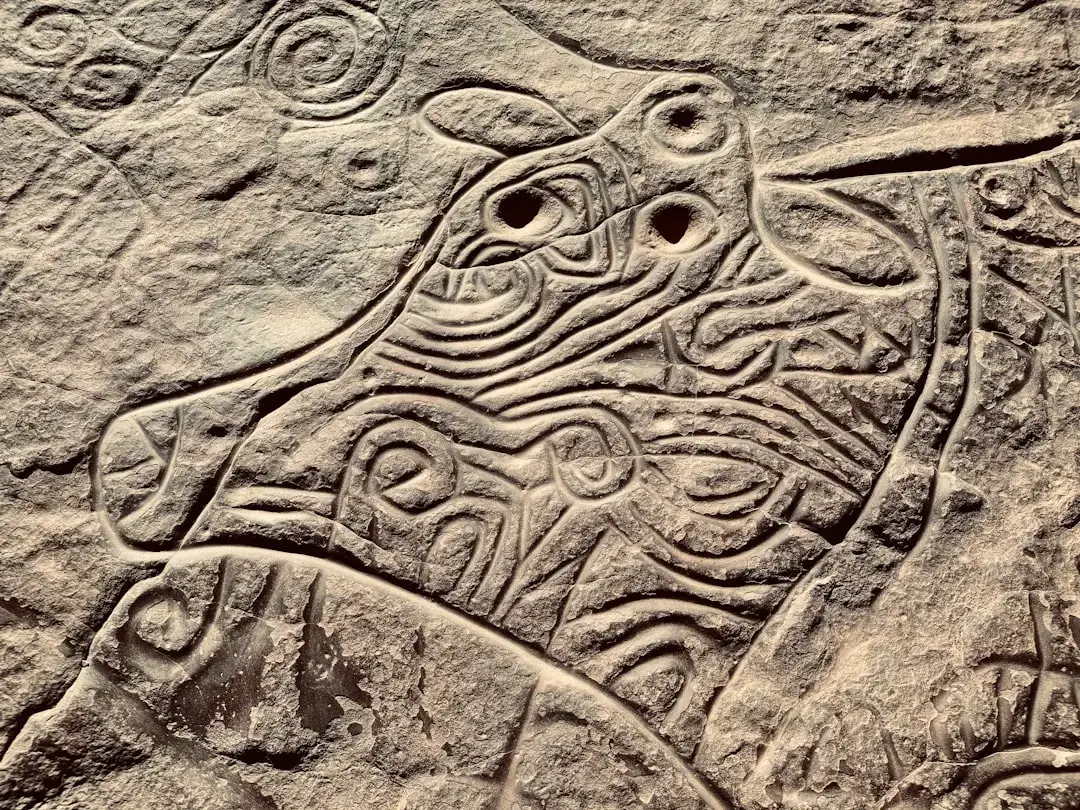
The Nazca are famous for their enormous geoglyphs etched into the desert floor, visible from the surrounding hills and from the sky. Those figures are not simple doodles; they required planning, surveying, and the ability to maintain accurate shapes over hundreds of meters. The sheer scale and precision challenge the lazy assumption that ancient people could not handle complex design tasks without modern instruments.
Less well known but equally impressive are their underground aqueduct systems, called puquios, which tapped into groundwater through spiral access shafts and channels. These structures kept agriculture going in one of the driest regions on Earth, showing an intimate understanding of local geology and hydrology. When you combine their artistic vision with their water engineering, you see a society that quietly mastered both symbolism and survival in a hostile environment.
11. The Tiwanaku Civilization: High‑Altitude Innovators
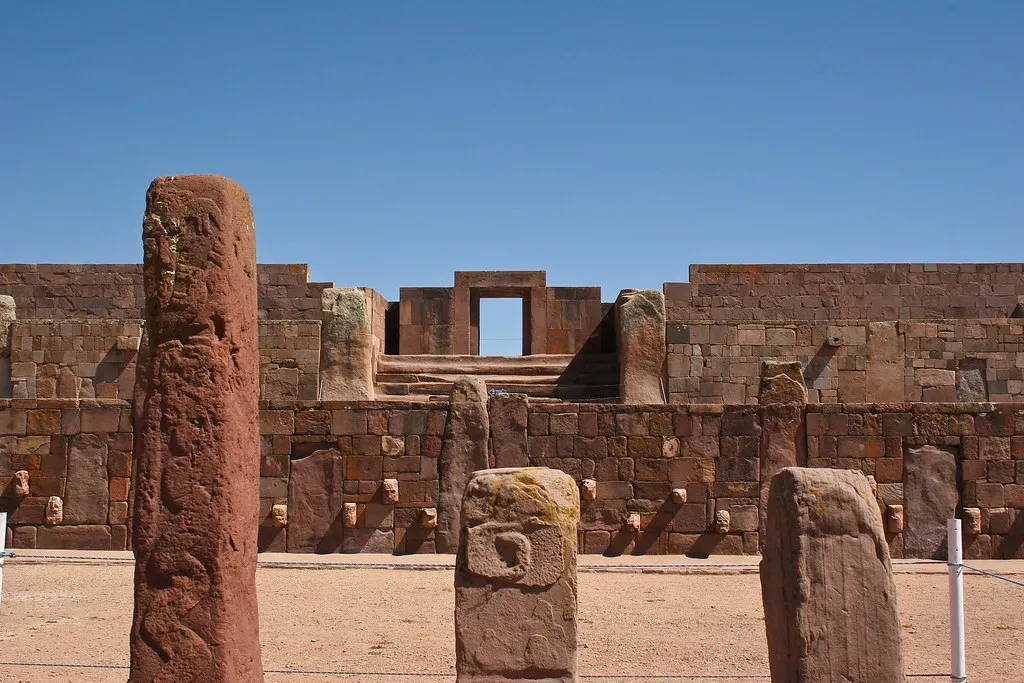
Near the shores of Lake Titicaca, the Tiwanaku civilization built stone structures and agricultural systems in a harsh, high‑altitude environment. Their temples and monoliths feature intricate stone‑cutting techniques, tight joints, and interlocking blocks that suggest both aesthetic and structural sophistication. They also developed raised‑field agriculture known as waru‑waru, which used elevated planting platforms and surrounding water channels to protect crops from frost and waterlogging.
This approach did more than feed people; it stabilized yields and helped buffer communities against climate swings in the Andes. Their influence spread widely, shaping later Andean cultures in both religion and technology. When you imagine building monumental architecture and experimental farms over twelve thousand feet above sea level, with no modern machinery or vehicles, it becomes clear just how determined and inventive these people were.
12. The Wari Empire: Forgotten Masters Of Roads And Cities
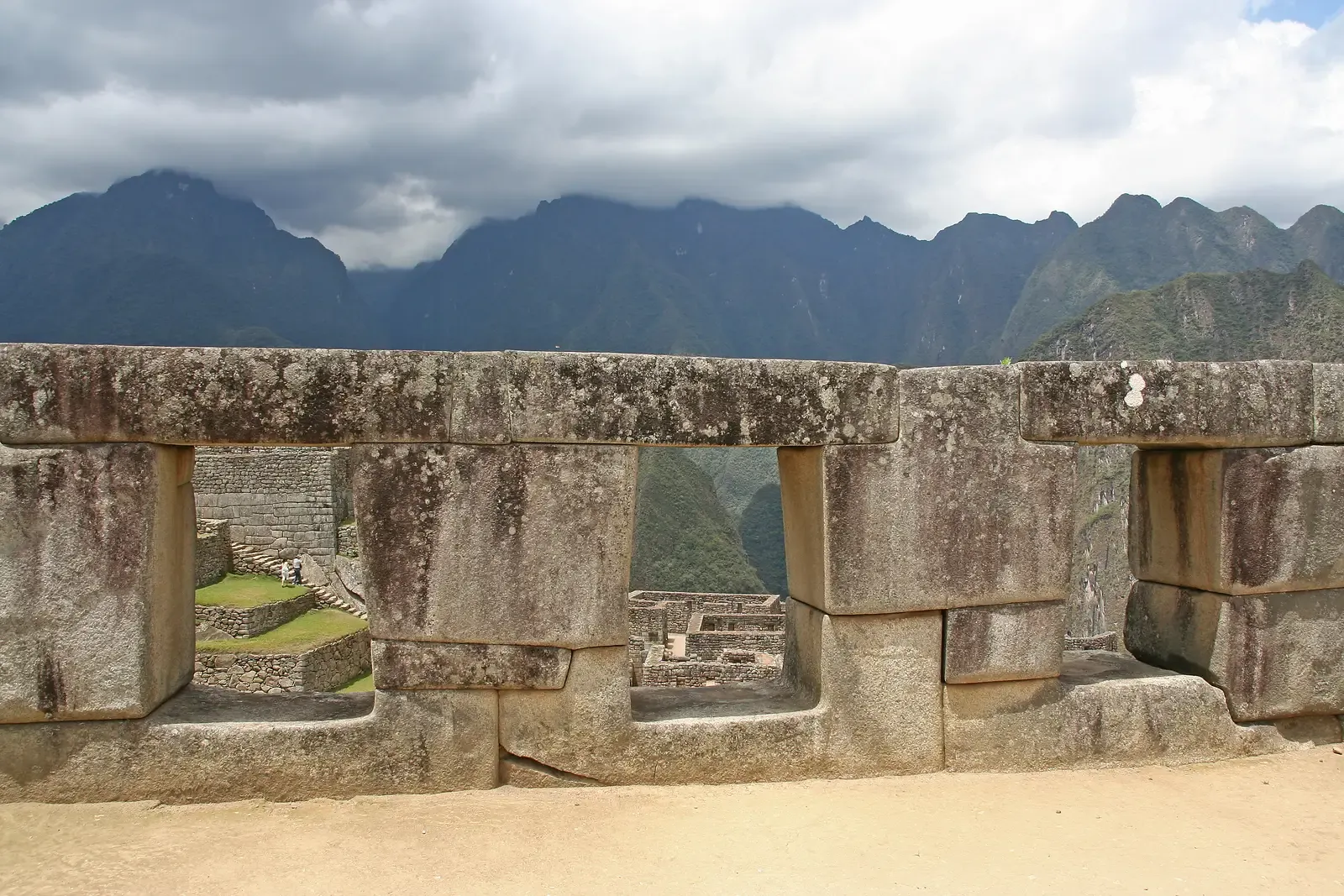
Long before the Inca rose to prominence, the Wari (or Huari) were building administrative centers, road networks, and planned cities across the central Andes. Their capital featured neatly laid‑out compounds, storage facilities, and religious precincts, all hinting at a centrally managed state structure. They experimented with terracing and water management in challenging mountain terrain, supporting large populations at altitudes that would leave many of us breathless.
Archaeologists see in Wari infrastructure some of the patterns later associated with the Inca, such as extensive roadways and administrative outposts that helped maintain cohesion across distances. Yet they rarely get more than a passing mention in popular history, as if the story of the Andes skipped straight from scattered villages to the Inca Empire. The reality is that the Wari were already testing models of governance and logistics that shaped the region long after their political power faded.
13. The Inca: Empire Without The Wheel Or Writing
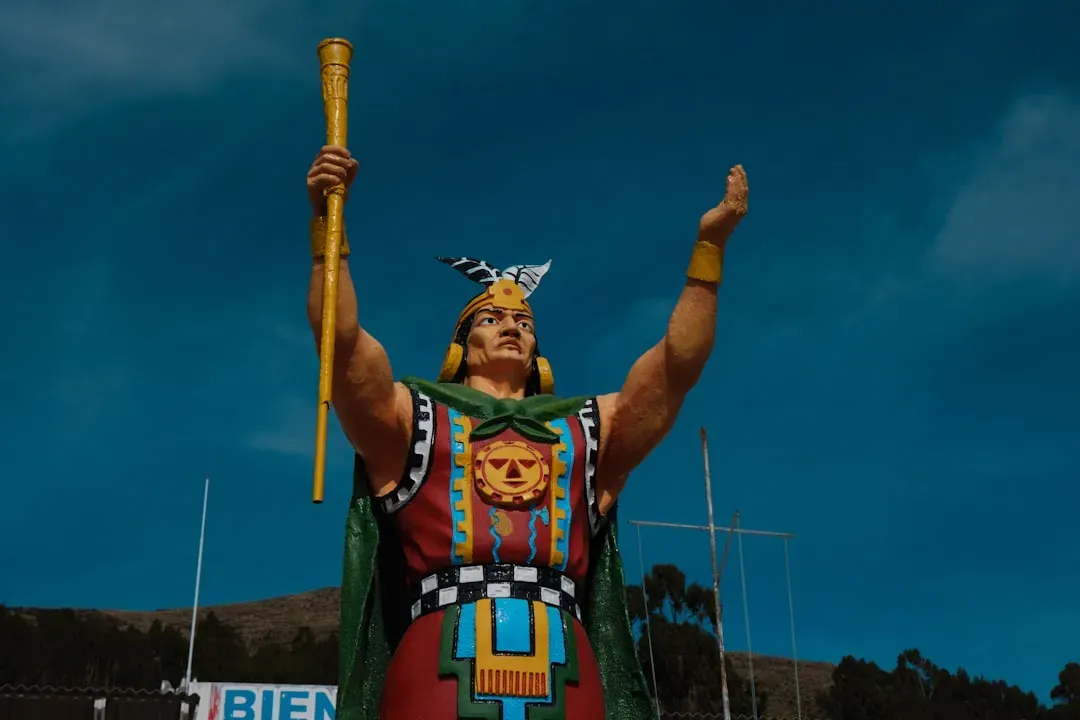
The Inca Empire is sometimes described in a way that makes it sound like an exception that somehow managed to be impressive despite lacking certain technologies, like the wheel in transport or a conventional writing system. But that framing ignores what they actually pulled off. They built and maintained an enormous network of roads and suspension bridges across some of the most rugged terrain on the planet, coordinating labor, military movements, and communications at high speed.
Their quipu system – bundles of knotted cords – appears to have encoded numerical data and possibly more complex information, allowing officials to track tribute, census counts, and storehouse inventories. Terraced hillsides and sophisticated irrigation projects turned mountain slopes into productive farmland, reducing erosion while maximizing microclimates. When you consider that they did this without draft animals like horses, without iron tools, and without money in the familiar sense, their administrative and engineering creativity looks even more remarkable.
14. The Aksumite Kingdom: Africa’s Overlooked Trade Powerhouse
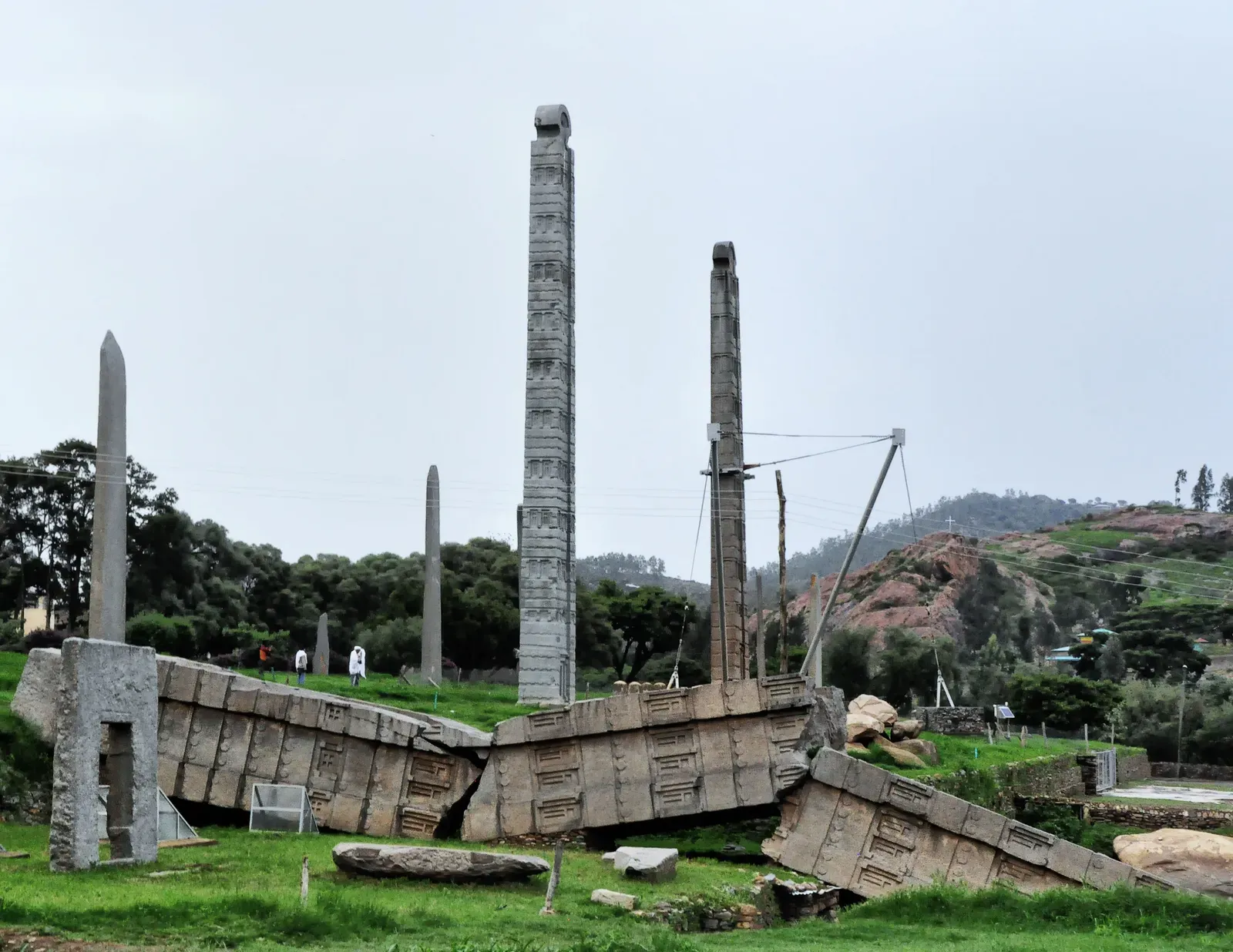
The Kingdom of Aksum, in what is now Ethiopia and Eritrea, once controlled a vital slice of Red Sea trade connecting Africa, Arabia, and the wider Mediterranean world. Aksum minted its own coins, constructed towering stone stelae, and built substantial urban centers that impressed contemporary observers. It adopted Christianity relatively early and maintained diplomatic and commercial ties with powerful neighbors, showing that it was anything but isolated.
Their ability to manage long‑distance trade in ivory, gold, and other goods relied on navigational knowledge, administrative records, and diplomatic skill. Terraced agriculture and water management in the highlands made it possible to support dense populations despite rugged terrain. Yet in many school courses, the African continent appears mainly as a backdrop rather than a stage for complex, innovative kingdoms like Aksum, which quietly shaped regional history for centuries.
15. Great Zimbabwe: Stone Cities In Southern Africa
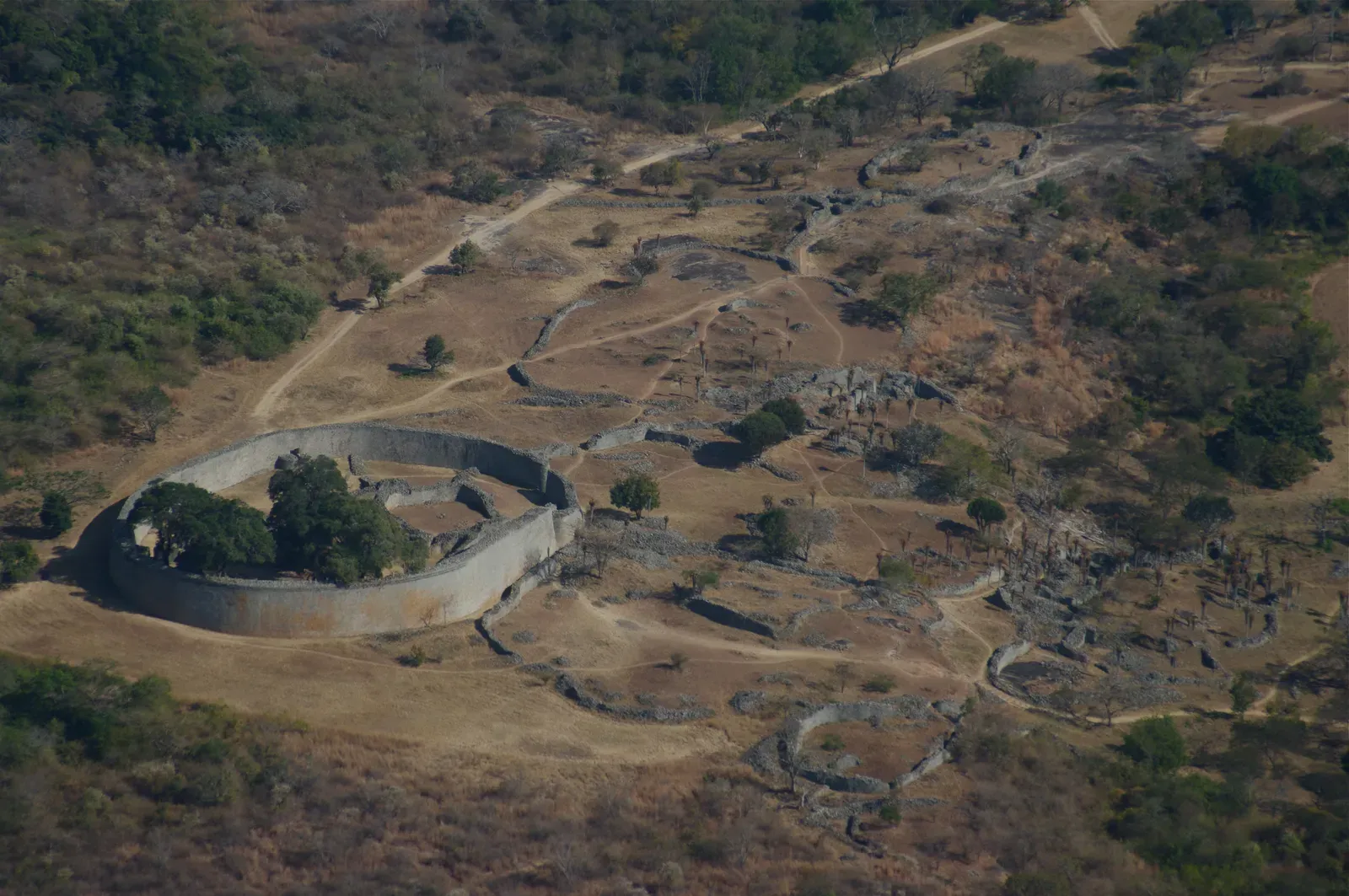
Great Zimbabwe is a sprawling complex of stone walls, enclosures, and towers that once anchored a powerful state in southern Africa. Built without mortar, its curved walls and passageways required a trained workforce and a clear architectural vision. For a long time, European colonizers refused to believe that local African builders could have created such a site, inventing outside origins instead of accepting the evidence in front of them.
Archaeological work has shown that Great Zimbabwe sat at the heart of a trade network reaching the Indian Ocean, dealing in gold, cattle, and other valuables. The city’s layout and artifacts point to social stratification, ritual spaces, and administrative activity that rival many better‑known medieval centers elsewhere. Recognizing the achievements of Great Zimbabwe complicates the tired story that sophisticated stone architecture and long‑distance trade were somehow exclusive to Eurasian cultures.
16. The Nabataeans: Desert Architects Of Petra
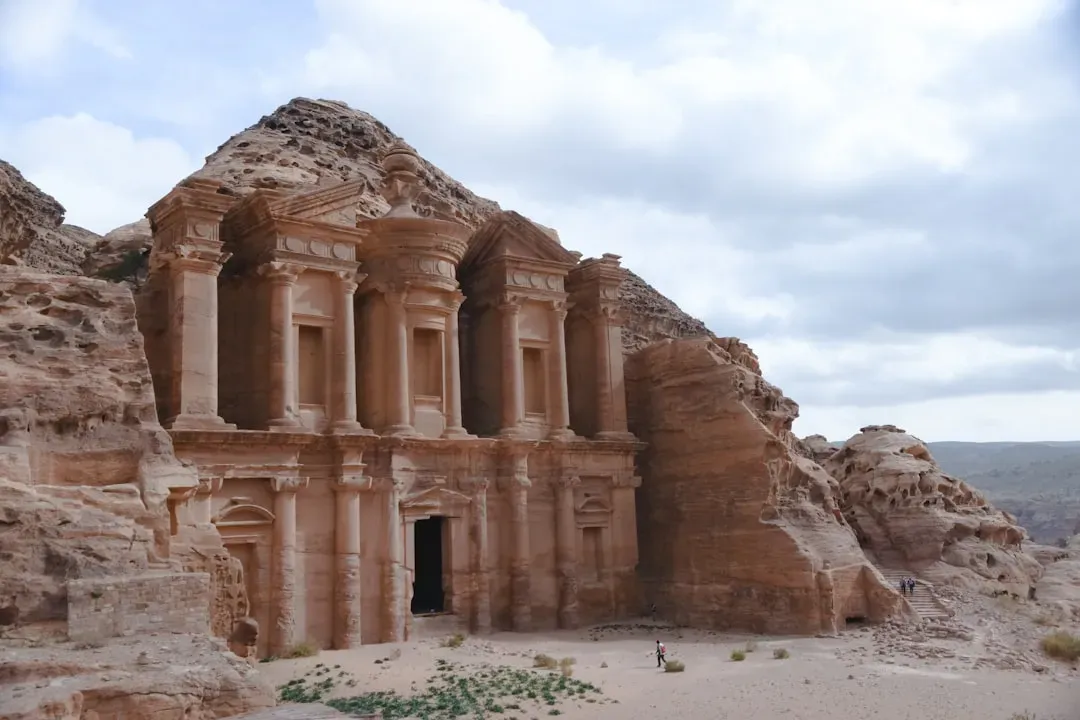
The Nabataeans, best known for their rock‑cut city of Petra, turned desert landscapes into thriving commercial hubs. They carved monumental facades into sandstone cliffs, blending Hellenistic, Egyptian, and local styles into a distinct visual language. Behind those beautiful frontages lay complex water systems – dams, cisterns, and channels – that captured rare rain and flash floods, making sustained urban life possible in a hostile environment.
They controlled caravan routes carrying incense, spices, and luxury goods between Arabia and the Mediterranean. To do this, they needed not only military and diplomatic strength but also reliable knowledge of routes, oases, and seasonal conditions. Petra’s stunning architecture tends to overshadow the quiet brilliance of their water engineering and logistical planning, yet those unseen systems were what kept the city alive.
17. The Hittites: Early Masters Of Iron And International Law
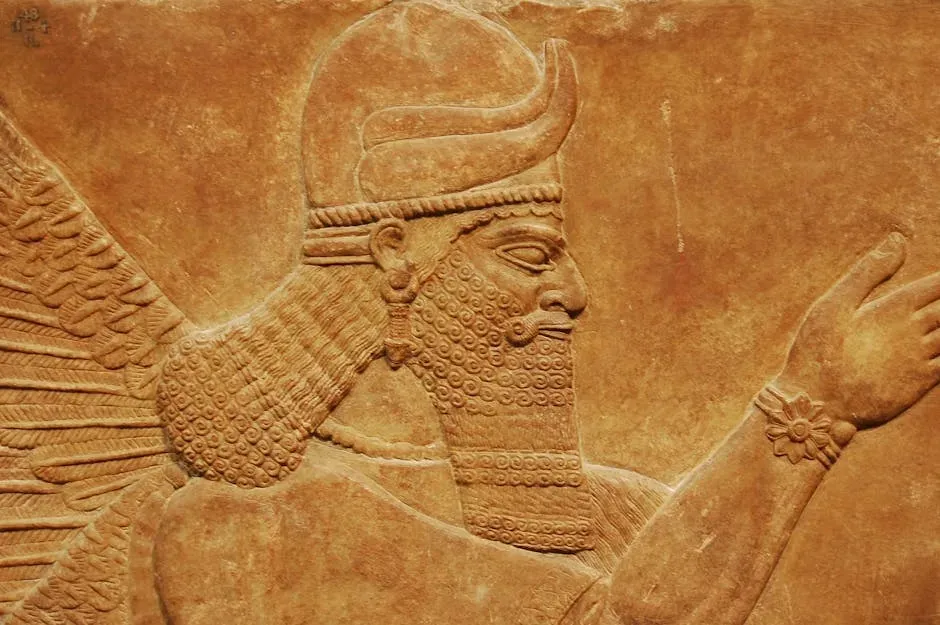
The Hittites, based in Anatolia, are often a footnote in school lessons about the ancient Near East, yet they were trailblazers in multiple areas. They were among the first to work systematically with iron, experimenting with smelting techniques that would eventually change warfare and agriculture across continents. Their archives also preserve one of the earliest known international peace treaties, showing that diplomacy and formal agreements between states have deep roots.
They ran a sophisticated bureaucracy that kept track of land, labor, and legal decisions, and they adapted and integrated religious and cultural practices from neighboring societies. Their chariot forces and fortifications required careful resource management and specialized training. When their empire fell, much of this complexity was swallowed by the wider Bronze Age collapse, leaving behind just enough traces to remind us how advanced they had become.
18. The Phoenicians: Linguistic And Maritime Pioneers
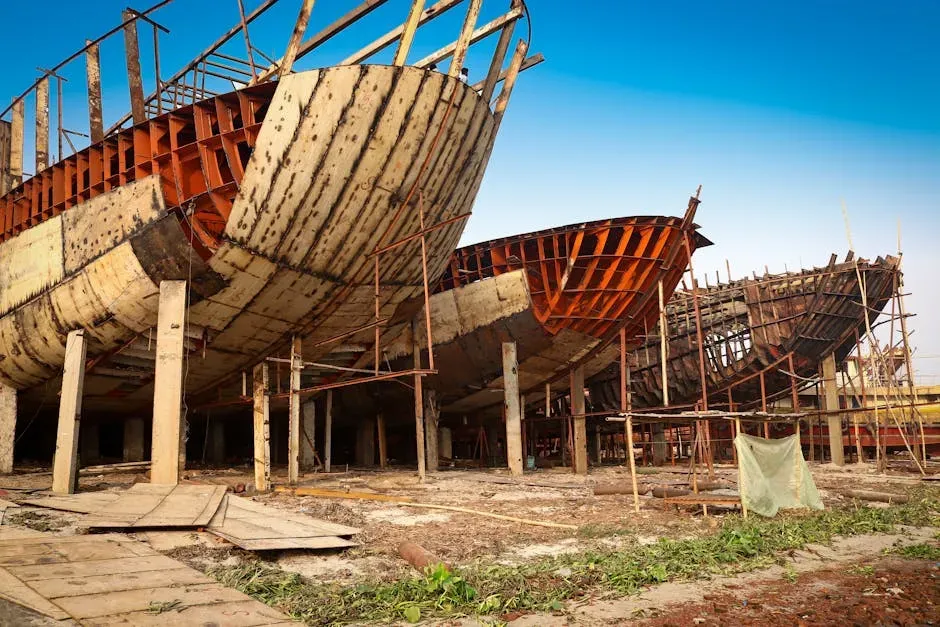
The Phoenicians are usually described as traders and seafarers, which is accurate but incomplete. They established a web of coastal cities and colonies across the Mediterranean, using advanced shipbuilding techniques and navigational skills to move goods, ideas, and people over long distances. Their mastery of purple dye, metalwork, and glass made their products prized across many cultures.
Perhaps their most far‑reaching innovation was a streamlined alphabetic writing system that later influenced Greek and other scripts. By simplifying complex writing traditions into a smaller set of characters, they made literacy more accessible and flexible. It is strangely ironic that the people who helped shape how much of the world writes are often squeezed into a couple of lines in school textbooks.
19. The Etruscans: Italy’s Hidden Founders
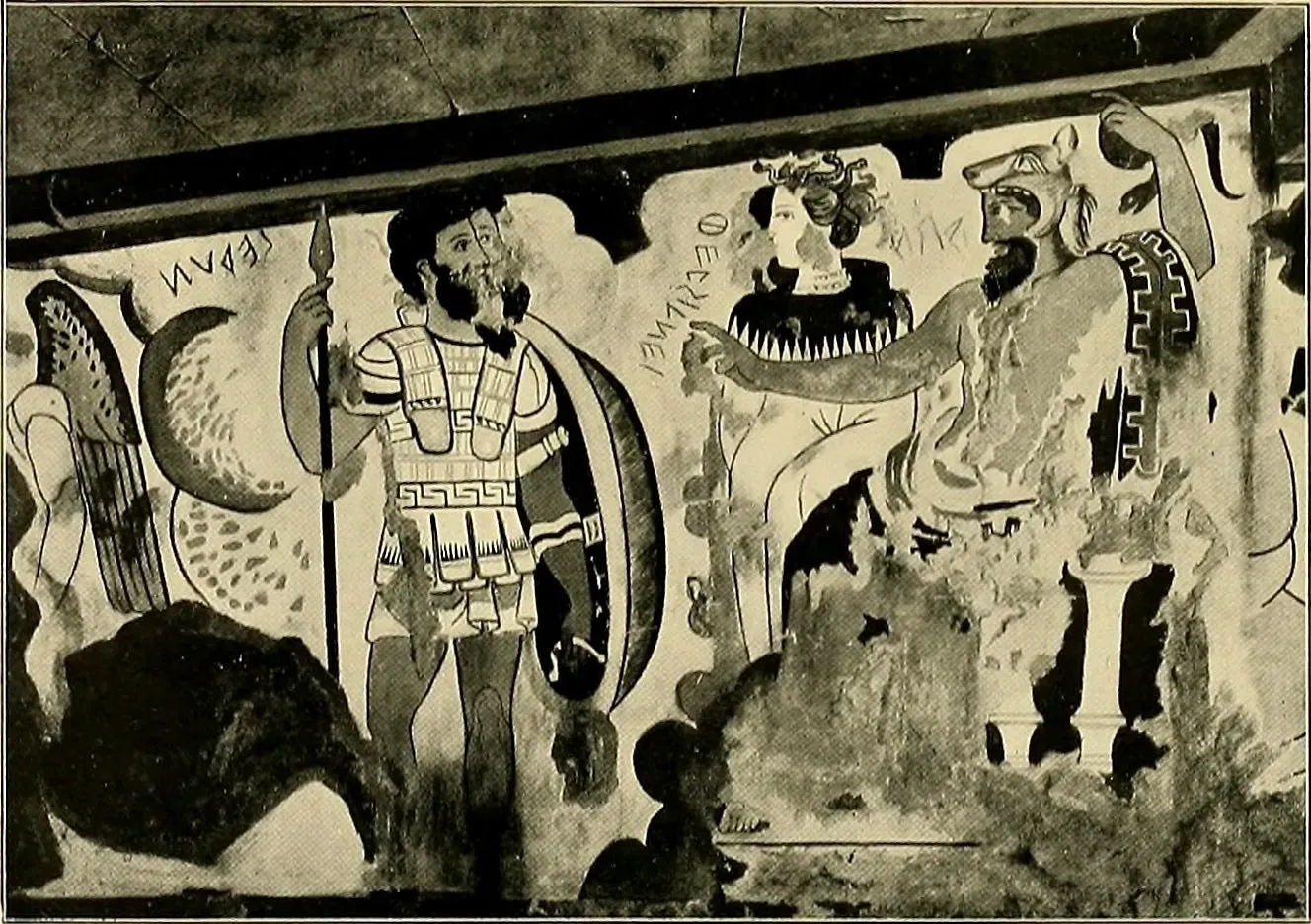
Before Rome conquered the Italian peninsula, the Etruscans were already building cities, drainage systems, and sophisticated tomb complexes. Their urban planning and religious practices significantly influenced early Rome, from temple layouts to political symbols. They experimented with advanced metalwork, especially in bronze, and engaged in extensive Mediterranean trade.
Although their language is only partly understood, their art and archaeology reveal a society with clear social classes, specialized crafts, and intricate beliefs about the afterlife. Underground tombs constructed like houses, decorated with rich paintings, show a striking investment in architecture for the dead as well as the living. In many ways, Rome inherited and repackaged Etruscan ideas, yet the original innovators often remain in the shadows.
20. The Khmer Empire: Hydraulic Urbanism At Angkor
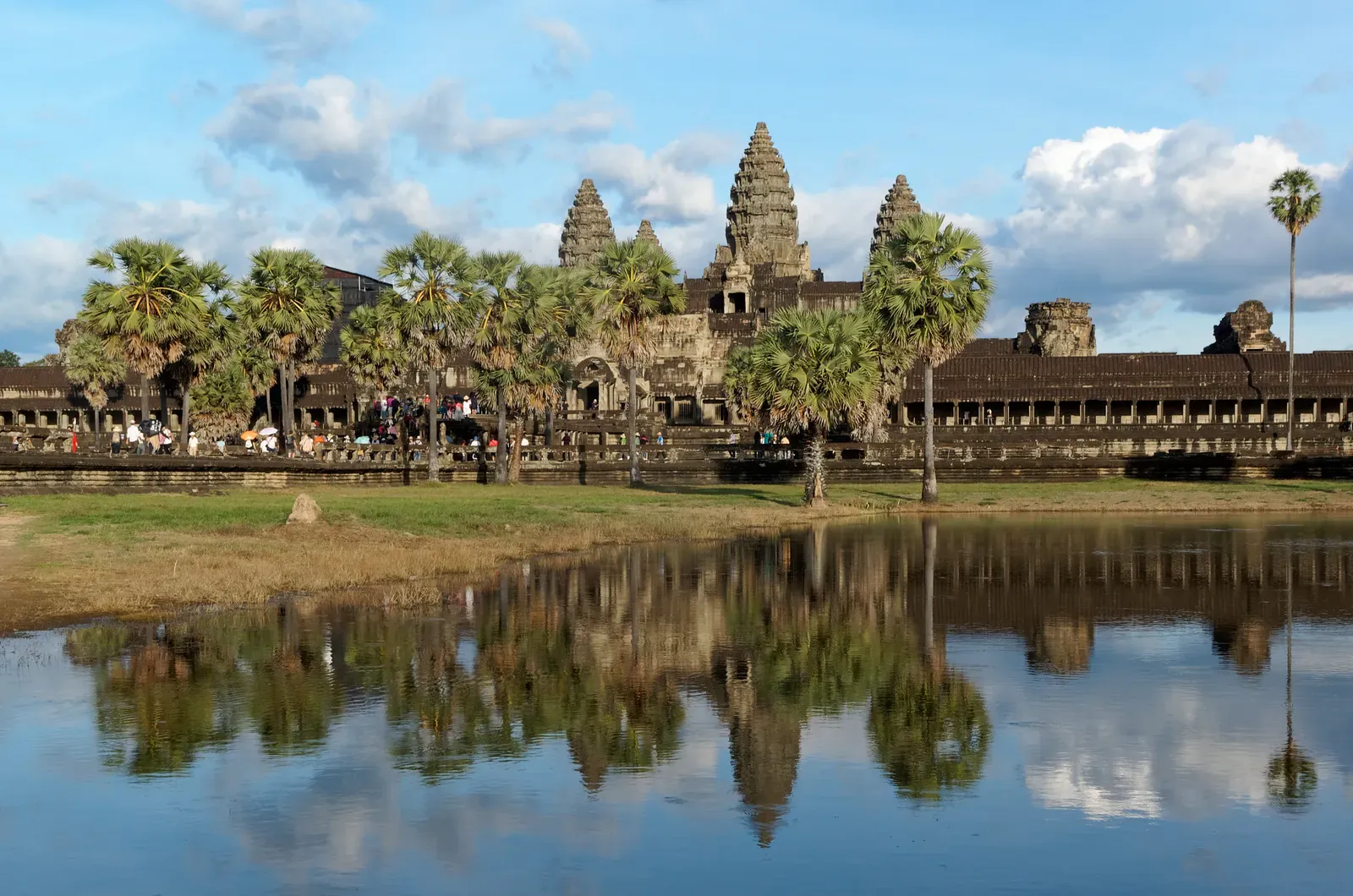
The Khmer Empire, centered on Angkor in present‑day Cambodia, created one of the largest pre‑industrial urban complexes in the world. Beyond the famous temple of Angkor Wat, there was a vast network of reservoirs, canals, and dikes that managed monsoon waters on a grand scale. This system not only supplied drinking water but also supported rice agriculture that fed large populations and sustaining armies.
Temples doubled as political and cosmological statements, laid out in alignment with celestial events and symbolic geography. The ability to mobilize labor for these projects required intricate administration and record‑keeping, even if those records were largely written on perishable materials that have not survived. When you zoom out from the postcard‑perfect temple shots, what appears is an entire engineered landscape that rivals later modern cities in ambition, if not in concrete and steel.
21. The Srivijaya Maritime Kingdom: The Sea As A Superhighway
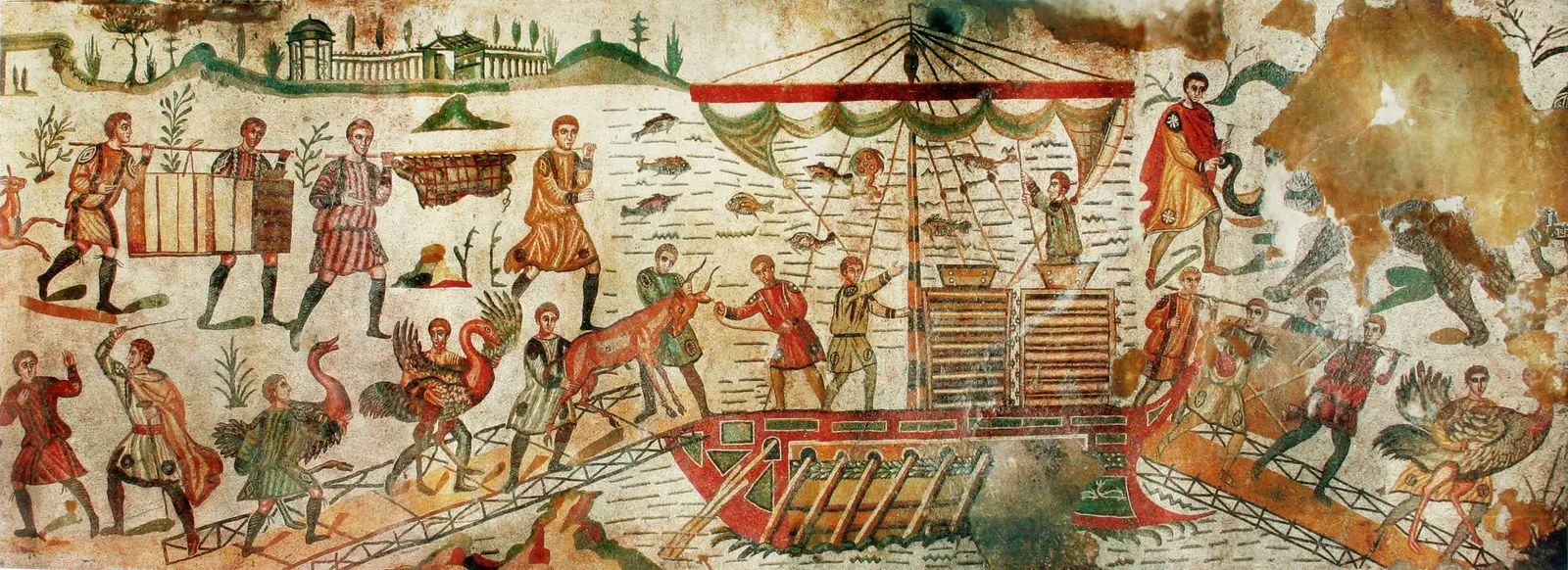
In what is now Indonesia and surrounding regions, the Srivijaya kingdom controlled critical maritime choke points linking the Indian Ocean and the South China Sea. They turned their location into leverage, regulating trade between India, China, and the wider world. To manage this, they needed not just ships and sailors but an understanding of monsoon patterns, currents, and coastal hazards that amounted to a living science of the sea.
They also became a major center for Buddhist learning, hosting scholars and monks who carried texts and ideas across Asia. Their political power rested on a mix of naval strength, religious prestige, and control of port networks. The fragile nature of wooden ships and coastal structures means much of their material legacy has vanished, but the historical echoes of their influence show just how sophisticated a maritime empire could become without leaving massive stone monuments behind.
22. The Polynesian Navigators: Oceanic Exploration Without Metal Or Maps

Polynesian societies are sometimes dismissed as “stone age islanders,” yet their navigation skills were among the most advanced on Earth. Using stars, ocean swells, bird behavior, and subtle color changes in the water and sky, they sailed thousands of miles across the Pacific and settled islands scattered over an area larger than many continents. This was not random drifting; it was planned exploration based on transmitted knowledge and careful training.
The double‑hulled canoes they built were masterpieces of design, balancing speed, stability, and cargo space without metal nails or engines. They created oral maps and memory systems to preserve routes and environmental cues across generations. When you compare this to how dependent modern travelers are on GPS and digital charts, their achievements feel both humbling and slightly embarrassing for our gadget‑obsessed age.
23. The Caral‑Supe And Andean Coastal Networks: Social Innovation Without Obvious Warfare
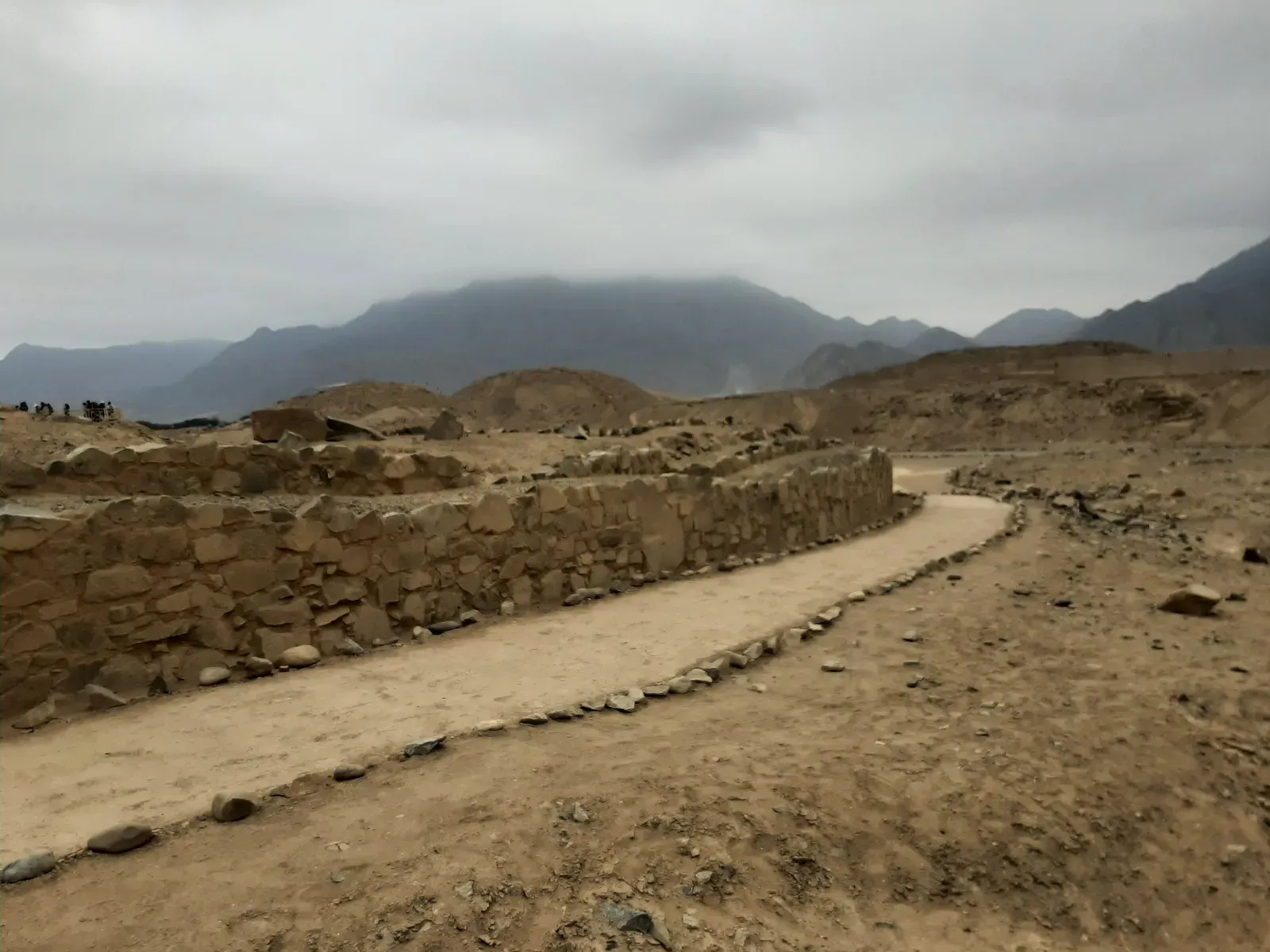
While Caral itself is part of the broader Norte Chico tradition, the wider Andean coastal network of the time deserves its own mention. These societies built large ceremonial centers and platform mounds without clear evidence of fortifications or widespread violent conflict, at least in the archaeological record so far. Their social glue seems to have been ritual gatherings, shared projects, and trade in valuable resources like cotton and dried fish.
This challenges the assumption that complex societies must be driven primarily by war and coercion. Instead, prestige, religion, and mutual economic benefit may have played larger roles than our modern, conflict‑obsessed narratives would expect. It is a quiet reminder that “advanced” does not have to mean “constantly at war,” even if much of world history ended up going that way.
24. The Cucuteni‑Trypillia Culture: Mega‑Settlements Before The City
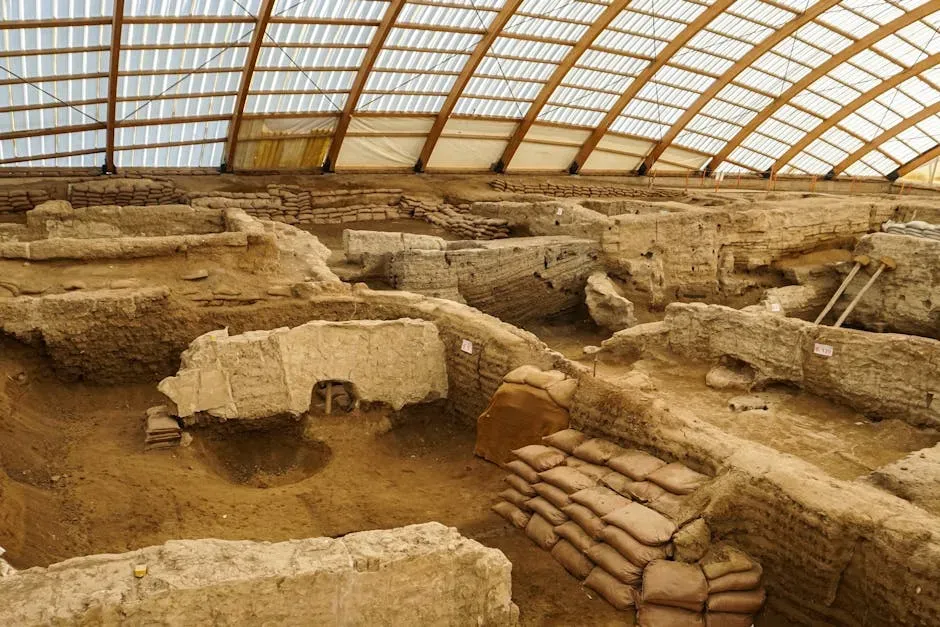
In parts of what are now Ukraine, Moldova, and Romania, the Cucuteni‑Trypillia culture built enormous settlements with layouts that look surprisingly urban. Some sites housed thousands of people, with houses arranged in spiral or concentric patterns and sometimes rebuilt repeatedly in the same spot. They developed fine pottery, engaged in long‑distance exchange, and organized communal life on a scale far beyond typical small villages.
Yet they left no massive stone monuments or clear written records, and eventually their culture disappeared or transformed as new groups moved into the region. The existence of such large, organized communities long before the classic “birth of the city” challenges the timeline that many of us were taught. It suggests that people have been experimenting with dense, organized living arrangements for far longer, and in more places, than standard narratives admit.
25. Göbekli Tepe And Other Prehistoric Enigmas: Organized Spirituality Before Farming
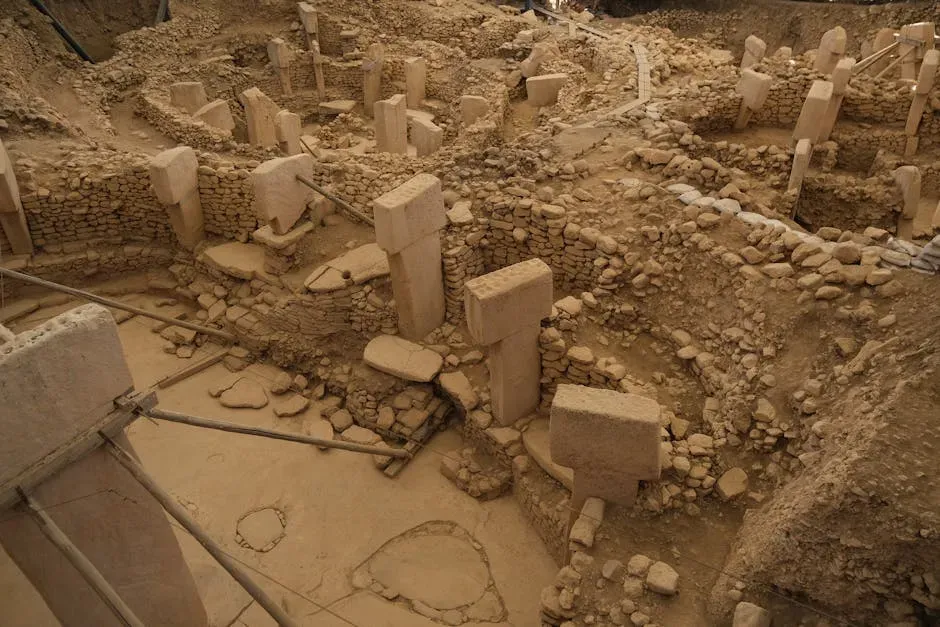
Göbekli Tepe, in modern‑day Turkey, predates agriculture in many regions yet features massive stone pillars arranged in circular enclosures. These pillars are carved with animals and abstract symbols, hinting at a shared symbolic system and organized ritual behavior. The sheer effort required to quarry, move, and erect them implies coordinated labor and leadership, even in what is often described as a world of small, mobile hunter‑gatherer bands.
Sites like this force us to reconsider the neat idea that agriculture came first, and only then did religion, monuments, and complex social structures emerge. Instead, organized spiritual projects may have helped draw people together and encouraged more settled lifestyles. It is one of those discoveries that quietly rewrites the mental map many of us carry about “progress,” revealing that humans have been dreaming big, organizing themselves, and pushing the limits of what is possible for far longer than we were told.
Conclusion: Rethinking What “Advanced” Really Means
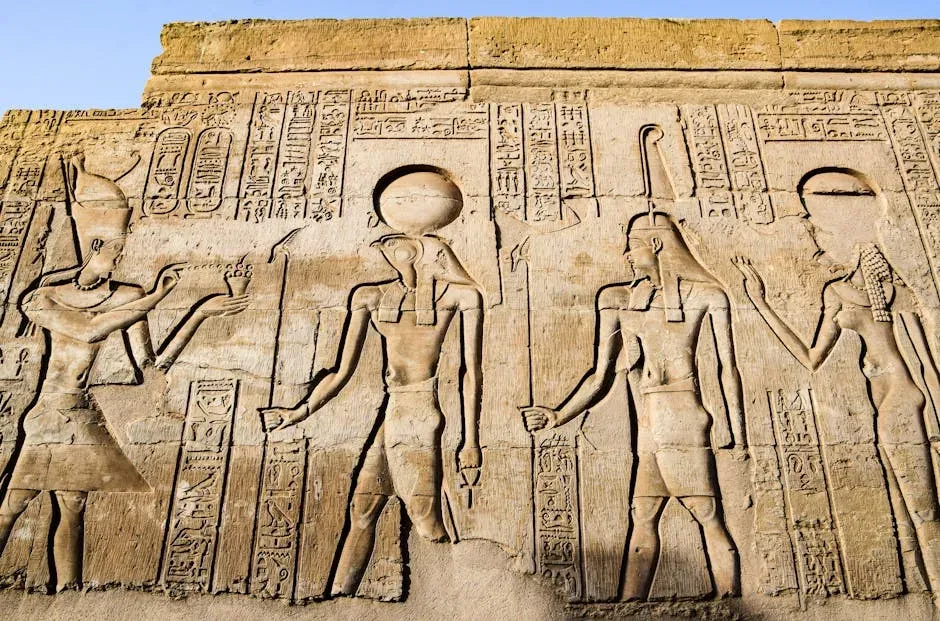
Looking at these twenty‑five lost civilizations side by side, a pattern emerges: human societies keep solving hard problems with whatever tools they have, then often vanish or transform so completely that later generations barely remember them. Advanced does not always mean gadgets and screens; sometimes it means mastering rivers without concrete, mapping oceans without compasses, or running empires without paper money or steel. The fact that so many of these cultures were barely mentioned in school says more about modern bias than about their actual achievements.
If anything, their stories should make us more curious and a little more humble. Our age is extraordinary, but it is not the first time people have thought, planned, engineered, and dreamed on a grand scale. The ground beneath our feet is full of buried experiments in how to be human, some of them startlingly successful for hundreds or thousands of years. When you think about your own life and city, are you still sure we are the only ones who ever had it figured out?