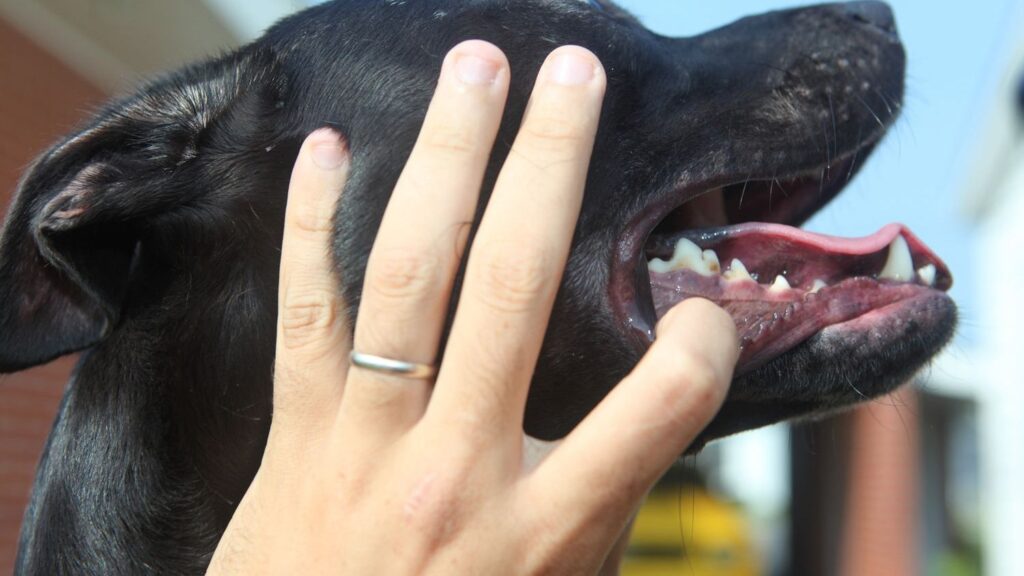

You probably run your hands over your dog’s fur, keep an eye on their appetite, maybe even notice every little limp or sneeze. But there’s one place almost everyone forgets to look: the gums. Hidden behind that happy panting and goofy smile can be some of the earliest and most important warning signs of your dog’s health, and vets are increasingly worried that owners are missing them until it’s too late.
Once you know what to look for, a ten‑second gum check can help you spot problems with pain, infection, dehydration, blood loss, and even heart or organ issues long before your dog is crashing in an emergency room. You do not need fancy tools, a medical degree, or a lot of time. You just need to know what healthy gums look like, what that “90 percent miss” warning sign really is, and when it’s time to drop everything and go straight to the vet.
The One Warning Sign Most Owners Miss: Pale or White Gums
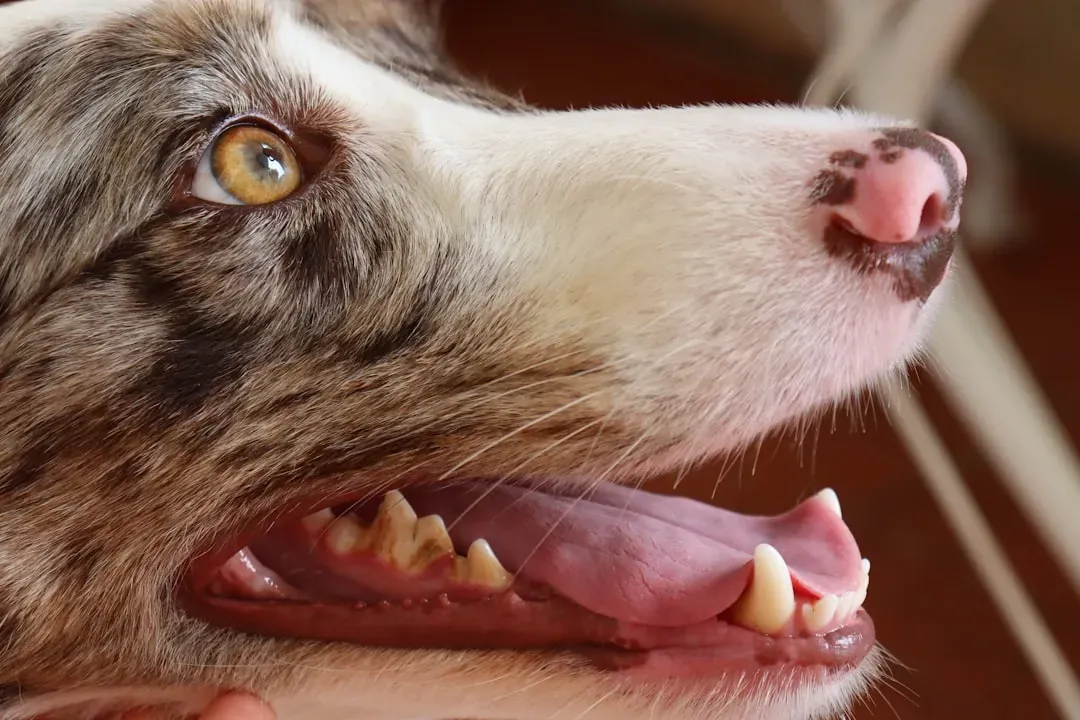
If you remember only one thing from this article, make it this: your dog’s gums should not be ghost‑pale or white. Healthy gums are usually a bubble‑gum pink, and when the color fades dramatically, it can mean your dog’s body is struggling to get enough oxygen and blood to vital organs. Pale or white gums can be a sign of serious problems like internal bleeding, shock, or severe anemia, all of which can turn life‑threatening in a frighteningly short time.
Here’s the part most people miss: dogs are experts at hiding how sick they are. Your dog might still wag their tail, follow you around, or even eat, while their body is already in crisis mode. If you lift their lip and see pale, almost gray, or white gums, you should treat that as an emergency and call your vet or an emergency clinic right away. Do not wait to see if they “perk up later,” and do not assume it’s just because they are tired. When in doubt, go in. You will never regret overreacting to pale gums, but you may deeply regret waiting.
What Healthy Gums Should Actually Look and Feel Like
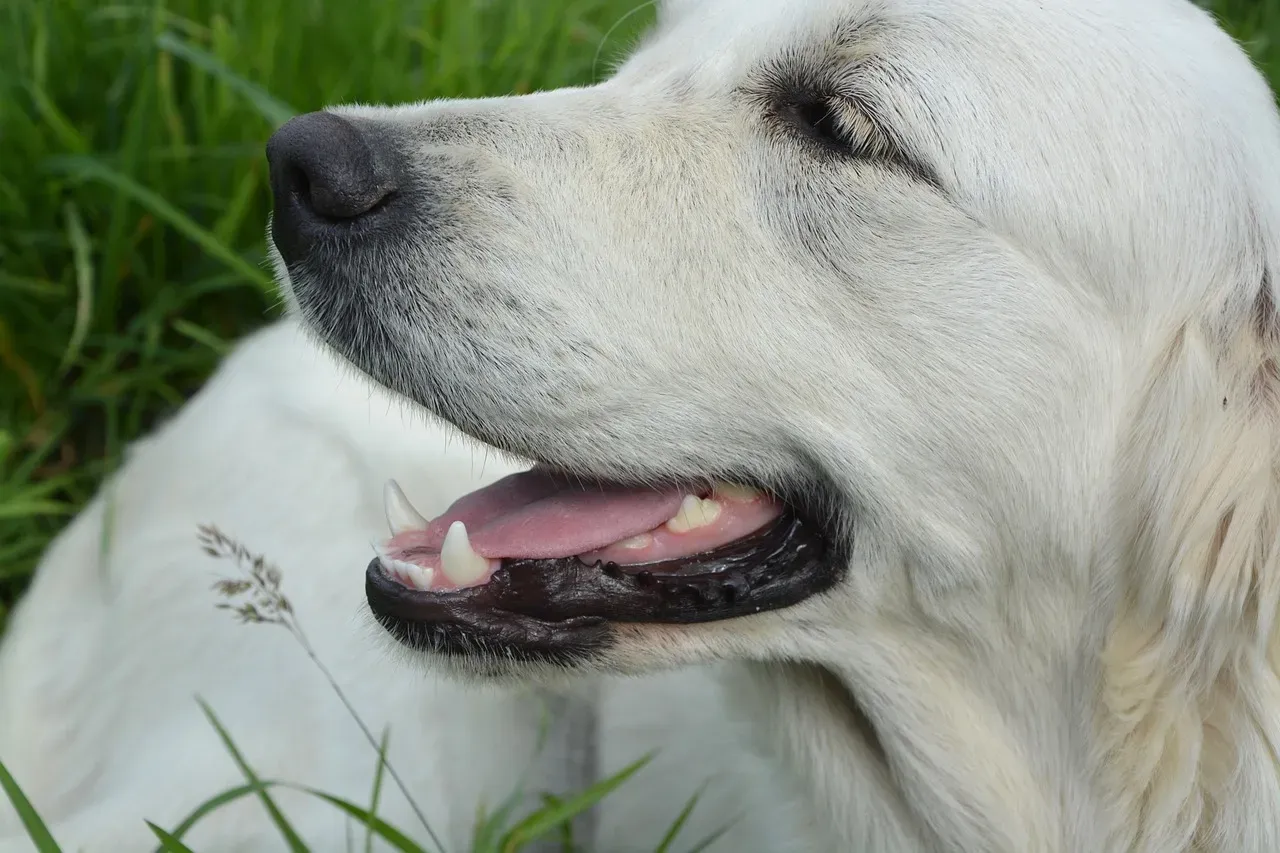
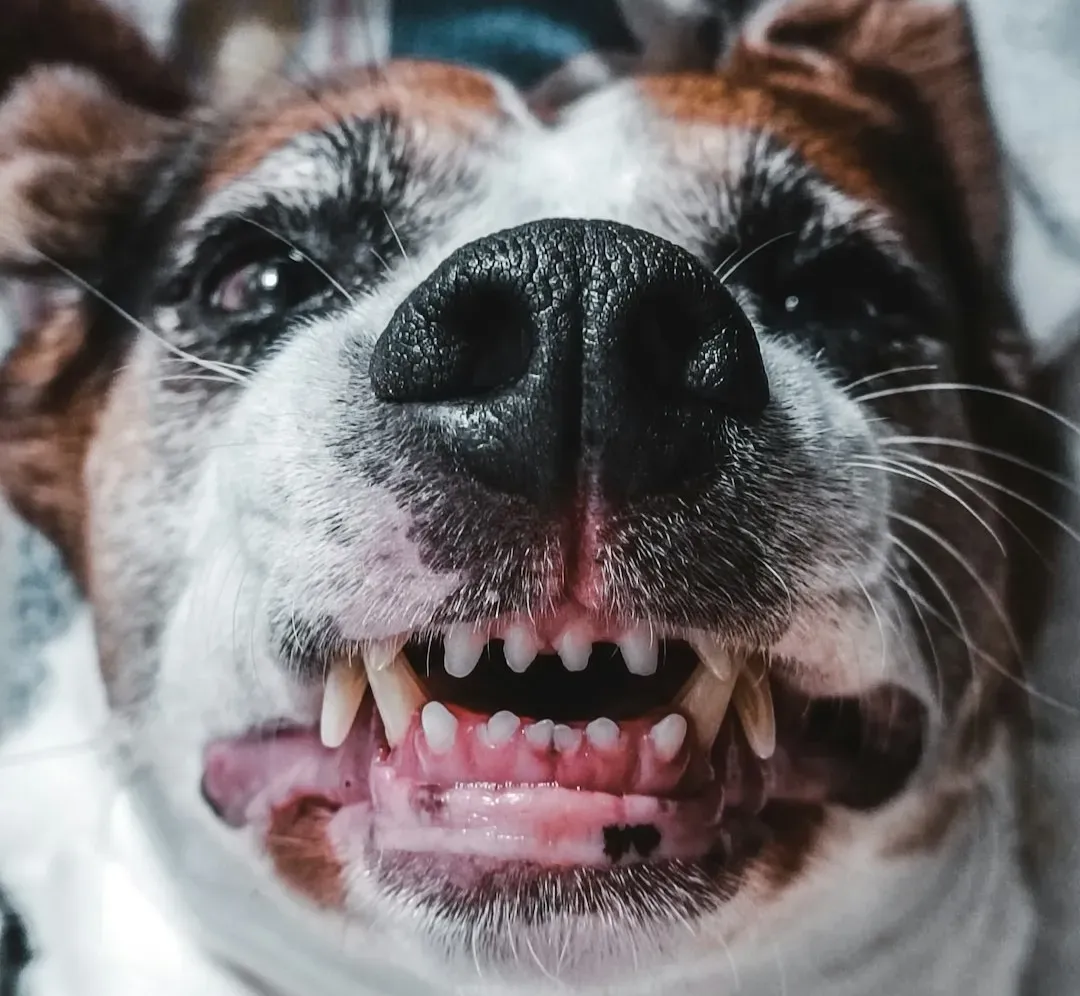
To know when something is wrong, you need a mental picture of what “normal” looks like for your dog. In most dogs, healthy gums are a soft, moist, bubble‑gum pink, not bright red, not angry and swollen, and not chalky or gray. If you gently press your fingertip onto the gum and then let go, the spot should briefly turn pale and then return to pink in about one to two seconds. Vets call this the capillary refill time, and it is a simple, powerful clue about blood circulation.
Texture also tells you a lot. Healthy gums should feel smooth and slightly slick, like the inside of your cheek, not sticky, dry, or overly slippery and slimy. Get into the habit of checking your dog’s gums when they are relaxed and feeling good, maybe while they are cuddling on the couch with you. That way, you build a “normal baseline” in your mind, and any change in color, texture, or response time will jump out at you much faster.
How to Safely Check Your Dog’s Gums Without Stressing Them Out
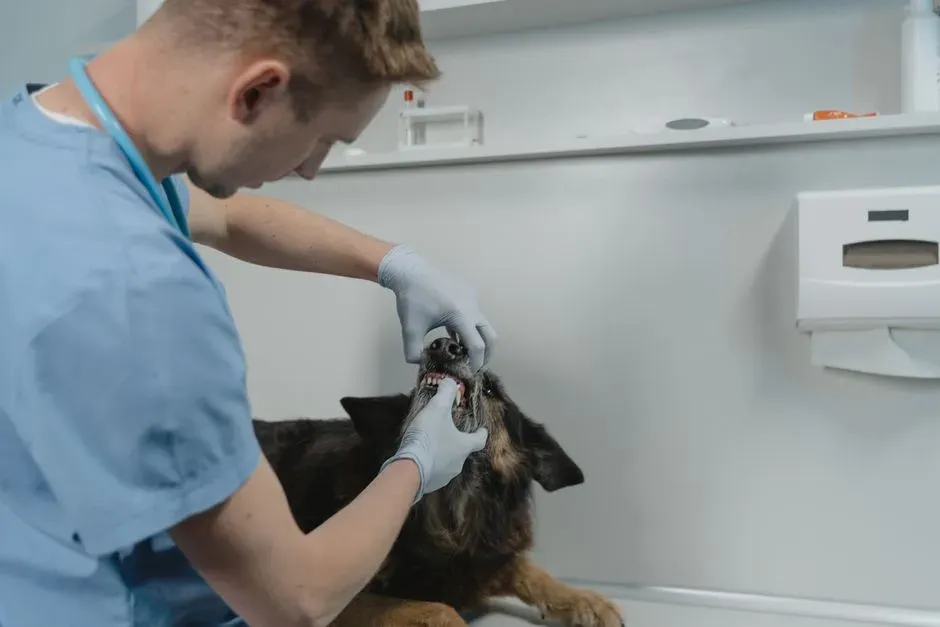
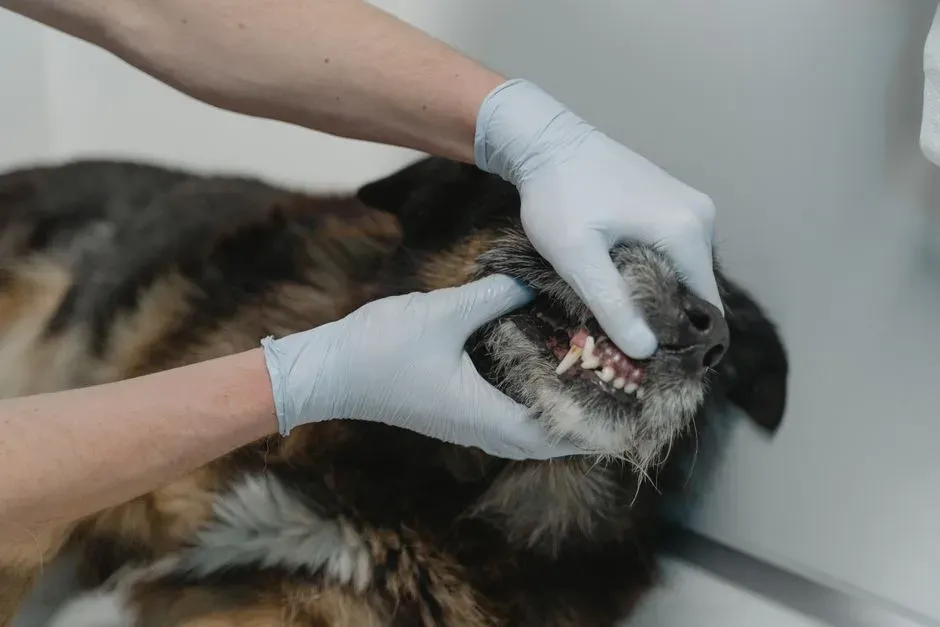
If the idea of prying open your dog’s mouth sounds like wrestling a small bear, you are not alone. The trick is to keep it calm and casual. Instead of forcing the mouth open, just gently lift your dog’s upper lip on one side with your thumb or finger, the way you might peek under a curtain. Talk softly, move slowly, and reward them with praise or a treat afterward so they start to connect gum checks with something positive.
Pick a time when your dog is relaxed, not in the middle of play or right at mealtime. If your dog is nervous or head‑shy, start by simply touching around their muzzle, then rewarding, and gradually work toward lifting the lip over a few days. You are aiming for a quick ten‑second look, not a full dental exam. If your dog reacts with pain, yelps, or pulls away hard when you touch the gums, you should take that seriously and talk to your vet, because pain there is not normal.
Red, Swollen, or Bleeding Gums: More Than Just “Bad Breath”
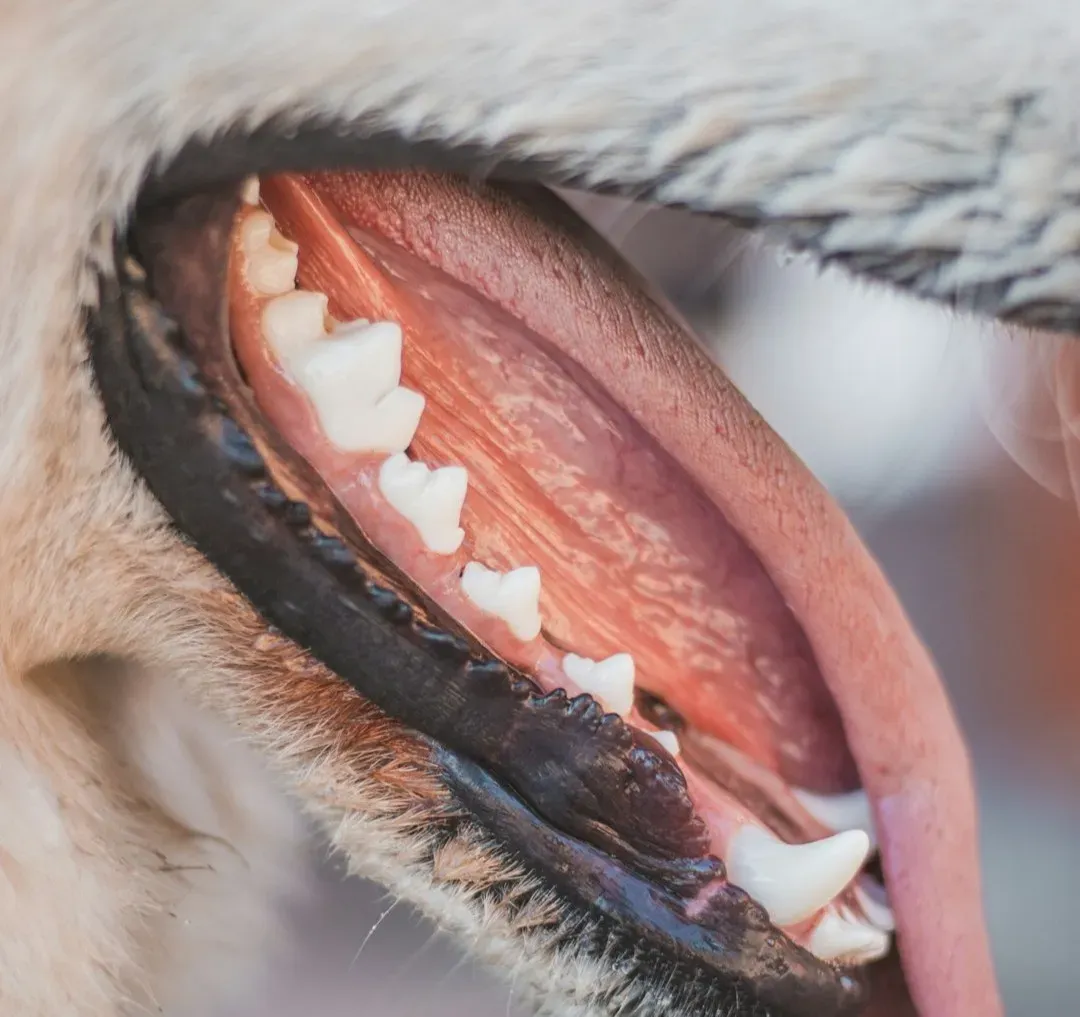
Many owners assume gum problems are just about bad breath or tartar, but you know better now: gums are living tissue with blood vessels and nerves, and when they are red, swollen, or bleeding, they are sounding an alarm. Bright red or angry‑looking gums often point to gum disease or infection, and if left untreated, bacteria can spread into the bloodstream and put stress on your dog’s heart, kidneys, and liver. What starts as “their breath smells a bit off” can eventually snowball into serious, whole‑body illness.
You might notice your dog dropping food, chewing on one side of the mouth, pawing at their face, or avoiding hard kibble and toys. Blood on chew toys, redness along the gumline, or a line of yellowish or brownish buildup at the tooth edges are all signs that it is time for a dental checkup. Even if your dog still eats and seems “fine,” gum disease does not fix itself. A professional cleaning, antibiotics when needed, and a home care plan can add years of comfort to your dog’s life.
Blue, Purple, or Brick-Red Gums: When Oxygen or Heat Is the Problem
While pale gums often scream “not enough blood,” blue or purple‑tinted gums whisper a different danger: not enough oxygen. If your dog’s gums turn bluish, purplish, or very dark and they are breathing hard, coughing, or seem weak, their heart or lungs might not be doing their job. Conditions like severe pneumonia, advanced heart disease, or a blocked airway can all choke off the oxygen supply, and discolored gums are your early window into that struggle.
On the opposite side, gums that look dark brick‑red, almost like overcooked meat, can be a red flag for heatstroke or severe infection and inflammation. Picture a dog locked in a hot car or overexerting on a scorching day; their body can overheat so quickly that their organs start to fail. If you ever see dark red gums along with heavy panting, drooling, collapse, or confusion, treat it as a medical emergency. Cool your dog gradually with shade and cool (not icy) water, and head straight to the vet.
Sticky, Dry, or Slimy Gums: Silent Clues About Hydration and Illness
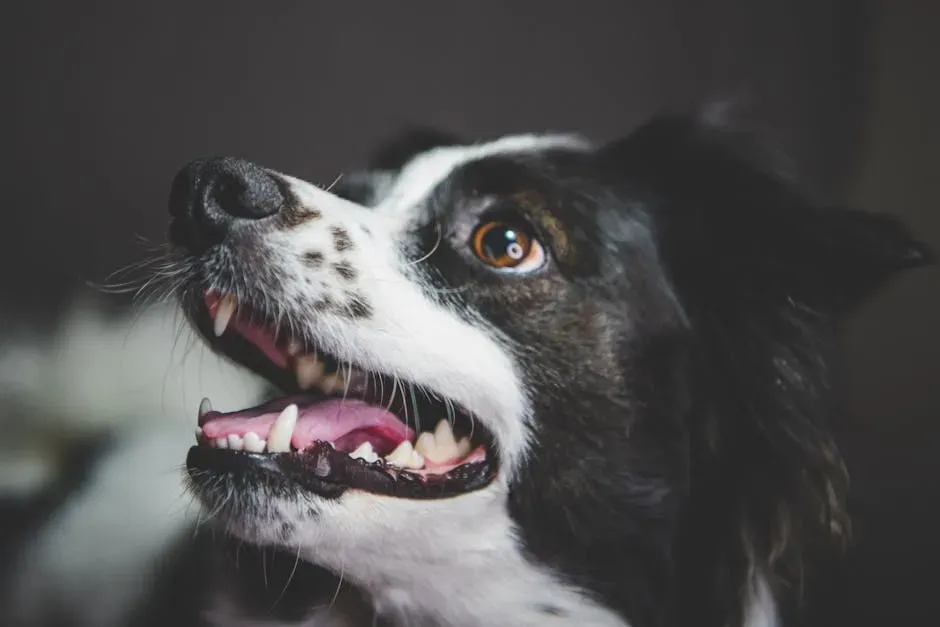
Color is only half the story; how the gums feel can be just as revealing. When your dog is well hydrated, the gums feel softly moist, like the inside of your own mouth. If they feel tacky or sticky, that can point to dehydration, even before your dog shows obvious signs like sunken eyes or extreme lethargy. Dehydration can come from vomiting, diarrhea, heavy panting, or simply not drinking enough, and in smaller or older dogs, it can tip them into trouble surprisingly fast.
Extremely dry gums or gums coated with an unusually thick, ropey saliva can hint that your dog is more than just thirsty; they may be dealing with underlying illness, shock, or severe fluid loss. The same goes for odd patches, ulcers, or sores you can see or feel along the gumline. Any time you notice a sudden change in gum moisture or surface, especially paired with vomiting, diarrhea, collapse, or weird behavior, you should stop guessing and call your vet for advice.
How Gum Changes Connect to Heart, Blood, and Organ Problems
It is easy to think of your dog’s mouth as separate from the rest of their body, but their gums are like a tiny window into their bloodstream. Pale gums can point to anemia from blood loss, parasites, immune problems, or bone marrow issues. Blue or purple gums can reflect heart failure or severe lung disease, where oxygen is not moving efficiently. Dark red gums can go along with infections spreading through the bloodstream or a body temperature that is dangerously high.
Because the gums sit at the intersection of blood flow, oxygen, and hydration, they often change before more dramatic signs show up. Your dog may not be collapsing yet, but their gums could already be telling you that their circulation is poor, their blood volume is low, or their organs are under strain. Think of gum checks as a quick, at‑home preview of what your vet looks for when they examine your dog. You are not diagnosing; you are spotting early red flags so a professional can step in before things spiral.
When You Can Monitor at Home – and When You Need the ER Now

Not every tiny gum change means you need to sprint to the emergency clinic, but you should have some clear lines in your mind. A very brief, mild shift in color that quickly returns to your dog’s normal, with no other symptoms and a normal appetite and energy level, can sometimes be watched closely at home. You can recheck every hour, keep notes or photos, and call your regular vet for guidance if you are unsure. When in doubt, snapping a quick picture of the gums can be incredibly helpful for your vet to see what you are describing.
On the other hand, there are situations where watching and waiting is not safe. If gums are very pale, white, blue, purple, or dark brick‑red, if your dog is weak, collapsing, breathing hard, refusing to move, or acting confused, you should treat that as an emergency and go in immediately. The same goes for sudden gum changes after a trauma, like being hit by a car, a big fall, a dog fight, or known toxin exposure. You cannot see inside your dog, but you can see their gums, and they may be the only hint you get before things become catastrophic.
Making Gum Checks a Simple Part of Your Daily Routine
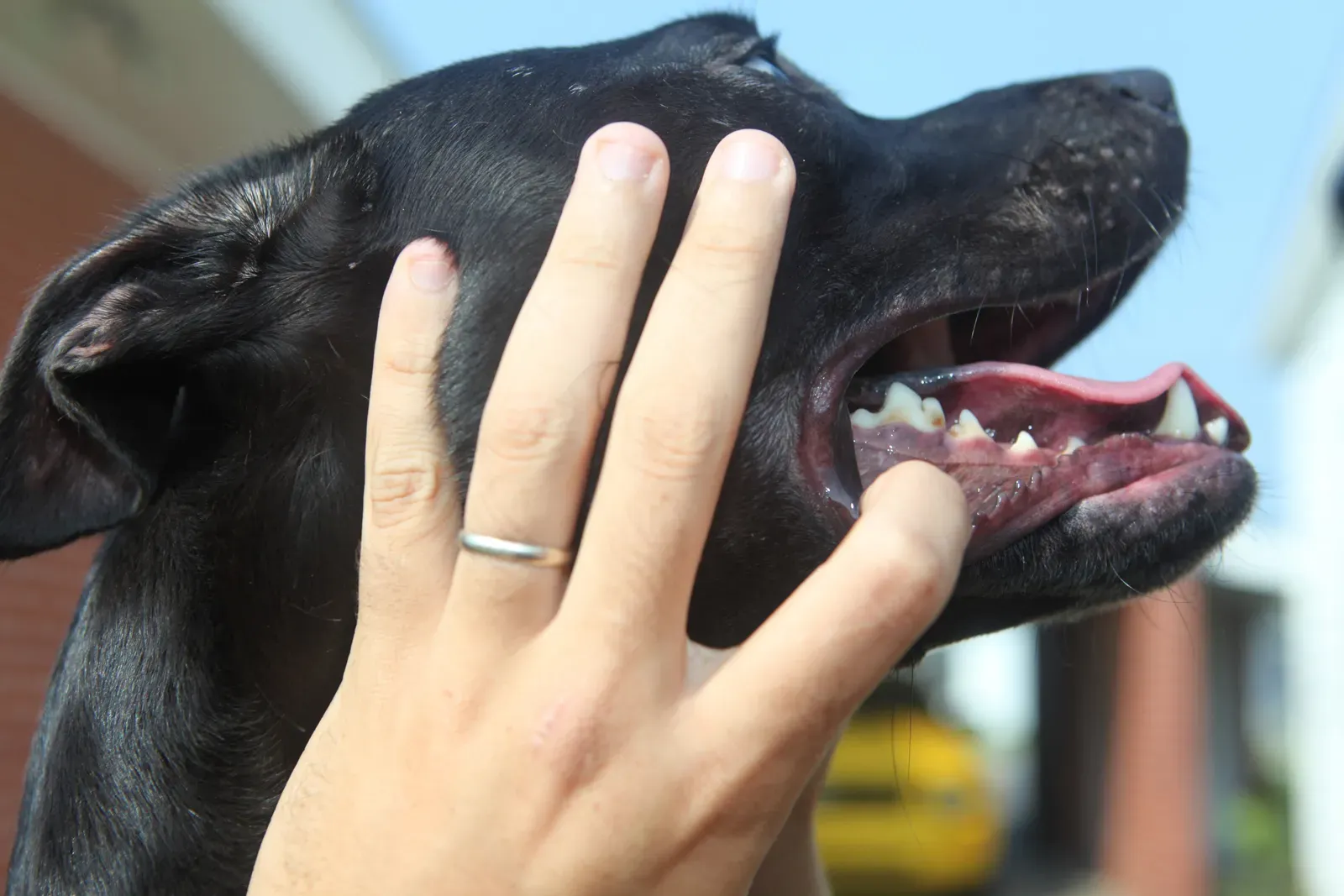
The best way to protect your dog is not to panic every time you look at their mouth, but to build a calm, consistent habit of checking. You might do a quick gum check once a day while you are already doing something your dog enjoys – after a walk, before a bedtime treat, or during a cuddle session on the couch. The more often you look when your dog is well, the more confident you will feel recognizing when something is off. It takes seconds, costs nothing, and might one day save your dog’s life.
You can also fold gum checks into other care routines, like brushing your dog’s teeth, cleaning their ears, or trimming their nails. Over time, your dog will learn that these quiet, gentle check‑ins are just part of being loved and cared for. You do not have to be perfect, and you will not catch every single change, but you will be miles ahead of most owners who never look at the gums at all. You are essentially turning your dog’s smile into a built‑in health monitor that you can read anytime.
Next time your dog looks up at you with that goofy grin, remember that their gums are quietly telling a story. By learning to read the color, texture, and feel, you become the first line of defense against some of the scariest emergencies vets see every day. You will still need your veterinarian, and you will still face situations you cannot fix at home, but you will not be flying blind. So, when you think about all the little ways you show your dog you love them, are you ready to add a quick gum check to the list?