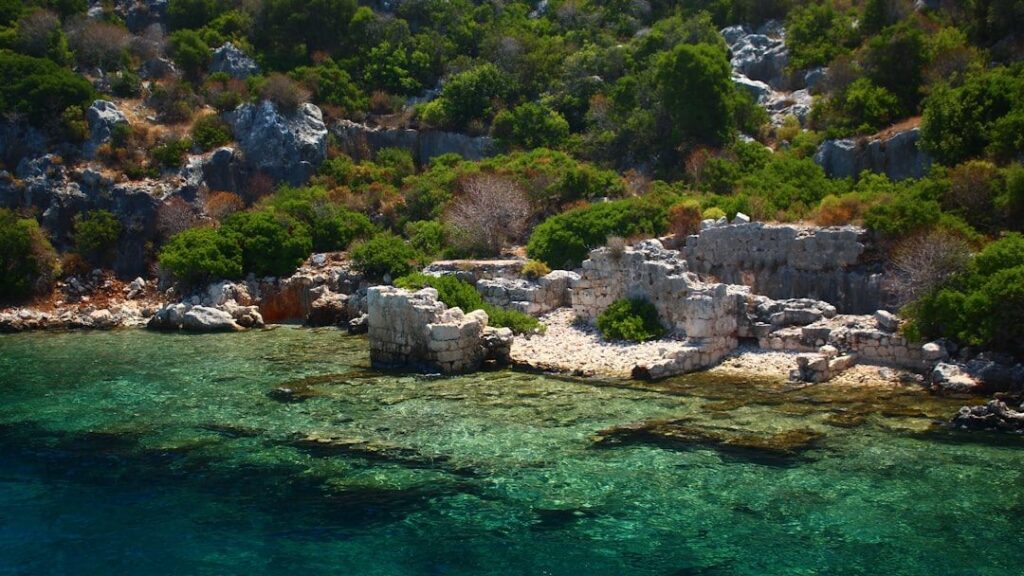

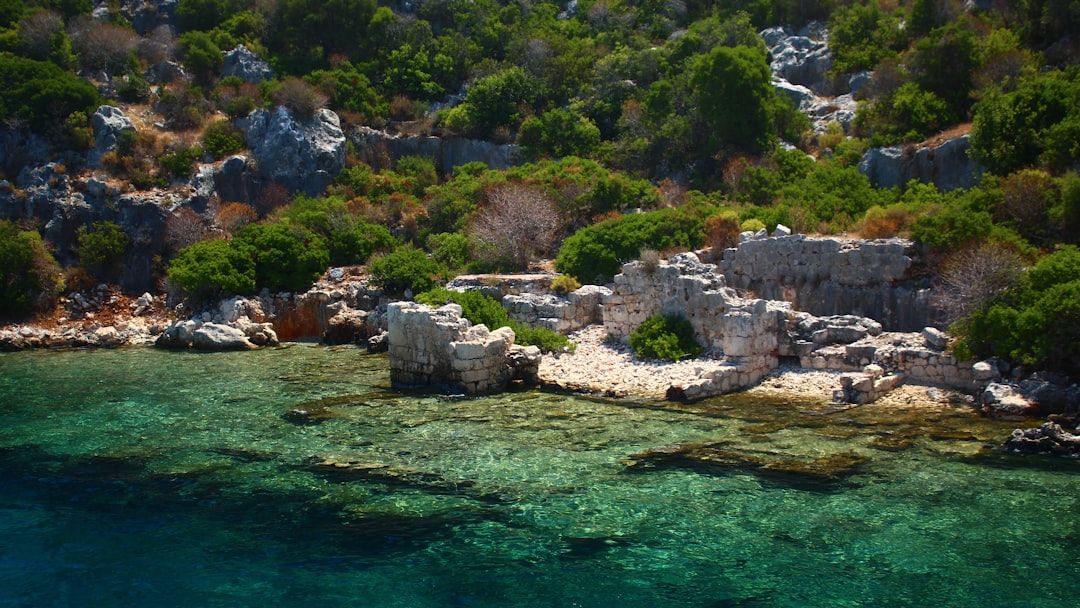
Clay Figurine Pulled From Cryptic Underwater Town – Image for illustrative purposes only (Image credits: Unsplash)
Archaeologists have retrieved a clay figurine from a submerged settlement whose precise identity and purpose continue to puzzle researchers. The artifact, drawn from the depths of this enigmatic underwater town, adds a tangible piece to the puzzle of how people lived in distant times. Such recoveries demonstrate the unique preservation power of underwater environments and the ongoing value of methodical exploration beneath the waves.
Context of the Find
The settlement lies beneath the water, its structures and artifacts protected from the elements that typically erode land-based sites over centuries. Recovery of the figurine marks another step in efforts to understand communities that once thrived in now-inundated areas. Experts note that these locations often hold clues unavailable from terrestrial digs alone.
Work at the site proceeds with care to avoid disturbing the surrounding sediment and structures. The process requires specialized equipment and trained divers who document each step of the extraction. Results from this particular recovery are expected to feed into broader studies of ancient coastal or lakeside populations.
Insights Into Daily Existence
Figurines of this type frequently represent people, animals, or symbolic figures tied to rituals or household practices. Their presence in the settlement suggests residents engaged in creative or ceremonial activities alongside more practical pursuits. The clay material itself points to local resources and techniques available at the time.
Analysis of the object may reveal details about artistic styles, trade connections, or social structures. Even small artifacts like this one can shift interpretations of how ancient groups organized their communities. Continued study will determine whether the figurine fits established patterns or introduces new questions.
Broader Implications for Research
Underwater archaeology has grown in importance as rising sea levels and changing coastlines expose more sites to investigation. Finds such as the clay figurine reinforce the need for sustained funding and international cooperation in the field. They also highlight how much remains hidden beneath the surface.
Future expeditions may target similar locations to build a more complete picture of prehistoric movement and adaptation. The current discovery serves as a reminder that patient, incremental work often yields the most reliable advances in historical understanding. Researchers remain focused on preserving context while extracting new information from the depths.
Jan loves Wildlife and Animals and is one of the founders of Animals Around The Globe. He holds an MSc in Finance & Economics and is a passionate PADI Open Water Diver. His favorite animals are Mountain Gorillas, Tigers, and Great White Sharks. He lived in South Africa, Germany, the USA, Ireland, Italy, China, and Australia. Before AATG, Jan worked for Google, Axel Springer, BMW and others.