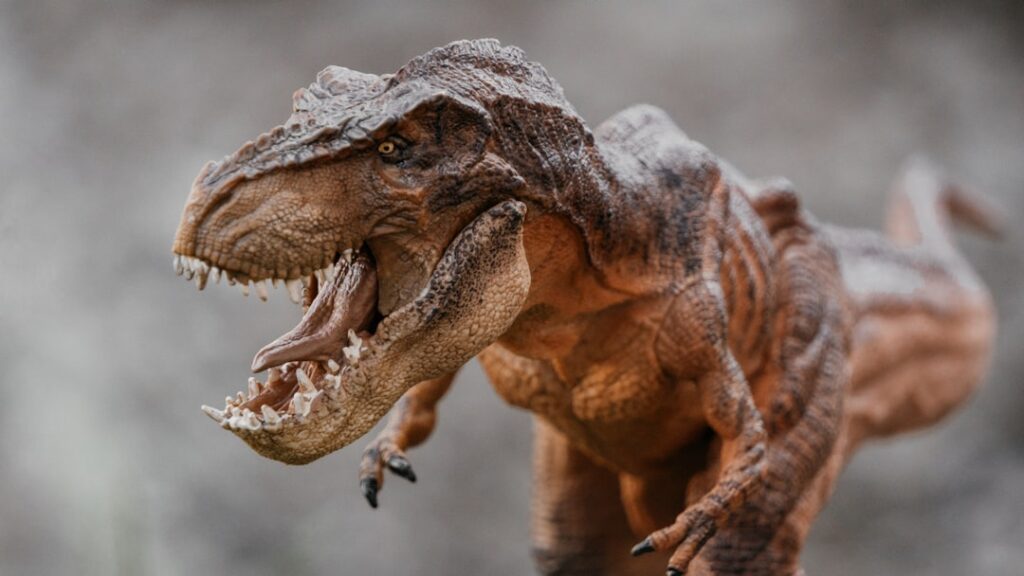
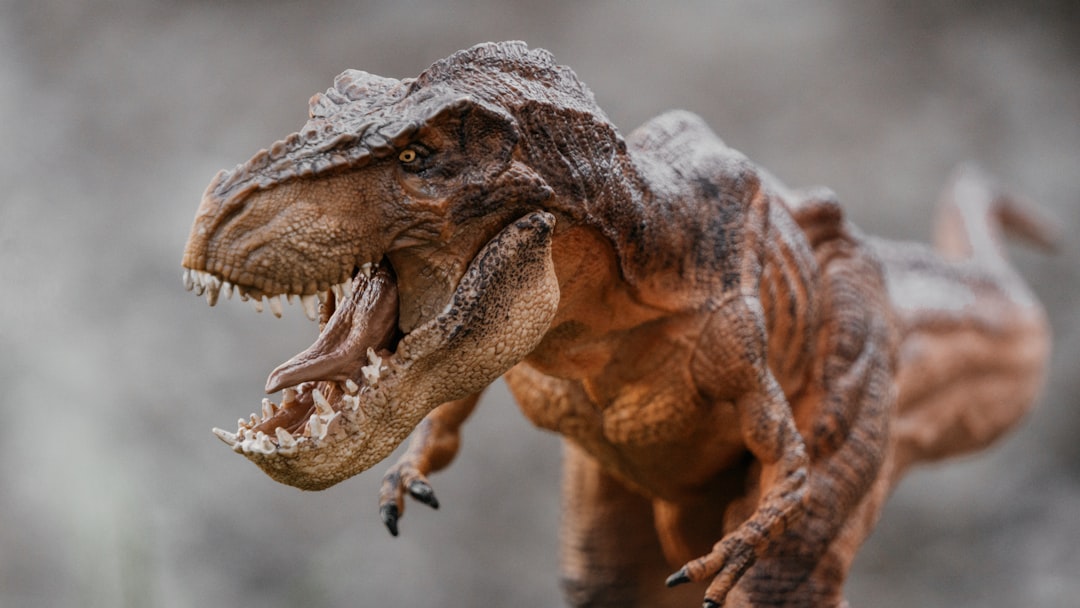
A new species of mosasaur named Tylosaurus rex – twice the length of a great white shark, with finely serrated teeth and evidence of violent combat against its own kind – has just been identified from 80-million-year-old Texas fossils that had been sitting in museums for decades – Image for illustrative purposes only (Image credits: Unsplash)
North Texas museums have held the key fossils for years, yet only now have researchers completed the detailed comparisons needed to recognize a distinct new mosasaur. Collected from sites across the region beginning in the late 1960s, the bones sat under the label of a known species until fresh analysis separated them. The result is Tylosaurus rex, an animal whose size and traits set it apart from earlier tylosaurs in the same ancient seaway.
A Predator Built for Power
The new species reached lengths of up to 43 feet, placing it among the largest mosasaurs on record. That measurement matches the scale of a typical school bus and roughly doubles the size of today’s largest great white sharks. The creature lived about 80 million years ago in the warm, shallow Western Interior Seaway that once split North America. Its teeth carried fine serrations, a feature uncommon among mosasaurs and suited to tearing rather than simply grasping prey. Strong jaw and neck muscles supported bites capable of inflicting severe damage on large animals. These traits together point to an active hunter that targeted sizable quarry instead of relying mainly on ambush tactics.
Evidence of Fierce Intraspecific Fights
Multiple specimens display bite marks, broken bones, and other injuries consistent with combat between members of the same species. The pattern appears across several fossils rather than in isolated cases, suggesting such encounters formed a regular part of the animal’s behavior. Researchers interpret the violence as likely tied to competition for mates, territory, or food resources. Ron Tykoski of the Perot Museum described the species as “a much meaner animal than other mosasaurs.” The level of documented conflict exceeds what earlier tylosaur studies had recorded. This detail adds a behavioral dimension to the physical reconstruction and underscores how apex predators in the seaway may have interacted.
Reclassification After Long Storage
The fossils came from northern Texas localities and entered collections over more than thirty years. One key specimen, now the holotype at the Perot Museum, was found in 1979 near Dallas. Others, including well-studied examples at the University of Kansas and Yale Peabody Museum, date even earlier. Until recently all were grouped with Tylosaurus proriger. An informal note from the late 1960s had already flagged some Texas specimens for their unusual size, yet formal description waited until systematic comparisons across institutions and against the original proriger holotype could be completed. The broader mosasaur dataset itself had seen little revision for nearly three decades before this study. Lead author Amelia Zietlow first noticed the mismatch while examining material at the American Museum of Natural History.
What the Find Shows About Museum Collections
Paleontology often advances through reexamination of existing specimens rather than new fieldwork alone. The Tylosaurus rex material required no fresh excavation; it needed careful measurement, phylogenetic analysis, and cross-institutional checks that previous researchers had not performed at this level. Such work reveals how much information can remain unrecognized even when the physical evidence has long been accessible.
Key points from the study
- Maximum estimated length: 43 feet
- Age of fossils: approximately 80 million years
- Distinctive traits: finely serrated teeth and robust jaw musculature
- Behavioral clue: repeated signs of combat with other individuals
- Discovery method: reanalysis of long-held museum specimens
The formal naming in 2026 closes a gap that had persisted despite the fossils being available for inspection. It also illustrates how incremental revisions to evolutionary frameworks can bring long-overlooked distinctions into focus. Continued attention to stored collections promises additional refinements to the record of Late Cretaceous marine life.