Imagine a world where the mere presence of a predator can transform landscapes, alter river courses, and breathe life into an ecosystem. Sounds like a plot from a fantasy novel, doesn’t it? Yet, this is the astonishing reality of how wolves, often portrayed as fearsome hunters, have the power to reshape entire ecosystems. Their story is not just about survival and predation, but about a delicate balance that sustains life as we know it. As we delve into this mesmerizing tale, prepare to be captivated by the ripple effects of nature’s most enigmatic predators.
The Return of the Wolves: A Natural Balancing Act

In the mid-1990s, Yellowstone National Park witnessed a groundbreaking moment: the reintroduction of wolves after a 70-year absence. This move was not just about bringing back a species but about restoring a natural balance that had been disrupted. Wolves, as apex predators, play a crucial role in maintaining the health of ecosystems. Their presence controls the population of herbivores, like elk, which in turn affects vegetation and other wildlife. This natural balancing act is essential for the health and diversity of the environment.
Wolves help regulate the number of elk, preventing overgrazing of vegetation along riverbanks. This vegetation is vital for stabilizing riverbanks and providing habitat for other species. When wolves were absent, elk populations soared, leading to severe overgrazing and erosion. The return of the wolves helped curb this issue, allowing vegetation to recover and rivers to stabilize. This chain reaction is a testament to the interconnectedness of nature and the critical role predators play in maintaining it.
The Trophic Cascade: A Ripple Effect Through Nature

The concept of a trophic cascade refers to the powerful indirect interactions that can control entire ecosystems. When wolves were reintroduced to Yellowstone, they initiated a trophic cascade that transformed the landscape. By preying on elk, wolves reduced their numbers and changed their behavior. Elk began to avoid open areas near riverbanks, allowing willows and aspens to flourish once again. This regrowth provided habitat for birds and beavers, further enriching the ecosystem.
The presence of beavers, in particular, had a significant impact. These industrious creatures built dams that created ponds and wetlands, benefiting fish, amphibians, and a myriad of other species. The entire ecosystem became more diverse and resilient, all because of the wolves’ influence. This ripple effect demonstrates the profound impact a single species can have on its environment, highlighting the importance of preserving predator populations.
Wolves and Rivers: A Surprising Connection

One of the most astonishing outcomes of the wolves’ return to Yellowstone was the change in river courses. As vegetation recovered along riverbanks, erosion decreased, and river channels stabilized. The renewed growth of trees and shrubs provided shade, cooling the water and improving conditions for aquatic life. The rivers became more winding and created new habitats for fish and other wildlife.
This transformation illustrates the intricate connections between land and water ecosystems. The wolves, by simply being wolves, unintentionally shaped the landscape and revitalized the rivers. It’s a powerful reminder of how interconnected nature is, and how the actions of one species can reverberate throughout an entire ecosystem.
The Role of Predators in Biodiversity

Predators like wolves are essential for maintaining biodiversity. By controlling herbivore populations, they prevent overgrazing and allow a variety of plant species to thrive. This diversity in vegetation supports a wide range of animal species, from insects to birds to mammals. The presence of predators helps maintain a balanced ecosystem where no single species dominates, ensuring the survival of many.
In ecosystems where predators are removed or their numbers are drastically reduced, biodiversity suffers. Herbivore populations can explode, leading to habitat degradation and loss of species. The story of the wolves in Yellowstone is a compelling example of how predators contribute to the richness of life on Earth. Preserving these apex predators is crucial for the health and stability of ecosystems worldwide.
Lessons from Yellowstone: A Model for Conservation

The success of wolf reintroduction in Yellowstone has provided valuable lessons for conservation efforts around the globe. It highlights the importance of understanding the complex relationships within ecosystems and the role of predators in maintaining balance. By studying these interactions, conservationists can make informed decisions about species management and habitat restoration.
The Yellowstone model has inspired similar efforts in other regions where predator populations have been depleted. By reintroducing or protecting predators, we can help restore natural processes and enhance biodiversity. These efforts not only benefit wildlife but also contribute to the health and resilience of ecosystems that humans depend on.
Challenges and Controversies: Wolves in the Human World

Despite their ecological importance, wolves often find themselves at the center of controversy. Their return to areas where they were once eradicated can spark fear and conflict with human interests, particularly in agricultural communities. Livestock predation and competition with hunters for game animals are common concerns.
Balancing the needs of wildlife with those of humans is a complex challenge. It requires collaboration, education, and innovative solutions to mitigate conflicts. Programs that compensate ranchers for livestock losses and promote coexistence can help bridge the gap. Understanding the vital role wolves play in ecosystems is crucial for fostering a harmonious relationship between humans and these remarkable predators.
The Emotional Legacy of Wolves: A Symbol of Wilderness

Wolves hold a special place in the human imagination. They are symbols of wilderness, freedom, and the untamed beauty of nature. Their haunting howls resonate with a sense of mystery and evoke a deep emotional response. For many, the return of wolves to Yellowstone represents a triumph of conservation and a reconnection with the wild.
This emotional legacy is a powerful tool for conservation. By fostering a sense of wonder and appreciation for wolves, we can inspire people to support efforts to protect them and their habitats. Wolves remind us of the beauty and complexity of the natural world and our responsibility to preserve it for future generations.
Scientific Insights: Understanding Predator-Prey Dynamics
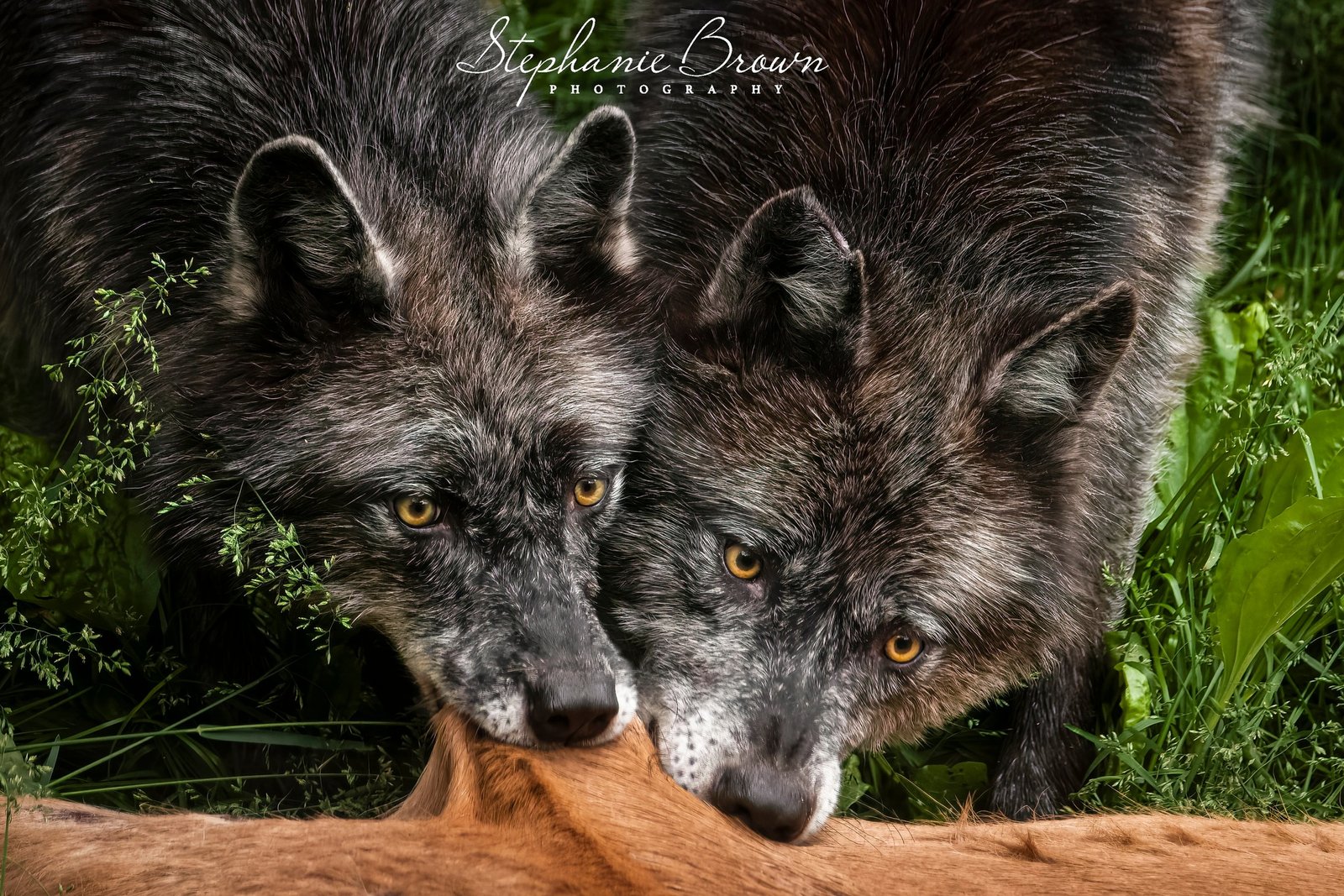
The study of wolves and their impact on ecosystems has provided valuable scientific insights into predator-prey dynamics. Researchers have gained a deeper understanding of how predators influence the behavior and distribution of prey species. This knowledge has implications for managing wildlife populations and designing effective conservation strategies.
By observing wolves in the wild, scientists have also learned about their social structures, hunting techniques, and communication methods. This information contributes to our understanding of animal behavior and ecology. The ongoing study of wolves continues to reveal new insights into the intricate web of life and the delicate balance that sustains it.
A Call to Action: Protecting Predators for Future Generations

The story of the wolves that change rivers is a powerful reminder of the importance of protecting predators and preserving ecosystems. As apex predators, wolves play a vital role in maintaining the health and diversity of the natural world. Their influence extends far beyond their immediate prey, shaping landscapes and supporting countless species.
As we face the challenges of habitat loss, climate change, and biodiversity decline, it is crucial to recognize the value of predators and their role in ecosystems. By supporting conservation efforts and promoting coexistence, we can ensure that future generations inherit a world rich in wildlife and natural beauty. The question remains: will we rise to the challenge and protect the wolves that shape our world?