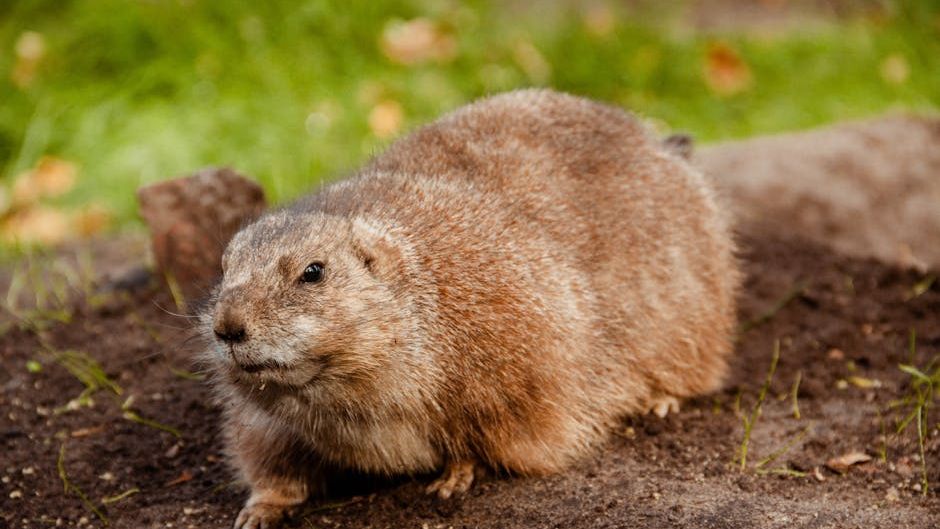
If you picture groundhogs, you probably think of a chubby little animal popping out of a burrow on a chilly February morning. But behind the cute memes and Groundhog Day jokes, you’re looking at one of the most widespread, successful wild mammals in the eastern half of the United States. Some states are practically built for them, with endless edges between woods and fields, soft soils, and just enough people to grow crops and lawns, but not so many that every acre is paved.
In this article, you’re going to walk through the states where groundhogs are most at home and most abundant. You’ll see how climate, farming, forests, and even suburbs combine to create groundhog hotspots, and you’ll also get a feel for what that means if you live, garden, or farm in those places. The exact number of groundhogs in each state isn’t tracked like deer or bears, so you’ll lean on habitat, range, and conflict reports rather than fake precision. Think of this as a guided tour of where you’re most likely to share your yard, field, or roadside with these chunky, surprisingly tough rodents.
Pennsylvania: The Cultural Capital Of Groundhog Country
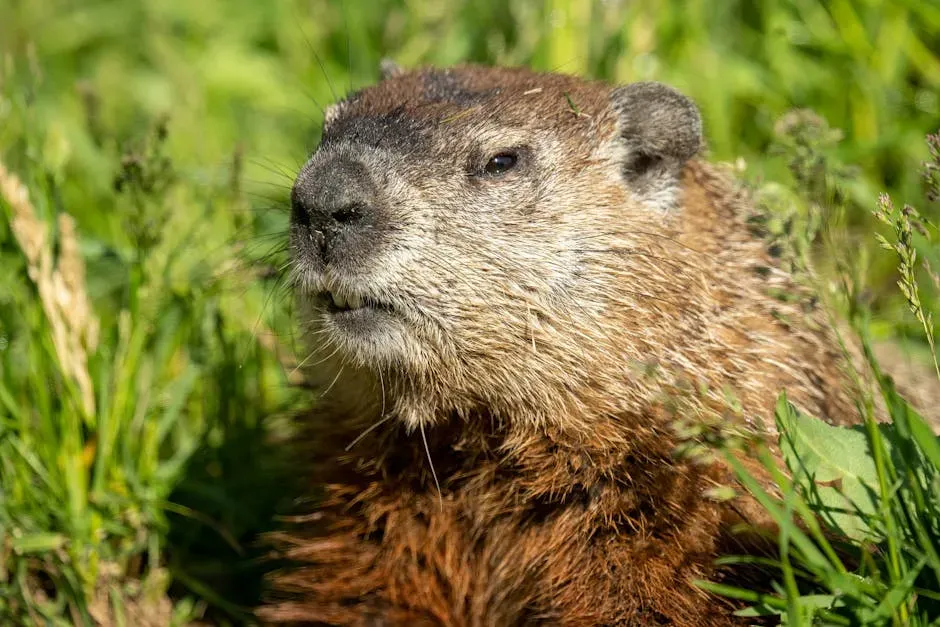
You can’t talk about groundhogs without starting in Pennsylvania, the home of Punxsutawney Phil and the state where the animal is practically a seasonal celebrity. You’re right in the middle of the species’ natural range here: plenty of rolling hills, old farmsteads, fence lines, and patches of woods breaking up hayfields and cornfields. That mix of open grassy areas for feeding and wooded cover for burrows gives groundhogs exactly what they want, almost like the landscape was designed for them.
If you live in rural or suburban Pennsylvania, you already know this: you see burrow holes along field edges, under sheds, near stone walls, and beside country roads. The state’s long farming history and relatively moderate winters mean groundhogs have had generations to expand and thrive. Wildlife agencies get plenty of calls about nuisance groundhogs digging under barns and gardens, which is a strong hint that there are a lot of them on the land, even if no one is out there trying to count them one by one.
Ohio: Groundhog Heaven In The Heartland
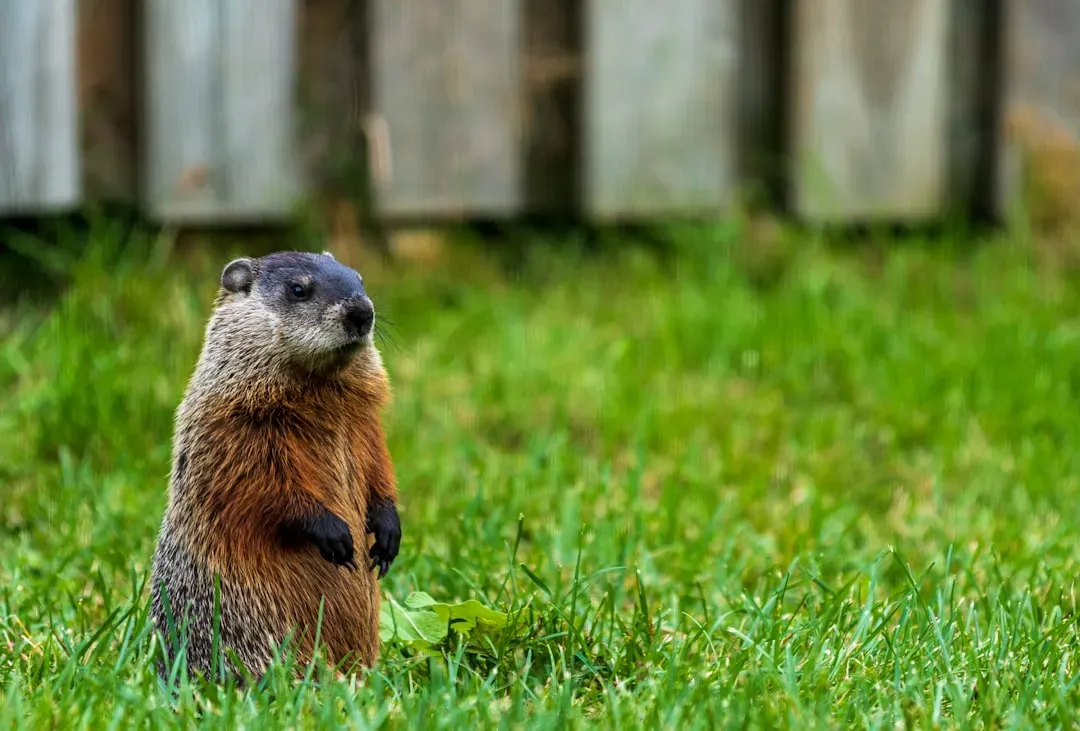
When you move west into Ohio, you’re still well within prime groundhog territory, and the landscape only gets friendlier. Much of Ohio is a patchwork of crop fields, hay meadows, pastures, and small woodlots, with towns and suburbs spreading out in between. To a groundhog, each of those transitions between open and wooded areas is valuable real estate: you get soft soil, escape cover, and steady food from clover, grasses, and crops.
If you drive Ohio’s backroads in summer, you notice how often you see groundhogs grazing at the edges of fields or darting back into culverts and brush piles when a car approaches. State wildlife staff and farmers routinely mention groundhogs as common “background” wildlife, the kind of animal you see so often you stop remarking on it. That everyday visibility, combined with perfect habitat, is why you can confidently place Ohio among the states with some of the highest groundhog numbers, even though nobody is attaching an official figure to them.
New York: From Dairy Country To Suburban Lawns
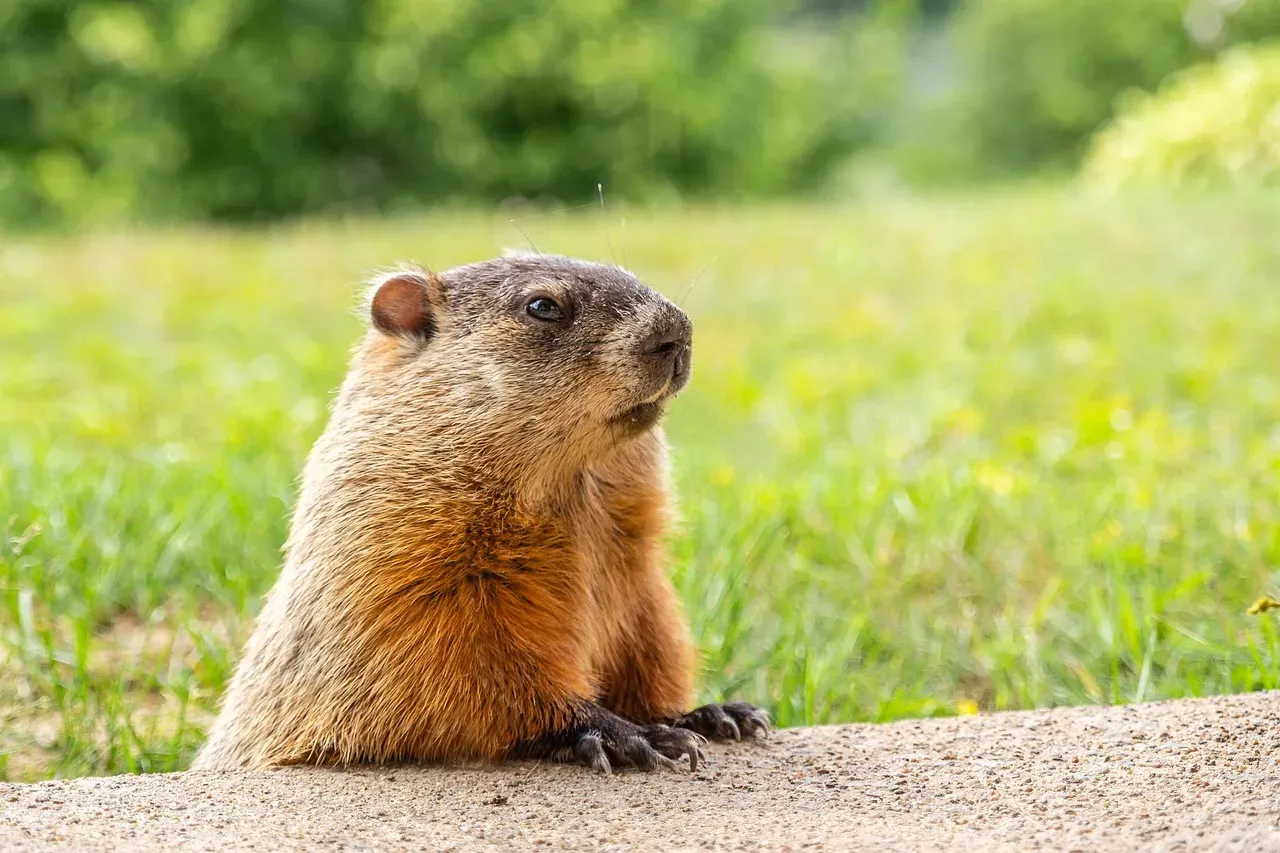
New York might surprise you if you only think of skyscrapers and subways, but most of the state is rural or small-town, and that’s where groundhogs really make themselves at home. In the Finger Lakes, the Hudson Valley, and across central and western New York, you get wide dairy farms, hayfields, and orchards bordered by brushy hedgerows and woodlots. Those edges are exactly where groundhogs like to dig burrows, especially on sunny slopes and along old fence lines.
Even in the more developed parts of upstate New York, you’ll see groundhogs living right alongside you in parks, roadside embankments, rail lines, and backyard gardens. The climate still offers a proper winter, which groundhogs need for hibernation cycles, but not so harsh that survival becomes difficult most years. Wildlife nuisance companies in the state list groundhog removal and exclusion as a routine call, which tells you you’re sharing your neighborhoods and farm roads with plenty of them, whether you notice every hole or not.
Michigan: Burrows Between Forests And Fields
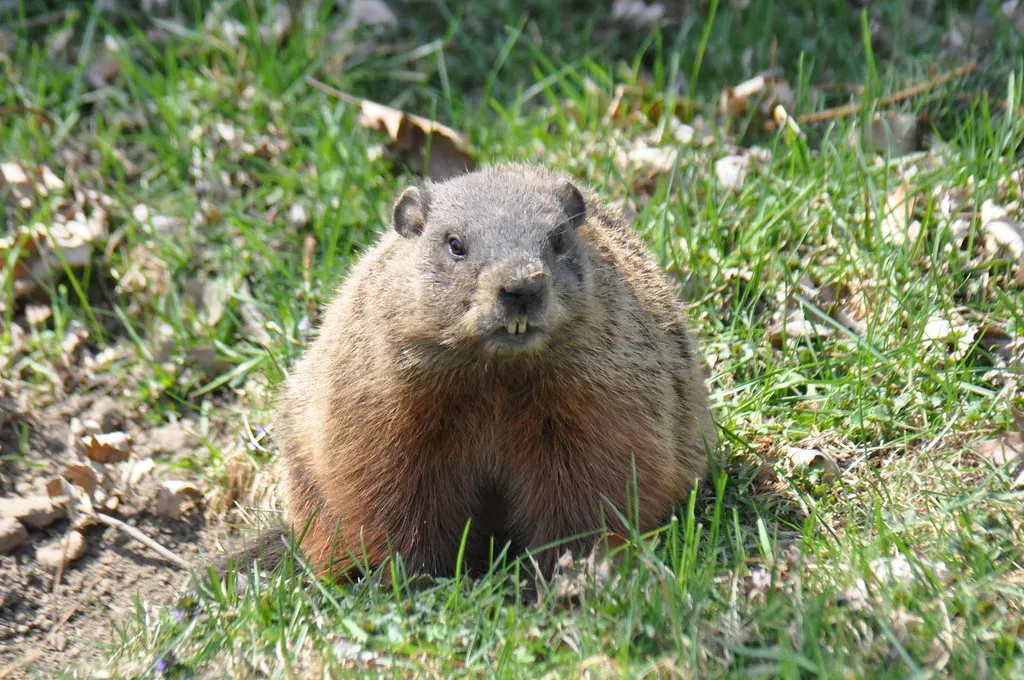
Michigan gives you a different flavor of groundhog country, blending big forest blocks with a lot of agriculture, especially in the southern and central parts of the Lower Peninsula. Groundhogs don’t want solid forest, and they don’t need endless monoculture crops either – they thrive in the seam between the two. Corn and soybean fields backed by treelines, fruit farms, grassy roadsides, and even abandoned lots around small towns all play into their hands.
If you live in southern Michigan, you’ve probably seen groundhogs along highway shoulders, basking near drainage ditches, or hustling across open yards on the way to a den beneath a shed or deck. Snowy winters don’t scare them; they simply spend longer in hibernation and time their surface activity to the growing season. The combination of abundant edge habitat, long growing seasons for vegetation, and a strong rural footprint makes Michigan another quiet heavyweight in terms of groundhog numbers.
Virginia: Groundhogs In A Changing Landscape
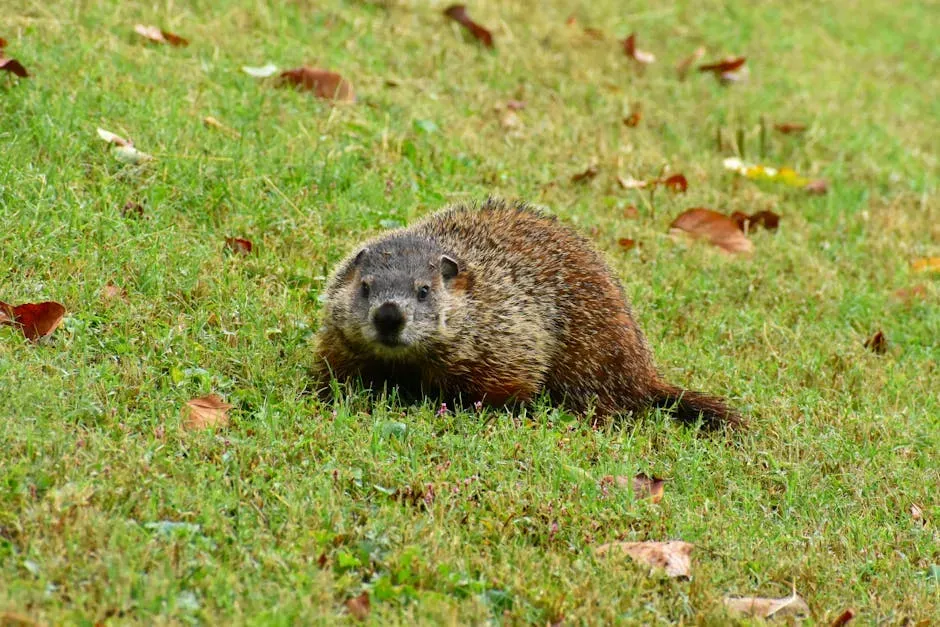
Heading south into Virginia, you’re still firmly in the groundhog’s natural range, but now you’re layering in a slightly warmer climate and very diverse topography. From the Appalachian foothills to the Piedmont and then the coastal plain, you see a consistent pattern: farms, pastures, orchards, powerline corridors, and expanding suburbs. Every time forest is broken up by agriculture or low-rise development, you create the kind of edges where groundhogs flourish.
If you travel through Virginia’s countryside, you notice burrow mounds on grassy embankments and under old outbuildings, and you may even spot groundhogs around office parks and highway interchanges. The state’s ongoing suburban growth around cities like Richmond and in Northern Virginia has actually created more semi-open terrain, not less, with lawns, grassy ditches, and landscaped slopes acting as groundhog habitat. That mix of traditional farmland and “accidental” urban edge habitat makes Virginia a quiet hotspot where you’re more likely than not to see groundhogs if you pay a little attention.
West Virginia: Steep Hills, Old Farms, And Plenty Of Burrows
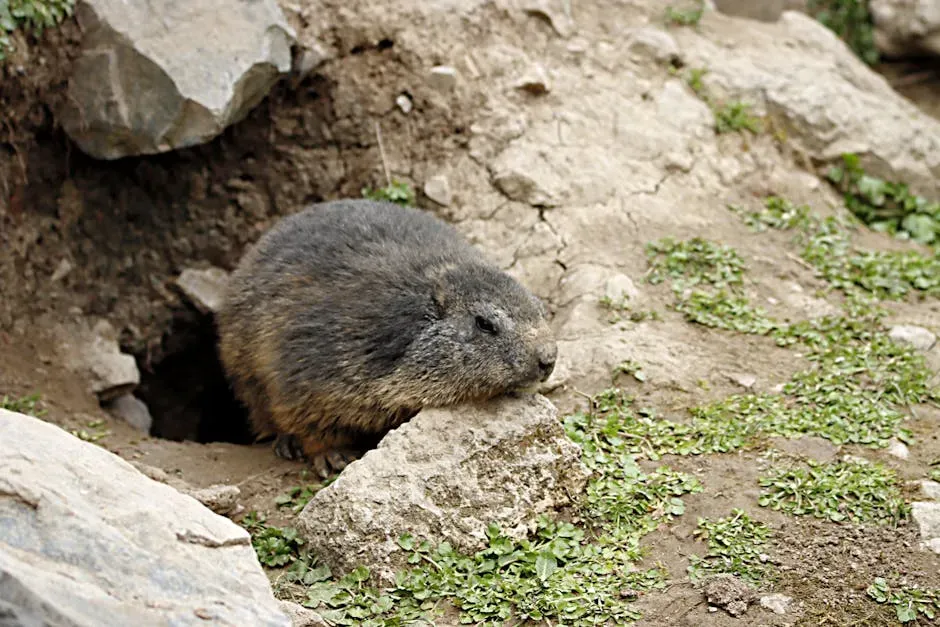
West Virginia doesn’t have as much flat, open farmland as some other states on this list, but that doesn’t mean groundhogs are scarce. Instead, you get a rugged landscape with countless small farms, pastures carved into hillsides, and narrow valleys with homes, barns, and utility corridors. Groundhogs are surprisingly comfortable on slopes, and they often choose elevated banks where drainage is good and they can scan for predators while feeding.
If you’ve ever driven a winding West Virginia road in summer, you’ve probably seen groundhogs sit up like little sentries along the shoulder or dive into a burrow as your car approaches. The mixture of second-growth forest, cleared rights-of-way, and small agricultural patches creates more edge habitat than you might guess from a map. That pattern, plus a long history of these animals coexisting with rural communities, means West Virginia quietly supports very dense local groundhog populations, even if they’re not being formally tallied.
Indiana: Quiet Fields, Busy Groundhogs
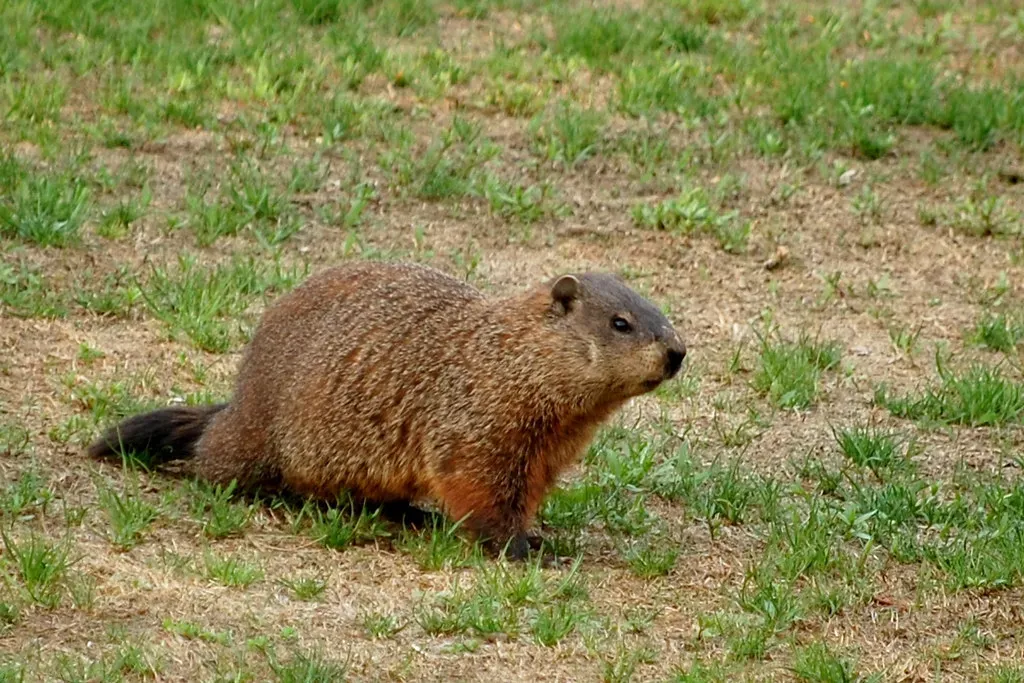
Indiana is another Midwestern state where groundhogs fit almost perfectly into the everyday landscape. Large areas of the state are dominated by corn and soybean fields, but importantly, those fields are stitched together with drainage ditches, hedgerows, windbreaks, and small woodlots. Each of those linear features acts like a highway and housing complex for groundhogs, giving them places to dig dens and quick routes between cover and feeding areas.
If you live in Indiana’s countryside or on the fringe of a small town, you might think of groundhogs as just another part of the scenery, like red-winged blackbirds on power lines or deer in the dusk. They show up near barns, under sheds, along railroad beds, and on grassy levees around retention ponds. Because they can feed on crops as well as wild plants, and because people rarely control them aggressively on a broad scale, they have plenty of chances to breed and spread, keeping Indiana firmly on the list of states with a lot of groundhogs on the ground.
New Jersey: Small State, Big Groundhog Presence
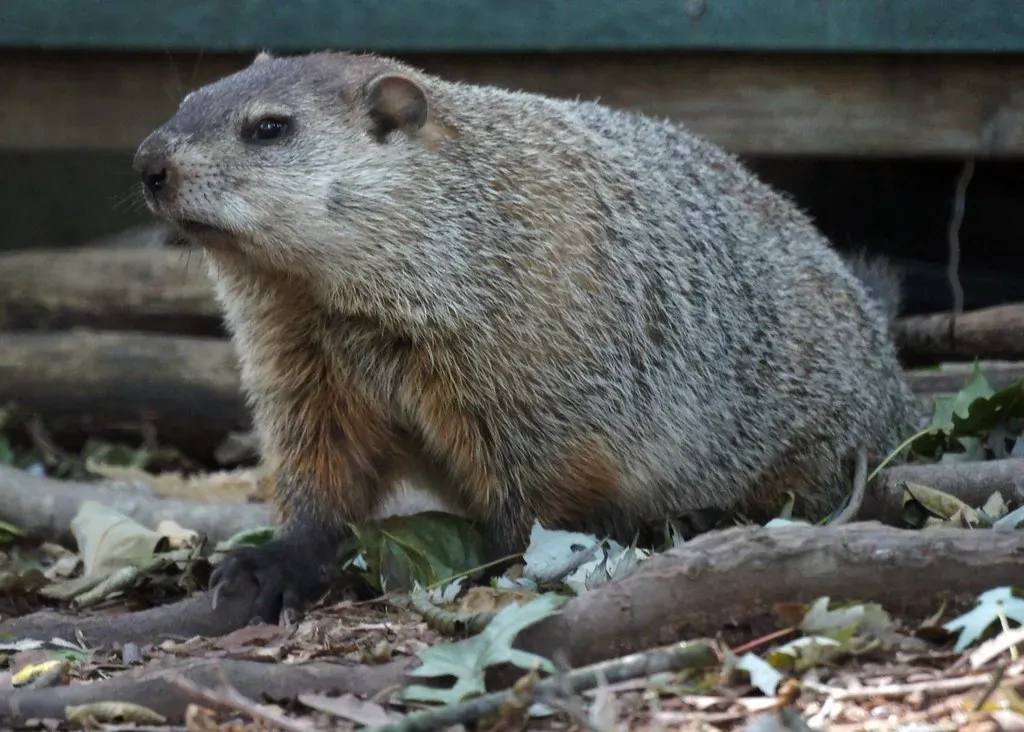
New Jersey might be compact, but when it comes to groundhogs, size isn’t everything – habitat is. Outside the densest urban cores, you’ll find a surprising amount of suburbia, small farms, orchards, and preserved open spaces. Each backyard with a patch of lawn, each office park with a grassy embankment, and each rural field edge becomes an opportunity for a groundhog to dig in and stay for years.
If you’ve ever commuted through New Jersey’s more suburban or rural counties, you’ve probably seen groundhogs grazing near highway ramps or bolting for cover at the sound of traffic. They adapt readily to fragmented landscapes, using retaining walls, rail embankments, and even cemetery lawns the same way they use natural slopes and meadows. That adaptability, combined with the state’s dense patchwork of human-made edges, adds up to a surprising reality: even in a heavily developed state, you’re sharing space with a lot more groundhogs than you might expect.
What Living In Groundhog Country Means For You
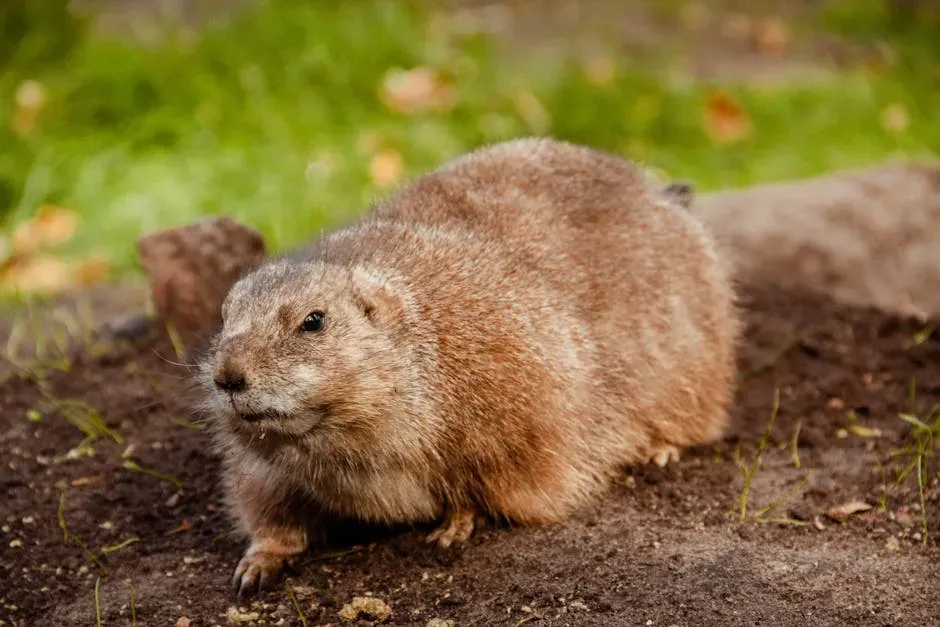
If you recognize your own state in this list, you’re probably living in what you could call “groundhog country,” even if no one ever handed you a map with that label. That mostly means you can expect to see these animals regularly if you spend time outdoors in late spring and summer, especially near edges where lawn meets brush or field meets woods. It also means you might occasionally deal with their less charming habits, like burrows that weaken foundations, holes that trip livestock, or raids on gardens and small crops.
At the same time, sharing space with groundhogs connects you to a very old, very wild rhythm on the landscape: hibernation through deep winter, cautious emergence in late winter, heavy feeding in summer, and a steady retreat underground as the cold returns. If you pay attention, you start to notice how groundhogs act like a barometer for habitat – where they are thriving, there’s usually a healthy mix of cover and open land, and where they’re missing, your world may have become too paved, too manicured, or too fragmented. Next time you see one sitting upright by the roadside or waddling across your yard, will you just see a nuisance, or will you recognize that you’re living in one of the true heartlands of this tough, oddly endearing little mammal?