If you spend enough time online, it can start to feel like the Annunaki are behind everything: human evolution, secret governments, even hidden gold on other planets. The story is wild, cinematic, and incredibly compelling. But when you strip away the YouTube edits, memes, and dramatic voiceovers, you’re left with a harder question: what do the actual ancient texts really say?
Once you dive into the real sources, the picture gets more interesting and, honestly, more impressive than the viral narratives. The truth is not that Sumerian tablets are boring and debunk everything, but that they paint a very different – and in many ways deeper – vision of gods, kings, and the origins of human civilization than the modern “ancient astronaut” spin suggests. Let’s walk through what we actually know, where speculation starts, and why the real story is still powerful even without a spaceship in sight.
Who Were the Annunaki in the Original Mesopotamian World?
Here’s the first surprise: in the earliest Mesopotamian sources, the Annunaki are not a tiny group of alien overlords, but a broad assembly of gods. In Sumerian and Akkadian texts, the term “Annunaki” usually refers to a collective of deities associated with the heavens, the earth, and in later writings, the underworld. They function more like a divine council than a single, all-controlling species, somewhat comparable to a pantheon like the Olympian gods in ancient Greece.
In different periods and cities, their roles shift. Sometimes they appear as high gods who decree destinies, sometimes as underworld judges, sometimes simply as a category of important deities beneath the very top tier like An (or Anu), Enlil, and Enki. The ancient scribes didn’t treat “Annunaki” as a mysterious foreign term; it was part of their everyday religious language, much like how we might talk about “saints” or “angels” as a class without imagining a specific alien origin. So right away, the original context leans strongly toward theology and myth, not extraterrestrial biology.
What the Sumerian and Akkadian Texts Actually Say (And Don’t Say)
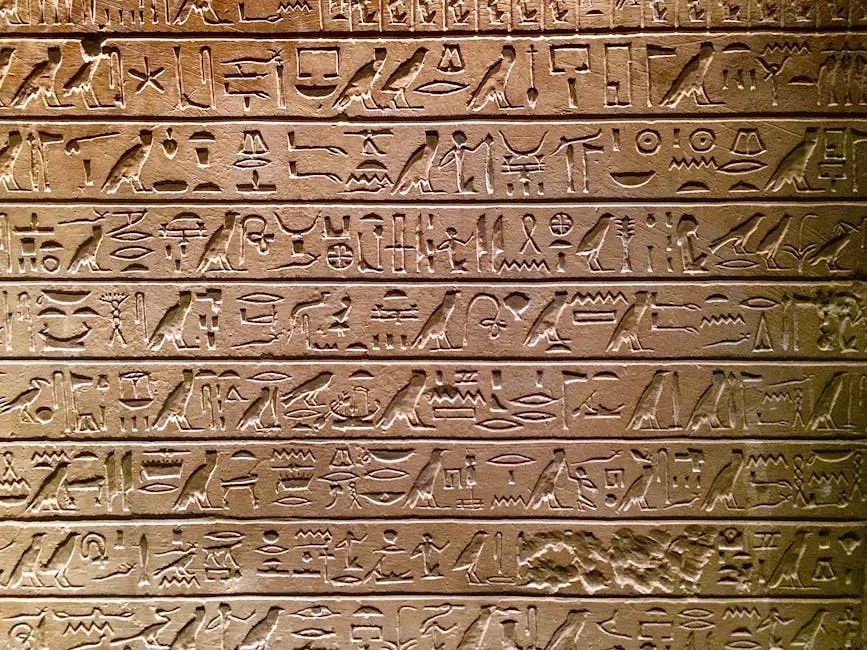
The core of the Annunaki story comes from cuneiform tablets written in Sumerian and Akkadian, languages that scholars have been studying and translating for over a century. These tablets include myths, hymns, rituals, royal inscriptions, and legal texts. In many of them, the Annunaki are invoked as witnesses to oaths, as powers who bless or curse kings, or as participants in cosmic decisions. They show up in stories like the myth of the flood, tales of the underworld, and narratives about how kingship and civilization were established.
What you do not see in these texts are clear statements that the Annunaki came from another planet, engineered human DNA, ran mining operations on Earth, or used advanced spacecraft. Those ideas arise much, much later from modern reinterpretations, not from the bricks of clay themselves. The tablets are fragmentary and poetic, and they can definitely be symbolically rich and strange, but when read in their historical and linguistic context, they fit into the broader ancient Near Eastern religious world far more naturally than into a modern sci‑fi frame. The leap from “divine council” to “space engineers” is a creative one, not a literal one.
How the Ancient Astronaut Narrative Took Over the Annunaki
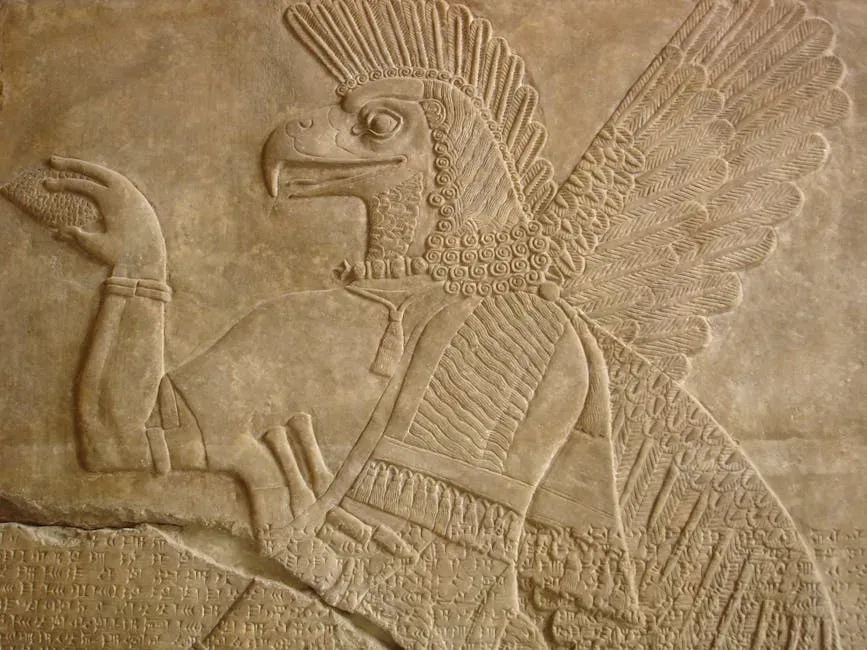
If the tablets do not literally describe aliens, why is the Annunaki–as–extraterrestrials idea so widespread? The modern ancient astronaut narrative grew out of twentieth‑century authors who were fascinated by the apparent sophistication of early civilizations and dissatisfied with mainstream historical explanations. They argued that the technological and cultural leaps in Mesopotamia, Egypt, and elsewhere must have required outside intervention. The Annunaki, being one of the best documented divine groups from early texts, became a natural focal point for this speculation.
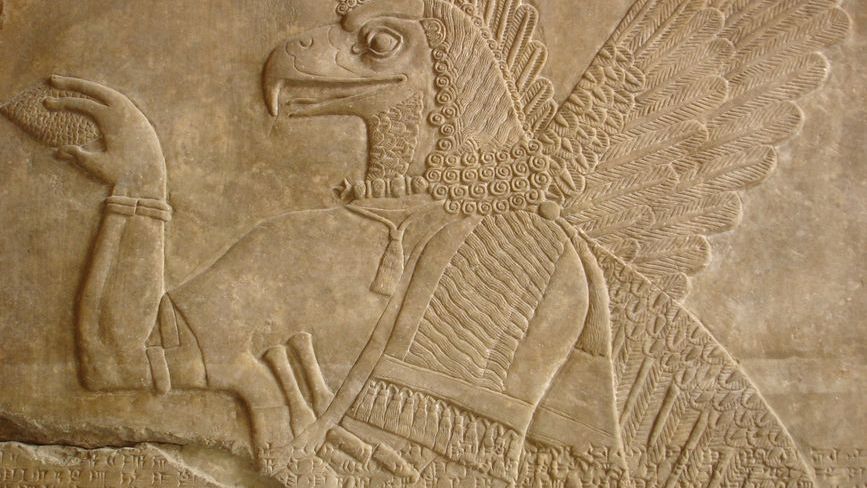
These writers often relied on selective translation, loose interpretation, or reading mythic imagery as if it were technical language. A poetic line about gods “descending from the heavens” becomes a description of spacecraft; an image of a deity holding a symbol turns into a piece of advanced machinery. Once these ideas hit popular culture, they spread faster than the original scholarship because they were more sensational and easier to retell. The issue isn’t that people were malicious; it’s that the excitement of the theory often outran the careful, slow, and sometimes frustrating work of reading what the texts actually say in their own terms.
Creation, Labor, and the Role of Humanity in Mesopotamian Myths
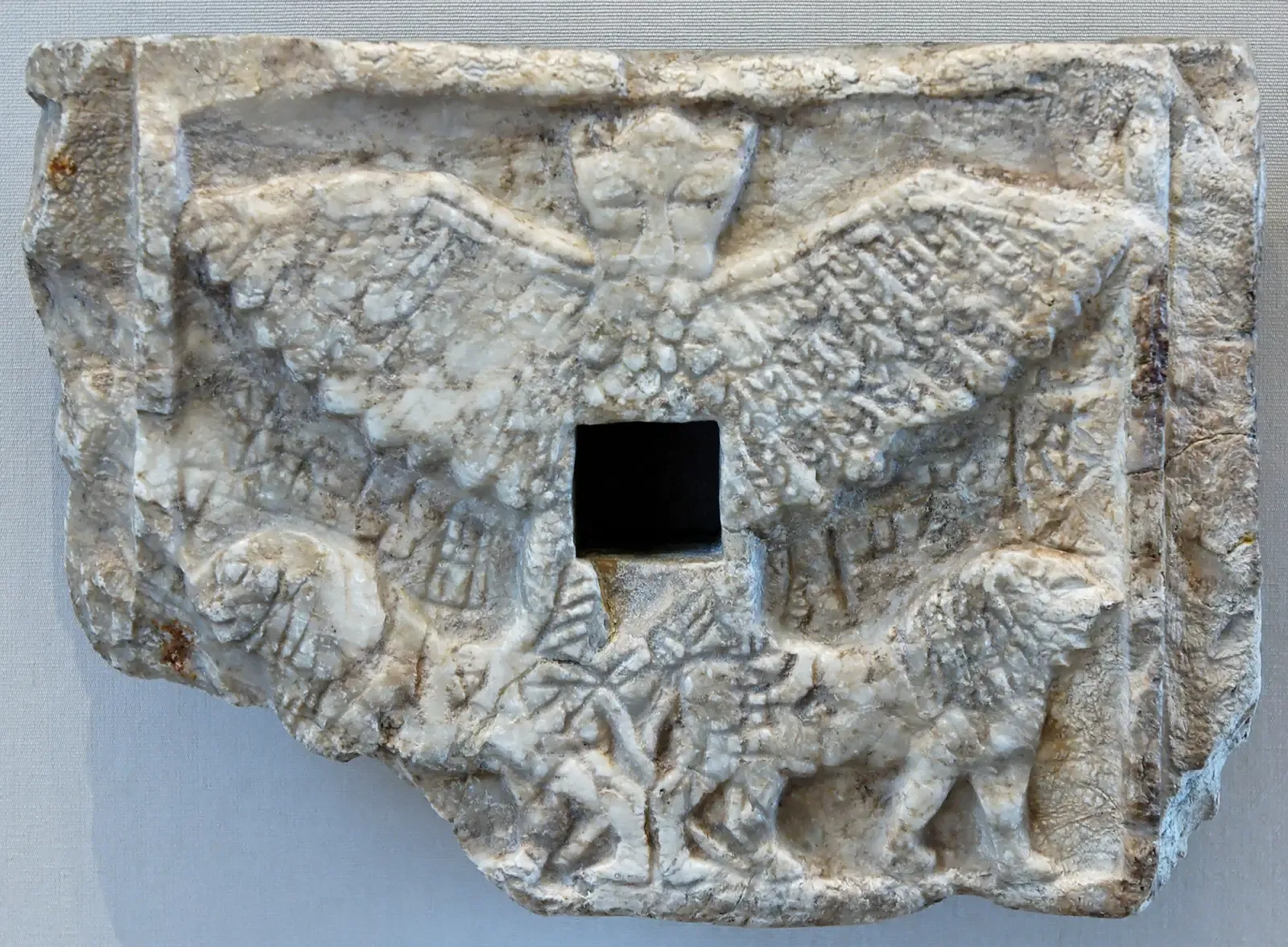
One of the most striking themes in Mesopotamian literature is how frankly it talks about human beings as workers created to serve the gods. In some myths, lesser gods become exhausted from manual labor, complain about their burdens, and force the high gods to find a solution. That solution, in more than one storyline, is the creation of humans to take over the hard work. It is not romantic; it is almost bureaucratic. The divine council allocates labor, assigns roles, and establishes rituals to keep the cosmic machine running smoothly.
This is the part that ancient astronaut theories latch onto, turning “labor for the gods” into “mining for aliens.” But in context, the idea of humans as servants and caretakers of divine property was completely normal for that time and place. Farmers, temple workers, and craftsmen would have seen themselves as working in a giant spiritual economy, with the gods at the top and the king managing their earthly estate. You can read these myths as metaphors for class structure and agricultural realities rather than technical job descriptions in an extraterrestrial corporation. The story is about power, duty, and dependence, not about space mining contracts.
The Science of Language: Why Expert Translations Matter
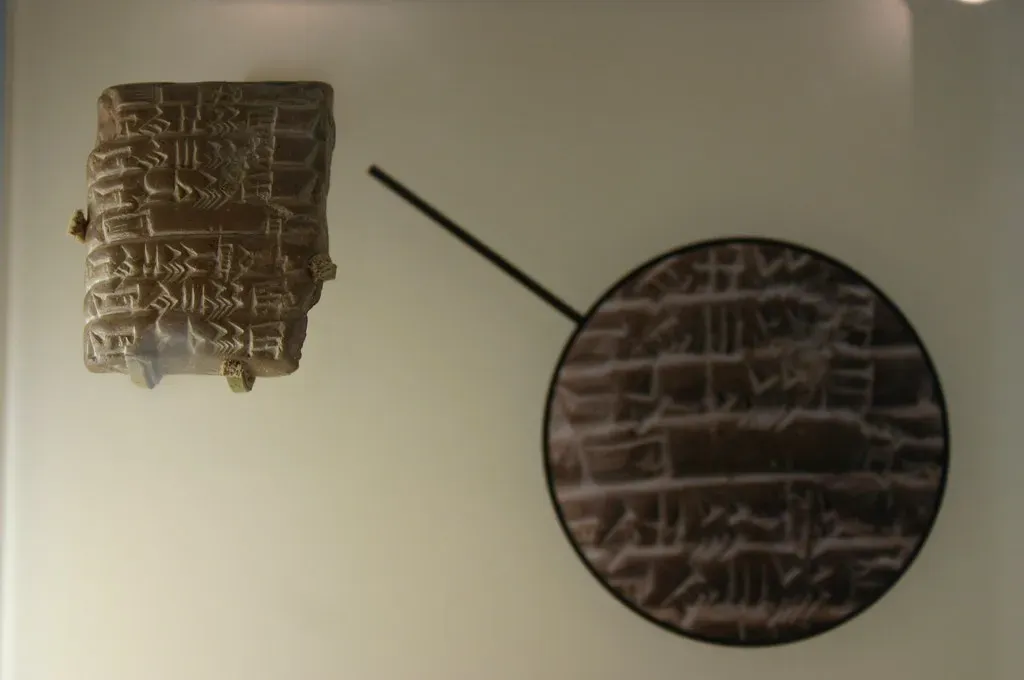
One uncomfortable truth that cuts through a lot of Annunaki speculation is that Sumerian and Akkadian are hard. They are dead languages with complex grammar, layered meanings, and thousands of years of evolving usage. Professional Assyriologists spend many years learning to read cuneiform and cross‑checking inscriptions. When you look at their work, you find disagreements about subtle nuances of meaning, but you do not find mainstream scholarly support for literal alien interpretations of the Annunaki or of key myths.
Popular books and websites often skip that difficulty by offering simplified or creative translations that “just happen” to sound like modern technological language. A poetic phrase about a shining, fearsome god becomes a description of an astronaut in a suit; a symbolic heavenly journey becomes interplanetary travel. Once you notice this pattern, it becomes clear how much depends on wording choices. Personally, I think this is where a lot of people, including my younger self, get swept up: it feels thrilling to “decode” hidden meanings, but unless you can read the original scripts, you’re really trusting the translator’s imagination more than the tablet’s actual content.
Why the Real Mesopotamian Story Is Still Profound Without Aliens
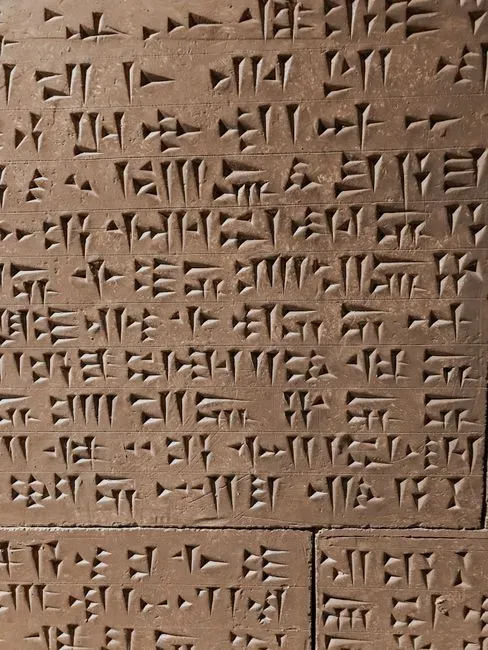
Stripping away the ancient astronaut lens does not make the Annunaki boring; if anything, it makes them more relatable. These texts show a civilization wrestling with questions we still agonize over: Who is in charge of the world? Why is life so hard? What is our place relative to powers we cannot control? The Annunaki, as a divine council, reflect ancient attempts to map political order onto the cosmos, turning the messy reality of kings, courts, and conflicts into a grand, sacred drama.
There is something haunting about people five thousand years ago carving their fears and hopes into clay, pleading with these gods for justice, protection, and meaning. You can read their myths as early philosophy written in symbolic language, exploring ideas about fate, responsibility, and the relationship between rulers and the rest of society. The fact that they did this without any modern tools, yet left behind a textual tradition we can still read today, is awe‑inspiring in its own right. You do not need a spaceship in the background to feel that weight.
Opinionated Conclusion: Mystery Is Not a Free Pass to Make Anything Up
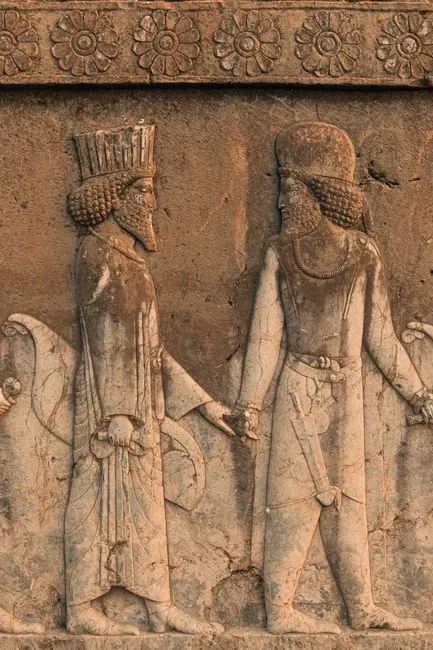
There is no denying that the Annunaki make for an incredible story. The idea of ancient gods as visitors from the stars hits that sweet spot where wonder, rebellion, and distrust of authority all collide. It feels exciting to imagine that a hidden, cosmic truth has been sitting in front of historians for decades and only a handful of outsiders have had the courage to see it. But when you walk through the actual evidence, text by text and line by line, the alien emperor simply has no clothes. The tablets speak clearly enough if we are willing to hear them on their own terms.
My own view is that clinging to the alien Annunaki myth actually flattens something richer and more human. It takes the creativity, pain, and insight of an entire ancient civilization and reduces it to a kind of cosmic tech support story. The real mystery is not whether beings from another planet dug for ore in Mesopotamia; it is how early humans, with nothing but reeds, mud, and stubborn determination, built cities, laws, stories, and gods that still echo in our minds today. Maybe the harder, more honest question is this: is the past not astonishing enough on its own, or have we simply forgotten how to be amazed by what people can do without help from the stars?