
Every time we think we’ve mapped the human past, the ground proves us wrong. A flash flood exposes a buried necropolis, a satellite image hints at a forgotten city grid, a looter’s stash turns out to belong to a culture no one even had a name for. It’s almost unsettling to realize how many entire worlds have come and gone with barely a whisper in the history books.
In the last few decades especially, archaeologists have been forced to admit a humbling truth: our timelines and tidy narratives are incomplete, and in some places, wildly so. Below are fifteen ruins and archaeological cultures that either emerged from total obscurity or still sit at the edge of what we can confidently say. Some are contenders for full-blown “lost civilizations,” others are enigmatic cities that do not fit neatly into our old stories. Together, they show just how much of human history is still hidden – literally – under our feet.
The Enigmatic Jiroft Culture in Iran
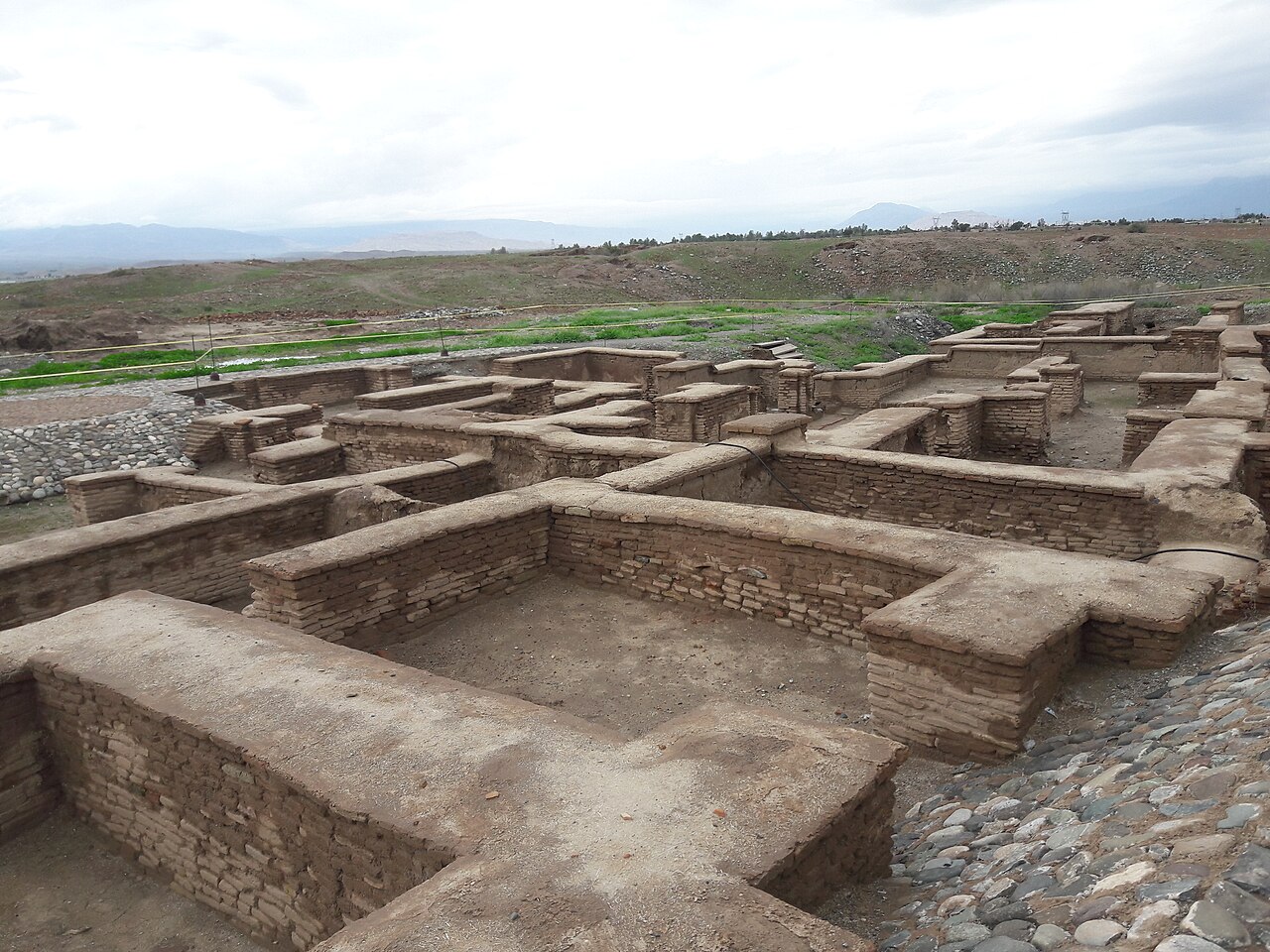
Imagine a flash flood tearing through a quiet valley in southeastern Iran around the year 2001 and peeling back the earth like a curtain. What emerged near the Halil River was a sprawling Bronze Age necropolis, packed with elaborately carved chlorite vessels and artifacts that did not match any known culture. Excavations at the nearby mounds of Konar Sandal have since revealed massive mudbrick terraces, monumental buildings, and even clay tablets inscribed with scripts that are still not fully understood, suggesting a complex urban society flourishing in the third millennium BCE.
Scholars now cautiously talk about a distinct “Jiroft culture,” possibly a state-level civilization sitting between Mesopotamia and the Indus, trading in luxury goods like lapis lazuli, copper, and precious stones. Some researchers argue it may even correspond to legendary eastern lands mentioned in Mesopotamian texts. Others push back, warning against overhyping a still-young dataset. Either way, Jiroft has forced historians to redraw the mental map of the so‑called Cradle of Civilization: instead of one narrow river valley, we see a dense web of early cities stretching from Iraq into Iran and beyond.
Shahr‑e Sukhteh, Iran’s “Burnt City” on the Edge of Nowhere
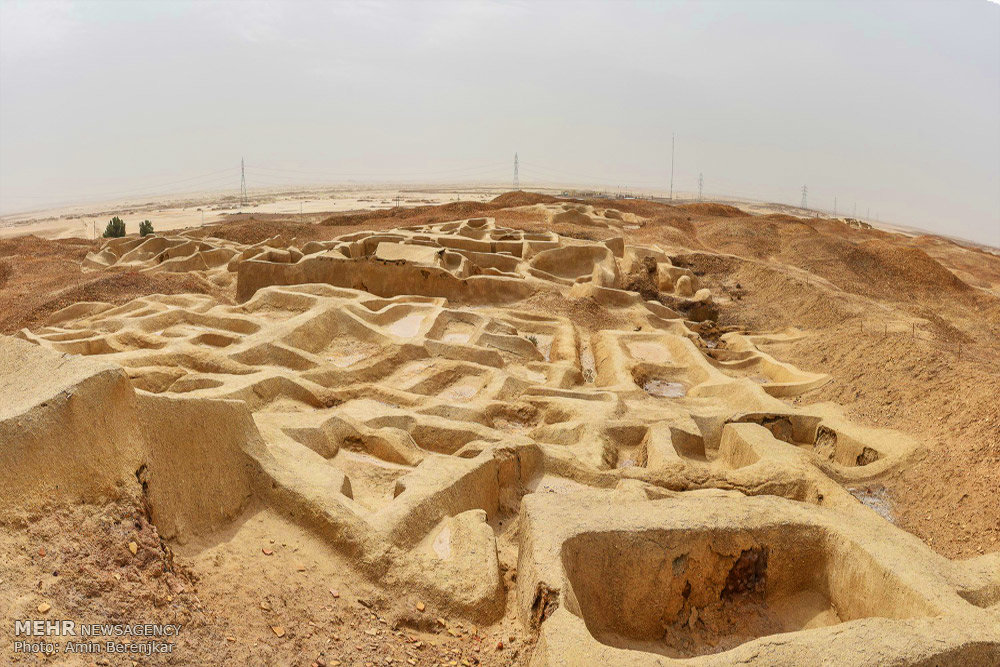
On the desert margins of southeastern Iran lies Shahr‑e Sukhteh, the “Burnt City,” an early urban settlement that once had multistory houses, craft workshops, and carefully planned neighborhoods. It rose around the late fourth millennium BCE and sat on key trade routes linking Mesopotamia, Central Asia, and the Indus Valley, yet it somehow dropped off the radar of classical history. Excavations have revealed advanced crafts, including fine ceramics, intricate jewelry, and evidence of surprisingly sophisticated medicine and social organization.
What makes Shahr‑e Sukhteh feel like a window into an alternative Bronze Age is how self-contained yet connected it seems. There are imported goods, but also a strong local style, suggesting a regional civilization parallel to better-known powers. The city was abandoned after a series of environmental and perhaps economic blows, its mudbrick buildings slowly collapsing into anonymous mounds. For centuries, travelers crossed these plains without any idea they were walking past the ghost of a once-bustling, cosmopolitan community.
Caral‑Supe: A Monumental Mystery on Peru’s Pacific Coast
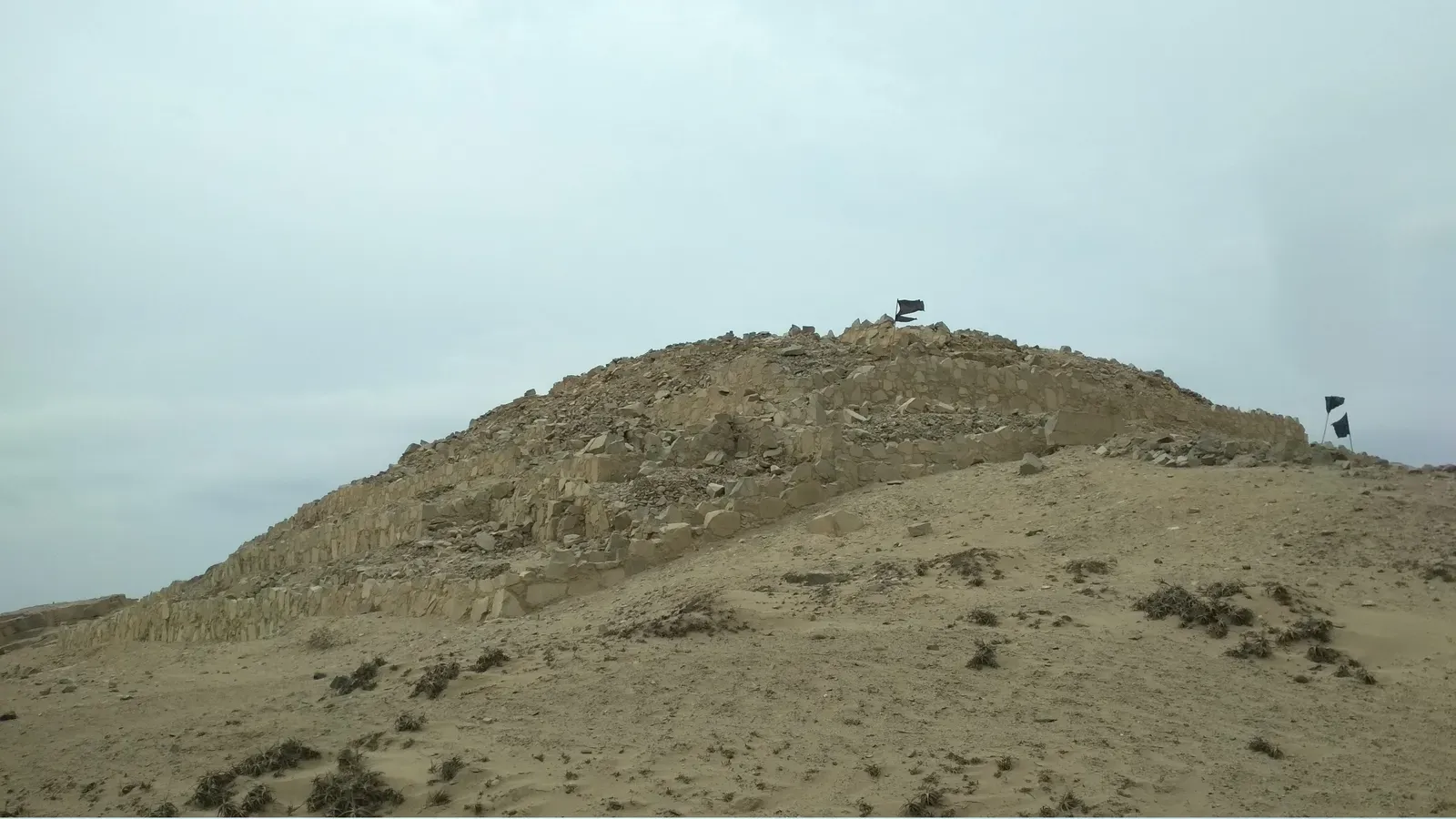
Long before the Inca, long before the classic Maya, people along Peru’s central coast were piling up massive platform mounds and designing formal plazas in the Supe Valley. Caral, the largest site in this complex, dates back to roughly the late fourth to early third millennium BCE, making it one of the oldest known urban centers in the Americas. Yet there are no obvious signs of warfare, city walls, or royal tombs; instead, archaeologists find large communal spaces, musical instruments, and evidence of far‑flung trade in exotic goods.
Caral effectively demolishes the old idea that cities in the Americas showed up much later than in the Old World. The people here did not rely on ceramics for a long time and seem to have built their social complexity around textiles, ritual, and irrigation agriculture. When you walk among the stepped pyramids today, it feels like visiting a prototype city – one that developed its own solutions to urban life without the trappings we assume all early states must have had. It is a reminder that there were multiple ways to build a civilization from scratch.
Tiwanaku: The High‑Altitude Empire with No Known Name
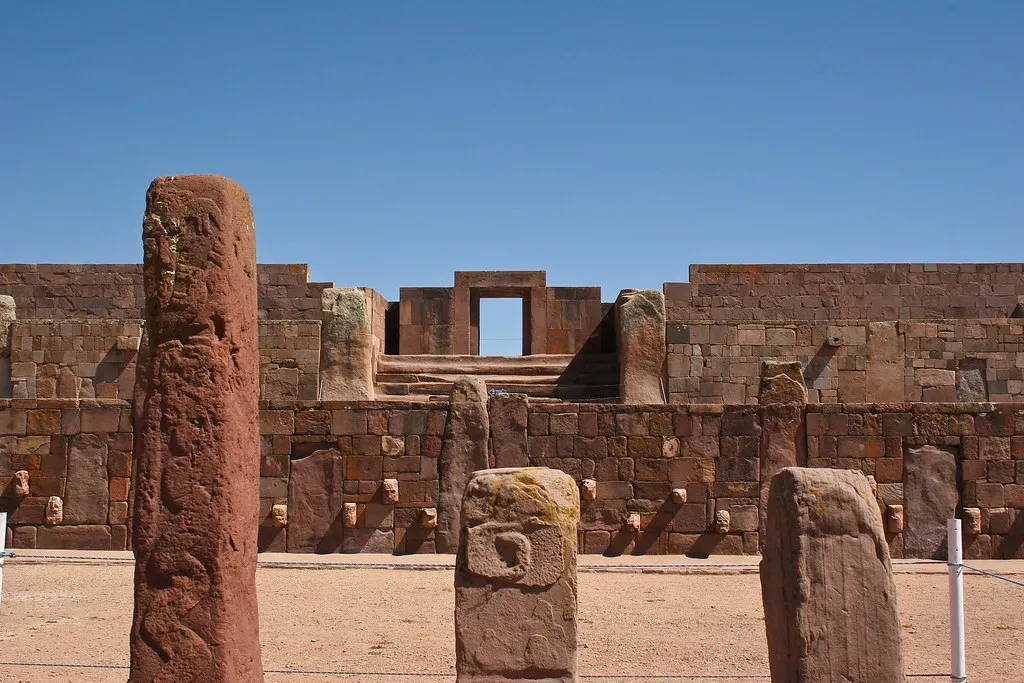
At nearly four thousand meters above sea level, on the Bolivian shore of Lake Titicaca, the megalithic ruins of Tiwanaku look like they were dropped from another planet. Colossal stone blocks, precisely carved and slotted together, form temples, gateways, and platforms aligned to solar events. Archaeology suggests that by the first millennium CE, Tiwanaku was the capital of a powerful polity whose influence spread across large parts of the southern Andes, into what is now Peru, Chile, and Argentina. Yet the city’s original name, language, and many of its beliefs are lost.
Unlike the later Inca, the Tiwanaku people left no known writing system. Instead, their story is told through architecture, ceramics, and ritual objects that hint at complex state religion, sophisticated agriculture, and a dense network of colonies and trade links. For a long time, Tiwanaku was overshadowed by Machu Picchu in the travel imagination, but from a historical standpoint it is arguably just as revolutionary. It shows that high‑altitude civilization in the Andes had deep, independent roots – and that a whole imperial experiment can vanish almost completely from living memory.
Nabta Playa: Stone Circles in the Sahara Before the Pharaohs
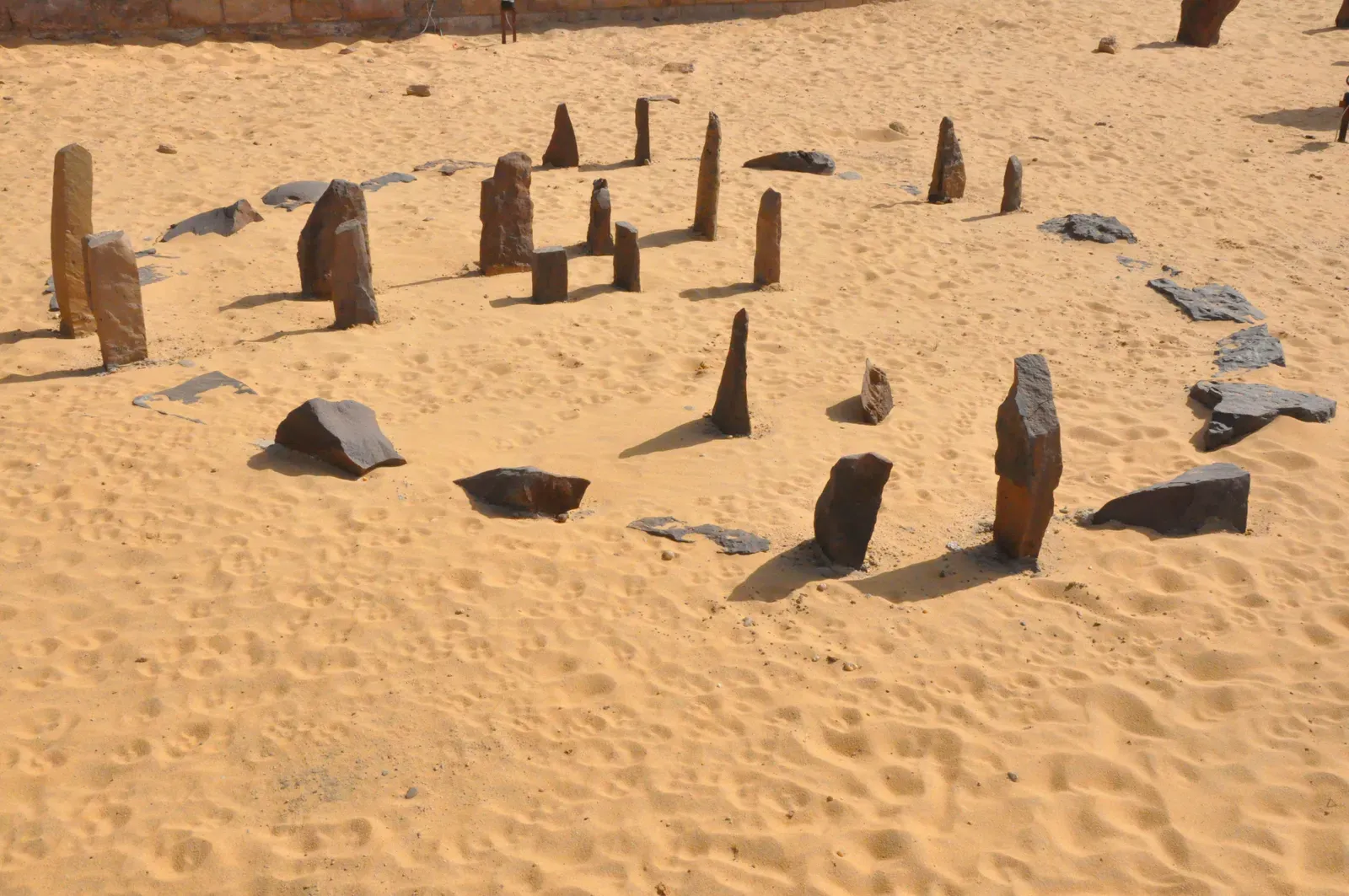
Deep in what is now the Nubian Desert of southern Egypt, far from the Nile, stands a cluster of modest stone circles and alignments at a place called Nabta Playa. On first glance they almost look like a minimalist modern art installation, but radiocarbon dates tell a different story: pastoral communities were gathering here by the sixth to fifth millennium BCE, long before the first Egyptian pyramids. Some stones appear to be astronomically aligned, marking solstices or important celestial events, suggesting early sky‑watching traditions on the Sahara’s once‑green savannas.
These herders lived in a very different environment than the desert we see today, relying on seasonal lakes and complex social gatherings to survive. As the climate shifted and the Sahara dried out, many of these groups likely moved toward the Nile, contributing ideas and practices that would later flourish in Pharaonic Egypt. Nabta Playa is not a “lost empire,” but it does reveal a cultural world that barely shows up in conventional history: mobile, observant, and sophisticated enough to encode cosmic cycles in stone hundreds of kilometers from any later royal monument.
Ancient Kerma: Nubia’s Forgotten Kingdom
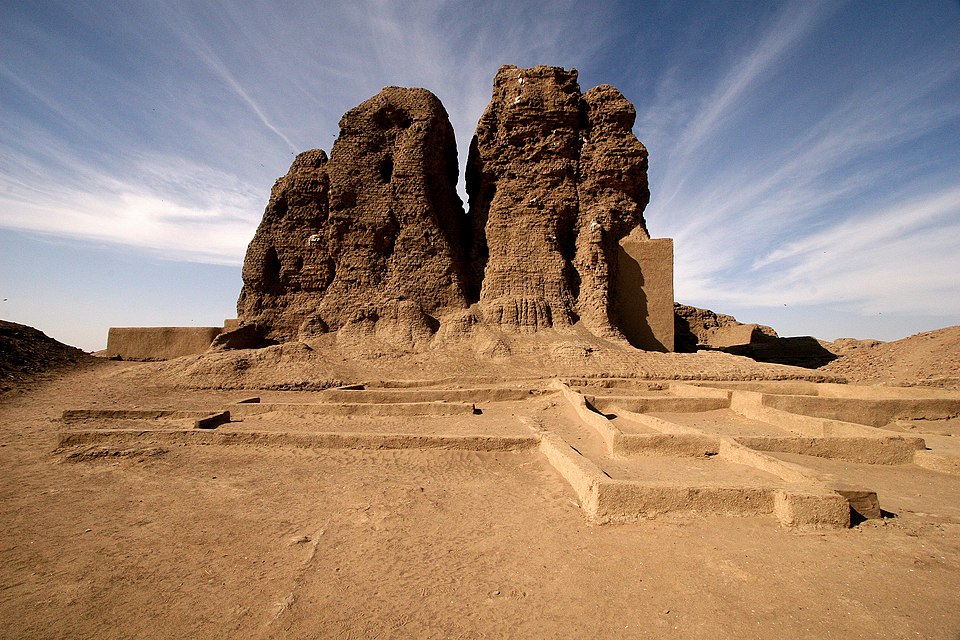
When people think of the Nile, they think Egypt – pharaohs, pyramids, and golden masks. But upstream, in what is now northern Sudan, the city of Kerma grew into the center of a powerful Nubian kingdom by the early second millennium BCE. Excavations have uncovered massive mudbrick structures known as deffufas, elaborate burials with hundreds of sacrificed animals, and rich grave goods that show Kerma was anything but a provincial backwater. For a time, this Nubian state rivaled Egypt itself and controlled key trade routes to the African interior.
Despite its power, Kerma effectively vanished from popular consciousness until twentieth‑century archaeology dug it back up. Historical Egyptian sources, being rivals, tend to downplay or demonize their southern neighbors, so the kingdom’s own story had to be pieced together from ruins and artifacts. In my view, Kerma is one of the clearest examples of how written sources can erase entire civilizations simply by ignoring them. The ruins remind us that the Nile Valley was always a shared space, shaped by more than one sophisticated culture.
Gobekli Tepe: Hunter‑Gatherers Who Built Stone Temples
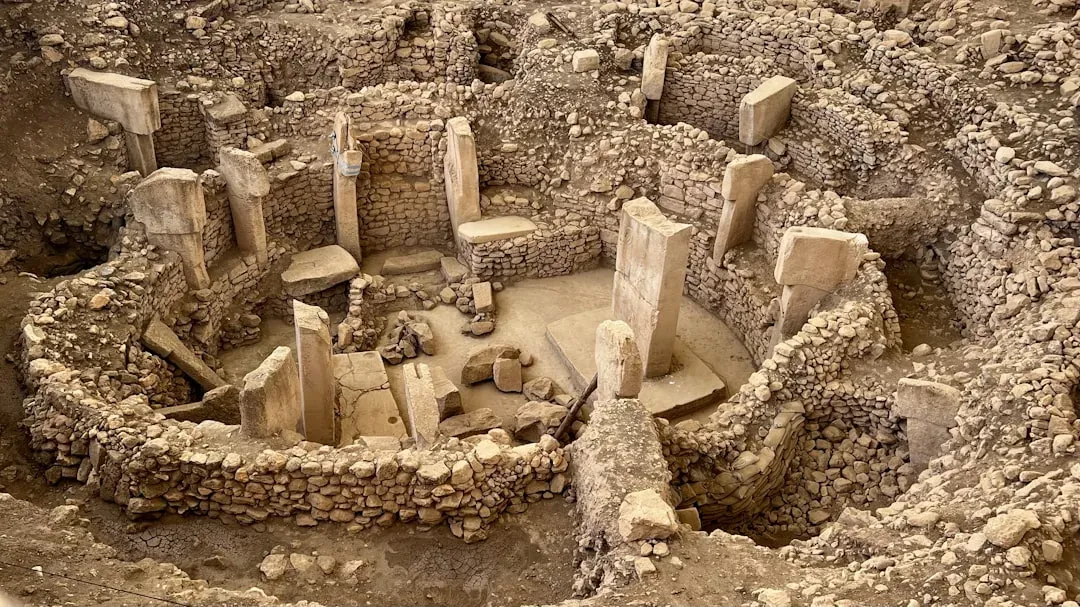
On a low hill in southeastern Turkey, the circles of Gobekli Tepe flipped archaeological assumptions on their head. Massive T‑shaped limestone pillars, some decorated with reliefs of animals and abstract symbols, were erected here around the tenth millennium BCE by communities that still relied on hunting and gathering. That is staggeringly early – thousands of years before Stonehenge or the pyramids – and it suggests that organized ceremonial architecture did not require full‑blown agriculture or cities.
The people of Gobekli Tepe never left written records, and we do not know what language they spoke or what they called themselves. Even their exact social organization is hotly debated: were these seasonal pilgrimage centers, or the heart of an emerging ritual hierarchy that pulled people into more settled ways of life? What we do know is that someone mobilized enough labor to quarry, move, and raise stones weighing several tons, then deliberately buried many of the structures. It is tempting to see this as a missing chapter in the story of how religion, cooperation, and complexity emerge long before traditional “civilization” appears on the horizon.
The Indus Valley’s Lost Cities Beyond Harappa and Mohenjo‑Daro
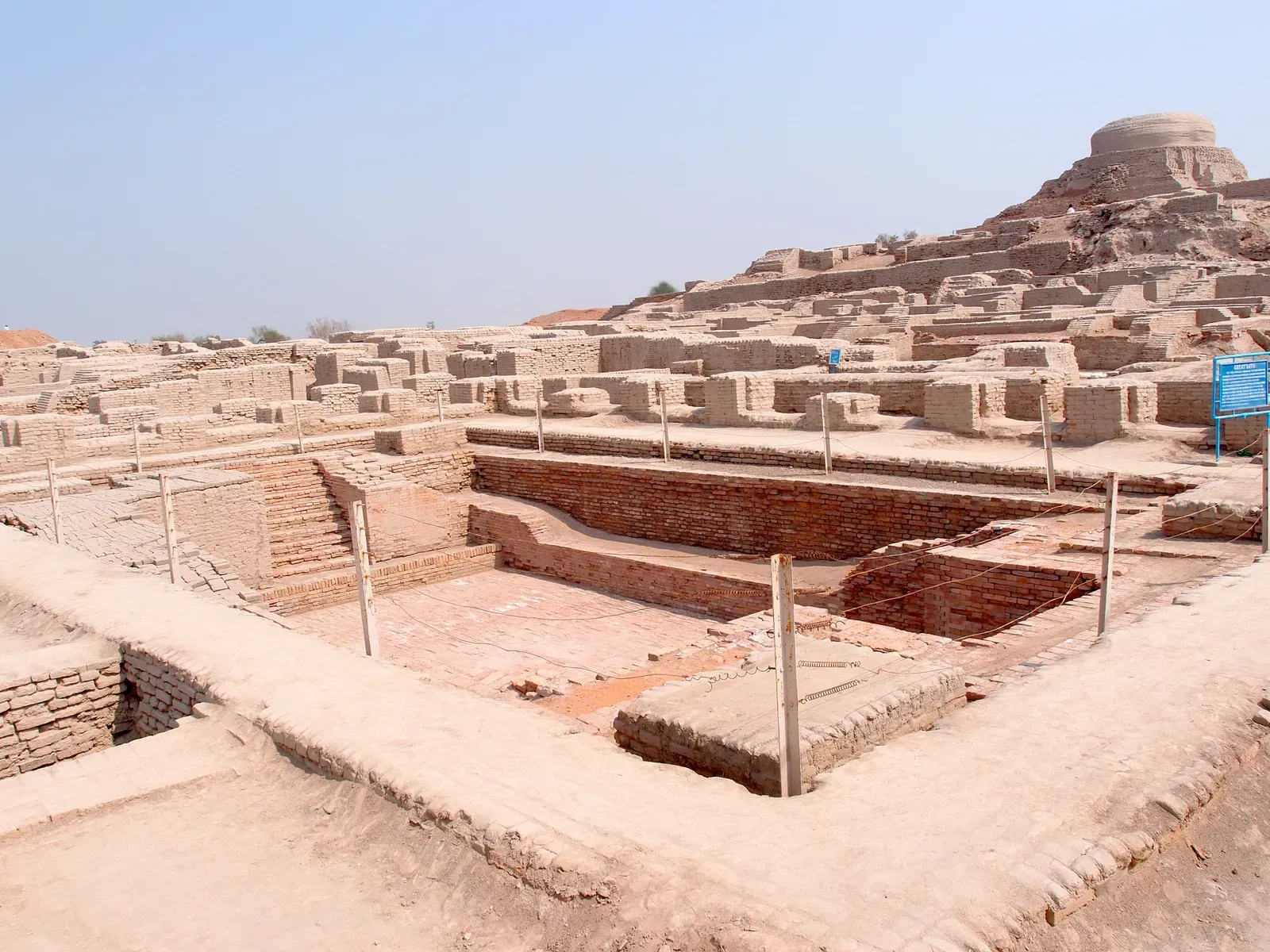
Most people have heard of Harappa and Mohenjo‑Daro, the great cities of the Bronze Age Indus civilization. Far fewer realize that satellite surveys and fieldwork have identified hundreds of smaller, lesser‑known sites scattered across modern Pakistan and India – towns and cities with standardized bricks, drainage systems, and warehouses that still defy easy explanation. Many of these places, from sites in Haryana to the dry plains of Gujarat, belonged to communities that wrote in a script we have never deciphered and left almost no obvious royal monuments.
This network of settlements suggests something radically different from the familiar model of top‑down empires. Urban life in the Indus world may have been organized through strong civic norms, trade guilds, and shared religious practices rather than towering kings. Because we cannot read their seals or inscriptions, each new mound the excavators open feels like another chance to glimpse a civilization that is frustratingly mute. The lesser‑known Indus sites make a strong case that one of the world’s largest early urban experiments is still only partly understood.
Ban Chiang: Bronze Age Thailand That Rewrote Southeast Asian History
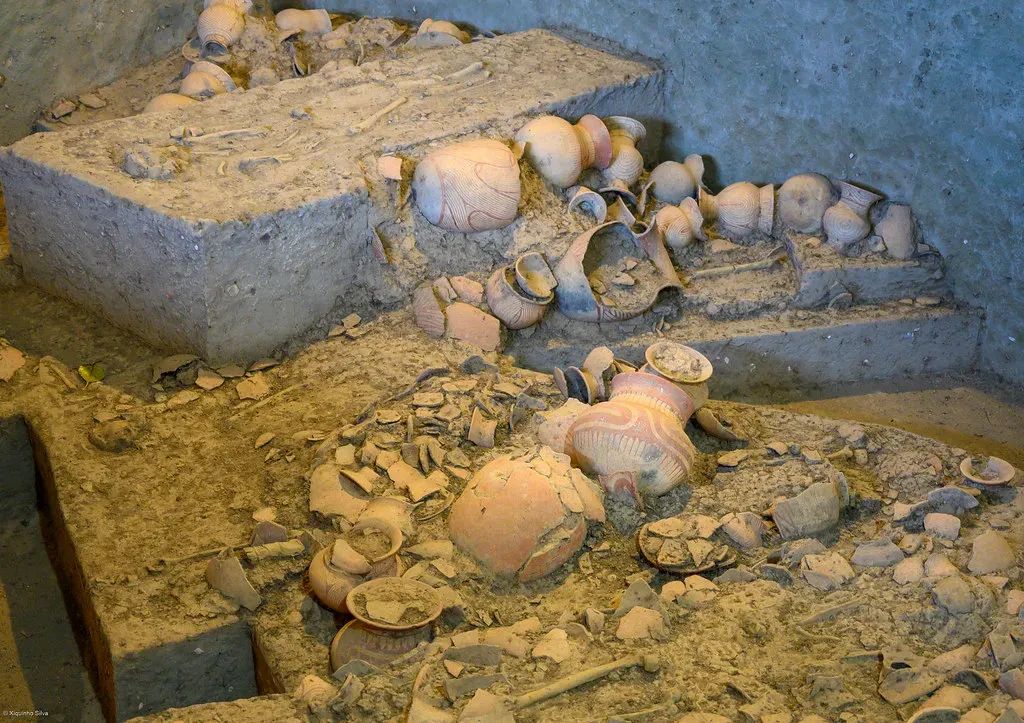
In northeastern Thailand, the village of Ban Chiang did not look like the site of a historical upset when it was first investigated in the late twentieth century. Under its modern houses, archaeologists found richly decorated pottery and burials with bronze tools and ornaments, some dating back to the late second millennium BCE and possibly earlier. For years, this pushed back the timeline for metalworking in Southeast Asia and challenged the old assumption that advanced metallurgy simply trickled in from China or India along neat routes.
Even today, there is lively debate about exactly how early and independent Ban Chiang’s bronze technology really was. But no one doubts that it belonged to a vibrant, long‑lived culture that left no written chronicles and barely figured in regional legends. Instead, its story survived as a pattern of soil stains, corroded tools, and the quiet persistence of local craft traditions. To me, Ban Chiang captures how so‑called “peripheral” regions were often experimenting on their own rather than waiting for big, famous civilizations to show them how.
Ocomtún: A Maya City That Hid in Plain Sight Until 2023
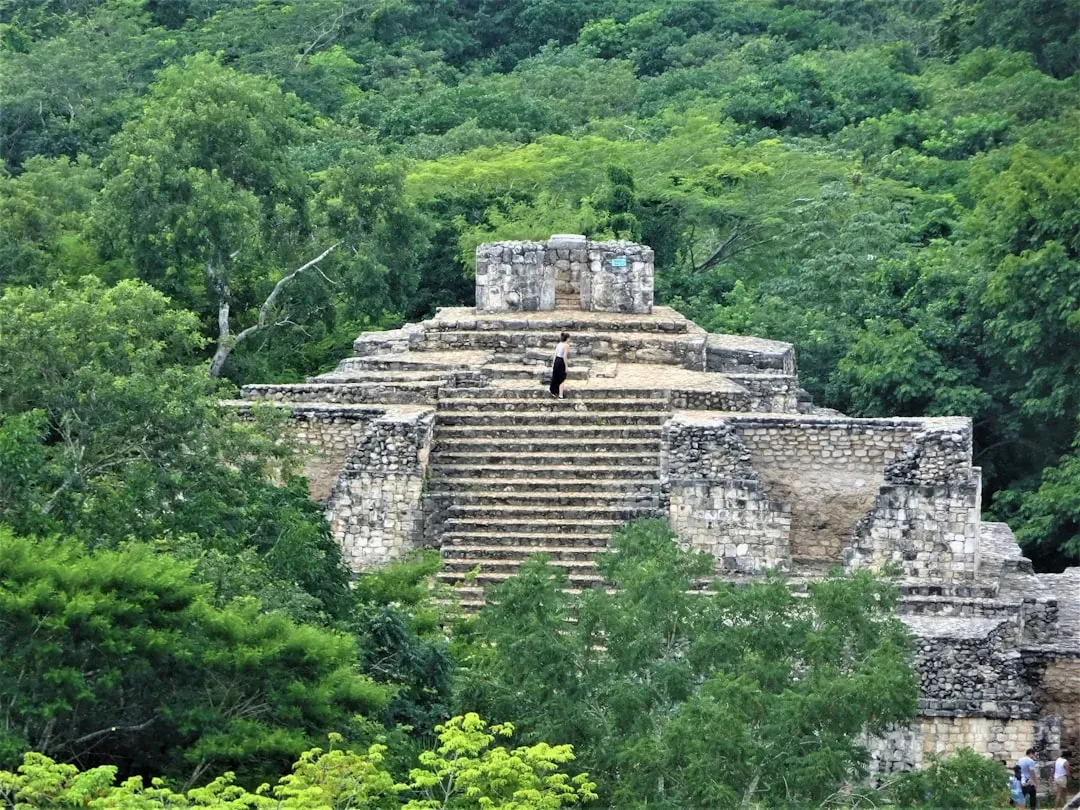
In 2023, Mexican archaeologists announced the discovery of Ocomtún, a large Maya city in the dense forests of Campeche on the Yucatán Peninsula. Identified first through remote sensing and then ground surveys, the site contains pyramidal buildings, plazas, and ballcourts dating mainly to the Late Classic period. For centuries, this city lay completely unknown to modern science, its temples swallowed by jungle, even though it once formed part of one of the most studied civilizations on Earth.
Ocomtún is a sobering reminder that we are still filling in blank spots within supposedly well‑charted cultures. The Maya left texts, but they rarely bothered to list every city; many urban centers flickered in and out of power, rising with one dynasty and fading with another. When researchers talk about “unknown Maya kingdoms,” this is exactly what they mean: places that played real roles in regional politics, trade, and culture, yet disappeared so cleanly that it took twenty‑first‑century technology to notice they were ever there at all.
Por‑Bazhyn: A Siberian Fortress Without a Clear Story
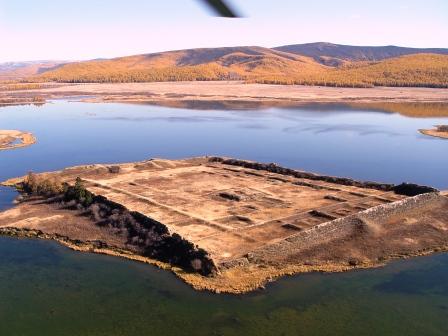
On an isolated island in a lake in southern Siberia sits Por‑Bazhyn, a vast rectangular complex built in rammed earth and wood. From above, it looks like a textbook fortress: thick walls, inner courtyards, traces of buildings arranged on a grid. Radiocarbon dating and inscriptions nearby link its construction to the eighth century CE, during the time of the Uyghur Khaganate. Yet the site seems to have been used only briefly, then largely abandoned, with surprisingly little evidence of permanent occupation or heating in a notoriously harsh climate.
Scholars have floated theories ranging from a palace or military outpost to a remote Buddhist monastery or ceremonial retreat. None fully fit the evidence, which leaves Por‑Bazhyn hovering in that tantalizing space between known and unknown civilization. We glimpse real political and religious currents – Turkic nomad empires, Chinese influences, steppe Buddhism – but the people who built this place did not leave a clear label on it. Standing on those lonely walls today, it feels less like a ruin and more like a question mark etched into the Siberian landscape.
The “Burnt Mounds” of the Arabian Peninsula
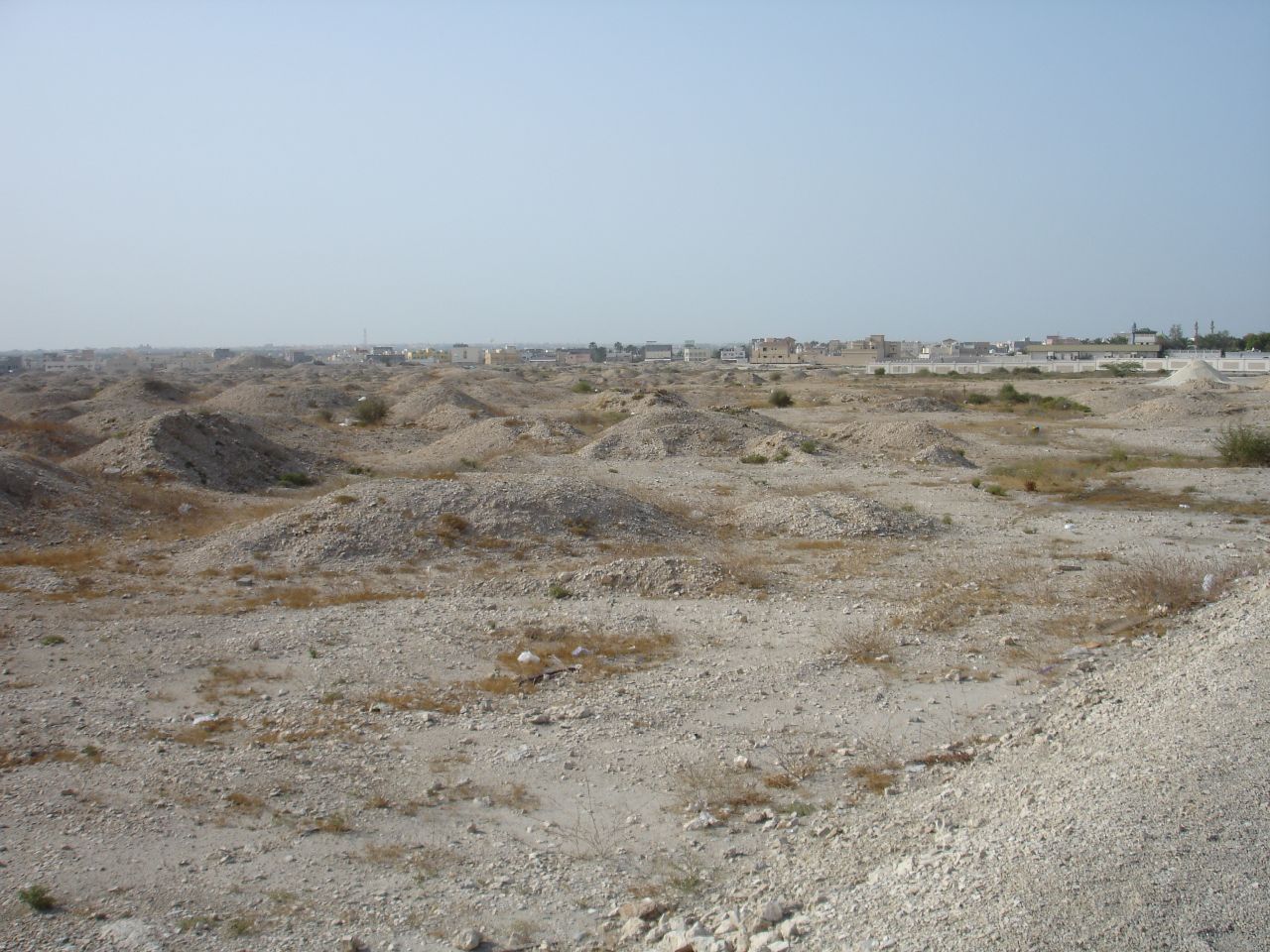
Across parts of eastern Saudi Arabia, Bahrain, and neighboring regions, archaeologists have found thousands of low earthen mounds containing burned stones, ash, and fragments of pottery. Some date back to the Bronze Age and appear near ancient wells or coastal lagoons. They are not graves in the usual sense, nor do they neatly match kilns or simple hearths. Instead, they hint at repeated, organized activities – perhaps large‑scale cooking, ritual feasts, or industrial processes – carried out by communities we know almost nothing about from written records.
These “burnt mounds” invite speculation about societies that clustered along the Gulf long before later empires claimed the region. There are hints of extensive trade linking them to Mesopotamia and the Indus, but their internal life remains stubbornly opaque. To me, they represent a kind of ghost civilization: we see their by‑products and shared habits, yet the people themselves are anonymous. It underscores how much of human social life leaves behind only ambiguous traces, especially when it unfolds in places that later empires did not care to chronicle.
The Halaf and Ubaid Villages Before Mesopotamian Cities
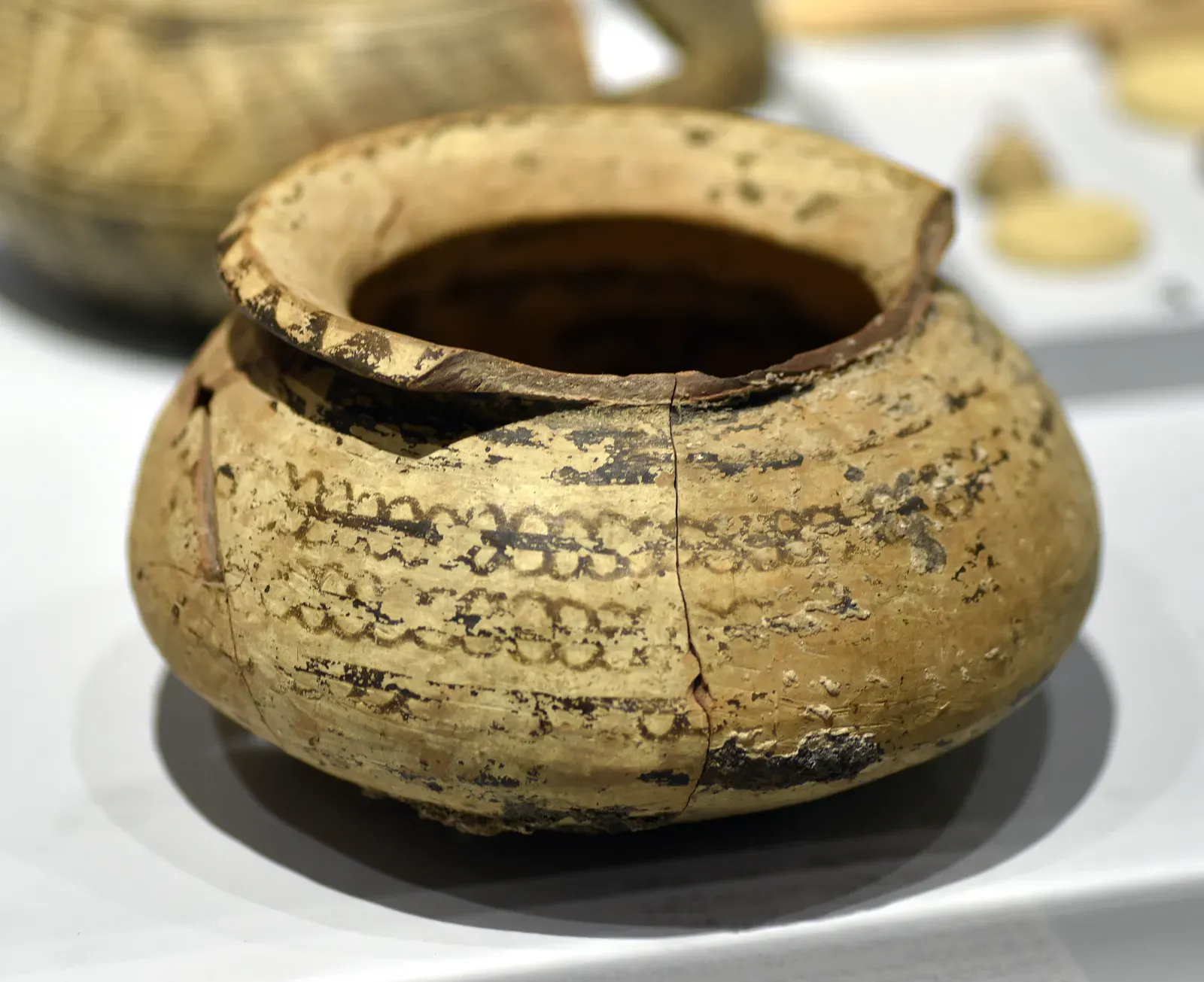
Centuries before the great city‑states of Sumer took shape in southern Iraq, small farming communities across northern Mesopotamia and Syria were painting exquisitely delicate designs on their pottery. The Halaf and later Ubaid cultures, dating from roughly the sixth to fifth millennia BCE, built round houses, shrines, and storage facilities that show a surprisingly complex and interconnected world. They were not yet urban in the classic sense, but their shared styles and long‑distance contacts hint at cultural spheres that set the stage for later states.
Because there are no surviving texts from these societies, they used to be treated as vague preludes to the “real” story starting with Sumerian kings. That attitude is slowly shifting. When you look at the ruins of a Halaf village or an Ubaid temple platform, you see communities experimenting with ritual spaces, social hierarchy, and trade networks long before monumental ziggurats ever appeared. It is not that we have discovered brand‑new civilizations here; it is that we are finally giving names and attention to cultural worlds that were once invisible footnotes.
Meroë: An African City with Its Own Script Still Only Partly Read
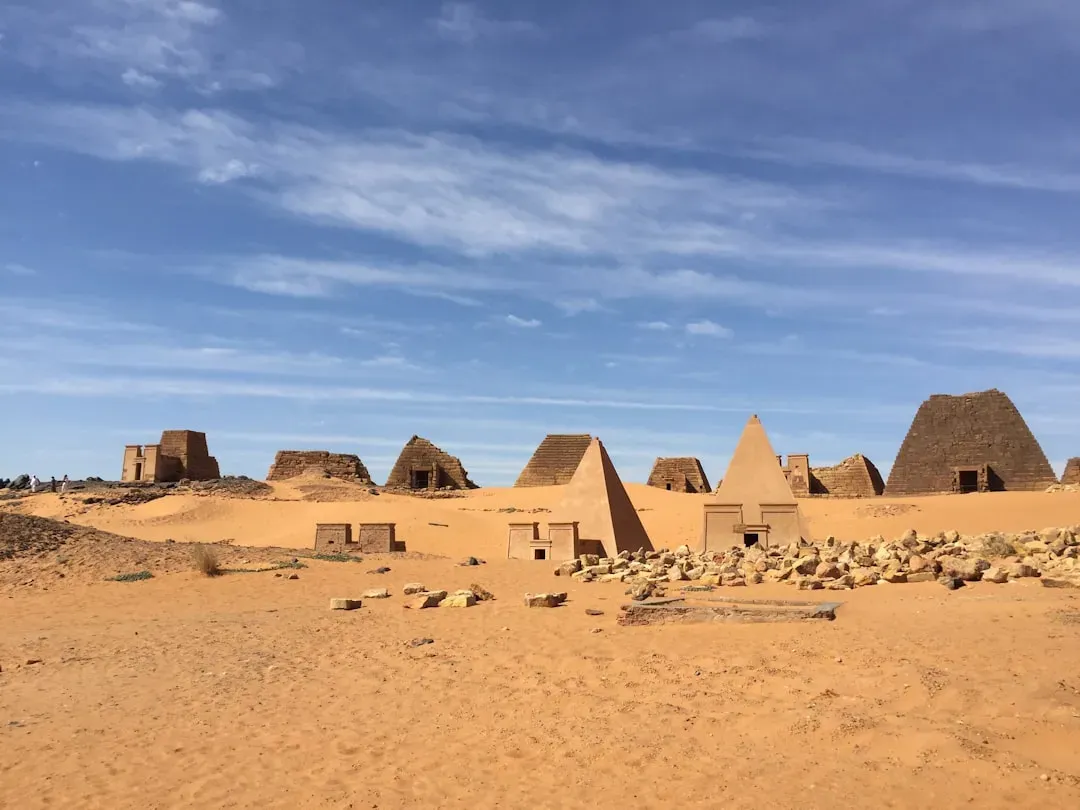
Far south of Egypt’s Aswan, the ancient city of Meroë in Sudan rises from the desert with a forest of small, steep pyramids and the remains of palaces and iron‑working districts. From roughly the third century BCE to the fourth century CE, this was the royal center of the Kingdom of Kush, an African power that ruled Egypt for a time and then developed a distinct culture after the pharaohs. The people of Meroë used their own writing system – Meroitic – which has been only partially deciphered, leaving many inscriptions frustratingly opaque.
Meroë’s ruins reveal a civilization that blended influences from the Nile, the African interior, and the Mediterranean, yet refused to be a copy of any of them. Temples combine Egyptian gods with indigenous deities; trade goods tie the city to Red Sea routes and inner Africa. Still, outside of specialist circles, Meroë barely registers in the global imagination. That feels deeply unfair to me. If this same level of urbanism and literacy had appeared in, say, southern Europe instead of Sudan, it would be a household name.
The Little‑Known Kingdoms of Ancient Sudan’s Eastern Desert
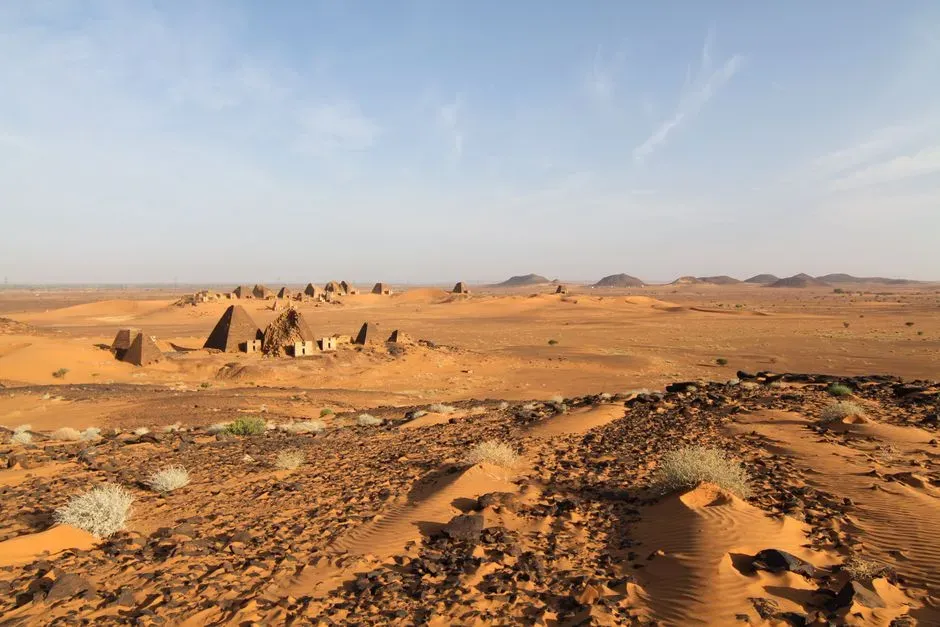
Recent surveys in Sudan’s eastern deserts have started to expose fortified settlements, rock art, and isolated cemeteries that point to small, previously undocumented kingdoms or chiefdoms operating between the Nile and the Red Sea. One especially intriguing burial from this region, dating back almost four thousand years, contained unusual offerings that do not fit any known funerary pattern from Egypt or classic Nubia. Archaeologists have described it as a unique ritual, the first of its kind documented in Africa, raising questions about local beliefs and social structures.
These finds suggest that the familiar Egypt‑versus‑Nubia storyline is far too narrow. There were desert polities mediating trade, managing caravan routes, and creating their own religious practices in the rugged landscape between river and coast. Without monumental stone temples or convenient classical references, they remained off the radar for centuries. As more work is done, I suspect we will learn that northeastern Africa hosted a patchwork of micro‑states and cult centers that complicate any simple picture of “great civilizations” and their empty frontiers.
Why These Ruins Change How We Think About Civilization
When you step back and look at these fifteen cases together, a pattern jumps out: civilization was never a straight line running from a single “cradle” to the rest of the world. Instead, it was more like a galaxy of experiments, some blazing for millennia, others flickering briefly and leaving only shards behind. Jiroft, Tiwanaku, Kerma, Ban Chiang, Ocomtún – each forces us to admit how provisional our grand narratives really are. The idea that history is a neat march from Mesopotamia to Greece to Rome to Europe was always a comforting myth; the dirt says otherwise.
I think that is both unsettling and liberating. Unsettling, because it means whole sophisticated societies can vanish so thoroughly that we only rediscover them by accident. Liberating, because it opens the door to a far richer, more global story where small valleys in Iran or forgotten kingdoms in Sudan matter just as much as famous empires. The ruins we have already found are probably only a fraction of what is out there. So the real question is not whether there were ; it is how many more are still waiting in the dust, just below the edge of what we think we know.