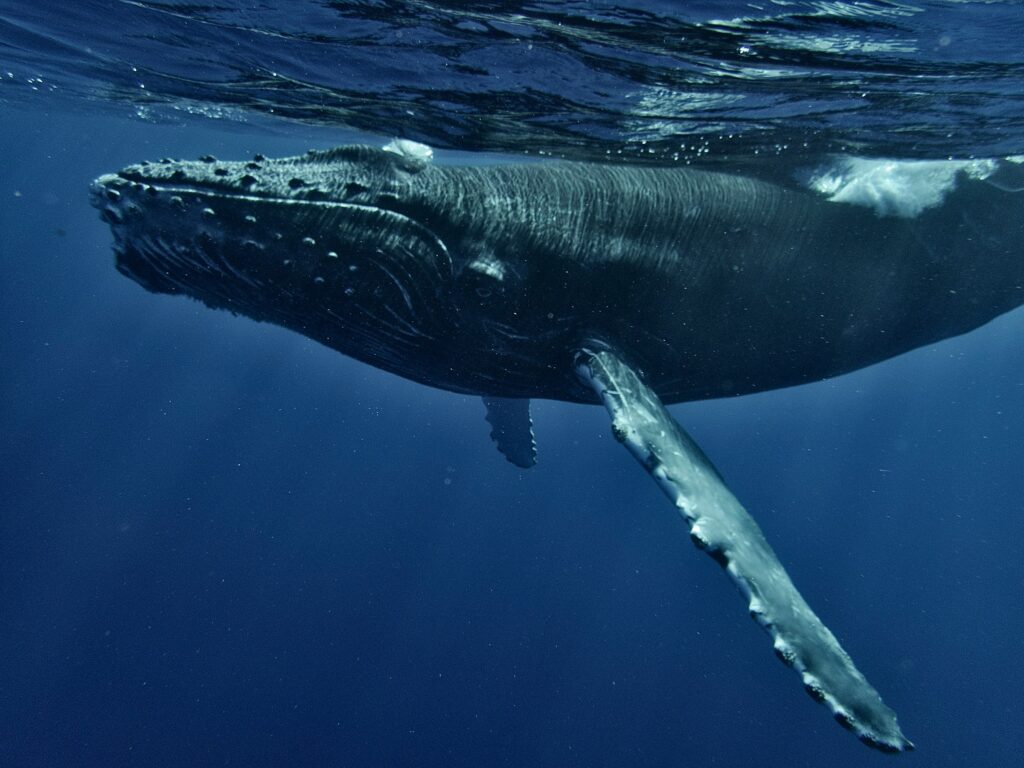

If you picture the ocean, you probably see blue water glittering in the sun, maybe a coral reef, maybe a whale surfacing for air. What you probably do not imagine is a realm so deep that no ray of sunlight has ever made it there in the entire history of Earth, a place where life does not just ignore the sun, it has never even “known” it exists. Yet that is exactly what you find in the deepest parts of the ocean: a world ruled by darkness, pressure, and chemistry instead of light.
In this article, you are going to walk mentally from the bright surface all the way down to the black, high‑pressure abyss where biology plays by a different rulebook. You will see how scientists actually know no sunlight reaches those depths, how ecosystems thrive there without photosynthesis, and why some of these life forms truly evolved on a separate biological path from the world you are used to. By the time you are done, you may start to see the deep ocean less like part of Earth and more like an alien planet hiding right beneath your feet.
The Deepest Ocean Is a Permanent, Primordial Night
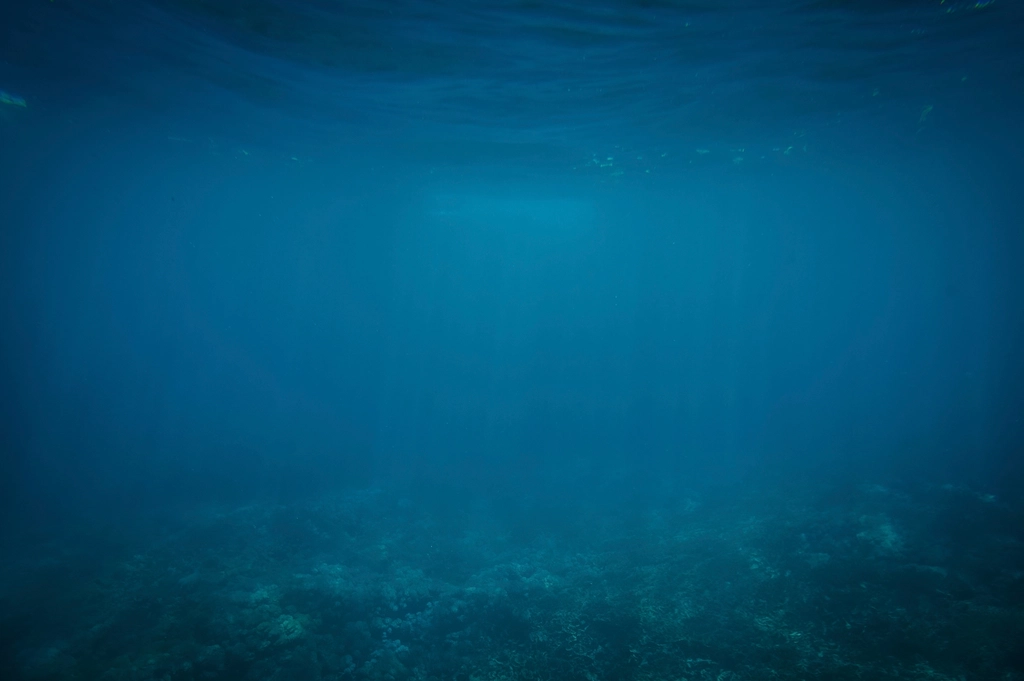
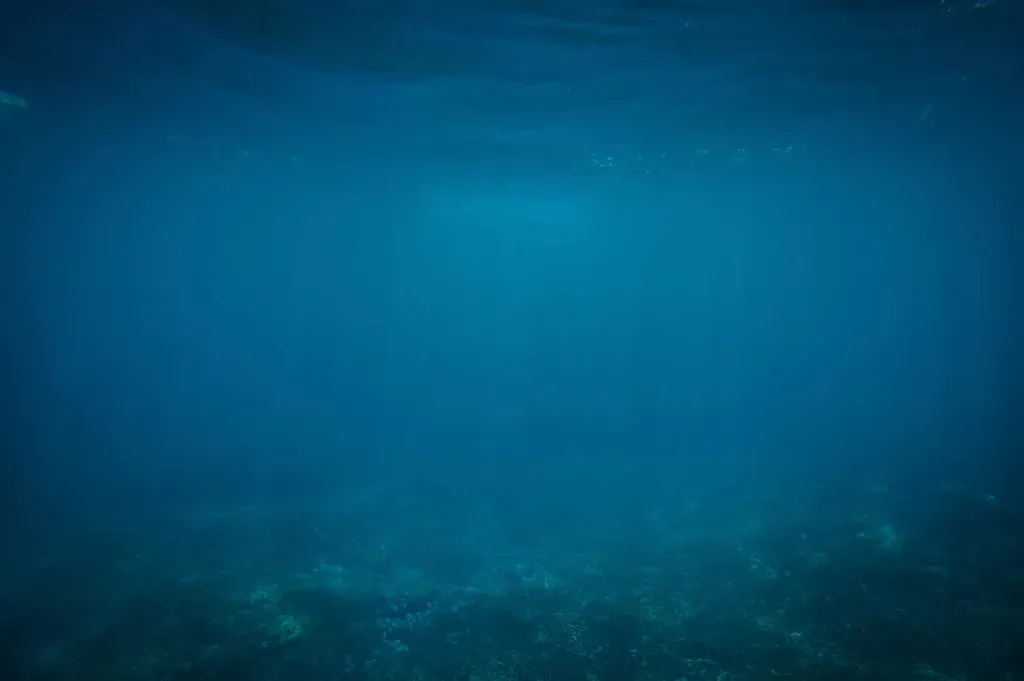
When you look down into the ocean from a boat or a beach, you are only seeing a tiny skin of the sea. Light from the sun fades fast in seawater: first the reds disappear, then the oranges and yellows, until only a dim blue glow filters down into what scientists call the twilight zone. Keep going deeper, past a few thousand feet, and even that ghostly light vanishes completely, no matter how bright the day is above.
Below that, you enter what oceanographers bluntly call the midnight zone and then, deeper still, the hadal zone: trenches and deep basins that plunge more than six or seven miles down. In those crushing depths, sunlight has never once broken through since the oceans first formed. You are dealing with a place that has always been dark, long before humans, dinosaurs, or even complex land plants existed. From the point of view of the creatures that live there, “day” and “night” are meaningless concepts.
How You Can Be Sure No Sunlight Has Ever Reached Those Depths
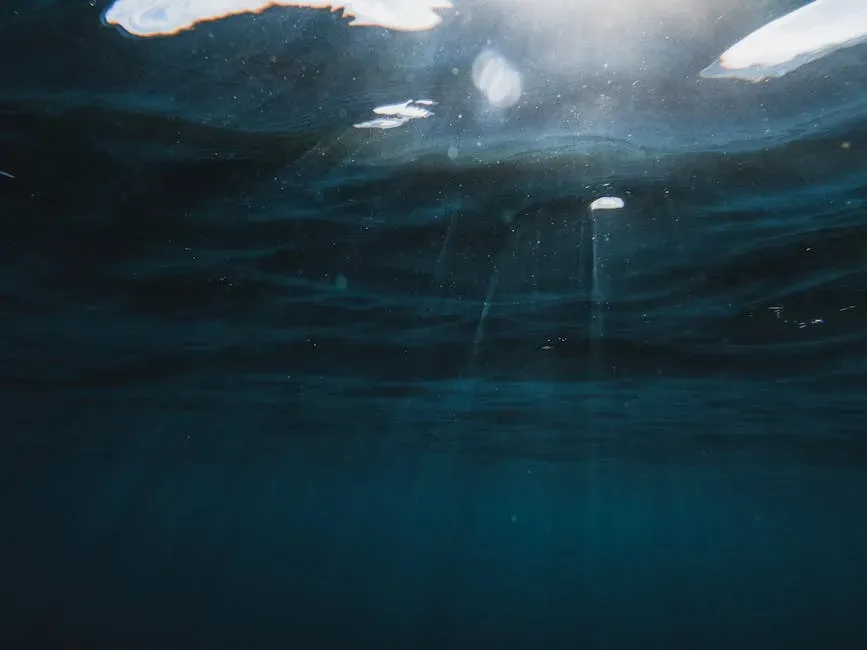
It might sound almost mystical to say “no sunlight has ever reached” a certain layer of ocean, so it helps to know this is not just poetic language. You can measure how light fades in seawater using sensors lowered on cables, autonomous robots, and deep‑diving submersibles, and every time you do, you see the same steep decline with depth. By the time you get to a few thousand meters, instruments stop detecting sunlight altogether; even at noon on the clearest day, there is simply nothing left to measure.
You can also estimate this just from physics. Water strongly absorbs and scatters light, especially the wavelengths rich in energy. Even in the clearest untouched ocean water, the math tells you that direct sunlight cannot penetrate beyond a certain depth because each extra meter steals a little more of the remaining light. Over millions of years, the composition and clarity of deep ocean water have changed, but not in any way that would suddenly let photons shoot several extra miles down. The deepest trenches have always been beyond the reach of the sun’s energy, like the underside of an infinitely thick blanket.
Life Without Sunlight: From Photosynthesis to Chemosynthesis
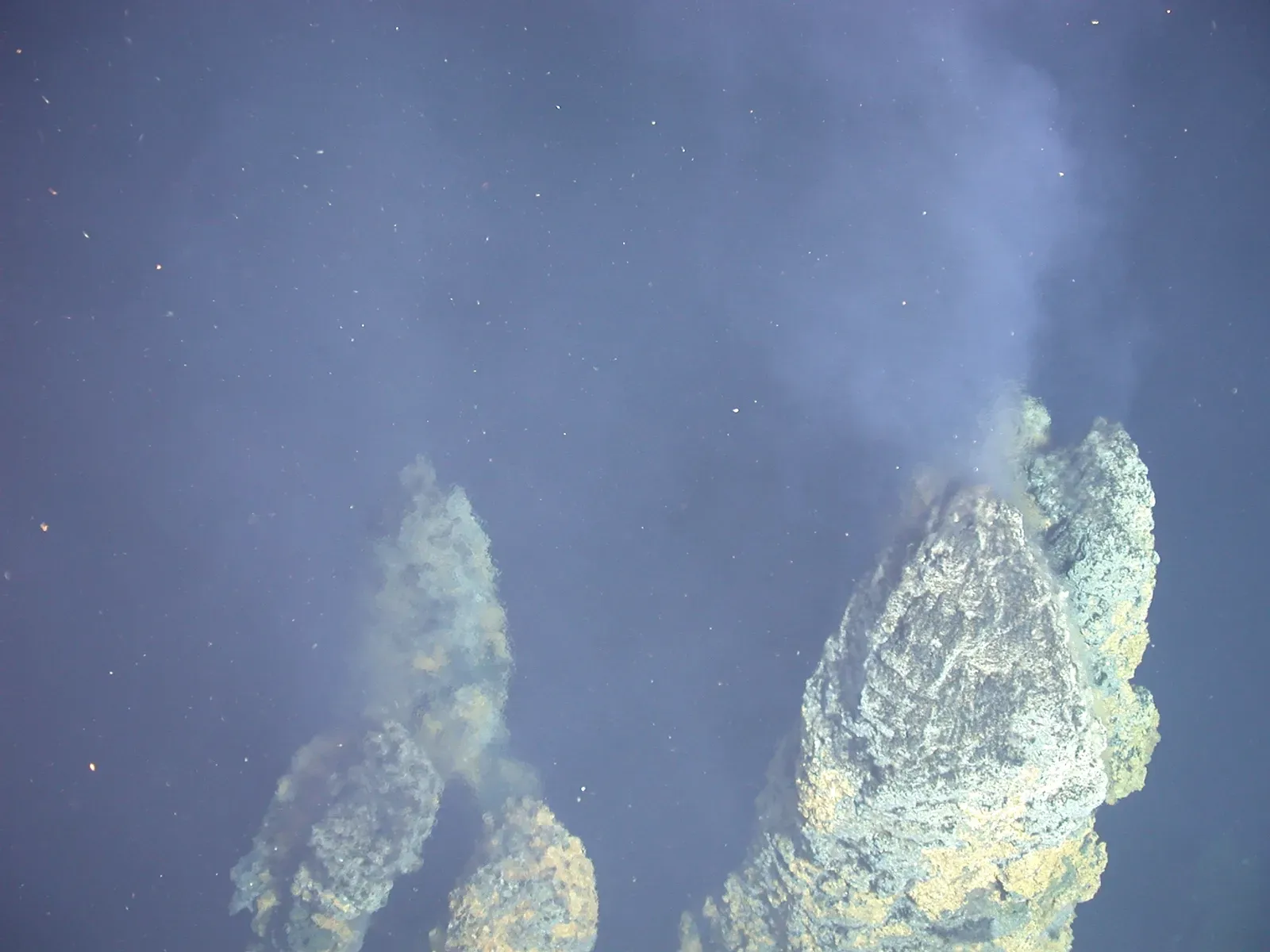
On land and in shallow seas, you are used to a simple rule: plants capture sunlight, and everything else ultimately feeds on that stored solar energy. But in the dark depths, there are no photosynthetic plants or algae. Instead, entire ecosystems are powered by a process called chemosynthesis, where microbes use chemical reactions – often involving hydrogen sulfide, methane, or hydrogen – to build organic matter without any light at all.
If you stand (in your mind) beside a deep‑sea hydrothermal vent, you would not see green leaves soaking up sunshine. Instead, you would see mats of bacteria and archaea coating rocks, living inside tube worms, clams, and other animals, acting as internal “chemical solar panels.” These microbes harvest energy from reactions between seawater and minerals from Earth’s crust, and they become the base of a food web that never once taps into sunlight. In that sense, these communities really do operate on a completely independent energy system from the rest of the biosphere you usually think about.
Creatures That Evolved in Eternal Darkness
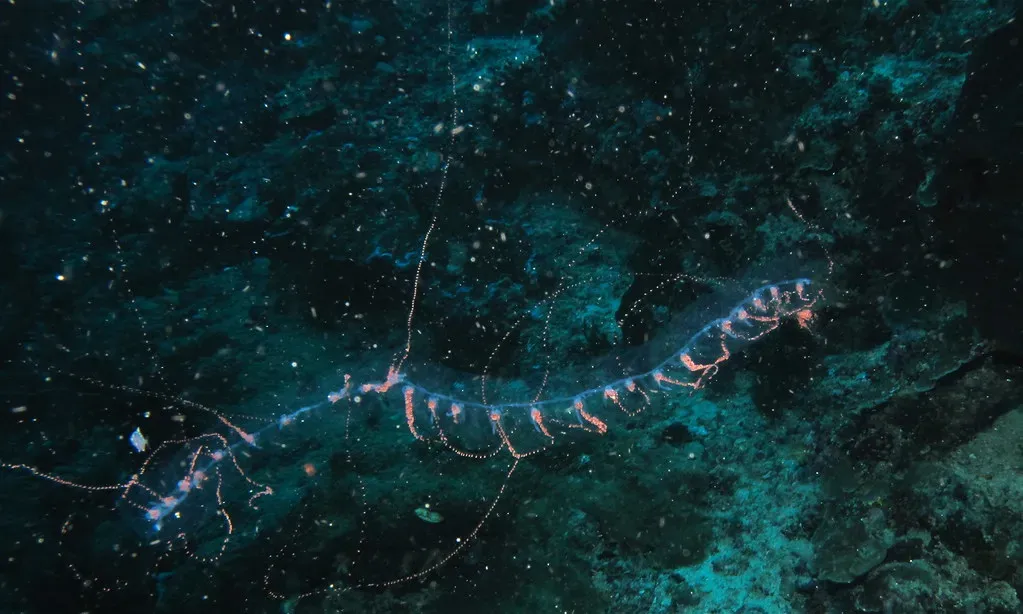
When you imagine evolution, you might picture eyes getting sharper, colors becoming brighter, or feathers and fur adapting to changing climates. In the deepest ocean, evolution has followed a radically different script. Many animals there have tiny, reduced, or even absent eyes because vision is useless in absolute darkness, while other senses – like detecting vibrations, chemicals, or pressure changes – are highly refined and take over as the main way to navigate and hunt.
You also find bodies that look bizarre compared with familiar fish or crustaceans. Some deep‑sea creatures have soft, gelatinous forms that help them cope with extreme pressure; others evolve slow metabolisms to survive on scarce food; still others carry living bacterial partners inside their tissues, essentially farming their own food. Over countless generations, these lineages have adapted to conditions that never change much: always dark, always cold, always crushing. Their evolutionary path is tuned to a world with no daily or seasonal light cycles at all.
Biochemical Systems That Do Not Depend on Light‑Driven Cycles
Because life in the deep does not see the sun, its inner clocks and chemistry work differently from what you are used to at the surface. Many animals closer to the sun live by circadian rhythms – roughly daily cycles synchronized with daylight and darkness. Deep‑sea organisms, by contrast, often show rhythms tied to food pulses, deep internal tides, or other subtle environmental cues rather than to light, because there is no sunrise or sunset to follow.
On the metabolic level, their cells are optimized for low temperatures, enormous pressures, and a constant scarcity of easy energy. Enzymes that would fall apart under surface conditions remain stable and flexible for them; membranes that would seem oddly fluid at high pressure make perfect sense in their world. And instead of running on sugar produced by photosynthesis, many of these communities rely on energy packaged in chemical bonds coming from inside the planet. You are looking at biological systems whose basic assumptions – what energy is, when to be active, how to build tissues – are detached from the sun‑driven patterns that dominate life at the top of the ocean.
Why Some Deep‑Sea Lineages Are Almost Like a Separate Biosphere
There is a big caveat you should keep in mind: all life on Earth, as far as science can tell today, shares a common origin. The microbes and animals in the deepest ocean ultimately descend from the same ancestral life that gave rise to trees, insects, and you. So when you hear that deep‑sea creatures evolved “independently,” it does not mean they came from a totally separate genesis of life, like a parallel creation event hidden in the abyss.
What it does mean is that, once certain lineages colonized those deep layers, their evolution became shaped by a very different set of rules and constraints than life at the surface. Over hundreds of millions of years, that separation has been so strict and so stable that some communities – especially those at long‑lived hydrothermal vents or cold seeps – function almost like a semi‑independent biosphere. Their food webs, energy sources, and daily routines are mostly disconnected from sunlight‑driven systems. In practical terms, if you want to understand how life might look on a sunless ocean world elsewhere in the universe, you study these deep‑sea ecosystems first.
How Scientists Explore a Place You Will Never See Yourself
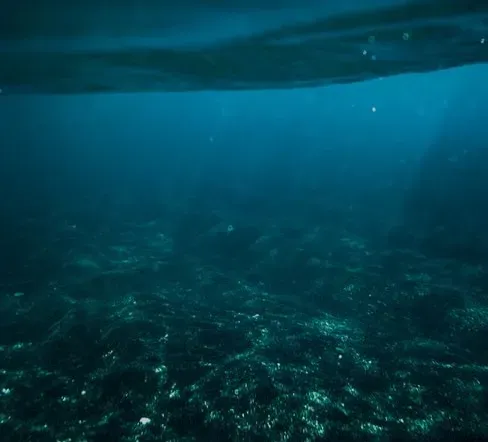
You will almost certainly never visit the deepest ocean in person, but you can still appreciate how hard it is to study. Sending a submersible or robotic vehicle down several miles is like trying to land a small spacecraft on another planet: the pressure is immense, communication is slow, and every move is expensive. Yet over the last few decades, engineers and scientists have built tools that can map the seafloor in high resolution, grab samples, record video in total darkness, and measure everything from temperature and chemistry to genetics.
When samples come back to the surface, researchers have to race the clock because deep‑sea organisms often fall apart or die quickly when removed from their high‑pressure home. Newer technologies try to keep them at close to their natural pressure and temperature from the bottom to the lab, so their biology can be studied more accurately. Each successful expedition reveals new species, new chemical pathways, and sometimes entire new types of ecosystems you did not know existed the year before. The picture you have of the deep is still blurry, but it is getting sharper every decade.
What This Hidden Layer of the Ocean Means for You and for Life Beyond Earth
It might be tempting to treat the deepest ocean as a distant curiosity that has nothing to do with your daily life, but that is not really true. These dark ecosystems influence global cycles of carbon, nutrients, and even climate in subtle but important ways. When organic material sinks from the surface, deep‑sea communities help decide how long that carbon stays locked away in the ocean versus making its way back into the atmosphere.
On a more philosophical level, the fact that complex, thriving ecosystems can exist in a place where sunlight never reaches has completely reshaped how you think about life in the universe. If Earth can support independent, chemically powered communities in permanent darkness, then icy moons with hidden oceans or planets orbiting far from their stars start to look much more promising. The deep ocean becomes a kind of living laboratory, quietly teaching you that life does not need a blue sky to flourish.
Conclusion: An Alien World Hiding Beneath the Waves
When you pull all of this together, you start to see the deep ocean less as the bottom of the same world and more as a neighboring realm glued onto the one you know. Above, life chases the sun; below, life follows chemistry and pressure. The layer of the ocean that has never seen sunlight is not empty or dead – it is crowded with organisms that have spent countless generations perfecting the art of surviving in a place the rest of Earth’s biology barely touches.
Thinking about those lightless trenches forces you to loosen your assumptions about what life needs and how it should look. It reminds you that even on your own planet, there are still frontiers that feel as far away and mysterious as distant worlds. The next time you stand at the shore and watch waves roll in, will you picture only the glittering surface, or will you also imagine that hidden empire of darkness far below, evolving on its own terms all along?