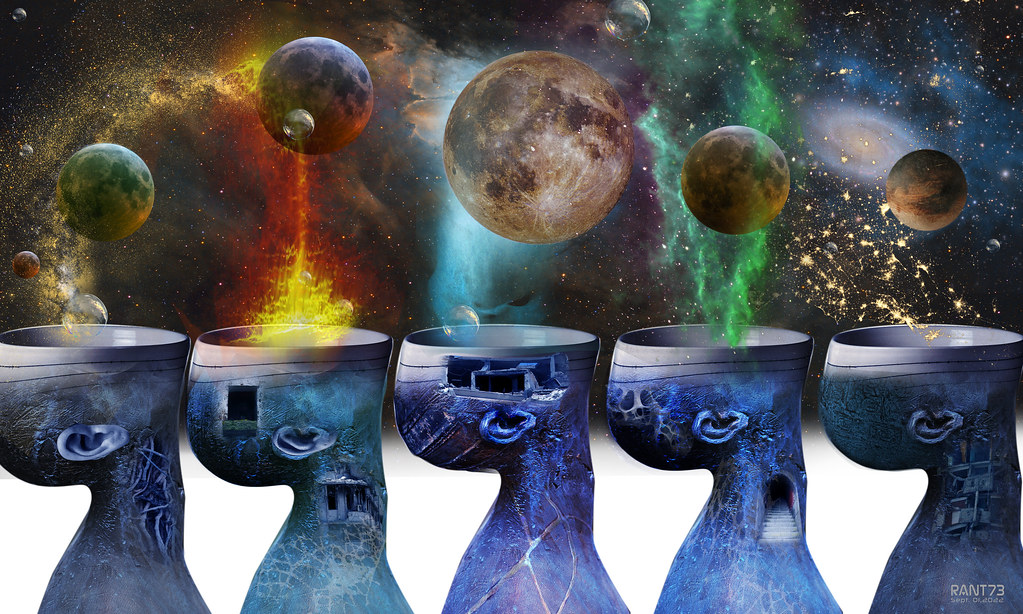

Time is supposed to be steady and predictable, ticking along one second after another like a metronome. Yet for people who come terrifyingly close to dying, that steady tick can suddenly warp into something else entirely: a long, sprawling lifetime in the span of a few real-world seconds, or a bizarre sense that everything has frozen into crystal-clear slow motion. If you have ever heard someone say their “whole life flashed before their eyes,” you might have wondered whether that was just a dramatic figure of speech. It turns out, for many people, it feels shockingly real.
Near-death experiences sit at this uncanny intersection between hard science and deeply personal, emotional stories. On one side, we have EEGs, brain scans, and carefully designed studies trying to map what happens in those final moments. On the other, we have raw human accounts of drifting outside the body, seeing a bright light down a tunnel, or spending what felt like hours in another realm before waking up in a hospital bed a minute later. The way time behaves in these stories is not just weird; it challenges our basic assumptions about what a “moment” even is.
The Life-Review Phenomenon: A Lifetime in Seconds

One of the most striking reports from people who almost die is the so‑called life review, where they vividly re-experience scenes from their past in what feels like an impossibly short time. They do not usually describe this as a fuzzy slideshow, but as something rich and immersive, with emotional detail and a powerful sense of meaning. Imagine rewinding through childhood birthdays, painful arguments, tiny forgotten kindnesses, and random Tuesday afternoons you thought you had lost forever, all at once. The way many people describe it, they are not just remembering these events; they feel as if they are briefly reliving them.
From a scientific angle, the idea that decades of memories could rush into consciousness in a few seconds is strange but not completely implausible. The brain does not store memories like videos on a hard drive that must play back in real time; it works more like a massive, loosely organized web that can light up in many places almost simultaneously. When survival is threatened, stress hormones and surges in brain activity might unlock a flood of associations and autobiographical scenes in parallel, giving the subjective impression of an entire lifetime unfolding in a tiny sliver of clock time. It feels long because the brain is processing an enormous amount of information, not because the hospital clock has actually slowed down.
Slow Motion in Moments of Impact

Another classic time distortion during near-death events is the slow-motion effect, particularly in accidents and falls. People describe the car spinning on the highway or their body tumbling off a ladder as if it were happening frame by frame. Tiny details suddenly stand out: the pattern on the dashboard, the look in a stranger’s eyes, the smell of gasoline or dust. There is often a strange calm in these recollections, as if the mind steps out of panic mode and into some intense, hyper-focused state where every micro-moment is stretched out and examined.
Psychologists think this intense focus is a protective feature rather than evidence that the physical world is literally slowing down. In dangerous situations, the brain can crank up arousal and attention, taking in more sensory snapshots per unit of time. Later, when people remember the event, they are recalling a dense stack of impressions, which makes it feel like more time must have passed. It is a bit like shooting video at a very high frame rate and then playing it back at normal speed: the outside world did not slow, but your recording has far more “frames,” so the replay seems longer and more detailed than usual. During a near-death moment, your mind, in a way, may be filming in extreme slow motion.
When Time Completely Disappears

As dramatic as slow motion and life reviews sound, some people report the opposite: time simply vanishes. There is no sense of seconds or minutes, before or after; it is more like a timeless now. This can show up as feeling suspended in a peaceful darkness, floating outside the body, or being in a place that feels beyond normal space and time. When they try to describe it afterward, they often struggle, because our everyday language is built on past, present, and future. How do you explain an experience where those categories just did not apply?
Interestingly, this sense of timelessness is not unique to near-death experiences; it also appears in deep meditation, certain psychedelic states, and moments of intense spiritual or emotional awe. Neuroscience studies suggest that specific brain networks involved in tracking time and maintaining a sense of self can quiet down or fall out of sync under extreme conditions. When these internal timing systems lose their normal rhythm, we are left without the usual markers that help us say, “this came before that.” In a near-death state, that can translate into the eerie feeling that everything important is happening at once, or that there is no need for time at all.
What the Brain Is Doing at the Edge of Death
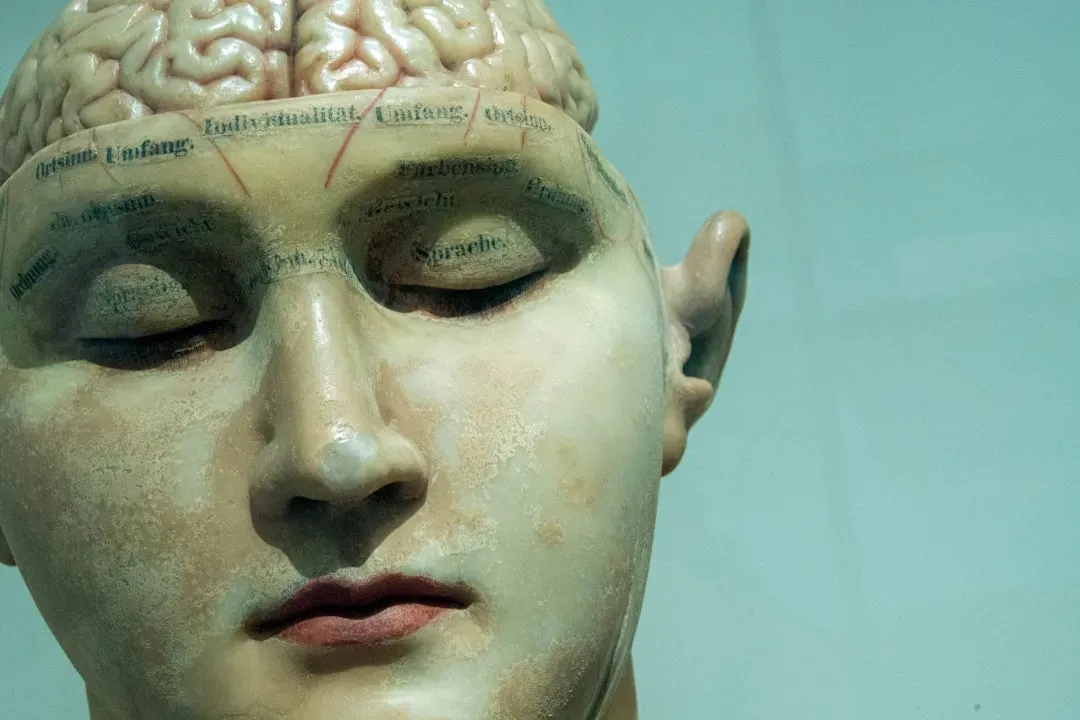
For a long time, many people assumed the brain simply faded out as the body shut down, like a light slowly dimming. Research over the past decade has painted a very different picture. In some animal studies and limited human data, brain activity can briefly spike after the heart has stopped, producing complex patterns that look more like a storm than a fade-out. Instead of a gentle shutting down, certain regions appear to flare with coordinated bursts of activity, at least for a short window. That intense, last-chance burst may be part of what fuels vivid experiences of time distortion, life review, and altered consciousness.
At the same time, reduced blood flow and oxygen deprivation push the brain toward a vulnerable, unstable state. Networks that usually cooperate smoothly can become disorganized, with sensory, memory, and emotional circuits firing in unusual ways. Under those conditions, normal time perception is almost guaranteed to break down. It is a bit like a city in a blackout where some neighborhoods suddenly turn all their lights on at once, others go dark, and traffic lights misfire. The city still exists, but the rules of normal movement and timing are completely scrambled. Near-death experiences may reflect the mind’s attempt to stitch together some kind of coherent story from that rapidly changing chaos.
Culture, Belief, and the Stories We Tell About Time
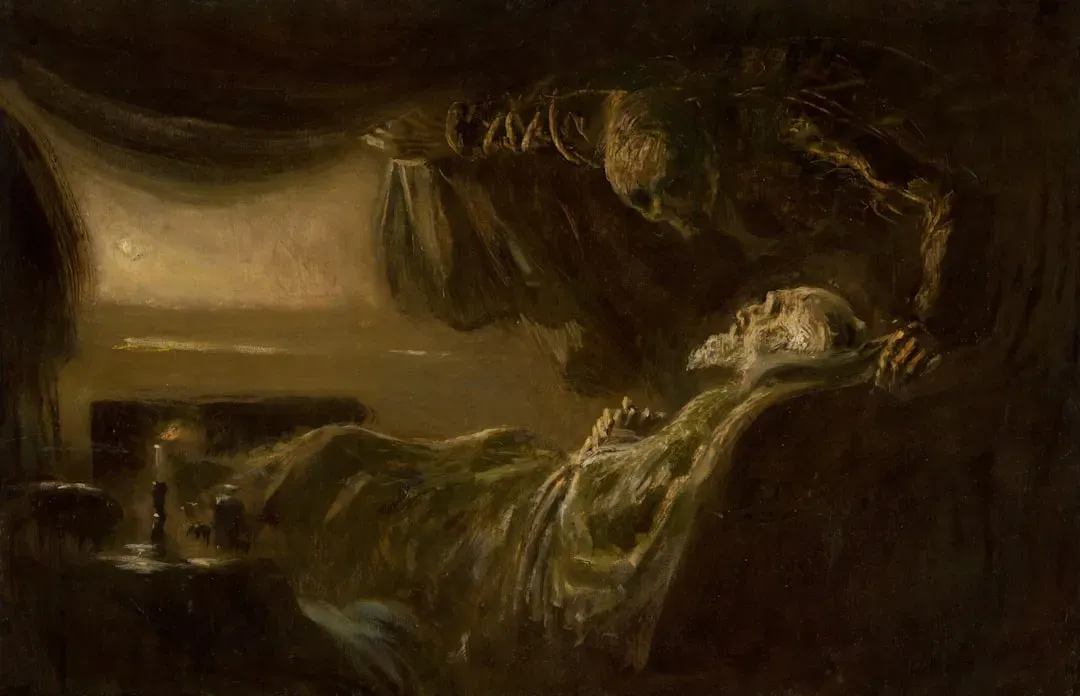
It is impossible to talk about near-death time without acknowledging how much culture and personal belief shape what people report. While the raw sensations of slow motion, timelessness, or rapid life review might have shared biological roots, how someone interprets that experience can differ dramatically. A person raised with strong religious imagery might describe a tunnel of light and a sense of judgment or welcome, while someone more secular might frame the same feelings as their brain rapidly organizing memories and emotions one last time. The timeline feels strange in both cases, but the meaning they attach to it is filtered through their worldview.
Memories themselves are not simple recordings; they are stories we keep updating. After a near-death event, people often talk with family, friends, or faith communities, and those conversations can polish the narrative into something clearer and more dramatic. That does not mean they are lying, just that human memory is always part fact, part reconstruction. The emotional weight of nearly dying adds extra fuel to that process. Over time, the experience of time may shift a little in retelling, becoming more structured and easier to explain, even if the original moment felt confusing and raw.
Are Near-Death Time Experiences “Real” or Just Illusions?

Whenever this topic comes up, the same question sits quietly in the background: are people glimpsing something beyond physical life, or are these experiences nothing more than brain-generated illusions? From a strict scientific standpoint, all the evidence we currently have points to near-death time distortions arising from activity in a struggling brain rather than proof of an external, objective realm. The fact that similar time-warping can be triggered by drugs, trauma, and other altered states suggests that these experiences are closely tied to how the brain processes information under stress, not to some separate dimension.
But calling something an illusion can be misleading, because it sounds like “fake” or “meaningless,” and that is not how it feels for the people who go through it. Subjective experience is still real experience, even if it is generated internally. Many survivors of cardiac arrest or severe accidents come back deeply changed, with different priorities, less fear of death, and a stronger sense of connection to others. Whether their slow-motion car crash or their timeless light-filled space maps onto an external reality might be an open question, but the impact on their lives is very tangible. In that sense, the altered experience of time near death is both a neurological event and a psychological turning point.
Why These Stories Matter for the Rest of Us

It is easy to treat near-death time stories as oddities, like spooky campfire tales you listen to and then quickly forget. Yet they quietly raise big questions about everyday life: if your brain can stretch a few seconds into what feels like an eternity, how solid is your normal sense of an hour or a day? If under pressure your mind can replay your past in a single moment, what else is it doing with time that you do not usually notice? Personally, I find it strangely comforting to think that our inner experience of time is flexible rather than rigid, more like a rubber band than a steel ruler.
Listening to these accounts also forces us to take seriously the emotional reality of people who have brushed up against death. Even if you lean heavily on the scientific explanations, you cannot ignore the fact that these time-warped moments often become pivot points in a person’s story. They choose different careers, mend broken relationships, or simply start paying attention in a way they never did before. Maybe we do not have to almost die to borrow a bit of that urgency. If time can feel longer, sharper, and more meaningful at the edge of life, perhaps the real challenge is figuring out how to invite even a little of that intensity into an ordinary Tuesday.
Conclusion: Time at the Edge of Life, and What It Says About Living

When you pull all of this together, looks less like a single mystery and more like several overlapping ones. On the surface, there is the raw question of mechanism: a brain under siege flooding itself with memories, sharpening perception, or dropping its usual sense of before and after. Underneath that, though, there is something more personal and uncomfortable: the realization that what we take as normal, linear time is already a mental construction, one that can bend dramatically when everything is on the line. In my view, that makes these accounts worth taking seriously, not as proof of another world, but as a spotlight on how weird our ordinary consciousness already is.
I think the most honest position right now is a humble, opinionated middle ground: near-death time distortions are almost certainly rooted in brain processes, but that does not strip them of depth, value, or existential punch. They remind us that a few seconds can matter more than whole years, that memory and meaning can erupt all at once, and that our lives can pivot on a moment we barely survive. You do not have to believe in tunnels of light to let that sink in. The real question is what you choose to do with the time you have, knowing it might feel very different at the end than it does right now; how does that change the way you live today?