You probably don’t think of stones when you picture Kiribati. You picture turquoise lagoons, coconut palms, and reef-fringed horizons, not weathered slabs of coral laid out in careful patterns. But if you look closer, tucked among the pandanus trees and village paths, you start to notice something older and quieter: raised platforms, aligned boulders, and solitary markers that refuse to explain themselves. Once you begin to see these stones, you can’t unsee them. They pull you into questions that reach far beyond holiday postcards: Who put them here, and why? How did people on low coral atolls with almost no rock to spare decide that some stones deserved this much effort, this much care, this much story?
When Stone Speaks on a Coral Atoll
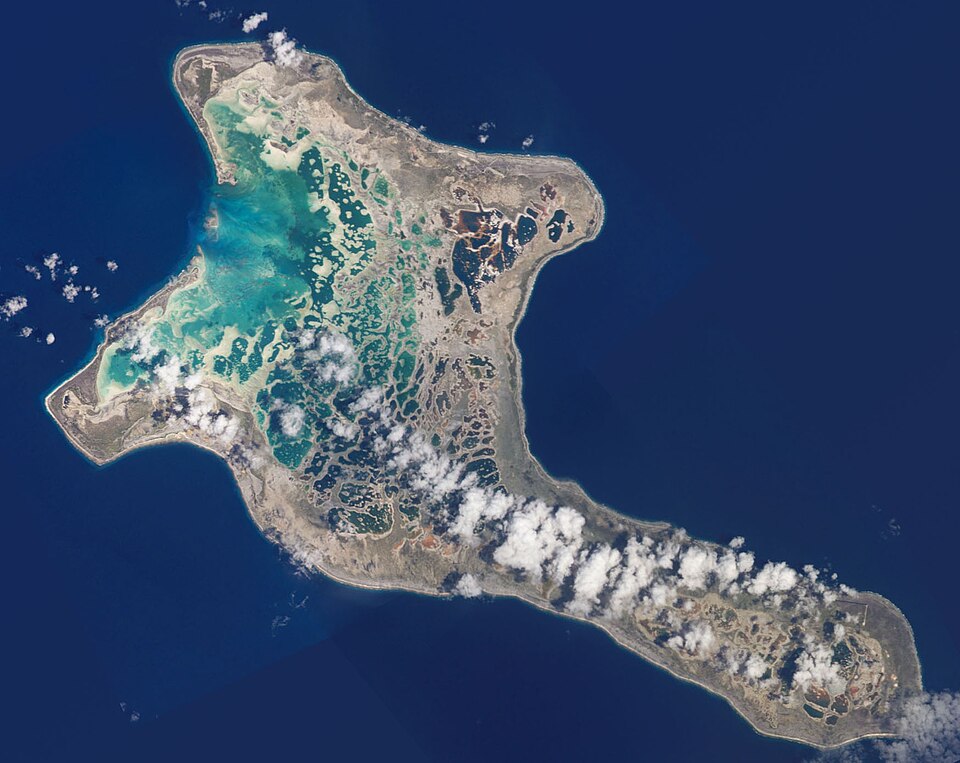
You live in a world where stone usually means permanence: cathedrals, castles, mountain cliffs that outlast lifetimes. In Kiribati, the contrast is sharper, because most of what you see every day is fragile and shifting. Sand moves, palms fall, seawalls crumble, and the horizon seems to creep closer each year as the ocean rises. Against that backdrop, a line of coral blocks, still holding their place after generations, feels almost defiant. You’re not just looking at rocks; you’re looking at someone’s decision to anchor memory in the most enduring material they had.
That choice hits you differently when you stand on an atoll and realize how little solid ground there is to work with. Coral slabs had to be pried from the reef, dragged, lifted, and set in place with patience and coordination that would test any small community. When you see a paved stone pathway cutting through scrub, or a raised platform poised just above the high-tide mark, you’re seeing an old conversation between people and their island. The stones say, in their own quiet way, that someone wanted order, ceremony, and remembrance to resist the waves and the wind a little longer than sand alone could manage.
The Ancient Platforms of Kuria: Everyday Life Raised on Stone
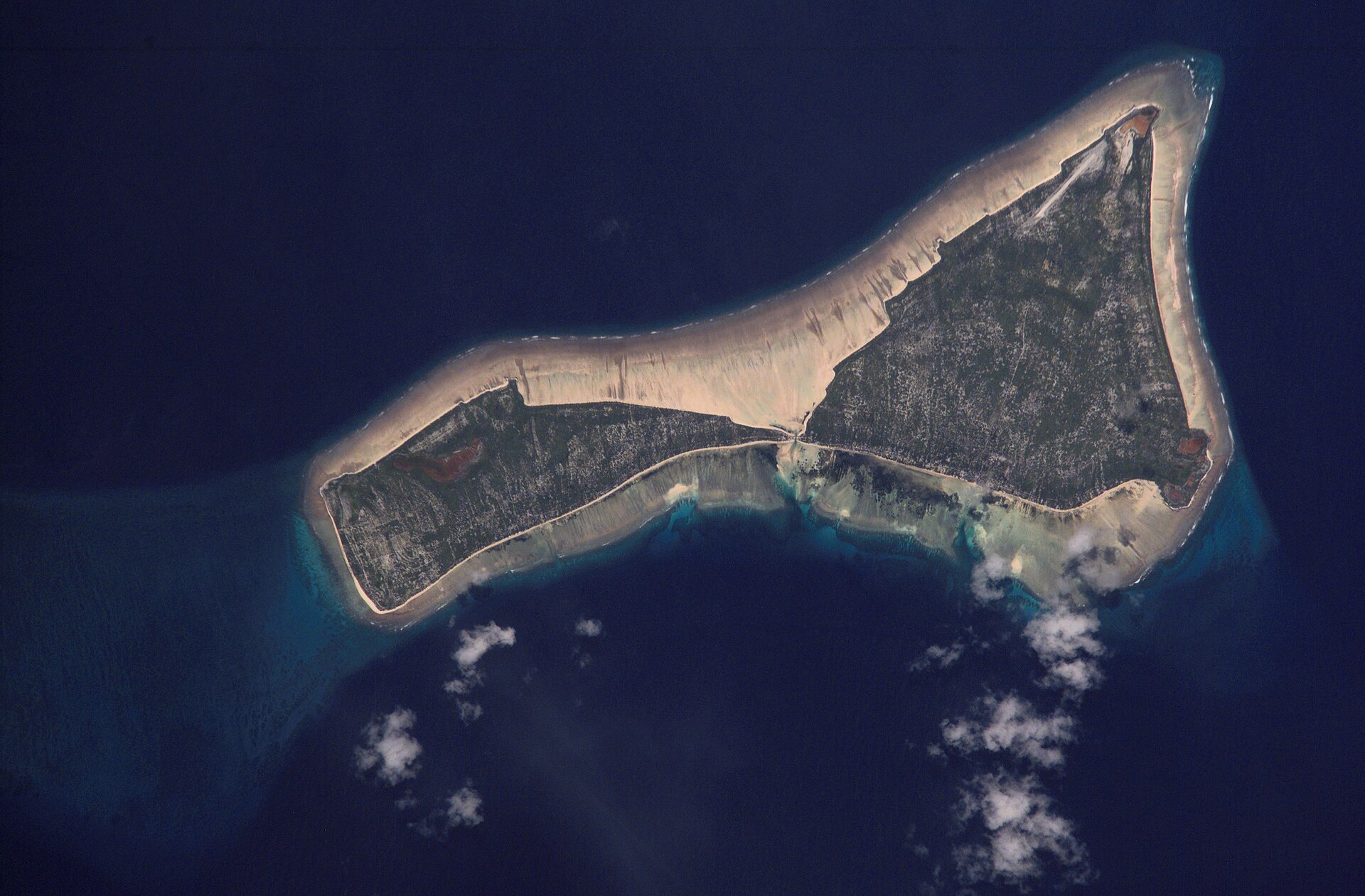
If you find yourself on Kuria, one of the smaller islands in the Gilbert group, you might first notice how ordinary the ancient stone structures look from a distance. They’re not towering monuments; they’re low coral platforms, rough-edged and sun-bleached, half-swallowed by grass and shrubs. But step closer and you see the intention. Slabs are laid tightly together, corners squared off as neatly as the material allows, and edges align in ways that tell you someone was thinking not just about function, but about symmetry and space. It feels less like a ruin and more like a house whose occupants have just stepped away.
Local accounts describe coral-stone platforms, pathways, and boundary lines that once framed whole neighborhoods, meeting spots, or ceremonial areas. You can trace the ghost of a village through the stones: where people slept, gathered, argued, and celebrated. The structures are often set to catch breezes and face the sea or the lagoon, which suggests you’re looking at more than arbitrary placement. You get the sense that stone here did double duty. It lifted people above damp sand and floodwater, and at the same time it drew invisible lines of status, kinship, and obligation. When you walk these old layouts, you’re effectively walking through somebody’s social map from centuries ago.
Arorae’s Mysterious Navigation Stones: Roads on an Empty Ocean
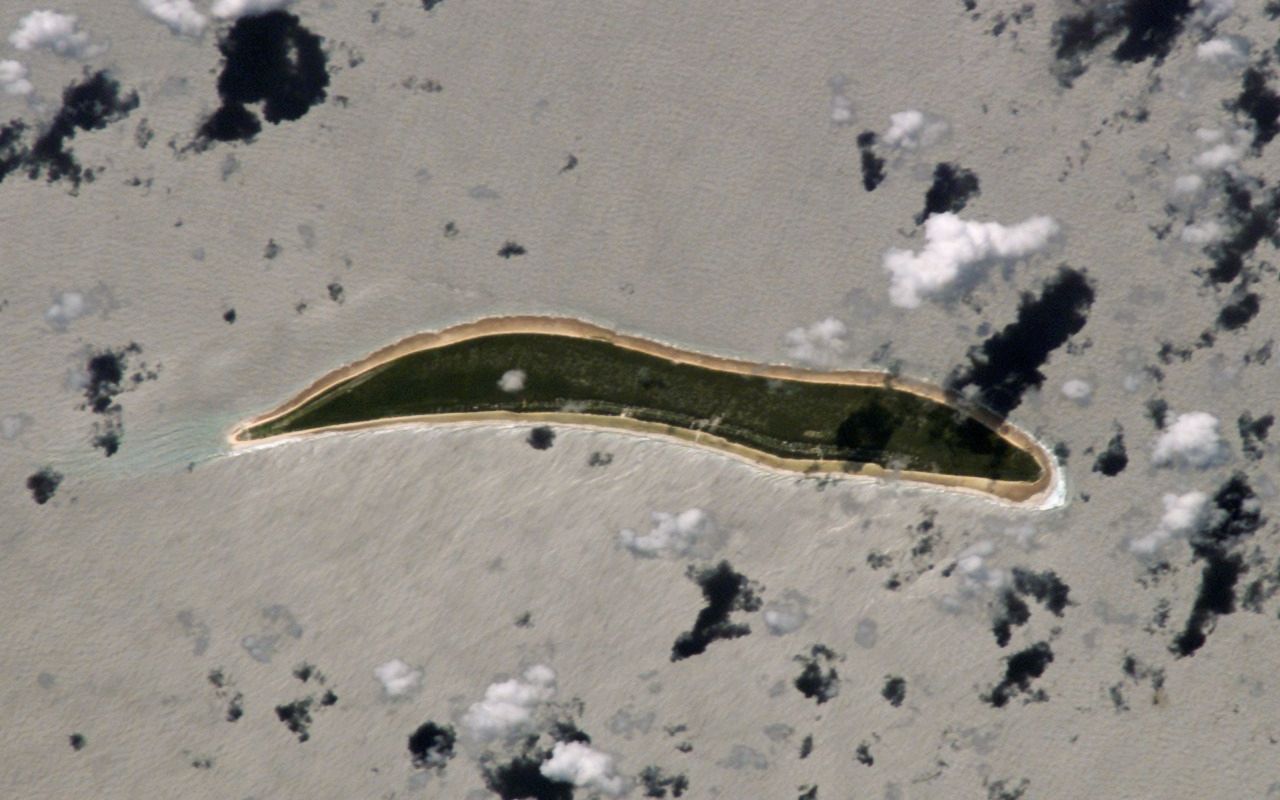
Travel far to the south, and Arorae Island pulls you into a different kind of puzzle. Here you’re told about large stones used as markers, sometimes linked in local stories to directions and “roads” that stretch across the sea. One stone, standing alone with no other land in sight for a staggering distance, is said to point toward distant islands that lie hundreds and hundreds of kilometers away. You stand in front of it and try to imagine setting sail from such a place, trusting more in winds, stars, and memory than in anything you can see with your eyes.
Some legends around Arorae’s stones are starkly moral as well as mysterious. You may hear stories that one stone marked a kind of prison or punishment place for people who broke local laws, a silent witness to justice in a community where formal courts did not exist. Other tales say the stones have simply “always been there,” sidestepping the question of origins altogether. To you, that kind of answer is both frustrating and revealing. It shows you how, once a stone has been woven long enough into oral tradition, its human builders fade away and the rock becomes part of the landscape of myth itself, pointing not just to other islands, but to the way a seafaring society imagined order in a trackless ocean.
McKean, Malden, and the Silent Temples of the Outer Islands
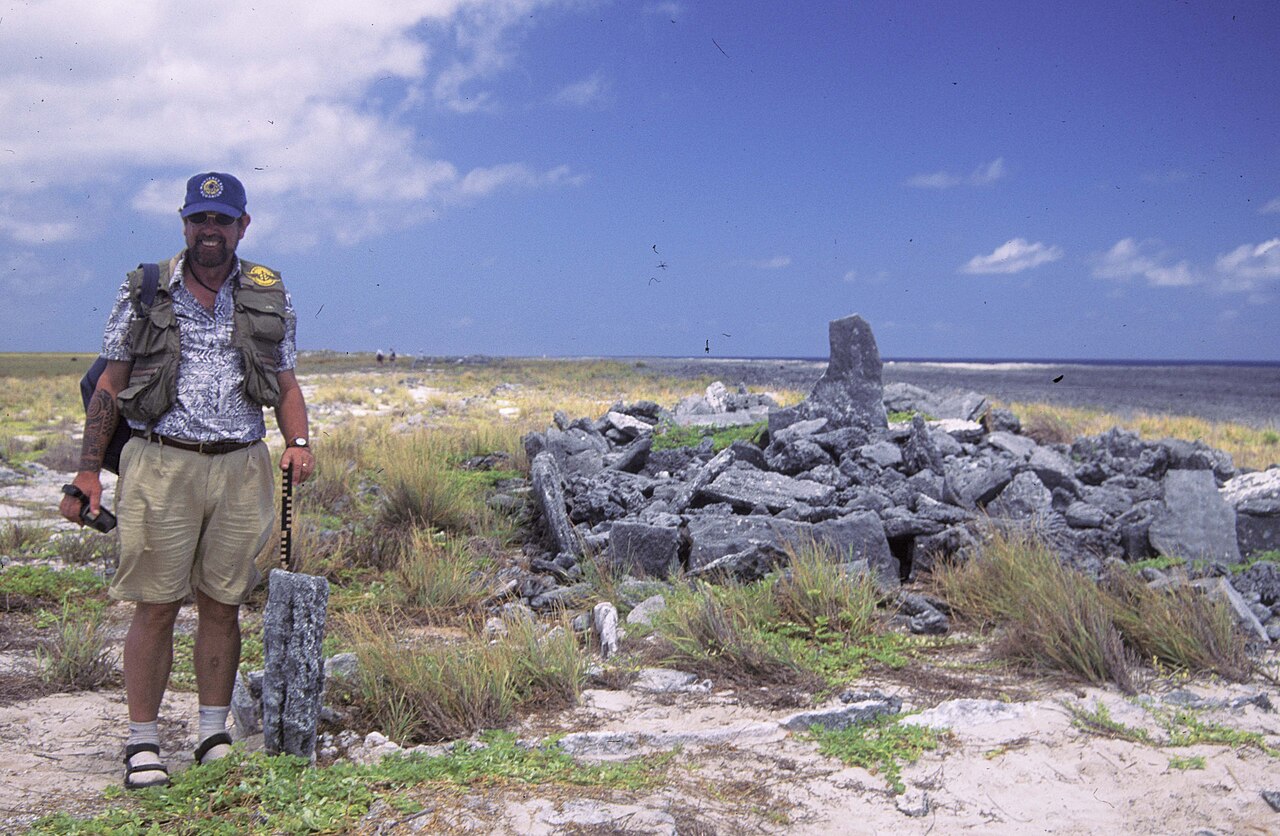
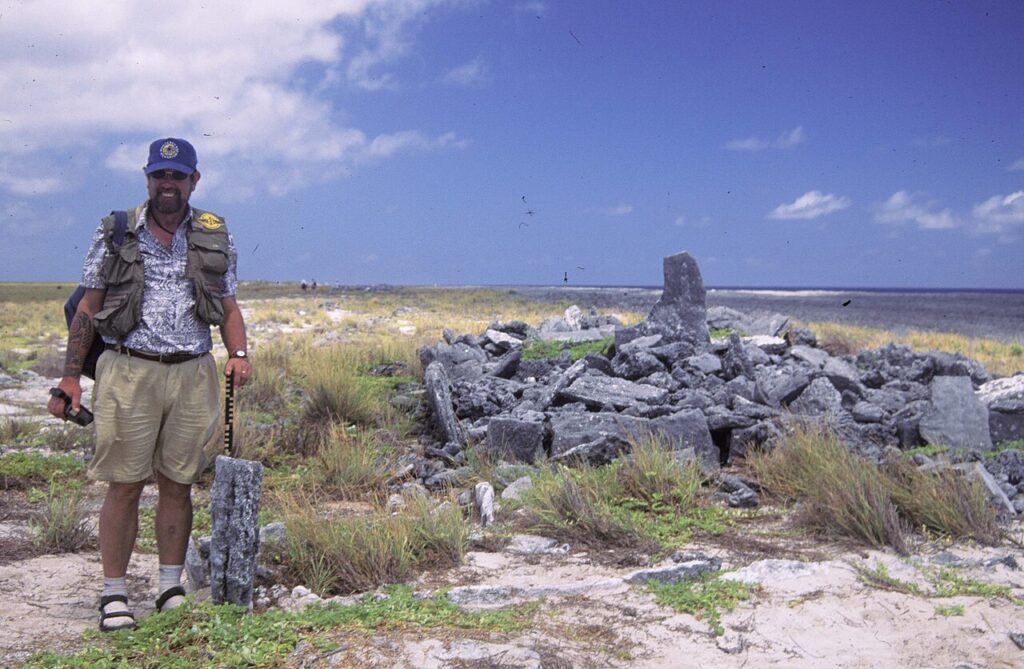
When you move beyond the inhabited atolls to places like McKean and Malden in the Phoenix and Line Islands, the stones start to feel even more enigmatic. These islands are uninhabited now, yet archaeologists have mapped stone platforms and alignments that show deliberate planning. On Malden, surveys have identified numerous coral and basalt platforms arranged like open courtyards or raised terraces, the kind of ground you’d expect around ritual or communal events rather than casual camping spots. Nobody lives there today, but the layout hints that the island once meant far more than a convenient rest stop.
On McKean, too, you see the same insistence on working stone into usable, organized space despite the harsh, dry conditions. Scholars interpret many of these structures as ritual sites or temple-like marae, a pattern that links Kiribati’s stones to a wider Polynesian and Micronesian tradition of sacred platforms. For you, the takeaway is simple but powerful: even in places that people ultimately abandoned, they left behind carefully shaped stone as a kind of calling card. The message seems to be that certain locations in the middle of the Pacific were once nodes in a much larger web of voyaging, ceremony, and cosmology that scholars are still piecing together from weathered blocks and satellite images.
Stones, Maneaba, and the Architecture of Community
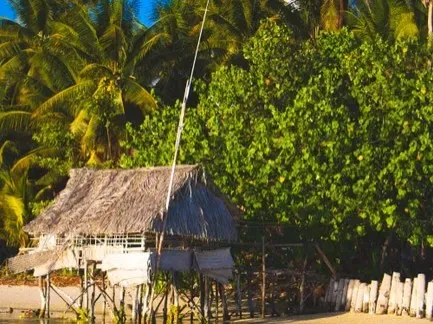
To really understand why stone matters in Kiribati, you have to think about the maneaba, the great meeting house that sits at the heart of many communities. Traditionally, a maneaba is an imposing structure supported by hefty slabs of coral, with a soaring roof of coconut wood tied together by coconut fiber and thatched with pandanus leaves. You sit on its cool floor and feel how the building organizes everything: who sits where, who speaks, how disputes are resolved, and how stories are passed on. The coral stones at its base are not decorative details; they’re the literal and symbolic foundations of shared life.
Even the national parliament building is called the Maneaba ni Maungatabu, the maneaba of the sacred mountain, intentionally echoing that traditional form. When you realize that, you start to see a continuity between scattered stone platforms on remote islets and the highest level of modern political life in Kiribati. Stone supports roof, roof shelters people, people create and renew law and memory. In that sense, every ancient coral slab you see in a village or on a windswept shore is part of a bigger architectural language: one where stone is the quiet grammar that keeps community sentences from falling apart.
Stones Under Threat: Rising Seas and Fading Stories
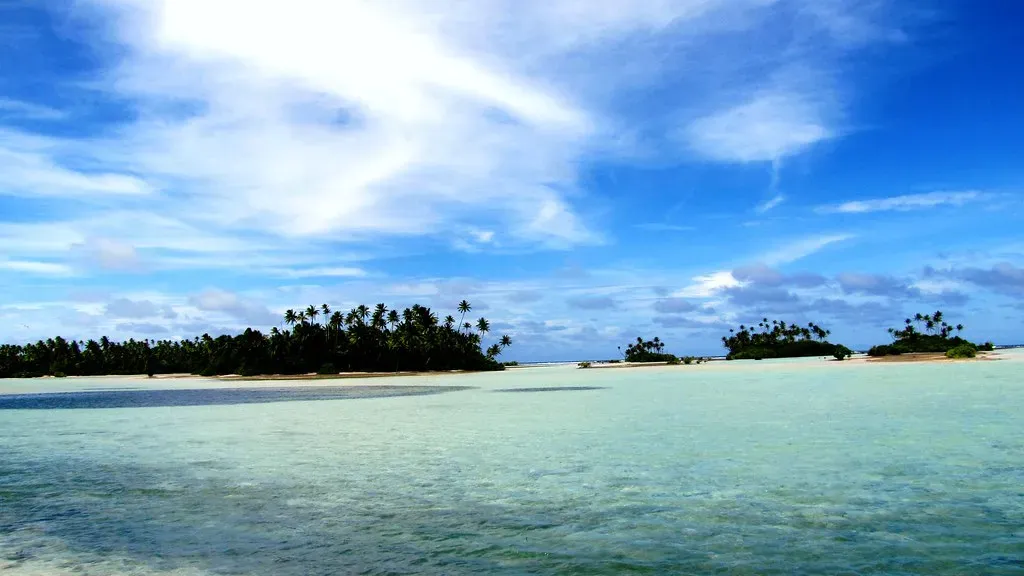
As you think about these stones today, you can’t ignore the uncomfortable truth that many of them stand on the front line of climate change. Coral atolls sit only a few meters above sea level, and increasing storm surges, erosion, and saltwater intrusion are already reshaping shores where ancient structures lie. You might find a platform that once sat safely above the tide now half-collapsing into the surf, or boundary stones that used to mark fields now sitting at the edge of a brackish pond. In a very real way, the ocean is tugging at the same stones people once placed to resist it.
At the same time, oral traditions that give these places meaning can be just as vulnerable as the reef. Younger generations move to urban centers or overseas, elders pass away, and stories that once attached specific names and events to particular stones can dissolve into generalized legend. That’s why documentation, mapping, and community-led storytelling projects across Kiribati matter so much. When you read about researchers carefully recording stone layouts on uninhabited islands, or you hear local guides explaining the reputations of certain boulders, you’re witnessing a race against both tide and time. Without that effort, the stones risk becoming anonymous rubble long before the sea ever reaches them.
Conclusion: Listening to the Quietest Monuments in the Pacific
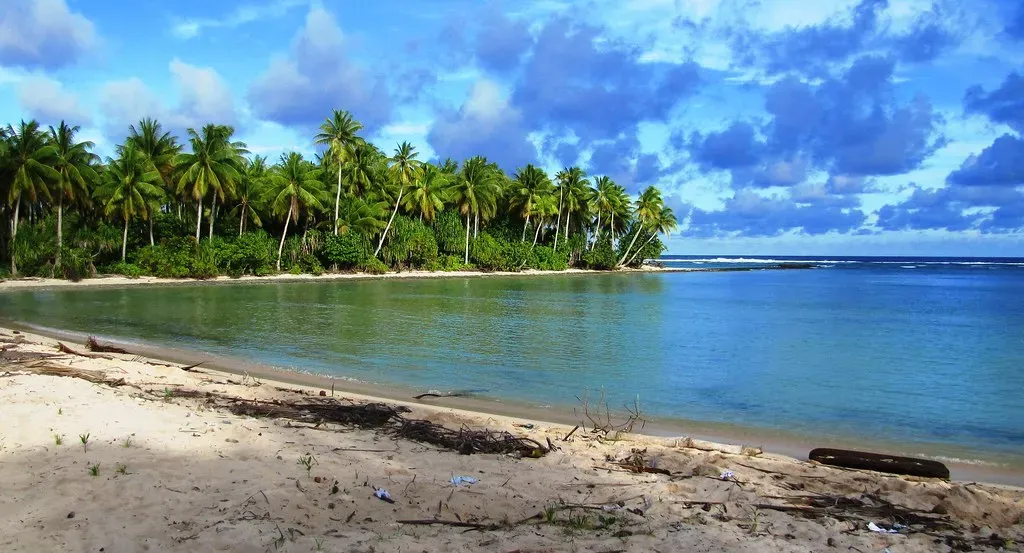
When you pull all of this together, the stones of Kiribati stop being background scenery and start to feel like characters in their own right. They mark ancient house sites and communal spaces on Kuria, point in impossible directions across the ocean from Arorae, and sit in solemn ranks on emptied islands like McKean and Malden. They underlie the great maneaba halls where communities still gather, and they echo the logic of myths where trees, gods, and horizons all blur into a single story about belonging. You realize that in a nation built on coral sand, stone is where people have always gone when they wanted something to last longer than any single human breath.
If you pay attention, these stones ask you hard questions about your own relationship with place and memory. What would you bother to haul out of the sea and shape if everything else around you could wash away? Which stories would you inscribe into the landscape, not with writing, but with the slow arrangement of heavy blocks in salt and sun? Next time you see a photograph of Kiribati and your eyes go straight to the bright lagoon, try letting them linger on the pale, unassuming rocks in the foreground. Those might just be the clearest voices the past has left for you. What will you hear when you finally stop and listen?