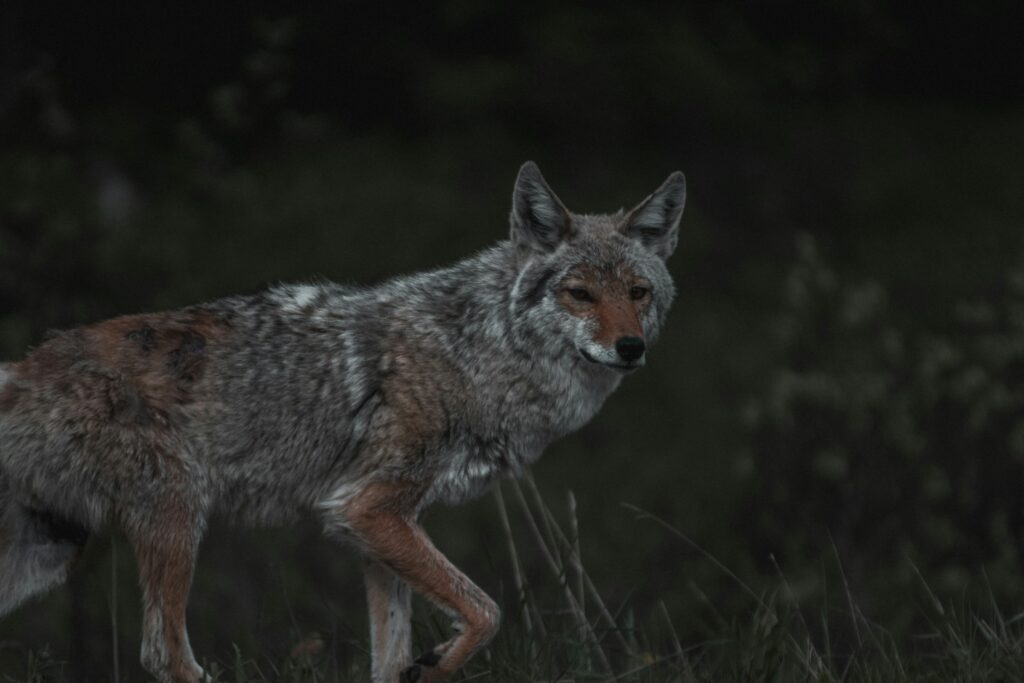

You have probably heard it at least once: a long, rising howl drifting across the dark, making the hair on your arms stand up even if you are safe inside. In that moment, it almost feels like the coyotes are calling to something above you, as if they are talking to the night itself. Your brain jumps straight to legends, omens, and ghost stories, even if you know there is a more down‑to‑earth reason behind the sound. When you look a little closer at what science knows about coyotes, you discover that the truth is stranger and, in its own way, even spookier than the myths. You are not just listening to a random wild animal noise; you are eavesdropping on a complex social conversation, broadcast into the sky because that is simply the best way to get the message out. Once you understand what you are hearing, every midnight howl feels less like background noise and more like decoding a secret language.
The Myth of Coyotes Singing to the Moon
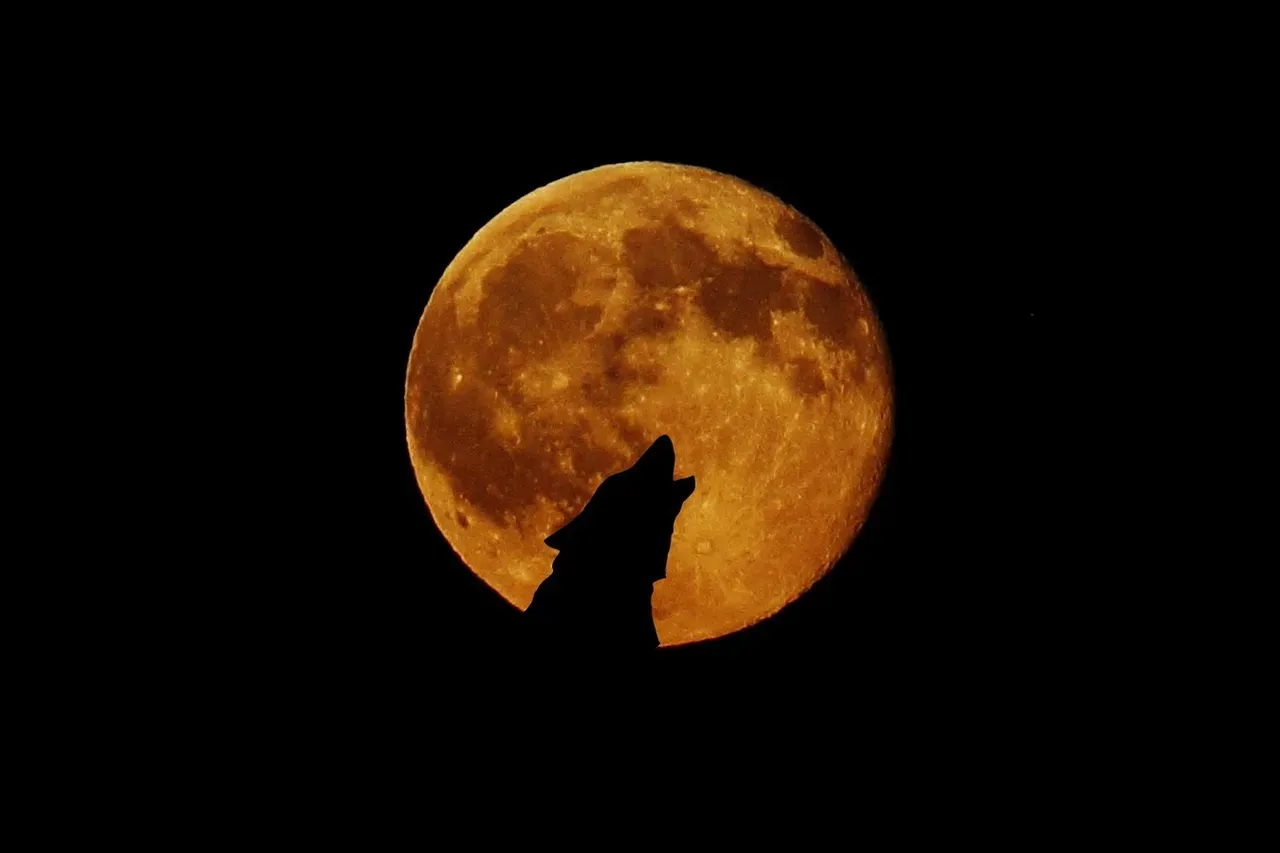
When you first hear coyotes howling under a bright moon, it is easy to assume they are literally calling to it, as if the glowing disk is some mystical trigger. You see the full moon hanging above the silhouettes of trees, you hear the eerie chorus, and your brain stitches those things together into a story you almost feel in your bones. You might even remember childhood tales about animals going wild when the moon is big and bright. But if you step back and watch more carefully, you start to notice that coyotes howl on cloudy nights, starless nights, and even when there is no visible moon at all. What is really happening is that you are more likely to be awake, outside, or paying attention during dramatic, moonlit nights, so the memory sticks. The idea of coyotes serenading the moon is powerful and romantic, but the animals are not worshipping the sky; they are simply using the quiet, dark hours to talk to each other in the best way they know how.
Howling as Long-Distance Family Talk
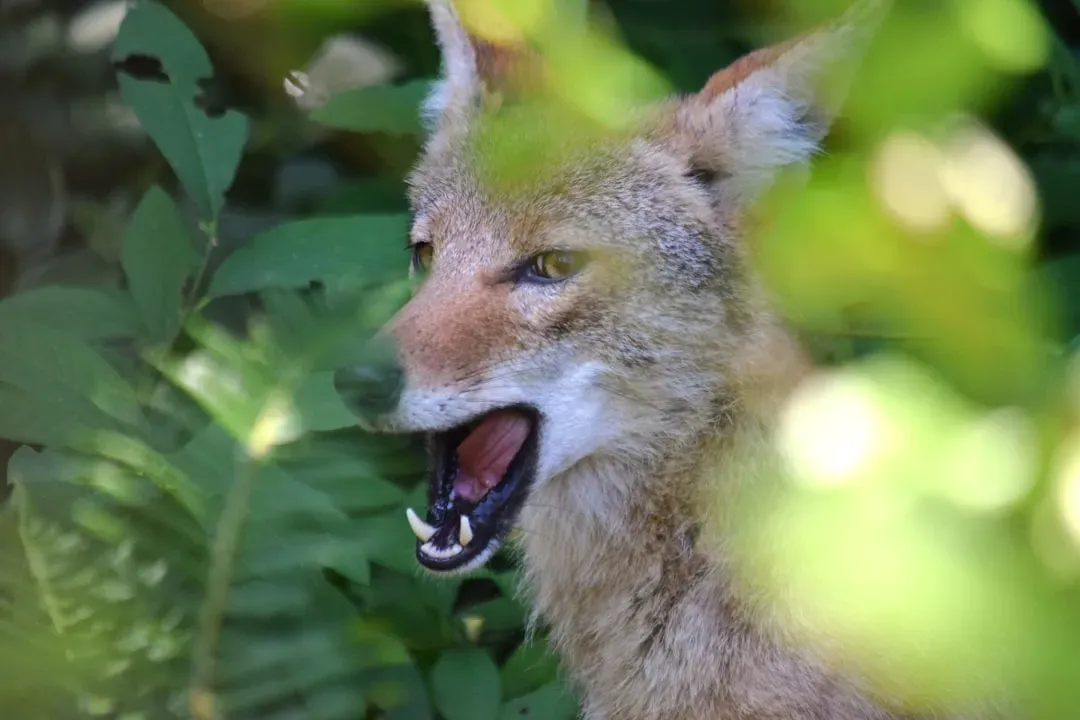
If you imagine yourself dropped into a huge, dark forest with no phone, no flashlight, and no map, you can start to feel what a coyote deals with every single night. You rely on sound to figure out where your people are, and they rely on you to answer back. A coyote pack does something very similar, using howls as an audio map, letting every member know who is out hunting, who is nearby, and who is straying too far. You can think of each howl as a check‑in ping across the landscape: a parent calling to a mate, siblings answering, youngsters chiming in so they do not get left behind. When several coyotes howl together, it can sound like a much larger group than it really is, which also helps them bluff their way out of trouble with rivals. To your ears, it might sound spooky and chaotic, but to them it is a carefully tuned family group chat sent out through the night air.
Why Nighttime Makes Coyote Voices So Haunting
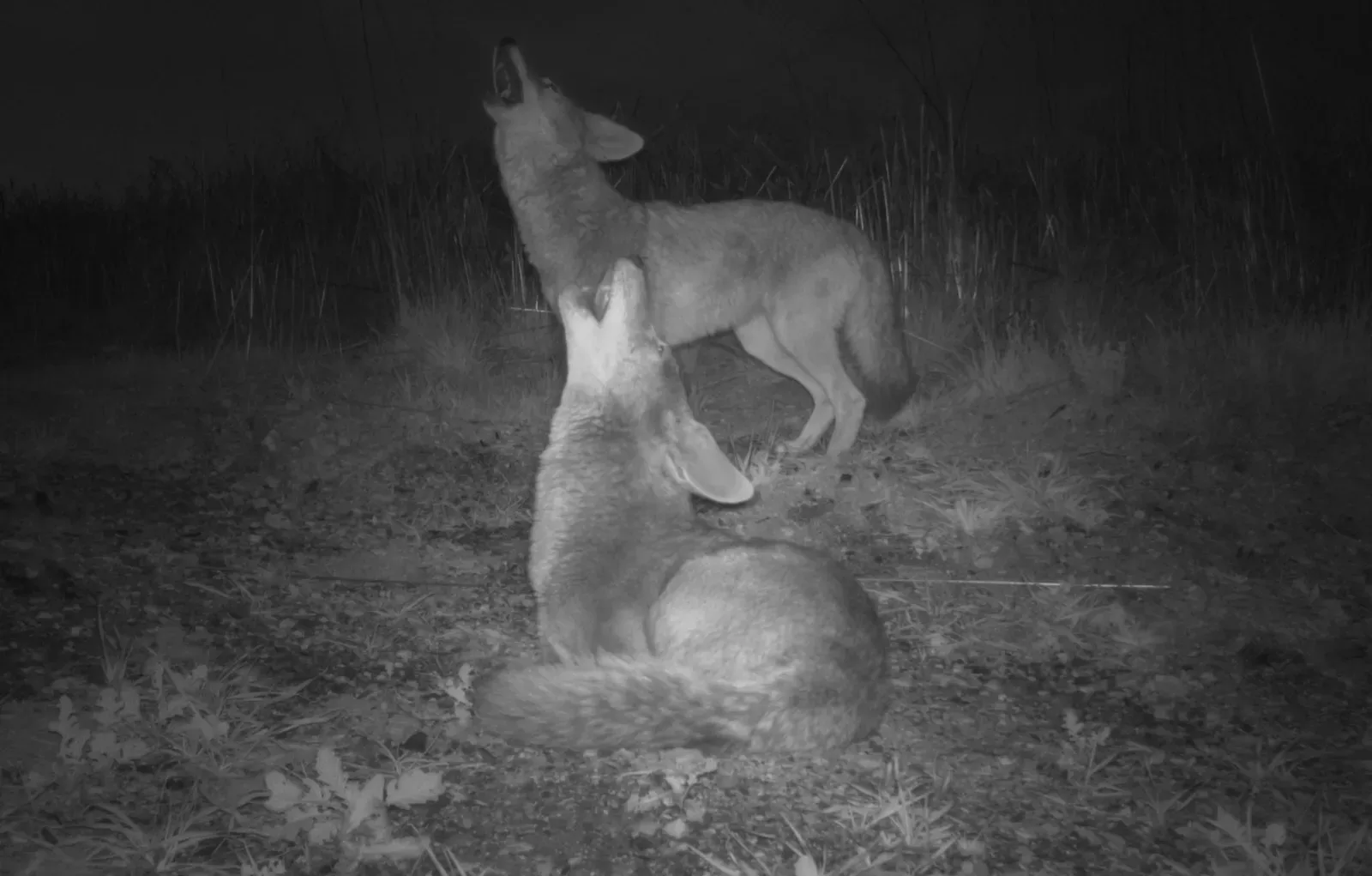
If you pay attention, you notice that the exact same howl feels different in daylight than it does at midnight. In the dark, every sound around you is amplified, because your brain is on high alert without the help of your eyes. Coyotes take full advantage of that: nighttime air is usually calmer and cooler, so their voices travel farther and seem sharper to you, bouncing between hills and buildings in a way that can be hard to locate. You might have had the experience of hearing a coyote howl and feeling like it is right outside your window, only to realize the animal is much farther away. That is partly because cooler air tends to carry sound more efficiently and because there is less competing noise from cars, people, and birds. Your ears, suddenly freed from daytime clutter, lock onto those high, quivering notes, and your imagination fills in any gaps with a bit of fear and wonder.
The Silent Signals You Do Not See in the Dark
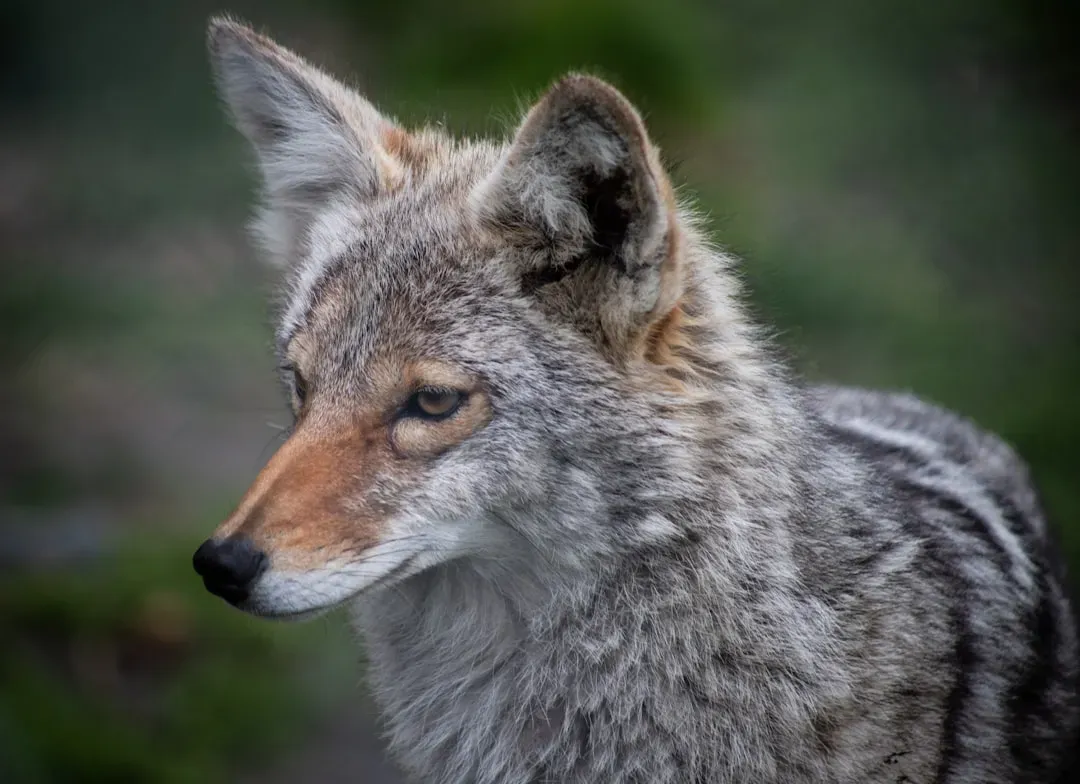
When you think of coyotes communicating, you probably picture open mouths and tilted heads, but a huge amount of their conversation never reaches your ears at all. During the day or at close range, coyotes rely heavily on body language: ear positions, tail angles, the way they hold their shoulders, even tiny face movements. At night, over distance, most of those tools vanish, so sound becomes their main bridge to each other. You can imagine how frustrating it would be if you suddenly lost your ability to text, gesture, or make eye contact and were left only with your voice. You would probably lean on tone, volume, and rhythm much more, which is exactly what a coyote does in the dark. A rising howl, a sharp yip, a rapid series of barks – each pattern carries hints about mood, urgency, and identity, replacing the visual cues that fade away in the nighttime shadows.
The Spooky Chorus Effect: One Coyote, Many Voices
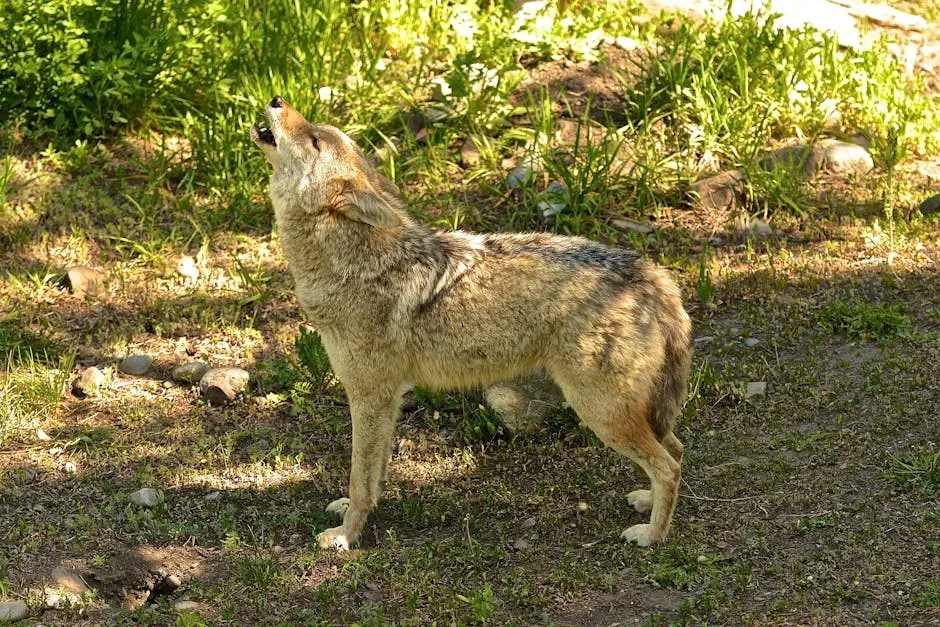
One reason coyote howls sound so unnervingly wild to you is that a small group can seem like a whole army. When a few coyotes howl, yip, and bark together, their overlapping voices create a chorus that your ears struggle to count. You might swear there are ten or fifteen animals out there, when in reality there might only be two adults and a couple of youngsters trying out their voices. This illusion is not just an accident; it works in the coyotes’ favor. If you were another predator or a rival coyote pack, that messy, layered sound would make you think twice before wandering closer. To your human ears, this same acoustic trick turns a simple family roll call into something that feels like a horror movie soundtrack, echoing off canyon walls or suburban houses in a way that sends a chill down your spine.
Howling to Claim Territory and Ward Off Trouble
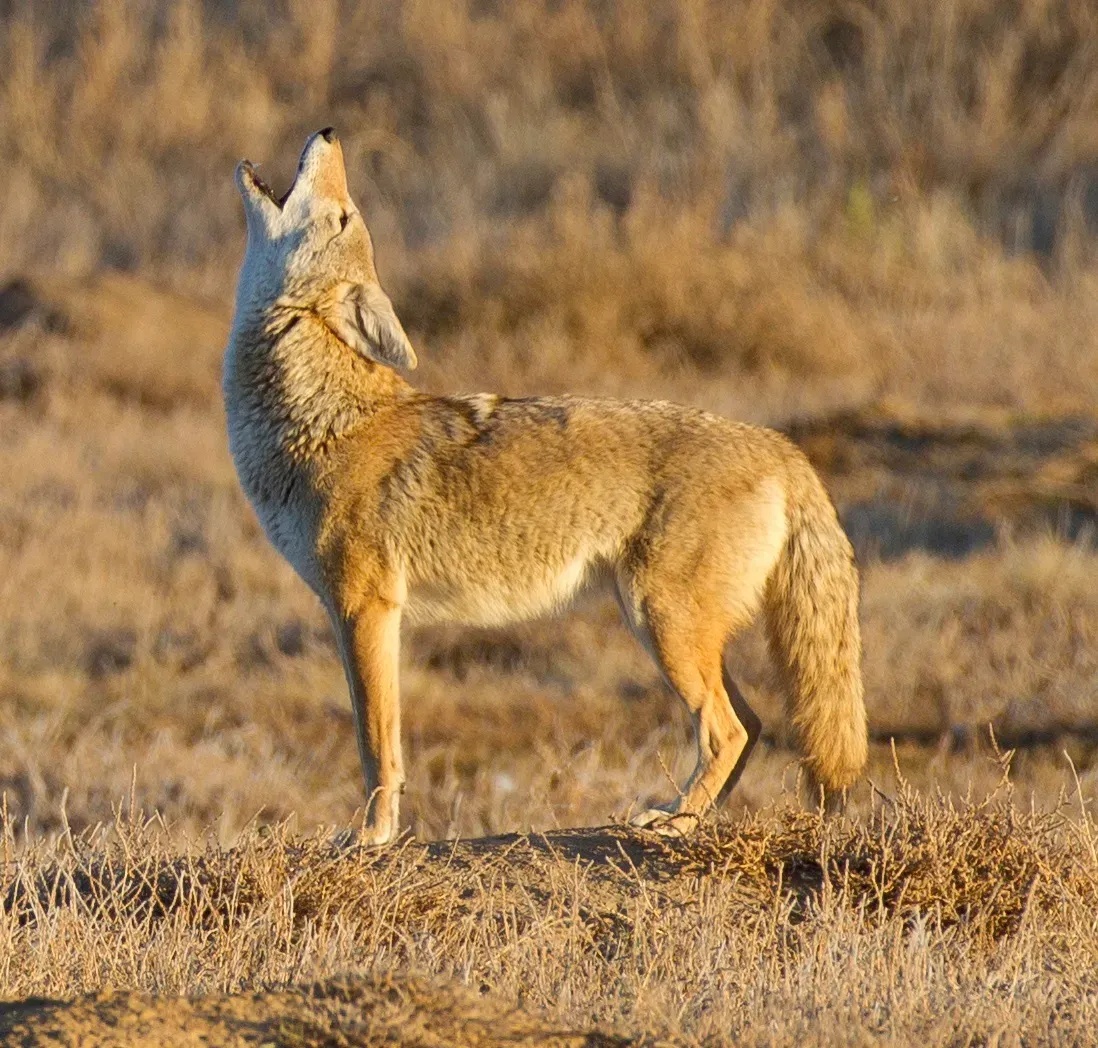
If you owned a piece of land and had no fences, signs, or property lines, you would need some way to tell others where your space begins and ends. Coyotes do this with their voices, using howls to mark out territories and warn neighboring packs not to push too far in. When you hear that long, steady call, you are listening to a kind of audio boundary marker, a living announcement that this area is taken. From your perspective, it might sound eerie or aggressive, but to a nearby coyote, the message is actually pretty practical: stay over there and we will stay over here, and nobody has to fight. In this way, those ghostly howls help prevent constant physical conflict and injury. You end up with fewer violent encounters in the wild than you might expect, all because the animals are announcing their presence loud enough for everyone in earshot to understand.
Why You Hear More Howling in Some Seasons
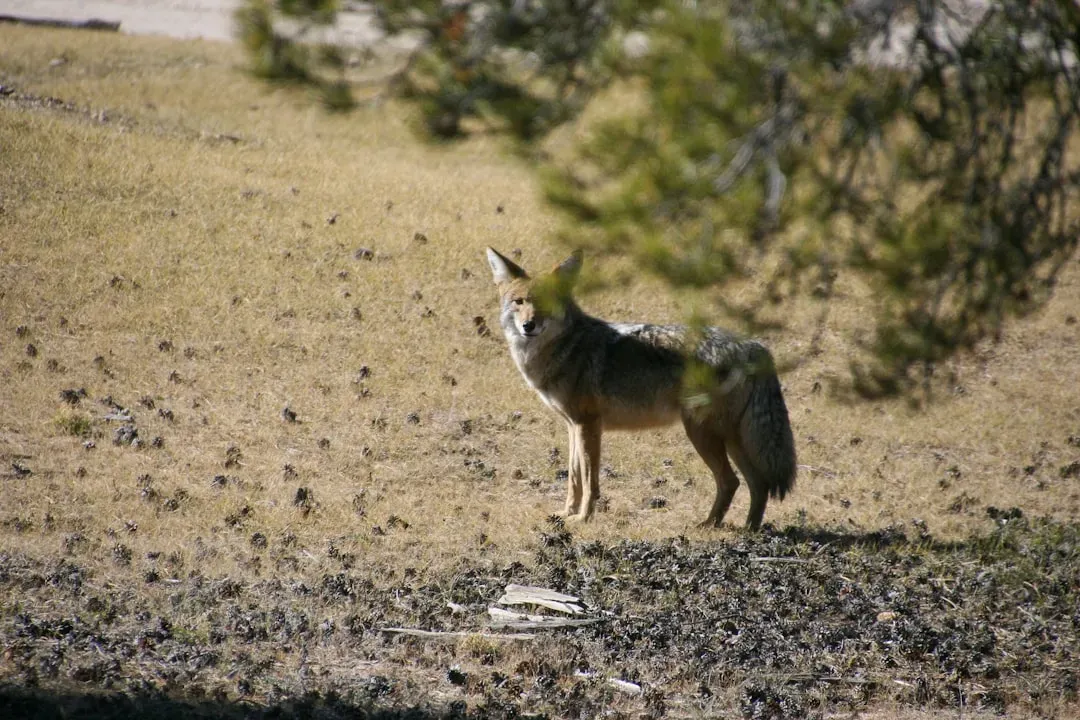
If you pay attention through the year, you might notice that some months seem noisier than others. During the breeding season and when pups are being raised, coyotes often become more vocal, because there is more coordination needed and more at stake. You might hear parents calling to each other, checking in as they hunt for food, or rallying youngsters that are starting to explore farther from the den. Later in the year, when the pups are older and the family dynamics shift, the pattern of howling can change again. You might hear more chorus howls as the group moves and rearranges itself, or sudden bursts of sound after a successful hunt. From your side, it can feel as though the landscape itself is changing personality – from quiet and still to suddenly full of strange, rising voices that remind you that wild families are living their lives just beyond the reach of your porch light.
Why Coyotes Sometimes Answer Sirens, Dogs, and You
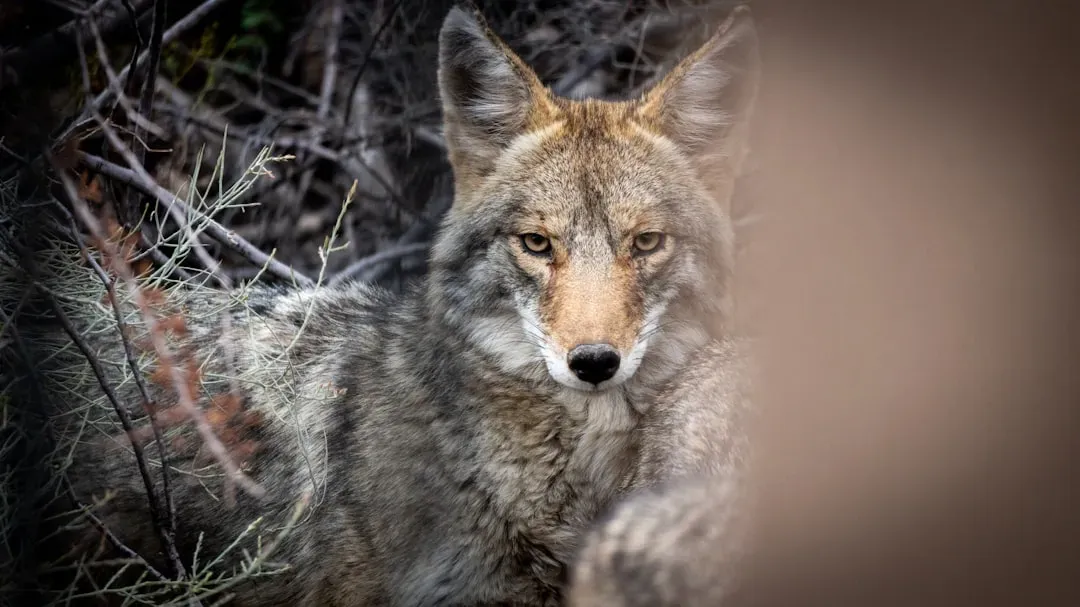
If you have ever heard coyotes respond to a fire truck, an ambulance, or even a passing train, you know how weirdly human that interaction can feel. To your ears, the siren is just a loud, artificial noise, but to a coyote, it can sound like a distant animal voice that needs a reply. Their instinct kicks in: if a long, drawn‑out sound cuts through the night, they respond with their own, just in case it is a packmate or rival. You might have also heard pet dogs set off a chain reaction, barking and howling until the coyotes outside decide to weigh in. When you or your neighbors shout or whistle, coyotes sometimes fall silent, trying to figure out what kind of creature is making the unfamiliar sound. Every time that happens, you are participating – whether you mean to or not – in a nighttime soundscape where human and nonhuman voices overlap in unsettling and fascinating ways.
How Understanding the Howls Changes Your Fear
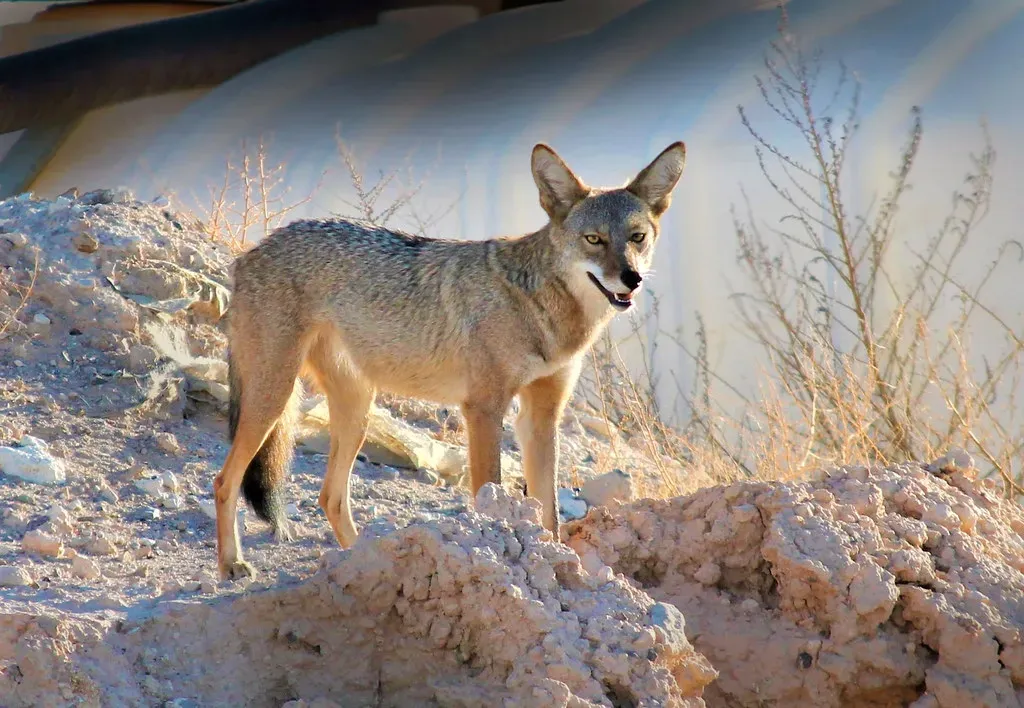
The next time you hear coyotes howling , you will know you are not listening to a supernatural ritual or a sign of something terrible hidden in the dark. You are hearing parents call to each other, youngsters practicing their voices, and families drawing invisible borders across fields, forests, and even city edges. Once you realize that, the fear you feel may soften a bit, replaced by a strange kind of respect for how cleverly these animals use sound. That does not mean the howls become less haunting; if anything, knowing the purpose behind them makes the sound more intense. You are suddenly aware that you are sharing your world with intelligent neighbors who navigate the dark with their voices the way you use lights, maps, and phones. The sky they seem to be singing to is really just the canvas they use to carry their messages farther, and you are lucky enough to overhear them.
Conclusion: Listening Differently to the Night
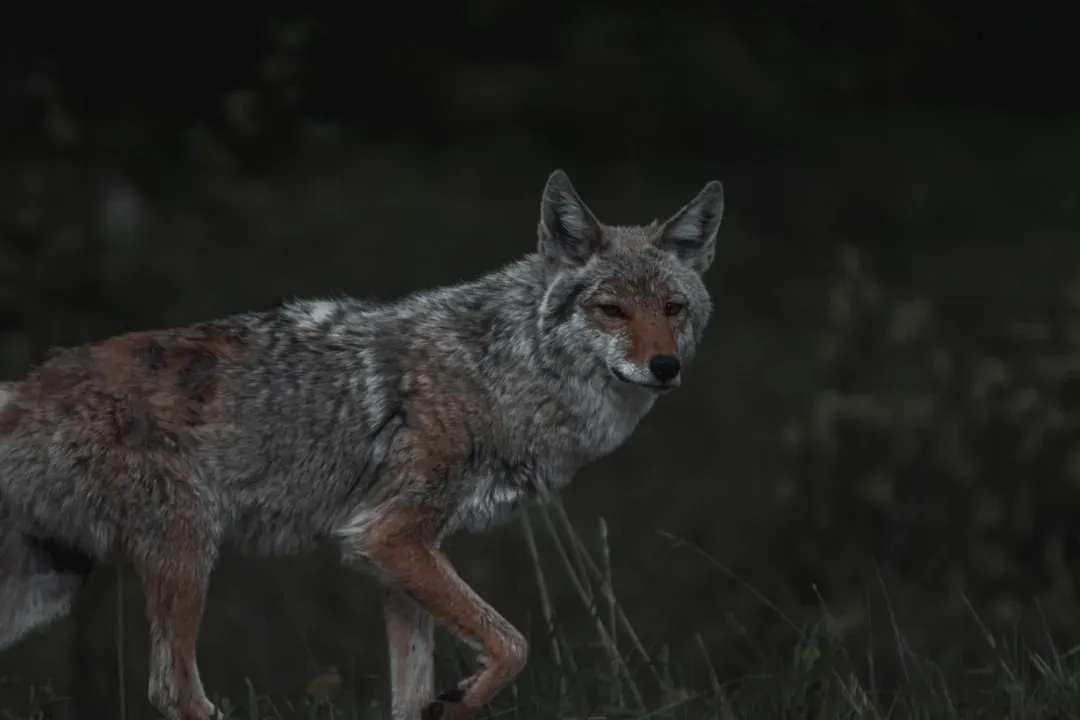
When you step outside on a quiet night and hear coyotes howl, you now have a choice about how to experience it. You can lean into the spooky feeling – the goosebumps, the racing thoughts, the sense that something ancient is unfolding out there beyond your sight. Or you can remember that you are hearing a living language of family bonds, territorial warnings, and survival strategies painted across the sky with nothing but breath and sound. In a world where so much of your communication is trapped behind screens and apps, those wild, echoing voices can be a reminder that not everything important is written down or neatly translated. You are sharing your nights with animals that have learned to thrive alongside you, using the darkness as their stage and the sky as their megaphone. The next time that eerie chorus rises, will you only hear fear, or will you listen for the story it is really telling?