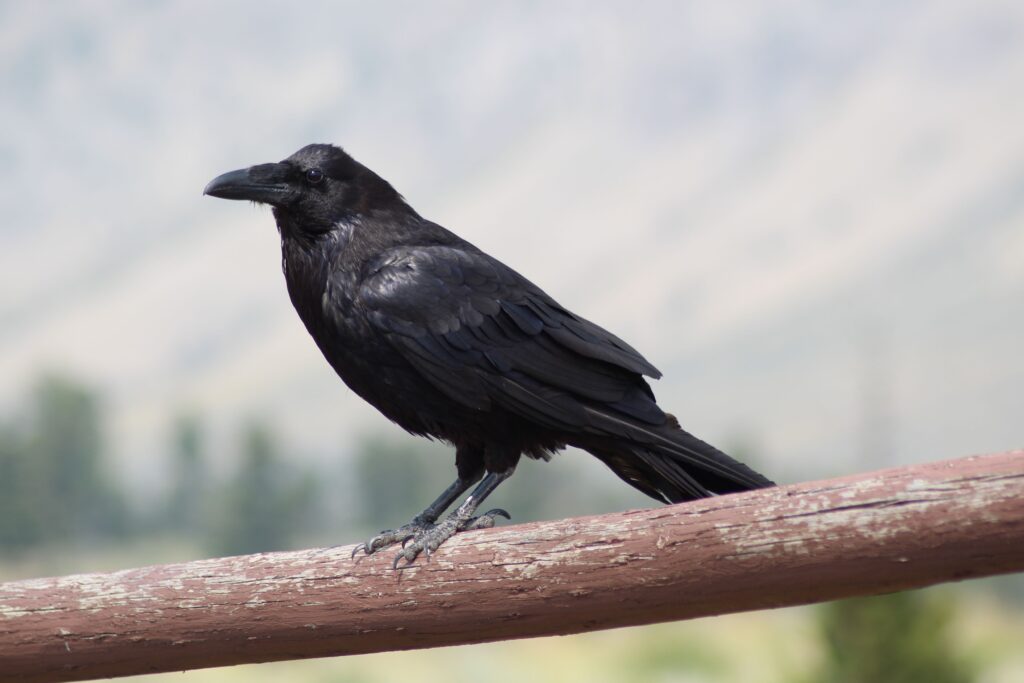

You probably grew up hearing that foxes are clever and owls are wise, but ravens? Ravens get a very specific label: tricksters. They show up in myths as shape-shifters, messengers, pranksters, even world-creators. That reputation is not just storytelling flair. When you look at what ravens actually do in the wild and in experiments, you start to see why people across cultures independently decided these birds are up to something. If you watch ravens long enough, you notice a pattern: they rarely just react to the world. They scheme. They test. They hide. They bluff. They watch you watching them. Calling them “smart” is almost too bland. When you put all the pieces together, you’re looking at an animal that survives by manipulating information, attention, and expectations. That is exactly what a trickster does – and you can see it in how a raven eats, plays, and even lies.
You’re Dealing With a Bird That Plans Around Other Minds
Imagine you hide your lunch because a coworker keeps stealing it. You wait until nobody is around, stash it in a different place, and maybe even fake a move toward another cabinet just to throw them off. When you think like that, you’re not just reacting – you’re thinking about what someone else can see, know, and guess. Ravens do something very similar with their food caches. When a raven hides food and knows that another raven might be watching, it will sometimes move the stash later, but only if it thinks it has been observed. In some experiments, ravens guarded their food differently depending on whether a rival had visual access, even when the rival could only be heard and not seen. You are looking at a bird that treats other individuals as thinking agents and adjusts strategy based on what they might know. That is classic trickster logic: not just using the world, but using other minds.
You See Deception and Counter-Deception in Everyday Raven Life
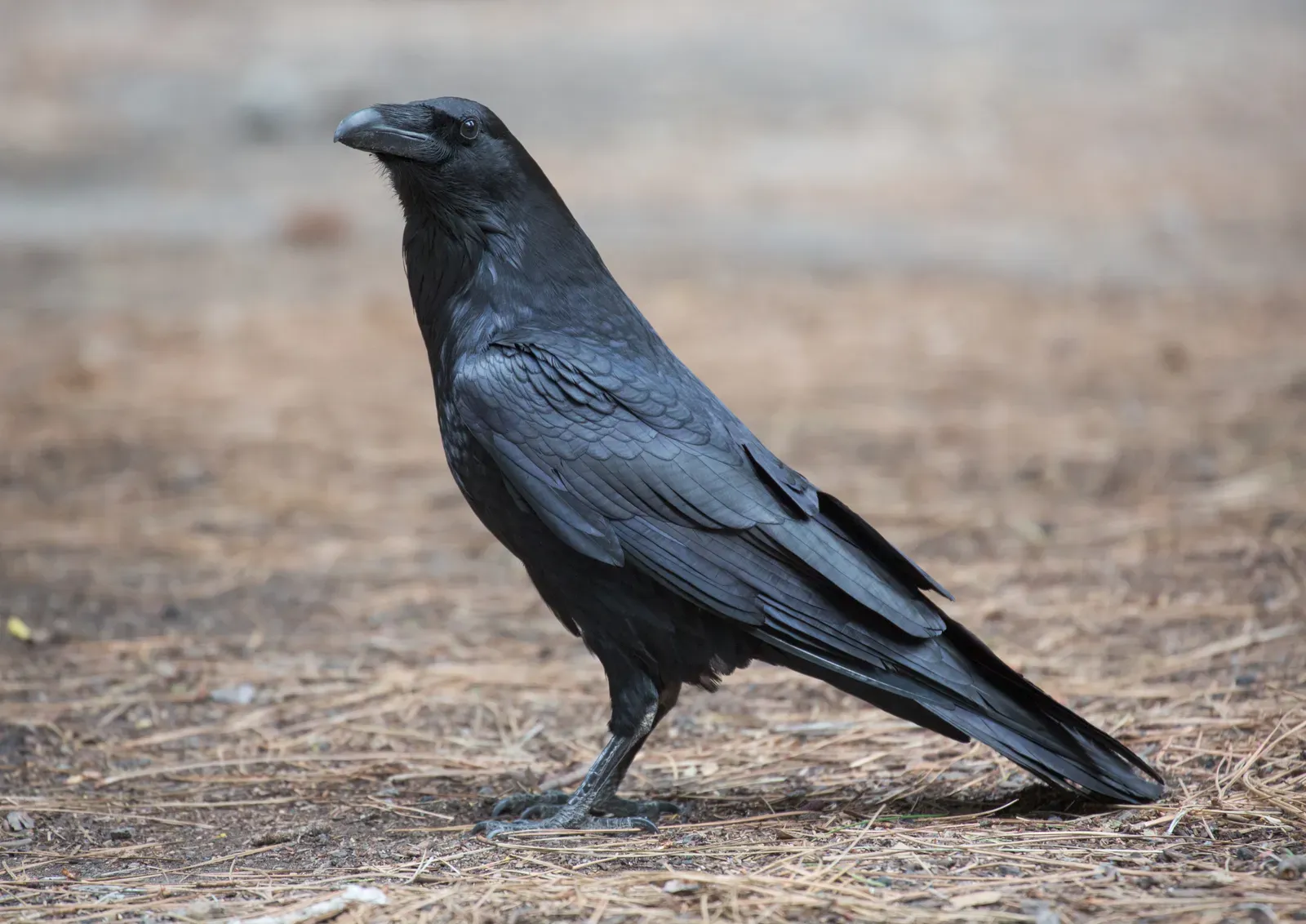
If you ever get the chance to watch ravens at a carcass or garbage dump, pay attention to who is looking at whom. Ravens live in a world where their biggest competitors are often other ravens, so they have to outsmart their own kind just to eat. You see birds pretending to cache food and then walking away, as if to say, “Nothing to see here,” while the real prize is hidden elsewhere. Other ravens are not clueless, either. They remember where rivals have cached food, sneak in later to steal it, and then change their own behavior if they’ve been robbed before. You get this arms race of deception and counter-deception: fake hiding spots, delayed stealing, watching from a distance, then re-hiding food in a more secret place. You are basically watching con artists conning other con artists, and the “winner” is whoever can anticipate the other’s trick.
You’re Looking at Problem-Solving on Par With Young Children
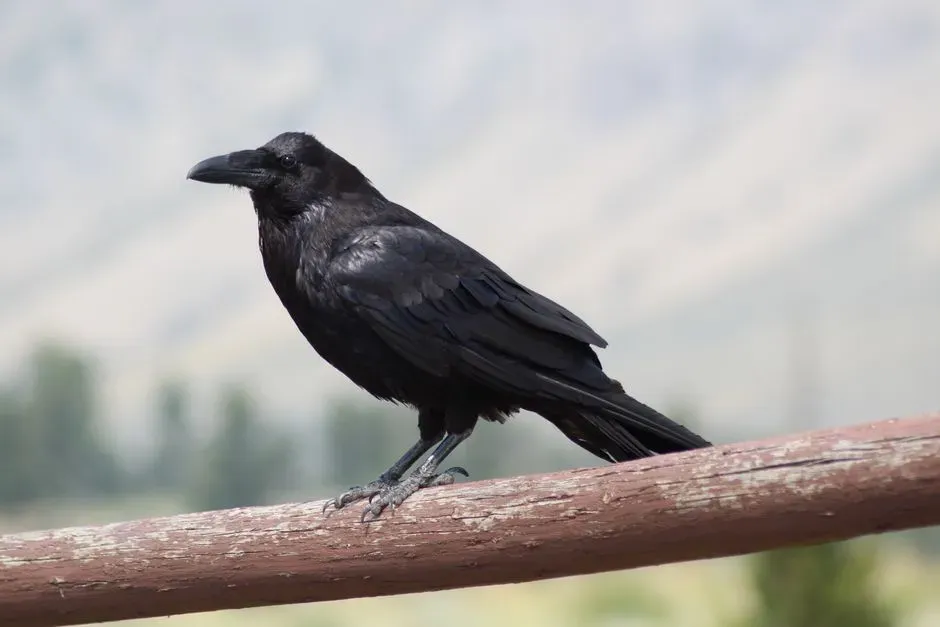
It is one thing for a bird to learn a simple association – peck here, get food. Ravens go way beyond that. When researchers give ravens puzzle boxes, multi-step tasks, or contraptions that require pulling ropes, stacking items, or using one object to get another, the birds often figure out the sequence you’d expect from a human child rather than from a stereotypical “bird brain.” In some structured tests, young ravens have performed on the same level as great apes on tasks involving basic logic and cause-and-effect. What makes this trickster-like is how they use these skills spontaneously. In the wild, ravens have been recorded using sticks or other objects to access food, dropping hard-shelled items from heights to crack them, and manipulating human behavior – like tugging on a loose object repeatedly until a person reacts, inadvertently revealing a resource. When you face a raven, you’re not just seeing a bird gathering food; you’re facing a mind that can imagine, “If I do this, then that will happen,” and that can turn new situations into opportunities.
You’re Up Against a Social Strategist, Not a Lone Genius
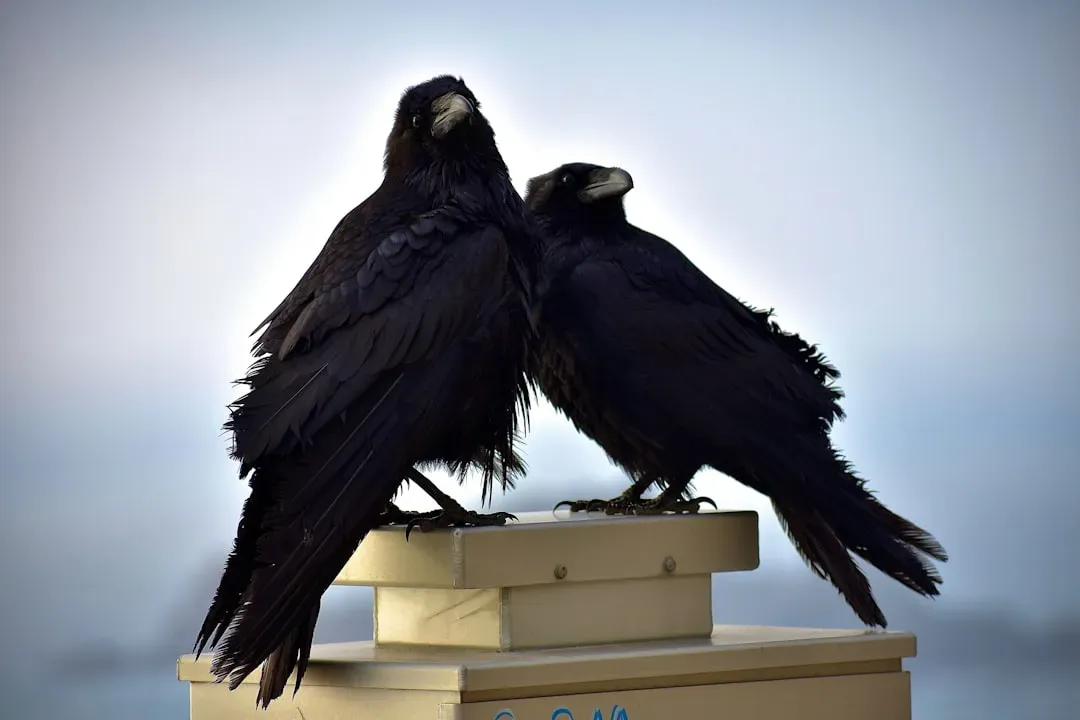
You might think of an “intelligent animal” as a lone genius solving puzzles in a lab. Ravens break that stereotype. They live in complex, shifting social groups where alliances and relationships really matter. Young ravens roam in loose gangs, forming bonds, coalitions, and rivalries that can last for years. They remember who helped them, who attacked them, and who simply stood by. That social memory shapes how they behave later. When food shows up, you don’t just see a pile of birds grabbing whatever they can. You see individuals jockeying for position, sometimes cooperating to access a carcass before a larger predator returns, other times teaming up to chase off a dominant rival. Studies on captive ravens show that siblings and close affiliates learn faster from each other and coordinate better. To fit into that kind of social world, a raven has to calculate, “Who is on my side today, and who might turn on me tomorrow?” That constant social maneuvering is exactly the playground where trickster skills evolve.
You Hear a Voice Actor Trapped in a Bird’s Body
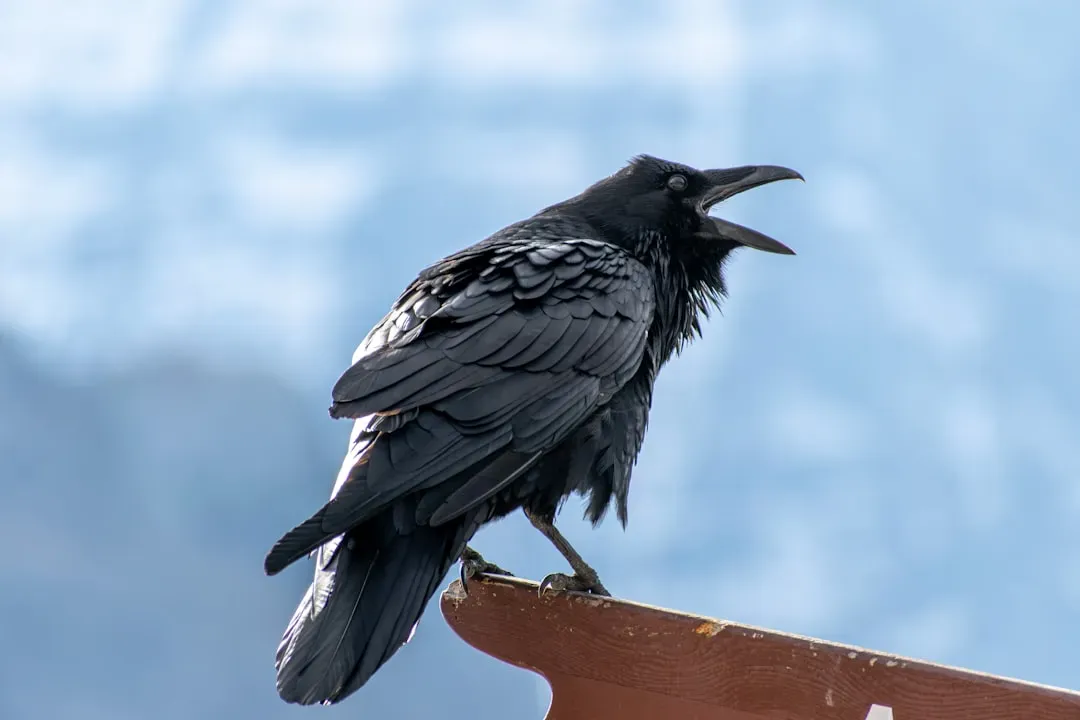
If you only know ravens by their rough croak, you’re missing most of the story. Ravens have a surprisingly rich vocal and non-vocal repertoire: calls, clicks, knocks, mimicry of other animals, even convincing imitations of human speech. In captivity, some ravens clearly learn to reproduce words and sounds from their surroundings, not just randomly but in ways that suggest they understand when those sounds get a reaction. In the wild, you can hear them copying dog barks, other bird calls, environmental noises, and maybe even your own voice if you spend enough time with them. From your perspective, that means a raven can weaponize sound. It can lure others, confuse them, or simply make itself harder to read by mixing genuine communication with mimicry. A trickster is powerful when others cannot quite tell what is real and what is performance, and a raven’s vocal skills give it exactly that edge.
You’re Watching Play That Looks Suspiciously Like Training
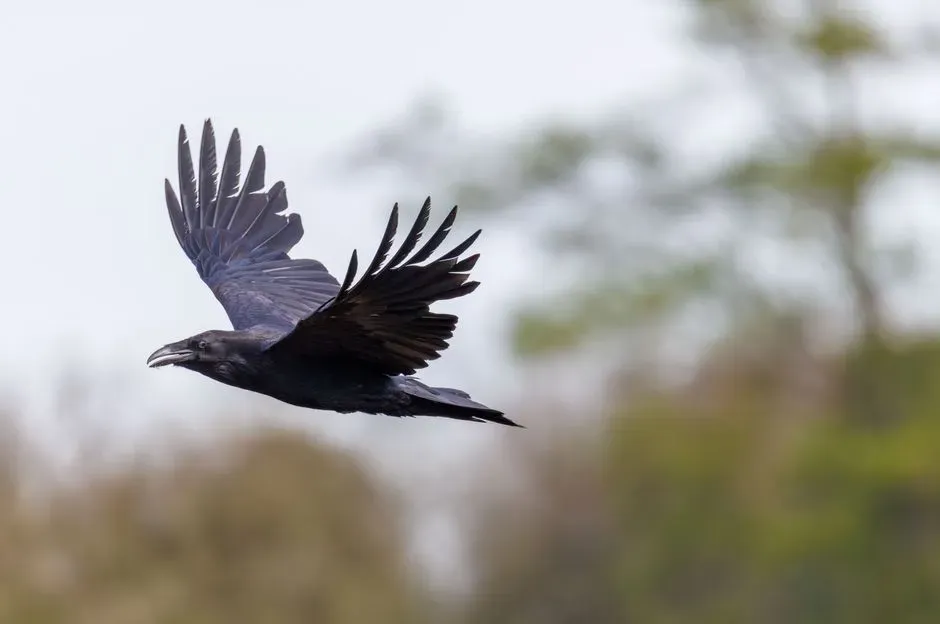
If you see a raven sliding down a snowy roof, dangling upside down, or tossing objects into the air and catching them again and again, it can feel like you’re watching pure joy. Play is common in many young animals, but ravens seem to keep it going across ages and seasons. They play with the wind, with snow, with sticks, with each other. It is charming, but it also looks like practice. Object play, in particular, has been documented across age groups, with birds caching toys or handicapping themselves during games to keep an interaction going. That kind of playful experimentation lets them test what objects can do, how gravity behaves, and how partners react, all without high stakes. In your own life, you learn a lot through low-risk messing around, too – card tricks, jokes, pranks. For ravens, play is not just entertainment; it is a lab where they refine the very skills that make them such effective tricksters.
You Share Space With a Shape-Shifter of Human Culture
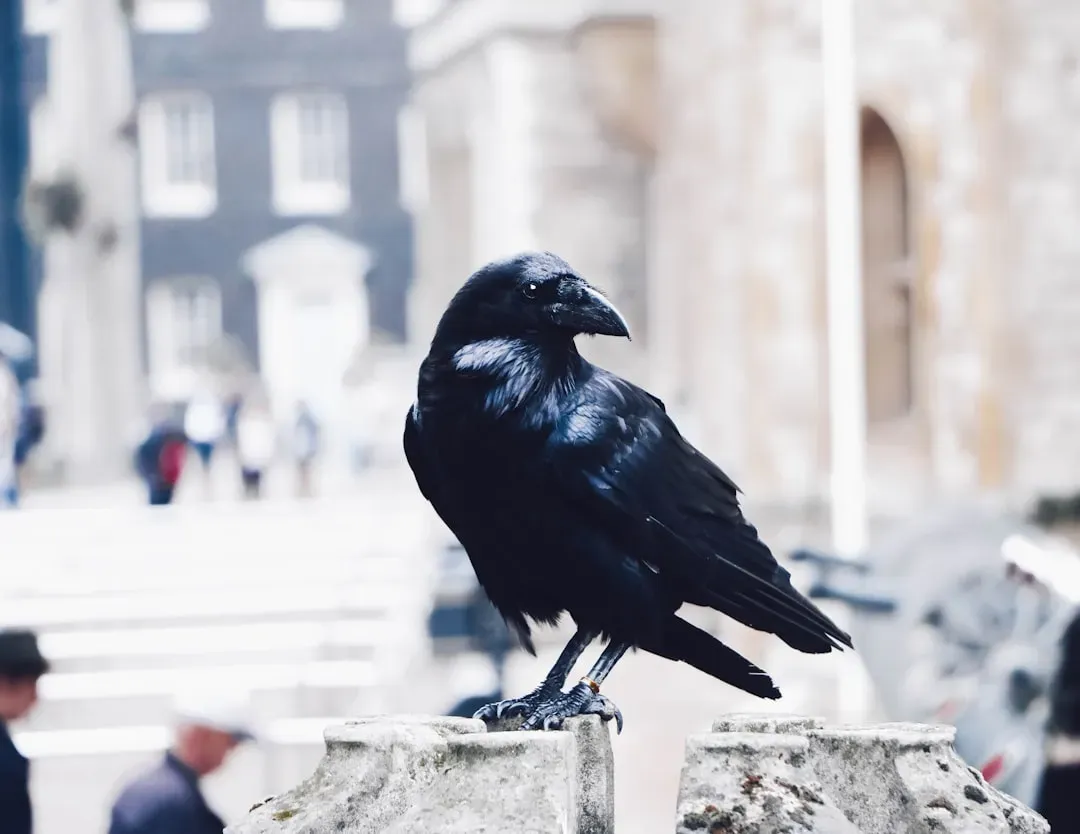
Long before scientists tested ravens in controlled experiments, people watched them from campfires, hunting grounds, and battlefields. Across Europe, Asia, and North America, you can trace stories that paint ravens as creators, destroyers, messengers between worlds, or mischievous thieves. Those tales did not appear in a vacuum; they were built on everyday encounters where people saw ravens exploiting human activity – following hunters, scavenging at carcasses, and apparently “knowing” when something interesting was about to happen. If you pay attention, you realize ravens have practically grown up alongside humans. They thrive near our garbage dumps, roadkill, and livestock operations. They learn your patterns: when the dump truck arrives, when the tourists feed them, when the hunter is most likely to gut a deer. You might think you’re just going about your business, but to a raven, you are a predictable and exploitable force in the landscape. That intuitive grasp of human routines is one more reason our species keeps reading intention, cunning, and even moral ambiguity into them.
You’re Facing an Opportunist Designed for Chaos
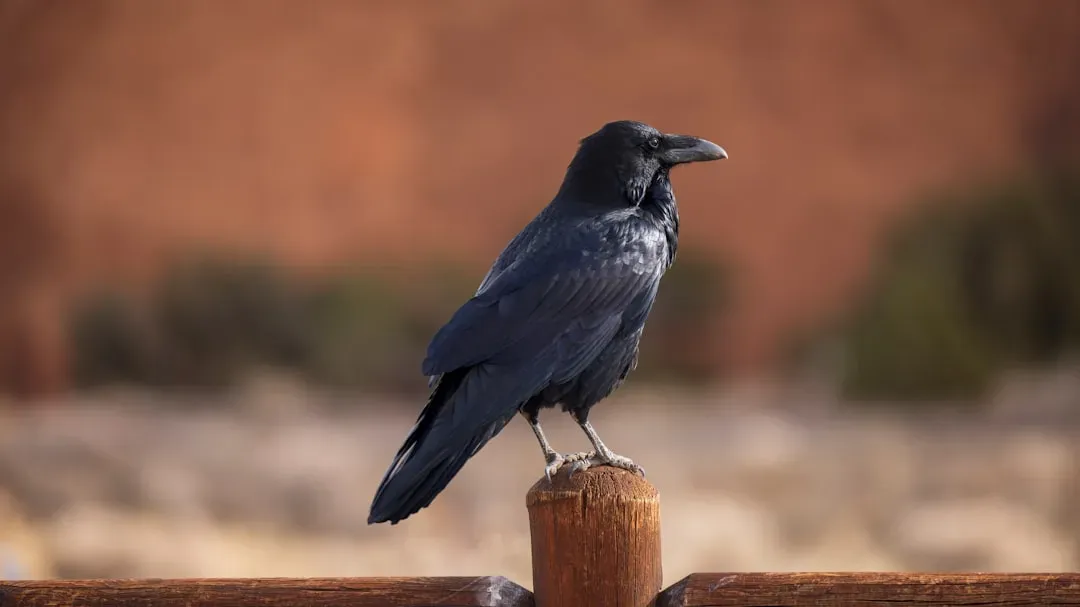
At the core of raven life is opportunism. These birds are omnivorous scavengers and hunters, ready to eat everything from carrion to insects, seeds, and human leftovers. Their environment is unpredictable: carcasses appear and vanish, predators move in and out, human activity changes with the season. To survive in that moving target of a world, a raven cannot just specialize; it has to stay flexible, curious, and willing to test boundaries constantly. That ecological niche rewards exactly the traits you think of as trickster behavior: boldness, experimentation, a willingness to probe new situations, and an ability to benefit from someone else’s hard work. Whether it is wolves taking down a large ungulate or people leaving unsecured trash, ravens are ready to insert themselves into the situation at just the right moment. From your vantage point, that looks like audacious freeloading and uncanny timing, but biologically it is simply the mind of an animal honed to win in messy, changing conditions.
Conclusion: The Trickster You Thought Was Just a Bird
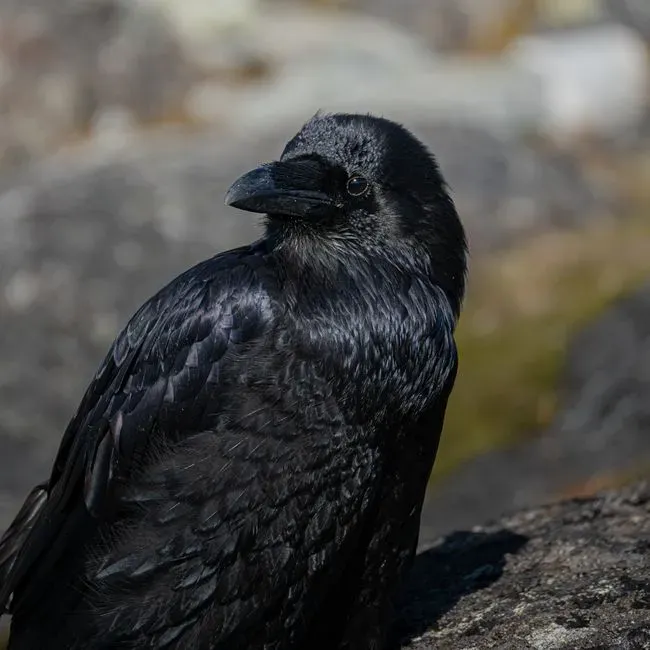
When you put everything together – the social scheming, the deceptive caching, the childlike problem-solving, the mimicry, the lifelong play, and the tight connection with human life – you stop seeing ravens as just big black birds and start seeing them as full-time strategists. Their “trickster” title is not a mythological overreach; it is a pretty honest description of how they make a living in a world full of rivals, predators, and opportunities. They survive by getting into other minds, turning noise into information, and flipping disadvantages into advantages. If you ever lock eyes with a raven and feel, for a second, like someone is quietly sizing you up, you are not imagining it. You are being folded into a calculation – another moving piece in a puzzle the bird is trying to solve. That is the real reason ravens keep showing up in our stories as the ultimate tricksters: they live that role every day, in plain sight. Next time you see one watching from a rooftop or a roadside tree, you might ask yourself: who is really observing whom?