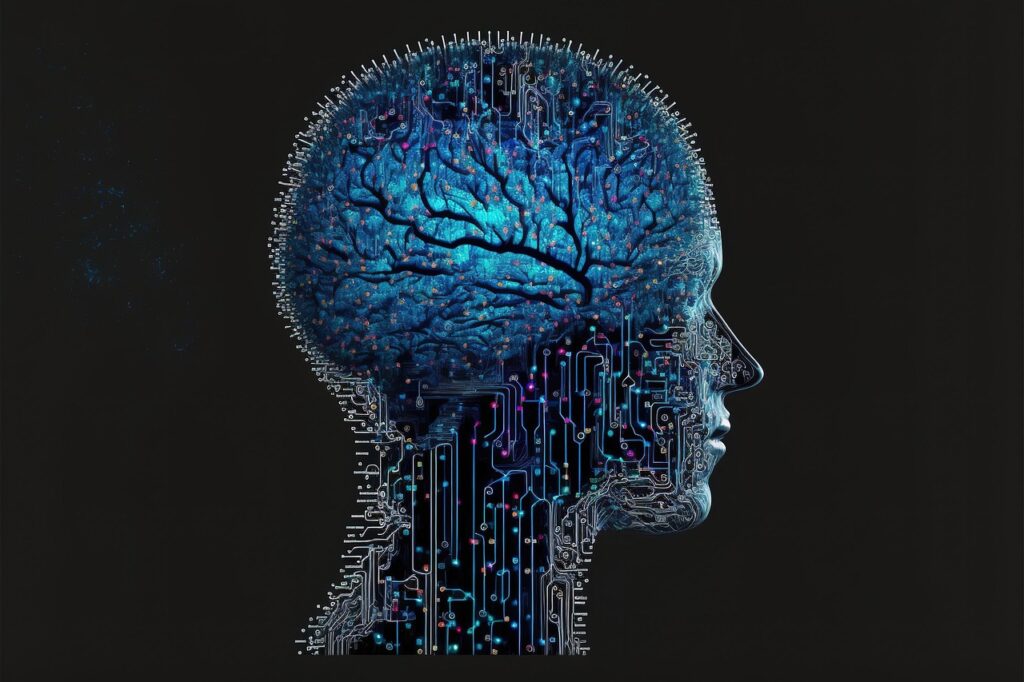

You have probably had that eerie feeling that reality is a little too neat, a little too convenient, as if the universe is a game that loads new details only when you look at them. When you combine that gut-level suspicion with serious scientific questions about consciousness, you end up in one of the strangest and most important debates of our time: if the universe is a kind of computation, what exactly is the thing that is having your experience right now? You can treat that question as a fun late‑night thought experiment, or you can see it for what it really is: a brutal challenge to physics, neuroscience, and philosophy all at once. If your world is simulated, then your brain might just be a subroutine inside a larger system, and yet you still feel pain, love, confusion, and awe as vividly as ever. The moment you take your own experience seriously, the issue of what is doing the experiencing stops being abstract and becomes the central mystery that science cannot dodge anymore.
The Simulation Hypothesis in Plain Language
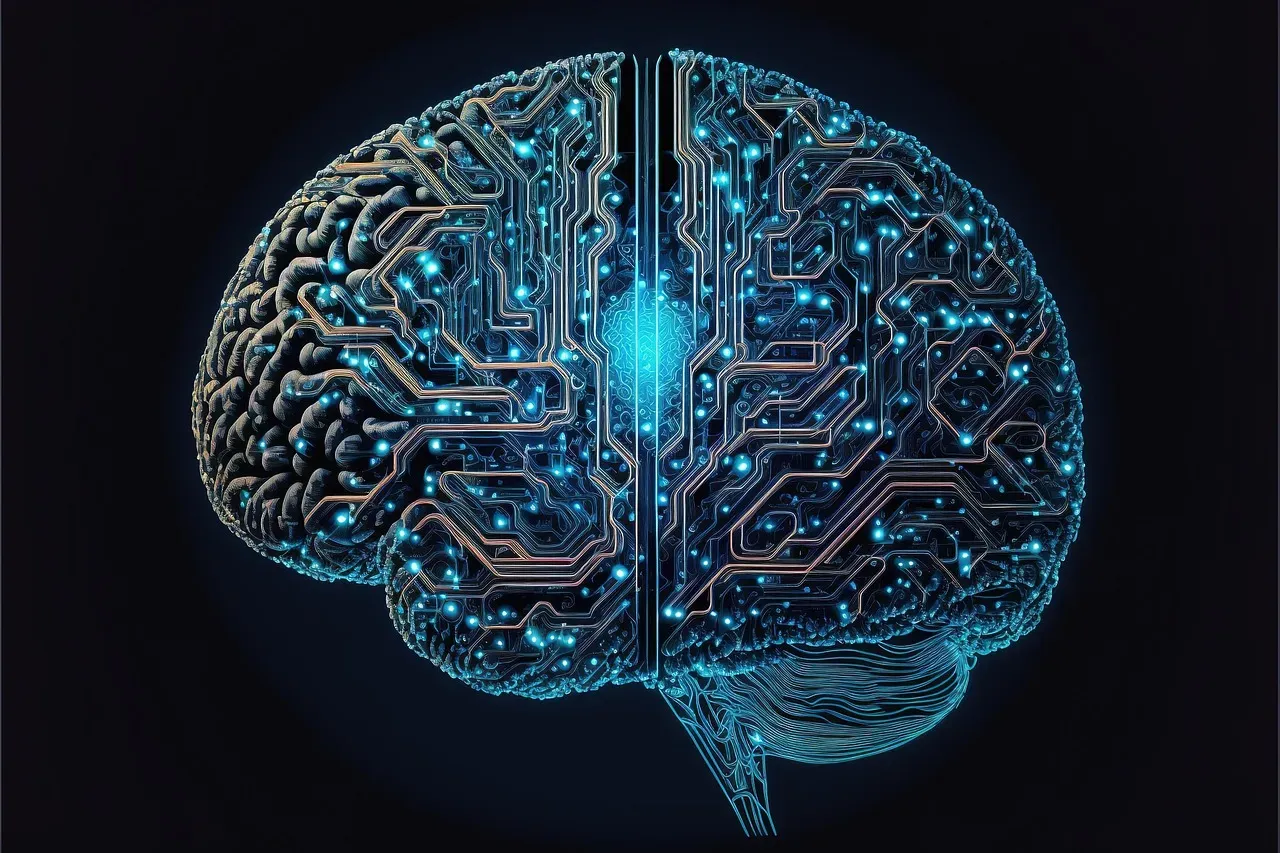
You can think of the simulation hypothesis as a simple “what if”: what if your entire universe is running on some kind of computer, the way a video game runs on a console? In that picture, galaxies, planets, and even your body are patterns of information, updated step by step by underlying code rather than by fundamental particles moving in an independent physical space. You still live, breathe, and make choices, but all of that plays out inside a larger informational architecture. You do not have to imagine a teenager in a basement running the program for this idea to matter. The key claim is that your reality could be structurally similar to a simulation: discrete updates, finite information, perhaps limits on resolution the way pixels limit images. If that is true, then every question you ask about atoms and forces quietly points past them to whatever system is computing them. And then the hardest question hits: where, in that stack, does your subjective feeling of being you actually sit?
Why Consciousness Refuses to Be Just “More Computation”

When you look at a sunset, there is something it feels like to see that orange glow fade into purple. That raw feel of experience is what people call consciousness or subjective awareness, and it does not obviously reduce to bits flipping somewhere. You can map brain activity, identify neural circuits, and still you are left with the stubborn fact that you do not just process information; you are aware that you are processing it. That awareness is the part science still cannot cleanly explain. If you treat consciousness as just another computation, you risk sliding past the key point: computations can be described from the outside, but your experience is something only you have from the inside. In a simulation scenario, you can imagine endlessly complex code generating behavior that looks conscious, yet the real issue is whether there is a genuine inner life attached to that behavior. If there is, you need to ask what kind of thing can host that inner life and how it relates to the simulated structures you see.
The “You” Behind the Avatar: What Is Doing the Experiencing?
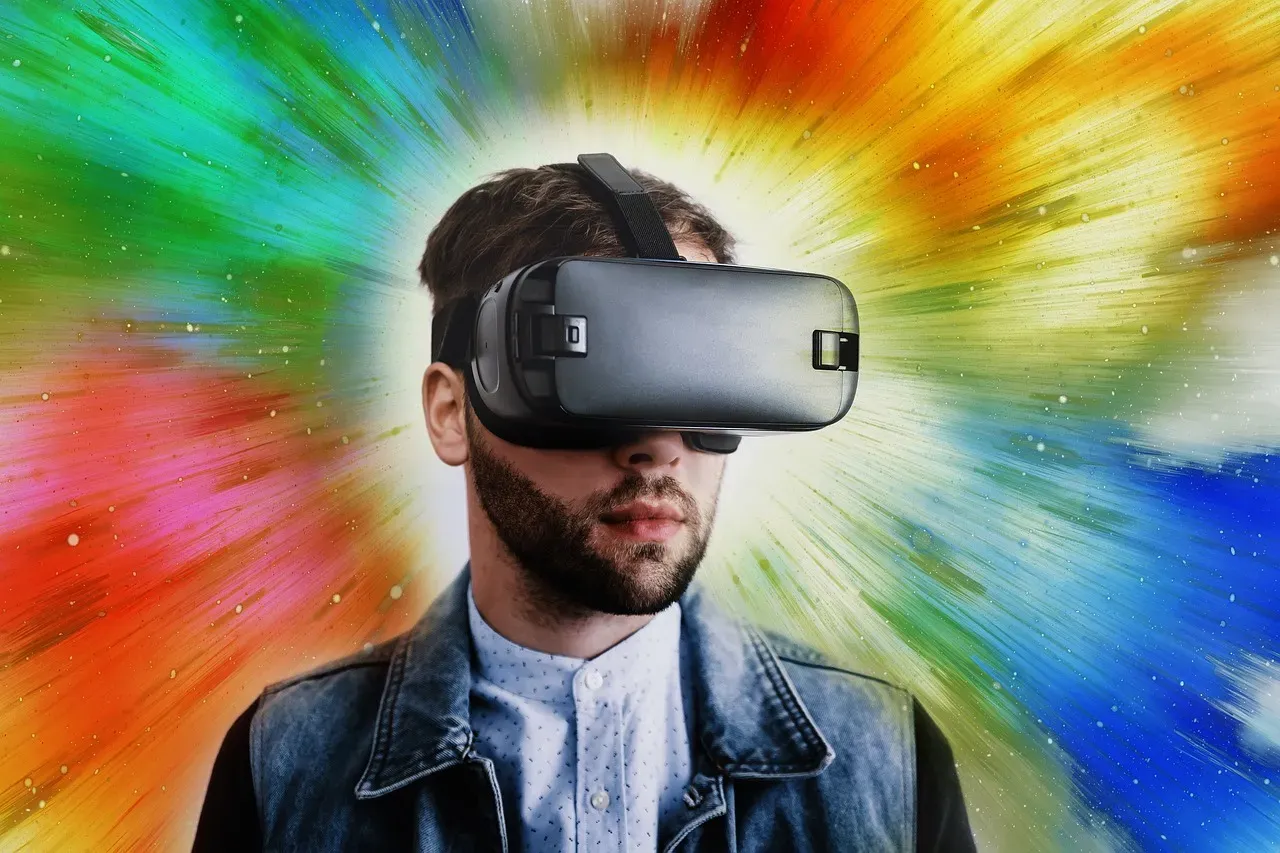
Picture yourself playing a game in virtual reality. Your character walks, talks, and takes damage, but the one who actually feels frustration or joy is not the avatar; it is you, the player outside the headset. If your entire reality is a computation, you have to ask whether your current body and brain are just the avatar, while the real “you” is somewhere else that the simulation cannot show you. The question shifts from “Is this world real?” to “Where is the subject that this world appears to?” You might be tempted to say that your brain in the simulation is what is having the experience, full stop. But if the brain itself is just data, updated by underlying hardware, then it looks more like a model than a subject. In that case, the thing that truly experiences might be whatever hardware is running the brain‑simulation code, or even whatever reality underlies that hardware. The simulation hypothesis, taken seriously, forces you to look past your in‑world identity and ask who, or what, is sitting at the controls.
Brains, Codes, and Substrates: Where Awareness Could Live
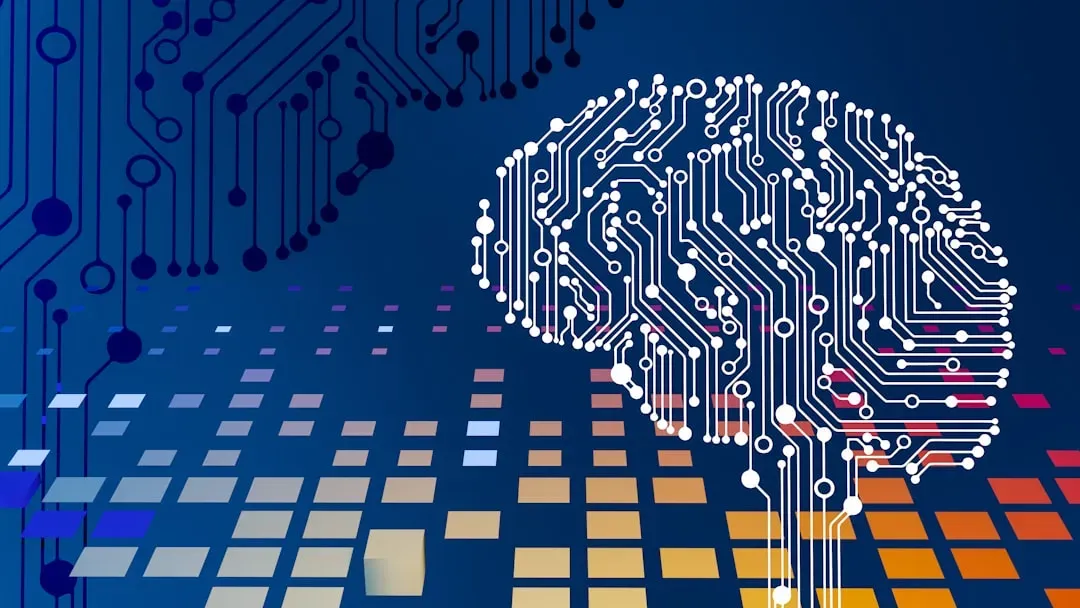
In everyday neuroscience, you are told that your conscious mind emerges from electrochemical activity in your biological brain. That story works reasonably well inside a base‑level, physical universe. In a computed reality, however, your “electrochemical activity” is itself just a higher‑level description of patterns in an information system. Your neurons would be simulated, and their firing would be nothing more than state changes in a deeper substrate, like lines of code being updated by a processor. That raises a sharp question: is awareness tied to the simulated brain, or to the substrate underneath it? If you treat consciousness as something that depends only on patterns, then a simulation can be conscious if the pattern is rich enough, even though it is implemented on deeper hardware. If you think consciousness depends on the physical stuff itself, then the underlying substrate might be the real subject, and your simulated brain is more like the interface it is using. Either way, the relationship between simulated patterns and the substrate suddenly becomes the focal point of science, not a side detail.
Implications for Physics: Is Reality Fundamentally Digital or Continuous?
If you are living in a computed world, you would expect some traces of that in the way the universe behaves. You might look for limits on how finely you can probe space and time, or for hints that information, not matter, is the most basic ingredient of reality. Even without simulations, modern physics already pushes you in that direction: quantum theory, black hole thermodynamics, and ideas from quantum information all suggest that the universe may be better described in terms of information and probabilities than in terms of little billiard‑ball particles. For you, that shift matters because it changes what you think you are made of. If reality is fundamentally informational, then you are not a solid object so much as a structured process in an information flow. In a simulation scenario, that makes it easier to see your body and brain as high‑level software running on some deeper system. But then the old question returns with more force: how does a pattern in information give rise to the felt quality of your experience, and does that demand a new kind of physics that includes consciousness in its foundations?
Free Will, Identity, and Responsibility in a Computed World
If your choices are being computed, you might worry that you have no real free will, that you are just following a script in a game engine. But if you think about it, you already face that problem in a non‑simulated universe governed by physical laws; the simulation hypothesis just makes the issue more vivid. Your sense of choosing, deliberating, and caring about outcomes is part of your experience, and it does not simply vanish because the underlying process is formalized as code instead of particles. On a more personal level, this picture forces you to reconsider what identity means. Are you the current state of your simulated brain, a longer pattern that stretches across your life, or something outside the simulation that is linked to this particular in‑world character? If your reality is computed, it becomes at least imaginable that your pattern could be paused, copied, or rewound. That does not instantly tell you what you should value, but it does push you to think harder about continuity of experience as the core of who you are, rather than any fixed physical form.
Why This Becomes the Most Important Question in Science

You can ignore most speculative ideas without any real cost, but you cannot honestly do that with the question of what is doing the experiencing, because it touches every other field. Physics asks what reality is made of, neuroscience studies how brains work, computer science explores what computation can do, and philosophy examines meaning and value. All of them, in different words, are circling around the same core issue: what is the subject that has a point of view, and how does that subject relate to the structures we model? If you happen to live in a simulated universe, that question becomes even sharper, because there is now an explicit separation between the in‑world description and the underlying substrate. Getting clear on consciousness is no longer an optional bit of metaphysics; it is the key to knowing whether you are just a sophisticated puppet or a genuine experiencer anchored in a deeper layer of reality. In that sense, understanding what is doing the experiencing is not just another scientific puzzle; it is the hinge on which your entire picture of self, world, and value turns.
Conclusion: Living Seriously Inside a Possible Simulation
Whether or not the simulation hypothesis turns out to be true, you are still left with the same stubborn fact: there is something it feels like to be you, right now, reading these words. That bare reality of experience is the one thing you cannot doubt, and it is the one thing science still does not fully understand. If your world is computed, it only deepens the urgency of the question, because it suggests there is a hidden layer where the real subject might sit, beyond the scenery you see and the body you inhabit. You do not need to solve the puzzle on your own, but you can let it change how you look at everything else. Each time you notice your awareness, you are brushing up against the edge of our current scientific map, where physics, information, and consciousness collide. Maybe the most honest stance you can take, for now, is to live as if your choices matter deeply, while staying open to the possibility that your true nature reaches further than any simulation could show you. If your reality is a vast computation, what do you think is really sitting there, behind your eyes, doing the experiencing?