
You probably assume that if your heart stops, everything just goes dark, like a light switch being flipped off. But when you dive into accounts from people who were declared clinically dead and then revived, you find something far stranger and more unsettling: vivid perceptions, powerful emotions, and life-changing insights that show up with surprising consistency. When researchers actually sit down with hundreds of these survivors, patterns begin to emerge that are hard to dismiss as simple imagination or random brain noise.
In this article, you will walk through what scientific studies and large-scale surveys of about two hundred or more near-death experiencers keep uncovering. You will see what people consistently report seeing, how their brains might be involved, and why these experiences feel “more real than real” to them. Along the way, you will also notice what science can explain reasonably well and where it has to throw up its hands and admit that the picture is still incomplete.
The Moment Everything Stops: How Near-Death Experiences Are Studied
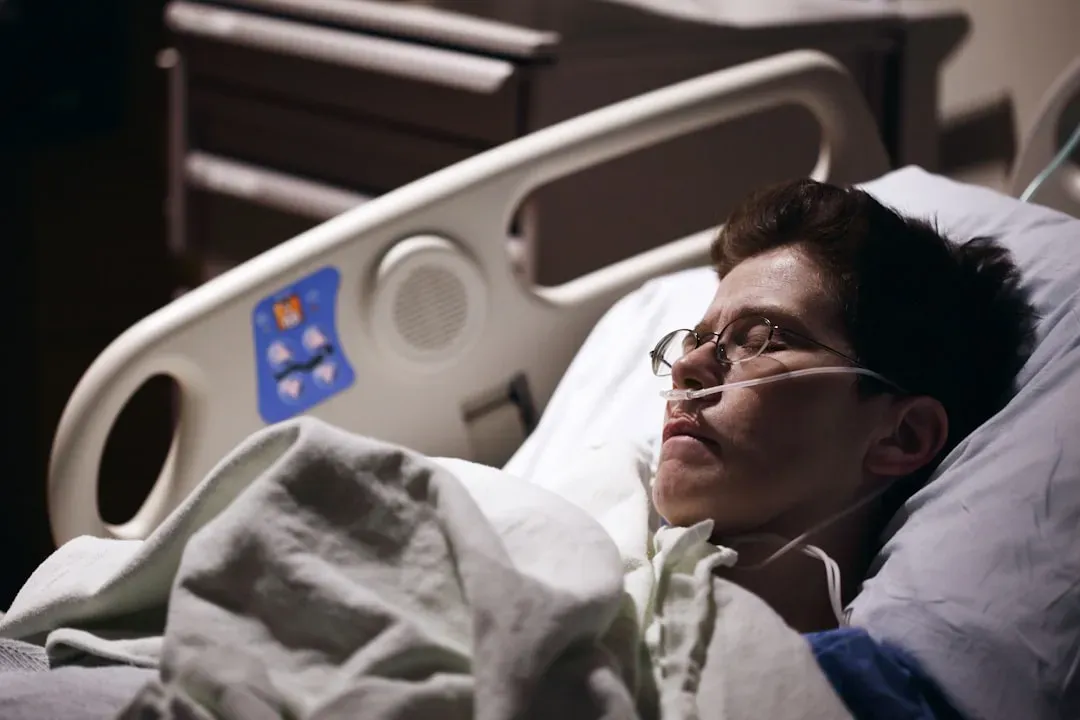
When you read about near-death experiences, it helps to first understand what scientists mean by “near death.” You are not talking about feeling a bit faint or almost getting into a car crash; you are typically dealing with situations where your heart stops beating, your breathing stops, and doctors would say you are clinically dead for a short period of time. This commonly happens during cardiac arrest, major trauma, or severe complications in surgery, when blood flow to your brain suddenly drops to almost nothing. From a medical standpoint, this is one of the harshest tests a conscious mind can face.
Researchers usually collect these stories in a structured way: they interview survivors after they have stabilized, use standardized questionnaires, and sometimes compare hundreds of accounts to look for recurring themes. In some famous hospital-based studies, clinicians followed cardiac arrest patients and later asked who remembered anything from the time they were unconscious. Only a minority had a full-blown near-death experience, but those who did often described remarkably similar scenes and sensations. This kind of systematic collection, involving well over two hundred cases in multiple projects, helps you see where the overlaps are and where things diverge.
The Tunnel, the Light, and a Strange Sense of Peace
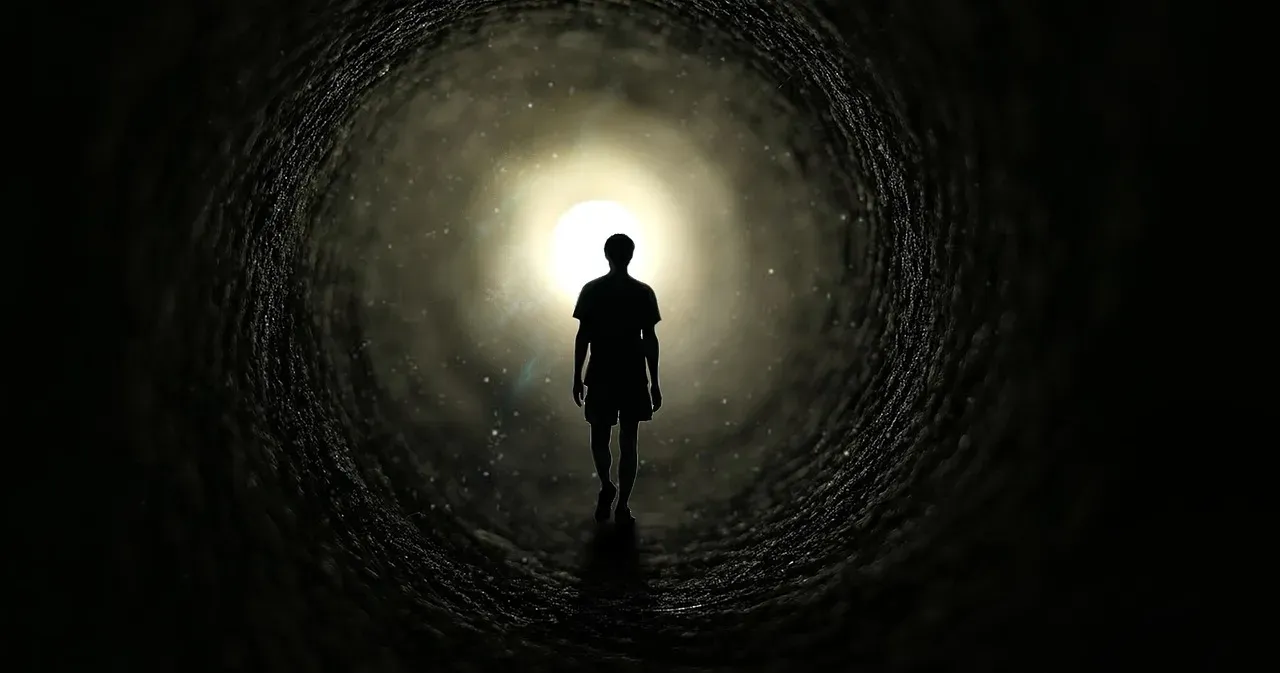
If you scan the reports from survivors, one of the most common visuals is the sense of moving rapidly through a tunnel or a dark space toward a bright light. You might expect such a moment to feel terrifying, but many people describe a deep calm and an almost overwhelming sense of safety, as if they are being “carried” somewhere rather than dragged. The light at the end of this tunnel is often described as impossibly bright but not painful to look at, more like a presence than a simple glow. Even people from very different cultures and backgrounds use similar language for this part, which is one of the reasons it keeps attracting scientific interest.
On the neurological side, some researchers suspect that as blood flow drops, parts of your visual system begin to fail from the periphery inward, creating the impression of a tunnel. At the same time, your brain may release a flood of chemicals that blunt fear and stimulate emotional centers, which could help explain the intense peace you might feel. Yet, this neat explanation does not fully satisfy everyone, because tunnel-and-light experiences are sometimes reported even when there is minimal measurable brain activity. You are left with a curious tension: the pattern is common enough to study, but the full mechanism remains hazy.
Meeting Beings and Deceased Loved Ones: Hallucination or Something More?
Another recurring element you see across hundreds of cases is the sense of meeting someone on “the other side.” You might encounter deceased relatives, unknown but loving figures, or beings that feel wise and somehow beyond human. These encounters are usually packed with emotion: people report feeling intensely loved, accepted, or gently guided, as if someone is there to welcome them or tell them what comes next. Often, there is a sense of telepathic communication rather than ordinary conversation, where entire feelings or ideas arrive at once instead of sentence by sentence.
From a scientific perspective, you can think of these figures as your brain drawing on familiar faces and emotional memories during extreme stress. When your sense of self is under threat, it is not surprising that your mind would reach for the people who meant the most to you in life. On the other hand, some cases complicate this explanation, like when someone reports seeing a relative they did not know had died, and later learns that person had passed away shortly before. You cannot build grand conclusions from scattered stories, but they are exactly the kinds of details that keep this topic from being dismissed as simple fantasy.
Seeing Your Own Body: The Mystery of Out-of-Body Experiences
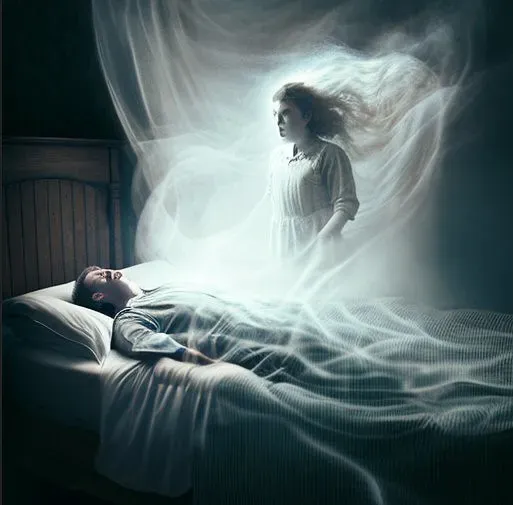
One of the most dramatic and unsettling features of near-death reports is the out-of-body experience. You might “wake up” to find yourself floating near the ceiling, looking down at your own body while medical staff work frantically below. Many survivors say they can describe the layout of the room, who was present, and exactly what was done to them, even though, from a medical chart perspective, they were unconscious and sometimes had no detectable heartbeat. This feeling of separation from your physical body can be so convincing that it permanently changes how you think about yourself.
Neuroscience has shown that it is possible to trigger out-of-body illusions by stimulating specific regions of the brain or using clever virtual reality setups that confuse your sense of where you “are.” This suggests that your brain is constantly constructing your experience of being located inside a body, and under extreme conditions, that construction can break down. The debate really starts when people report accurate details from the operating room or resuscitation area that they seemingly should not have been able to see or hear. In large collections of cases, a smaller subset include these verifiable details, and while not all of them stand up to careful checking, enough are intriguing that the question remains open in scientific circles.
The Life Review: Reliving Everything in an Instant

Another powerful pattern you see again and again is the life review. Survivors describe seeing scenes from their past, not just as static images but as full emotional replays where they feel what they and others felt in those moments. It might be a rapid montage of childhood memories, key decisions, and small acts of kindness or cruelty they had forgotten. In some accounts, the review is described as happening outside of time, all at once, while still somehow being understandable, as if your whole life is laid out in a single panoramic view.
Psychologists sometimes relate this to how your brain stores emotionally charged memories and how they can surface quickly during extreme stress. There is also the possibility that when your ordinary sense of time starts to break down, your brain may access and integrate memories in a way that feels radically different from day-to-day recall. For you, if you ever went through something like this, it would likely feel less like remembering and more like confronting the meaning of your life. That is why so many people say that after this kind of review, their priorities shift dramatically, putting relationships and compassion ahead of status or possessions.
What Your Brain Might Be Doing: The Leading Scientific Theories
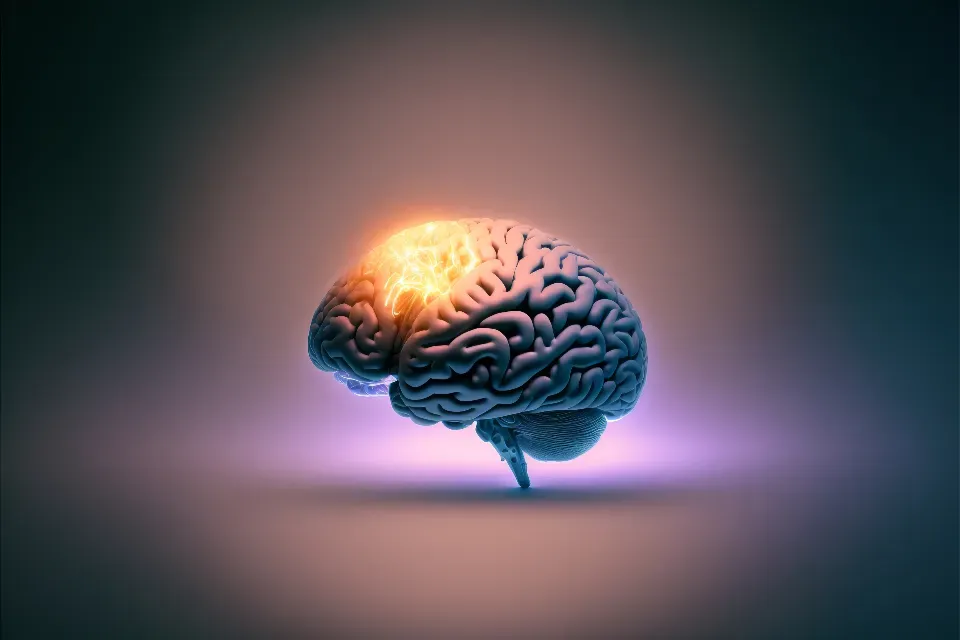
When you zoom out from the personal drama, you find several main scientific theories trying to explain what you would experience near death. One idea focuses on oxygen deprivation and changes in blood flow, which can produce vivid lights, tunnel vision, and intense emotional states even outside of clinical death. Another looks at surges of brain activity that appear in the seconds after the heart stops, suggesting that consciousness may briefly flare in complex ways as networks shut down. You also have hypotheses about neurotransmitter storms, involving chemicals like glutamate or natural opioids, which could shape perception, pain levels, and feelings of bliss.
At the same time, there is a hard limit to what current data can tell you. Measuring brain activity during a genuine near-death experience is extremely challenging, and many events happen unexpectedly, outside of carefully controlled experiments. Some studies have found patterns that line up neatly with certain features of near-death narratives, while others raise new questions, such as bursts of organized activity at times when you would expect only silence. If you are hoping for a clean, single explanation that covers all the reported details, science is not there yet, and honest researchers will tell you that directly.
How These Experiences Change You: Aftereffects That Last a Lifetime

Regardless of how you interpret them, near-death experiences often leave people profoundly changed. When researchers follow up with survivors months or years later, they frequently find big shifts in values and behavior. You see people losing their fear of death, feeling a stronger sense of purpose, and caring more about relationships than material success. Many report that they become more compassionate and less judgmental, as if the experience rewired what they think actually matters. These changes tend to be stable over time, which suggests that what happened to them was not just a fleeting dream.
You also hear about challenges you might not expect at first. Some people struggle to talk about their experiences because they are afraid of being labeled delusional, or they feel like no one will truly understand. Others find it hard to return to everyday routines after feeling that they touched something huge and mysterious. Clinicians who study near-death experiences increasingly recognize the need for sensitive support, because whether you think these events are spiritual, neurological, or some messy mix of both, the emotional impact is real. If you ever went through something like this, you would probably need time and space to figure out how to live with what you saw.
Between Mystery and Measurement: What You Can Honestly Conclude

When you pull together hundreds of near-death accounts and compare them with what modern neuroscience knows, you end up in a fascinating middle ground. On one side, you have clear, testable ideas about how a stressed or dying brain might generate tunnels, lights, timeless moments, and even out-of-body illusions. On the other, you have stubborn details, like apparently accurate perceptions during unconsciousness and life-changing meaning that does not fit neatly into a simple “hallucination” box. You are not forced to choose between blind belief and total dismissal; you can acknowledge that the brain is doing something remarkable while also admitting that you do not yet fully understand what that is.
For you personally, the most honest takeaway is this: near-death experiences are real experiences, in the sense that people truly have them and are genuinely transformed by them, even if the ultimate cause is still debated. The patterns reported by around two hundred or more survivors in careful studies line up strongly enough that they cannot be brushed off as random stories. At the same time, the current scientific picture is incomplete, and anyone claiming to have all the answers is getting ahead of the evidence. Maybe the most meaningful stance you can take is to stay curious, keep both your critical thinking and your sense of wonder turned on, and ask yourself quietly: if you ever found yourself walking toward that light, what do you think you would see?