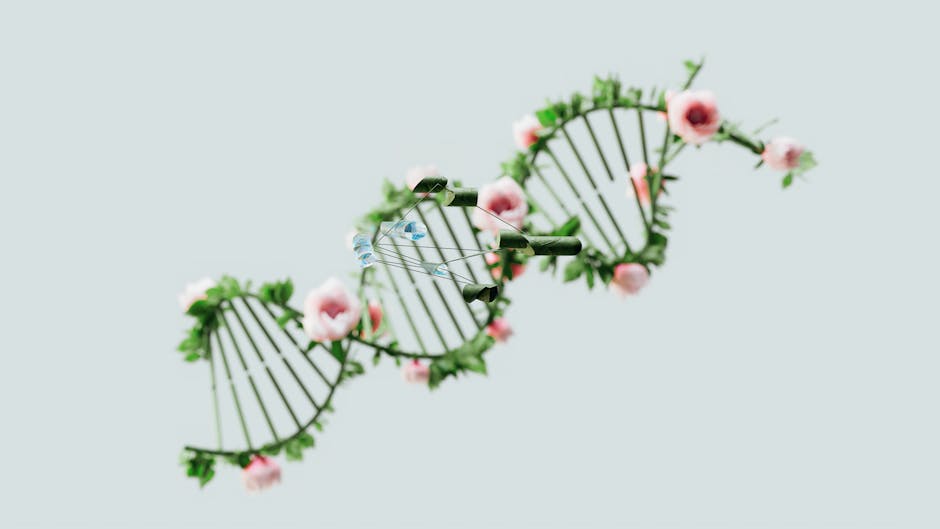

Walk past a centenarian blowing out a wall of candles and it is hard not to wonder what secret script is written in their DNA. Why do some people reach 100 with a sharp mind and surprisingly resilient bodies, while others face age‑related diseases decades earlier, despite living in the same world, eating similar food, and breathing the same air? It feels almost unfair, like some people were quietly handed a better biological lottery ticket at birth.
The truth is less mystical but far more fascinating: extreme longevity is, to a large extent, about genes that subtly shift the odds over an entire lifetime. They do not make anyone immortal, and they do not guarantee a disease‑free old age, but they can tilt the playing field in favor of slower aging, better repair, and extra resilience to damage. In this article, we’ll unpack what science currently knows about those genetic advantages, where the evidence is solid, where it is still foggy, and how much control we might realistically have over our own biological destiny.
Genes That Run in Centenarian Families

One of the most striking clues about the genetics of living past 100 is how often extreme old age clusters in families. When researchers follow families with multiple centenarians, they find that close relatives of people who live to 100 or more are significantly more likely to live longer than average themselves, even when they do not share the same lifestyles. That pattern is hard to explain purely by luck or environment, and it strongly suggests that inherited DNA variants provide a measurable survival advantage over many decades.
These families are not just living long; they are often living well. Many of them show a delayed onset of age‑related diseases such as heart disease, certain cancers, and dementia, effectively compressing illness into a shorter period at the very end of life. That is a powerful hint that their genes are doing more than just keeping them alive; they are shifting the whole trajectory of decline. To me, it feels a bit like watching two people start the same hike: one carries a heavy backpack of risk from the start, while the other starts lighter and only gradually adds weight much later in the journey.
The APOE Gene: Why Some Brains Age More Gracefully
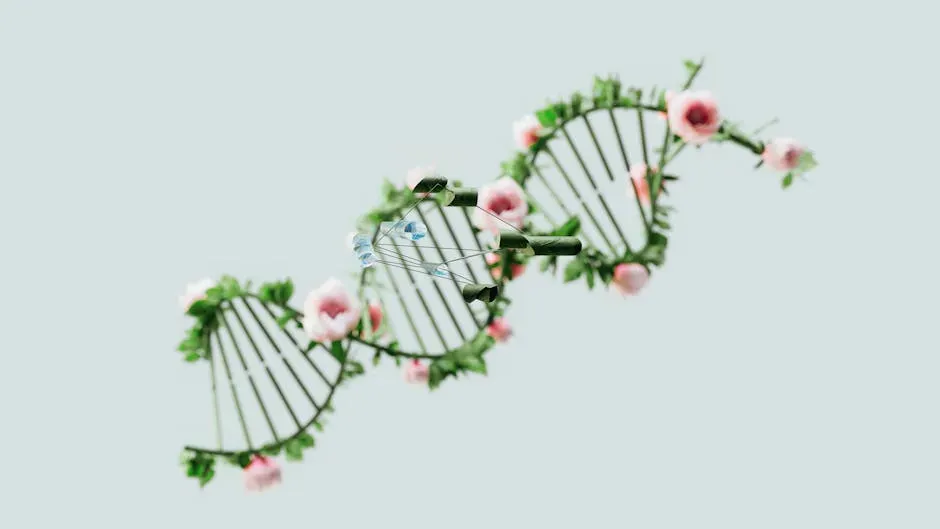
When scientists talk about brain aging and longevity, one gene keeps showing up: APOE. This gene helps manage how the body transports fats and cholesterol, but certain versions of APOE have a massive impact on brain health. A well‑known variant often called APOE4 is linked to a higher risk of Alzheimer’s disease and earlier cognitive decline, while another variant, APOE2, appears relatively protective and is found more often in people who reach 100 with their memory largely intact.
What is fascinating is how APOE shapes the risk landscape rather than dictating a fixed fate. People who carry the higher‑risk variant are not guaranteed dementia, but they are playing the game on a harder difficulty level, with more vulnerability to the same insults: inflammation, poor vascular health, and metabolic stress. Centenarians are disproportionately likely to carry the more protective versions, suggesting that having a brain wired to better handle cholesterol and repair neurons over many decades might be one quiet superpower of successful aging. It is not glamorous, but it is like having a slightly better mechanic working under the hood of your brain for a century.
Cellular Housekeeping: Longevity Genes in Repair and Recycling
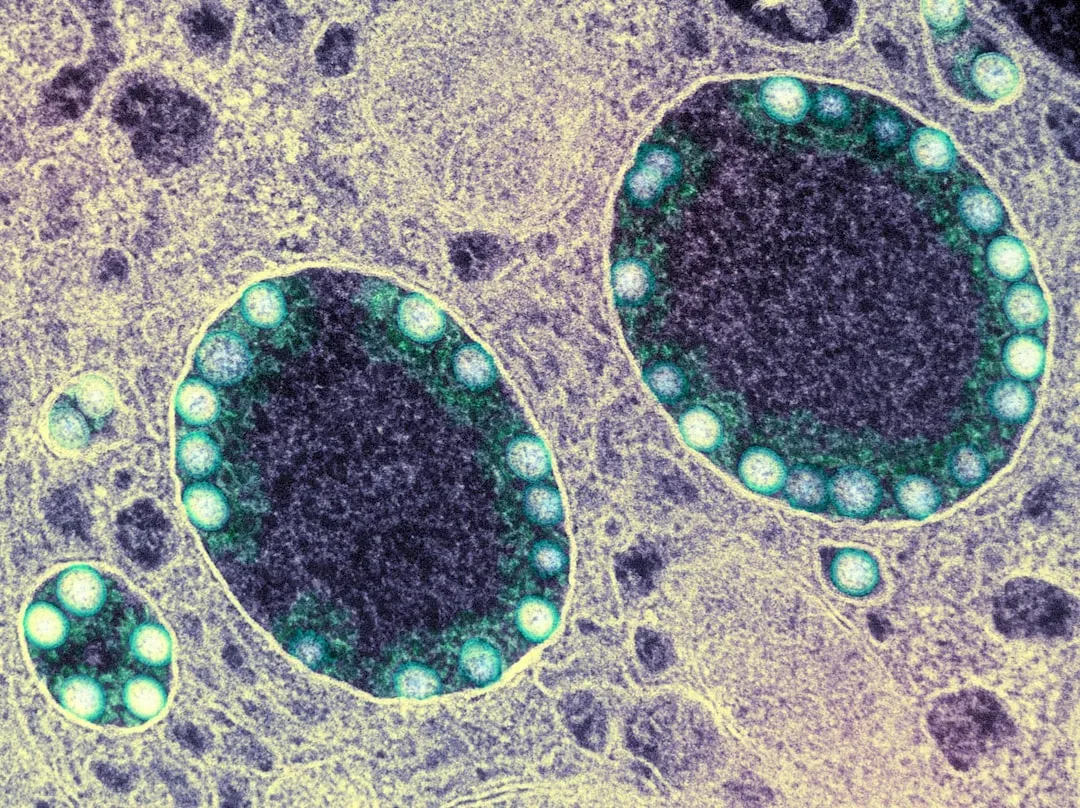
Living to 100 is, in many ways, about how well your cells clean up their own mess. Throughout life, proteins misfold, cellular waste accumulates, and damaged components pile up like clutter in a house no one tidies. Some genes are deeply involved in a process called autophagy, where cells break down and recycle broken parts. Variants of genes that support efficient autophagy and stress responses appear more common in long‑lived individuals, suggesting that people who age slowly may simply be better at internal housekeeping for decades.
Another key set of genes governs how cells respond to stress, like oxidative damage or nutrient scarcity. These genes help ramp up protective pathways, repair DNA, and sometimes trigger the removal of badly damaged cells before they turn into bigger problems. In centenarians, these pathways often seem more finely tuned, like a security system that is sensitive enough to catch issues early but not so reactive that it causes chronic inflammation. I like to think of it as owning a car whose maintenance system quietly updates itself, replacing worn parts before you ever see a breakdown on the highway of life.
Metabolism and “Thrifty” Longevity Variants
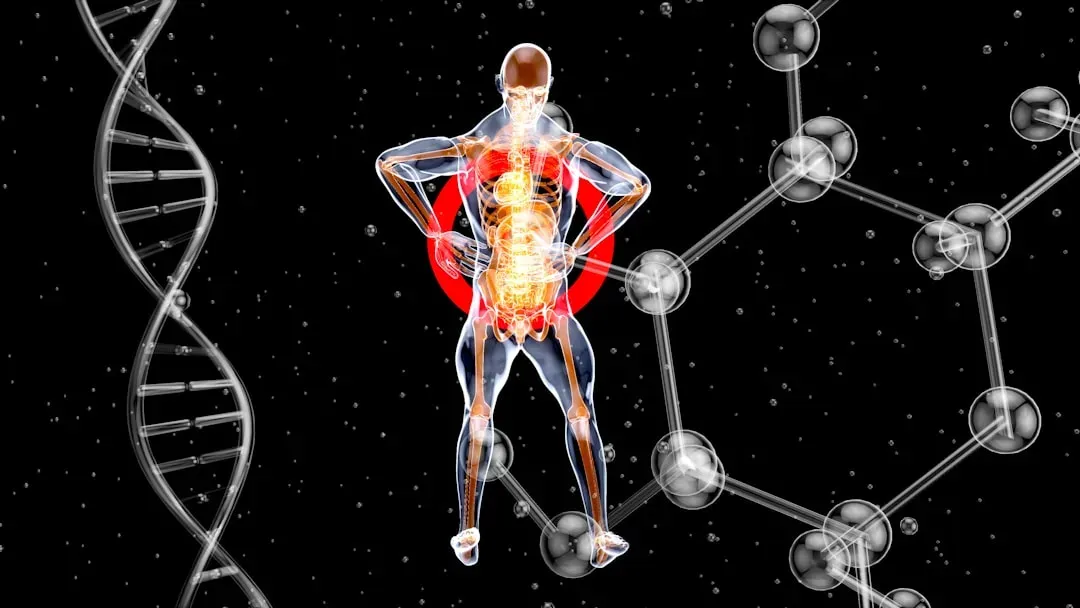
Many longevity‑associated genes sit squarely in the middle of our metabolism: how we handle glucose, insulin, and energy use. Variants in genes that affect insulin sensitivity, for example, appear more frequently in people who live to 100. These variants often correlate with lower levels of circulating insulin and a reduced risk of type 2 diabetes and cardiovascular disease, which are major life‑shortening conditions in mid to late life. Put simply, some people are genetically better at not overreacting to sugar, which protects their blood vessels and organs over time.
There is also a long‑standing idea of “thrifty” genes, variants that help store and use energy efficiently, which might have been an advantage in food‑scarce environments. In the modern world of constant calories, some of those same tendencies can turn into liabilities, fueling obesity and metabolic disease. Intriguingly, centenarians often seem to carry metabolic variants that support efficient but balanced energy handling, avoiding the extremes of both chronic scarcity and constant overload. It is like having a bank account that automatically saves and spends just enough without spiraling into debt or hoarding cash you never use.
Telomeres, DNA Stability, and Slower Cellular Aging

Every time a cell divides, the protective caps at the ends of chromosomes, called telomeres, get a bit shorter. Over time, very short telomeres are associated with cellular aging, dysfunction, and a higher risk of age‑related disease. Some people carry genetic variants that support slightly longer telomeres or more stable maintenance of these structures, which may help their cells stay functional and less prone to harmful mutations for a longer portion of life. Among centenarians, you often see signs of better preserved telomere function compared with younger people who are already sick.
However, this is not as simple as “long telomeres equal long life.” Extremely long telomeres can sometimes increase the risk of certain cancers, because cells keep dividing when they perhaps should not. What seems to matter more is balance: genetic setups that maintain telomeres just well enough to delay cellular exhaustion without encouraging runaway growth. Centenarians tend to sit in that sweet spot, with telomere dynamics that reflect slower wear and tear rather than extreme manipulation. To me, it resembles maintaining a favorite pair of shoes: you do enough repairs so they last many seasons, but you do not patch them endlessly past the point of safety.
Inflammation, Immunity, and “Younger” Immune Systems
Aging is often described now as a slow, smoldering fire of chronic inflammation. Over time, the immune system becomes less precise and more prone to overreacting, contributing to everything from heart disease to dementia. Genetic variants that dial down this background inflammatory noise without crippling immune defense appear more common in individuals who reach extreme old age. Their immune systems are not perfect, but they are less likely to be stuck in a constant, damaging low‑grade alarm state.
There are also genes that shape how effectively we respond to infections and vaccines, as well as how quickly immune cells recover after being activated. Centenarians often show a profile where certain arms of the immune system remain surprisingly robust, almost as if their immune age is younger than their chronological age. That does not make them invincible; infections can still be dangerous. But it suggests that their genetic makeup has allowed their immune systems to avoid burning out too early. In everyday terms, it is like having a home security system that still works reliably at age 100 instead of constantly misfiring or shutting down altogether.
Gene–Lifestyle Interactions: Why DNA Is Not Destiny
For all the focus on genetics, one of the most important truths about longevity is that DNA does not act in isolation. Many of the same genes associated with long life also respond to lifestyle factors like diet, exercise, sleep, and exposure to toxins. Activity in pathways related to metabolism, inflammation, and repair can be dialed up or down by daily habits. That means two people with similar genetic potential can age very differently depending on whether their environment is pushing those genes in a protective or harmful direction.
Centenarians often have a mix of good genes and, intentionally or not, relatively supportive lifestyles: moderate physical activity, social connection, and generally balanced diets, plus survivorship through historical hardships that weeded out more fragile systems. At the same time, many people with average genetics can significantly improve their odds of healthy aging by aligning their behavior with what those protective pathways seem to like: stable weight, low smoking exposure, good sleep, and stress that is manageable rather than overwhelming. I think of it as owning a race car engine: genes set the basic horsepower, but driving style and maintenance still decide whether you finish the race or burn out at the halfway mark.
The Ethical Edge: Should We Chase Genetic Longevity Secrets?
As genetic research on centenarians advances, the temptation is obvious: if we can identify the variants that favor long life, why not engineer them or build drugs that mimic their effects? On one level, that is already happening through medicines that target metabolic pathways, inflammation, and cellular repair. But directly editing human embryos or selectively enhancing future generations with longevity genes raises serious ethical questions about fairness, access, and what kind of society we want. Do we really want a world where the wealthy can buy an extra decade or two of relatively healthy life while others cannot?
There is also a more subtle concern: over‑focusing on genetics can distract us from simpler, broadly accessible tools that benefit everyone, regardless of their DNA. Clean air, safer food, education, and social policies that reduce stress and poverty often have a bigger impact on average lifespan than any single gene variant. My own opinion is that studying genetic longevity is incredibly valuable, mainly because it teaches us which biological levers to pull with lifestyle and medicine. But treating longevity genes as a luxury upgrade risks turning aging into yet another area where inequality gets hard‑wired into bodies, not just bank accounts.
Conclusion: Longevity Genes as Loaded Dice, Not a Script
When you pull all the evidence together, look less like a magical switch and more like a handful of loaded dice rolled over and over throughout life. Favorable variants in genes related to metabolism, brain health, cellular repair, telomere maintenance, and immune balance quietly nudge the odds away from early disease and towards slower decline. Centenarians are not superhuman; they are people whose biology has been slightly tilted, day after day, year after year, toward survival. That tilt is real and powerful, but it never operates alone.
My own take is that obsessing over whether you personally won the genetic lottery misses the bigger, actionable story. The same pathways that protect long‑lived families can often be supported through ordinary choices: moving your body, avoiding chronic metabolic overload, managing stress, and nurturing relationships that keep you mentally and emotionally engaged. Genes set the stage, but they do not write every line of the play. Maybe the most empowering way to think about longevity genetics is this: your DNA loads the dice, but how you live decides how often you roll them. Given that, what part of your own script are you still willing to rewrite?