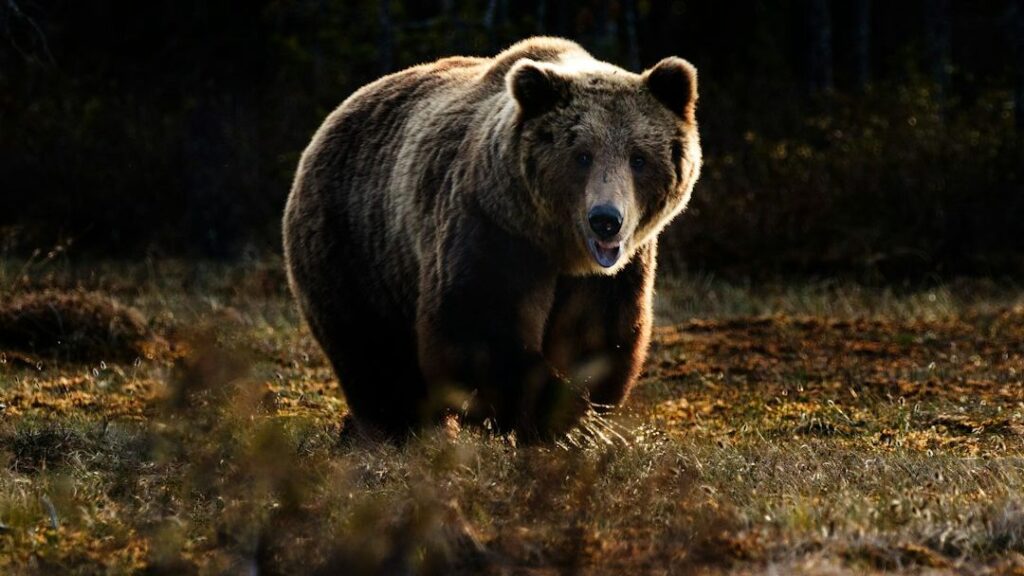
If you have ever watched a video of a grizzly bear sprinting, you know the feeling: that cold, electric jolt of fear that runs straight through your spine. Now imagine that same animal coming toward you in real life, in the wide‑open wild of Yellowstone. Your heart would race, your brain would scream, and yet, in that exact moment, what you do in the next few seconds could very literally decide whether you walk out or do not walk out at all.
That sounds dramatic because it is. But it is also survivable when you understand how grizzlies think, how they move, and why most charges are not actually about eating you. In Yellowstone, thousands of people hike, camp, and explore safely around bears every single year. The difference between a terrifying encounter and a tragedy often comes down to habits you build long before you see a bear, and the split‑second choices you make when one suddenly appears. Let us walk through those choices step by step – calmly, clearly, and without sugarcoating what is at stake.
Understanding Yellowstone’s Grizzlies: Predator, Protector, or Just a Big Neighbor?
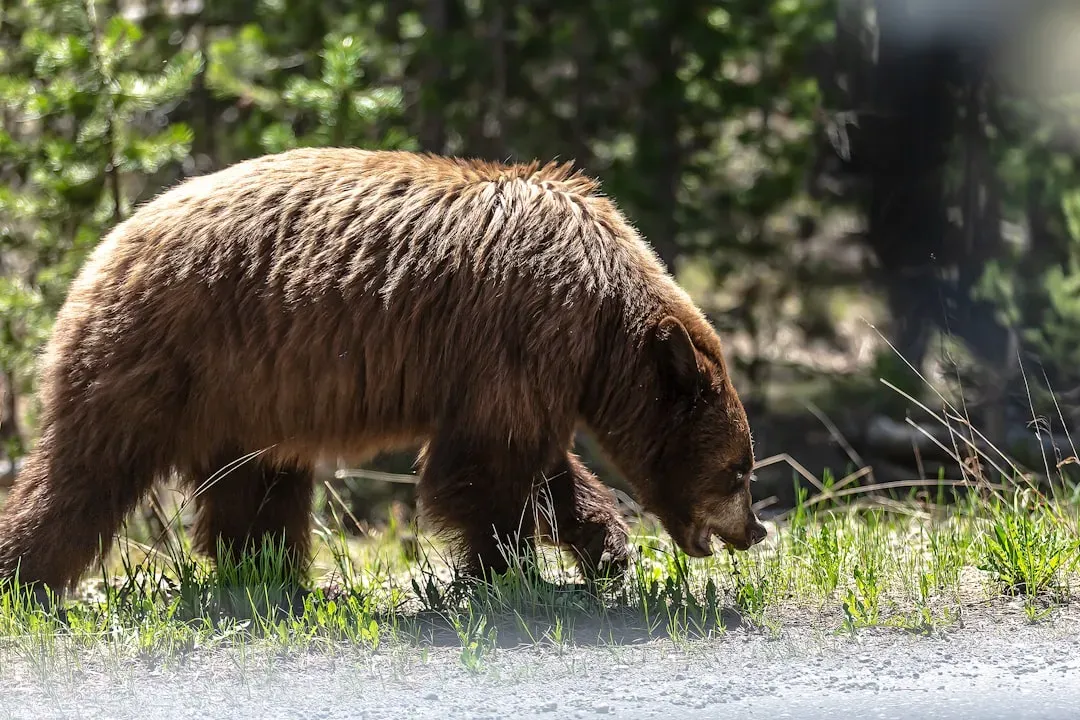
The first surprising truth about grizzlies in Yellowstone is that they are not roaming the park like villains in a horror movie, hunting humans for sport. Most of the time, a grizzly is busy doing bear things: digging for roots, grazing on berries, tearing apart logs for insects, or guarding a carcass from other scavengers. When a bear ends up in your path, it is usually because you both made the same innocent mistake: neither of you knew the other was there until it was too late. That sudden shock often triggers what looks like a ferocious charge, but it can be more about fear and defense than hunger.
Grizzlies are powerful omnivores with strong territorial instincts, especially around cubs and food sources. A mother with cubs will see you as a possible threat long before she sees you as anything else, and a bear on a carcass has zero interest in sharing. Thinking of a grizzly as a dangerous but predictable neighbor – not a movie monster – actually helps. Neighbors have patterns, boundaries, and warning signs. When you understand what a bear values and what it fears, you can better interpret its behavior and respond in a way that lowers tension instead of escalating it.
Stay or Run? Why Your Instincts Will Try to Get You Killed
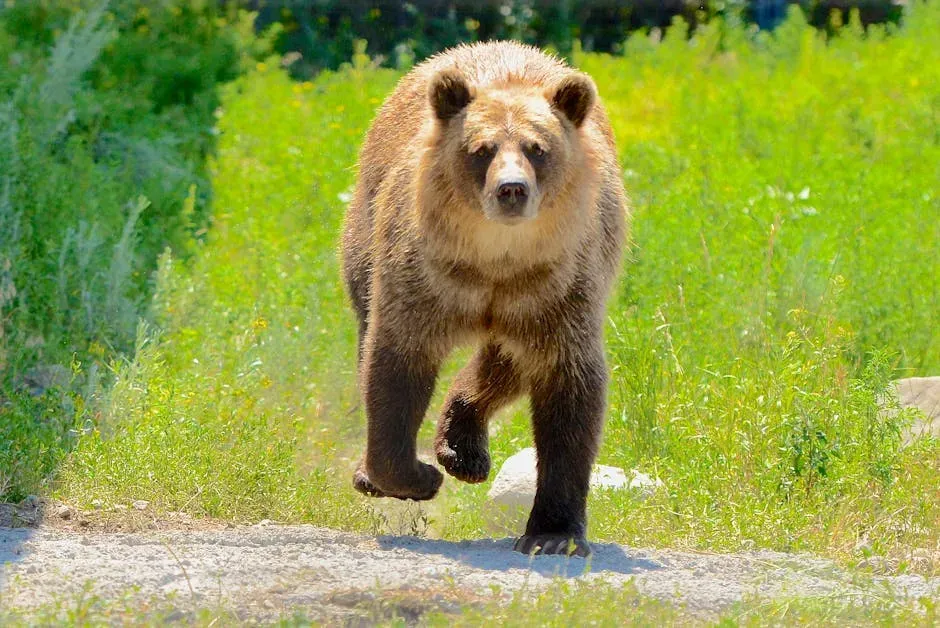
When a massive animal suddenly charges in your direction, every survival instinct you have will scream at you to run. That instinct made sense for your ancestors when the threat was another person or a slower predator. With grizzlies, though, running is usually the worst thing you can do. A grizzly can outrun a racehorse over short distances, and the sight of you bolting may flip a switch from curiosity or defense to full‑on chase response, the same way a dog suddenly sprints after a fleeing squirrel.
Staying put, or even stepping slowly sideways instead of backpedaling in panic, feels wildly unnatural in that moment – but this is the response that aligns with how bears read body language. A human who stands their ground, avoids direct eye contact, talks calmly, and does not make sudden moves is sending a clear signal: I am not prey, I am not attacking, and I am not worth the effort. Think of it like refusing to join an argument; you are not submitting, you are just not escalating. That split‑second choice to override your instincts can buy you exactly the time and space you need.
Reading the Charge: Bluff or Real Attack?
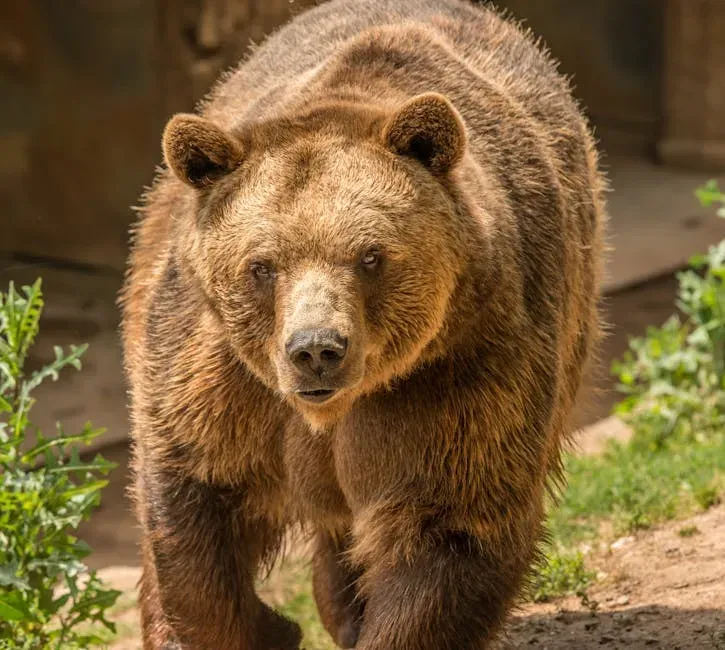
Here is the part nobody really wants to hear: in the heat of the moment, you might not be able to perfectly tell whether a charge is a bluff or a real attack. But you can recognize patterns. Bluff charges often involve a bear running toward you and then veering off at the last second, stopping short, or bouncing on its front paws while huffing and jaw‑popping. The bear is basically saying, in the only language it has, that it wants you gone, not necessarily dead. Your job is to stay controlled enough to keep signaling that you understand the message and you are not a threat.
A true predatory or full defensive attack looks different. The bear keeps coming, ears pinned back, body low and committed, often with less dramatic huffing and more focused, direct motion. In a predatory situation, the bear might follow you, stalk, or circle, and there may not be much noise at all. That is the nightmare scenario everyone imagines, but it is thankfully rare. Still, planning for the worst while hoping for the most common (a bluff or defensive charge) is the mindset that will keep you ready without spinning you into constant fear.
Your First Line of Defense: Distance, Noise, and Situational Awareness
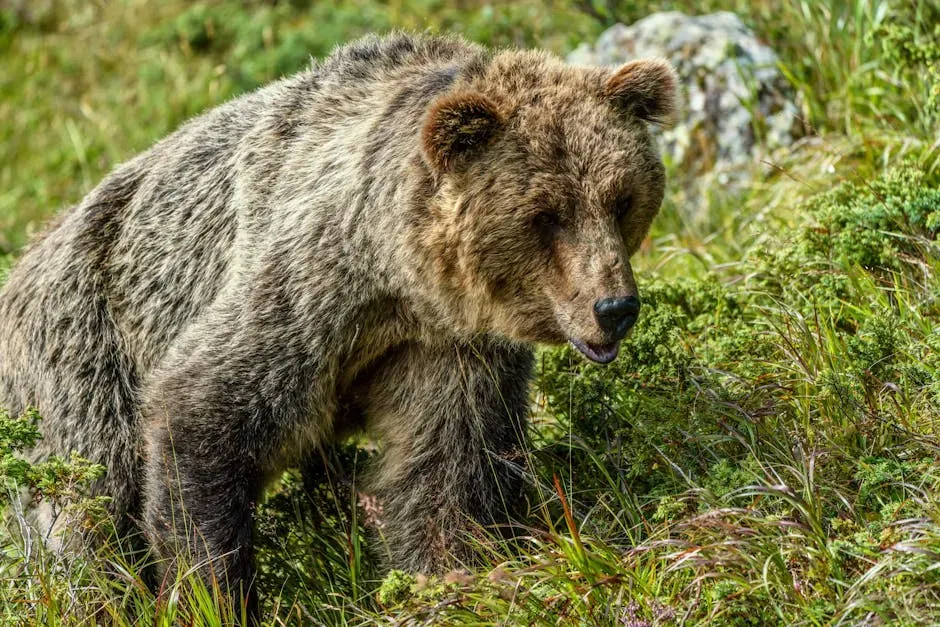
The safest grizzly encounter is the one that never gets close enough to turn into a charge in the first place. In Yellowstone, that means treating every blind curve, dense thicket, or noisy stream crossing as a place where a bear might be just out of sight. Hike in groups whenever possible, talk out loud, clap occasionally, or make natural conversation instead of walking in silence with headphones on. Human voices carry well and give wildlife a chance to move off before you surprise each other at close range.
Using your eyes and brain as much as your feet makes a difference too. Look for fresh scat, tracks, turned‑over logs, or dug‑up slopes – classic signs that a bear has been feeding nearby. If you see a carcass, especially in cooler weather when it might be preserved longer, treat that area as a hard no‑go zone and back well away. Many ugly bear incidents start with people drifting closer to a kill out of curiosity or to get a unique photo. I remember hiking in the park and seeing a cluster of ravens and a whiff of something rotten on the wind; that alone was enough for me to change my route. It felt overly cautious in the moment – and exactly right in hindsight.
Bear Spray: How to Use It Before You Actually Need It
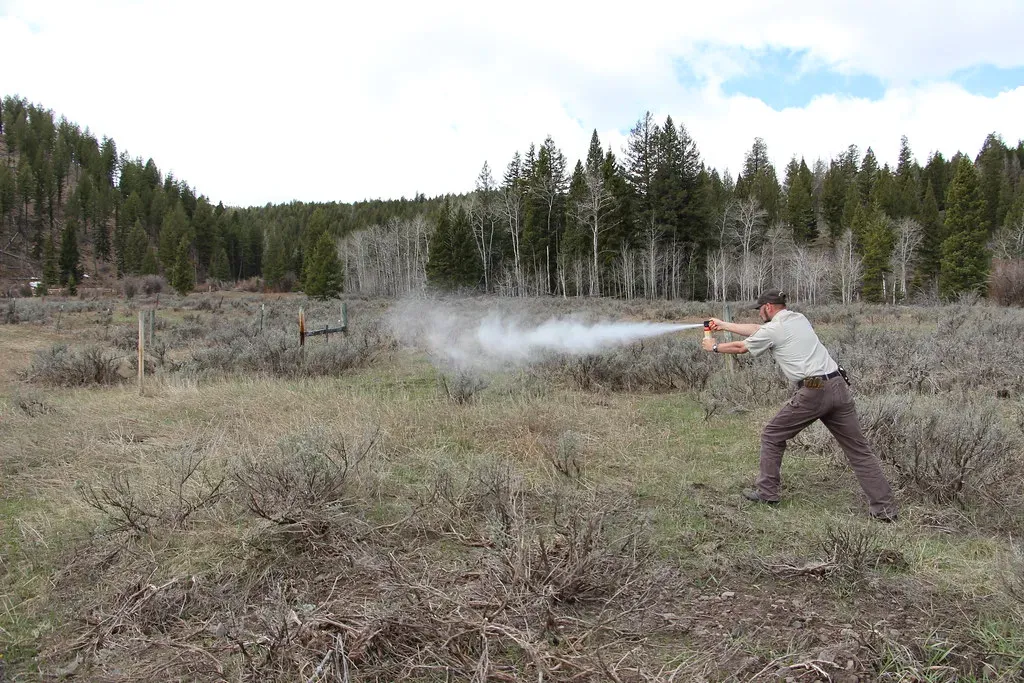
Bear spray is not a lucky charm; it is a tool that only works if you know how to use it, and you practice the motions before panic sets in. Think of it as a fire extinguisher for wildlife encounters: you hope you never pull the trigger, but when you do, you will not have time to read the label. In Yellowstone, carrying bear spray within quick reach (on a hip belt or chest strap, not buried in your pack) is not overkill, it is just responsible behavior in grizzly country.
The basics are simple but worth drilling into your muscle memory. You draw the canister, remove the safety clip, aim slightly downward in front of the charging bear, and create a widening cloud between you and the animal, ideally when it is within a few dozen feet. The goal is not precision sniping; it is building a wall of intense irritation that the bear must push through, usually enough to make it veer off. Practicing the motion with an empty or inert can at home might feel silly, but when your hands are shaking in real life, you will be grateful you took the time.
When a Grizzly Actually Makes Contact: Playing Dead Versus Fighting Back
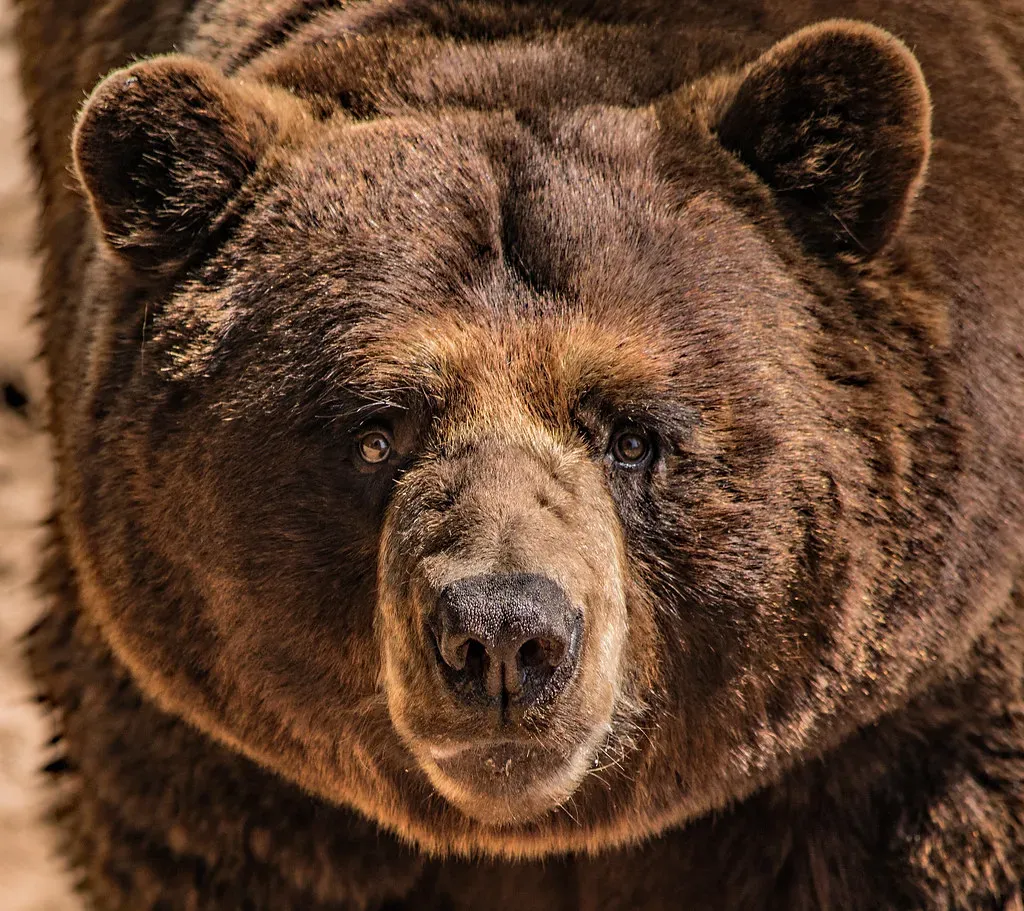
This is the most uncomfortable part of the conversation, but it is also the part people remember when it matters. If a grizzly charges defensively – most often because it was surprised at close range or is protecting cubs or a food source – and it physically hits you, the recommended strategy is to drop and play dead. That means lying flat on your stomach, legs slightly apart so the bear has a harder time rolling you over, fingers interlaced behind your neck, and your pack staying on to protect your back. Your stillness is telling the bear that you are no longer a threat, just a neutral object it can safely ignore once it feels the situation is under control.
If, however, a bear is acting in a more predatory way – stalking you, following you, or attacking without any obvious trigger like cubs or a carcass – then playing dead is the wrong move. In that rare scenario, you fight back with everything you have. Aim for the face, muzzle, and eyes using rocks, trekking poles, or even your fists. It is messy, terrifying, and sounds impossible from the comfort of a couch, but that aggressive resistance has helped people survive the worst‑case situations. The trick is not trying to become a bear behavior expert in the moment, but remembering this simple divide: defensive attack, play dead; predatory attack, fight.
What Not to Do: Common Mistakes That Turn Scares Into Tragedies
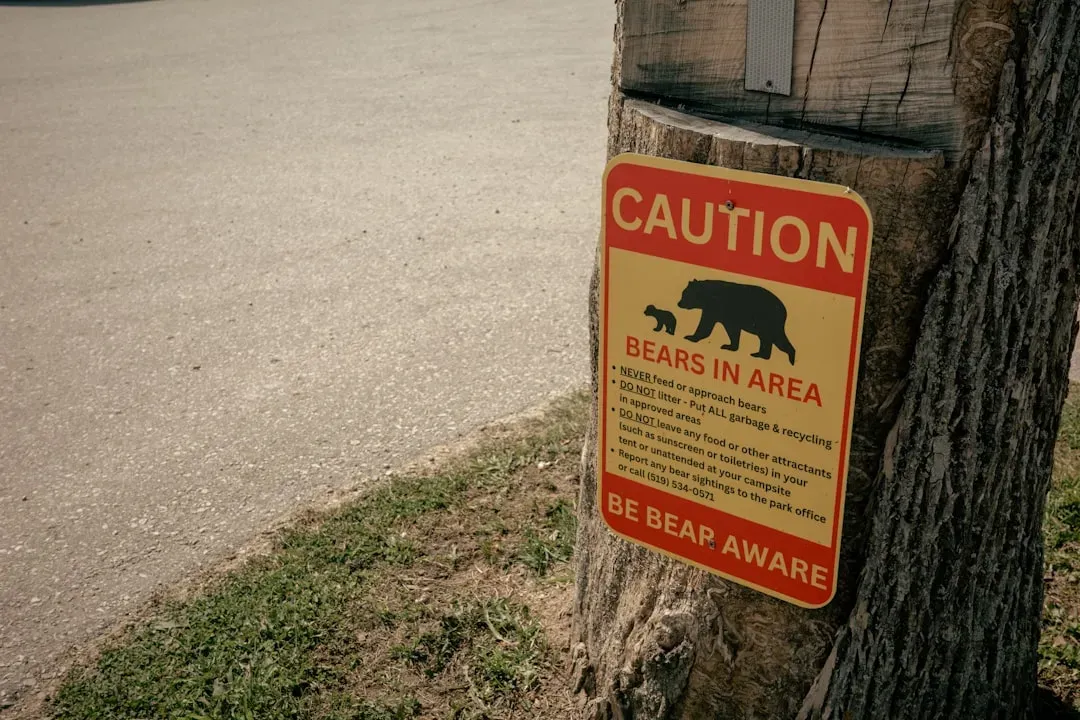
In every serious bear incident report you read, certain mistakes show up again and again like a grim checklist. People run. They approach a bear for a closer look or a better photo. They get between a mother and her cubs without realizing it. They ignore posted signs about bear activity. Or they put food, trash, or scented items in their tent because it is more convenient than walking to a proper storage box. These are not bad people, just ordinary people who underestimate how fast a normal moment in the woods can flip into crisis.
There is also a quieter mistake that does not make headlines: treating bears like tourist attractions instead of wild animals. I have seen folks stand way too close for that perfect social media shot, as if the bear were a street performer that owed them a performance. Yellowstone rangers are blunt about this for a reason. Getting closer than recommended viewing distances, trying to feed wildlife, or assuming a bear that seems calm will stay calm is how small risks turn huge. Respecting the animal means respecting its space, its unpredictability, and its right to exist without becoming a prop in your vacation story.
Before and After the Charge: Planning, Reporting, and Emotional Fallout
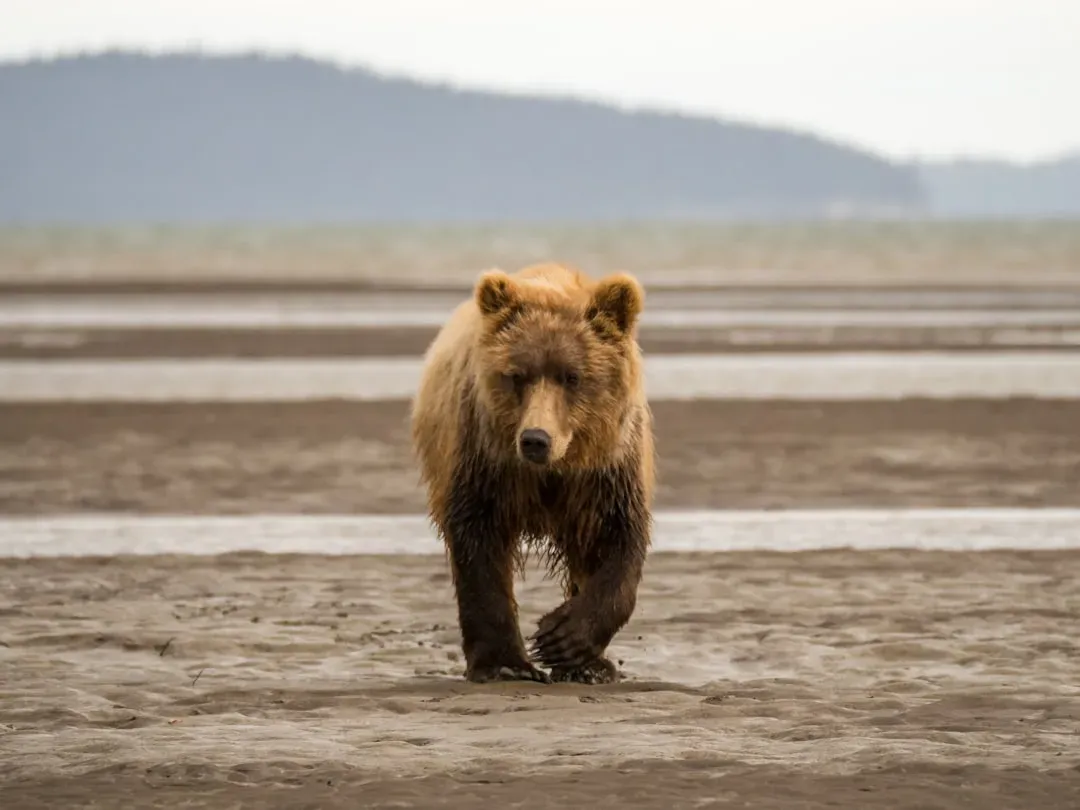
Preparing for grizzly country does not start at the trailhead; it starts before you even leave your cabin, car, or hotel. That means checking current park alerts, choosing routes that match your experience level, and making sure everyone in your group knows the basics: carry bear spray, stay together, make noise, and never run. If you are traveling with kids or less experienced hikers, actually rehearse what they should do if a bear appears. It might feel overdramatic, but in real emergencies, people fall back on what they have practiced, not what they vaguely read on a sign.
If you do experience a charge or close encounter, your job is not over once the bear leaves. As soon as it is safe, move away from the area and report the incident to park staff with as much detail as you can remember. This is not about getting a bear in trouble; it is about helping rangers understand where conflicts are happening so they can protect both humans and wildlife. And honestly, do not underestimate the emotional impact either. Even when nobody is physically hurt, a grizzly charge can leave you shaken for a long time. Talking it through, owning what you did right and what you might do differently next time, is part of turning a near‑miss into hard‑earned wisdom instead of lingering trauma.
Opinionated Conclusion: Coexisting With Something That Can Kill You
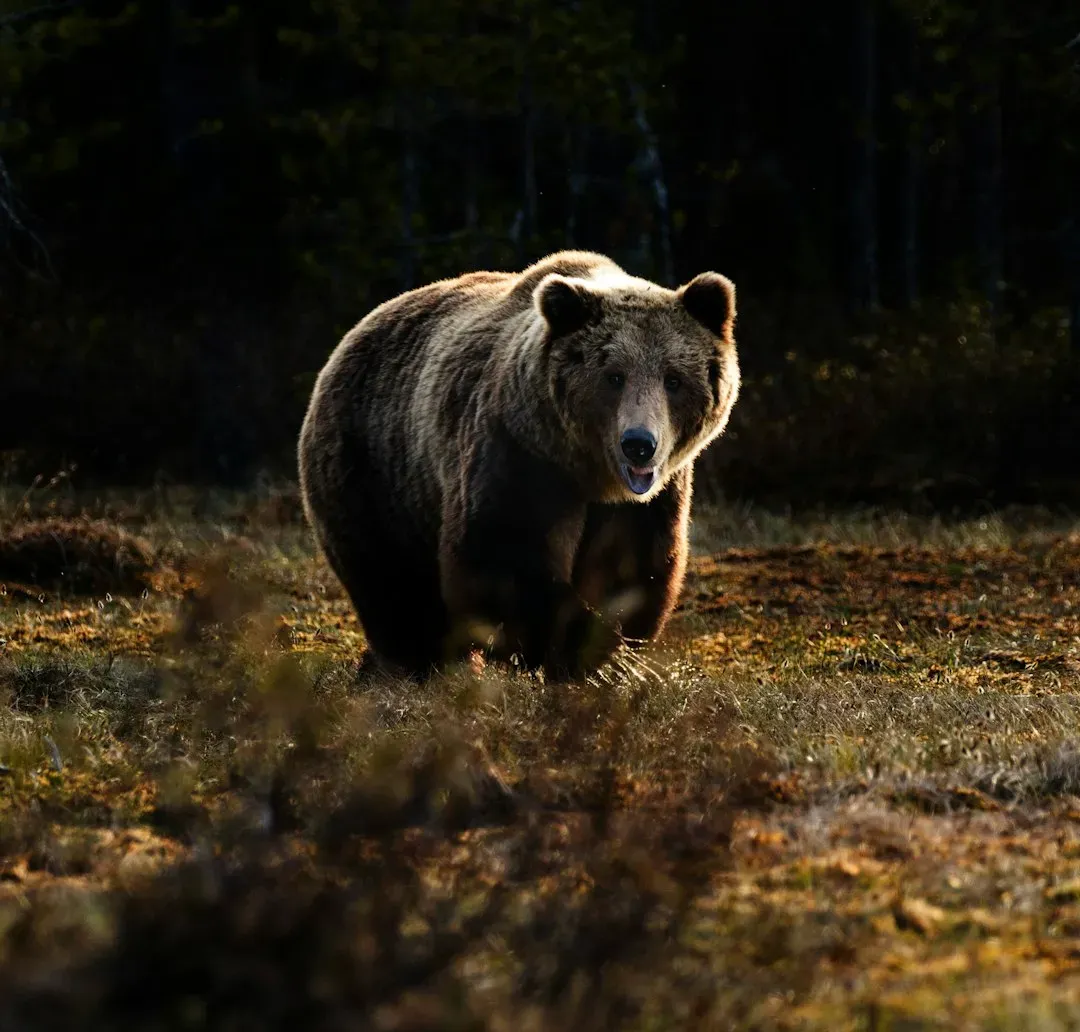
There is an uncomfortable but important truth at the heart of all of this: you cannot have wild, intact ecosystems without predators that could, in theory, kill you. To me, that is not a reason to avoid places like Yellowstone; it is the price of admission to a world that still has real teeth. A landscape with no risk, no danger, and no chance of getting it wrong is usually a landscape that has already been stripped of something irreplaceable. Grizzlies force us to remember that we are visitors, not rulers, and that humility is not just poetic – it is practical safety gear.
Personally, I would rather hike knowing there is a small chance of a terrifying bear encounter than stroll through a sanitized version of nature where every threat has been removed for my convenience. The key is earning that privilege by taking the rules seriously, practicing with bear spray, respecting distances, and accepting that your behavior matters as much as the bear’s. If you ever do find yourself facing a charging grizzly in Yellowstone, your best defense will not be heroics; it will be calm, informed choices made in seconds that were prepared for hours before. Knowing that, would you treat your next walk in bear country any differently?