
You know that strange moment when you just “know” something is right or wrong, but you can’t quite say why? For decades, scientists mostly trusted what could be measured, timed, or verbalized, while those gut feelings were shoved into the vague corner labeled instinct or emotion. Now, as neuroscientists peek deeper into the brain’s hidden circuitry, intuition is turning out to be less mystical and more like a fast, data-driven prediction engine running quietly in the background. From split-second choices made by firefighters to the uneasy feeling that makes someone avoid a dark alley, researchers are finding that these silent nudges often come from real patterns our brains have learned to recognize. The mystery is no longer whether intuition exists, but how it works – and how much of our daily life is quietly steered by mental processes we never consciously see.
The Hidden Clues Your Brain Sees Before You Do
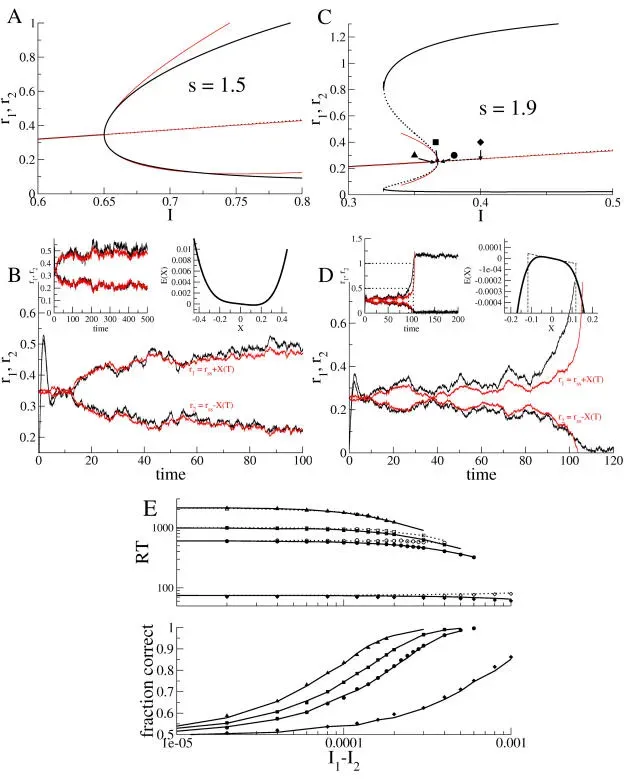
One of the most startling findings in modern neuroscience is that your brain starts preparing a decision before you feel like you have decided anything at all. In brain-scanning experiments, researchers can sometimes predict whether a person will press a left or right button several seconds before that person reports making a choice. That sounds almost supernatural, but it comes down to patterns of neural activity that slowly tip toward one option over another, like a set of scales filling with grains of sand. By the time you become aware of deciding, much of the underlying computation has already happened beneath conscious awareness. Your feeling of “I’ve decided now” may be more like a status update than the true starting point of the choice.
That same hidden machinery also reacts to subtle cues you barely register. In gambling-style lab tasks, people’s sweat glands and heart rates start to shift in response to risky options long before they can explain which deck of cards is “bad.” Their bodies, guided by subconscious pattern detection, start whispering warnings while their conscious minds are still trying to figure out the rules. This is intuition in its purest scientific sense: rapid, automatic pattern recognition based on past experience, expressed as a feeling rather than a fully formed explanation.
From Ancient Instincts to Modern Brain Scanners
Humans have leaned on intuition for survival far longer than we have had words like prefrontal cortex or neural computation. Early hunter-gatherers could not afford to consciously calculate every rustle in the grass; they needed fast yes-or-no calls about danger, food, and trust. That quick sense of unease around a poisoned plant or a hostile stranger was not magic; it was the nervous system summing up countless subtle signals and past outcomes into a simple internal alarm. In that world, the cost of overreacting was low, but the cost of missing a threat could be fatal, so brains evolved to err on the side of swift, intuitive judgment.
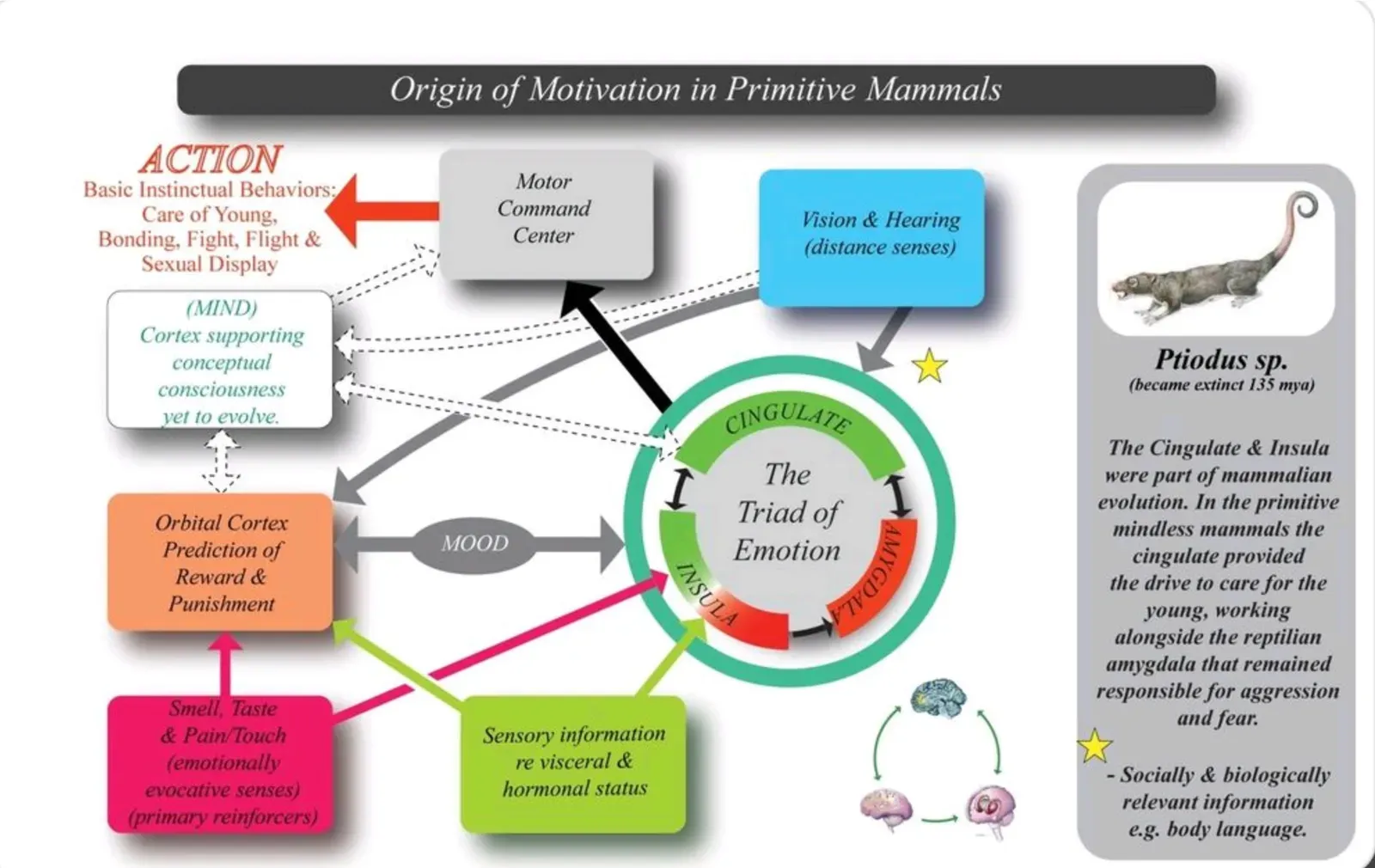
Today, brain imaging tools such as functional MRI and high-density EEG are revealing how those ancient mechanisms play out in modern decisions. When people make rapid intuitive calls, regions involved in emotion and bodily awareness – like the insula and parts of the limbic system – light up alongside decision hubs in the frontal lobes. Rather than a war between emotion and reason, scientists see a constant conversation: feeling-based systems flag options as good or bad, while more deliberate circuits weigh evidence and context. The result is that your “gut” and your “head” are usually not rivals at all, but different parts of the same decision-making network.
How the Brain’s Prediction Engine Builds Intuition
A growing view in neuroscience sees the brain less as a camera taking in the world and more as a prediction machine constantly guessing what will happen next. Under this framework, intuition is what happens when those predictions get very fast and very good, especially in familiar situations. The brain uses past experiences to build internal models: what a friendly face looks like, how a car usually behaves on a wet road, what tone of voice signals danger. When reality begins to deviate from those internal models, it generates a sense of surprise or unease long before you can articulate why.
Over time, repeated exposure sharpens those models and makes intuitive calls feel smoother and more confident. A seasoned paramedic can walk into a room and instantly feel that something is wrong with a patient, even when basic readings look normal at first glance. Behind that gut feeling lies years of subtle pattern learning: the exact shade of a patient’s skin, the rhythm of their breathing, the tension in their voice. Intuition here is not a mystical gift; it is compressed experience, turned into fast, automatic predictions your conscious mind only catches at the last second.
When Gut Feelings Get It Wrong
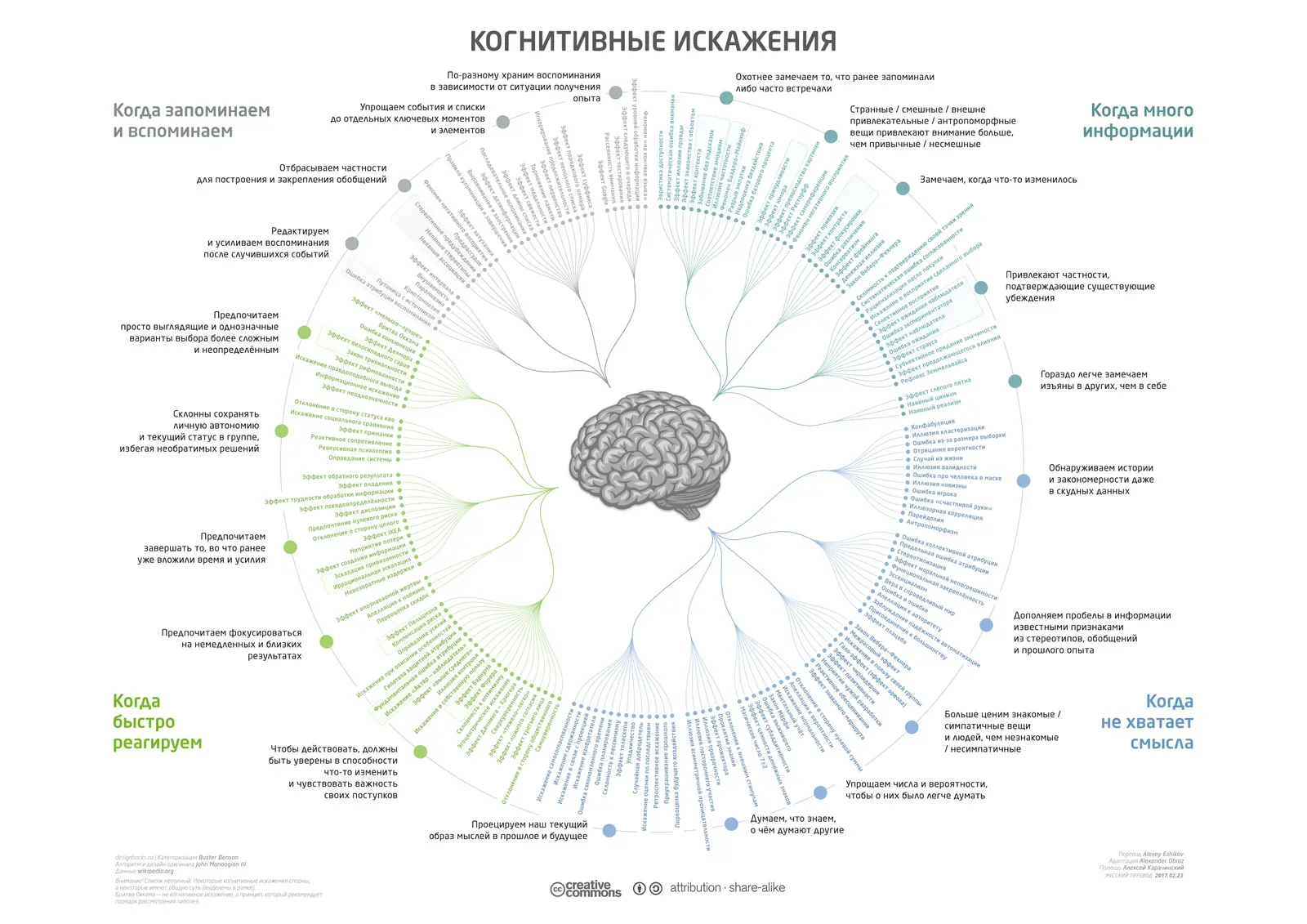
For all its power, intuition is far from infallible, and that is where the story gets uncomfortably personal. The same shortcuts that help us navigate quickly can lead to systematic biases, causing us to misjudge people, misread risks, or cling to stereotypes. Our brains are wired to notice patterns, even when those patterns are weak or misleading, and to remember emotionally vivid events more strongly than dull but more representative ones. That means a single shocking news story can reshape your intuition about a whole group of people, or one bad experience with a dog can make every bark sound like a threat.
Psychologists studying decision-making have cataloged dozens of such cognitive biases, from the tendency to seek information that confirms our beliefs to the habit of judging probabilities by vivid examples instead of actual data. In everyday life, these errors often show up as overconfidence in snap judgments or a stubborn reluctance to revise first impressions. Intuition is especially vulnerable when stakes are emotional and feedback is rare or delayed, such as in hiring decisions, policing, or jury judgments. The challenge is not to discard intuition, but to understand when it is likely to reflect deep expertise and when it is more likely to echo our blind spots.
Why It Matters: Intuition in Medicine, Money, and Everyday Life
Understanding intuition is not just an academic puzzle; it affects some of the most consequential decisions we make. In medicine, experienced clinicians often rely on quick, pattern-based impressions to spot a stroke or sepsis minutes faster than rigid checklists would allow. Their intuitive calls can be lifesaving, but they can also introduce bias, like underestimating pain in certain patient groups or missing rare conditions that fall outside their mental templates. Balancing gut feelings with evidence-based guidelines has become a central tension in modern healthcare, where speed and fairness are both critical.
In finance and business, intuition can help leaders cut through noise, see emerging trends, or sense that a “perfect” deal feels off for reasons that are hard to quantify. At the same time, countless financial crashes and corporate scandals have been fueled by overconfident hunches untested against hard data. For ordinary people, intuitive spending and saving habits shape long-term stability, even when they feel trivial in the moment. Whether we are trusting a doctor, investing in a startup, or picking a school for our kids, our unspoken, intuitive reactions often carry more weight than we realize – which is exactly why shining a light on them matters.
The Subconscious Shortcuts Behind Everyday Choices
One of the most striking things, once you start paying attention, is how many everyday decisions are made on autopilot. You choose a seat on the bus, a snack at the store, a route to work, often with barely a flicker of conscious debate. Psychologists describe this as dual-process thinking: a fast, automatic system that handles routine choices and a slower, effortful system that kicks in when something feels complex or unfamiliar. Most of the time, the fast system runs the show, guided by learned habits, emotional associations, and subtle cues in the environment.
I noticed this in my own life when I realized I kept avoiding a particular crosswalk without knowing exactly why. Only later did I connect it to a minor accident I had witnessed there years earlier, something I had not thought about in ages. My brain had quietly filed that spot under risky and nudged me elsewhere, no conscious deliberation required. On a larger scale, advertisers and designers bank on this kind of subconscious steering, using color, layout, and timing to shape intuitive reactions. The more we understand these shortcuts, the better chance we have of deciding when to follow them – and when to push back.
From Brain Science to Algorithms: Teaching Machines to “Feel” Patterns
As researchers map how humans make intuitive leaps, engineers are racing to build machines that can do something similar. Modern artificial intelligence systems, especially deep learning models, excel at pattern recognition: they can rapidly classify images, detect fraud, or anticipate user behavior based on mountains of past data. In a loose sense, these systems mimic intuition by turning experience into fast, opaque judgments that even their creators struggle to fully explain. When a fraud detection algorithm flags a transaction as suspicious, it is not reciting explicit rules; it is reacting to a subtle pattern it has learned from countless examples.
This raises thorny questions, because the strengths and weaknesses of machine “intuition” parallel our own. Like human experts, algorithms can see meaningful patterns that elude simple rules, but they can also absorb and amplify biases hidden in their training data. That makes transparency and accountability just as important for artificial decision-makers as for human ones. Some scientists are now using insights from cognitive psychology to design AI systems that know when to trust their fast judgments and when to defer to slower, more analytical checks. In a way, we are teaching machines to have a healthier relationship with their own version of gut feelings.
The Future Landscape: Augmented Intuition and Ethical Dilemmas
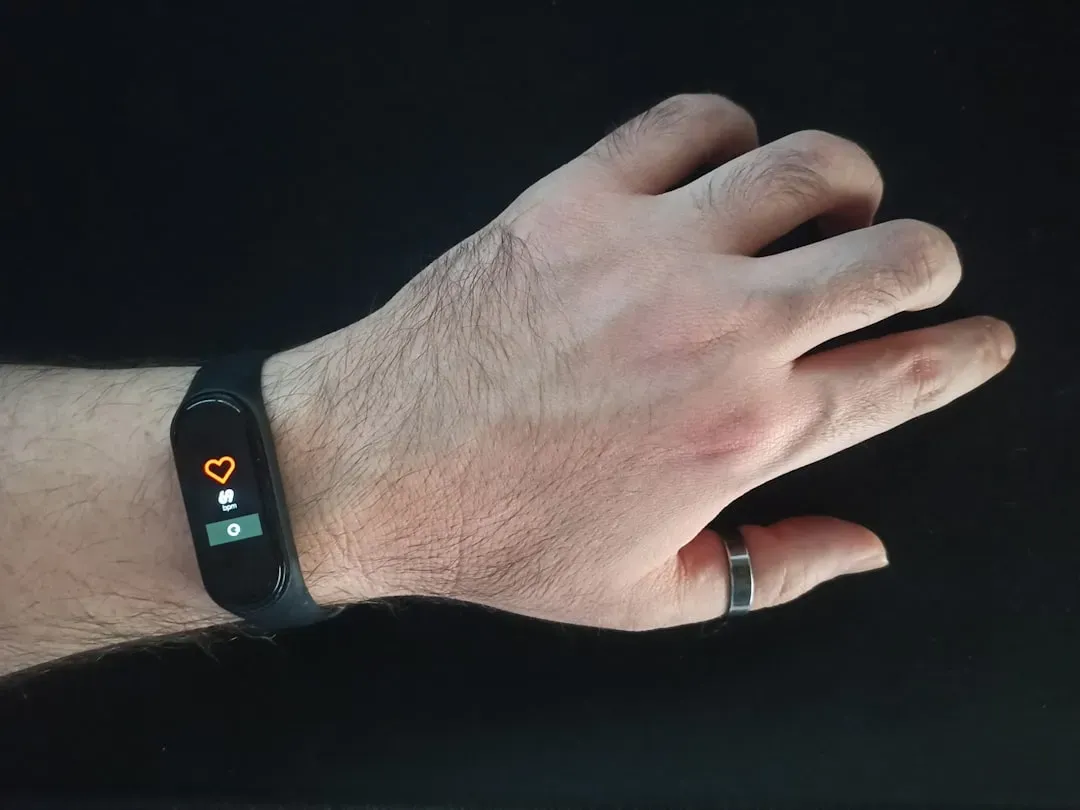
Looking ahead, one of the most intriguing possibilities is that we may soon be able to tune, train, or even technologically augment human intuition. Wearable devices already monitor heart rate variability, skin conductance, and subtle changes in breathing, offering real-time feedback about stress and emotional arousal. In principle, those signals could be used to help people notice when their bodies are flagging a concern their conscious minds have not yet caught up to. Imagine a surgeon whose smartwatch vibrates when their physiological state suggests rising doubt or fatigue, prompting a quick pause or second opinion.
At the same time, the ability to model and influence intuition at scale raises serious ethical questions. If companies refine the art of triggering subconscious reactions, targeted ads and political messaging could become even more persuasive, and potentially more manipulative. On the flip side, educational tools might help people recognize common cognitive biases and build more reliable intuitive skills, especially in high-stakes fields like emergency response or climate policy. The global conversation will likely revolve around who controls these tools, who benefits, and how to protect individual autonomy when much of the action is happening below the surface of awareness.
How You Can Work With Your Intuition, Not Against It
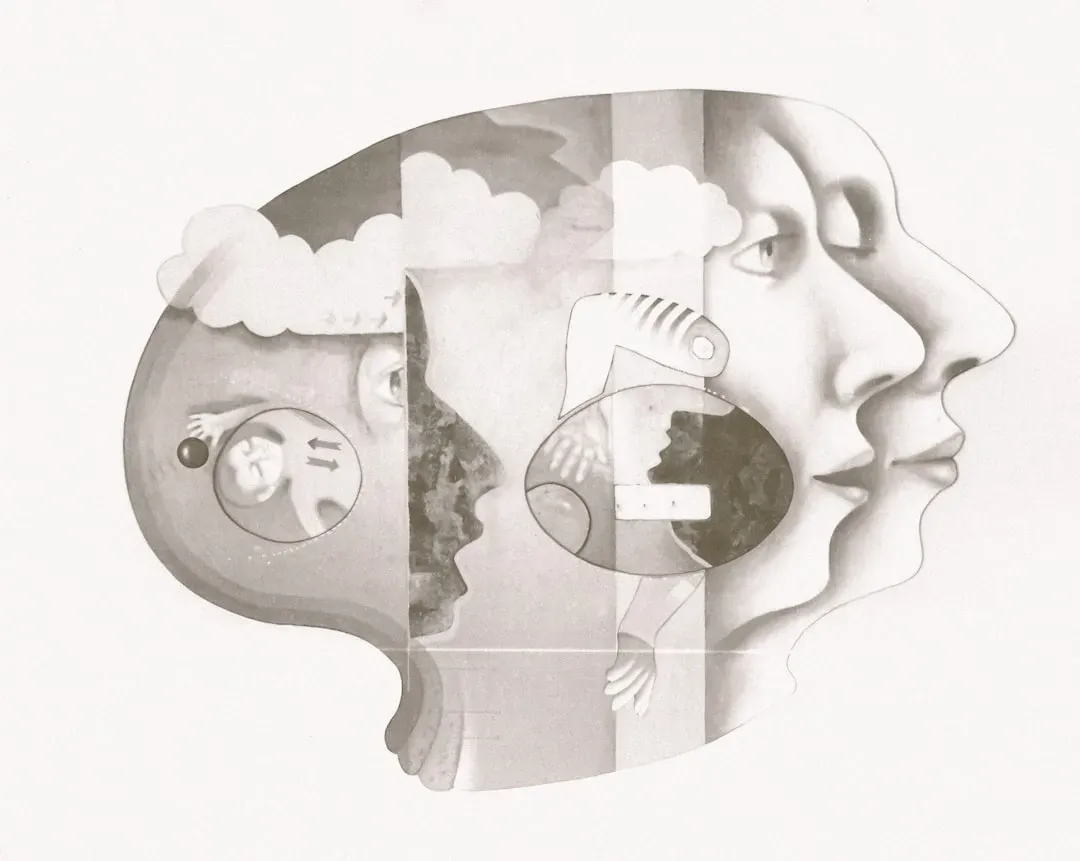
For all the brain scans and algorithms, one of the most practical lessons about intuition is surprisingly down to earth: treat it as a valuable signal, but not the whole story. When a strong gut feeling hits, it can be useful to pause and ask yourself what past experiences might be feeding it. Is this a domain where you have real, hard-earned expertise, or is it one where your exposure is limited and shaped by dramatic stories? That quick self-check can help you distinguish between intuition that deserves trust and impulse that needs a reality check.
You can also deliberately train your intuitive sense in areas that matter by seeking frequent, honest feedback. Chess players, paramedics, and pilots refine their instincts through repeated practice where outcomes are clear, allowing the brain’s prediction engine to calibrate itself. In everyday life, that might mean tracking the results of your decisions, noticing when your first impressions were right and when they were off. Supporting good science – whether by staying informed, backing research, or simply being a thoughtful consumer of information – also helps, because a society that understands how the mind works is better equipped to use intuition wisely. The next time your gut speaks up, the most fruitful question might not be whether to ignore it, but how to listen with curiosity instead of blind faith.
Suhail Ahmed is a passionate digital professional and nature enthusiast with over 8 years of experience in content strategy, SEO, web development, and digital operations. Alongside his freelance journey, Suhail actively contributes to nature and wildlife platforms like Discover Wildlife, where he channels his curiosity for the planet into engaging, educational storytelling.
With a strong background in managing digital ecosystems — from ecommerce stores and WordPress websites to social media and automation — Suhail merges technical precision with creative insight. His content reflects a rare balance: SEO-friendly yet deeply human, data-informed yet emotionally resonant.
Driven by a love for discovery and storytelling, Suhail believes in using digital platforms to amplify causes that matter — especially those protecting Earth’s biodiversity and inspiring sustainable living. Whether he’s managing online projects or crafting wildlife content, his goal remains the same: to inform, inspire, and leave a positive digital footprint.