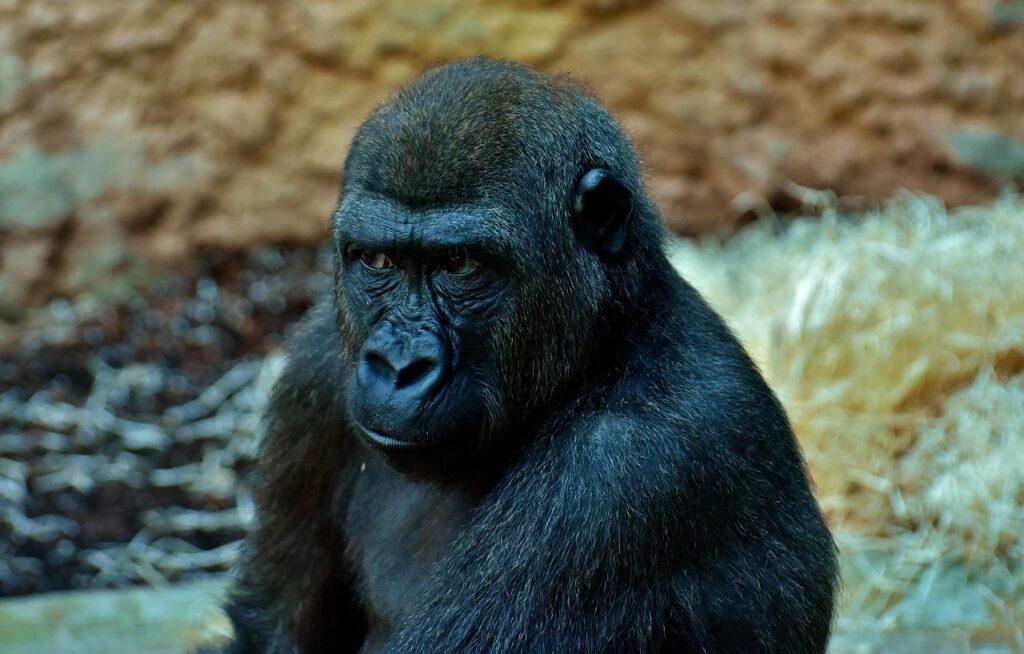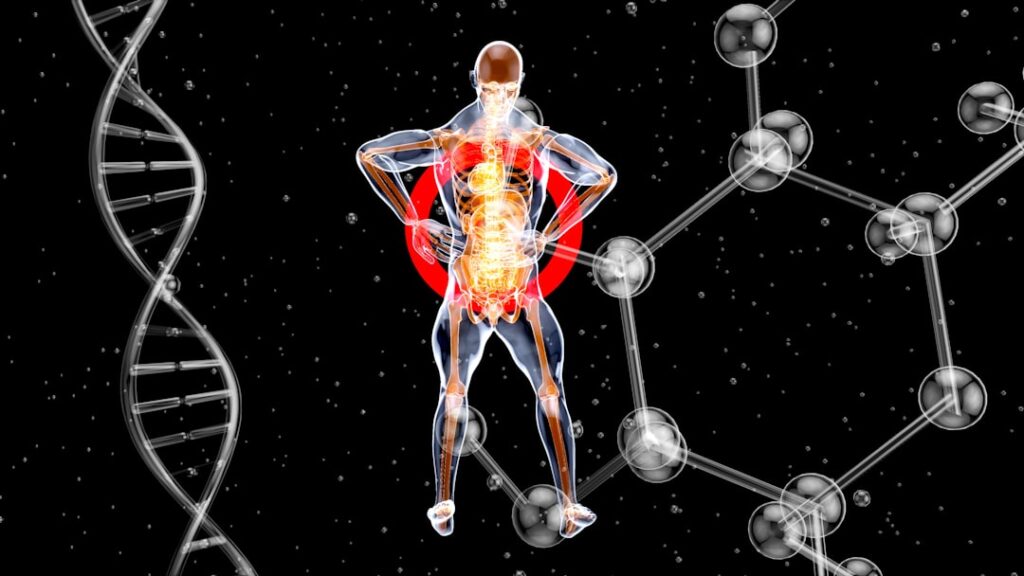
You probably underestimate just how incredible your body is at keeping you alive. Every second, it is juggling oxygen, nutrients, temperature, blood pressure, hormones, and electrical signals, all while you scroll through your phone or rush between tasks. Survival is not just about willpower or toughness; it is a highly coordinated biological performance that has been refined over millions of years of evolution.
But there is a hard truth hiding under that impressive machinery: your body is not built for unlimited survival. No matter how well you eat, how much you exercise, or how careful you are, there are limits coded into your cells, your organs, and even your DNA. Understanding where those limits come from does not just satisfy curiosity; it helps you make smarter choices about how you live, age, and care for yourself right now.
The Hidden Survival Systems Running in the Background
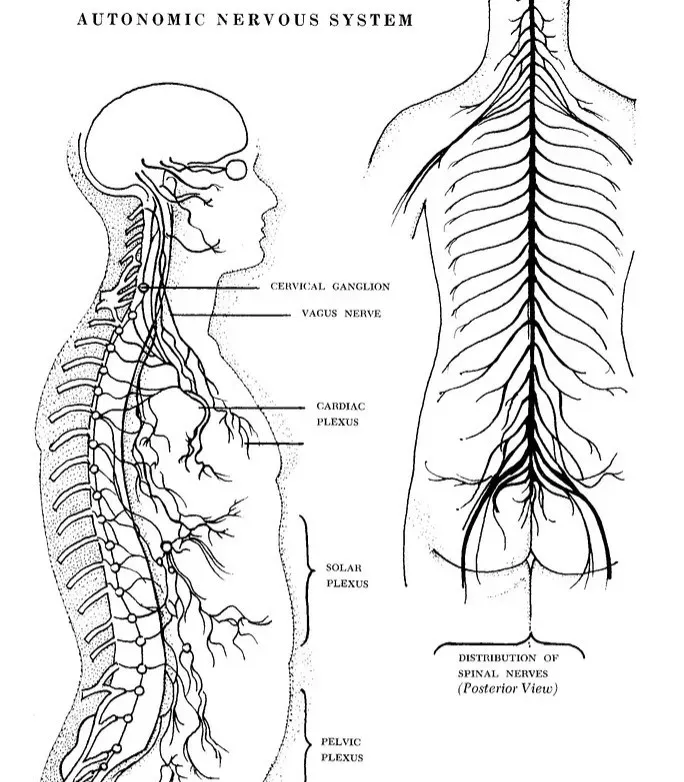
If you had to consciously manage every breath, heartbeat, and digestive process, you would not last more than a few minutes. Your survival depends on automatic systems, especially your autonomic nervous system, which quietly controls your heart rate, breathing, temperature, and digestion. You can think of it as the ultimate backstage crew, constantly adjusting things so you stay in a safe range without even noticing.
When you stand up, blood pressure sensors in your arteries instantly tell your heart to beat a bit harder so you do not pass out. When you get too hot, sweat glands and widened blood vessels help you dump heat. When blood sugar drops, hormones like glucagon help release stored energy. These reactions happen in fractions of a second, and you do not get a vote. This is the core of physical survival: automatic adaptation that works well enough to keep you alive in wildly different conditions.
How Homeostasis Keeps You Alive – Until It Cannot
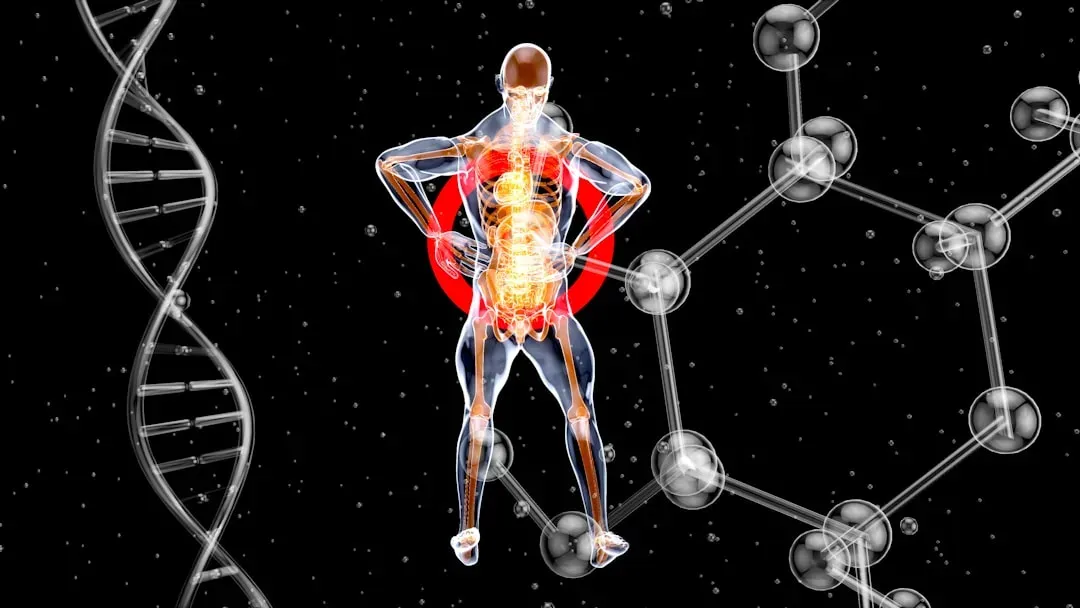
Your body is obsessed with balance, a state called homeostasis. Instead of allowing things to swing wildly, it keeps key variables within very narrow ranges. Your body temperature, blood pH, blood sugar, and fluid levels are all tightly regulated. For example, even a small shift in blood pH away from normal can interfere with how your enzymes work and how oxygen binds to your blood cells.
The reason survival has limits is that homeostasis can only compensate so far. If you lose too much blood, there is not enough volume left for the heart to push around, no matter how fast it beats. If your core temperature climbs or drops beyond what your enzymes can tolerate, the chemical reactions that power your cells start failing. You feel symptoms like confusion, weakness, or dizziness when you start drifting out of that safe window; those are warning lights that your balancing systems are close to maxed out.
Water, Oxygen, and Energy: The Real Survival Timeline
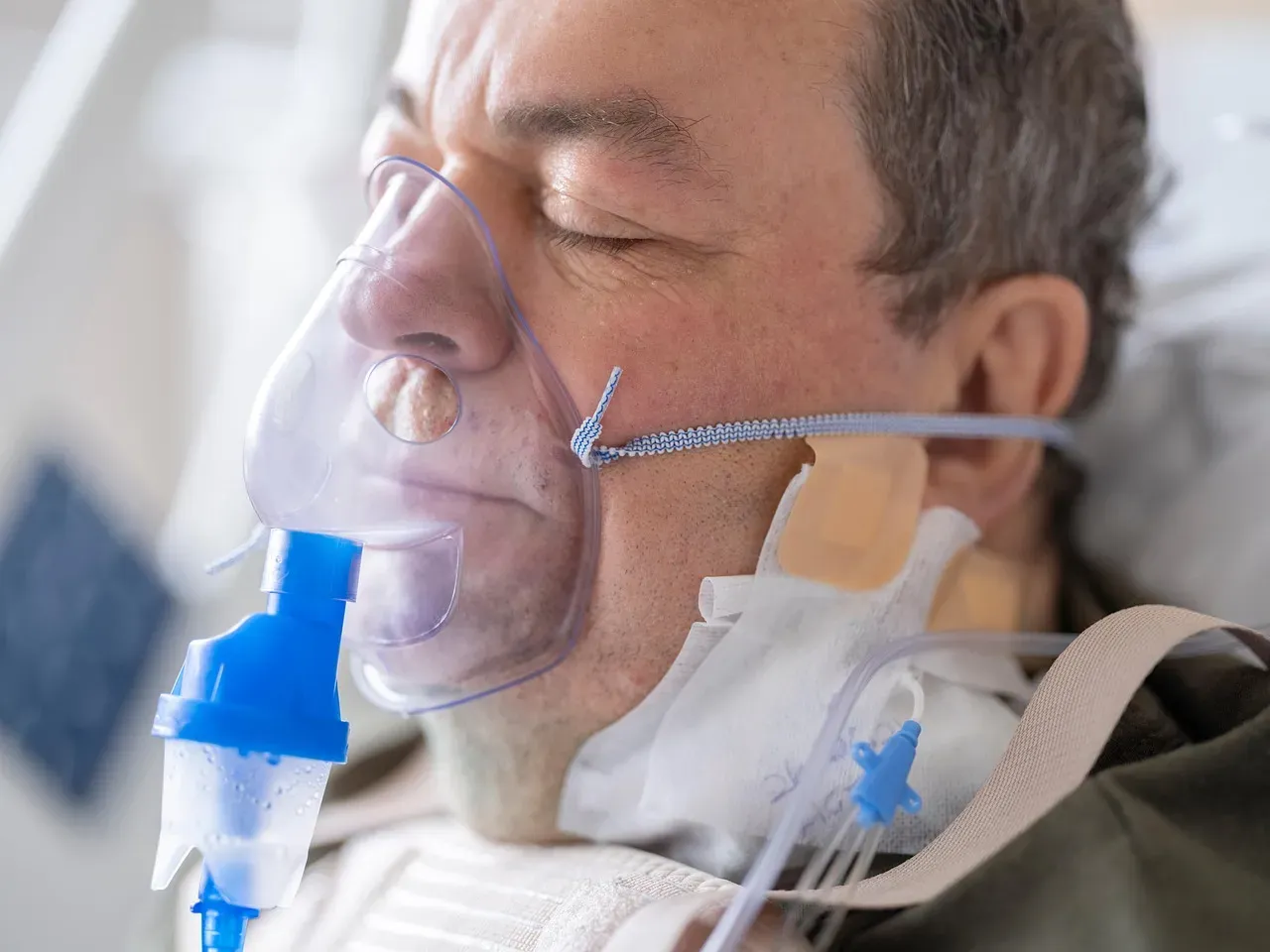
If you strip survival down to basics, you are mainly dealing with three resources: oxygen, water, and energy (from food). You can only go without oxygen for a few minutes before brain cells begin dying. Even if you are extremely adaptable, your brain is greedy and fragile; it needs a constant flow of oxygen-rich blood. That is why stopping your heart or blocking your airway so quickly leads to loss of consciousness and brain injury.
Water and food act on slower but equally strict timelines. Without water, your blood gets thicker, your cells shrink, and your kidneys struggle to filter waste. Depending on conditions like temperature and activity, you might only last several days without drinking. Food is more flexible because you can use glycogen, fat, and even muscle as backup fuel for a while, but there is still a limit. As your energy reserves run down, your body starts shutting down nonessential functions, weakening your immune system, and breaking down its own tissue just to keep your brain and heart running.
The Stress Response: Your Emergency Mode With a Cost

The problem is that your body was not designed to live in that emergency state all the time. When stress becomes chronic, those same hormones that once protected you start wearing you down. Your blood pressure stays elevated, your sleep quality drops, your immune system becomes less effective, and inflammation creeps up in the background. Over years, this slow burn raises your risk of heart disease, diabetes, digestive issues, and even mental health problems. Your survival system, when constantly triggered, actually accelerates how quickly you reach your limits.
Cellular Aging: Why Your Cells Cannot Divide Forever
Over time, damage also accumulates in your DNA and proteins from things like normal metabolism, sunlight, toxins, and everyday wear and tear. Your body has clever repair systems that constantly fix errors and remove damaged cells, but they are not perfect. As more and more cells become old, dysfunctional, or stop dividing, organs like your heart, brain, and kidneys gradually lose capacity. You might feel this as slower recovery from injuries, more fatigue after exertion, or reduced resilience when something goes wrong. At the cellular level, your survival tools are simply wearing out.
Organ Failure and the Point of No Return
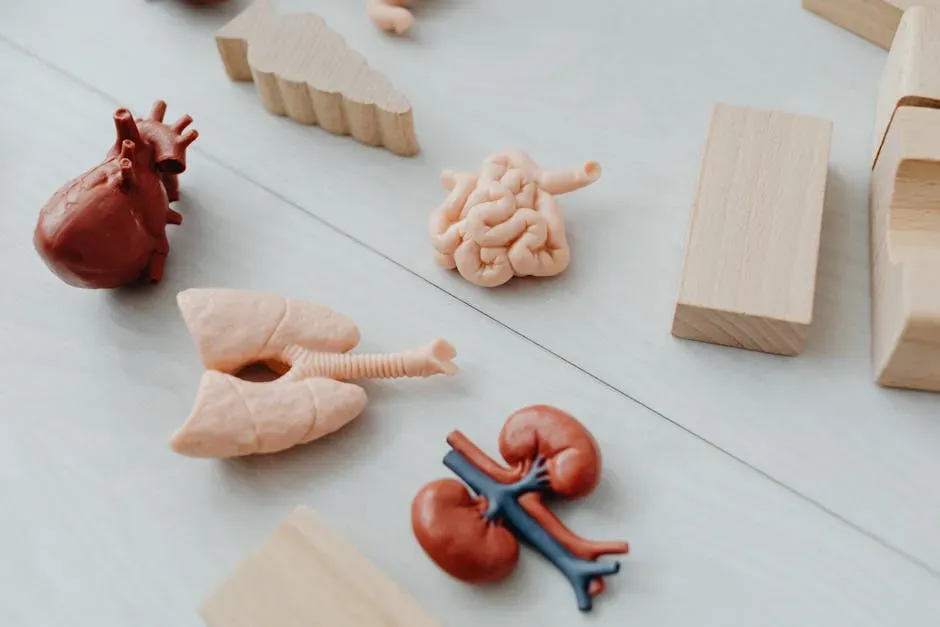
Medicine can push those limits with ventilators, dialysis, medications, and surgery, but even those tools have boundaries. There is a tipping point where the damage is simply too extensive for your organs to recover or adapt. You see this in conditions like advanced heart failure, severe sepsis, or massive strokes. At that stage, your body’s tightly coordinated survival network starts to unravel. The systems that used to protect you feed into each other’s collapse, and survival stops being biologically possible, no matter how badly you might want it.
How You Can Stretch Your Limits Without Chasing Immortality

You also extend your practical survival odds by paying attention to mundane but powerful steps: staying up to date with medical checkups, managing blood pressure, avoiding smoking, using seat belts, and respecting your need for rest. None of this makes you immortal, but it shifts the odds in your favor. Instead of trying to escape the fact that limits exist, you focus on living in a way that gives you more healthy years before you bump into those boundaries.
Conclusion: Respecting Your Limits Is the Real Survival Skill
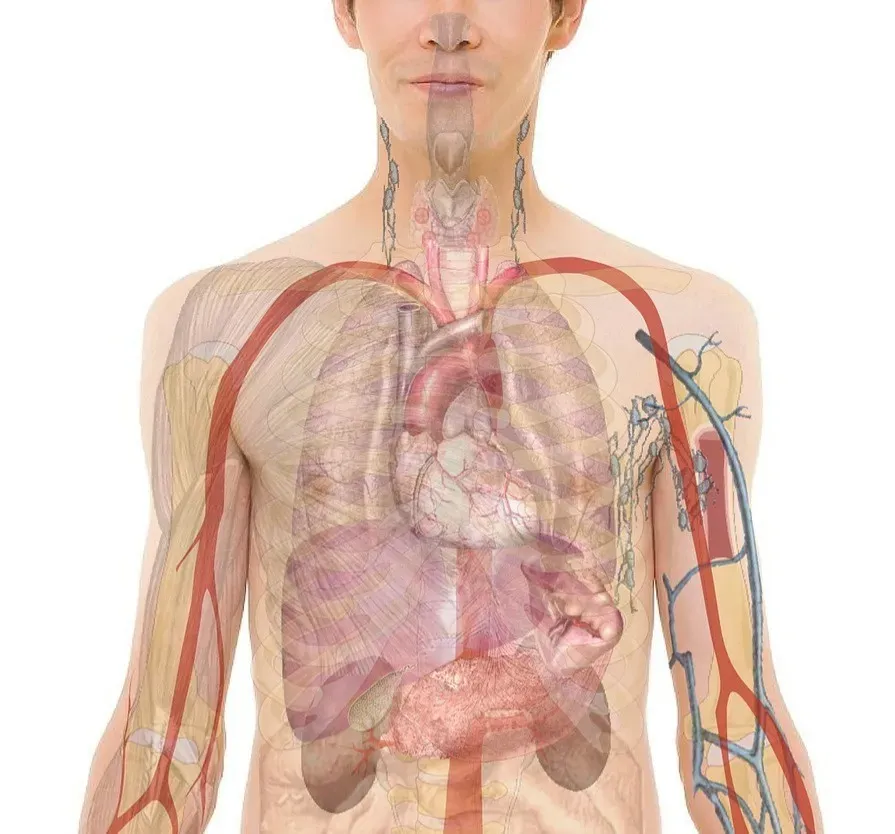
At some point, aging, accumulated damage, and disease push your biology beyond what it can correct, and your body reaches its natural limit. Instead of seeing that as failure, you can look at it as part of the design: a finite run, but potentially a meaningful and healthy one. The real question is not how to avoid those limits entirely, but how well you care for your body on the way there. Given what you now know, how do you want to treat the survival machine you are living in today?