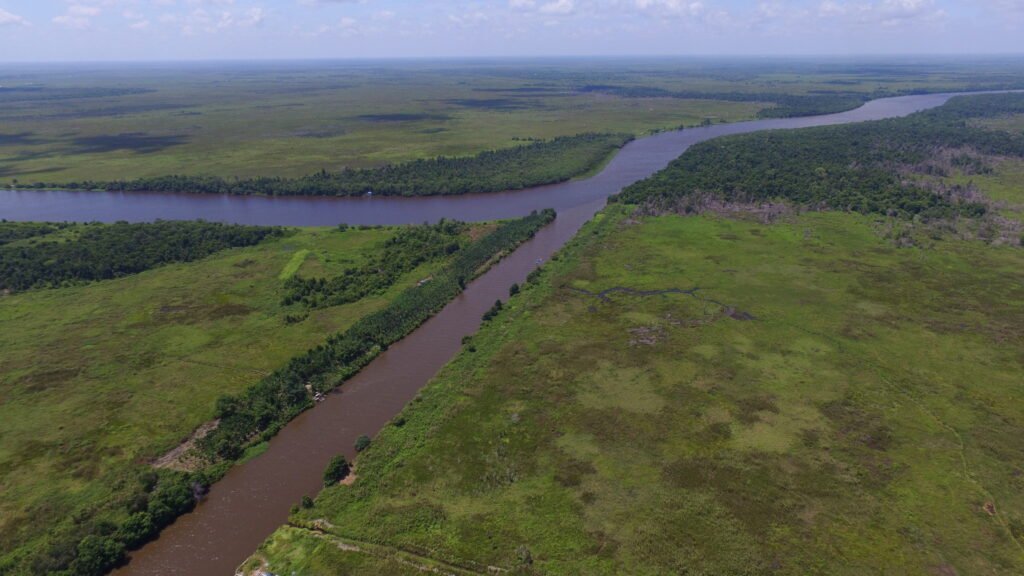

The mysterious and dynamic landscapes of Borneo hold within them natural phenomena that continue to intrigue scientists and nature enthusiasts alike. Among these wonders are the peat swamps, unique ecosystems that remarkably appear to move over time. This movement affects the region’s biodiversity, ecosystem services, and climate stability. Let’s delve into the intricacies of these fascinating ecosystems to understand how and why the rainforests of Borneo seem to march across the land.
The Origins of Borneo’s Peat Swamps
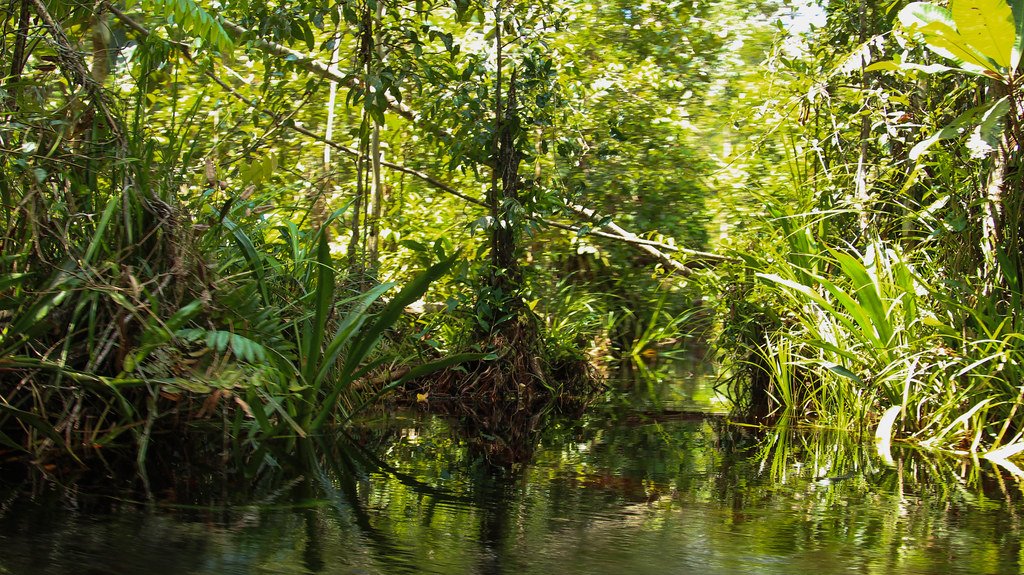
The peat swamps of Borneo are formed predominantly in low-lying areas, where waterlogged conditions slow down the decomposition of organic matter, primarily from dead plants. Over thousands of years, this material accumulates, creating thick layers of peat. Borneo’s geographical position and climate—characterized by high rainfall and tropical temperatures—create an ideal environment for peat swamp formation, making these areas one of the largest stores of terrestrial organic carbon.
The Unique Flora and Fauna
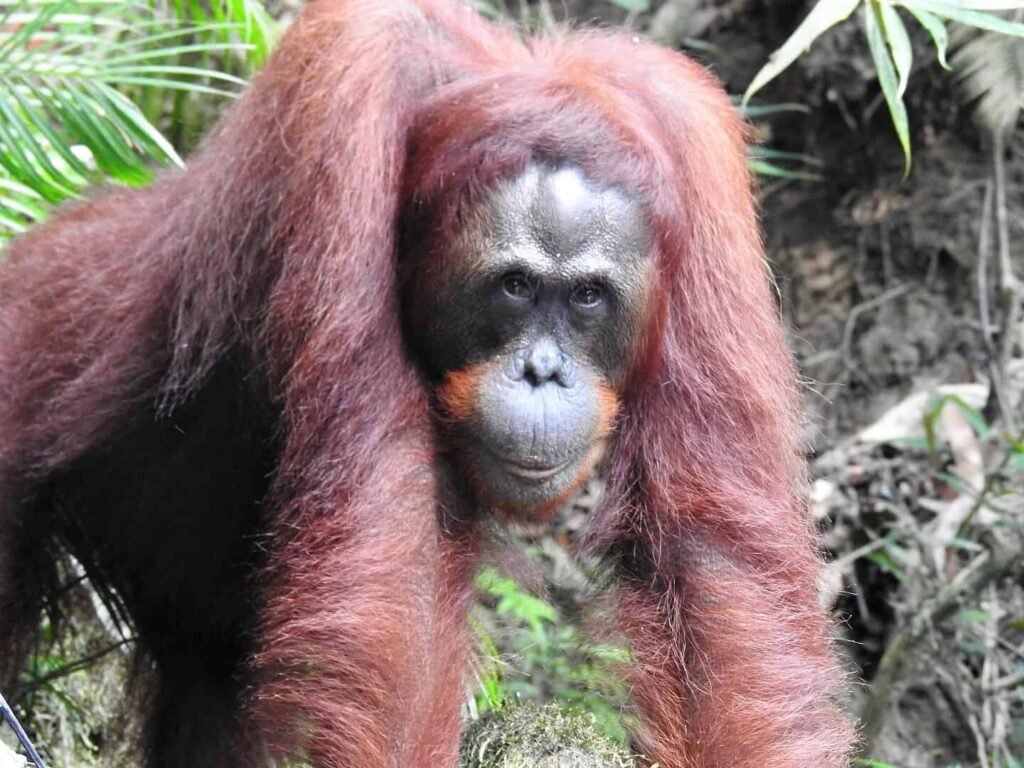
Borneo’s peat swamps are teeming with life. They provide crucial habitats for a diversity of plant and animal species, some of which are found nowhere else on Earth. The swamps are home to the endangered Bornean orangutan, the probosci’s monkey, and unique floral species like the carnivorous pitcher plants. These ecosystems support a complex web of life that is intricately linked to the health of peat swamps themselves.
The Mechanism of Movement
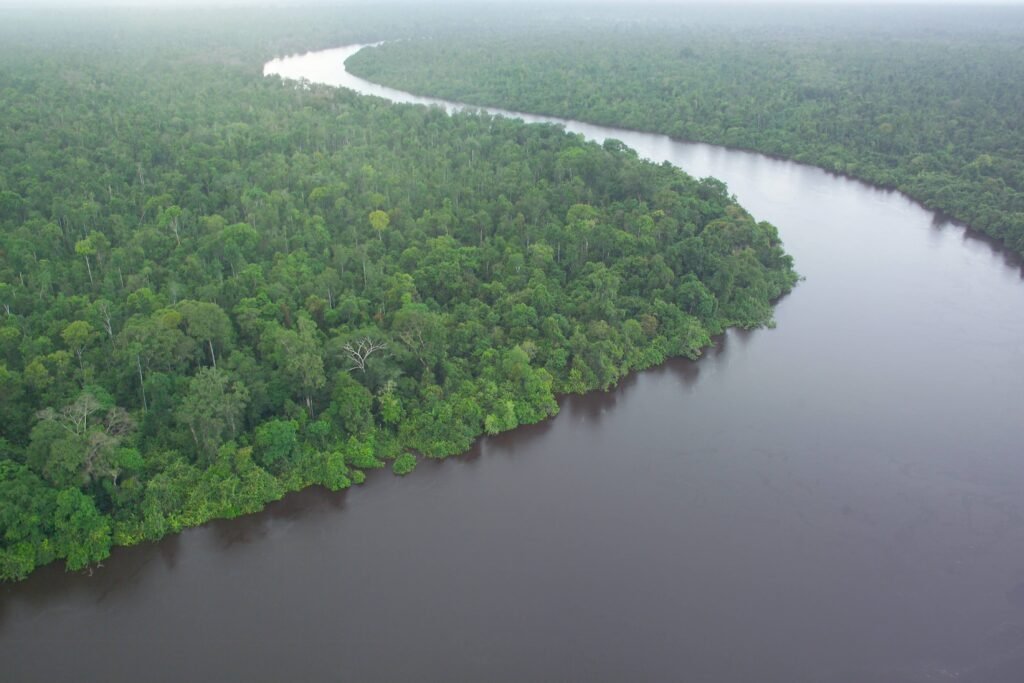
The movement of Borneo’s peat swamps is a result of complex hydrological and ecological processes. As rainwater fills the swamp, it creates buoyancy in the peat, causing the entire surface to slowly shift and move. This movement can be influenced by factors such as water inflow, peat structure, and external pressure from growth or decay of vegetation. The dynamics of movement are also affected by seasonal climatic shifts, with more pronounced activity during wet seasons.
Role in Carbon Sequestration
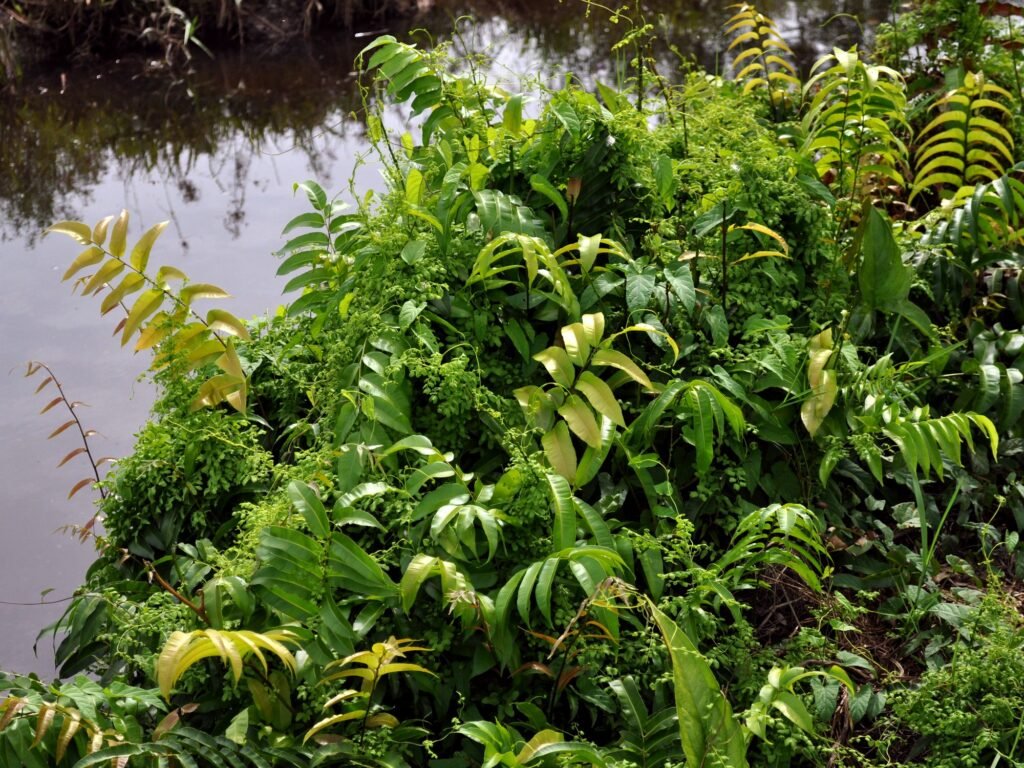
Peat swamps in Borneo play a significant role in global carbon storage. The saturation with water limits oxygen availability, slowing decomposition and allowing dead plant material to accumulate as peat. This process effectively sequesters large amounts of carbon dioxide, helping to mitigate global climate change. However, disturbances such as deforestation and drainage can flip these systems into carbon sources, releasing stored carbon back into the atmosphere.
Human Impacts and Threats

Human activities pose significant threats to the integrity and functioning of Borneo’s peat swamps. Logging, land conversion for agriculture, and drainage for oil palm plantations disrupt the hydrology of these ecosystems. Such activities can lead to desiccation and increased fire susceptibility, leading to the degradation of peatlands and loss of biodiversity. Restoring and conserving these swamps require sustainable practices and policies that prioritize ecological balance.
Conservation Efforts

Conservationists and governments are increasingly recognizing the ecological importance of Borneo’s peat swamps. Efforts are underway to promote sustainable land use practices and reforestation projects aimed at restoring degraded peatlands. Community involvement is also crucial, with local populations being encouraged to participate in conservation activities, ensuring the long-term preservation of their natural heritage.
The Future of Borneo’s Peat Swamps
The future of these unique ecosystems hinges on a balance between conservation and human development. As the world becomes more aware of the importance of peat swamps in combating climate change, international support and cooperation can bolster local efforts. Protecting these dynamic landscapes will not only preserve biodiversity but also reinforce the critical role they play in carbon storage and climate regulation.
Conclusion: The March Continues
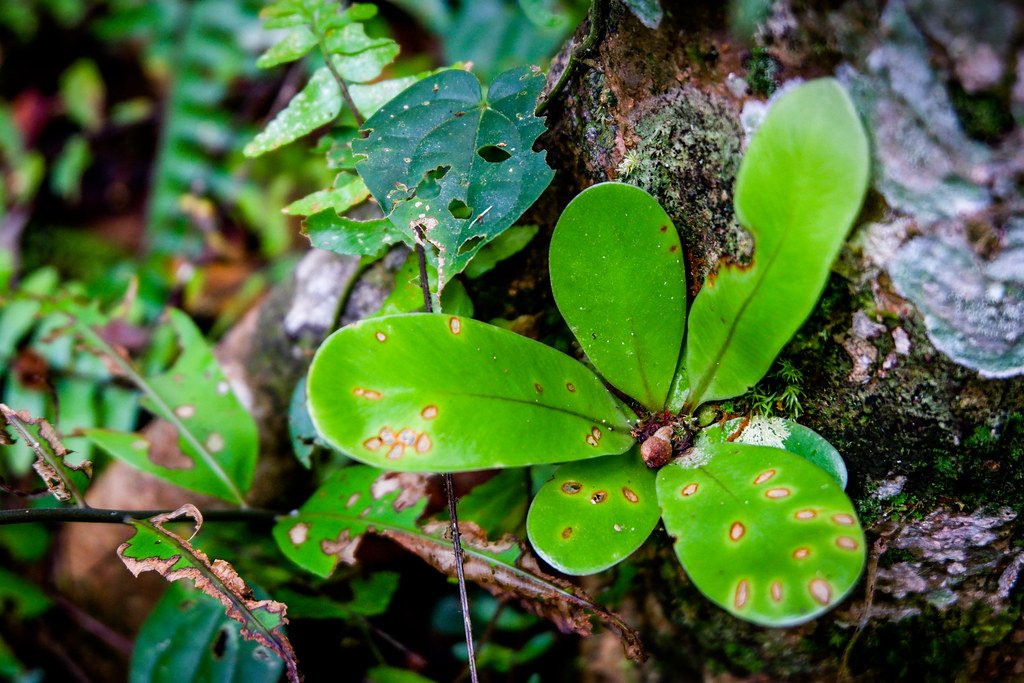
Borneo’s peat swamps are a living testament to the dynamic beauty and complexity of natural ecosystems. As we advance our understanding of their movement, ecological significance, and threats, it becomes clear that these ‘walking’ rainforests are essential not only for the species they harbor but also for human well-being and the planet’s health. Protecting them requires concerted global action and a recognition of their invaluable contributions to our natural world.