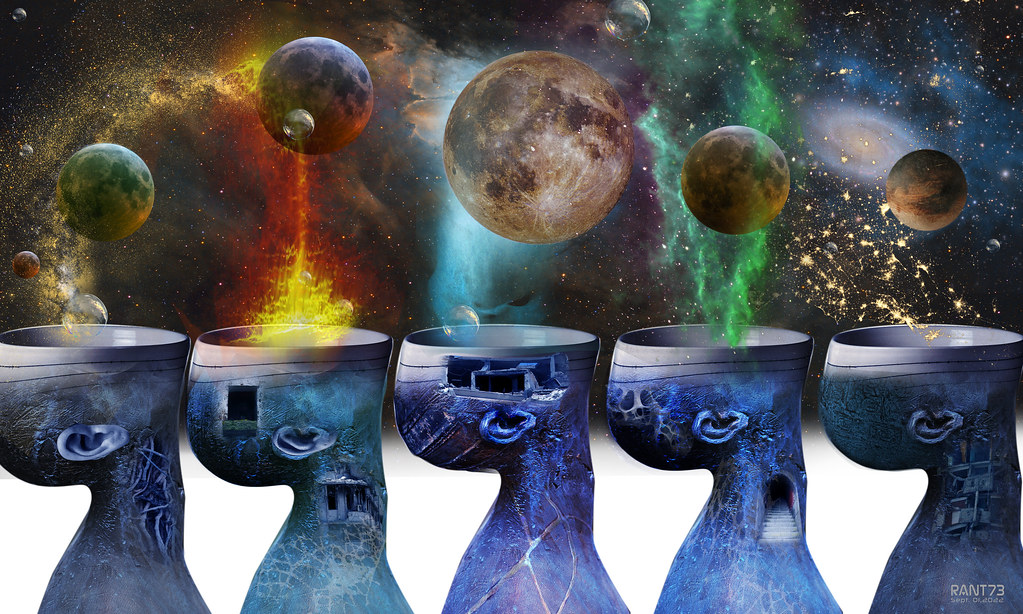

Try this for a second: close your eyes and picture absolutely nothing. Not darkness, not empty space, not a blank screen. Just… nothing. If your brain immediately started cheating by pulling up a black void or a grey mist, you’ve already met the core problem of this topic: the human mind seems almost incapable of representing true nothingness without turning it into some kind of something.
This isn’t just a fun shower thought. Our difficulty imagining nothingness sits at the crossroads of psychology, neuroscience, philosophy, and even spirituality. It shapes how we think about death, the universe, the future, and our own inner lives. Once you realize how hard it is to picture “nothing,” you start to see how deeply wired we are to fill in gaps, avoid total blankness, and cling to some form of existence – even if it’s only in our imagination.
The Brain Is a “Something Machine,” Not a “Nothing Machine”
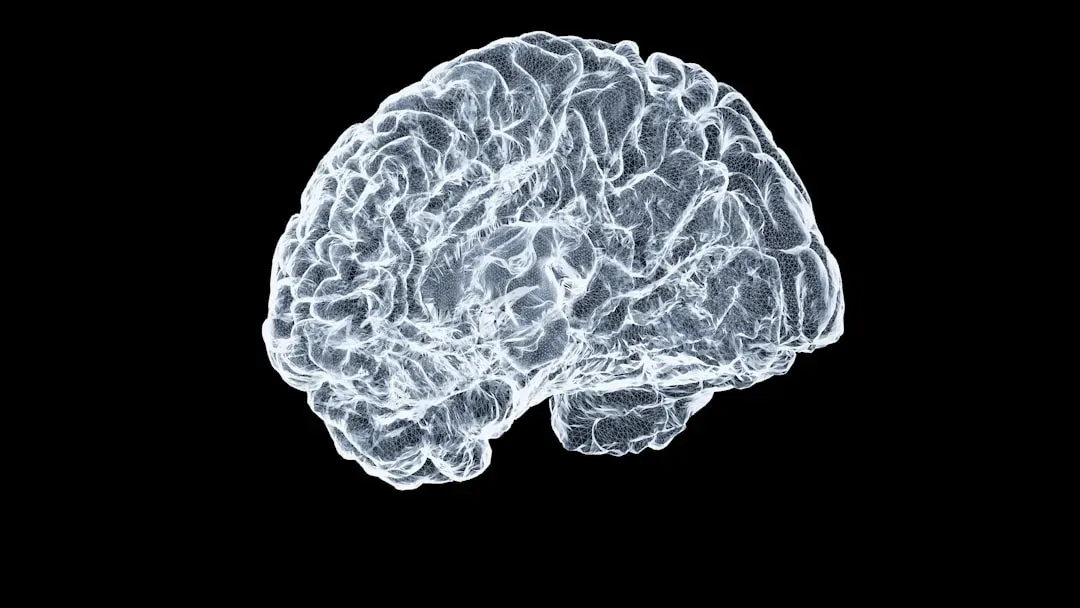
One of the most surprising truths about your brain is that it never really shuts off. Even when you’re resting, daydreaming, or staring at the ceiling, networks in your brain stay active, constantly generating thoughts, memories, predictions, and sensations. Psychologists call this the default mode network: a system that hums along in the background, constructing a steady stream of mental content. In other words, your brain is built to produce “stuff” all the time, not to represent the complete absence of it.
Because of this constant activity, when you try to imagine nothingness, your brain reflexively grabs any available template: darkness, empty space, a blank page, the feeling of being asleep. These are all still experiences, though – visual impressions, bodily states, conceptual ideas. Even the thought “there is nothing” is, paradoxically, a mental event happening in a very active brain. So the deck is stacked against you from the start: the organ doing the imagining is wired to never give you a true experience of absence.
How Our Senses Trick Us Into Turning “Nothing” Into “Something”
From birth, our entire mental world is built out of sensations: sights, sounds, touches, tastes, and smells. When we try to imagine anything, we almost always borrow from this sensory library. Picture a unicorn? You mix a horse, a horn, and maybe some glitter. Picture a planet you’ve never seen? You tweak colors and textures from the ones you know. So when someone says, “Imagine nothing,” most people immediately reach for a sensory metaphor, like a pitch-black room or an endless white fog, because that’s the only mental vocabulary we have.
The problem is that every sensory stand-in we use to represent “nothing” still has qualities: it has color, shape, perspective, some kind of feeling attached to it. Even imagining pure darkness already implies a kind of visual field with you in it. It’s like trying to draw “no drawing” by sketching a blank piece of paper – clever, but still something. Our senses are simply not designed to generate an experience of their own total absence, so they keep sneakily replacing nothingness with the closest sensory cousin they can find.
Why Our Conceptual Mind Can Say “Nothing” But Not Really Grasp It
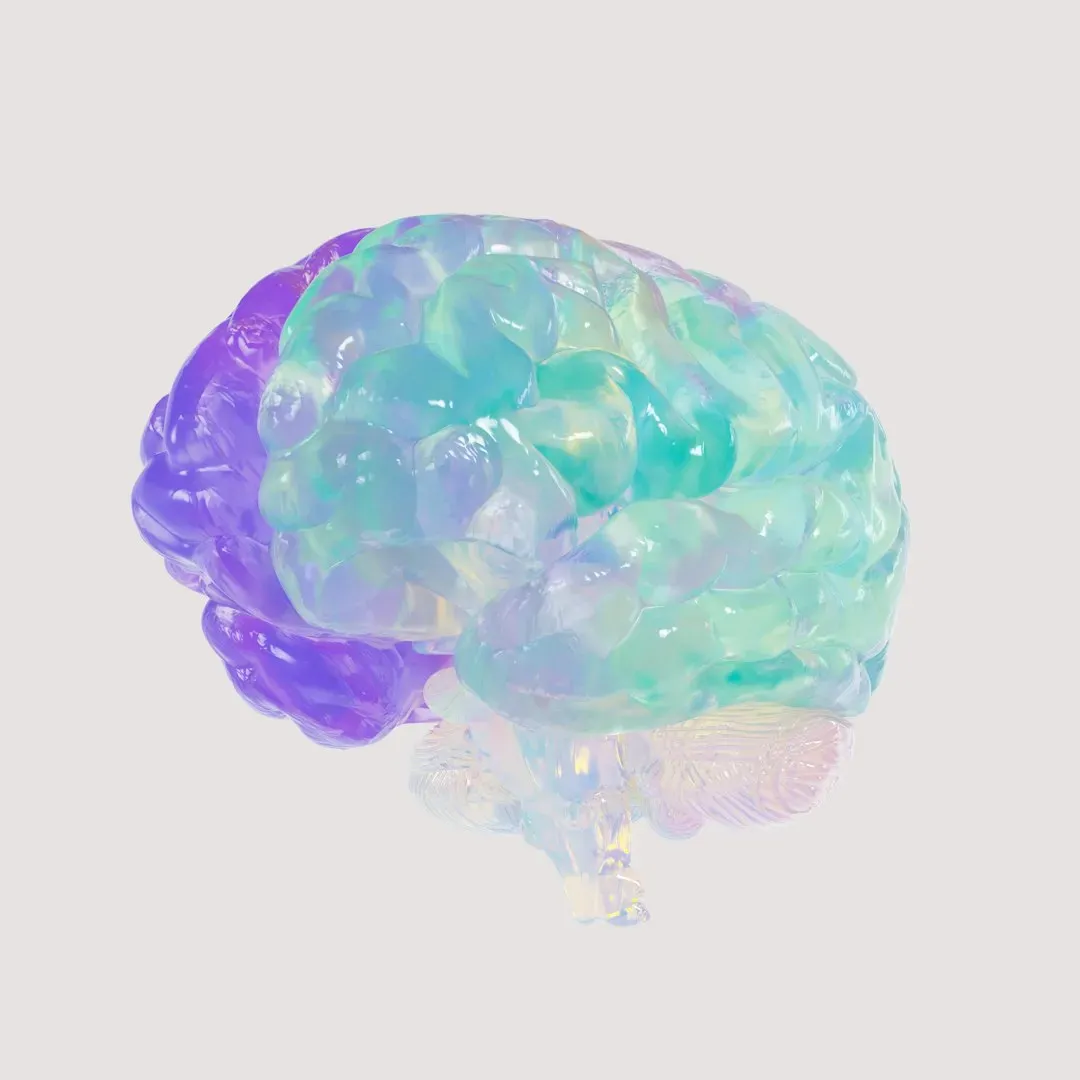
On the surface, the word “nothing” sounds simple. We use it all the time: there’s nothing in the fridge, nothing on TV, nothing to do. But notice how those uses are always relative. “Nothing” just means “no interesting thing” or “no expected thing,” not an absolute lack of existence. Our everyday language trains us to think of nothingness as a kind of empty container that could be filled, like a room without furniture or a shelf with no books. That mental picture quietly assumes there is still space, still time, still a viewpoint.
When you push the idea further – no space, no time, no objects, no mind to witness anything – our conceptual system starts to short-circuit. Our categories are built from contrasts: light and dark, full and empty, something and nothing. To imagine absolute nothingness, you’d have to imagine not just the absence of things, but the absence of the very framework that lets you imagine anything at all. At that point, your mind tends to snap back to familiar images or ideas because it has hit the edge of what concepts can actually represent.
The Role of Self: If There’s “Nothing,” Where Are You?
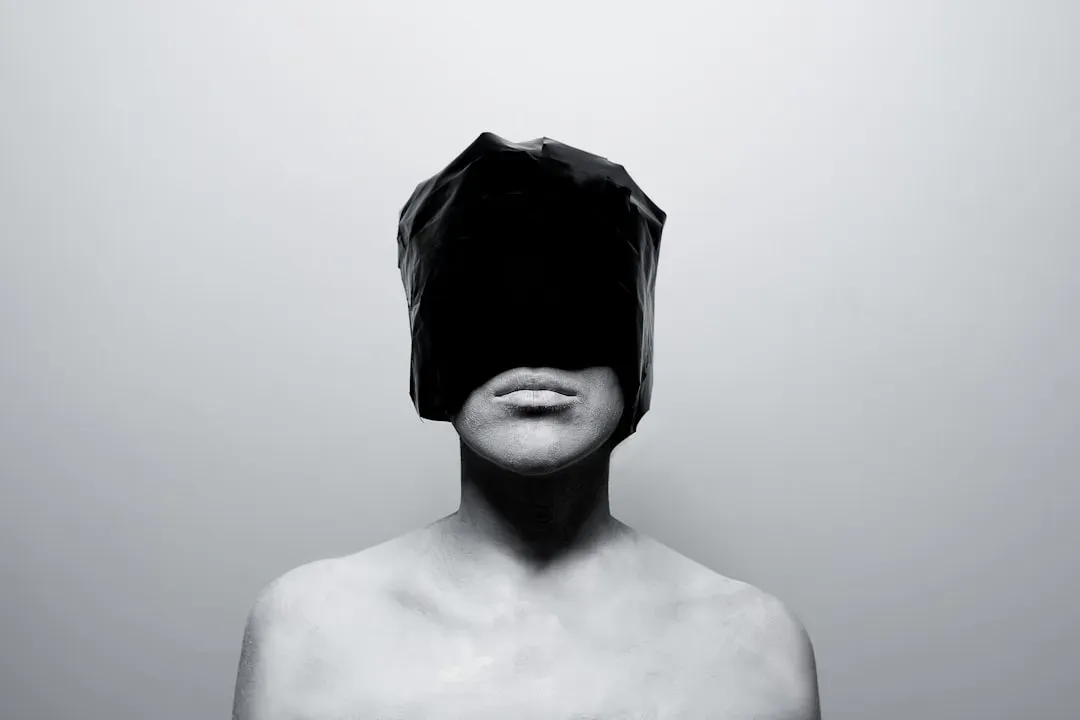
There’s another reason nothingness freaks our minds out: it clashes directly with our sense of self. So much of our mental life is wrapped around “me” – my memories, my plans, my preferences, my body. Even when you think about abstract things, there’s usually a subtle sense that you’re the one looking, thinking, or feeling. Now try to imagine a state where not only the world doesn’t exist, but you don’t either. No thoughts, no experiences, no point of view. For most people, that is emotionally destabilizing, and the mind instinctively resists going there.
What usually happens is that we cheat again. We imagine “nothing” as if we were looking at it from the outside, like a spectator watching a blank universe. But that still smuggles a self back in through the side door: there’s a you doing the observing. The idea of a true nothingness that includes the absence of any observer runs so counter to how we are wired that we often bounce off it into fear, confusion, or just boredom. In a very real sense, to imagine total nothingness is to imagine the complete erasure of “you” – and that’s something our self-protective psychology does not handle comfortably.
Death, Anxiety, and Why “Nothingness” Feels Threatening

It’s no coincidence that thoughts of nothingness often show up when people are contemplating death. For many, the scariest version of death is not pain or punishment, but the idea of simply not being at all – no dreams, no awareness, just a permanent blackout with nobody there to know it. Even if you philosophically accept that you would not be around to experience that absence, emotionally it still feels like staring into a vast, cold blank that your brain keeps trying to turn into a horror movie or, at least, something it can react to.
This emotional weight makes it much harder to think about nothingness clearly. The moment your mind approaches it, fear or discomfort shows up and your attention skitters away, grabbing onto more familiar ideas like afterlives, legacies, or cosmic energy. On a survival level, this makes sense: an organism obsessed with nonexistence probably wouldn’t be very effective at staying alive. So our nervous system biases us toward imagining continuity, presence, and meaning, not a bare void where none of that applies. Nothingness, in this sense, isn’t just hard to picture; it feels like an existential threat.
How Culture, Religion, and Philosophy Soften the Void

Across cultures, humans have invented remarkably creative ways to avoid confronting raw nothingness head-on. Many religious traditions propose some form of continuation after death – whether that’s a soul, a rebirth, or a different plane of existence. Even when they talk about emptiness or the end of the ego, they often frame it as a merging with something larger, not a fall into literal non-being. This gives people a way to emotionally navigate the fear of absence by transforming it into a story about transformation or return.
Philosophers, on the other hand, have tried to tackle nothingness conceptually, but even they tend to turn it into a kind of strange presence: a background, a possibility, a condition for existence. Everyday culture does a similar thing in lighter ways: movies show characters floating in dark space, books describe “endless voids,” and memes joke about the “empty inside” feeling. All of these are ways of dressing up nothingness in imagery and meaning, making it just bearable enough for our minds to handle without shutting down or spiraling.
What Neuroscience Suggests About Our Limits
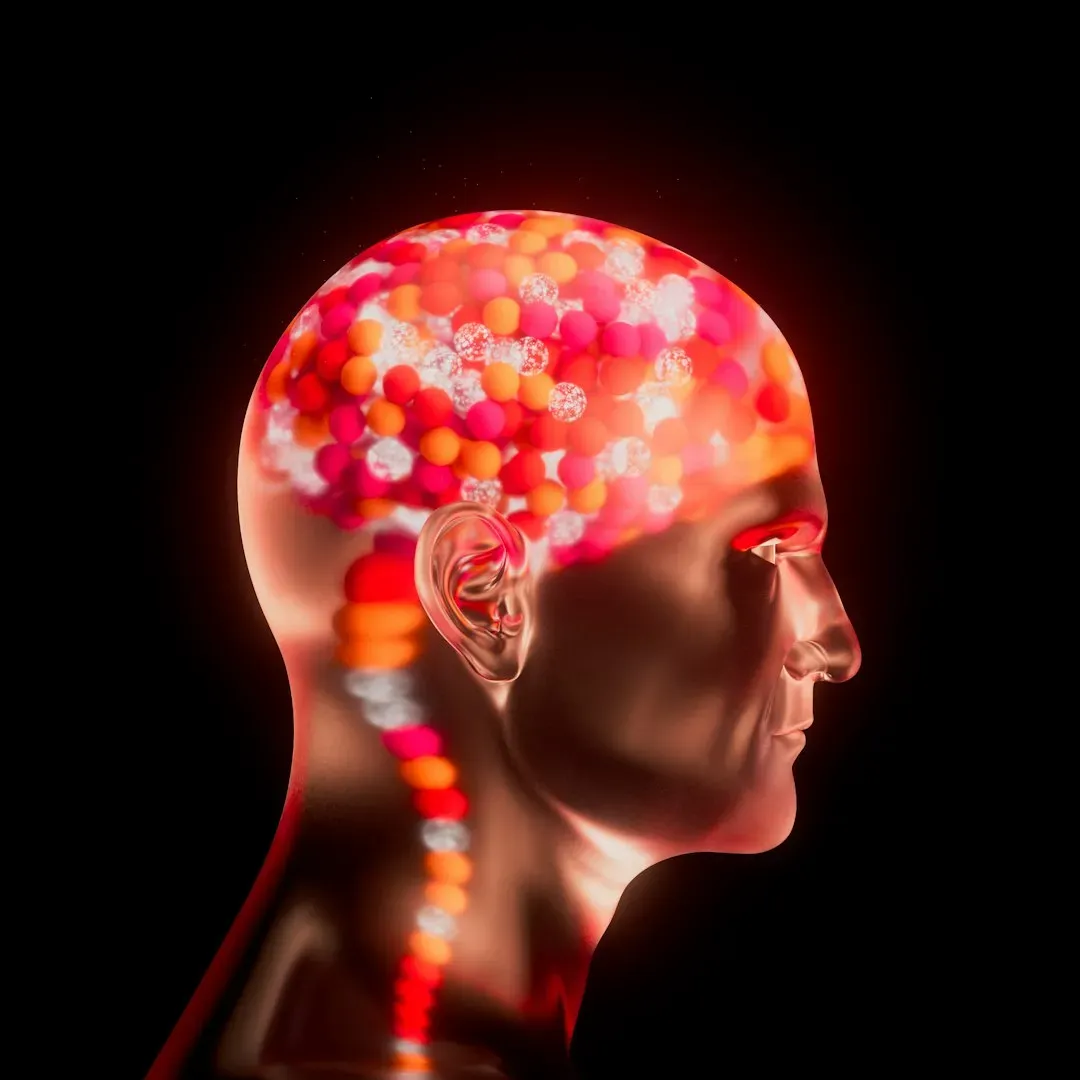
When you look at this through a neuroscience lens, our struggle with nothingness stops being mysterious and starts looking almost inevitable. The brain evolved to track objects, predict outcomes, and respond to stimuli – all tasks that assume there is something out there to work with. Its wiring reflects this: specialized regions handle faces, places, language, movement, and countless other “somethings.” There is no brain module whose job is to represent the complete absence of reality, because that scenario had no survival value in our evolutionary history.
Even practices that aim at “emptiness,” like certain forms of meditation, usually do not produce true nothingness. Instead, they reduce the noise: fewer thoughts, quieter sensations, a more diffuse sense of self. People describe spaciousness, stillness, or a sense of pure awareness, but those are still experiences – remarkable ones, but not the same as absolute nonexistence. Neuroscientific studies of these states show altered, not absent, patterns of brain activity. So even at our most quiet and inward, the brain is still doing something, and true nothingness remains out of reach.
Can Learning to Sit With “Nothingness” Be Healthy?
Despite all these limitations, there is something strangely freeing about staring at the edge of what we can imagine and admitting, honestly, that our minds cannot step beyond it. Instead of faking a mental picture of nothingness, we can notice the way our thoughts keep trying to fill the gap – with images, words, fears, or jokes – and treat that as useful information about how we’re built. In my own life, the moments I’ve tried to think deeply about nonexistence have been uncomfortable, but they also stripped away a lot of trivial worries. Suddenly, hurrying through my day felt oddly pointless and precious at the same time.
Psychologically, practicing this kind of contemplation in small, safe doses can loosen our grip on constant stimulation and control. When you realize that some questions simply hit the ceiling of human cognition, it can humble the ego a bit and soften the panic around not having all the answers. I think that learning to acknowledge our inability to truly imagine nothingness – and to sit with that limit without flinching – is healthier than pretending we fully understand it. It reframes the void not as something to conquer with a perfect mental picture, but as a boundary that quietly reminds us how rare and fragile it is that there is anything here at all, including us.
Conclusion: Why Our Failure to Picture “Nothing” Actually Matters

In my view, the fact that we cannot honestly imagine nothingness is not just a quirky bug in human psychology; it is a loud clue about what kind of minds we have. We are built for presence, pattern, and narrative, endlessly turning absence into some new kind of presence just so we have something to hold onto. That makes us creative, resilient, and often deeply anxious, especially when we brush up against topics like death or the origin of the universe where “nothing” looms large. Our brains keep drawing a void, then quietly writing “something” in very faint letters across it.
I’m convinced this limitation is both a weakness and a gift. It blinds us to certain philosophical depths, but it also pushes us to fill our brief window of existence with relationships, projects, and meanings instead of staring paralyzed into an abstract abyss we can’t truly grasp anyway. Maybe the most honest stance is to admit that real nothingness is beyond our mental reach, and then choose, deliberately, to care fiercely about the somethings we do get to experience. When you think about that, does the impossibility of picturing nothingness scare you – or does it make the simple fact that you are here, reading this sentence, feel a little more astonishing?