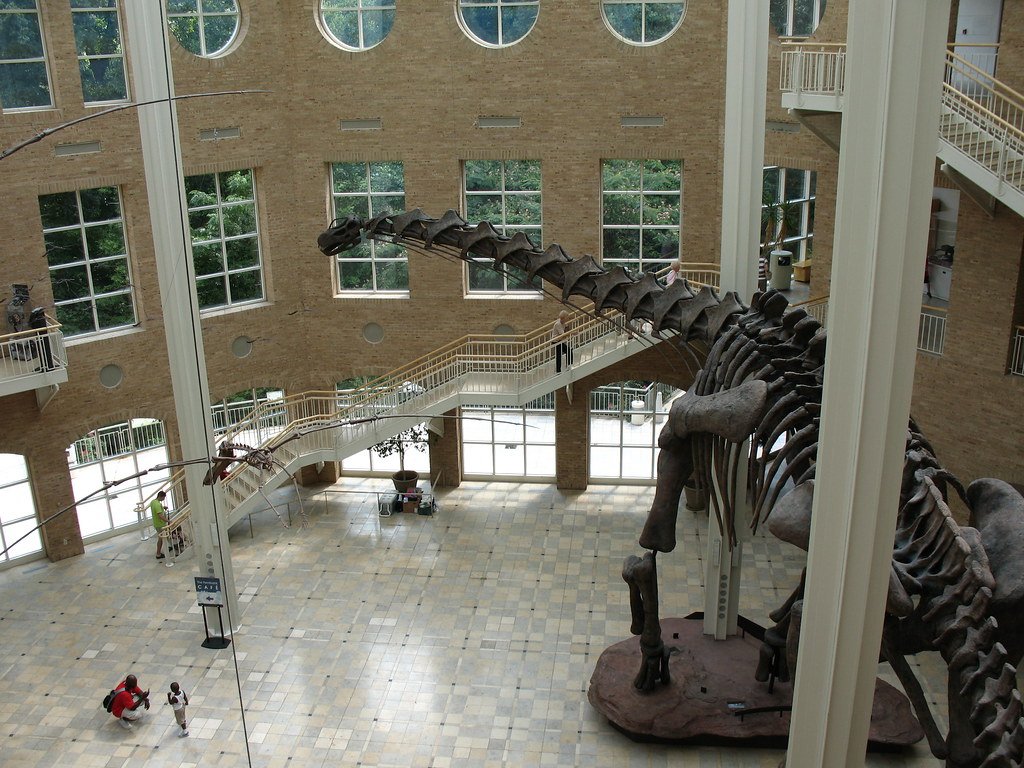

The vast and remote landscapes of Patagonia are not only home to breathtaking scenery but also to one of the most significant paleontological treasures on Earth. This region, extending across southern Argentina, offers a unique glimpse into the prehistoric past, earning it a place as a dream destination for paleontologists worldwide. With an extensive array of fossilized remains and a history that stretches back millions of years, Patagonia is a living museum that tells the story of Earth’s ancient past.
Ancient Landscapes: A Window into the Past

Patagonia’s diverse topography, characterized by windswept plains, dramatic mountains, and fossil-rich basins, provides a unique setting for fossil discoveries. The arid climate and rocky terrains have served as natural preservation grounds, keeping ancient remains intact for millions of years. This natural archive offers invaluable insights into the life forms that roamed the Earth long before humans walked the planet.
A Rich Tapestry of Life
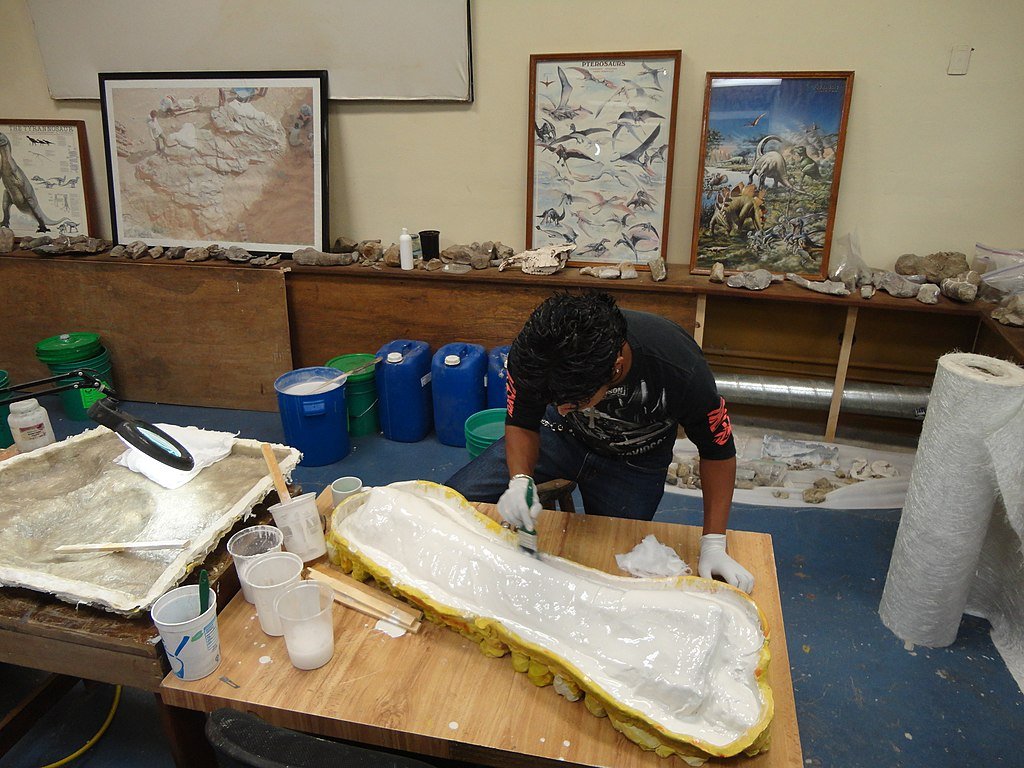
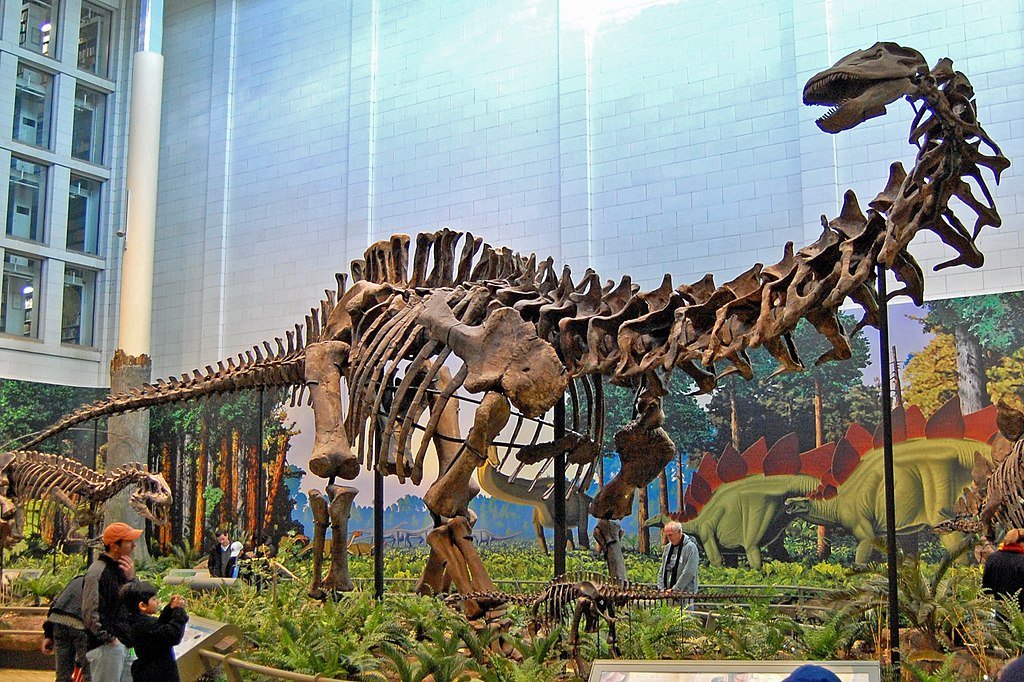
Patagonia is famous for its incredible diversity of fossils. These include remnants of dinosaurs, ancient mammals, and even prehistoric marine creatures, painting a vivid picture of life during the Mesozoic and Cenozoic eras. Among the notable finds are massive sauropod dinosaurs, such as the Dreadnoughtus, which highlights the colossal scale of life during those times.
The Formation of Fossil Hotspots

The geological makeup of Patagonia has been instrumental in creating these fossil hotspots. The region’s sedimentary rock layers, formed by the deposition of ancient rivers and seas, trap and preserve the organic material. Over time, these layers have been exposed by natural forces, allowing paleontologists to uncover these hidden treasures.
Key Fossil-Finding Sites
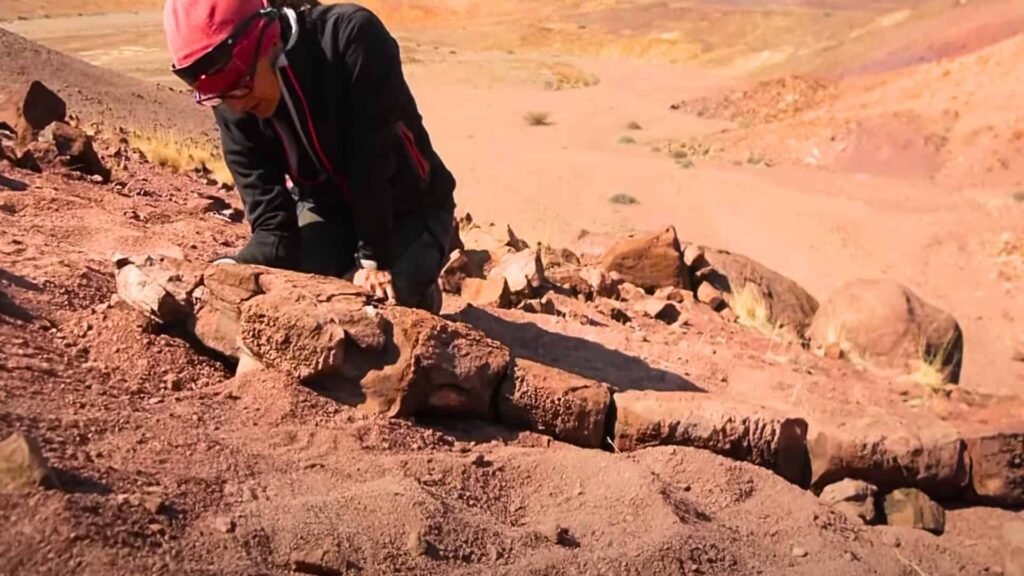
Argentina’s Patagonia boasts several key fossil sites, including the La Buitrera Paleontological Area and the renowned Ischigualasto-Villa Unión Basin. These sites have yielded numerous fossils, providing critical data for understanding evolutionary biology and prehistoric ecosystems. The Cretaceous Andes, known for their rich assortment of dinosaur fossils, also draw significant academic and tourist interest.
Significant Discoveries

Over the years, Patagonia has been the site of groundbreaking paleontological discoveries. In addition to the sauropods, new species of carnivorous dinosaurs like the Giganotosaurus have been unearthed, offering insights into the predatory dynamics of ancient ecosystems. Furthermore, discoveries of early mammals provide clues about the evolutionary transition from reptiles to more complex life forms.
The Role of Paleontologists

Paleontologists working in Patagonia are detectives of Earth’s history, meticulously excavating, cataloging, and analyzing fossils to reconstruct past environments and organisms. Their work not only involves field excavations but also detailed laboratory analyses, including CT scanning and isotopic dating, to glean insights into the physiology and timeline of extinct species.
The Impact on Modern Science
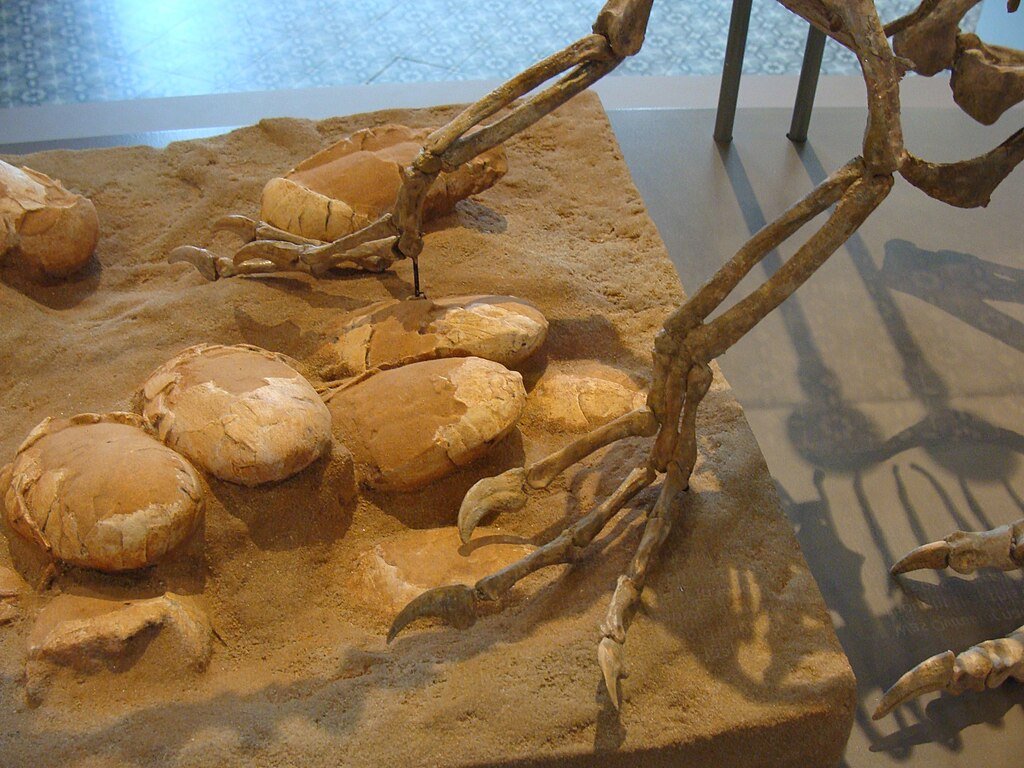
Research conducted in Patagonia has made significant contributions to our understanding of biological diversity, extinction events, and climate changes through time. The data gathered allows scientists to trace evolutionary lineages and study the impact of environmental changes on life, providing critical knowledge that may help address contemporary issues such as biodiversity loss and climate change.
Tourism and Education
Beyond its scientific value, Patagonia’s fossil sites are vital for education and tourism. Several regional museums and guided tours offer insights into the discoveries, attracting enthusiasts from around the world. This blend of education and tourism supports local economies and raises awareness of the importance of preserving our natural and historical heritage.
Challenges in Fossil Conservation

Despite the wealth of fossils, the conservation of these treasures faces challenges, including illegal fossil trade and environmental degradation. Protecting these irreplaceable resources requires international collaboration, stringent legislation, and public awareness campaigns to ensure that future generations can continue to learn from these ancient remnants.
Conclusion: Preserving the Past for the Future
Patagonia’s fossil hotspots are a testament to the dynamic and ever-changing nature of Earth. They offer glimpses into a world long gone, yet crucially linked to present-day life. As a paleontological dream destination, Patagonia provides an unparalleled opportunity to explore and understand the ancient past while challenging us to preserve these irreplaceable resources. By continuing to study and protect Patagonia’s fossils, we not only honor the scientific heritage of the region but also foster a deeper connection to our planet’s history, ensuring that these stories continue to inspire and educate for generations to come.