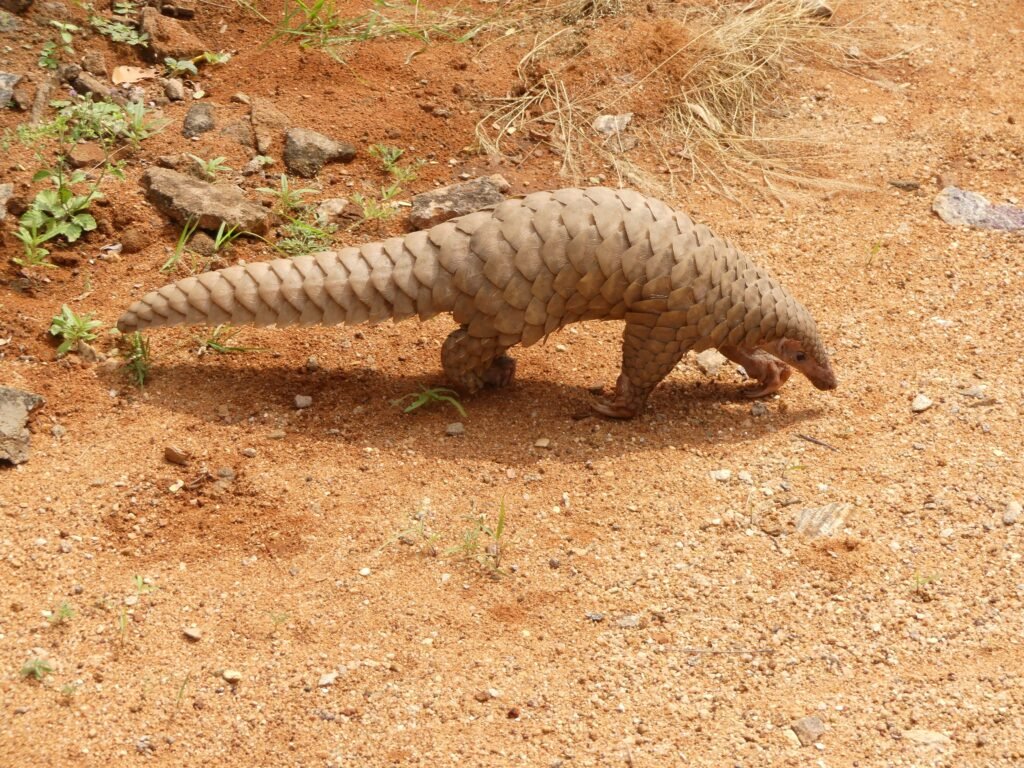

Imagine a creature that looks like a pinecone on legs, curls up into a perfect armored ball, and has a tongue longer than its body. This isn’t a character from a fantasy novel—it’s the pangolin, one of the most unique mammals on Earth. With its gentle eyes and shy demeanor, the pangolin seems almost too unusual to be real. Yet, hidden in the forests of Malaysia, these scaly wonders fight for survival as their very existence teeters on the edge. The pangolin’s story is one of awe, heartbreak, and hope, and Malaysia stands as one of the last bastions where their future might be rewritten.
The Pangolin: Nature’s Living Paradox
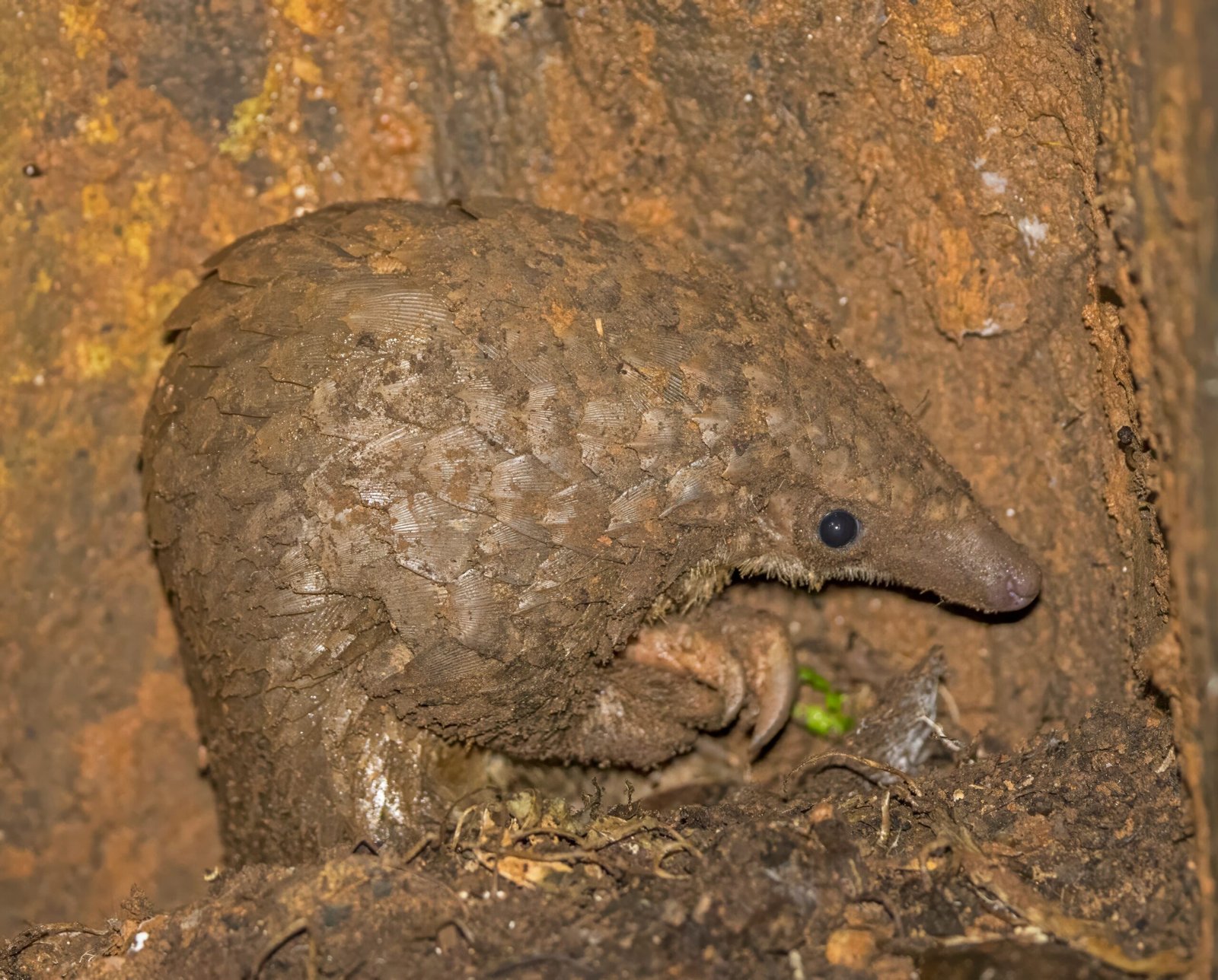
Pangolins defy easy description. Covered in tough, overlapping scales made of keratin—the same material as human fingernails—they look more like a walking artichoke than a typical mammal. Despite this armor, they’re extremely gentle and shy, relying on their scales to protect against predators. Their tiny faces and big, soulful eyes give them an almost cartoonish charm. Pangolins are solitary and mostly nocturnal, making them mysterious even to those who live near them. They move with a slow, deliberate grace, using their claws to dig for ants and termites, which make up nearly all of their diet.
Meet the Malayan Pangolin: Malaysia’s Secretive Resident
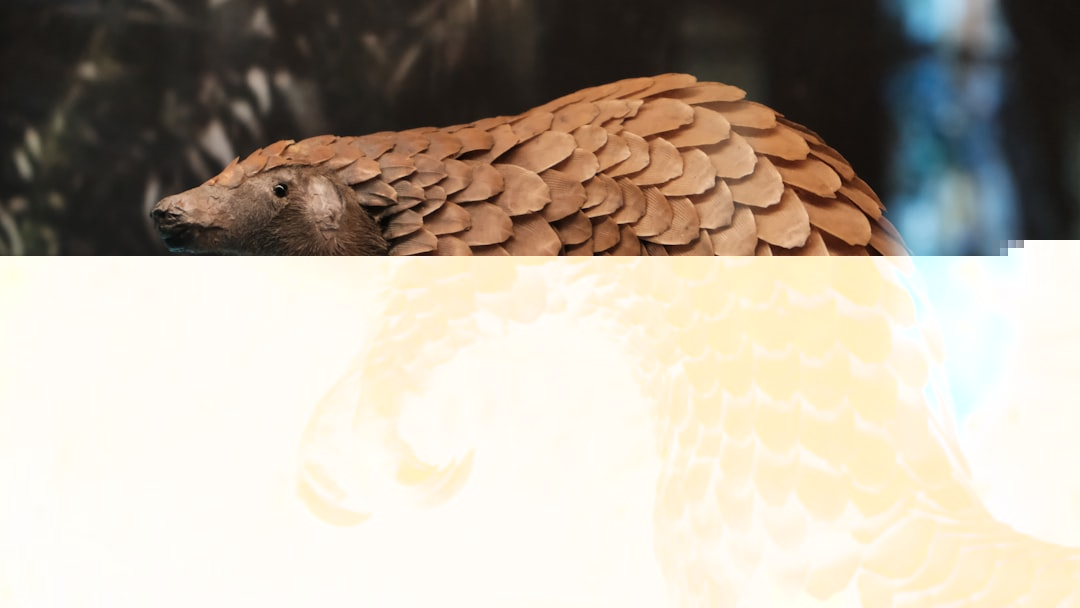
Malaysia is home to the Sunda pangolin (Manis javanica), often called the Malayan pangolin. This species is perfectly adapted to Malaysia’s dense rainforests, from the humid lowlands to the misty highlands. Its keen sense of smell helps it locate insect nests under thick leaves or in rotting logs. Malayan pangolins are expert climbers, often scaling trees with surprising agility for a creature armored from head to tail. Despite their skills, they’re rarely seen, partly because they’re so good at hiding and partly because their numbers are dwindling.
Why Are Pangolins So Weird?
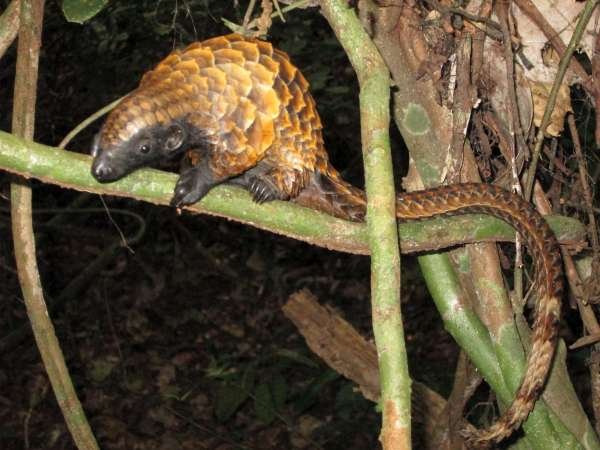
Pangolins are unlike any other mammal alive today. Their body is completely covered in scales except for their underside, making them the only mammals with this feature. When threatened, they roll into a tight ball, presenting nothing but sharp scales to attackers. Their long, sticky tongues can extend up to 40 centimeters, allowing them to probe deep into insect nests. Unlike most mammals, pangolins have no teeth, so they swallow small stones and sand to help grind up their food in their stomachs. Every aspect of their anatomy is a marvel of evolution, finely tuned to their insectivorous lifestyle.
The Pangolin’s Role in the Forest
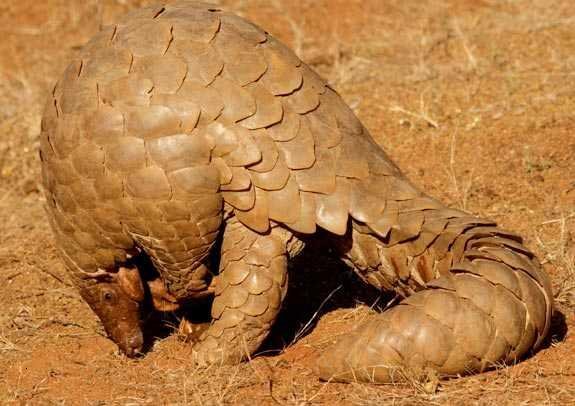
Pangolins are silent but essential forest workers. By consuming thousands of ants and termites each night, they help control insect populations, preventing infestations that could harm trees and crops. Their digging aerates the soil, allowing water and nutrients to penetrate deeper and promoting forest health. In many ways, pangolins act like nature’s pest control, quietly maintaining balance in their ecosystem. Without them, Malaysian forests would face increased threats from unchecked insect populations, affecting countless other species.
The Threats Facing Pangolins
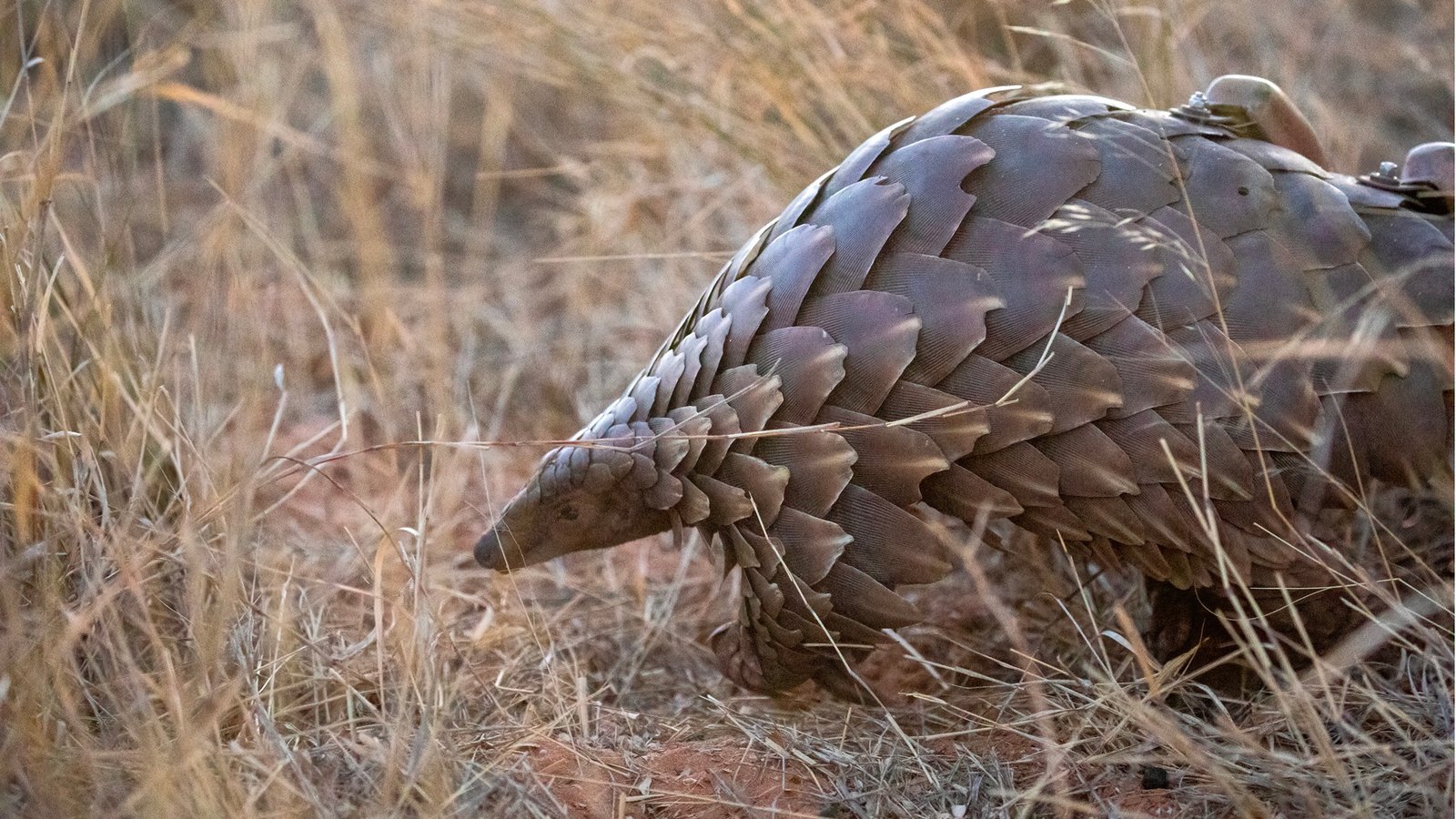
Despite their protective scales, pangolins are among the most trafficked animals in the world. Demand for their scales—wrongly believed to have medicinal properties—and their meat has driven them to the brink of extinction. In Malaysia, poachers use traps and trained dogs to hunt pangolins, selling them to illegal wildlife markets. Habitat loss from deforestation and land conversion for agriculture further squeezes their populations. The combination of hunting and habitat loss has caused pangolin numbers to plummet at an alarming rate in recent years.
Malaysia: A Last Refuge for Pangolins
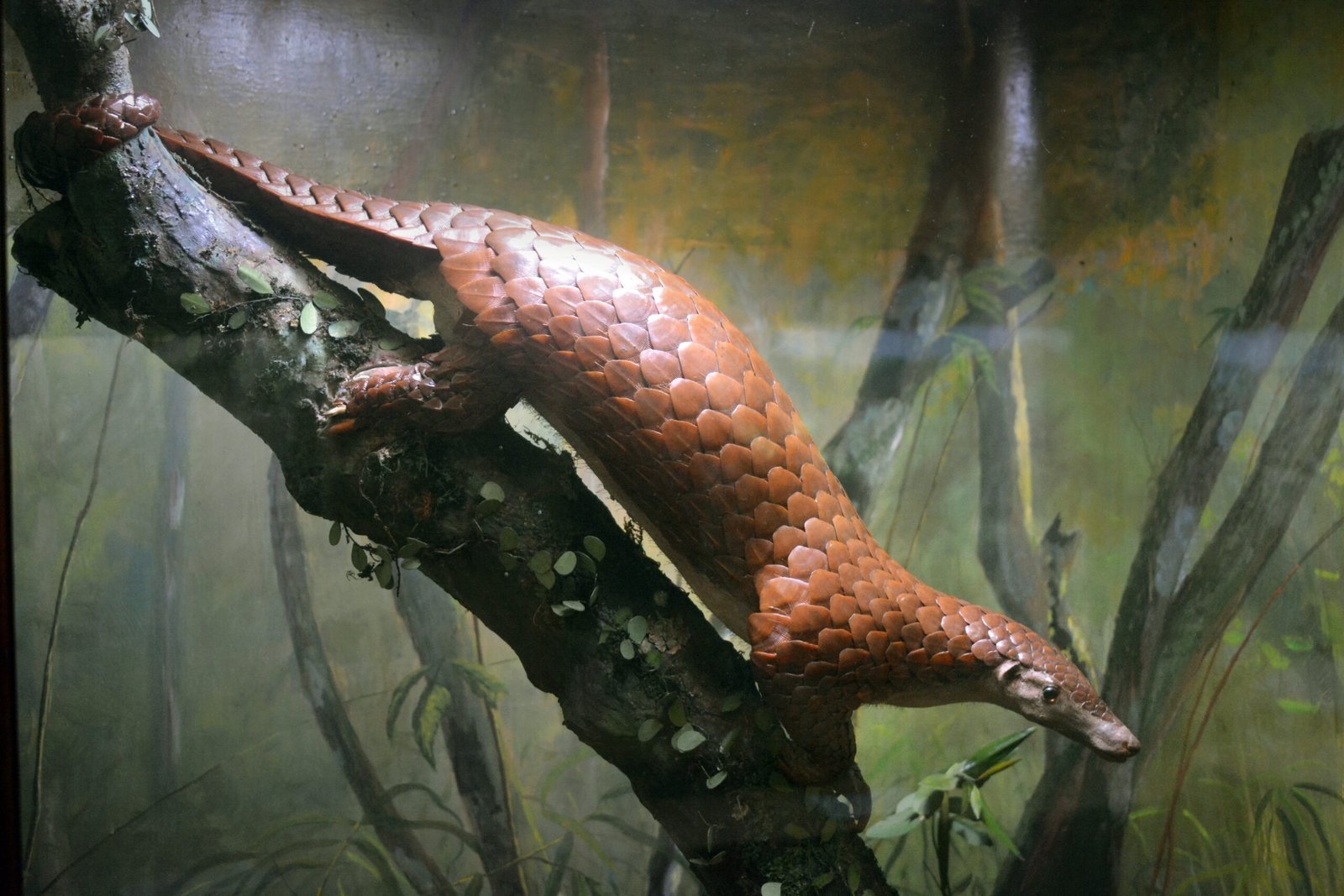
Malaysia’s forests have become a critical refuge for the Sunda pangolin. The country’s network of national parks and protected areas still shelters viable populations, especially in places like Taman Negara and Endau-Rompin. Conservation groups in Malaysia work tirelessly to rescue pangolins from traffickers and return them to the wild. Enforcement agencies are stepping up their efforts to crack down on smuggling rings and illegal traders. Despite mounting challenges, Malaysia remains one of the few places where pangolins have a real chance at survival.
Science and Conservation: The Battle to Save Pangolins
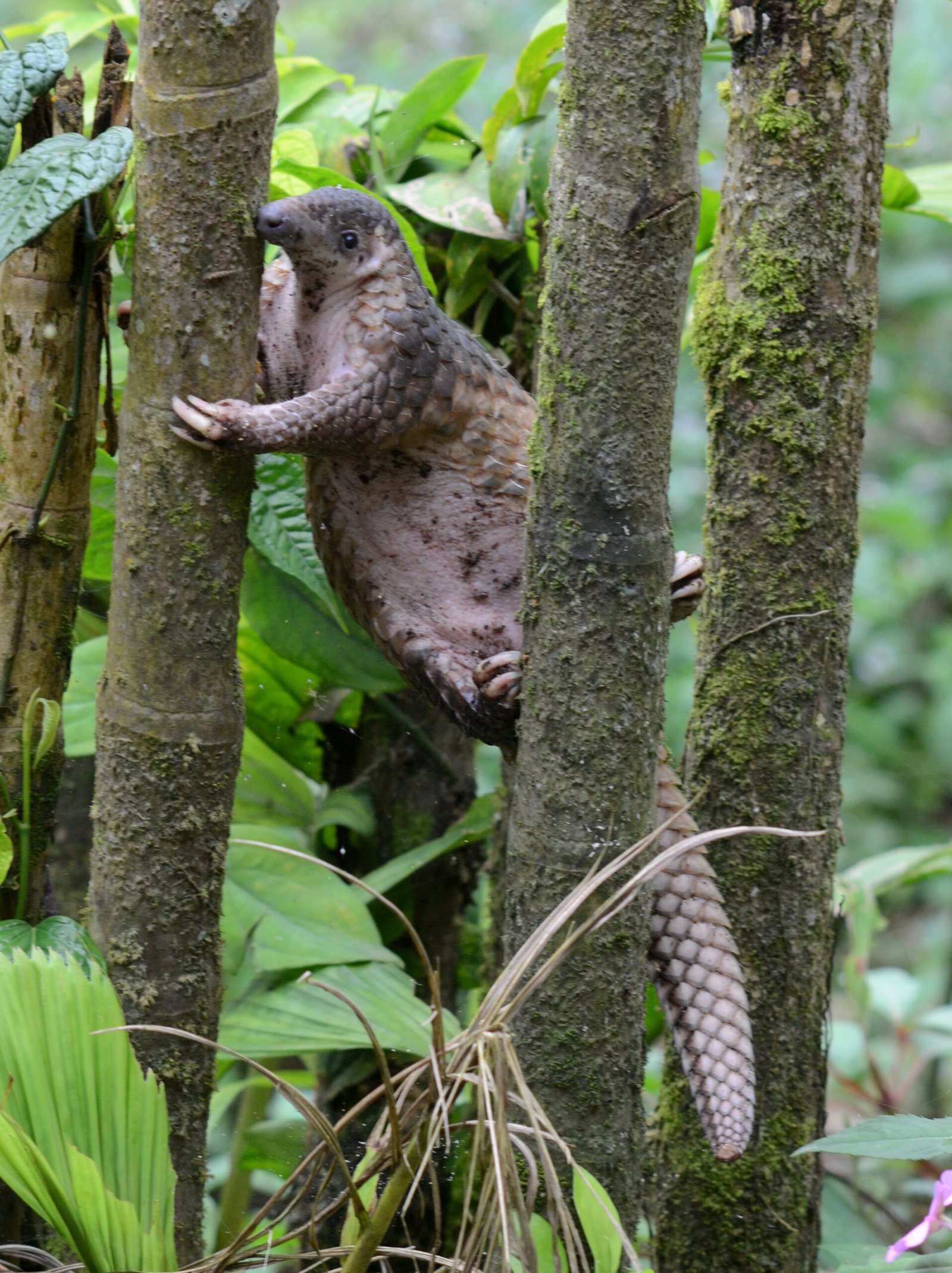
Researchers in Malaysia are racing against time to learn more about pangolin biology and behavior. Tracking studies with radio transmitters have revealed new insights into their movements and habitat use. Scientists are also studying pangolin genetics to understand population health and diversity. Rehabilitation centers care for rescued pangolins, struggling to nurse them back to health after traumatic rescues. The collaboration between scientists, local communities, and law enforcement offers hope—but time is running out.
Pangolins in Malaysian Culture and Folklore
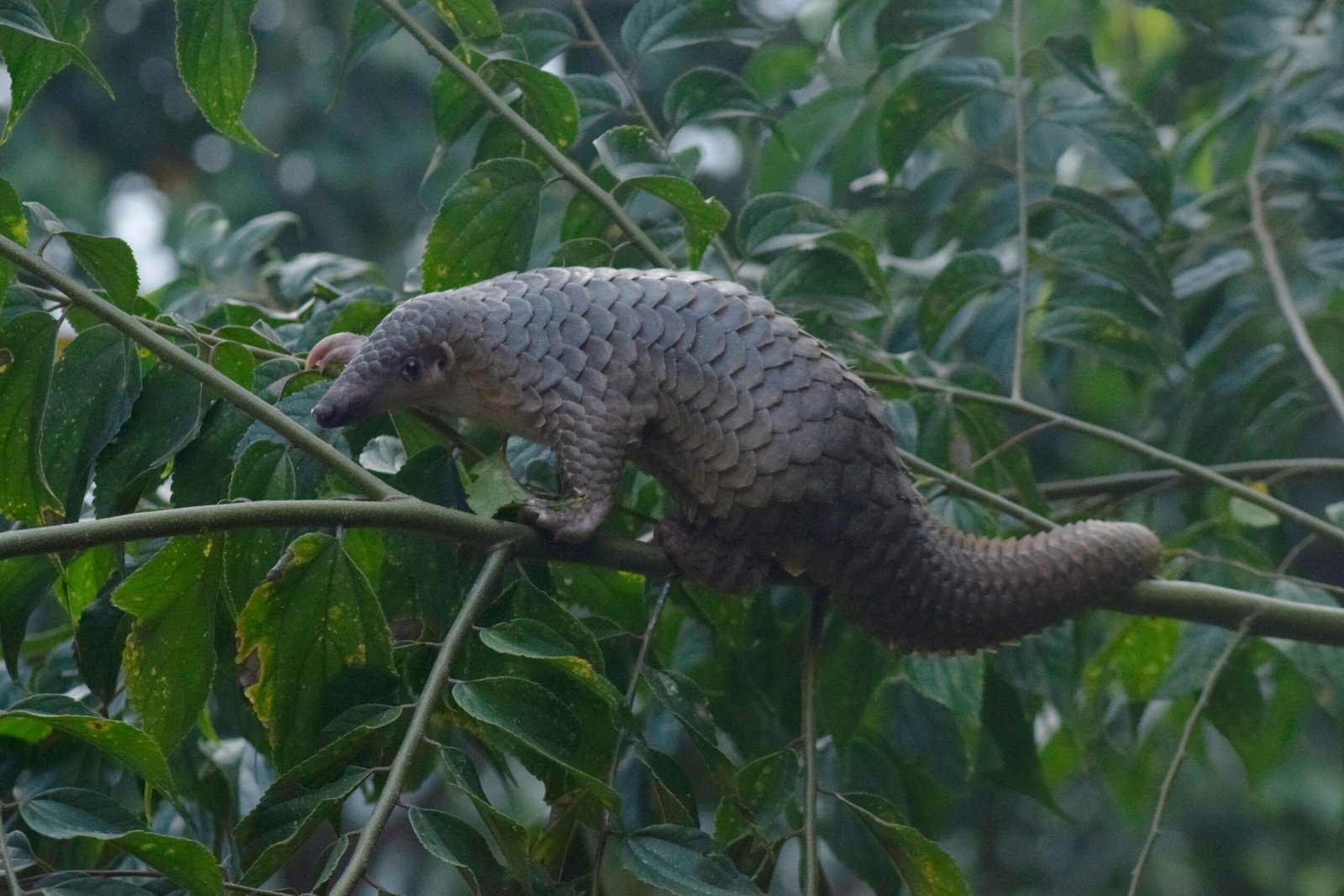
For centuries, pangolins have appeared in Malaysian folklore as mysterious creatures—sometimes revered, sometimes misunderstood. Local legends paint them as shy guardians of the forest, able to bring good fortune or warn of danger. Sadly, some myths have fueled harmful beliefs about the magical properties of their scales. Efforts are underway to revive positive stories and encourage pride in Malaysia’s unique wildlife heritage. Celebrating the pangolin’s place in culture can inspire new generations to protect them.
How You Can Help: Small Actions, Big Impact
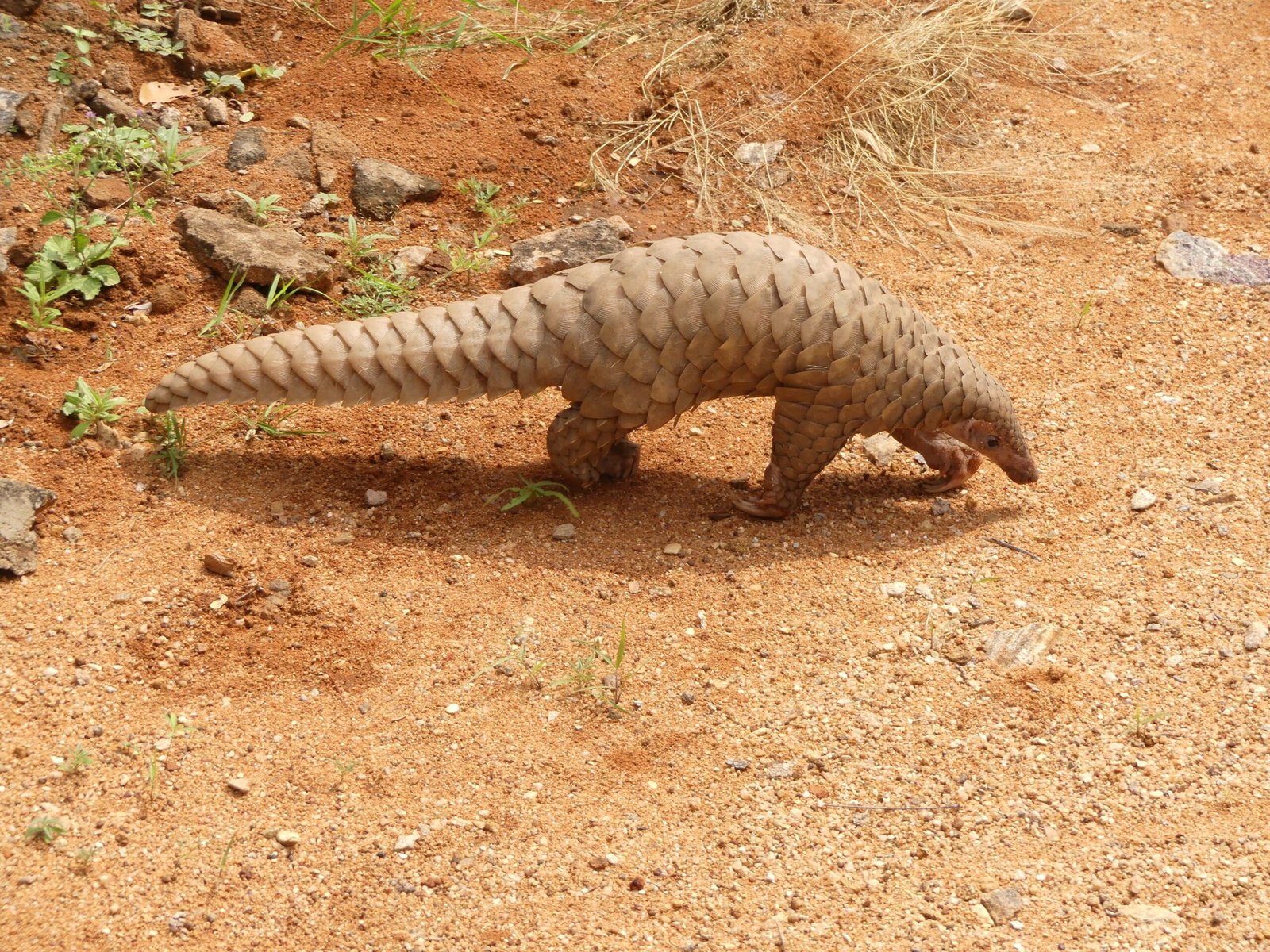
Anyone, anywhere, can play a role in pangolin conservation. Spreading awareness about the pangolin’s plight helps reduce demand for illegal wildlife products. Supporting organizations that rescue and rehabilitate pangolins makes a real difference on the ground. Travelers to Malaysia can choose eco-friendly tours that respect wildlife and their habitats. Even simple choices, like avoiding products linked to deforestation, can help protect pangolin homes. Every action, no matter how small, adds up in the fight to save these amazing creatures.
The Emotional Toll of Losing Pangolins
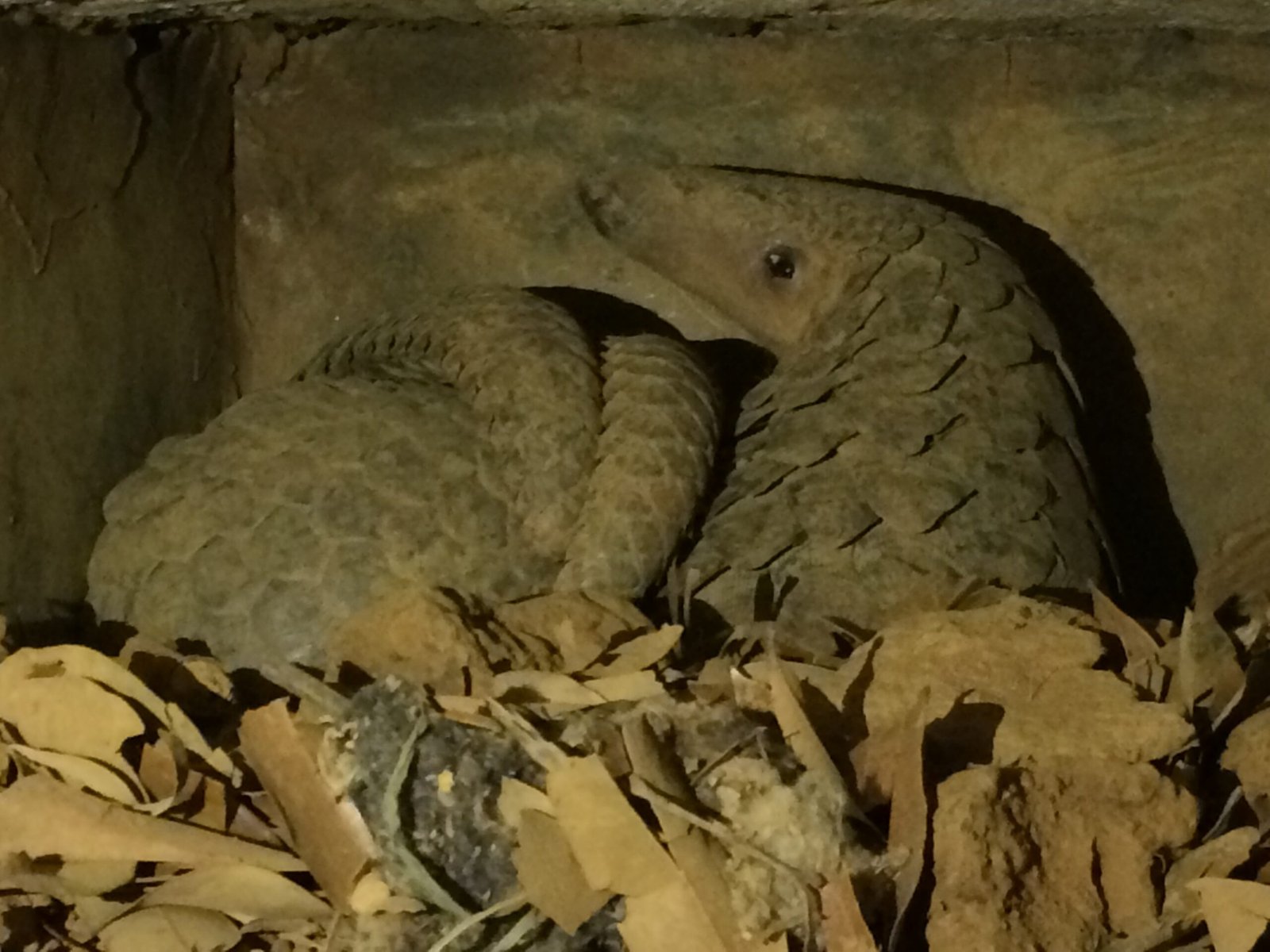
There’s something deeply heartbreaking about the thought of losing pangolins forever. Their gentle nature, quirky looks, and ancient lineage tug at the hearts of anyone who learns about them. Each rescued pangolin is a victory, but every loss is a reminder of what’s at stake. The fight to save pangolins is not just about preserving a species—it’s about holding onto a sense of wonder, connection, and responsibility for the world’s most vulnerable creatures.
What the Future Holds for Pangolins in Malaysia

The future of Malaysia’s pangolins hangs in the balance. With concerted effort, stricter law enforcement, and growing public support, there is hope. Conservation successes in recent years show that change is possible when people come together. As Malaysia’s forests echo with the quiet rustle of pangolin scales, the question remains: will we act in time to ensure that these adorably weird creatures are not lost to history?