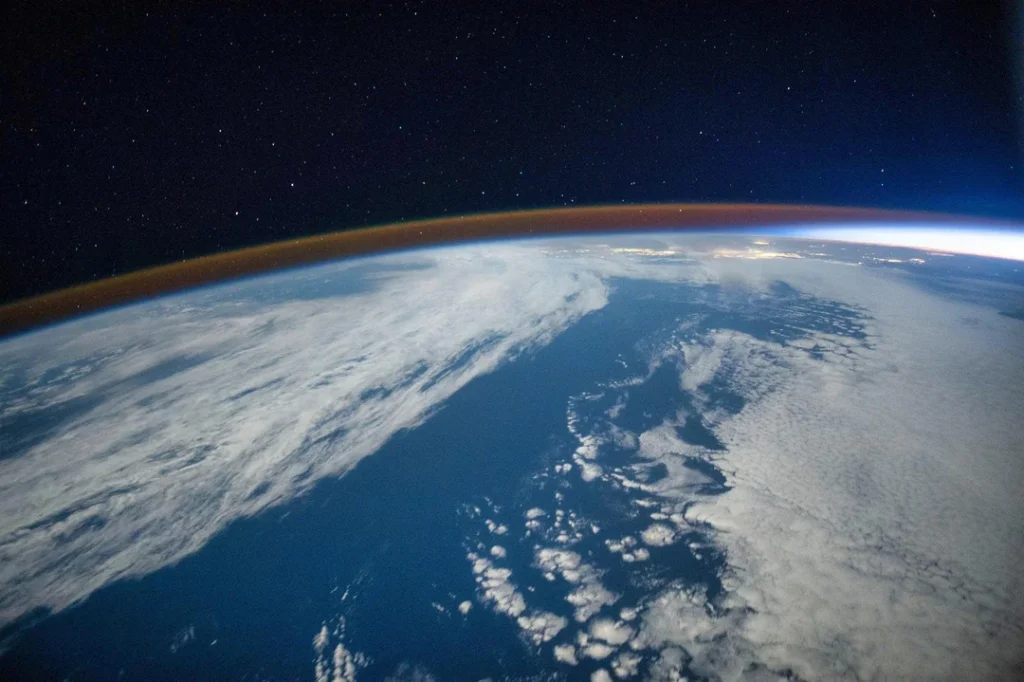
You have probably seen the hopeful headlines: the ozone layer is healing, global cooperation worked, and one major environmental crisis is finally turning around. It feels rare to get good news about the planet, so it is tempting to file this story under “problem solved” and move on with your life. But if you stop there, you miss the part that really matters for your future and for the choices you make today.
The truth is more nuanced: yes, the ozone layer is on a slow path to recovery, but that recovery is fragile, uneven, and tightly tied to how you deal with other problems like climate change. You are living in a strange moment where one global success story is quietly colliding with new risks that could undo decades of progress. Once you see that hidden catch, you will never look at those optimistic headlines the same way again.
The Good News: You Really Did Help Heal the Sky
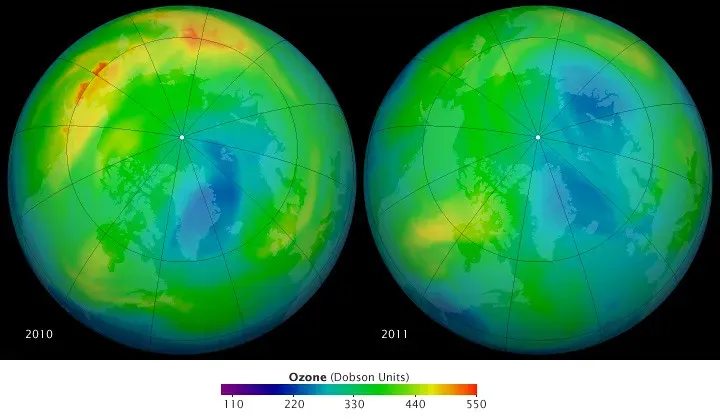
Here is the uplifting part you deserve to hear clearly: you are living in a world where a massive environmental crisis was actually pulled back from the brink. In the late twentieth century, chemicals called chlorofluorocarbons, or CFCs, chewed holes in the ozone layer over Antarctica and thinned it across the globe. Governments, scientists, and industries responded with a landmark agreement called the Montreal Protocol, phasing out the worst ozone-depleting substances over the following decades. Because of that, the concentration of these chemicals in the atmosphere has been slowly falling, and the ozone layer has begun to thicken again.
When you step outside today, you are already benefiting from that decision, even though you may never have heard of the treaty, never attended a climate march, and never lobbied anyone about ozone. People avoided millions of extra cases of skin cancer and cataracts because countries honored that agreement and stuck with it. You are proof that collective action can work at a planetary scale, even when it takes decades for the payoff to become visible. That is not a small thing. It is one of the most powerful counterarguments against the idea that nothing you do can change anything.
The Pace of Recovery Is Slow, Uneven, and Not Guaranteed
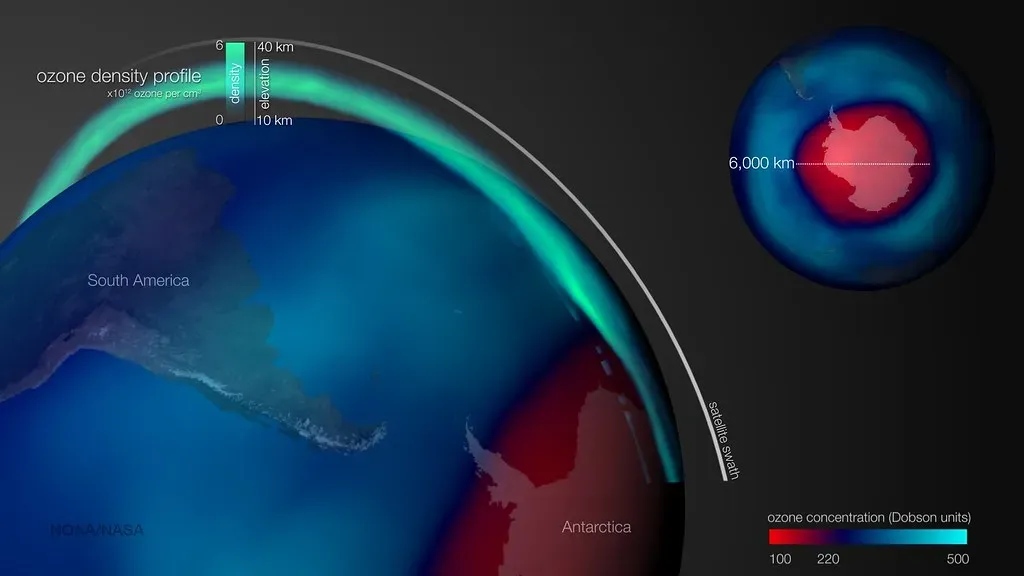
Now for the part you are not told in the quick headlines: the ozone layer is not bouncing back overnight, and the recovery is not uniform everywhere on Earth. In many regions, especially at mid-latitudes where you probably live, ozone levels have improved compared with the worst years but have not fully returned to their pre-1980 state. Over Antarctica, models suggest that the ozone “hole” may close around the middle of this century if current policies hold, but that comes with a lot of ifs. The chemicals that damage ozone linger for decades high in the atmosphere, so today’s improvements are the delayed result of choices made long ago, not a sign that the problem is already behind you.
You also have to accept that the word “healing” can be a bit misleading. Healing suggests a natural, automatic process, like a cut that closes on your skin once the bleeding stops. With ozone, the healing is conditional: it depends on you not adding new threats and not quietly reversing the phaseout of harmful chemicals. It depends on countries actually enforcing the rules they agreed to, tracking down illegal production, and staying alert to new substances that might sneak in and cause fresh damage. The ozone layer is not a patient who recovers no matter what you do next; it is more like a fragile project you have to keep maintaining.
The Hidden Catch: Climate Change Is Twisting the Story
Here is where things get tricky: while you have been celebrating the ozone success story, climate change has been reshaping the upper atmosphere in ways that can influence ozone itself. Greenhouse gases trap heat near the surface, but higher up in the stratosphere, they tend to cause cooling. That cooling can change the chemistry and circulation patterns that determine how ozone is created, moved, and destroyed. In polar regions, colder stratospheric temperatures can encourage the formation of special clouds that enhance ozone loss, especially when the remaining ozone-depleting substances are still present.
What that means for you is that the ozone layer and climate change are not two separate stories; they are intertwined chapters in the same book. The chemicals that once damaged ozone were also potent greenhouse gases, so phasing them out unintentionally helped slow warming. But some of the replacements used in refrigeration and air conditioning turned out to be powerful warming agents themselves, even if they left ozone alone. You end up in a trade-off: your efforts to heal the ozone layer helped the climate a bit, yet some of the stopgap solutions pushed global warming harder. Unless you tackle climate change directly, you leave the ozone layer recovery exposed to side effects from a rapidly changing atmosphere.
New Chemicals, New Loopholes, and the Temptation of Convenience
You might assume that once the worst ozone-depleting chemicals were banned, the story ended. In reality, there is always a temptation to bend the rules, find loopholes, or rush new substances to market before their full impacts are understood. Investigations in recent years have uncovered illegal production of banned CFCs in some regions, showing that economic pressure can push companies to cheat when enforcement is weak. At the same time, newer chemicals such as hydrofluorocarbons were widely adopted as “safer” alternatives because they do not destroy ozone, even though they can be extremely powerful greenhouse gases.
For you, this becomes a lesson in how environmental fixes can backfire when you chase convenience or short-term cost savings instead of long-term safety. A cheap air conditioner that uses a high-warming refrigerant might not harm ozone directly, but its climate footprint can still haunt you for years. When regulators scramble to revise agreements, add amendments, and phase down these replacement chemicals, you are watching a live experiment in how hard it is to stay ahead of industrial innovation. The hidden catch here is that progress is reversible if you stop watching the details, and those details often lurk in things you buy every day.
Your Health Is Still on the Line, Even as the Hole Shrinks
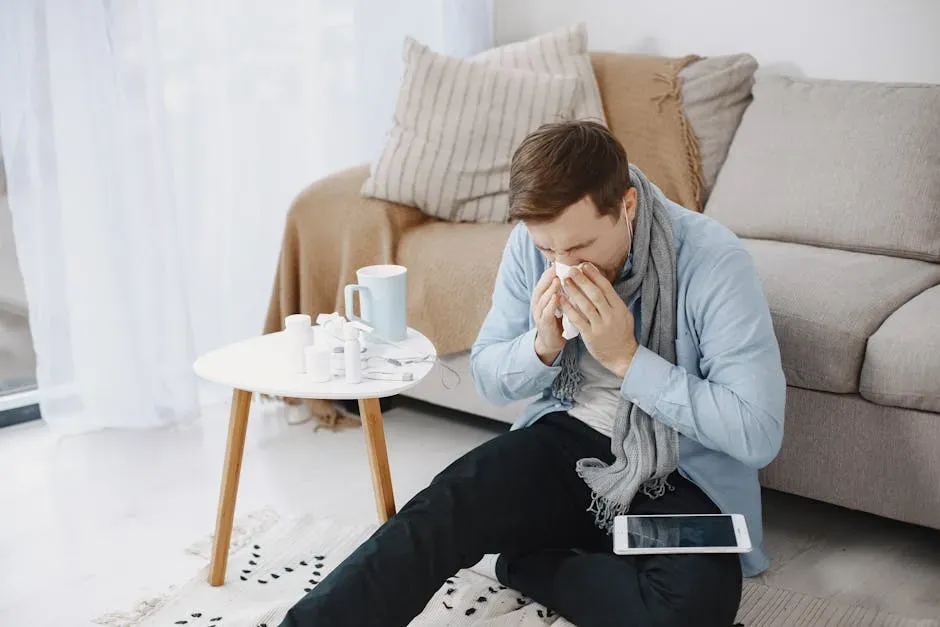
It is easy to see the ozone story as something happening high above your head, far removed from your everyday concerns, but it remains tightly connected to your own health. Ozone in the upper atmosphere acts like sunscreen for the planet, filtering out some of the ultraviolet radiation that reaches your skin and eyes. When the layer thins, even modestly, the risk of skin cancer, sunburn, and eye damage goes up. The recovery under way now is expected to prevent many extra cases of disease across lifetimes, but that does not mean your personal risk has disappeared.
You still live in a world where outdoor work, beach vacations, and even everyday errands under a strong midday sun carry a measurable health cost if you do not protect yourself. Sunscreen, hats, shade, and avoiding the harshest hours of sunlight are not overreactions; they are rational responses to a planet that is only gradually returning to safer levels of UV exposure. The hidden catch for you is that the healing of the ozone layer does not give you a free pass to forget about sun safety. It just raises the ceiling on what is possible if you combine global policy success with smart personal choices.
The Ozone Story Proves Global Cooperation Works – If You Stay Engaged
You often hear that international agreements are slow, messy, and ineffective, and sometimes that is true. But the ozone story gives you a rare, concrete example where a global treaty actually did what it set out to do: identify a danger, cut off the main sources, and bend the curve away from disaster. Countries that disagreed on almost everything else still managed to phase out entire classes of chemicals, fund transitions in developing economies, and keep tightening rules as new evidence came in. When you feel discouraged about climate negotiations or other environmental talks, you can point to this as proof that coordinated action is not just a dream.
However, that success only holds because people like you stayed engaged long after the headlines faded. Scientists kept measuring, activists kept pushing, and regulators kept updating the rules as new chemicals appeared. If you tune out now because you think the job is done, you create room for backsliding, illegal production, or political pressure to weaken enforcement. The hidden catch is that global cooperation is not a one-time event; it is a habit you have to keep reinforcing through your attention, your vote, and your willingness to listen to evidence instead of easy narratives.
What You Can Actually Do Without Being a Scientist or Politician
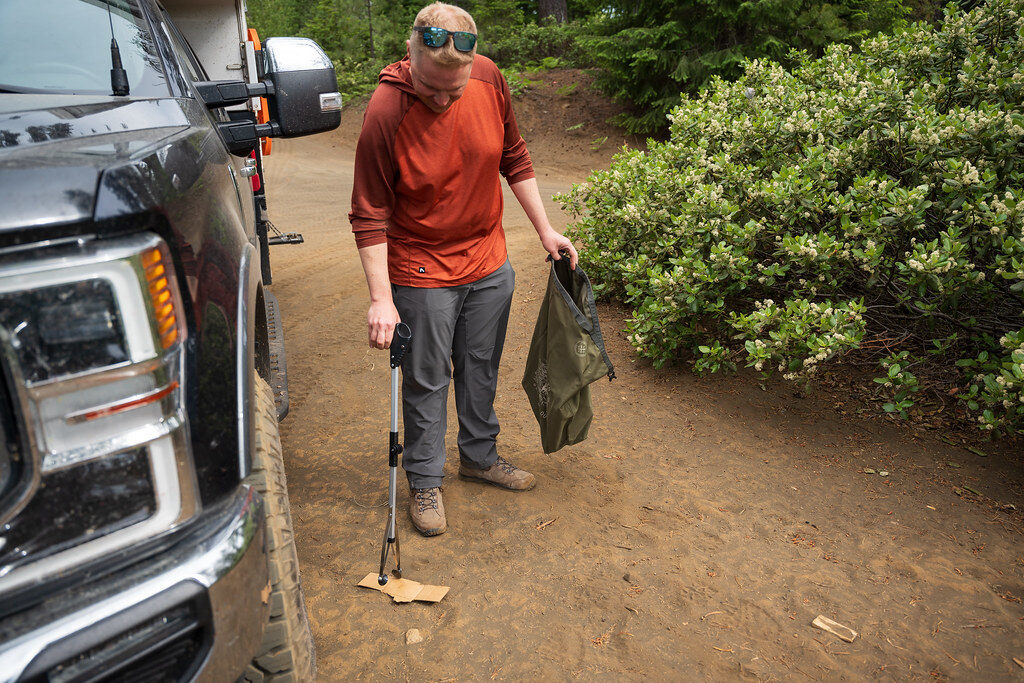
It is easy to feel tiny in the face of phrases like “stratospheric chemistry” and “global atmospheric circulation,” but you have more influence than you think. Each product you buy that relies on cooling or refrigeration has a story behind it: what refrigerant it uses, how efficiently it runs, and how it will be disposed of at the end of its life. Choosing more efficient appliances, supporting services that safely recover and recycle refrigerants, and favoring brands that commit to low-warming alternatives quietly reduces the pressure on both the ozone layer and the climate. You do not need a lab coat to tilt the market in a better direction.
You can also decide where your voice shows up. When you support leaders who honor international agreements, invest in monitoring and enforcement, and listen to scientific bodies, you are voting to protect a layer of gas you will never see but will always rely on. Paying attention to how your country responds when illegal emissions are discovered or when new chemicals are proposed adds a layer of accountability that governments feel. The hidden catch here is empowering: the systems that protect the ozone layer are not abstract; they respond, however slowly, to the pressure and priorities of people like you.
The Future of the Sky Depends on Choices You Make Today
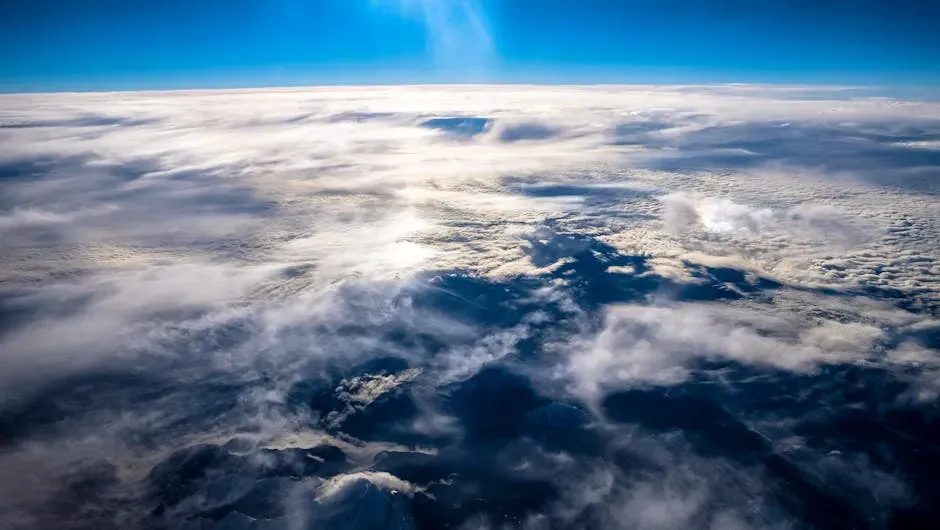
If you zoom out, the story of the ozone layer is really a story about how you treat invisible risks. You helped avoid a worst-case scenario not by waiting for catastrophe, but by acting on scientific warnings long before most people could feel the damage directly. That same mindset is what you need now for climate change and for whatever comes next. The stratosphere will continue to evolve in a warming world, and the balance between ozone protection and climate action will keep shifting with every policy decision, every industrial innovation, and every new treaty.
The healing of the ozone layer is a hopeful chapter, but it is not the end of the book. It is more like a test you barely passed, with a note in the margin reminding you that the final exam is still ahead. If you remember that the sky above you is both resilient and vulnerable, both recovering and at risk, you keep the humility and urgency that this moment demands. So the next time you hear that the ozone layer is healing, will you nod and move on, or will you ask what hidden catches are still hanging over your future?