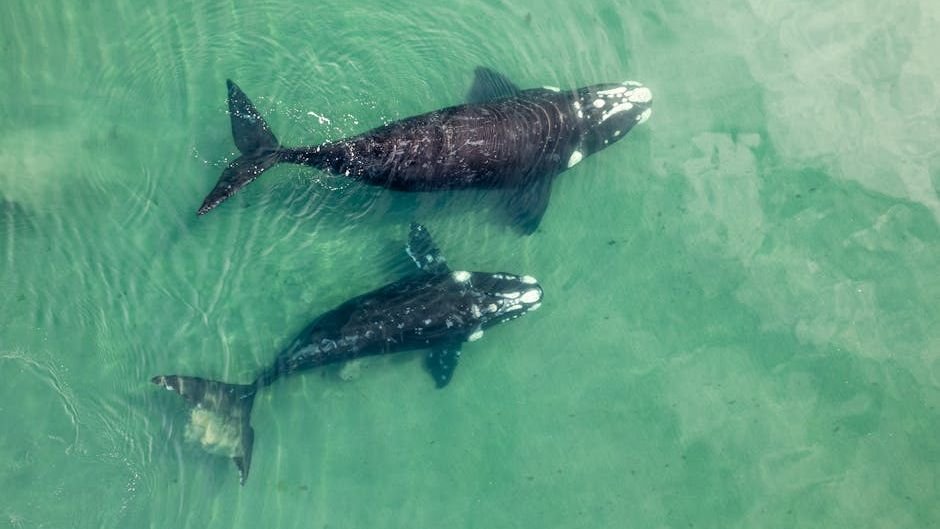
If you’ve ever looked into a dog’s eyes when you’re sad and felt like they somehow just knew, you’ve brushed up against one of the biggest scientific and philosophical puzzles of our time: animal consciousness. We live surrounded by other creatures, from pets and farm animals to wild birds and octopuses in the deep sea, and yet we still don’t fully understand what’s going on inside their minds.
Do they feel joy when they play, jealousy when we cuddle someone else, or grief when a companion dies? Are they aware of themselves the way we are, or are we simply projecting our own inner lives onto them? The truth, as far as we can tell in 2026, is both humbling and unsettling: animals are far more mentally alive than people once believed, but not in a simple “they’re just like us” way. The real story is stranger, richer, and still unfolding.
What Do We Even Mean by “Consciousness”?
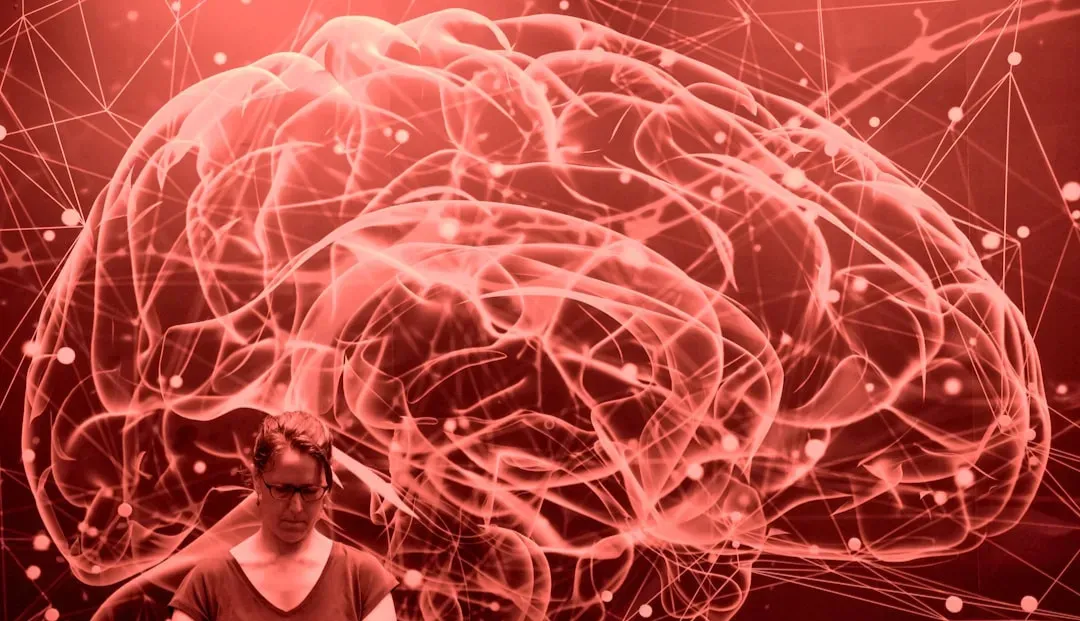
Before we ask whether animals are conscious, we have to tackle what consciousness actually is – and that’s where things get slippery. In everyday life, we mean something like the feeling of being “someone” rather than just “something”: having experiences, sensations, emotions, and a point of view on the world. You know what it’s like to be you, to feel pain, to enjoy music, to worry about tomorrow; that raw feeling of existence is what people usually point to as consciousness.
The complication is that we can’t reach inside another brain, human or otherwise, and directly “see” consciousness. All we can really measure are behaviors, brain patterns, and abilities, then infer what might be going on subjectively. That’s why the animal consciousness debate is so intense – scientists are trying to peer through the keyhole of behavior and biology to guess what it feels like, if anything, to be a dog, a crow, or a fish. It’s a bit like judging the plot of a movie while only being allowed to listen to the soundtrack.
The Old View: Animals as Instinct-Driven Machines
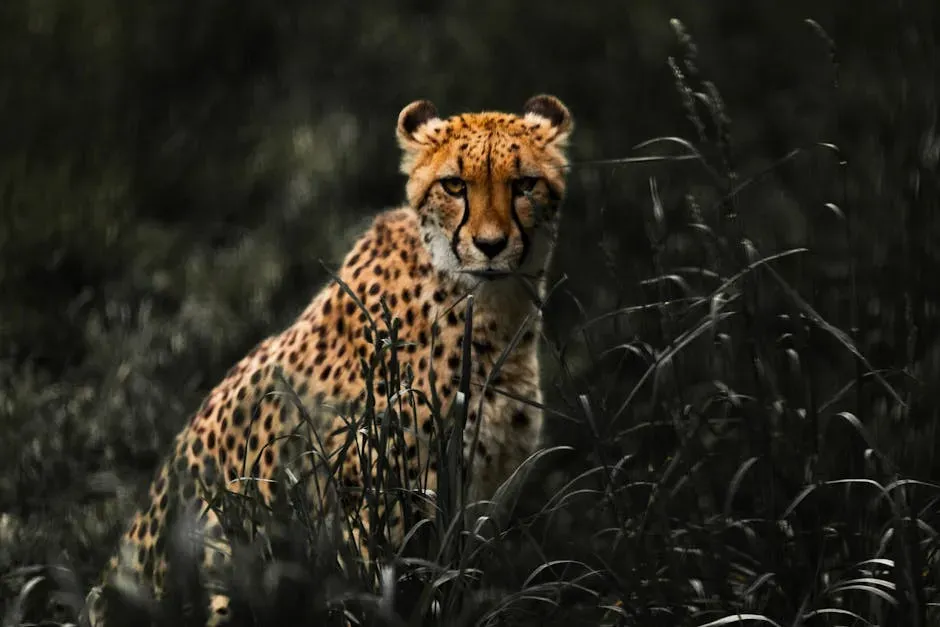
For a long stretch of modern history, many researchers and philosophers treated animals almost like biological robots. They saw behaviors like nesting, hunting, or grooming as complex but ultimately automatic routines, triggered by instincts and reflexes rather than any inner mental life. Pain in animals was sometimes described as a purely physical signal, without the emotional “ouch” that makes suffering so morally serious for humans.
That old view was convenient in some ways, especially for justifying practices like factory farming and invasive experiments. If animals were more like machines than minds, it felt easier to use them as tools. But the more carefully scientists observed animals in natural settings and under better conditions, the more cracks appeared in that story. Behaviors started looking less like clockwork and more like flexible problem-solving, learning, and even something that looks suspiciously like emotional expression.
The New Consensus: At Least Some Animals Are Conscious
Over the past few decades, there’s been a strong shift in how scientists talk about animal minds. Many now consider it overwhelmingly likely that at least some animals – particularly mammals and birds – have genuine subjective experiences. You can see this in how research is designed, how ethics committees treat animal experiments, and how veterinarians and behaviorists talk about pain and stress in animals.
This doesn’t mean we think a pig or a parrot experiences life in a human-like way, with language-drenched inner monologues or detailed long-term plans. Instead, the emerging view is that consciousness comes in different shapes and depths, depending on the species and its brain. In that sense, consciousness may be less like an on-off light switch and more like a dimmer with different colors – humans are one setting, but not the only one that glows.
Animal Emotions: Do They Really Feel Joy, Fear, and Grief?
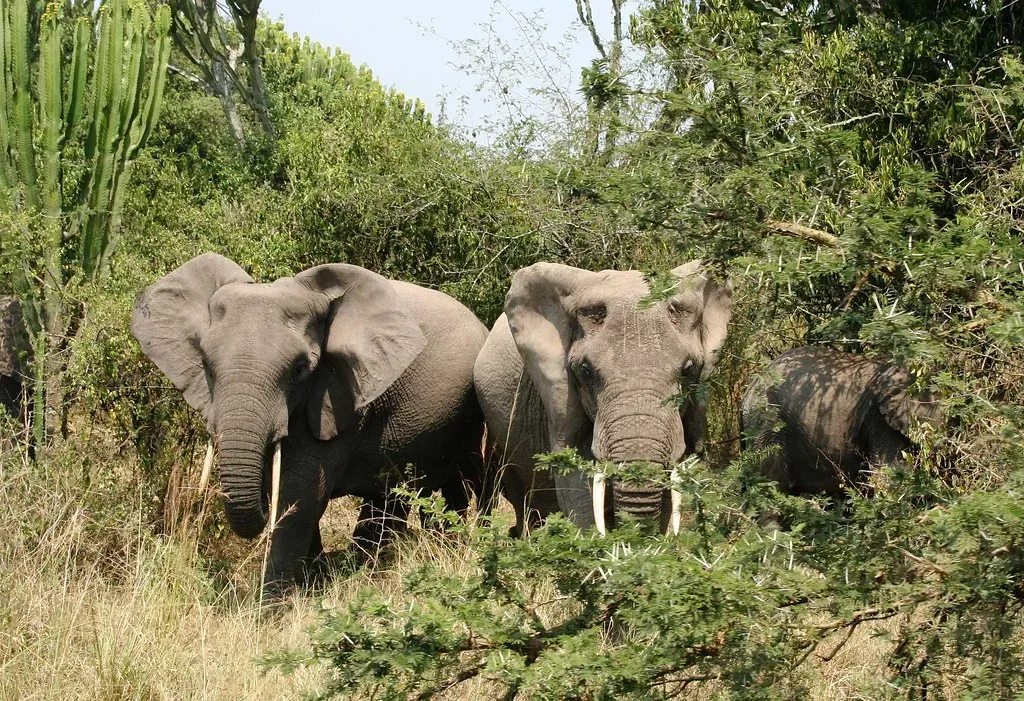
One of the strongest pieces of evidence for animal consciousness comes from emotions. Many animals show patterns of behavior and physiology that are hard to explain without assuming they feel at least some emotional states. Dogs wagging and spinning in delight when a familiar person comes home, elephants staying near the bones of deceased herd members, or rodents freezing in terror when they smell a predator’s scent all point to emotional lives that aren’t just mechanical reflexes.
Brain imaging and neurological studies back this up: mammals share many of the same core emotional circuits, hormones, and brain regions. When a rat seems anxious, its stress chemistry isn’t so different from ours; when a dog seems content, its body tells a similar biochemical story. While we should be cautious about assigning human-level complexity to those emotions, it’s increasingly difficult to deny that many animals can suffer, enjoy, fear, and perhaps even mourn in ways that matter morally.
Thinking and Problem-Solving: How Smart Is “Smart Enough”?
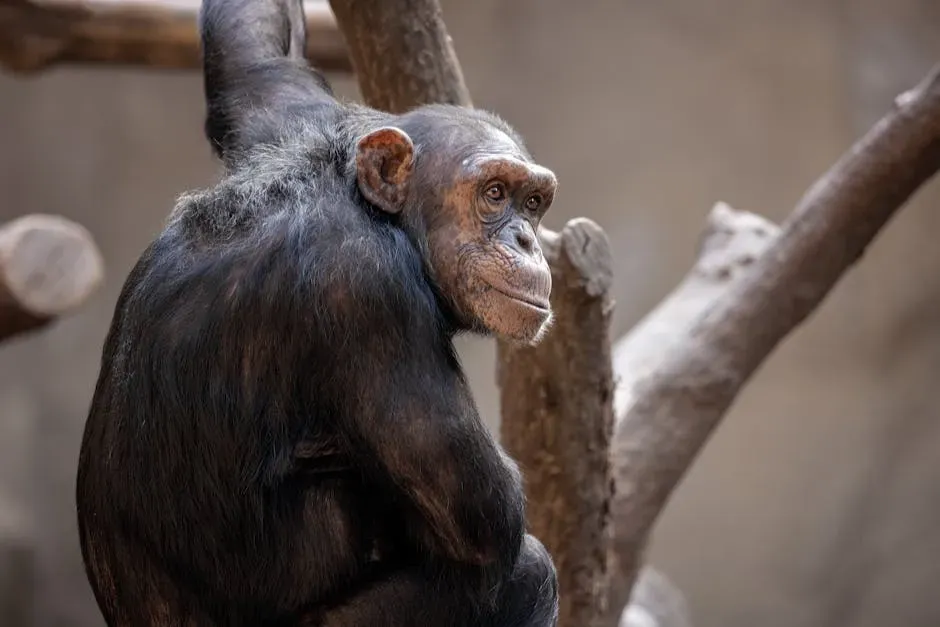
If you watch a crow bending a wire into a hook to fish food out of a tube, or an octopus escaping from a supposedly secure tank, it becomes hard to cling to the idea of animals as simple stimulus-response machines. Across species, scientists have documented tool use, innovation, deception, planning, and even basic counting abilities. These aren’t just party tricks; they suggest animals can form mental models of their environment and adapt their behavior in clever ways.
The tough part is interpreting what those abilities mean for inner experience. An animal can solve a puzzle without narrating it in words the way we might. A chimp stacking boxes to reach a banana may not be silently reciting a plan, but it’s still coordinating memory, perception, and goal-directed action. At some point, the line between sophisticated information processing and actual thought starts to blur, and that’s where many researchers argue that talk of “thinking” stops being metaphorical and starts being accurate.
Self-Awareness: The Mirror Test and Its Limits
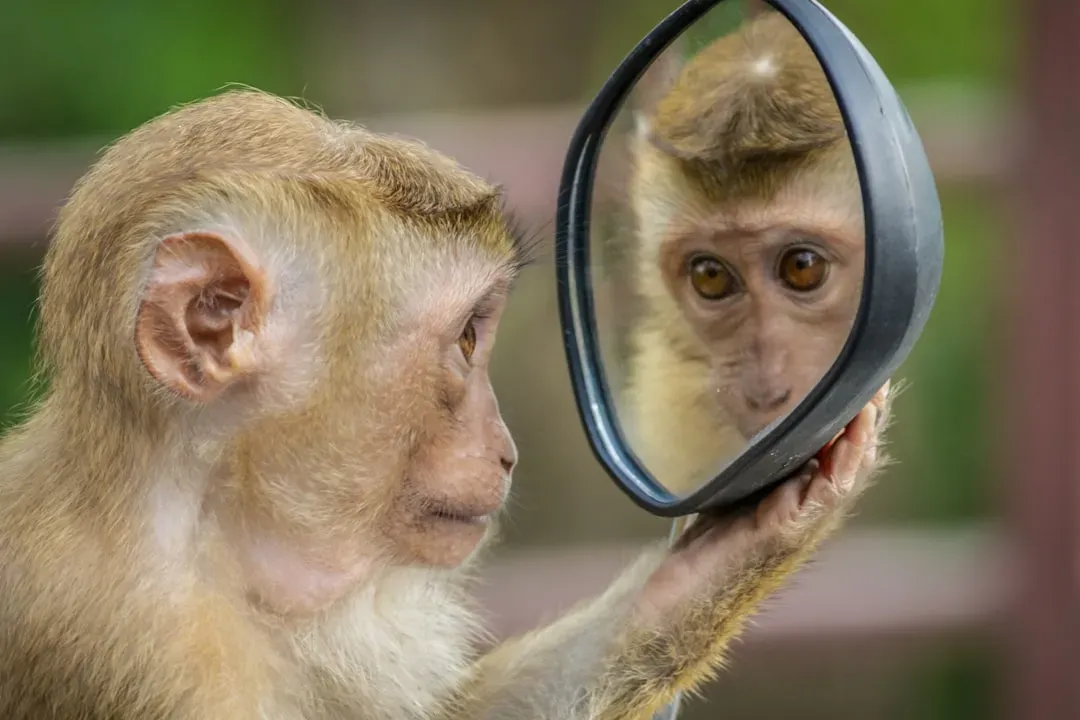
One famous way scientists have tried to probe animal consciousness is the mirror test: put a mark on an animal’s body in a place it can only see in reflection, then see if it uses the mirror to investigate the mark on itself. Some great apes, dolphins, elephants, and a few birds like magpies have passed versions of this test, suggesting a kind of self-recognition. That’s often taken as a clue that they have at least a rudimentary sense of “me” distinct from the outside world.
But the mirror test has serious limitations. Failing it doesn’t mean an animal lacks self-awareness; it might simply not care about mirrors, or rely more on smell or sound than vision. A dog can recognize the scent of its own urine as “self” without ever reacting to its reflection. So while mirror self-recognition is a fascinating hint that some animals can reflect on their own bodies, it’s not the sole gateway to inner life. Consciousness may show up in many forms that don’t make for dramatic YouTube clips.
Pain, Suffering, and Why It Matters So Much
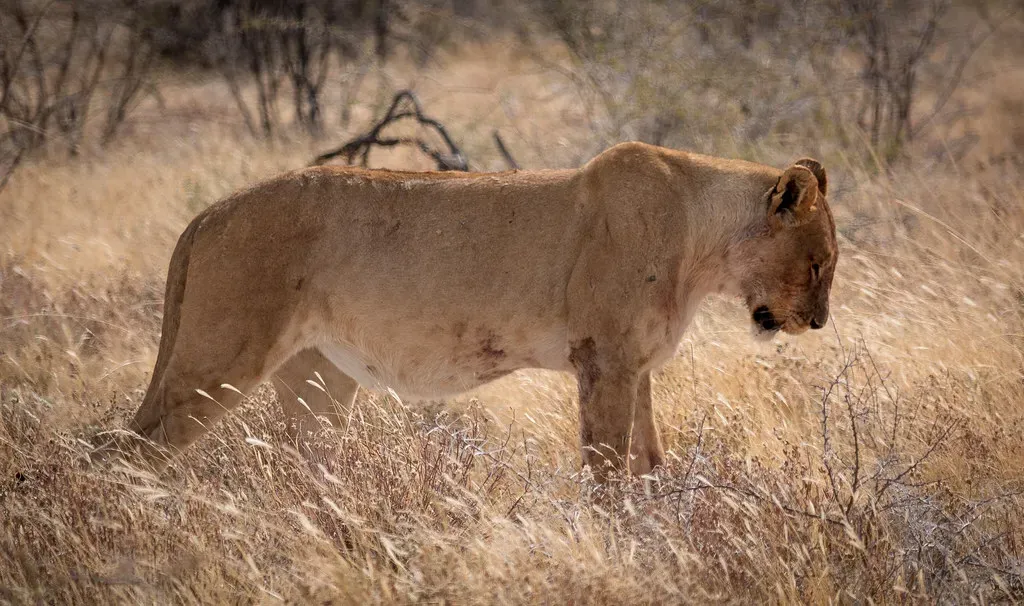
When it comes to consciousness, pain is a central moral and scientific question. Many animals withdraw from harmful stimuli, heal wounds, and avoid places associated with bad experiences, which suggests more than just reflexes. Their heart rates spike, stress hormones surge, and behavior changes in ways that mirror what we call suffering in humans. This is why more and more legal systems and professional bodies now treat many animals as beings capable of feeling pain, not just biological objects.
The difficult part is separating mere nociception – the detection of damage – from the actual unpleasantness of suffering. With animals, we can’t ask how it feels, so we infer based on brain structures, physiology, and behavior. If a species has similar pain pathways, responds in similar ways, and changes its behavior to avoid harm, the most straightforward explanation is that it experiences something like pain. That doesn’t prove a cow’s headache feels like yours, but it strongly suggests that harming them is not morally neutral.
Different Brains, Different Minds: Birds, Octopuses, and Fish
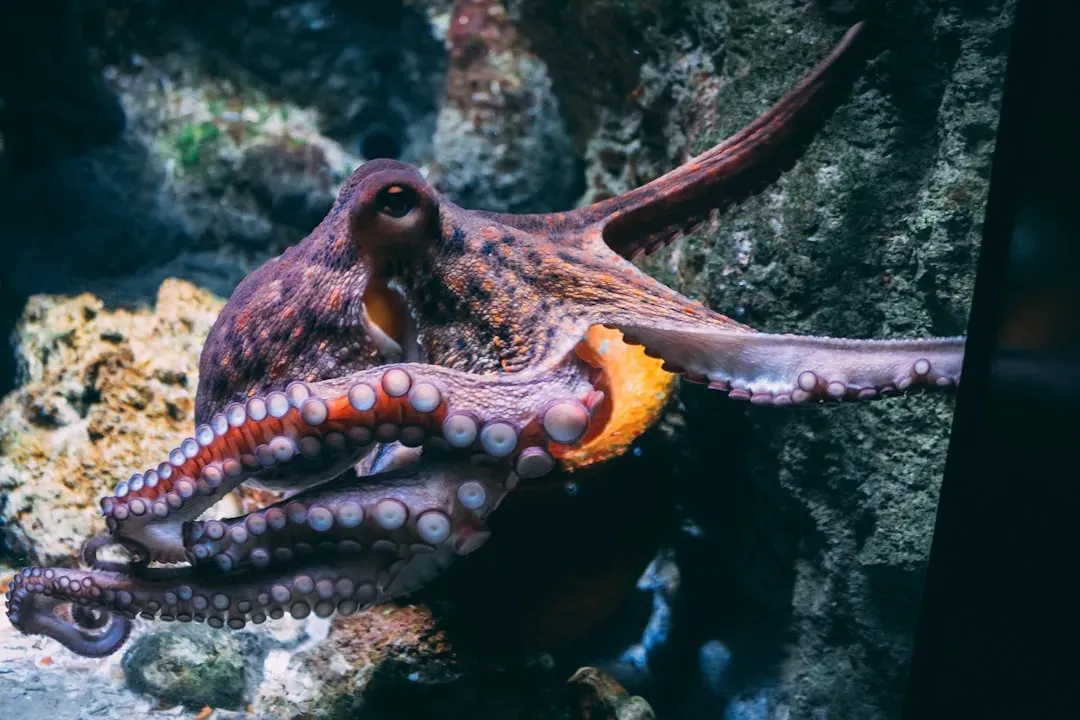
One of the most surprising findings of recent decades is that impressive cognitive and emotional abilities can emerge from brains that look very different from ours. Birds, for instance, lack a layered neocortex like mammals, yet some corvids and parrots rival young children in certain tasks. They solve puzzles, remember who watched them hide food, and seem to understand simple cause and effect, all with a brain that’s structured in a different architectural style.
Then there are octopuses, with a nervous system that’s partly decentralized into their arms, and fish, whose mental lives were long dismissed but are now being re-evaluated. Some fish learn complex social hierarchies, use tools in simple ways, and show signs of stress relief when conditions improve. Taken together, this diversity suggests that consciousness might not require a single blueprint. Instead, it may be a general pattern of information integration and flexible behavior that evolution can reach by multiple pathways.
Are We Over-Anthropomorphizing, or Underestimating Them?
There’s a constant tension between two big mistakes we can make about animal consciousness. On one side is anthropomorphism: reading human thoughts and feelings into every tail wag and head tilt. On the other side is what some critics call anthropodenial: a stubborn refusal to acknowledge any shared inner life, even when the evidence is staring us in the face. Both extremes distort reality, and both have real consequences for how we treat animals.
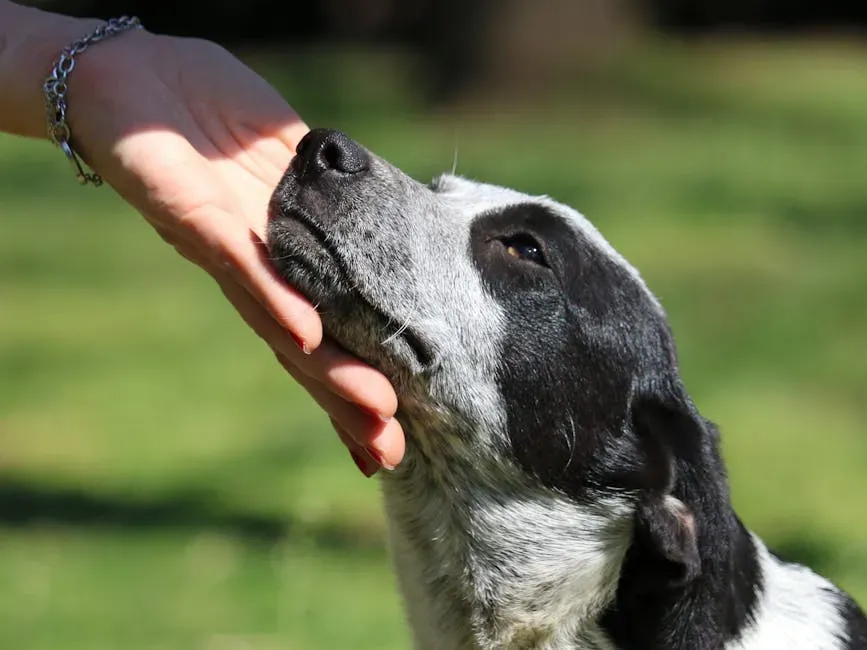
Personally, when I remember how my childhood dog would rest her head on my knee when I cried, it’s hard not to feel she was empathizing in some way. At the same time, I know I’m prone to seeing my own emotions mirrored back at me, even where they don’t exist. The most responsible stance is a careful middle ground: assume some continuity of mental life across species where the evidence supports it, but stay humble about the gaps, the differences, and the possibility that their inner worlds are alien in ways we can barely imagine.
What This Means for How We Live With Animals
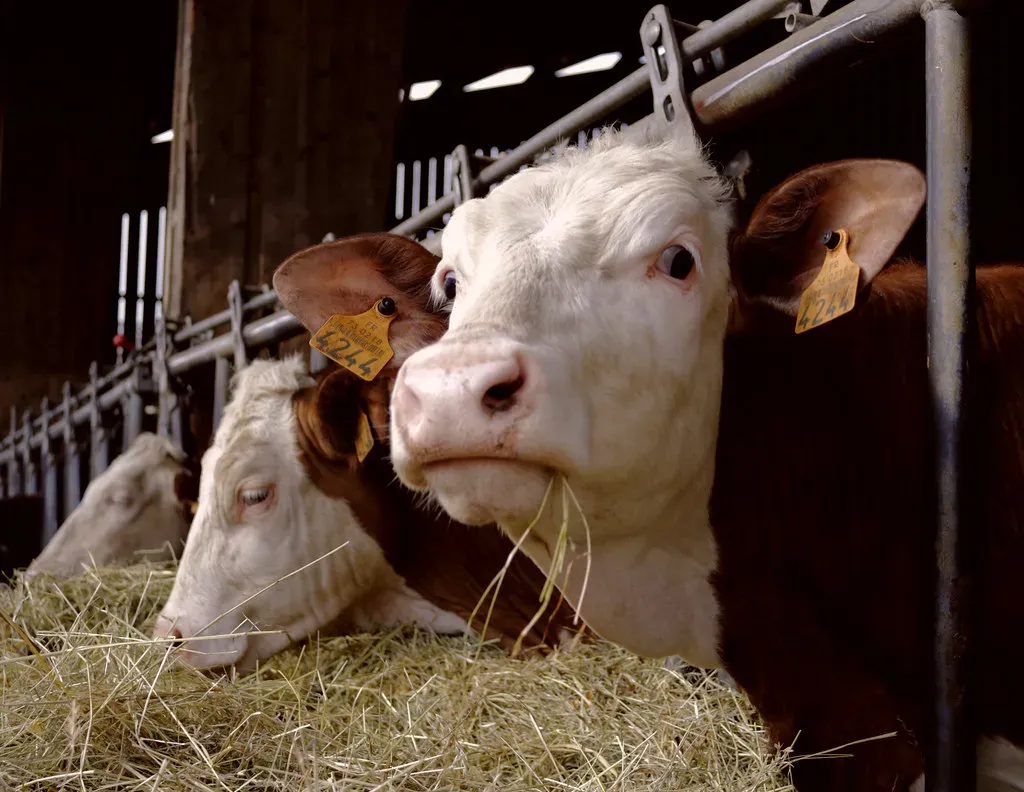
If animals are conscious in any meaningful sense, then our everyday choices stop being trivial and start carrying ethical weight. The way we farm, fish, experiment, entertain, and keep pets all rests on assumptions about what animals can feel. Recognizing that many of them experience pain, stress, and perhaps even forms of joy or boredom forces us to at least ask whether we’re justified in the ways we use and confine them.
This doesn’t instantly dictate a single lifestyle or policy; people will draw moral lines in different places. But it does shift the burden of proof. Instead of assuming animals are unfeeling until proven otherwise, more and more people now lean toward giving them the benefit of the doubt when the science points to sentience. Even small steps – richer environments for farm animals, more humane research protocols, paying attention to your pet’s signals – are ways of honoring the possibility that there’s a someone, not just a something, looking back at you.
Conclusion: Sharing a World of Many Minds
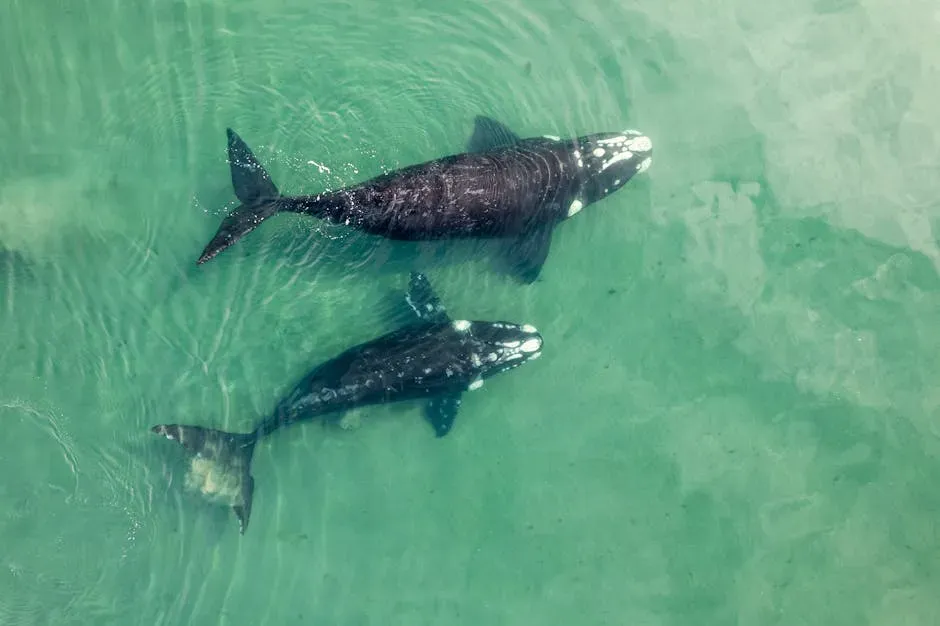
The mystery of animal consciousness isn’t just an academic puzzle; it quietly reshapes how we see our place on this planet. The more we learn, the less convincing the old picture of humans perched on a lonely mental throne becomes. Instead, we start to see ourselves as part of a crowded landscape of minds – different in degree and detail, but not separated by an unbridgeable chasm. That’s a bit unsettling, but also strangely comforting.
We may never know exactly what it feels like to be a bat, an octopus, or the cat currently judging you from the back of the sofa, but we can acknowledge that their lives likely contain more than mere mechanical motion. In a way, the uncertainty itself is a call to kindness: when in doubt, treat other creatures as if their experiences matter. After all, if someday we discover their inner worlds are richer than we imagined, wouldn’t you rather have erred on the side of compassion than indifference?