If you could hit rewind on the universe and watch Earth’s history like a movie, the moment our planet became truly habitable would not be a single dramatic scene. It would be more like a slow, tense montage: rocks melting, oceans raining from the sky, toxic gases clearing just enough for the first fragile chemistry of life to grab hold. That turning point – when Earth shifted from hellish to barely hospitable – is one of the most fascinating, humbling stories science has pieced together.
We know this much: Earth spent a shocking amount of time trying very hard to be unlivable. Yet somehow, in that chaos, the right combination of temperature, chemistry, and stability emerged. In a cosmic sense, is not just about when life appeared, but when it finally had a fighting chance to stick around. Let’s walk through how a molten rock in a violent young solar system became a world where something as fragile as a cell – and eventually someone like you – could exist at all.
From Fireball to Crust: When Earth Finally Stopped Melting
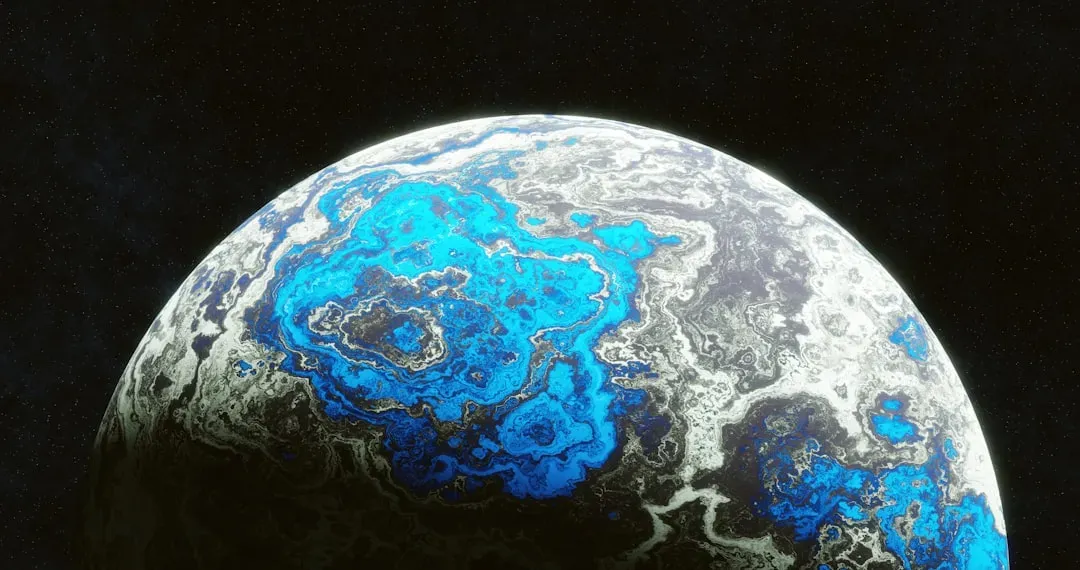
Imagine standing on the surface of newborn Earth – except you couldn’t, because there was no real surface to stand on. Right after our planet formed about four and a half billion years ago, it was basically a glowing ball of magma, constantly bombarded by leftover debris from the formation of the solar system. Every impact was like smashing a sledgehammer into a plate of hot glass: cracks, splashes, and more heat. In that chaos, nothing resembling life could survive; rocks were liquid, water was vapor, and the atmosphere was more like the exhaust of a blast furnace.
Over time, though, the impacts slowed down and Earth started to cool. Heavy elements like iron and nickel sank to the center, forming the core, while lighter silicates floated upward and solidified into the first crust. This cooling was not a gentle process – it was more like the planet trying on a crust, melting it off, and trying again. But slowly, a more stable rocky surface took shape. That shift from endlessly molten to mostly solid was the first non‑negotiable step toward habitability; life needs surfaces, gradients, and places where liquid and solid can meet.
The Great Rain: How Earth Got Oceans Instead of Staying a Desert Rock
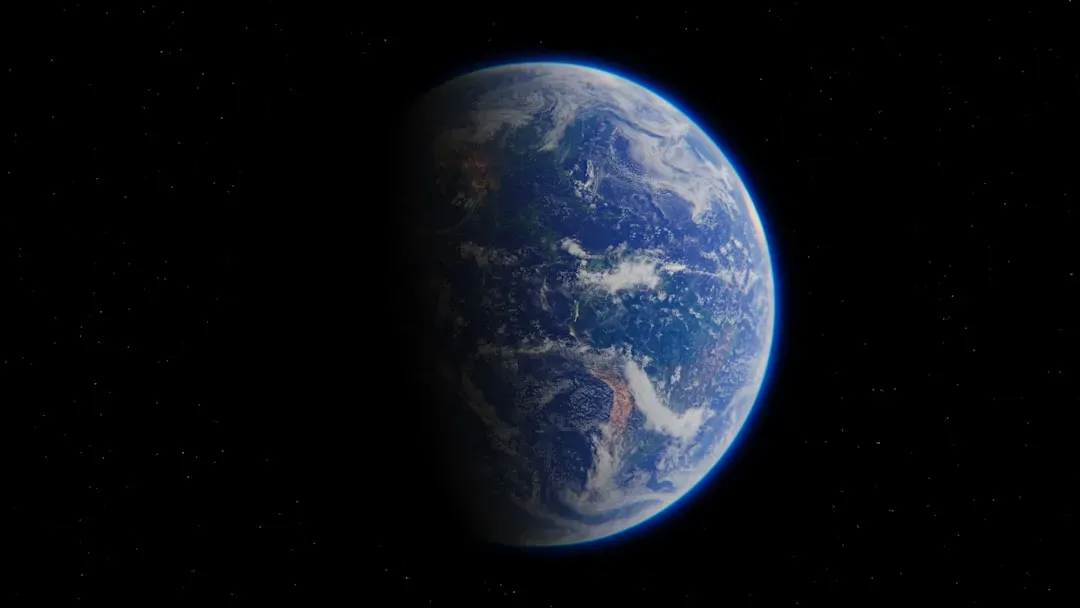
A solid crust alone still makes a dead world; the real magic began when Earth managed to hold onto water. Early on, any water that made it to the surface would have boiled away under the brutal heat and intense radiation. But as the planet cooled, water vapor in the thick, steamy atmosphere began to condense. At some point, it started raining, and then it just kept raining – not for days, but for thousands or even millions of years. Picture continents of bare rock being hammered by endless storms until the low places filled and the first true oceans pooled across the surface.
Where that water came from is still debated. Some of it likely degassed from the interior of the planet through volcanoes, and some may have arrived via water‑rich asteroids and comets. Either way, the result was the same: Earth became a world wrapped in liquid water. That was a seismic shift in habitability terms. Water is not just a background setting; it is the ultimate chemical playground, letting molecules move, collide, and react. Without oceans, Earth would have been just another sterile rock with fancy geology. With them, it became a laboratory big enough for life to get lucky.
Clearing the Poisoned Air: When the Atmosphere Stopped Being Instantly Deadly
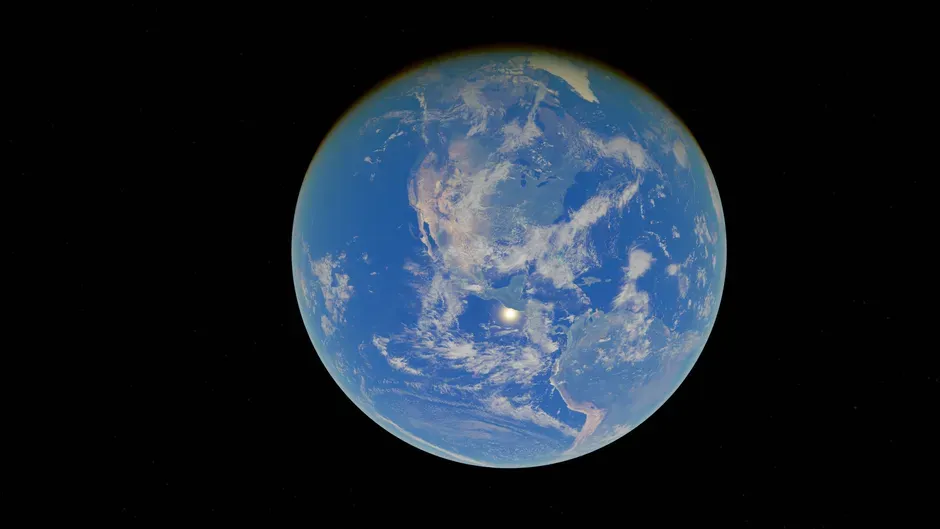
Early Earth’s atmosphere would not have been remotely breathable for us, but that does not mean it was useless. It was thick, hostile, and dominated by volcanic gases like carbon dioxide, water vapor, nitrogen, and probably traces of methane, ammonia, and hydrogen sulfide. There was essentially no free oxygen, and ultraviolet radiation from the young Sun blasted the planet’s upper air. This sounds apocalyptic, and for humans it would be, but for simple chemistry it was a wild, reactive environment rich in building blocks.
Habitability, especially for early life, did not require a friendly blue sky. What it needed was an atmosphere that could hold in enough heat to keep water liquid, shield the surface at least a bit, and provide raw materials like carbon and nitrogen. As greenhouse gases trapped heat and the Sun very slowly brightened over time, Earth settled into an awkward but workable thermal balance. The sky was still toxic to us, but for microscopic pioneers that might eventually emerge, it was a buffet of potential energy sources. Earth did not become instantly pleasant; it became survivable in a very alien way.
Liquid Water Sweet Spot: The Temperature Window Where Chemistry Comes Alive
One of the most underrated facts about our planet is how narrow the window for life‑friendly temperatures really is. Too hot, and complex molecules rip apart; too cold, and everything freezes into chemical standstill. Somewhere in the middle, though, water stays liquid and molecules can roam free. Early Earth spent ages bouncing around this window, with volcanic eruptions, asteroid impacts, and a fainter young Sun all tugging at the climate. There were probably stretches when the surface flirted with being too hot or too icy, but enough pockets of stability survived.
This fragile balance is what allowed oceans not just to exist, but to persist. Think about a pot of water on a stove that almost boils away, then settles into a gentle simmer; that stable simmer is what Earth eventually managed on a planetary scale. Once the average conditions allowed liquid water to stick around for millions of years in a row, chemistry could try again and again to build something more complex. The moment Earth became truly habitable was less about a single temperature reading and more about entering a long‑term climate zone where liquid water was the rule, not the exception.
Crust, Continents, and Chemical Kitchens: Why Rock Recycling Mattered for Life
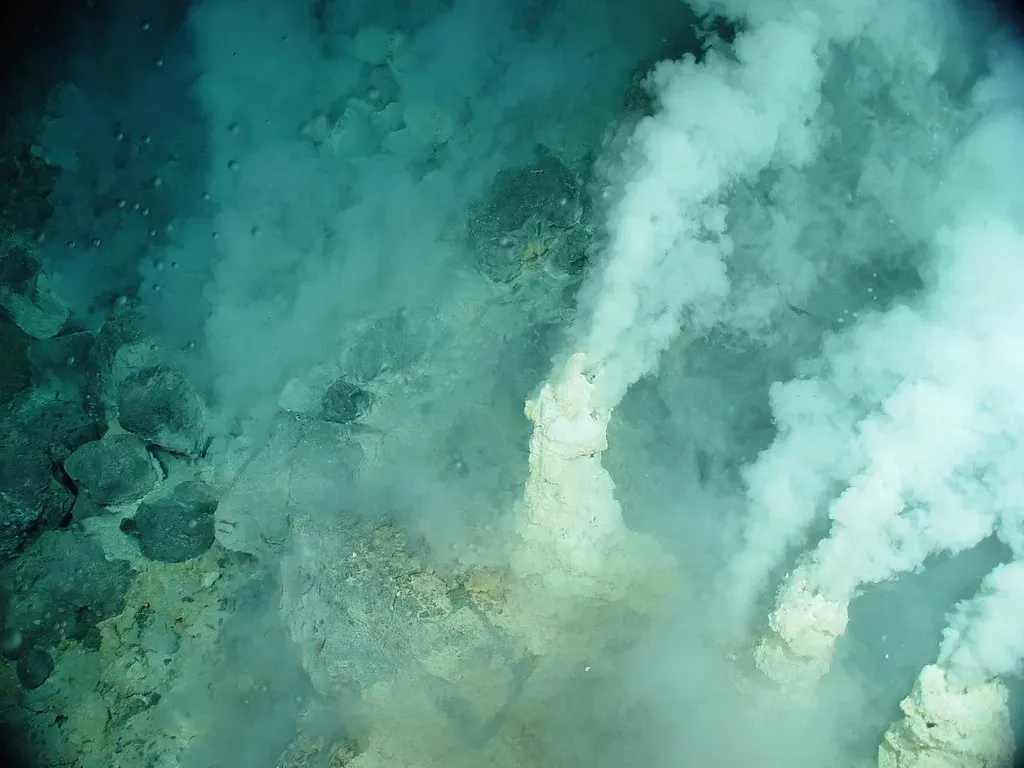
Water and air get most of the attention in habitability conversations, but solid Earth did a lot of the heavy lifting too. As the planet cooled and thickened its crust, plate tectonics slowly kicked in. Giant slabs of rock began to slide, collide, and sink, recycling material from the surface back into the interior and spewing fresh, chemically rich rock through volcanoes. This constant turnover created coastlines, shallow seas, hydrothermal vents, and mineral‑rich environments where water and rock interacted intensely.
Those settings were chemical kitchens. Hot rock met cold water, minerals catalyzed reactions, and energy gradients formed natural batteries that could drive complex chemistry. To me, this is one of the most underrated ideas: life did not just need a calm pond; it needed a restless, churning planet that kept refreshing its ingredients. A perfectly stable, frozen‑in‑time world might be pretty, but it would be boring chemically. Earth’s restlessness – its quakes, eruptions, and shifting continents – was not a flaw; it was part of why life got a chance to emerge at all.
Shielding the Surface: Magnetic Fields, Radiation, and Not Getting Sterilized
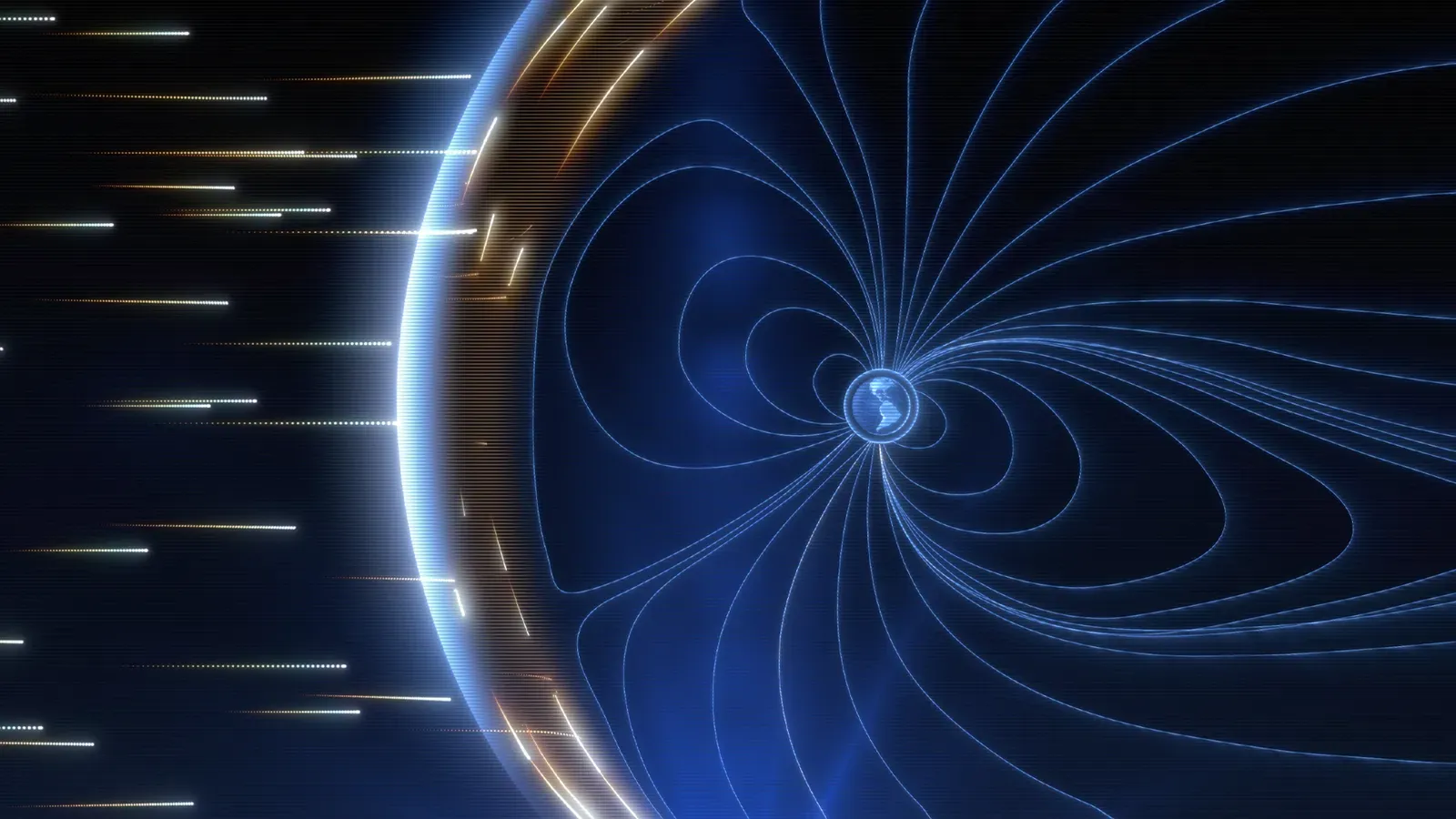
Even with oceans and a thick atmosphere, early Earth faced another brutal challenge: the Sun and the wider cosmos. Solar wind, high‑energy particles, and cosmic rays constantly slam into planets. Without protection, those assaults can strip away atmospheres and fry delicate molecules near the surface. Mars is a sobering example of what happens when a world has little to no magnetic field; over time, it likely lost most of its thick air and much of its early surface water. Earth took a different path, thanks to that molten, metal‑rich core it formed early on.
As the core rotated and convected, it generated a global magnetic field that wrapped around the planet like an invisible shield. This magnetic field helped deflect solar wind and preserve our atmosphere, which in turn protected the surface and maintained stable pressures for liquid water. It was not a perfect barrier, but it reduced the constant atmospheric erosion that could have turned Earth into a thin‑aired husk. Habitability is not just about having nice things; it is about keeping them long enough for life to take root. In that sense, Earth’s magnetic field was less a bonus feature and more a quiet bodyguard that let the story continue.
From Habitable to Actually Inhabited: Why “Could Survive” Came Before “Did Survive”
By the time Earth had a solid crust, stable oceans, a thick but manageable atmosphere, a protective magnetic field, and an active geology, it had crossed an invisible line: it was now a place where life could reasonably survive and persist. But that does not mean life appeared the instant conditions were right. There was likely a lag between habitability and actual habitation, a window where the planet was ready but still waiting for the chemistry of life to fall into place. That waiting period might have been surprisingly short in geological terms, but it was still a huge conceptual gap.
This distinction matters. A planet can be technically habitable for a very long time and still remain lifeless, just as a beautifully furnished house can sit empty. In my view, the most awe‑inspiring part of Earth’s story is not that life showed up, but that so many independent systems lined up first to make survival even possible. was the culmination of many slow, violent processes accidentally cooperating. Life did not create those conditions; it took advantage of them when the door finally cracked open.
Conclusion: A Habitable Planet by Sheer Cosmic Luck and Relentless Physics
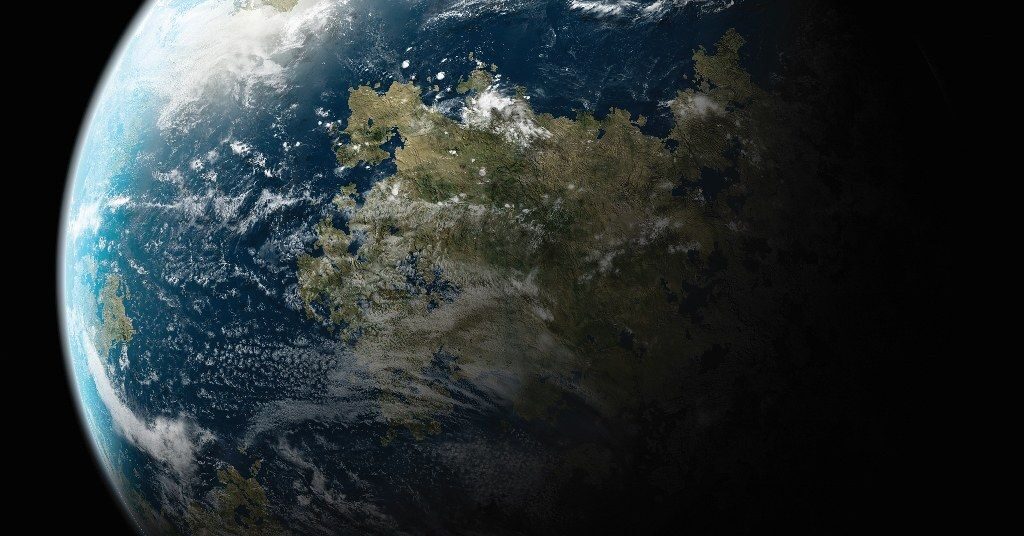
When you zoom out, Earth’s journey from molten chaos to habitable world feels almost uncomfortably lucky. Right distance from the Sun, enough mass to hold an atmosphere, a metal core to power a magnetic field, water from both inside and outside, a climate that threaded the needle between runaway freezing and runaway boiling – it is a messy, improbable checklist that somehow got filled in. I do not think this means Earth is uniquely special in the universe, but it does make our particular patch of rock feel less like a default outcome and more like a hard‑won accident of physics and timing.
My own opinion is that we underestimate how fragile habitability really is. We talk about the “habitable zone” around stars as if any planet in that band is automatically friendly, but Earth shows just how many extra layers of luck and feedback are needed to turn bare potential into a stable home. The moment our world became a place where life could survive was not a single flash in time; it was a drawn‑out balancing act that could have failed at countless points. Knowing that, it is hard not to look around – at oceans, clouds, trees, and cities – and ask a simple, unsettling question: just how close did we come to never existing at all?