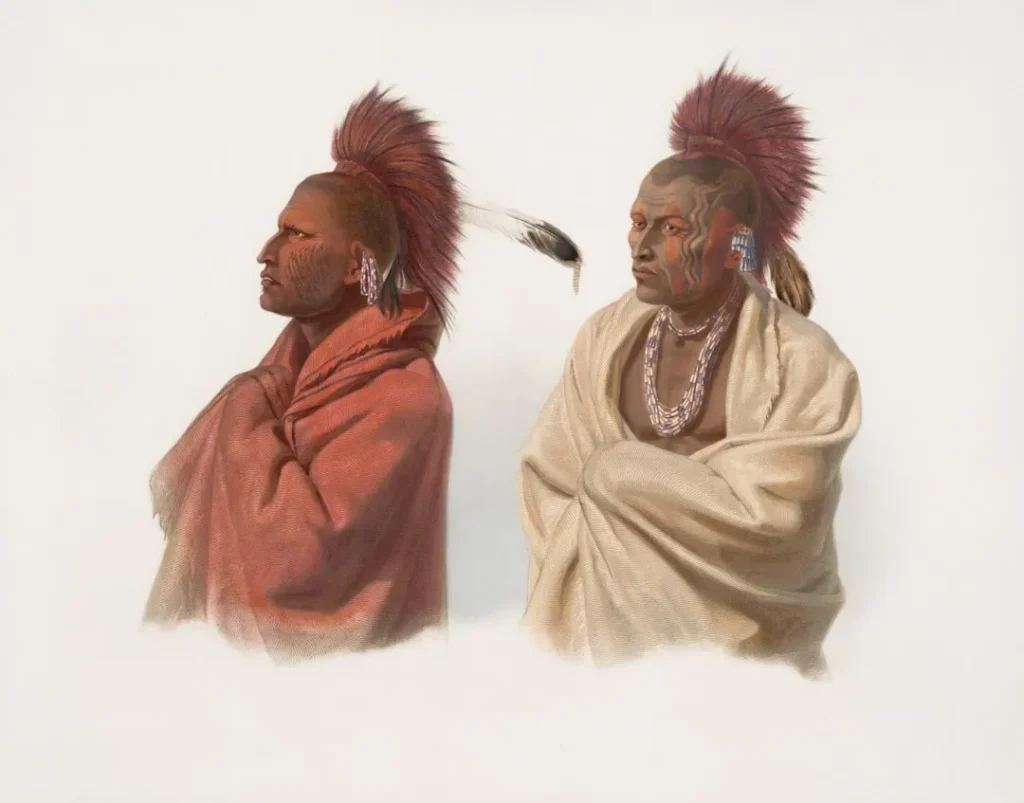

Have you ever wondered how communities survived sustainably for centuries without depleting their resources? The answer might surprise you. It’s hidden in the practices of the Mohawk people, part of the Haudenosaunee Confederacy, whose environmental philosophy has quietly influenced modern conservation efforts without most of us even realizing it.
Let’s be real: modern society faces unprecedented ecological challenges. Climate change, soil degradation, and biodiversity loss threaten our future. Yet indigenous communities like the Mohawk have maintained balanced relationships with nature for generations, long before sustainability became a buzzword. Today, scientists and policymakers are finally turning to these time-tested practices, discovering that ancient wisdom might hold solutions to contemporary crises.
The Haudenosaunee Confederacy and Environmental Stewardship
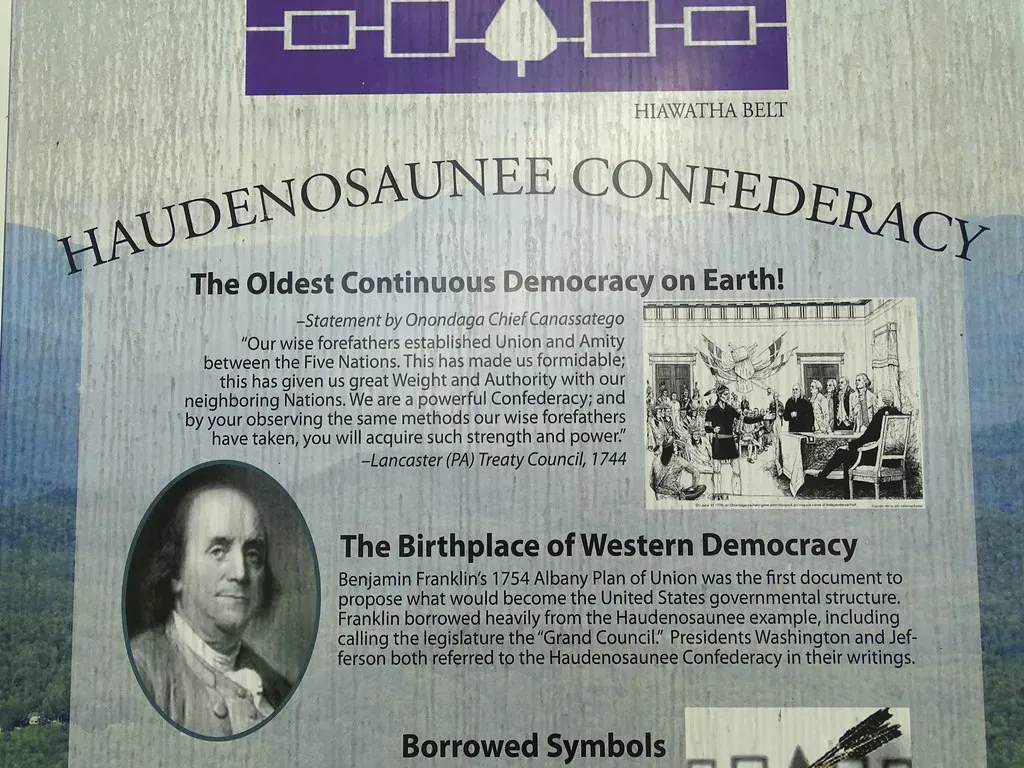
The Mohawk, along with the Oneida, Cayuga, Seneca, Onondaga, and Tuscarora, formed the Haudenosaunee Confederacy, an alliance that dates back over a thousand years. This Confederacy government dates back in written form to 1142 AD and was admired by Benjamin Franklin who based parts of the Constitution on its practices, united under the Great Law of Peace. What many don’t realize is that environmental responsibility wasn’t just an afterthought in their governance structure – it was woven into every decision.
The Haudenosaunee system is about relationships – human, animal, and environmental relationships – that affect the quality of our lives and for future generations. This wasn’t merely philosophical talk. They recognized and understood that all parts of an ecosystem are connected, that humans, animals, plants, and even rocks, were dependent upon each other for survival and the well-being of the ecological niche they lived in.
Seven Generations Principle: Thinking Beyond Tomorrow

Here’s where things get really interesting. Seven generation stewardship is a concept that urges the current generation of humans to live and work for the benefit of the seventh generation into the future, believed to have originated with the Great Law of the Iroquois – which holds appropriate to think seven generations ahead and decide whether the decisions they make today would benefit their descendants.
Think about that for a moment. When you make choices about your energy consumption, land use, or resource management, do you consider the impact roughly two hundred years into the future? The Haudenosaunee concept of the Seventh Generation makes communities responsible and requires thinking: How will this affect the Seventh Generation? It’s an act of imagination, not research.
The Seven Generations Principle encompasses recognizing that all life forms are interconnected and that actions have far-reaching consequences, acknowledging the duty to care for the environment and future generations. One of the main barriers to incorporating this principle into current decision-making is the reprogramming of our thinking from short-term quick fixes and instant gratification, to complex and long-term approaches. We’re wired for immediate gratification, yet survival of our species demands we think generationally.
Three Sisters Agriculture: Companion Planting at Its Finest
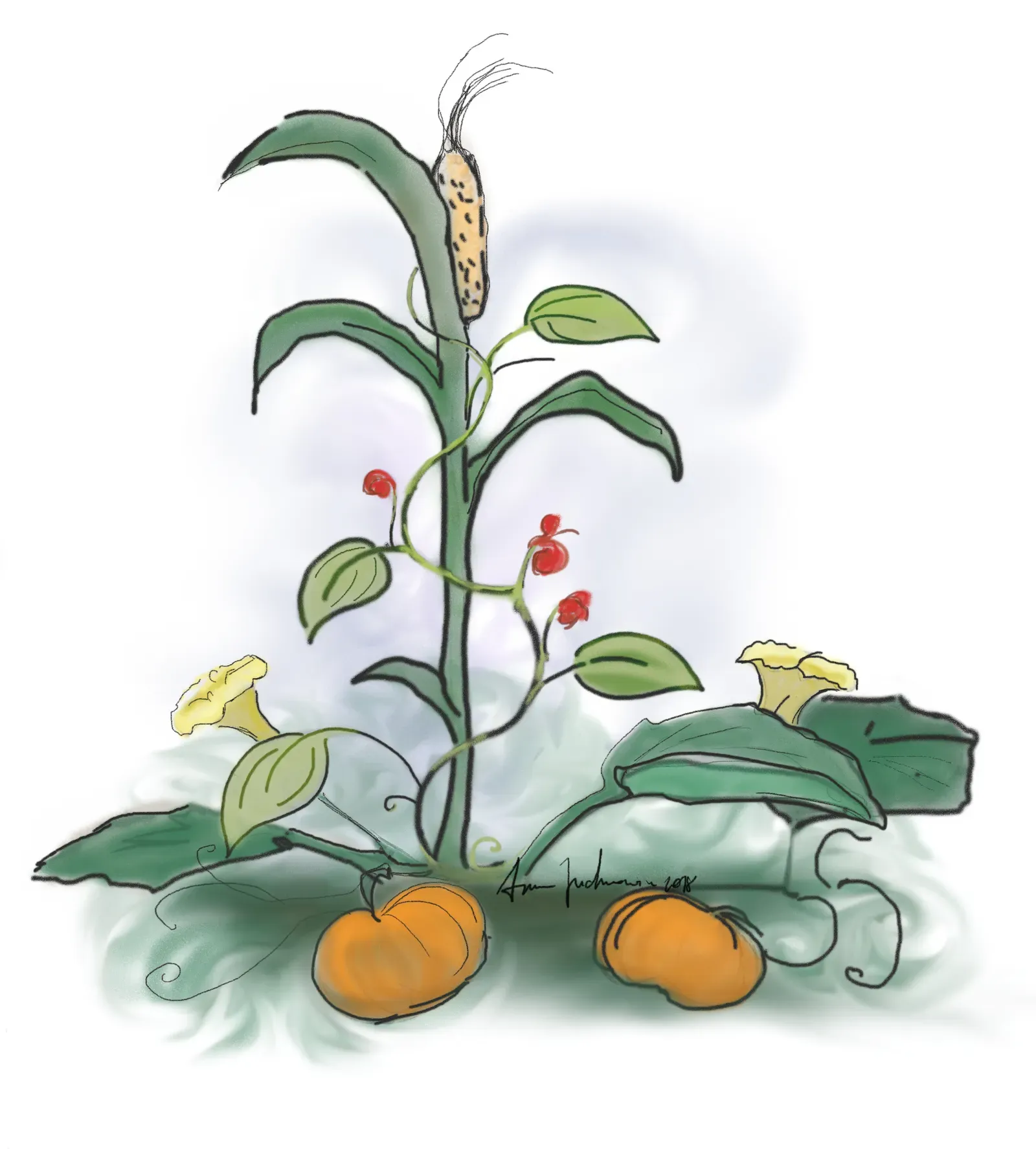
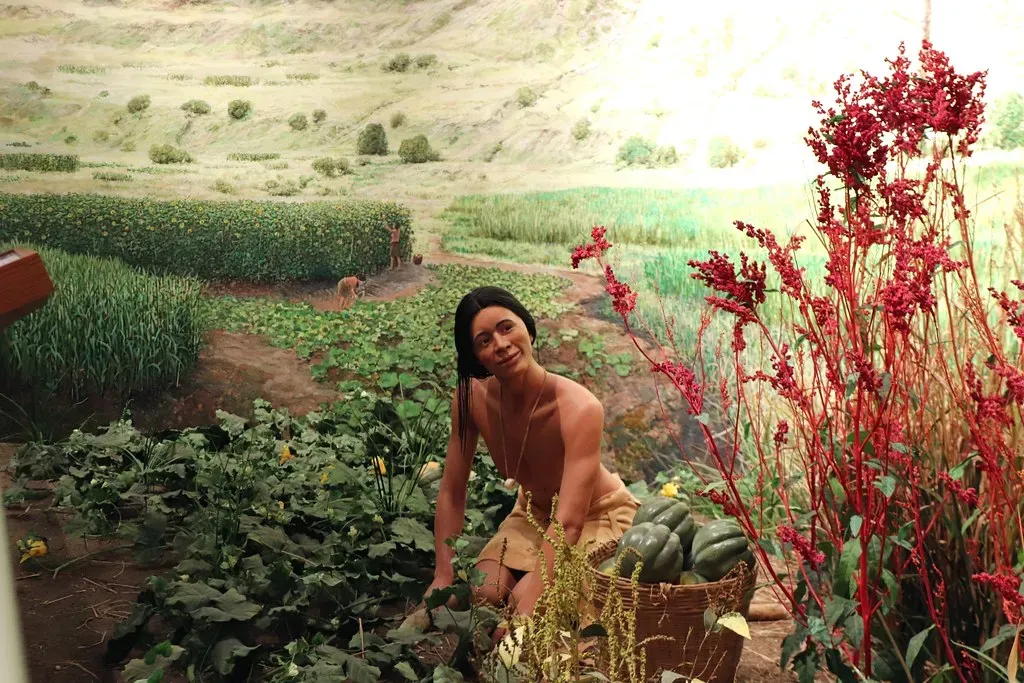
The Haudenosaunee were well known for agricultural skill, partly due to the practice of planting crops like corn, beans and squash, sometimes known as the three sisters, together to encourage growth – these three foods, grown together, made up a large portion of the Haudenosaunee diet. This ancient polyculture system demonstrates ecological brilliance that modern agriculture is only now rediscovering.
The cornstalk serves as a trellis for climbing beans, the beans fix nitrogen in their root nodules and stabilize the maize in high winds, and the wide leaves of the squash plant shade the ground, keeping the soil moist and helping prevent the establishment of weeds. The symbiosis is remarkable. Beans help stabilize the corn during strong winds and enrich the soil with nitrogen through hosting rhizobia on their roots, bacteria that convert atmospheric nitrogen into forms usable by plants – a process known as nitrogen fixation – meanwhile, the broad leaves of squash shade the ground, preserving soil moisture and suppressing weeds.
In the Mohawk language, the Three Sisters is Kiohehkwen, which literally means ‘They give us life’. Nutritionally, maize, beans, and squash contain all nine essential amino acids; with the Three Sisters, farmers harvest about the same amount of energy as from maize monoculture, but get more protein yield from the inter-planted bean and pumpkin, and this polyculture cropping system yielded more food and supported more people per hectare compared to monocultures. Here’s the kicker: they achieved this without modern fertilizers or pesticides.
Contemporary Environmental Programs and Mohawk Leadership
Recently, the U.S. Environmental Protection Agency and the Saint Regis Mohawk Tribe signed a Performance Partnership Agreement to memorialize the trust relationship between EPA and the Tribe while ensuring the continuation of the SRMT’s wide-reaching environmental programs, accompanied by a Performance Partnership Grant of over $11 million. This is the only such PPA that EPA has with any Indian Nation.
The PPA covers a wide range of programs, including air quality, Superfund oversight, water quality, hazardous materials spill response, solid waste management, environmental assessment, pesticide, and agriculture programs, with a work plan that the Tribe will use to accomplish its environmental goals including improve environmental quality, enhance natural resources, and protect human health from chemical contamination exposures. The Saint Regis Mohawk Environment Division applies scientific methods and Indigenous Traditional Ecological Knowledge to manage industrial chemical risks to human health, restore the environment, and restore traditional practices, providing professional opportunities where staff work to restore traditional practices, improve the safe use and enjoyment of natural resources and ensure sustainability for future generations.
What strikes me most is how they blend modern science with traditional knowledge. It’s not an either-or situation. By merging traditional practices with advancements such as Geographic Information Systems, remote sensing, and data analytics, projects aim to create robust land management strategies that are both culturally respectful and scientifically informed, facilitating a deeper understanding of land dynamics.
Reviving Traditional Food Systems for Modern Health
Indigenous Peoples are reclaiming their food security, nutrition, and well-being by revitalizing food systems, livelihoods, knowledge-systems, and governance, guided by sustainable self-determination that focuses on restoring Indigenous cultural responsibilities and relationships to land, each other, and the natural world. This movement goes beyond farming techniques – it’s about cultural survival and health.
White Corn is traditionally managed and protected to create nutritious corn products from heirloom seeds dating back at least 1,400 years in Haudenosaunee communities; hand-grown, hand-picked, and hand-processed, White Corn products are non-GMO, gluten-free, and have a low glycemic index. The Land Resources Program actively manages black ash trees to support traditional basketry and pest response for impacts from the invasive emerald ash borer, operating a plant nursery that supports restoration of native trees and shrubs.
Collective responsibilities, such as cultivating traditional foods balanced with individual practices, are important in fostering and becoming accustomed to Haudenosaunee culture and thinking; revitalizing teaching through ceremony will impact children when they become adults, evidenced on social media where people proudly share videos of youth singing traditional songs, post messages, exchange language lessons in Mohawk language, as well as pictures, stories, and advice on planting and food self-sufficiency. Technology becomes a tool for cultural preservation rather than replacement.
Addressing Environmental Justice Through Traditional Practices

The Saint Regis Mohawk tribe came up with their own solution for climate adaptation; rather than rely on risk assessments, the tribe wanted to base their plan on a thanksgiving prayer, called Ohén:ton Karihwatéhkwen, which translates to “what we say before we do anything important,” so integral to the Mohawk way of life that it’s the basis for other forms of community planning. Traditional ceremonies aren’t just spiritual – they’re practical frameworks for environmental decision-making.
The Akwesasne Task Force on the Environment aims to contribute to natural and cultural resources, address environmental problems, and mitigate the effects of current environmental issues through sustainable practices, research, and advocacy, accomplished under a culturally relevant framework that emphasizes the sacredness and interconnectedness of the land. The ATFE lessened the effects of pollution on the community while simultaneously preserving Mohawk culture through efforts in maintaining multiple aquaculture facilities that produce pollutant-free fish species for the local community to eat, allowing for the continuation of their cultural practices.
Let’s face it: pollution doesn’t respect cultural boundaries. Over 48 acres of land and water have been restored, but a fishing advisory will remain in place for likely hundreds of years, and young people’s blood still contains twice the national average of PCBs. Yet the community persists in fighting for environmental justice while maintaining their traditions.
Modern Applications of Mohawk Ecological Wisdom
Indigenous knowledge systems, encompassing traditional ecological knowledge, cultural practices, and community-based approaches, provide valuable insights into sustainable resource management and environmental stewardship; indigenous knowledge embodies sustainable practices honed over generations, and integrating this knowledge with modern IT can create robust solutions for addressing climate change, biodiversity conservation, and sustainable agriculture.
After 1 year, Three Sisters intercropping increased short-term soil respiration by 24%, decreased salt-extractable nitrate by 54%, with the overarching purpose of developing a deeper understanding of its cultural importance to Native communities, and how reinvigorating the practice can make agroecosystems more sustainable for people and the environment. Scientific validation confirms what Mohawk farmers knew for centuries.
Mohawk College programs incorporate broader aspects of sustainability, like sustainable building design and operations, technologies for sustainability, and climate justice perspectives; Indigenous knowledge and ways of knowing have been integrated throughout the curriculum. The practice continues and has been revived as part of Indigenous food sovereignty movements; tribes such as the St. Regis Mohawk Tribe still teach this methodology to students at the Akwesasne Freedom School. Education becomes the bridge between ancestral wisdom and future generations.
Lessons for Global Sustainability Movements
The Thanksgiving Address is a statement of values that opens Haudenosaunee gatherings; it is a valuable act of remembering, meant to have the opposite effect than taking something for granted, meant to slow time down and produce mindfulness and keep attention on key values. This simple practice counters our culture’s relentless pace and extractive mindset.
Increasing climate change and environmental degradation are quickly forcing us to reckon with the unavoidable reality of cause and effect and the long-term consequences of short-term thinking; past focus on economic growth, consumer lifestyles, and individualism have led to many of the ecological crises we are witnessing today. We’re living the consequences of ignoring intergenerational thinking. Major international initiatives usually take western worldviews for granted, limiting opportunities for other worldviews which could contribute to sustainability; it is unclear what indigenous knowledge and pedagogies, apart from the dominant western approaches, could help to enhance sustainability competencies.
Indigenous knowledge’s findings highlight significant contributions to the Sustainable Development Goals; in agriculture and food security, IK promotes agroecology, mixed cropping, and seed preservation, supporting resilience against poverty and hunger; in health and well-being, traditional medicine and community health systems provide accessible, culturally relevant care; IK also enhances education by integrating local epistemologies and experiential learning into the curriculum. The evidence keeps mounting: indigenous practices offer concrete solutions to global challenges.
The Mohawk relationship with the environment isn’t romantic nostalgia – it’s practical wisdom tested across millennia. The Saint Regis Mohawk Tribe has been doing climate adaptation and resilience planning work since 2011, publishing the Climate Change Adaptation Plan for Akwesasne in 2013, integrating Traditional and local knowledges with Western science to understand the impact of climate change on traditional and cultural resources. Their approach merges respect for ancestral knowledge with adaptation to contemporary realities.
As you consider your own environmental footprint, ask yourself: What will your decisions mean for the seventh generation? The Mohawk have been asking that question for centuries, and their lands, cultures, and communities have endured because of it. Perhaps it’s time the rest of us started thinking the same way. What changes would you make today if you knew your great-great-great-great-great grandchildren would inherit the consequences?