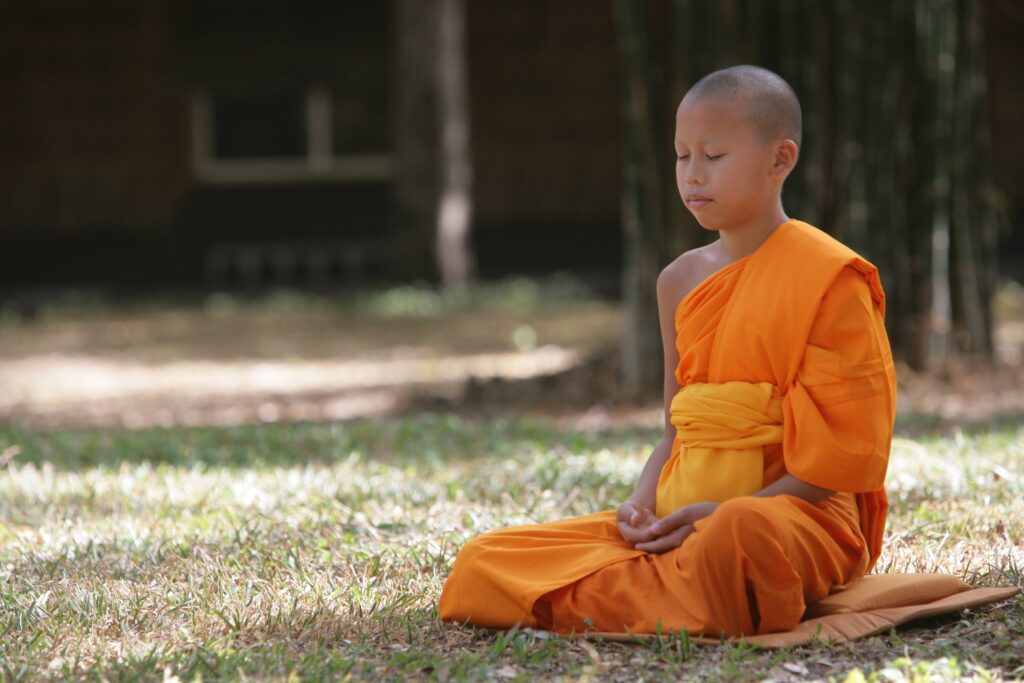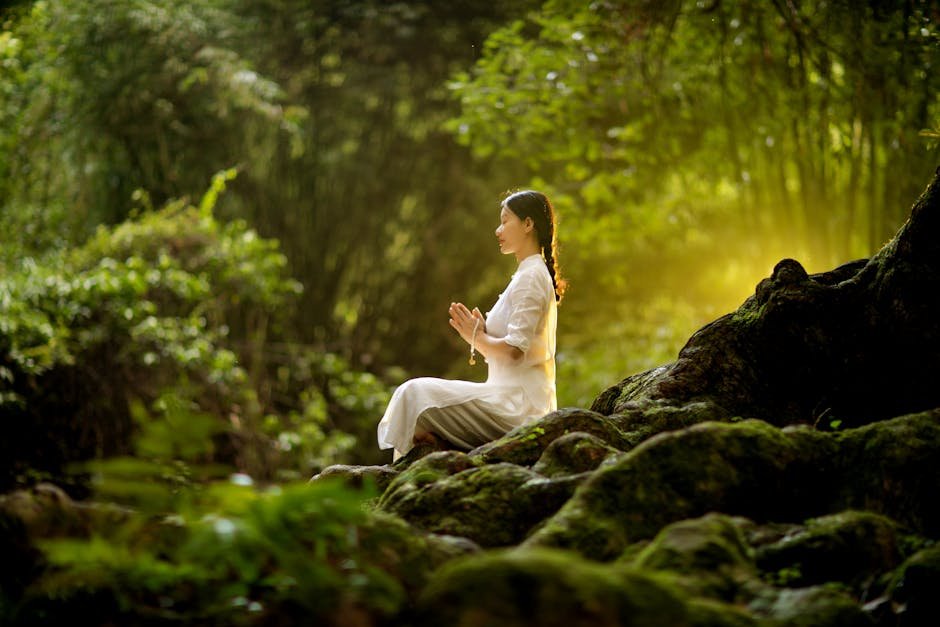
Vagus Nerve Activation Fuels Deep Changes (Image Credits: Pexels)
Chanting has echoed through ancient rituals and modern gatherings for millennia, drawing people into profound mental shifts without reliance on substances. Recent research illuminates how repetitive sounds and rhythms reshape brain activity, fostering experiences akin to those from psychedelics. These findings highlight chanting’s potential to ease mental health struggles while deepening social bonds.
Vagus Nerve Activation Fuels Deep Changes
One striking mechanism involves the vagus nerve, a key regulator of heart rate and mood. Vocalizations during chanting stimulate this nerve, particularly through prolonged humming sounds like the “m” in “om.” Studies showed that such practices lowered blood pressure and countered depressive symptoms by calming the body’s stress responses.
Group chanting amplifies these effects through interpersonal synchrony. Participants moved in unison, clapping and vocalizing, which absorbed attention and released oxytocin alongside endocannabinoids – chemicals linked to bliss and connection. This rhythmic harmony quieted the default mode network, the brain region tied to self-focused rumination and anxiety.
Neuroimaging Reveals Brain Deactivations
Researchers at India’s NIMHANS conducted fMRI scans on experienced “om” chanters. Nine men pronounced “o” for five seconds followed by a 10-second “m” hum, compared to a neutral “sssss” sound. The scans revealed deactivation in limbic areas, including the amygdala, hippocampus, and insula – regions central to emotion and fear processing.[1]
Another experiment used EEG on Buddhist practitioners silently repeating a sacred name amid disturbing images. Those focused on the mantra showed no spike in emotional stress, unlike controls. Psychologist Gemma Perry documented similar outcomes across traditions, where 60 percent of regular chanters reported profound alterations regardless of their background.[1]
Experiences Range from Flow to Unity
Participants described a spectrum of states: ego dissolution, where personal boundaries faded into nature or the group; immersive flow during the chant itself; and even visions or time distortions. These mirrored psychedelic journeys but stemmed from cognitive demands that fully engaged the mind. Perry noted, “Some people have really profound experiences, you know, visions and all these sorts of things.”[1]
Benefits extended beyond the session. Enhanced feelings of unity fostered kindness and better social navigation. Chanting practices like Taketina, blending rhythm and movement, boosted well-being through endocannabinoid release, offering relief from depression and anxiety.
Mechanisms in Action: A Breakdown
Scientists identified several pathways driving these shifts:
- Intense focus on repetitive sounds diverts attention from negative thoughts.
- Vagus nerve stimulation via humming reduces physiological stress markers.
- Group synchrony promotes oxytocin and endocannabinoid surges for bonding and bliss.
- Spiritual beliefs tied to mantras influence brain-body interactions.
- Default mode network suppression minimizes self-referential worries.
These elements combined to create cognitively demanding tasks that propelled users into transcendence. High “absorption” traits – susceptibility to awe – predicted stronger effects among chanters.
Key Takeaways
- Chanting deactivates emotional brain centers, mimicking calm from meditation.
- Group practices enhance social hormones, combating isolation.
- 60% of regulars achieve profound states across cultures.
Chanting stands as an accessible tool for mental transformation, backed by emerging neuroscience. Its ability to dissolve ego barriers and instill connection underscores a timeless practice’s relevance today. What experiences have you had with chanting? Share in the comments below.