On a freezing January night in 2018, the quiet suburbs outside Detroit were startled awake by a sudden, blinding flash across the sky, immediately followed by a rumbling boom that rattled windows and sent pets scrambling under beds. In that electrifying moment, few realized they were witnessing a rare cosmic event—a meteorite slicing through the atmosphere and slamming into the frozen ground below. The aftermath was a whirlwind of excitement, scientific discovery, and even a bit of cosmic luck. What that meteorite revealed about our universe and our own planet has captivated scientists and ordinary people alike, sparking awe and a thousand new questions about the mysteries that drift through the vastness above our heads.
A Sudden Flash in the Michigan Sky
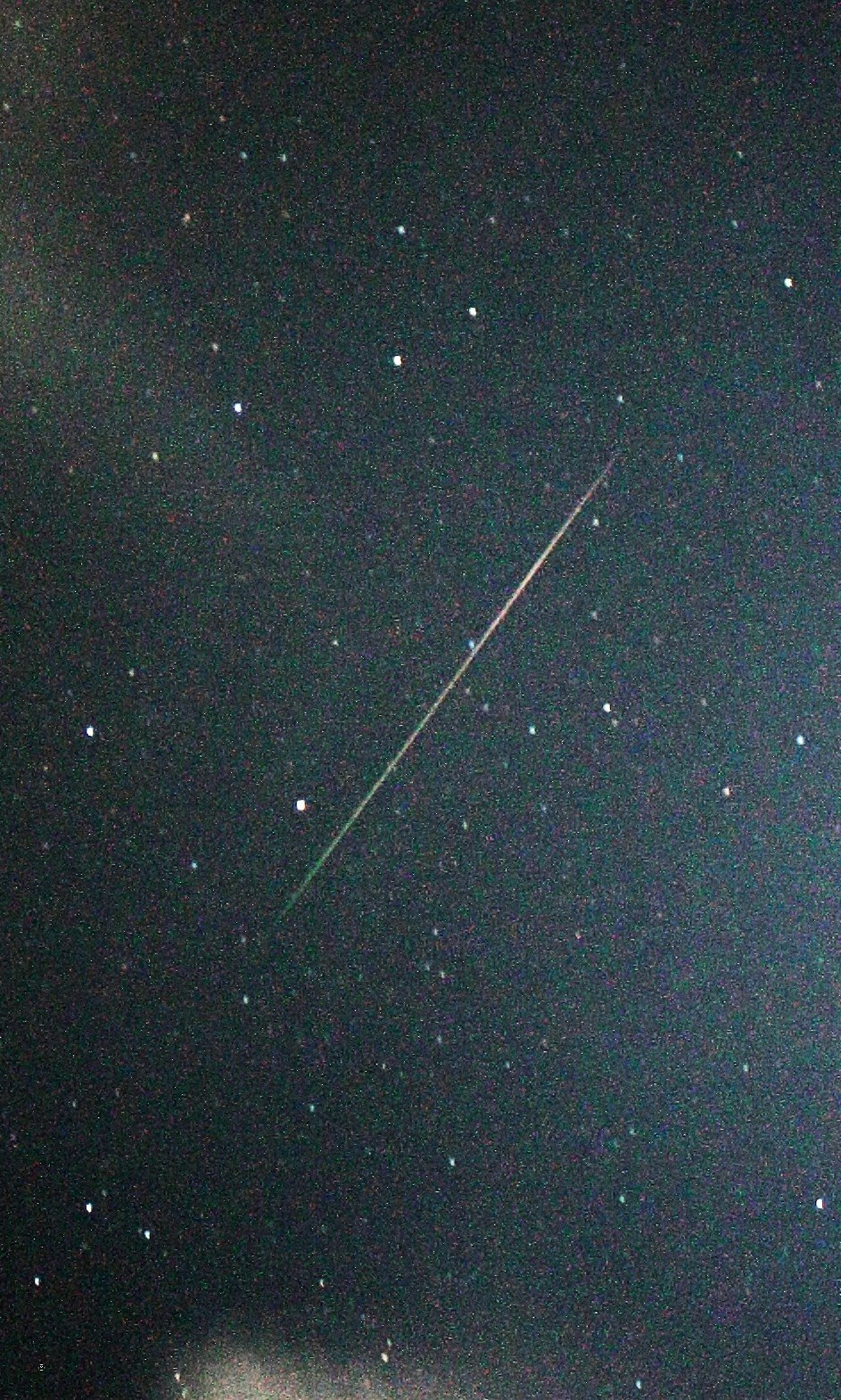
The night of January 16, 2018, was anything but ordinary for people living near Detroit. At about 8:08 p.m., the sky suddenly lit up with a dazzling white streak, so bright it seemed like daytime for a split second. People spilled out of their homes, some in pajamas, others with cameras, all gazing upwards in disbelief. Social media exploded with videos and frantic posts—many describing the moment as both beautiful and terrifying. The event wasn’t just seen; it was felt. The sonic boom that followed was powerful enough to set off car alarms and make the ground tremble. For a moment, Detroit was at the center of a cosmic spectacle.
How Meteorites Crash to Earth

Most meteorites burn up completely before they ever reach the ground, doomed to vanish in a silent blaze high above. But the Detroit meteorite was large enough to survive the fiery entry through Earth’s atmosphere. As it plummeted, friction superheated its surface to thousands of degrees, causing it to glow and fragment. When it hit the ground, it was traveling at a speed faster than a bullet, yet small enough that it didn’t create a crater. Instead, it scattered fragments over a snowy field, leaving a trail for eager scientists and meteorite hunters to follow.
The Race to Recover the Fragments
Within hours, scientists from all over the country were mobilizing. Tracking data from weather radar pinpointed the likely fall zone near Hamburg Township. The bitter cold of winter turned out to be an unexpected blessing—fragments lay on top of fresh snow, making them easier to spot and less contaminated. Locals joined the hunt, some hoping for a souvenir, others just out of curiosity. The excitement was palpable, like a real-life treasure hunt, with each fragment found adding a chapter to the unfolding story.
What the Meteorite Looked Like
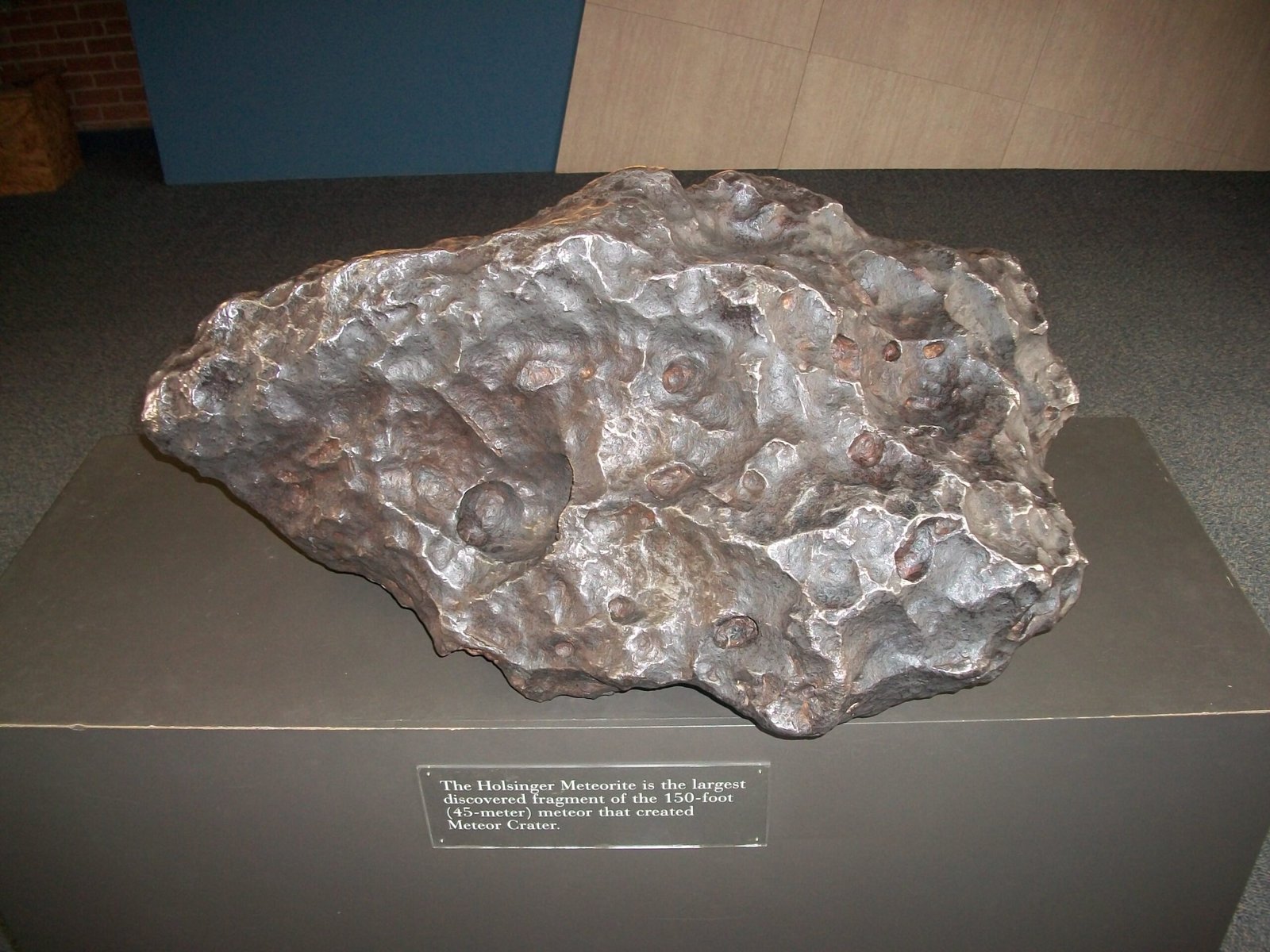
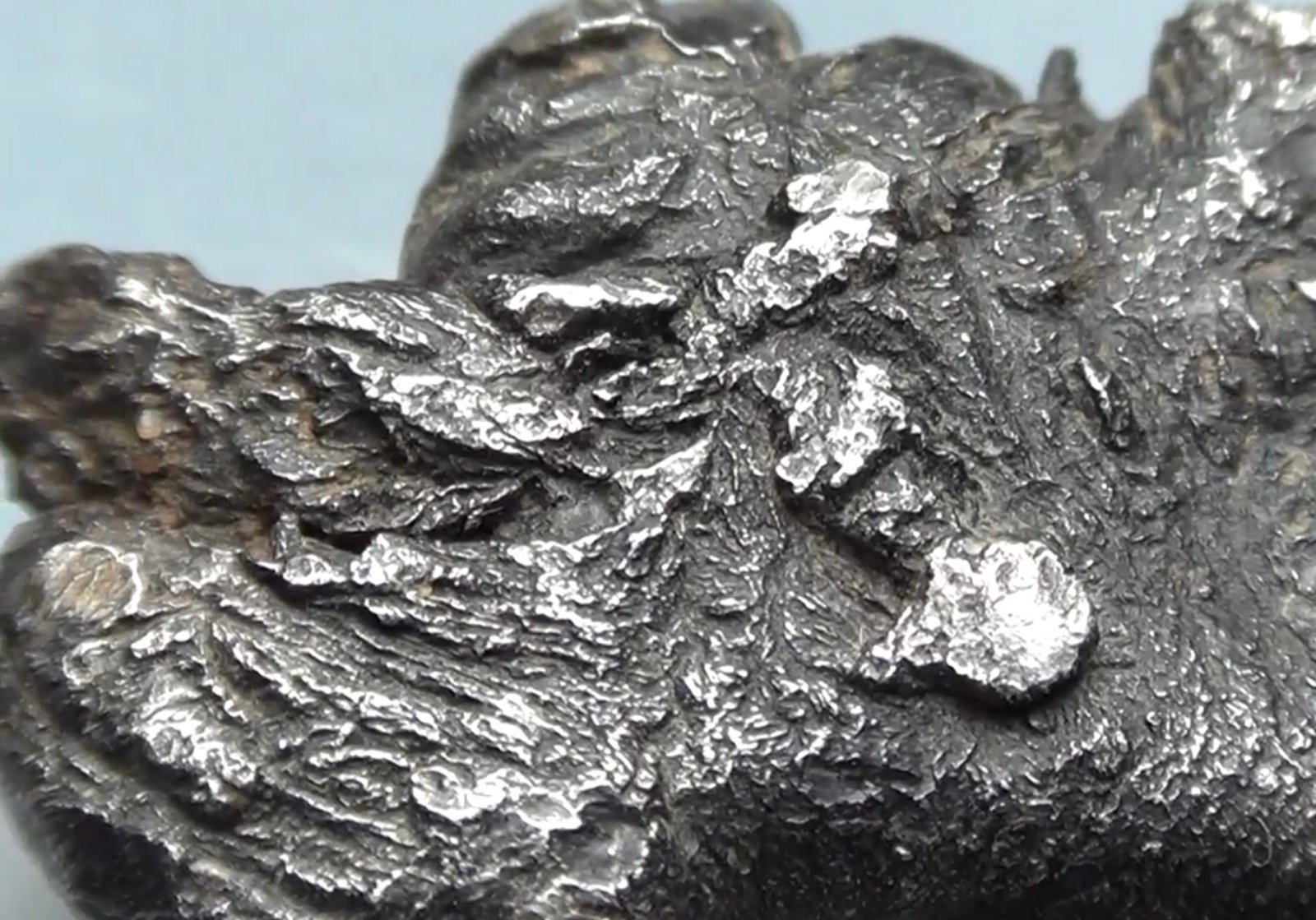
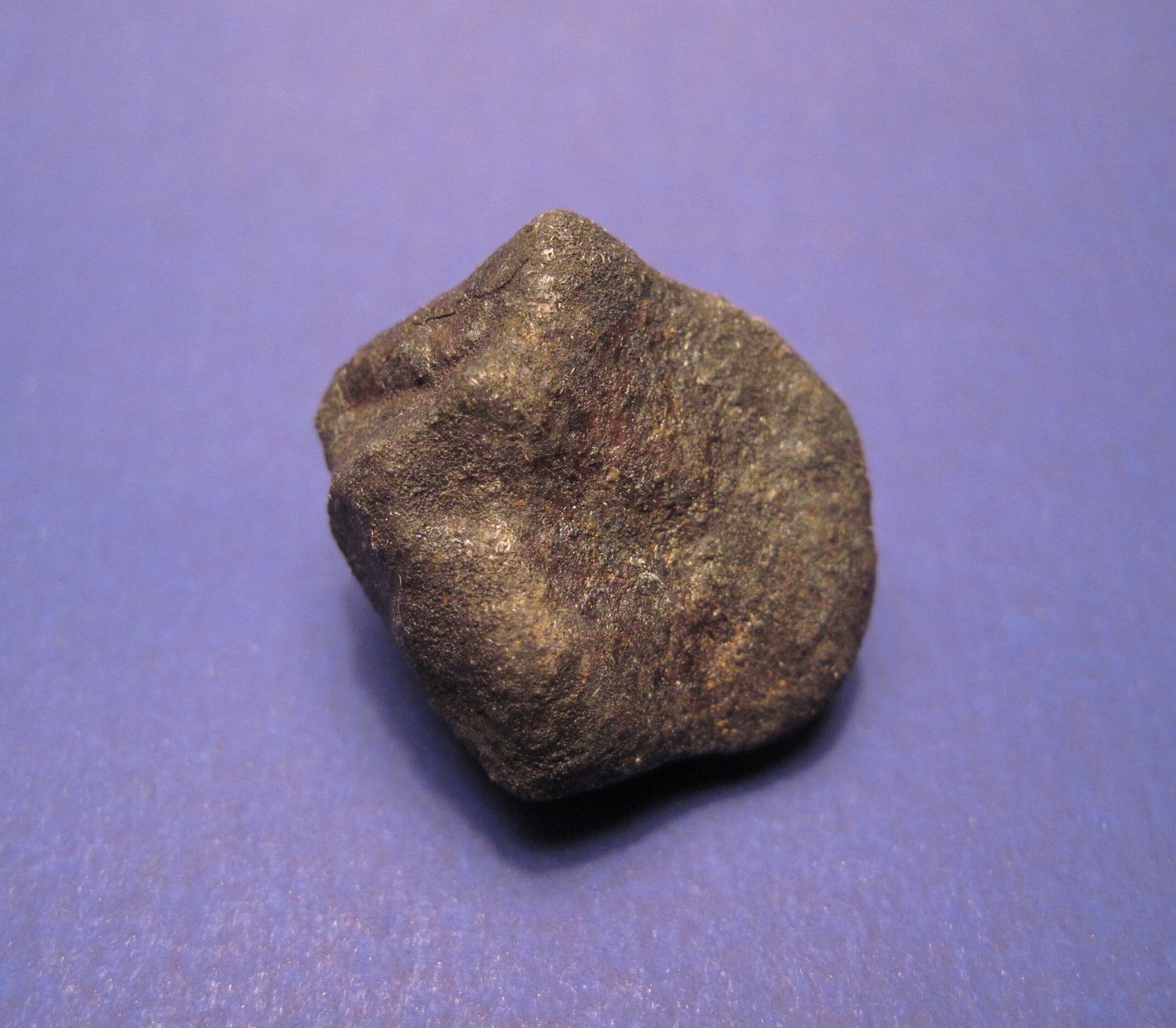
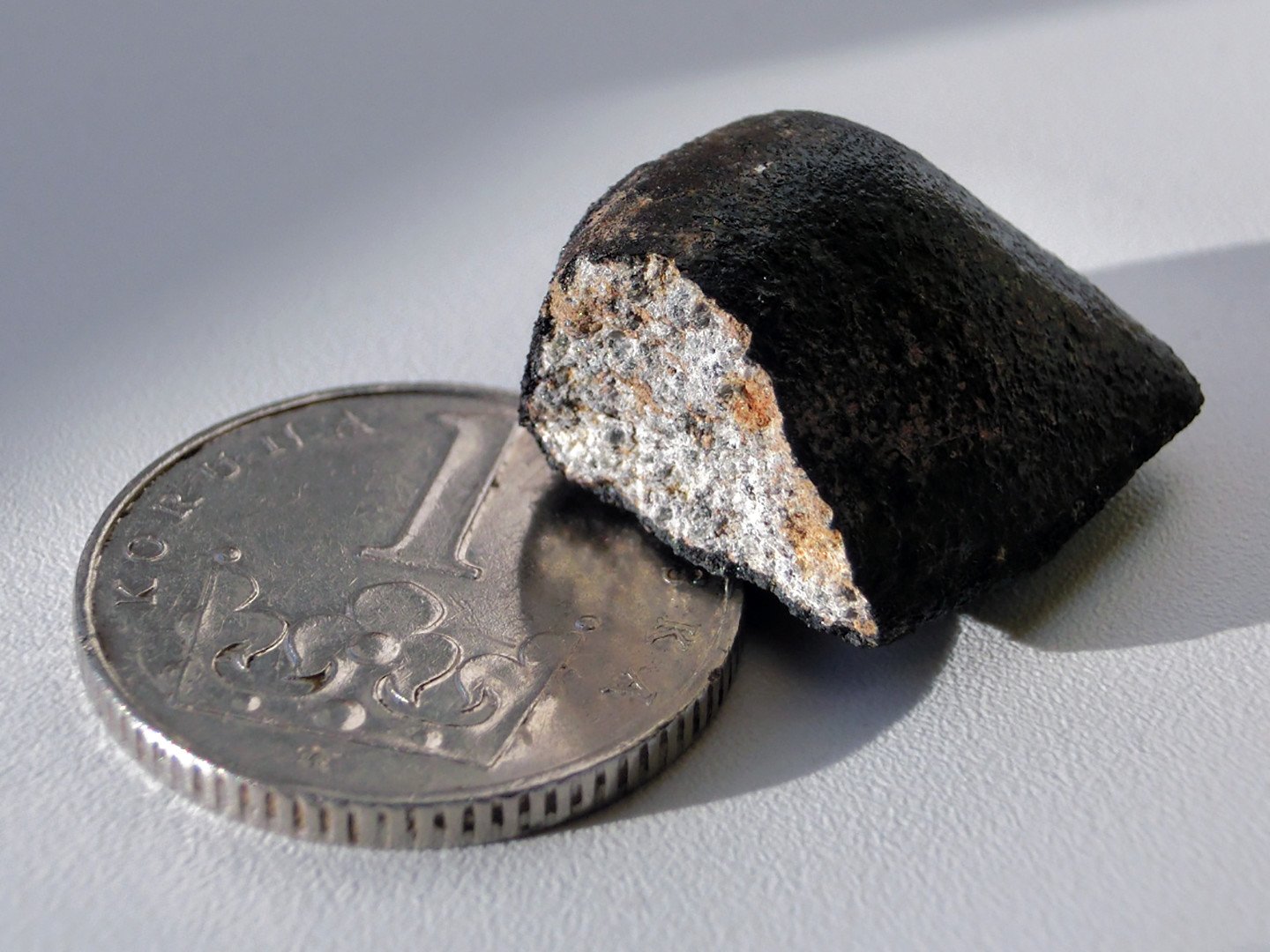
The meteorite fragments, when found, were small and unassuming—no bigger than a fist, often just a few inches across. Covered in a thin black crust, they looked like lumps of charcoal. But crack one open, and you’d see a stunning, metallic interior flecked with tiny crystals. The contrast between the burnt exterior and the silvery interior was a reminder of the violent journey these rocks had taken, from deep space to a snowy Michigan farm field. Each piece seemed to hum with the energy of its cosmic origin.
Scientific Gold: The Meteorite’s Composition
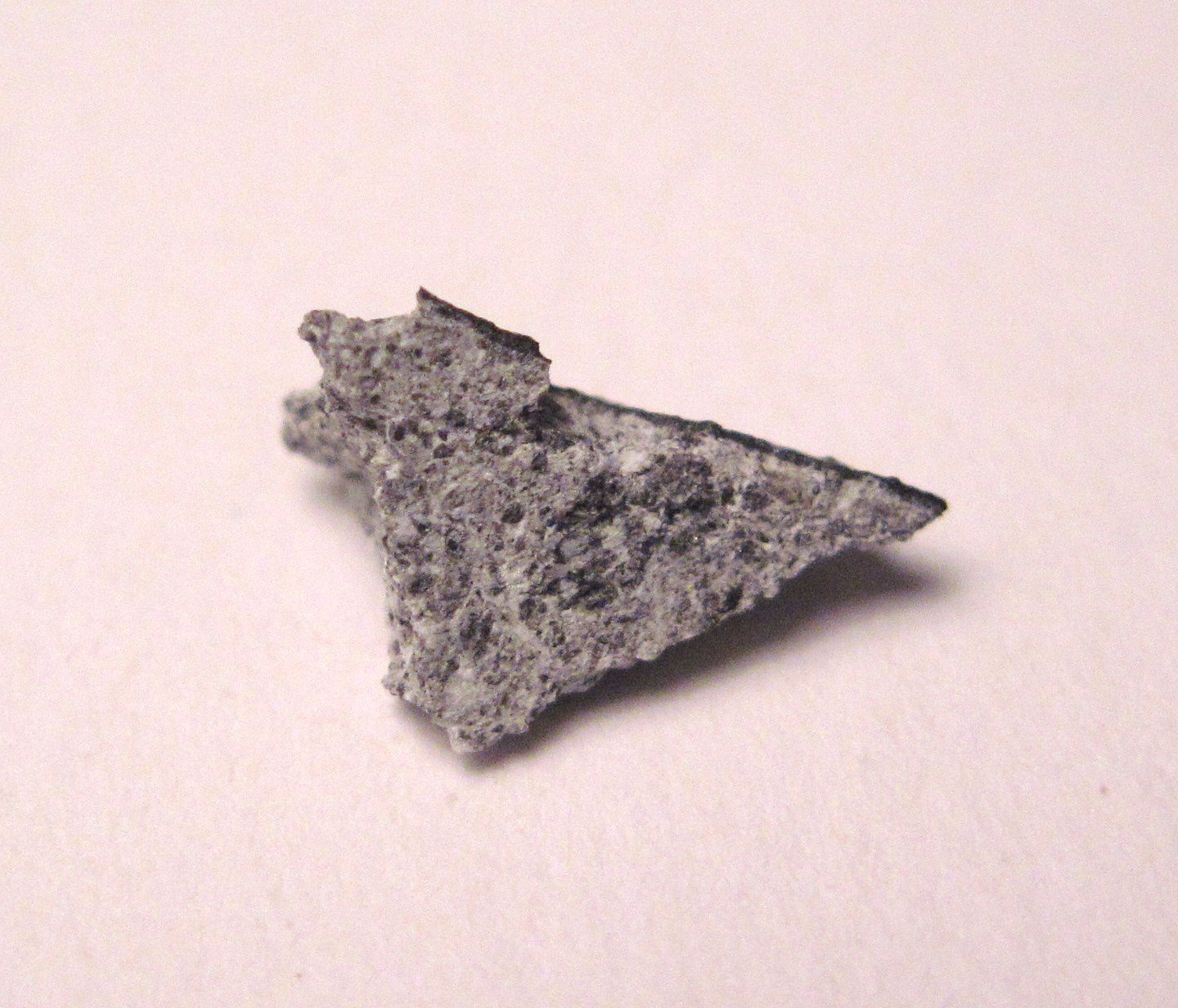
Once in the lab, the real magic began. Scientists discovered the Detroit meteorite was an H4 chondrite—a type of stony meteorite rich in metal and tiny mineral grains. These chondrites are some of the oldest materials in our solar system, dating back over 4.5 billion years. By analyzing the minerals, researchers could see clear evidence of water and organic molecules, hinting at the building blocks of life. The meteorite became a time capsule, preserving secrets from before Earth was even formed.
Clues About the Early Solar System
Meteorites like the one that landed outside Detroit aren’t just hunks of space rock—they’re messengers from the dawn of our solar system. Their composition reveals the conditions that existed when planets were forming. Scientists study the ratios of isotopes—different forms of elements—trapped inside the meteorite to reconstruct the solar system’s ancient history. The Detroit meteorite, with its well-preserved structure, offered pristine evidence of the chaotic, swirling cloud of dust and gas that eventually became the Sun, Earth, and everything we know.
Organic Molecules from Space

One of the most thrilling discoveries inside the Detroit meteorite was the presence of organic molecules. These aren’t living things, but they are the same kinds of complex carbon compounds found in all life forms. Their presence suggests that the ingredients for life might have been delivered to Earth by meteorites like this one, billions of years ago. It’s a mind-bending idea: the seeds of life on our planet could have come from the stars, riding on rocks like cosmic mail carriers.
The Meteorite’s Journey Through Space
Before its dramatic entrance over Michigan, the meteorite spent millions—maybe billions—of years drifting through space. Scientists traced its path using data from its descent and clues from its mineral makeup. The rock almost certainly came from the asteroid belt between Mars and Jupiter, a vast region filled with the leftovers of planet formation. Imagine it: a tiny stone, ejected from an ancient collision, wandering the darkness for eons before fate steered it toward Earth.
Using Weather Radar to Track Meteorites
The Detroit meteorite fall was one of the first times scientists used weather radar to track a meteorite in real time. As the meteor broke up, chunks slowed down enough to show up on radar images as a sudden burst of returns—a trick usually reserved for tracking storms. This new technique meant researchers could quickly narrow down the search area, making recovery faster and more successful. It was a turning point for meteorite science, blending technology and old-fashioned fieldwork.
Why Winter Was Perfect for Discovery

The timing of the meteorite’s arrival couldn’t have been better for scientists. The snow-covered ground made dark fragments easy to spot, and the cold preserved them in near-pristine condition. Normally, meteorites that land in wet or muddy environments quickly weather, losing valuable scientific information. But in this case, the meteorite pieces were picked up within days, offering a rare, uncontaminated sample straight from space.
The Human Side of Meteorite Hunting
The fall sparked a wave of community involvement. Families bundled up and scoured fields, students skipped homework for a chance at discovery, and seasoned meteorite hunters shared tips and stories. There was a sense of camaraderie—neighbors became teammates, united by the thrill of a cosmic mystery in their own backyard. Some hunters kept their finds, others donated them to museums or universities. Each fragment became a symbol of wonder and curiosity.
What Meteorites Teach Us About Impact Risks
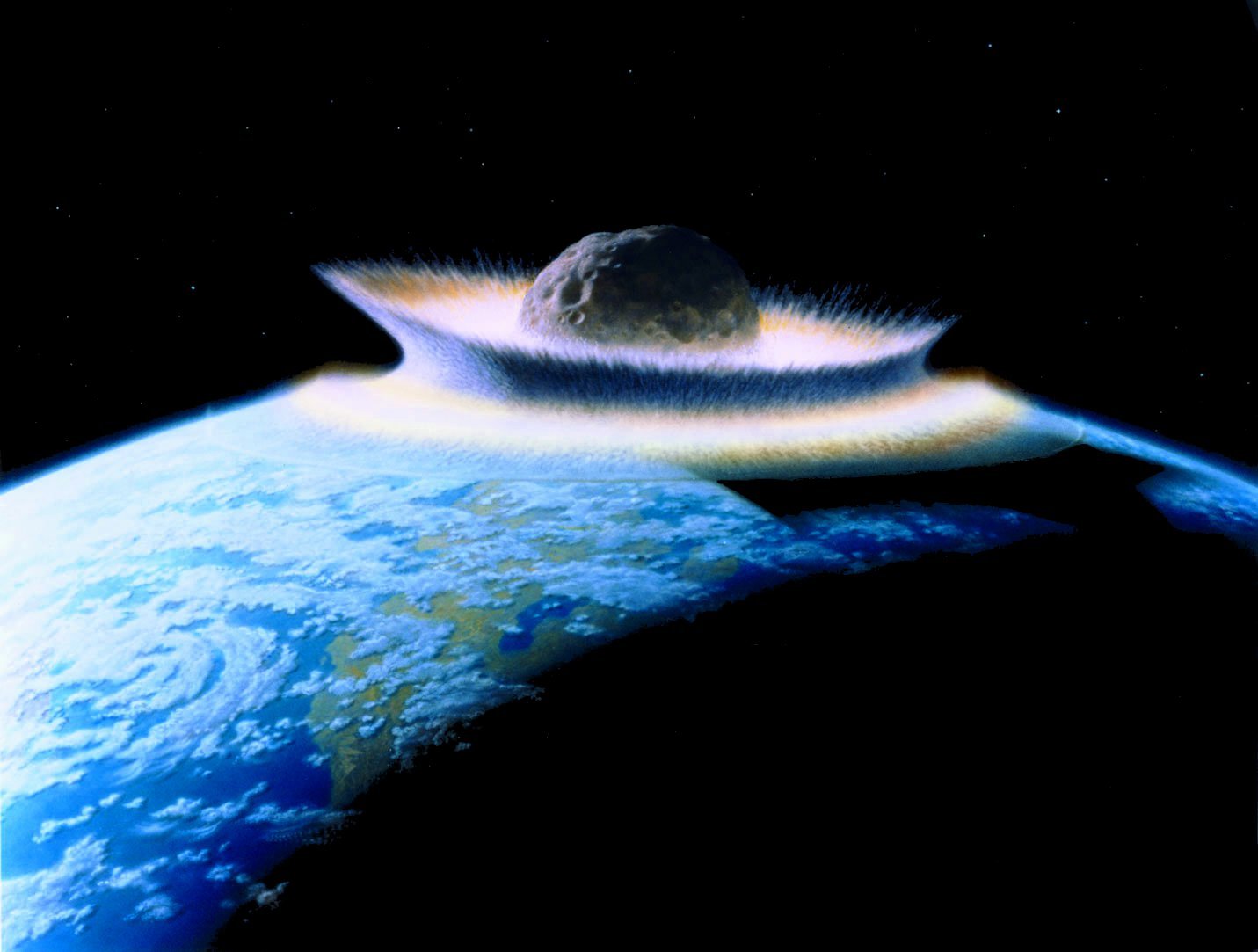
Events like the Detroit meteorite remind us that Earth is still in the cosmic firing line. While most space rocks burn up harmlessly, larger impacts can be catastrophic. By studying recent falls, scientists improve their understanding of how often these events happen and how best to detect dangerous objects before they arrive. The Detroit meteorite was harmless, but its story is a wake-up call—a reminder that space is not as empty as it seems.
Cosmic Connections: Meteorites and Life’s Origin

For decades, scientists have debated how life began on Earth. The discovery of organic molecules in meteorites adds fuel to the theory that life’s building blocks arrived from space. The Detroit meteorite’s composition supports this idea, showing that such compounds are common in the solar system. The notion that our origins are written in falling rocks makes us feel both small and deeply connected to the universe—like distant relatives in a cosmic family.
The Meteorite’s Impact on Local Communities
Beyond science, the meteorite left its mark on Michigan’s people. Schools held special assemblies, museums set up new displays, and local news buzzed with interviews and updates. The event became a teaching moment, sparking curiosity in kids and adults alike. For a few weeks, everyone was talking about space—and suddenly, it didn’t feel so far away. The meteorite bridged the gap between the cosmos and daily life, making astronomy personal and immediate.
Unexpected Lessons from a Space Rock
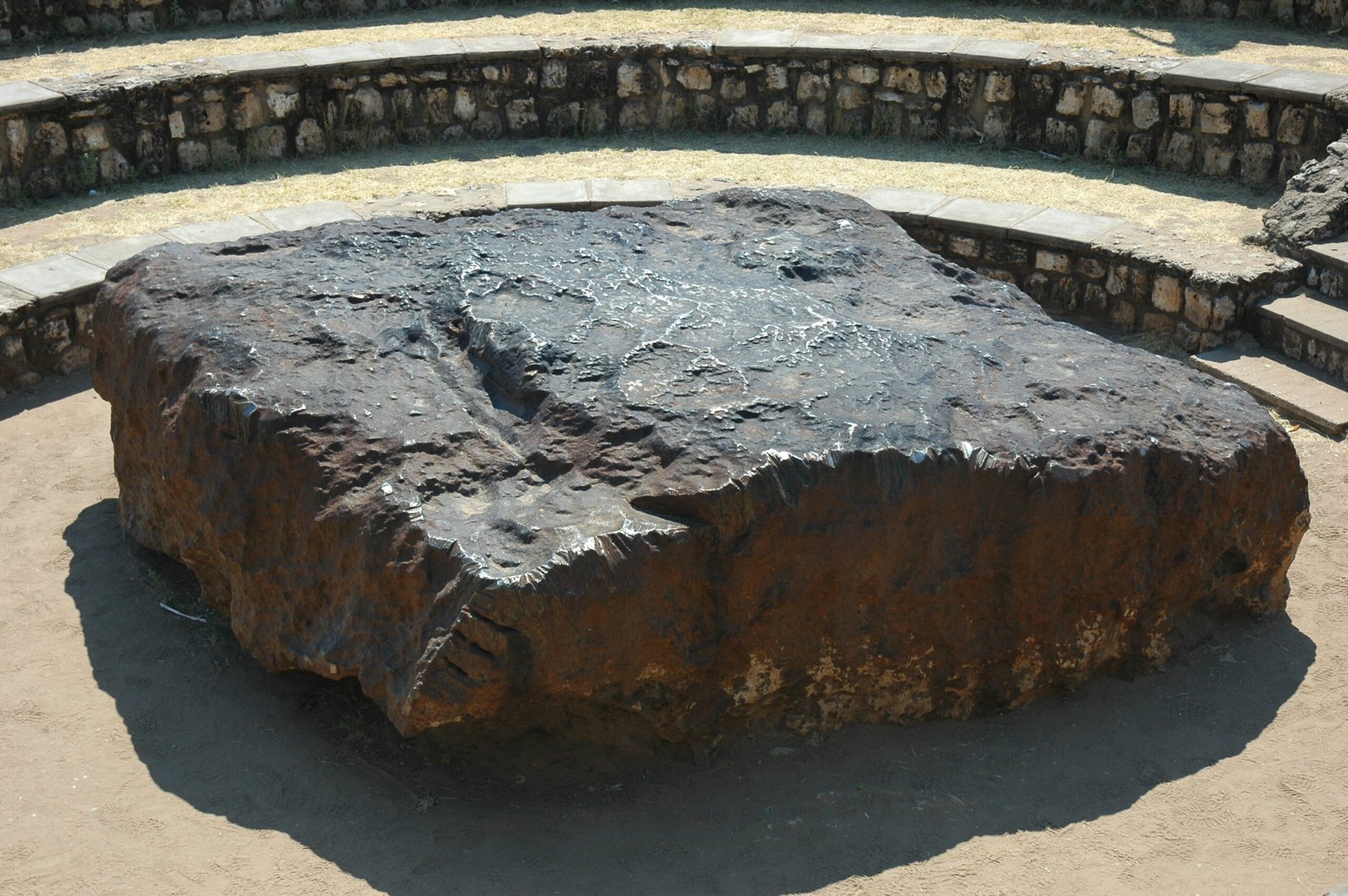
Meteorites are more than just rocks; they’re storytellers. The Detroit meteorite, in particular, challenged assumptions and opened new lines of inquiry. Scientists learned more about space weathering, the journey of asteroids, and the preservation of ancient materials. Each new discovery led to more questions, proving that science is always evolving. The meteorite’s fall was a lesson in humility and curiosity—a reminder that the universe is full of surprises.
How Meteorites Are Named and Classified
Every meteorite gets a name, often based on the nearest town or landmark where it’s found. The Detroit meteorite is officially known as the “Hamburg” meteorite, after the township where its fragments landed. Scientists use a detailed classification system based on mineral content, structure, and chemistry. The Hamburg meteorite’s H4 chondrite label tells experts exactly where it fits in the family tree of space rocks, helping them compare it to others around the world.
From Space to Display: The Meteorite in Museums
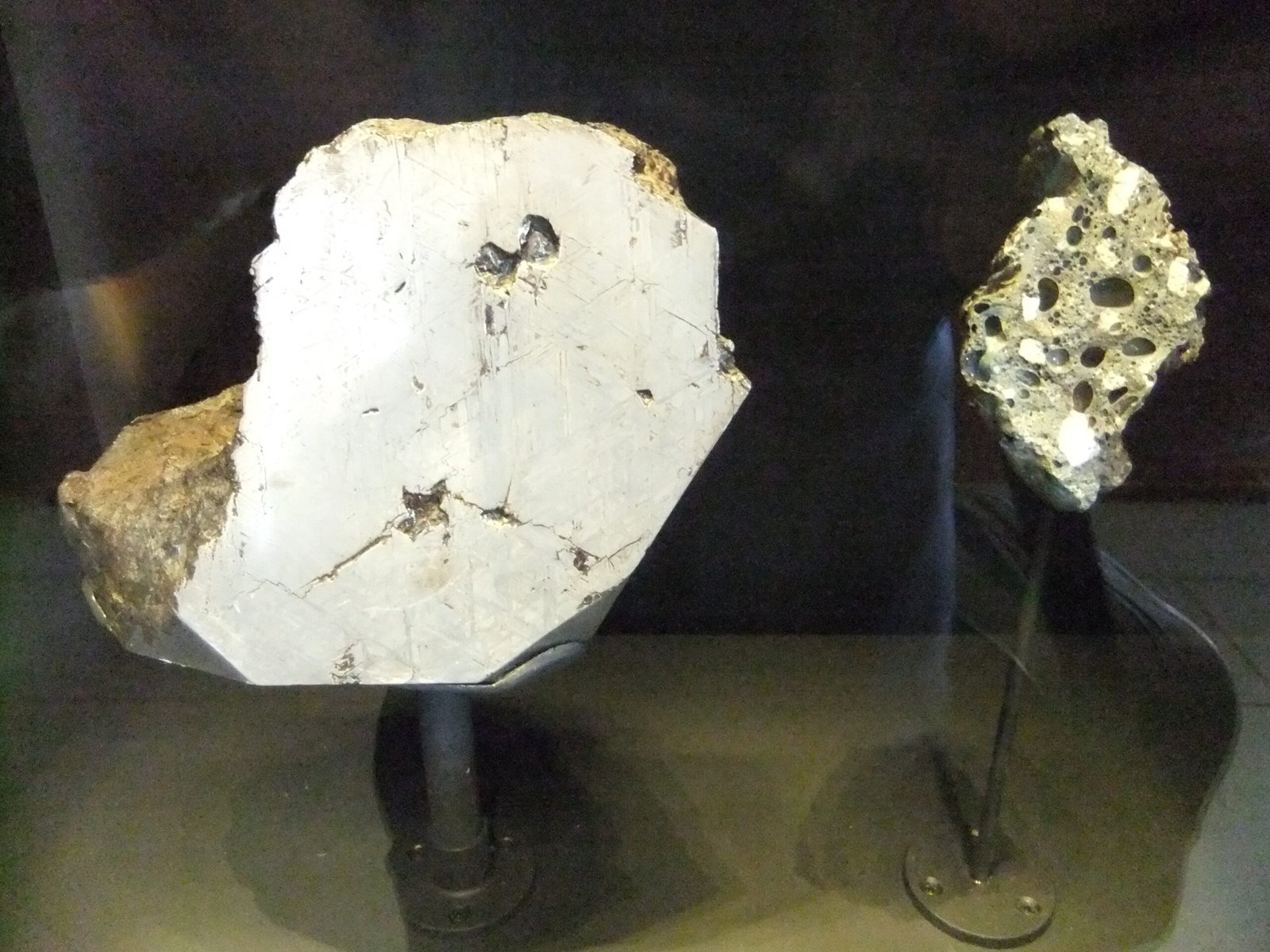
Fragments of the Detroit meteorite now rest in museums and universities, where they’re studied and displayed for the public. Seeing and touching a real piece of space rock is an awe-inspiring experience—it’s like shaking hands with the cosmos itself. Exhibits allow people to connect with the story, sparking questions and dreams in future scientists. The meteorite’s journey isn’t over; it continues to inspire and educate.
Why Meteorite Science Matters

Studying meteorites isn’t just academic—it has practical benefits. These space rocks hold clues to the raw materials that shaped our world and the processes that could one day threaten or sustain life here. Research on meteorites informs fields as diverse as planetary defense, mining, and even medicine. The Detroit meteorite’s fall was a reminder that curiosity-driven science can lead to unexpected breakthroughs with real-world impacts.
Personal Reflections: A Brush with the Cosmos
For many who witnessed the fall, the memory is unforgettable. It’s not every day that the universe comes knocking at your door. Some people felt humbled, others invigorated—suddenly aware of their place in a vast, mysterious cosmos. For me, hearing about the Detroit meteorite was like looking up at the night sky and realizing we’re all travelers together, riding a rock through endless space. The meteorite’s story is a call to keep looking up, keep asking questions, and never lose our sense of wonder.
Looking Forward: The Next Meteorite Fall
Scientists know that the Detroit event won’t be the last. With better technology and more eyes on the sky, the next meteorite might be tracked even more precisely, recovered faster, and studied more deeply. Each fall is a new chance to learn—to peel back another layer of the universe’s secrets. The question isn’t if another meteorite will strike, but when, and what new mysteries it will bring with it.