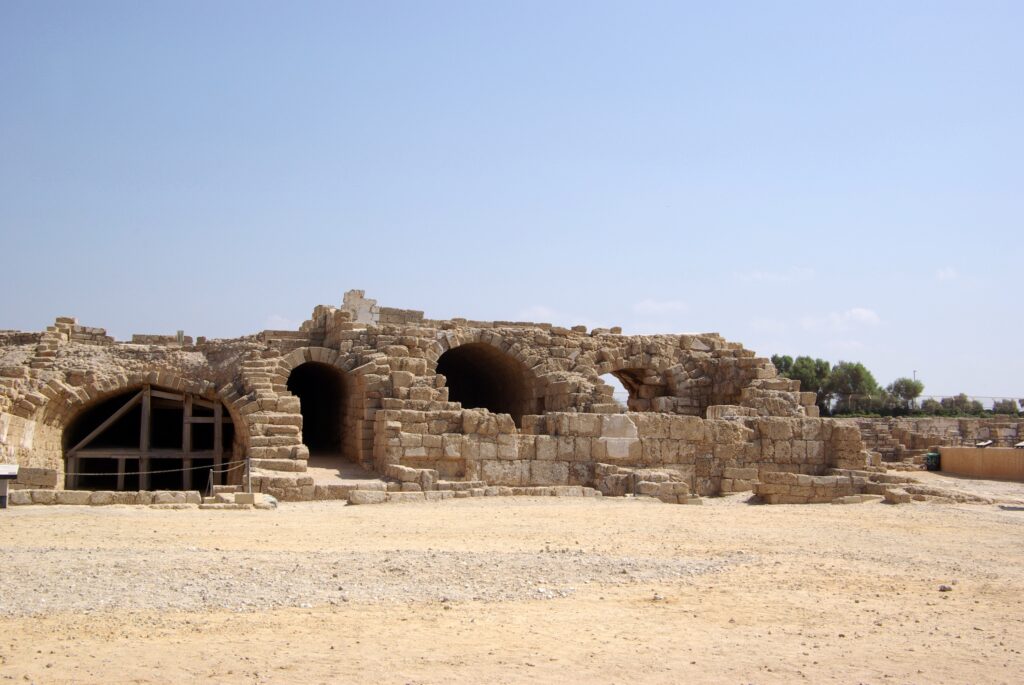
If you have ever stared at a shelf of books and felt a little awe at how much wisdom humans have collected, the story of the Library of Alexandria hits like a punch to the gut. You are looking back at a time when one city tried to gather nearly everything humanity knew into one place, and then, slowly and messily, much of it vanished. What was inside those walls has become one of history’s most haunting what‑ifs, a kind of intellectual ghost that still lingers over how you think about knowledge, progress, and even power.
When you explore what the Library actually was, what it might have held, and how it probably fell, you start to see a more complicated, and frankly more human, story than the usual myth of a single dramatic fire. You also begin to notice something unsettling: you live in a world that is still vulnerable to the same risks of loss and control over knowledge. As you walk through this history, you are not just mourning old scrolls; you are quietly asking yourself what you are doing with the knowledge you still have.
The Grand Dream: What the Library of Alexandria Tried to Be
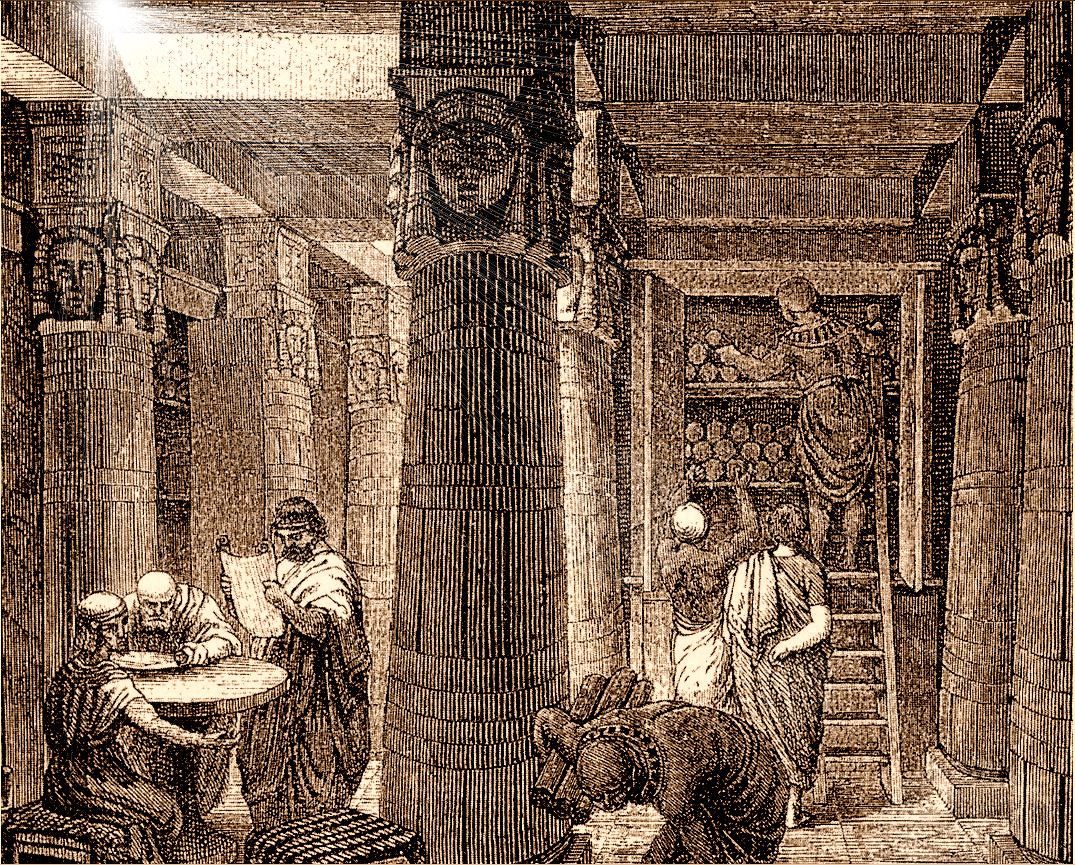
Imagine walking into a city that openly announces its ambition: to gather every text, from every culture it can reach, and store it in one great research hub. That was the spirit behind the Library of Alexandria, founded in the early Hellenistic period under the Ptolemaic rulers of Egypt. You are not dealing with a cozy corner library here but something closer to a state‑sponsored knowledge machine, attached to a larger institution called the Mouseion, where scholars lived, worked, debated, and wrote.
Their goal was unapologetically huge. Ships arriving in Alexandria were said to be searched for books; texts were copied and added to the collection, sometimes with the originals being kept. You can think of the Library as a kind of ancient data center, sucking in information from Greece, Egypt, Mesopotamia, Persia, India, and beyond. The people running it understood something you also know deep down: knowledge is power, and putting it all in one place can supercharge discovery – but it also creates a single point of failure.
How Much Was Really Lost? Separating Myth from Reality
When you hear about the Library of Alexandria, you might picture an almost magical building holding every book ever written until some villain torched it in one night. The reality is messier, and understanding that helps you see what was lost more clearly. Ancient sources rarely give you a neat inventory, and many later stories are wrapped in romantic exaggeration, so you are left with fragments and educated guesses. The Library almost certainly held many hundreds of thousands of scrolls at its height, but that does not mean every early work of every culture sat safely on its shelves.
What you can say with confidence is that countless unique works did disappear, some of which you only know by name or by a tiny quote preserved elsewhere. You have lost entire plays by great tragedians, historical accounts from eyewitnesses, philosophical treatises, mathematical works, and local histories from regions whose voices are now barely a whisper. The tragedy is not that you lost a perfect, complete record of human thought – that never existed. It is that you lost a dense, irreplaceable cluster of texts that could have dramatically enriched what you know about the ancient world and how your ideas evolved.
Science on the Shelves: Mathematics, Astronomy, and Early Technology

If you had been a scientist in Alexandria at its peak, you would have been spoiled in a way that might make modern researchers jealous. You would have had access to the work of minds like Euclid, who organized geometry into a logical system, and Archimedes, who pushed mathematics and engineering to surprising heights. The Library’s scholars studied everything from prime numbers and conic sections to mechanics and fluid behavior, often in ways that still shape what you learn in school today. You stand on their shoulders even if you have never heard all their names.
But here is the unsettling part: you only see a slice of what they knew. You read Euclid’s Elements, but other works of his are gone. You admire the surviving pieces of Hellenistic astronomy and geography, yet you know these are just fragments of a larger research tradition. You might have lost more precise astronomical observations, better models of planetary motion, and technical treatises on devices and instruments that could have accelerated later discoveries. It is like looking at an old tool chest and realizing half the tools are missing; you can guess what used to be there, but you can no longer use them.
Lost Voices: History, Philosophy, and Stories You Will Never Hear
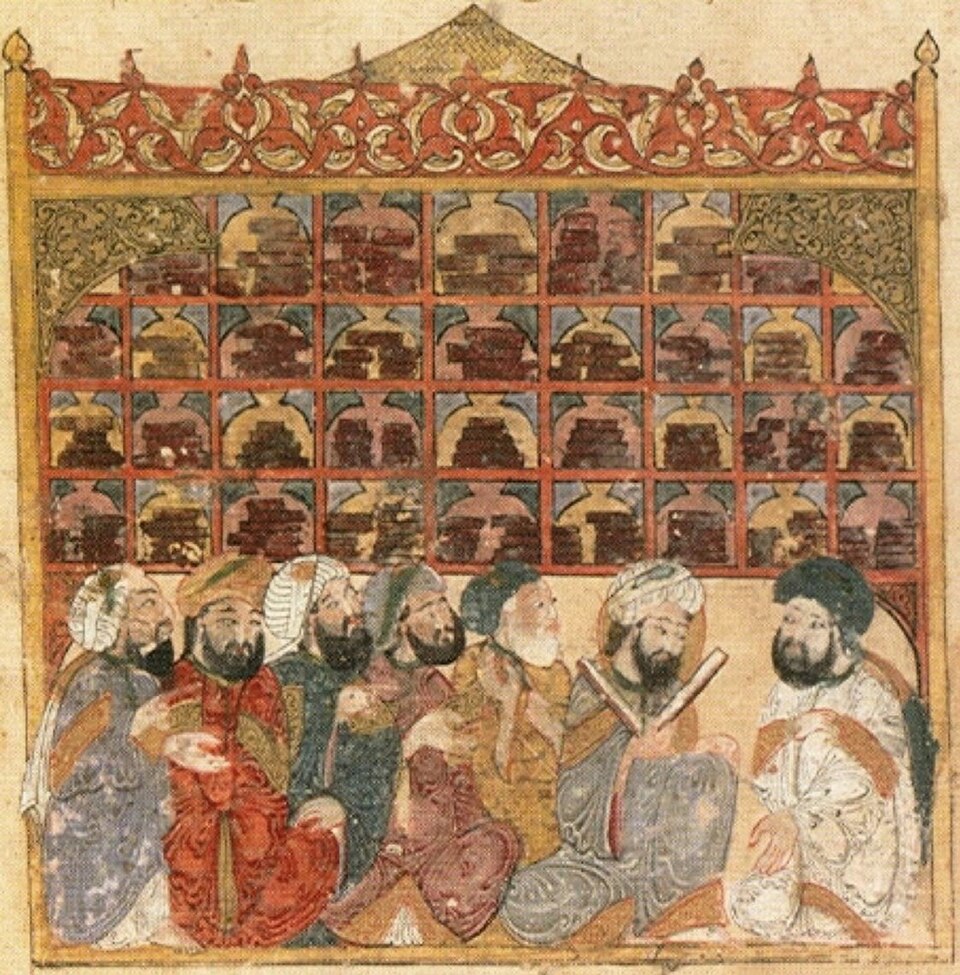
Some of the most painful losses are not formulas or measurements but voices – people trying to make sense of their world in ways you can no longer read. The Library of Alexandria supported historians who compiled local chronicles, travelers’ accounts, political histories, and records of earlier cultures. You do not just lose dates and events when those works disappear; you lose perspectives, biases, arguments, and color, the messy human details that help you understand how people actually thought and felt in their own time.
The same is true for philosophy and literature. You know the big names – Plato, Aristotle, the Stoics, the Epicureans – but for each famous figure, there were lesser‑known thinkers whose works filled in the gaps of debate. Many of those are gone. Imagine if you only had a handful of novels from your own century and future readers tried to reconstruct your culture from them. That is roughly what you are doing with ancient thought. The Library would likely have held plays, poems, stories, and philosophical arguments that might have changed how you see ethics, politics, and even personal happiness today.
Did We Lose Inventions and Technologies That Could Have Changed History?
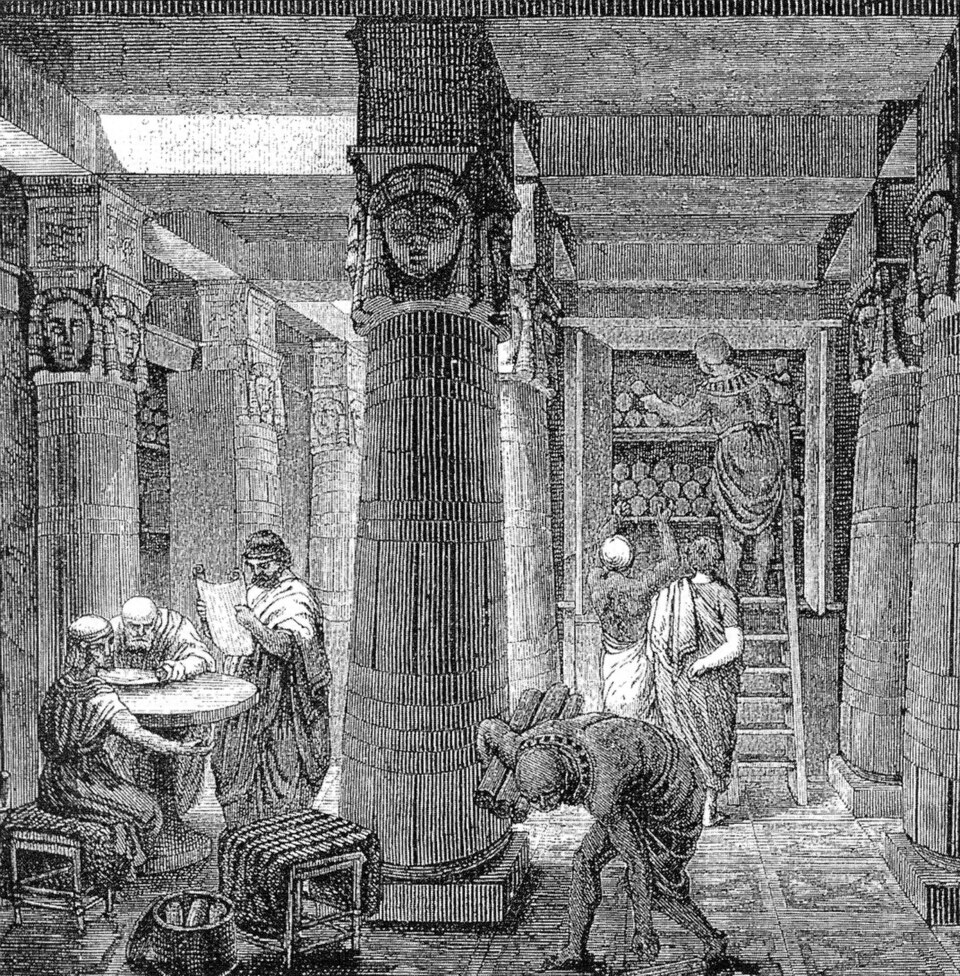
It is tempting to imagine that somewhere in those lost scrolls lay detailed plans for steam engines, complex machines, or medical cures that could have launched an early industrial revolution. You should be cautious with those fantasies; the evidence you have does not support a secret ancient smartphone hiding in Alexandria. Still, you do know there were clever devices and technologies in the Hellenistic world – automatic doors, primitive steam toys, intricate gears, and sophisticated engineering in architecture and warfare. The Library likely contained detailed descriptions and theoretical discussions of many such inventions.
What you probably lost is not a single miraculous machine, but a chain of incremental insights that could have sped up later breakthroughs. Think of technology as a long staircase; missing steps slow you down, even if you can still climb. Technical manuals, engineering notes, and treatises on materials, hydraulics, and mechanics might have made it easier for later societies to rediscover or build upon ancient innovations. Instead, many had to start almost from scratch, piecing things together through trial, error, and the few surviving texts that slipped through history’s cracks.
How the Library Really Fell: Slow Decline Instead of One Dramatic Fire
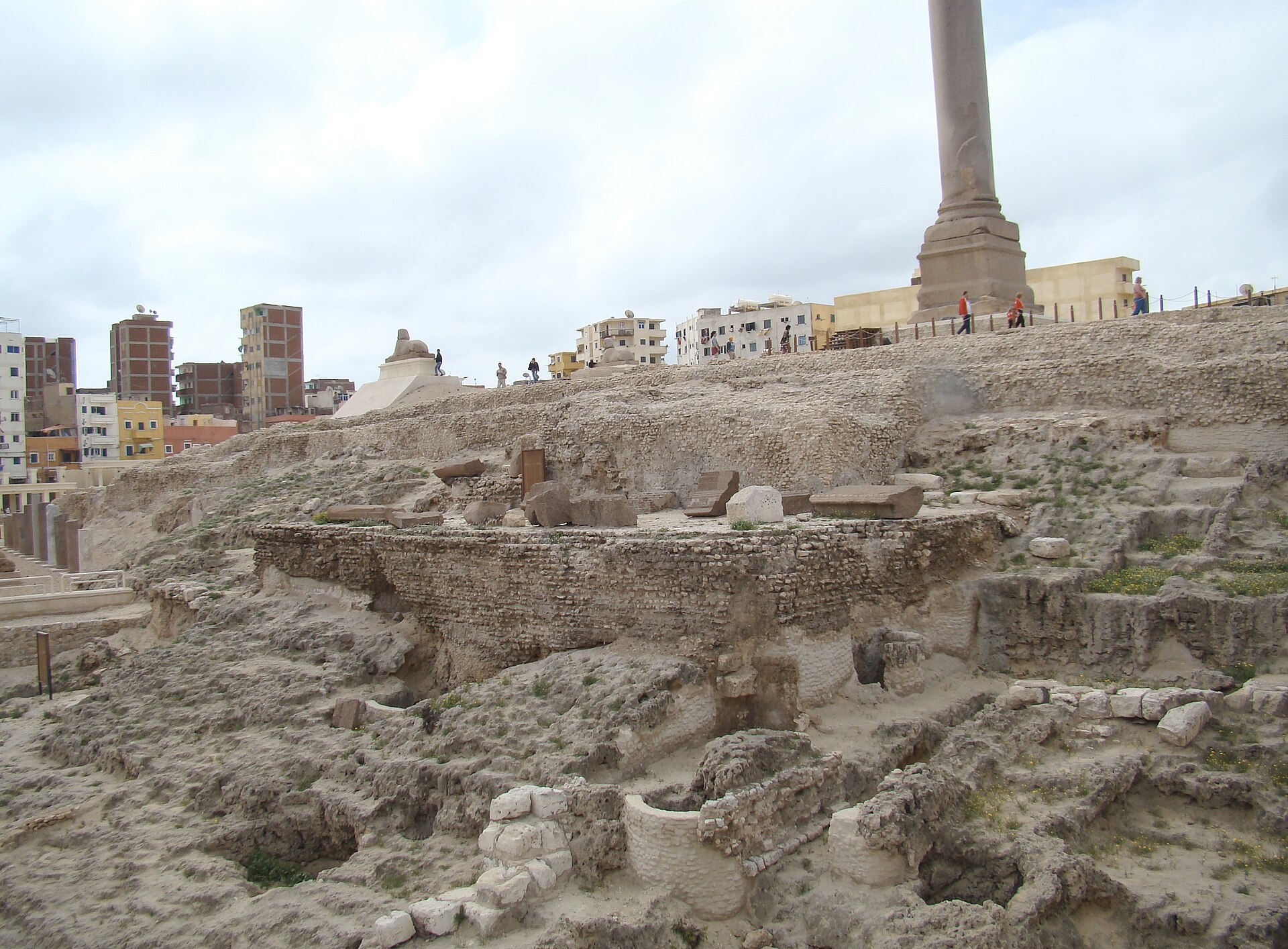
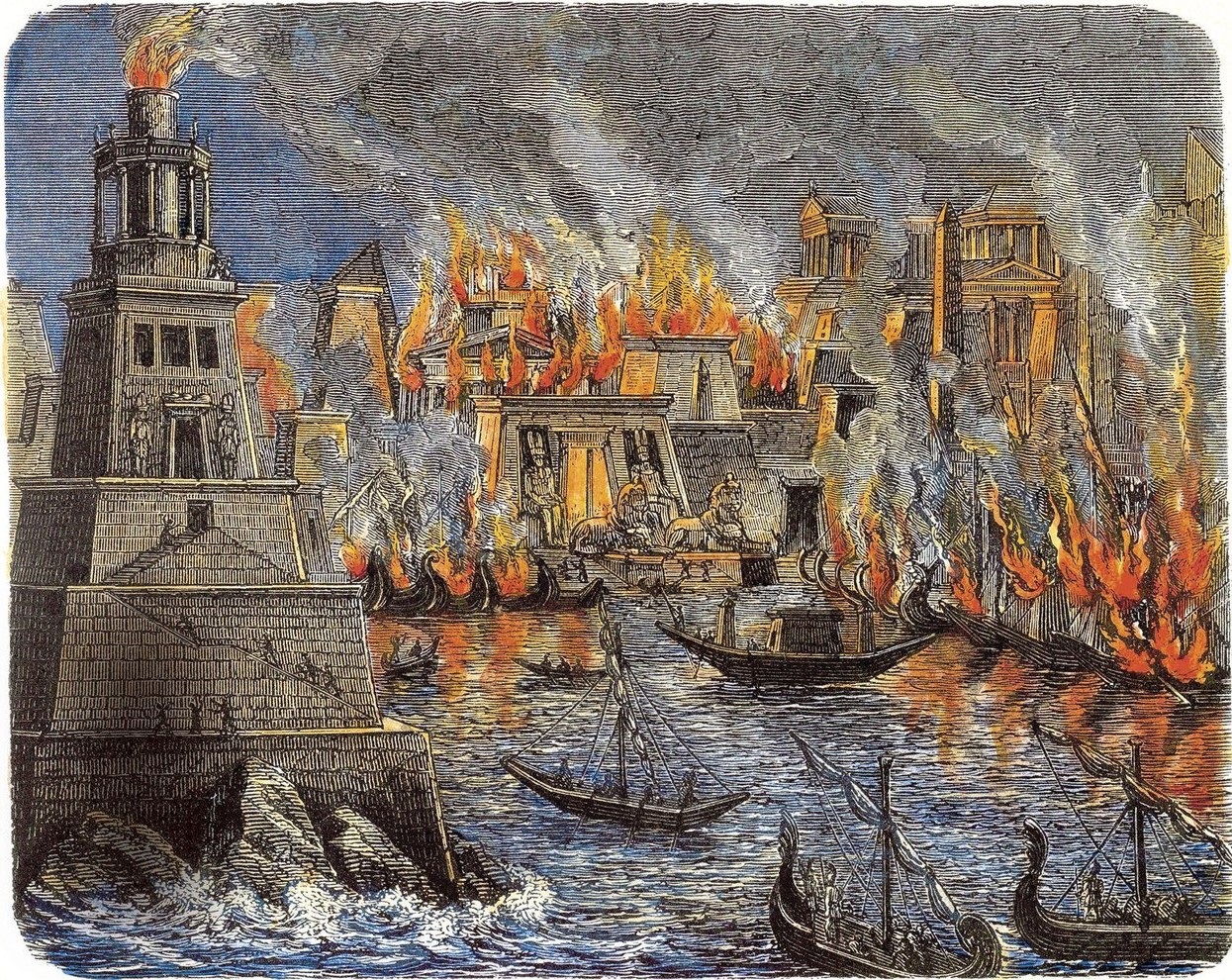
The Hollywood version of the Library’s end gives you one big dramatic blaze and a clear villain. History does not cooperate with that script. The evidence you have points more toward a long, uneven decline than a single catastrophic night. Alexandria saw political turmoil, civil wars, shifting rulers, and religious conflict over several centuries, each episode chipping away at its institutions. Fires associated with military campaigns, changes in funding, and struggles over power and ideology all likely played a part in weakening and shrinking the collection.
At some point, you do see references to a later, smaller library in the Serapeum, a temple complex that probably housed what remained of the great collection or a kind of daughter library. That too was eventually destroyed amid religious tensions. By the time you reach the late Roman and early Byzantine periods, what once was a thriving research center had turned into a memory. The Library did not simply go up in smoke in one night; it faded out through neglect, conflict, and changing priorities – a warning that knowledge can die just as easily from indifference as from outright attack.
One detail that often surprises you is how differently various groups valued different kinds of texts. Some religious or political authorities tolerated or even preserved certain works while letting others crumble or be discarded. When you realize that, the story stops being about evil book burners versus noble librarians and starts being about competing visions of what knowledge matters. You are not just looking at destroyed shelves; you are looking at centuries‑long arguments over whose ideas deserve to survive.
Why the Loss Still Matters to You in the Digital Age
It is easy to treat the Library of Alexandria as a tragic but distant story, something that happened to people far removed from your world of cloud storage and search engines. But if you look closely, you start to see uncomfortable parallels. Your knowledge is more abundant than ever, but it is also more fragile in new ways. Data can be lost in seconds to corruption, cyber‑attacks, corporate decisions, or simple neglect. If you rely on a handful of platforms or formats, you have created your own modern version of piling all the scrolls into one building and hoping nothing goes wrong.
The deeper lesson for you is about responsibility. You are no longer just a passive consumer of information; you are also a creator, curator, and, in small ways, an archivist. The way you store family photos, community stories, independent research, and cultural work contributes to what the future will know about you. When you back something up in multiple places, support open archives, or simply keep a printed copy of something important, you are quietly refusing to repeat Alexandria’s mistake. You are choosing not to gamble everything on the assumption that someone else will preserve it for you.
What You Can Learn – and Do – From a Library That No Longer Exists
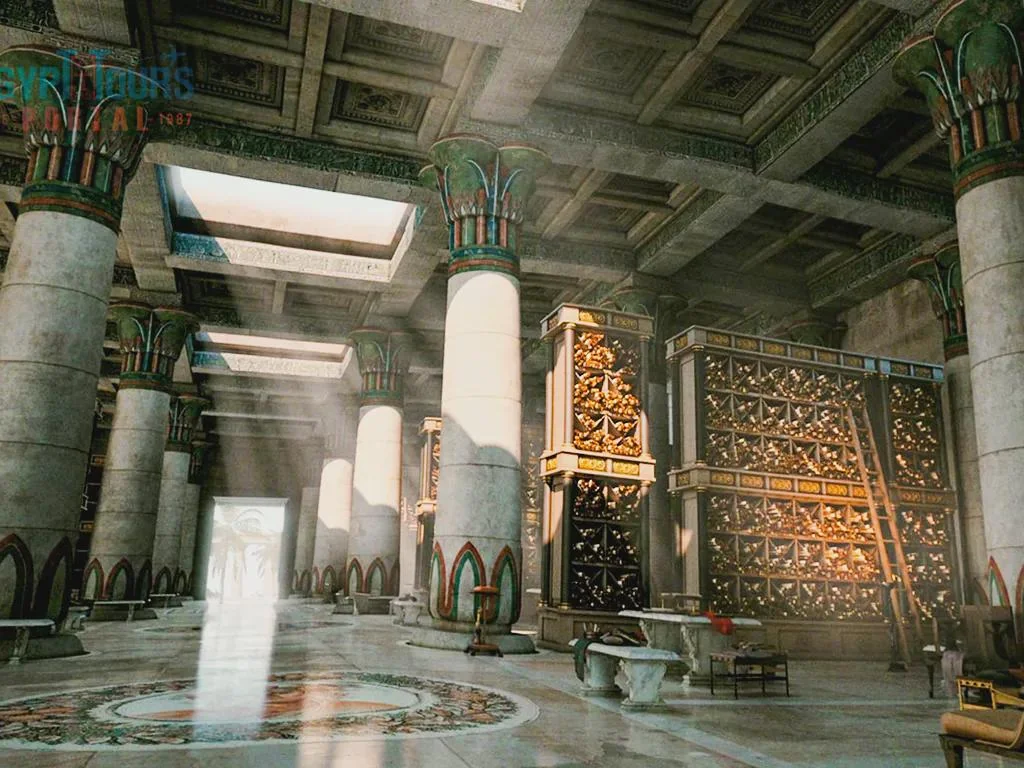
When you strip away the romance and legend, the Library of Alexandria leaves you with a strangely practical set of lessons. First, big, ambitious projects to collect and share knowledge are worth the risk. For all that was lost, the Library helped shape fields like philology, astronomy, and mathematics in ways that still echo today. You benefit every time you use a map, run a calculation, or read a carefully edited classic text. The dream of pulling human knowledge together in one place did not die in Alexandria; you see it in modern universities, archives, and digital repositories.
Second, and maybe more importantly, you learn that no archive is invincible. Preservation needs backups, diversity, and constant care. You can support institutions that prioritize open access and long‑term storage, and in your own life, you can be more deliberate about what you keep and how you keep it. Think of yourself as holding a tiny branch of humanity’s library in your own hands – on your shelves, in your drives, and in your memories. The question is not just what Alexandria lost long ago, but what you might be letting slip away today without even noticing.
In the end, the story of the Library of Alexandria is not just about mourning vanished scrolls; it is about recognizing how fragile knowledge has always been, and how much it depends on people like you choosing to value it. You will never recover the lost texts, the silent voices, or the unrecorded experiments, but you can honor them by making sure your era does not become another blank space for those who come after. The next time you casually delete, discard, or ignore something meaningful, you might pause and ask yourself: are you repeating a loss you once thought belonged only to ancient history?