At some point, usually earlier than we like to admit, a simple thought hits us with surprising force: one day, we will die. Not as a dramatic movie moment, not as an abstract fact in a textbook, but as a deeply personal truth. That realization does something to us. It quietly rearranges how we see time, love, risk, meaning, and even our own reflection in the mirror.
Most of the time, we push this awareness to the background because walking around constantly thinking about death would be paralyzing. But whether we notice it or not, the knowledge that our life has an endpoint is always running in the background of the mind, like a soft hum. And that hum has real psychological effects: it shapes our anxieties, our ambitions, our relationships, even our sense of identity. Once you start seeing it, you can’t unsee it.
The Shock of Mortality: When Death Stops Being Abstract

There is a strange shift that happens when death moves from being a distant concept to a concrete reality. As children, we often think of death the way we think of space or volcanoes: interesting, maybe scary, but far away from us. Then something happens – a grandparent dies, a pet we love disappears, or we have a health scare – and suddenly the idea that we are temporary lands with shocking clarity. It can feel like the ground under your life has quietly cracked.
Psychologists have found that this kind of mortality awareness can trigger both fear and clarity at the same time. On one hand, it can spark intense anxiety, intrusive thoughts, or even panic attacks. On the other hand, it often forces people to ask questions they have been avoiding: What am I doing with my time? Who actually matters to me? If my life is finite, what do I want it to stand for? That mix of terror and meaning-seeking is one of the most powerful human psychological cocktails.
Anxiety in Disguise: How Fear of Death Hides in Everyday Worries

Most of us don’t walk around saying we are scared of death. Instead, the fear of death often dresses up as more socially acceptable fears: fear of flying, fear of illness, fear of being alone, fear of failure, fear of aging. These are easier to talk about and easier to manage than looking straight at the raw fact that one day everything will end. Underneath many specific anxieties, there’s a deeper unease about vulnerability and loss of control.
Some researchers argue that a lot of what we call “general anxiety” is really low-level awareness of mortality leaking through the cracks. That might be one reason why we sometimes overreact to small risks or over-plan simple situations; our brain is quietly trying to tame a bigger, untamable fear. When you start to notice how often your worries circle around safety, time running out, or being forgotten, you can sometimes trace those threads back to the simple, uncomfortable truth: we know this will not last forever.
The Drive for Meaning: Death as a Hidden Motivator

As odd as it sounds, is one of the main reasons many of us get out of bed with any sense of urgency. If life went on forever, it would be much easier to say “I’ll do it later” indefinitely. The awareness that time is limited quietly pushes us to make choices, set priorities, and commit. That pressure can be stressful, but it also gives our decisions weight. Doing something today matters precisely because we cannot do everything, forever.
Psychologists have found that when people are reminded of their mortality, they often respond in two main ways: they cling more strongly to their values and beliefs, and they seek ways to feel that their life is meaningful or will leave a trace. That might be through raising kids, building a career, creating art, contributing to a cause, or simply being the kind of person others remember fondly. In this sense, death is not just an ending; it is also a hidden engine that powers a lot of human creativity, generosity, and courage.
Identity and Ego: Why We Crave Legacy and “Being Remembered”
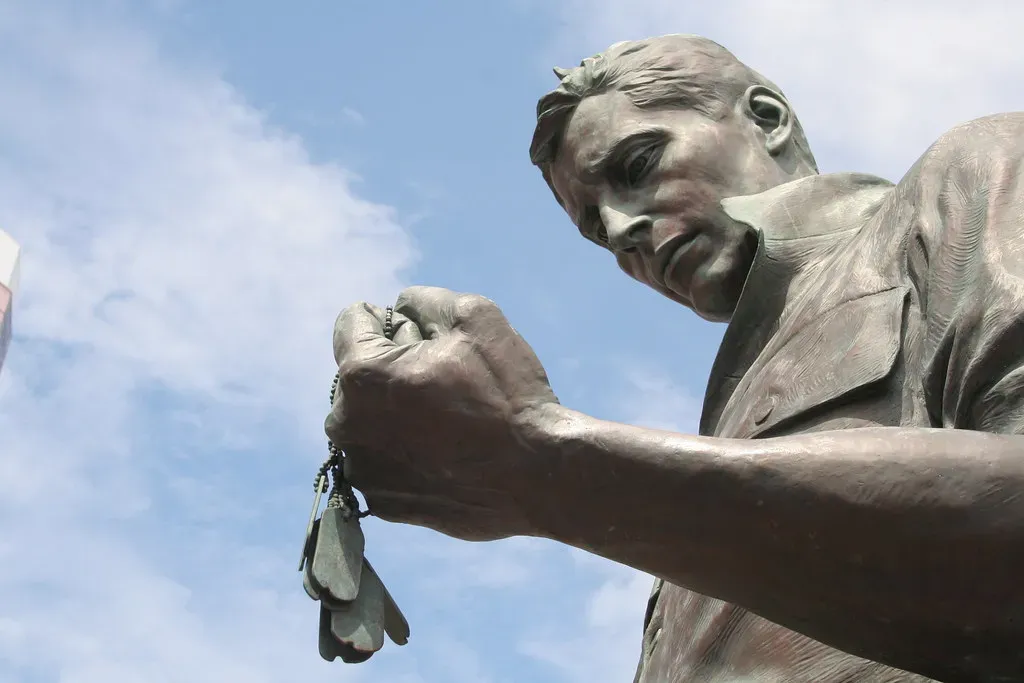
There is a reason why people care so much about their name on a building, their followers online, or their reputation long after they are gone. On a psychological level, legacy is one way we try to outsmart death. Our physical body will vanish, but maybe our ideas, our work, or our impact on others will live on. A big part of our identity is built from this quiet bargaining with impermanence: if I cannot be here forever, maybe something about me can.
This urge is not always grand or dramatic. It shows up in smaller, very human ways: the parent who keeps photos organized so their kids will have memories; the person who writes, paints, or builds even if only a few people will ever see their work; the friend who wants to be remembered as “the one who was always there.” pushes us to ask, consciously or not, how we want to be described when we are not in the room anymore – and many of our choices flow from that imagined future conversation.
Love, Attachment, and the Fear of Losing What We Care About
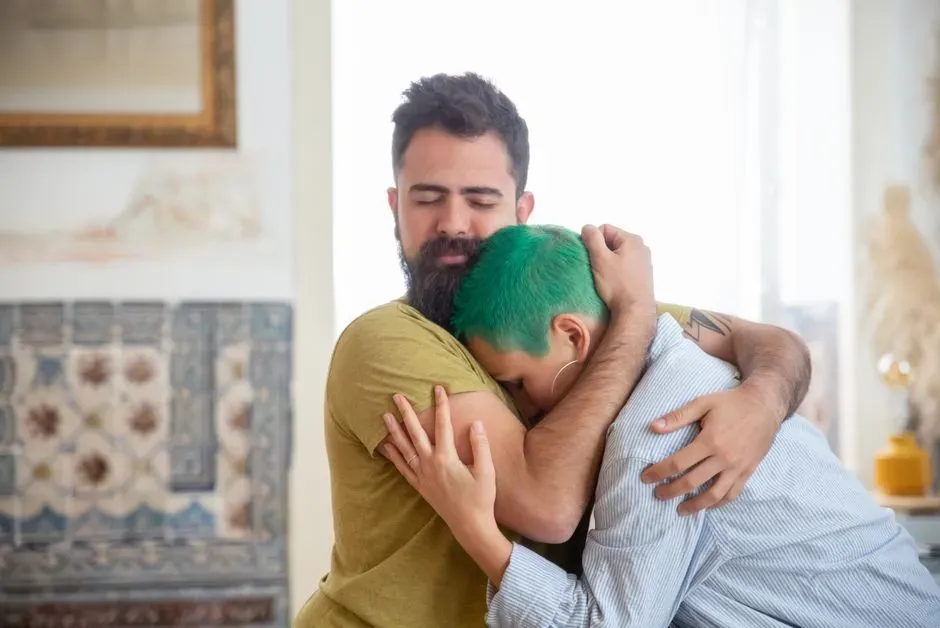
Mortality is not just about our own ending; it is also about the endings of everyone we care about. The more deeply we love someone, the more powerful the threat of loss becomes. This can make love feel risky, almost like putting your heart in a fragile glass case and then carrying it through a world full of accidents and surprises. That risk can lead some people to hold back, avoid commitment, or keep emotional distance as a way of protecting themselves from possible grief.
At the same time, the awareness that our time together is limited can also intensify love in a surprisingly beautiful way. Many people report that after a close call, a loss, or even a serious argument that brushes up against the idea of “what if something happened,” they start saying I love you more often, making more effort, or appreciating small moments that used to slide by unnoticed. can make relationships feel more precious, even when it also makes them more terrifying to lose.
Risk-Taking and Control: From Reckless Behavior to Careful Safety

Not everyone responds to death awareness the same way. Some people react by becoming extremely cautious, double-checking everything, avoiding travel, or worrying intensely about health. For them, the knowledge that life is fragile leads to a constant attempt to protect it. The problem is, when the desire for safety ramps up too hard, it can shrink life so much that we are technically alive but barely living.
Others go in the opposite direction. The awareness that everything ends can push some people toward thrill-seeking, impulsive decisions, or a kind of emotional numbness masked as “living fully.” They may tell themselves that since we all die anyway, they might as well do whatever feels intense right now. In reality, both extremes – over-control and reckless surrender – are usually different ways of wrestling with the same discomfort: we cannot fully control when and how we die, and that is deeply hard to accept.
Growth, Wisdom, and the Strange Relief of Acceptance

There is a quieter, less dramatic response to mortality that often gets less attention because it does not make good headlines: acceptance. Acceptance does not mean liking the idea of death or being perfectly calm about it. It usually looks more like a gradual softening around the subject, a willingness to talk about it, plan for it, and fit it into a realistic view of life. People who reach a degree of acceptance often report less background anxiety and more appreciation for ordinary days.
Interestingly, many traditions – philosophical, religious, and secular – have encouraged people to contemplate death regularly, not to be morbid but to live more honestly. When you truly absorb that your days are numbered, small annoyances matter less and simple joys matter more. You might not waste as much time on petty grudges or achievements that only impress people you do not even like. In that sense, the knowledge that we will die, once processed and integrated, can be weirdly freeing: it releases us from the illusion that we have infinite time to become someone else and nudges us to be more fully ourselves now.
Conclusion: Death Awareness as a Brutal Truth and a Hidden Gift

My own opinion is that our awareness of death is both the heaviest psychological burden we carry and one of our greatest hidden advantages. It hurts to know there is an endpoint; it makes us anxious, drives us to chase legacy, and sometimes pushes us into overworking, overprotecting, or overreacting to tiny risks. But that same awareness is also what jolts us awake, forcing us to ask who we are, what we care about, and how we want to spend the limited days we actually get. Without that pressure, I suspect many of us would drift far more than we already do.
I do not think the goal is to stop fearing death entirely; that would almost make us less human. Instead, the real psychological sweet spot might be learning to live with mortality in view but not in charge. To let the fact that we will die deepen our love instead of shrinking it, sharpen our priorities instead of numbing us, and humble our ego while still letting us dream big. In the end, is unavoidable – but what we do with that knowledge is still wide open. What kind of life does this uncomfortable truth push you to create?