
Imagine a mind so vast, so powerful, that it weighs more than your entire body. Deep beneath the rolling waves, a mysterious titan roams—its presence both haunting and awe-inspiring. This is the sperm whale, the ocean’s enigmatic giant, quietly carrying the heaviest brain ever known on Earth. For centuries, people have been fascinated, even frightened, by this creature. But few know the incredible story behind its colossal mind. What secrets does such a brain hold? Prepare to dive into the world of the sperm whale, where science meets wonder and every fact stirs a sense of marvel about our planet’s blue depths.
Meet the Sperm Whale: Ocean’s Majestic Behemoth
The sperm whale is, without doubt, one of the most iconic animals to ever patrol the world’s oceans. Stretching up to 60 feet in length and weighing in at over 50 tons, this mammal is a living legend of the deep. Its name comes from the waxy substance, spermaceti, found in its head, which once sparked myths and filled the holds of whaling ships. Yet, it is not just its size that commands respect; it’s the whale’s intelligence and complex behaviors that truly set it apart. These creatures have inspired countless stories, from ancient folklore to classic literature like “Moby-Dick.” But real-life sperm whales are even more fascinating than fiction.
The Colossal Brain: A Record-Breaking Organ
Sperm whales hold the title for the largest brain of any creature on our planet—land or sea. This massive organ can weigh up to 20 pounds, which is five times heavier than a human brain. Imagine holding a bowling ball, then realize the whale’s brain dwarfs it. Yet, despite its size, the brain is not just a lump of tissue. It is a highly sophisticated machine, packed with billions of neurons that coordinate everything from hunting to socializing. Scientists believe that such a large brain is necessary to manage the whale’s complex life, including its deep dives and intricate communication. The sheer weight of this organ speaks volumes about the evolutionary pressures that shaped these remarkable animals.
A Deep Diver’s Mind: Surviving the Abyss
Sperm whales regularly plunge to depths of more than 3,000 feet, entering a world of darkness and crushing pressure. To survive such extremes, their brains must coordinate a symphony of adaptations. The whale slows its heart rate, conserves oxygen, and navigates pitch-black waters with ease. In these deep-sea realms, food is scarce and danger lurks in the form of giant squid. The brain’s ability to process sensory input, remain alert, and make split-second decisions is crucial. Imagine trying to solve puzzles while holding your breath for over an hour—this is the daily challenge for the sperm whale.
Intelligence Beneath the Waves
The sperm whale’s enormous brain is not just for show—it’s a beacon of intelligence. Observations reveal that these giants are capable of problem-solving, cooperation, and even playful behavior. Herds, called pods, often display coordinated movements and sophisticated hunting strategies. Calves learn by watching their elders, echoing the way humans teach their young. Some scientists suggest that sperm whales even possess a sense of self, a rare trait in the animal kingdom. Their ability to adapt, learn, and communicate hints at a mind far more complex than we once believed.
Communication: Clicks, Codas, and the Language of Giants
Sperm whales are famous for their powerful clicks, which can be heard for miles underwater. These sounds are not random—they form unique patterns called “codas.” Each pod has its own dialect, almost like a regional accent among humans. These codas serve as social glue, keeping groups connected even when separated by vast distances. Communication is essential for coordinating hunts, warning of danger, and maintaining social bonds. The sophistication of sperm whale “language” has led researchers to compare it to the early stages of human language development, sparking debates about animal consciousness and culture.
Social Lives: Pods, Families, and Matriarchs
Life in the ocean is never solitary for sperm whales. Females and their young form tight-knit pods led by experienced matriarchs, while males often roam alone or in bachelor groups. Within pods, individuals form lifelong bonds, caring for calves and defending one another from predators. Social learning is vital; knowledge of migration routes, feeding grounds, and survival tactics is passed down through generations. These strong family ties reflect a deep emotional world—one where cooperation and loyalty are just as important as physical strength.
Hunting the Deep: Strategy and Skill
Armed with their massive brains, sperm whales are formidable hunters. Their favorite prey is the elusive giant squid, a creature so rare it was once thought to be a myth. The whale’s echolocation clicks act like sonar, painting a mental map of the dark ocean around them. Working alone or in teams, they dive in pursuit of squid, fish, and octopus. The hunt is a test of both brains and brawn, requiring patience, precision, and lightning-fast reflexes. This hunting prowess has made the sperm whale one of the top predators in the ocean.
Myths, Legends, and Human Curiosity
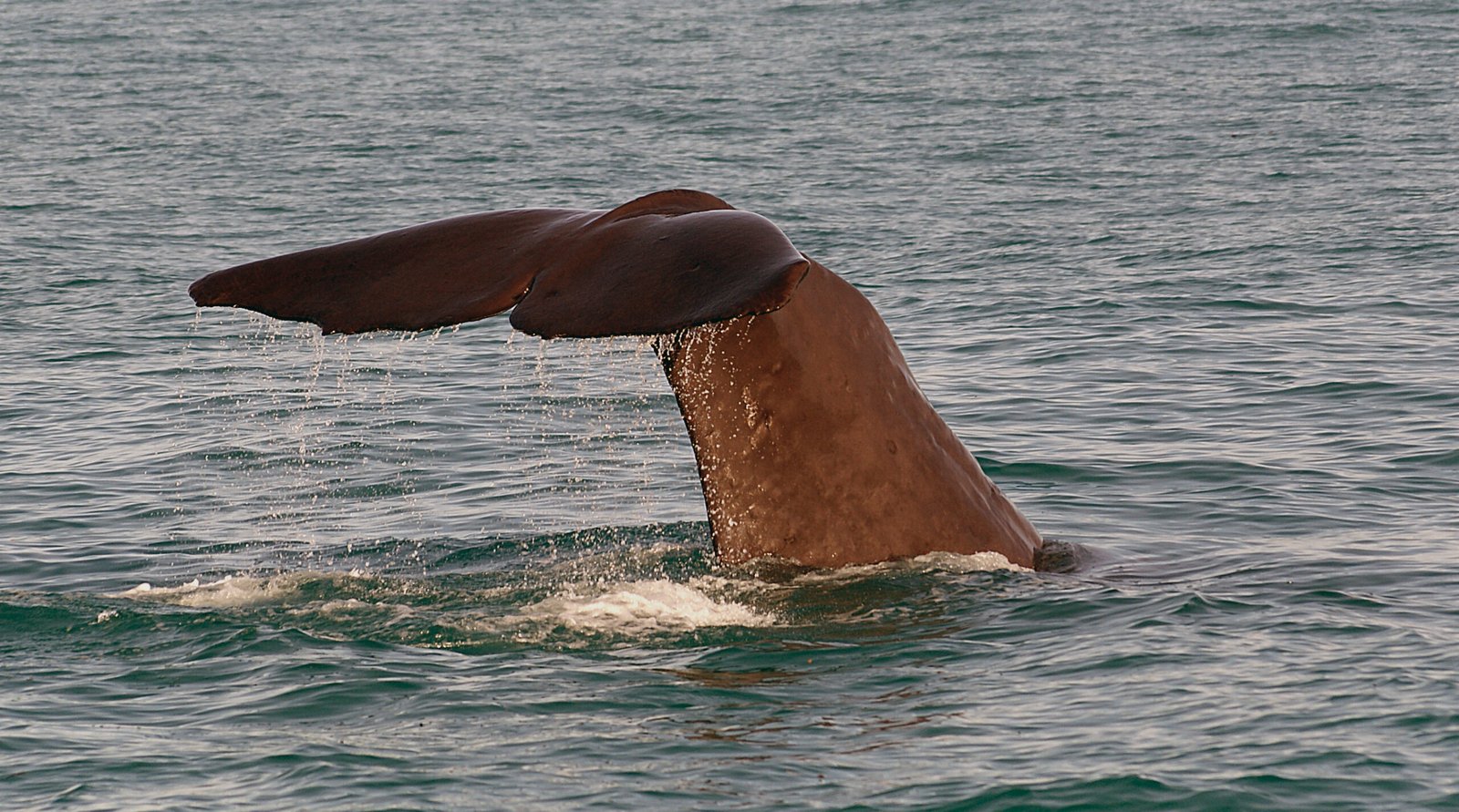
Throughout history, sperm whales have inspired fear, fascination, and even reverence. Sailors once told tales of monstrous “sea beasts” capable of sinking ships. Ancient cultures revered the whale as a symbol of power and mystery. Today, the sperm whale’s story still captures our imagination, reminding us of the unknown worlds beneath the waves. Its brain, the largest in existence, remains a symbol of nature’s ingenuity—a testament to evolution’s unending creativity.
Conservation Challenges: Giants Under Threat
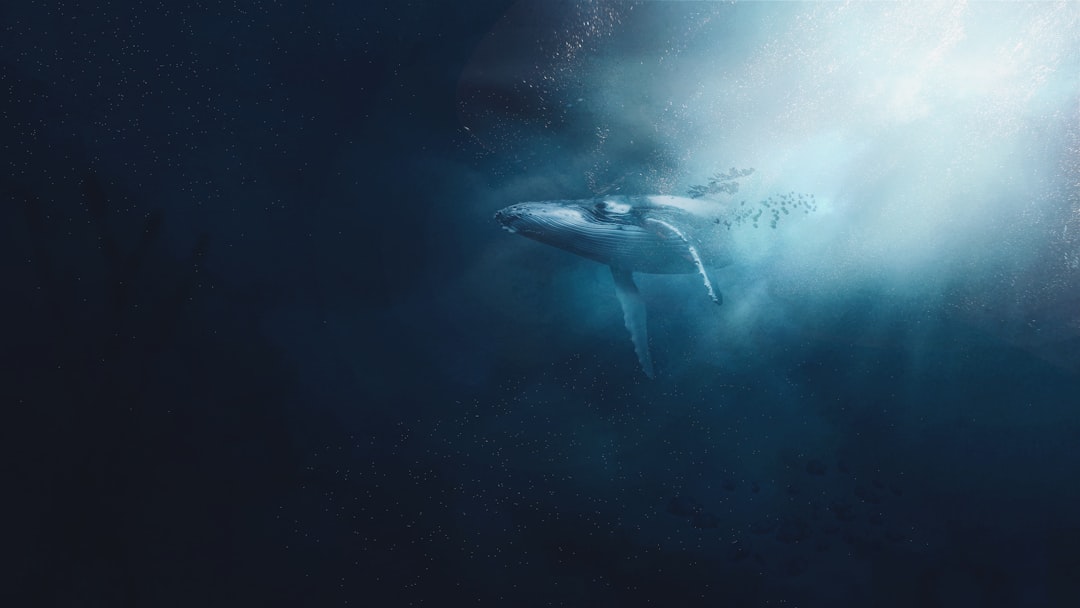
Despite their size and intelligence, sperm whales face grave dangers from human activity. Decades of whaling decimated their populations, and even today, threats like ship strikes, entanglement in fishing gear, and noise pollution disrupt their lives. Climate change is altering ocean currents and food supplies, putting extra pressure on these giants. Conservationists are racing against time to protect sperm whales, using technology to track their movements and understand their needs. Every step we take to safeguard them is a step toward preserving the ocean’s greatest minds.
Unlocking the Whale’s Secrets: Science and the Future
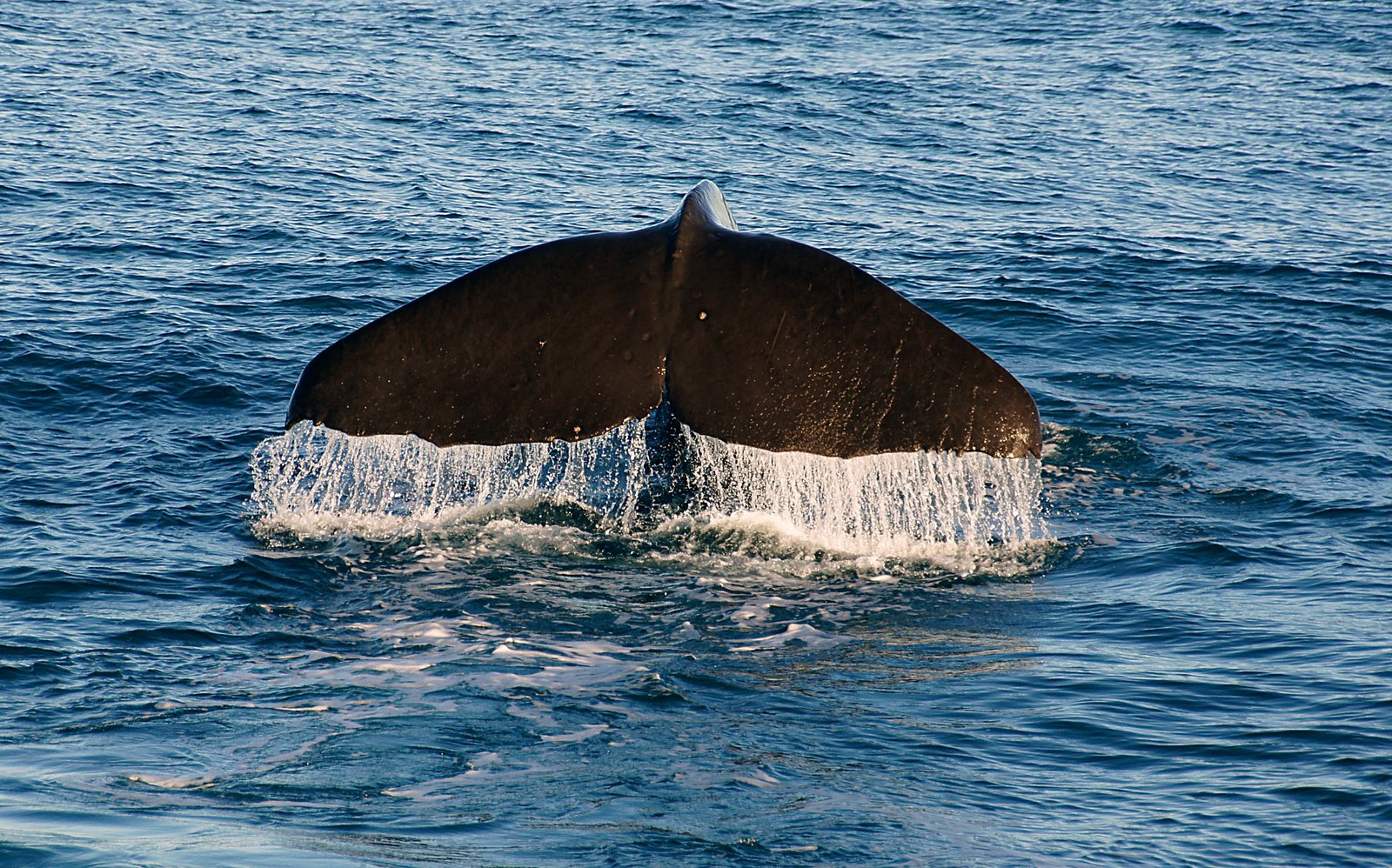
Modern technology has opened new windows into the world of the sperm whale. Underwater microphones capture their conversations, while drones and satellite tags reveal their hidden journeys. Scientists dream of one day fully understanding the whale’s brain—how it thinks, feels, and perceives the world. Each discovery brings us closer to unlocking the secrets of consciousness, evolution, and intelligence. The sperm whale’s story is far from over; it is a living mystery, challenging us to look deeper and think bigger.
An Oceanic Wonder Worth Protecting
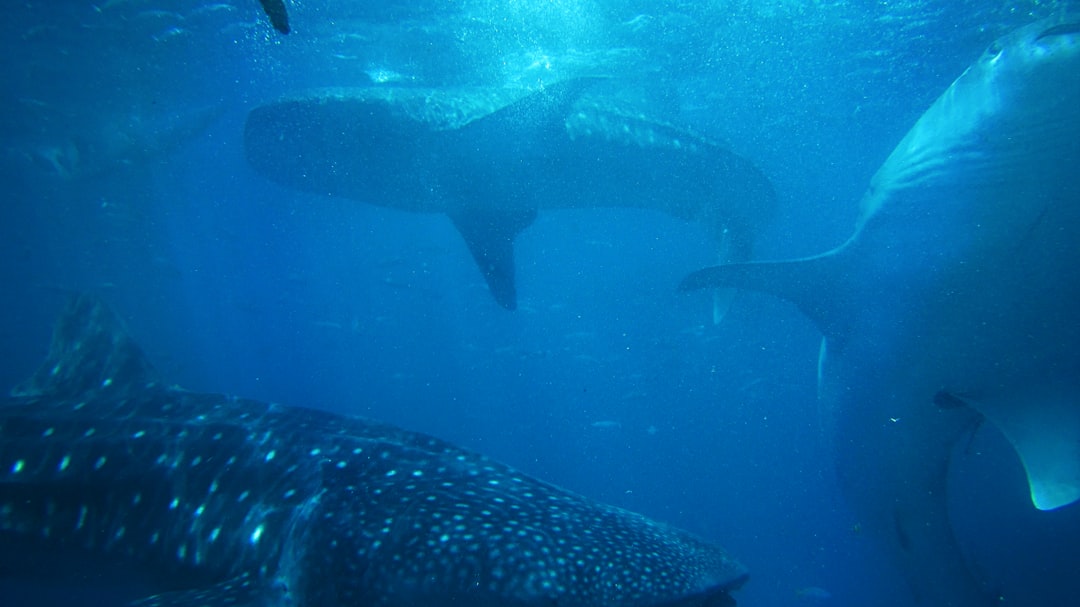
The sperm whale’s immense brain is a marvel of nature, a symbol of intelligence thriving in the most extreme environments on Earth. Its survival is not just a scientific curiosity—it’s a call to value the wonders of our oceans and the creatures that call them home. Each time a sperm whale surfaces, we are reminded of the vast unknown that still lies beneath the waves. Will we choose to protect these sentient giants and learn from their extraordinary lives?