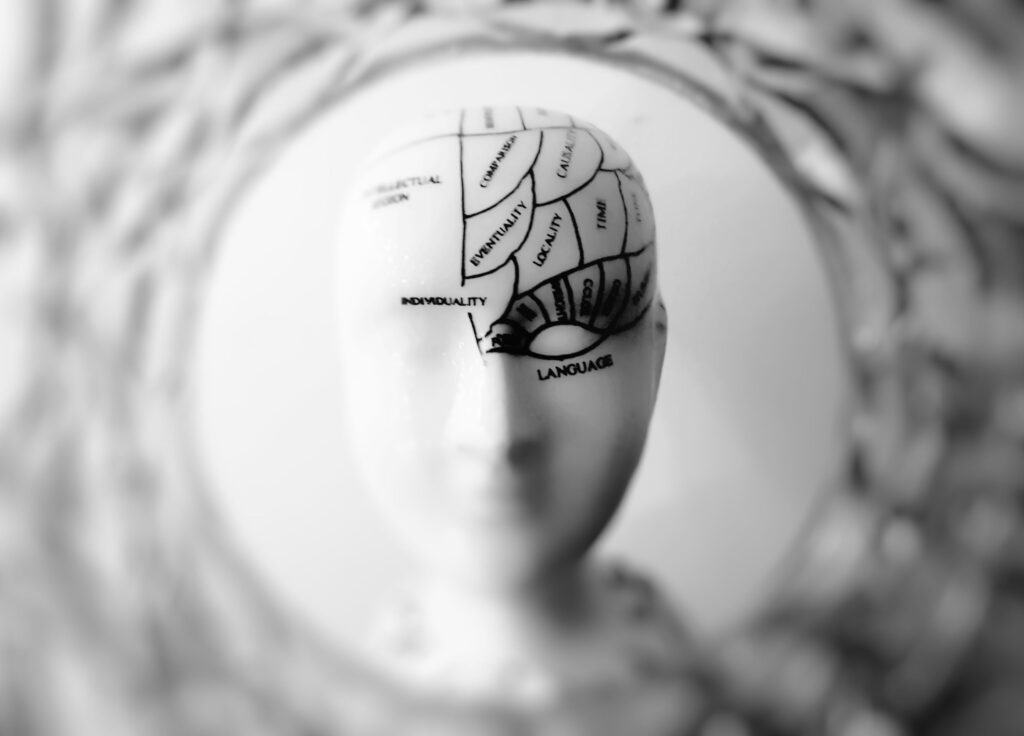

You probably like to think of your mind as something sealed safely inside your head, a private theater of thoughts running behind your eyes. But when you reach for your phone to remember a birthday, follow directions, or jot a quick idea, you are already treating the outside world like part of your memory and attention. The extended mind hypothesis simply takes that intuition seriously and asks: what if that is not just a metaphor, but literally how your thinking works? Once you look at your everyday life through this lens, it is surprisingly hard to unsee. Your to‑do apps, your kitchen layout, your sticky notes, even the friend you always ask for advice start to look less like “external aids” and more like parts of one big cognitive system that includes you and your environment. Instead of a brain in a box, you begin to see a brain woven into tools, spaces, and relationships – and that shift can change how you design your life, how you work, and even how you care for your own mental health.
You Already Treat the World Like External Brain Hardware

Think about the last time you had to remember a phone number or an address. Odds are, you did not rehearse it in your head the way you might have a generation ago; you offloaded it to your smartphone in a second or two and trusted you could pull it back later. In that moment, your phone functioned like an extra memory module you plug into your natural storage, and you behaved as if forgetting is harmless because retrieval is only a tap away. You do the same thing with grocery lists on the fridge, calendar reminders, browser bookmarks, or even a neatly arranged desk where everything “reminds” you what to do next. Instead of carrying all that information in your head, you spread it across objects and spaces and then move through that landscape to think. Once you notice this, it becomes obvious that you are not just using tools; you are constantly reorganizing the world so that it can help carry the weight of your thoughts.
What the Extended Mind Hypothesis Actually Claims
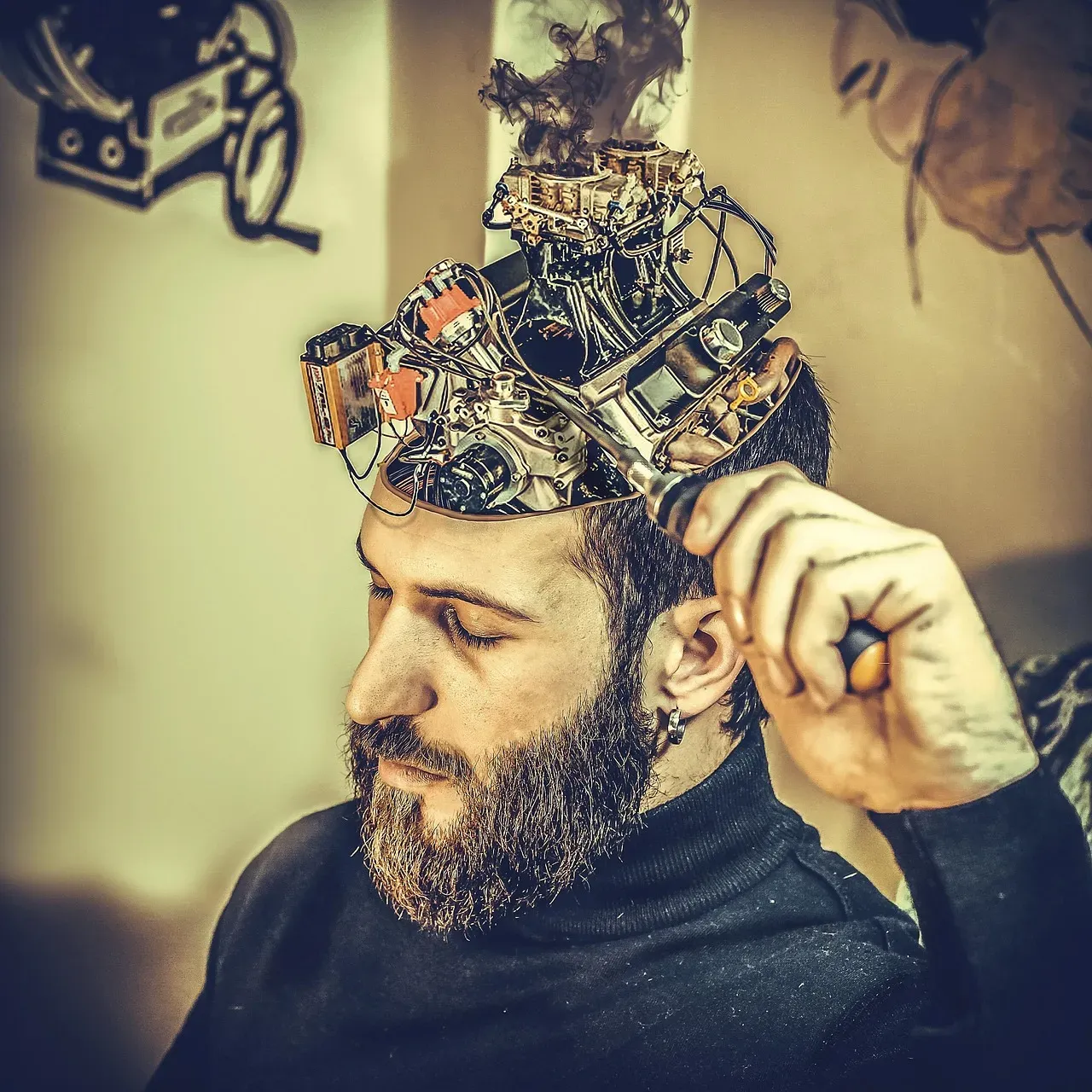
According to the extended mind hypothesis, your mind is not confined to the wet tissue inside your skull; it is an ongoing process that flows into any reliable tool, symbol, or environment you routinely use as part of thinking. In other words, when a notebook or app is integrated into your habits in a stable, dependable way, it effectively becomes part of your cognitive system rather than a separate accessory. Instead of drawing a hard line at the skin, this view draws the boundary of mind around the whole network of brain, body, and world acting together. For you, that means a paper planner you reach for automatically, a whiteboard you use to untangle complex ideas, or a navigation app you trust like a sense of direction can all count as literal components of your thinking. The key is not just possession but actual integration: the object has to be so embedded in your routines that it functions almost like an internal process. When that happens, your intelligence is not just in your brain; it is distributed across a system you build and maintain in everyday life.
Your Phone as a Cognitive Prosthetic (Not Just a Gadget)

If you are honest, your phone probably knows more facts about your life than you could recite if someone shook you awake at three in the morning. It remembers your contacts, your past locations, your favorite places to eat, countless passwords, and the specific date of that dentist appointment you would absolutely forget on your own. In practice, you rely on it the way you would rely on an extra memory center: always accessible, always there to fill in details your biological memory has quietly let go of. You also lean on it for attention and decision‑making. Map apps tell you where to turn, recommendation systems whisper which song or video to pick next, and calendar notifications tell you when to switch tasks. Over time, your brain stops building certain internal skills because it has learned that the external system will handle them for you. When that happens, your phone is not just a tool in your pocket; it has become a cognitive prosthetic you have wired into your everyday way of being.
How Notes, Lists, and Diagrams Become Extensions of Your Memory
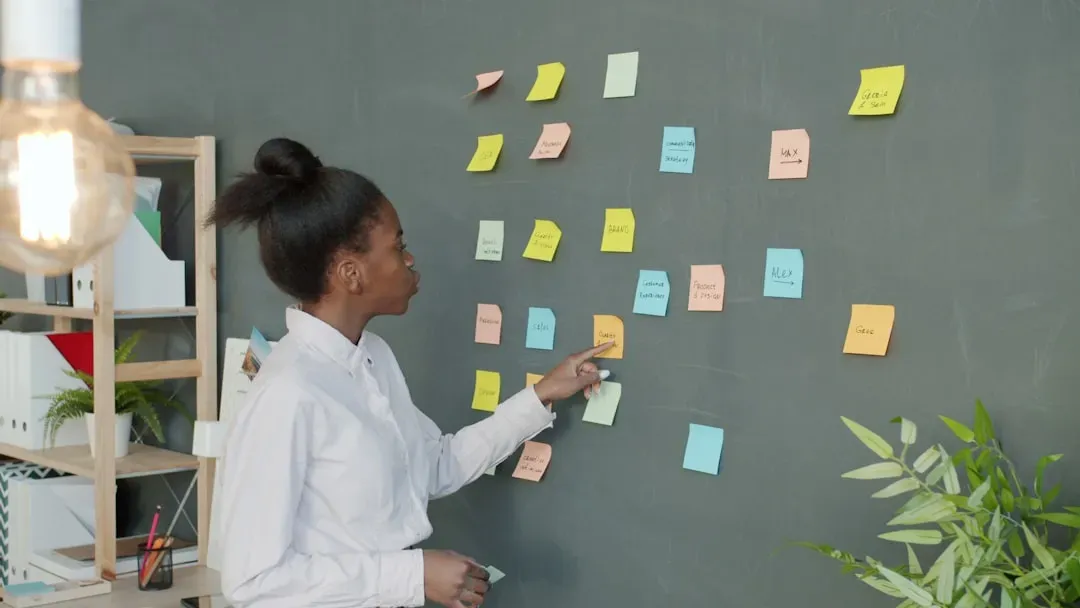
When you scribble ideas in a notebook, sketch a mind map, or type bullet points into a notes app, you are not just recording thoughts for later; you are reshaping the very process of thinking. A complex idea that feels foggy in your head can suddenly snap into focus when you see it laid out in front of you, because externalizing it lets you inspect, rearrange, and connect pieces your working memory would struggle to hold all at once. You use the page as a visual workspace that carries the load your short‑term memory cannot. Over time, certain note systems can become so ingrained that they function like an extra lobe of your brain. If you always write tasks in the same notebook, in the same format, and you know exactly where to look when you feel lost, the notebook stops being just storage and becomes an active part of your planning and prioritizing. You think by moving your pen or fingers across those pages, and your sense of clarity depends as much on the external structure as on what happens in silence inside your head.
Why Your Physical Environment Quietly Shapes Your Thoughts

Walk into a cluttered room where everything screams for your attention, and you will probably feel scattered before you even sit down. Now compare that to a workspace with clear surfaces, items grouped by purpose, and a few intentional cues for what matters next; suddenly, it is easier to focus, start, and keep going. In both cases, the environment is not just a backdrop; it is actively nudging your attention, your emotions, and even your choices about what to think about first. You also use spatial arrangements as a kind of physical code for priorities and plans. Maybe you place an object in the doorway so you literally cannot leave without dealing with it, or you keep unread documents in one specific pile and “done” items in another. Your brain uses those spatial patterns as extended memory and guidance: you do not have to rehearse the task internally because the environment holds the reminder for you. In that sense, your room or office quietly operates as a thinking partner you train over time.
Social Extension: Other People as Parts of Your Thinking System

There are probably people in your life you go to for specific kinds of thinking: one friend for emotional perspective, another for practical problem‑solving, a colleague for technical questions. You do not just ask them for ready‑made answers; you actively think with them, bouncing ideas back and forth until a new insight appears that neither of you had alone. In those moments, your cognitive system includes their memories, skills, and perspectives as real working parts. You also outsource certain judgments and knowledge to trusted others almost without noticing. You may not know the details of a subject because you know exactly who to call or text when it matters. Couples, teams, and close friends often develop shared routines where each person tracks different pieces of information and everyone relies on that distribution. When that pattern is stable, your “extended mind” includes not just tools and spaces, but the living network of people whose minds you regularly plug into.
Benefits: How Extending Your Mind Makes You Smarter and Less Stressed

When you deliberately design your external supports, you can become noticeably more capable without changing your raw brainpower at all. Offloading routine reminders to calendars and checklists frees up precious mental energy for creative, strategic, or deeply human thinking. Using diagrams, models, or physical prototypes lets you see patterns and problems that are almost impossible to juggle mentally, so your decisions become more grounded and less impulsive. There is also a powerful emotional benefit. When you trust your systems – your lists, your apps, your shared calendars, your physical cues – you do not have to carry as much anxious “what if I forget?” chatter in your head. Your nervous system can relax because the responsibility is distributed, not perched solely on fragile memory and willpower. In a world overloaded with information, treating your environment as part of your mind is less a philosophical curiosity and more a practical survival strategy.
Risks: When Offloading Thought Makes You Dependent and Distracted

Of course, extending your mind into phones and apps comes with a cost, and you probably feel some of it already. When navigation apps do all the route‑finding for you, your sense of direction can weaken; when your phone stores every number, you stop remembering even the most important ones. Over time, heavy offloading can erode internal skills you once took for granted, leaving you strangely helpless when the tool fails or is out of reach. There is also the issue of constant distraction and manipulation. Many digital “extensions” are not neutral; they are designed to capture your attention, steer your preferences, and keep you engaged for reasons that do not always match your goals. If you let those systems become part of your thinking without reflection, you effectively invite outside incentives into the core of your decision‑making. Extending your mind can empower you, but only if you stay conscious of who and what is shaping the external parts you plug yourself into.
How to Intentionally Design Your Extended Mind
Once you accept that your mind already extends into tools, spaces, and relationships, you can start treating that extended system as something you design on purpose instead of something that happens by accident. You might begin by choosing one or two trusted capture tools for tasks and ideas, and then committing to use them consistently so they become reliable mental extensions rather than scattered, half‑used apps. The goal is not to have more tools, but to have a small number that are so integrated into your habits that your brain can safely relax. You can also shape your physical and social environments like you would shape your own thoughts. Rearrange your workspace to make the next right action the easiest one to see, move distracting objects out of your direct line of sight, and place meaningful cues where your future self will encounter them. Surround yourself with people who elevate your thinking and emotions instead of constantly pulling you into noise. Little by little, you are not just improving your surroundings; you are upgrading the larger thinking system that you live inside every day.
Conclusion: You Are Not Just a Brain in a Box
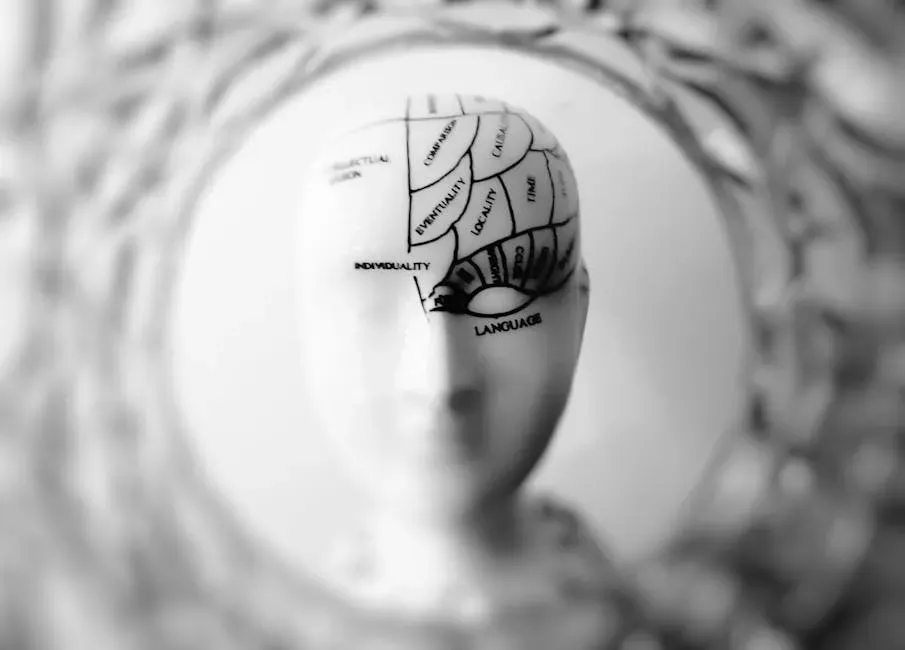
When you look at your life through the lens of the extended mind hypothesis, your sense of self subtly shifts. You stop seeing your mind as a lonely brain rattling around in a skull and start seeing it as a living network spread across notebooks, phones, rooms, and relationships. That can feel unsettling at first, but it is also liberating, because it means you can grow your effective intelligence and resilience by reshaping the world you move through, not just by trying to squeeze more effort out of your neurons. Every time you clear a surface, choose a better tool, build a supportive routine with someone, or place a small reminder where your eyes will land tomorrow, you are literally re‑architecting your thinking system. Your mind is already bigger than your brain whether you acknowledge it or not; the real choice is whether you let that extended system form haphazardly or craft it deliberately. If your consciousness does not stop at your skull, what kind of external mind do you want to build around you?