

If you think about it, your entire day is one long story you tell yourself and others. You explain why you were late, what your boss said, how the barista looked at you, and what you hope tonight will feel like. You are not just reporting events; you are weaving a narrative that makes sense of your world.
Psychology and neuroscience suggest this is not an accident or a quirk. You are built to tell stories. Your brain is wired to shape chaos into plots, characters, and causes. Long before humans had writing, you would have relied on stories to remember dangers, pass on wisdom, and keep your place in a group. In a very real way, storytelling did not just entertain your ancestors – it helped them stay alive.
You Are Wired to See Life as a Story
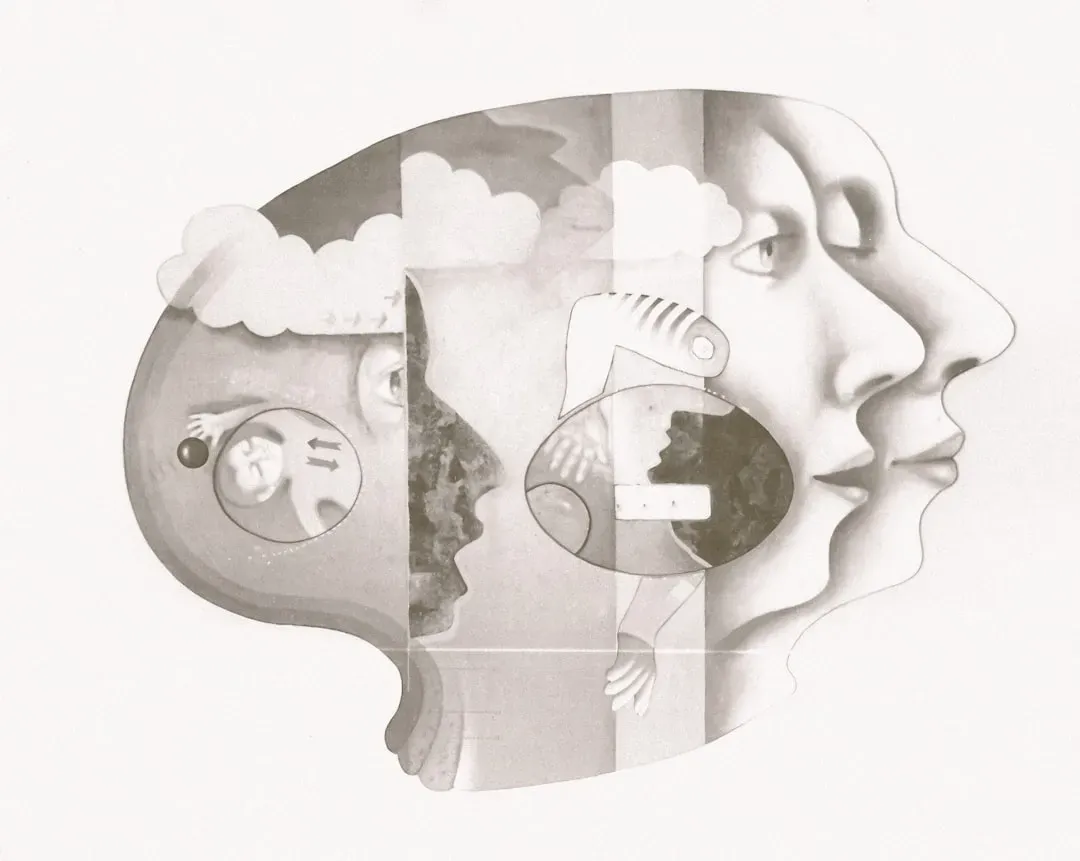
Have you noticed how uncomfortable you feel when something does not make sense? Your brain hates loose ends. The moment something confusing happens – a text left on read, a noise in the night, a sudden change in someone’s tone – you start building a story around it. You fill in motives, imagine what happened before, and predict what comes next, often without realizing you are doing it.
Psychologists call this tendency narrative thinking, and it is deeply built into how you process reality. Instead of storing life as a list of facts, you naturally stitch experiences into timelines with beginnings, middles, and endings. It is like your mind is constantly editing a movie where you are the main character, and everything around you must fit into a meaningful plot, even when the script is messy.
Storytelling Once Helped You Avoid Predators and Danger
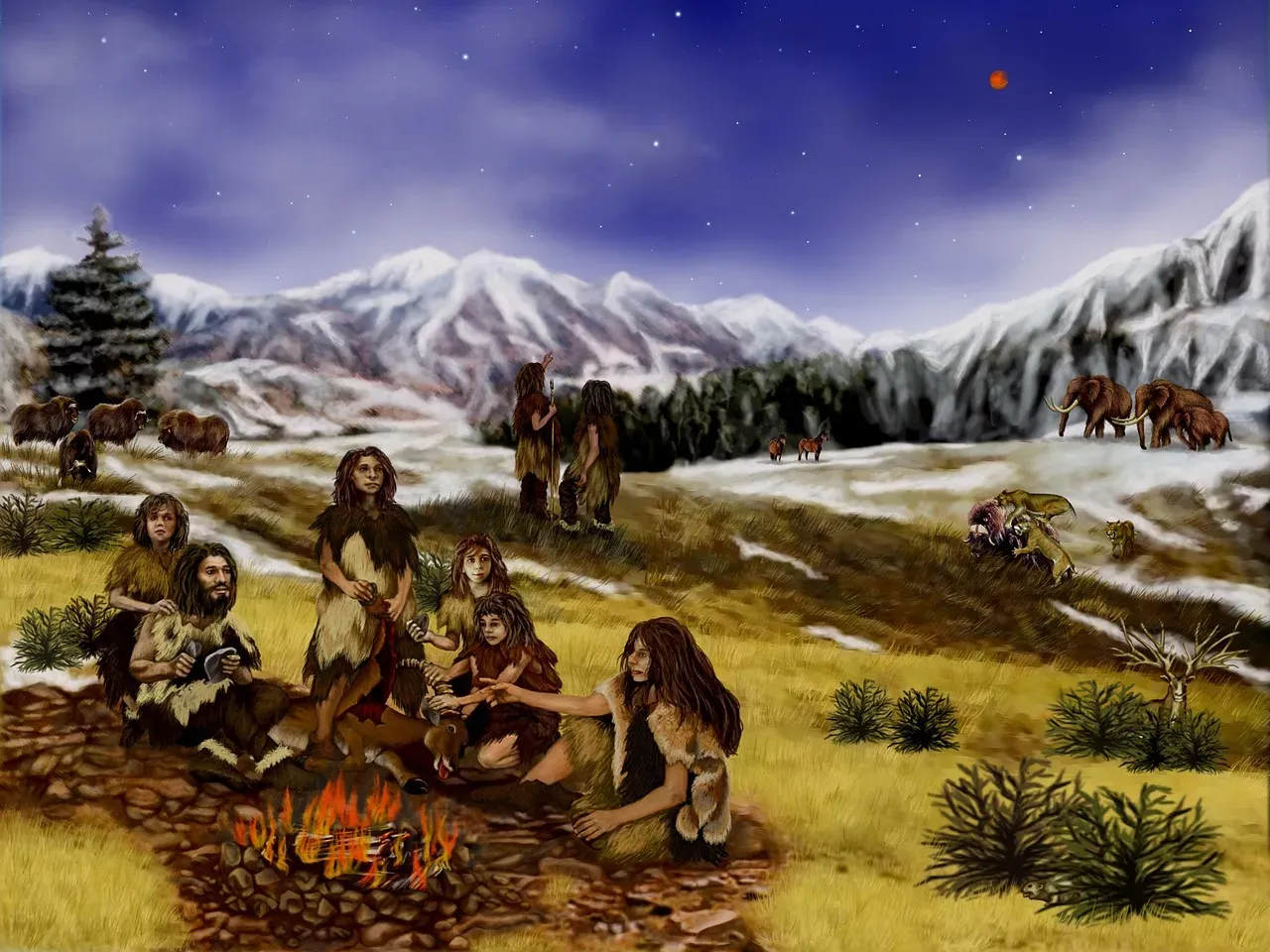
Imagine sitting by a fire thousands of years ago, listening as an elder describes the time someone walked near a certain river at dusk and never returned. That is not just a spooky tale; it is an early-warning system. Through that story, you learn: that place is risky, that time of day is dangerous, and that you should not go there alone. No lecture or abstract rule would stick in your mind as strongly as that vivid narrative.
As a result, storytelling helped your ancestors remember what to watch out for. A story could encode where the predators lurked, which plants made people sick, or how quickly a storm could turn deadly. You did not need to personally survive every mistake. By absorbing other people’s stories, you gained secondhand experience – and that gave you a survival advantage you still benefit from today whenever you learn from someone else’s close call.
Stories Help You Predict Other People’s Behavior

To survive in a group, your ancestors had to be good at guessing what others might do next: who might share food, who might turn on them, and who might become an ally. You still use stories for this. When you see someone slam a door or go quiet in a meeting, your brain instantly builds a narrative about their feelings, history, and intentions. You do not consciously crunch numbers; you imagine a story that makes them make sense.
This habit taps into what psychologists sometimes call your mentalizing or mind-reading abilities – the skill of imagining what is going on in someone else’s head. Storytelling lets you rehearse scenarios, like picturing how a friend might react if you cancel plans or how a boss might feel if you push back. The better you are at building these small internal stories, the better you can navigate group dynamics, avoid conflict, and spot hidden threats.
Shared Stories Strengthen Your Social Bonds

Think about the people you feel closest to. You probably share more than just space or tasks with them; you share stories. Inside jokes, dramatic road-trip memories, family legends, childhood mishaps – these are the threads that tie you together. When you retell them, you are not just reminiscing; you are reinforcing the message: we belong to the same story.
For your ancestors, belonging to a group was not just emotionally comforting, it was often the difference between life and death. A strong shared narrative – about who “we” are, what “we” have survived, and what “we” stand for – helped hold groups together under stress. Today, you see echoes of this in everything from family stories at holiday dinners to the way sports fans talk about “their” team’s history as if they personally lived every victory and defeat.
Your Brain Reacts to Stories Like They Are Real
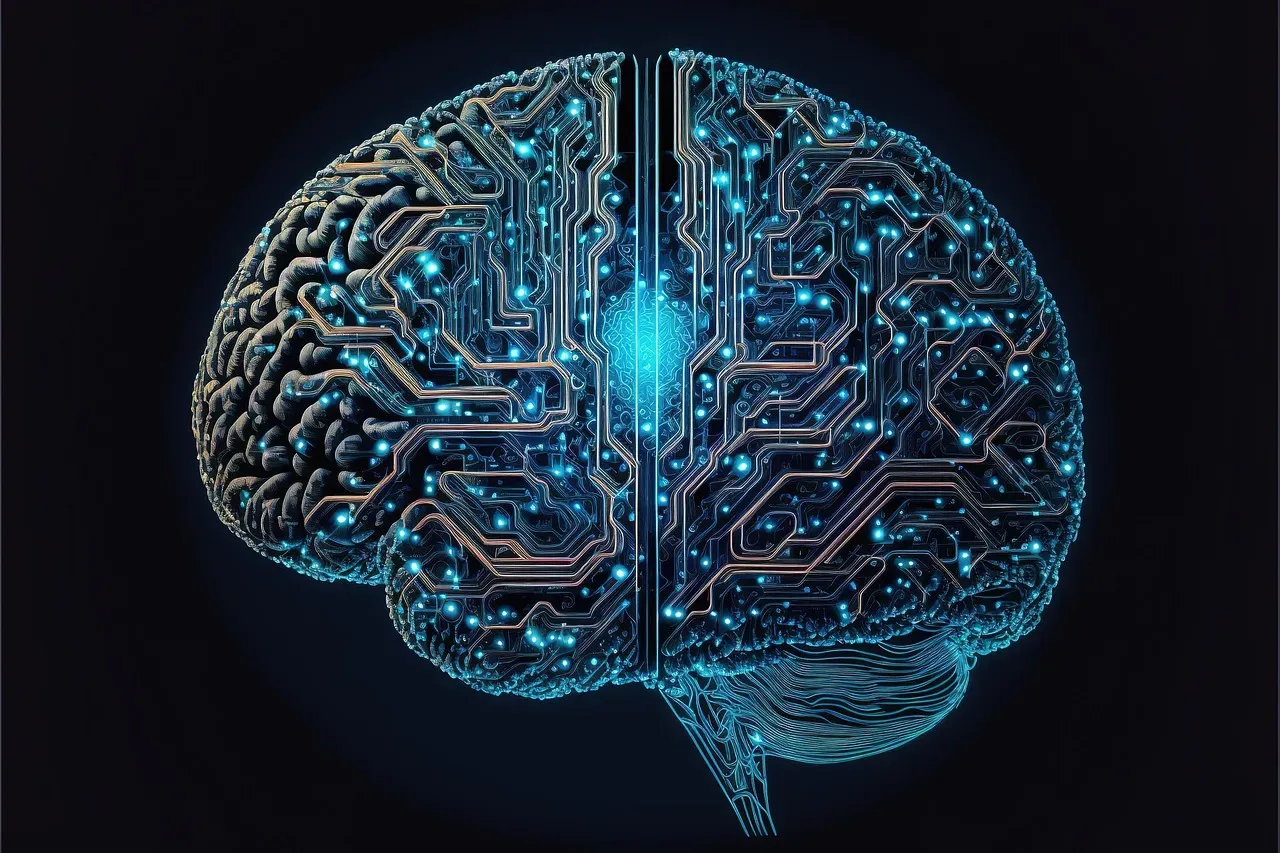
When you hear a compelling story, your brain does something remarkable: it simulates the experience. If you listen to someone describe running through a forest with their heart pounding, regions in your brain linked to movement and emotion may light up as if you were moving and afraid. You are not just understanding the story; you are practicing living it.
This simulation has clear survival value. By mentally walking through dangers, risks, and tough choices in the safety of a story, you prepare yourself without paying the full cost of real-world mistakes. It is like training on a flight simulator instead of in a crashing plane. Even now, when you binge a gripping show or get lost in a novel, part of what you are doing is trying on lives you do not have to literally risk.
Stories Help You Remember What Actually Matters
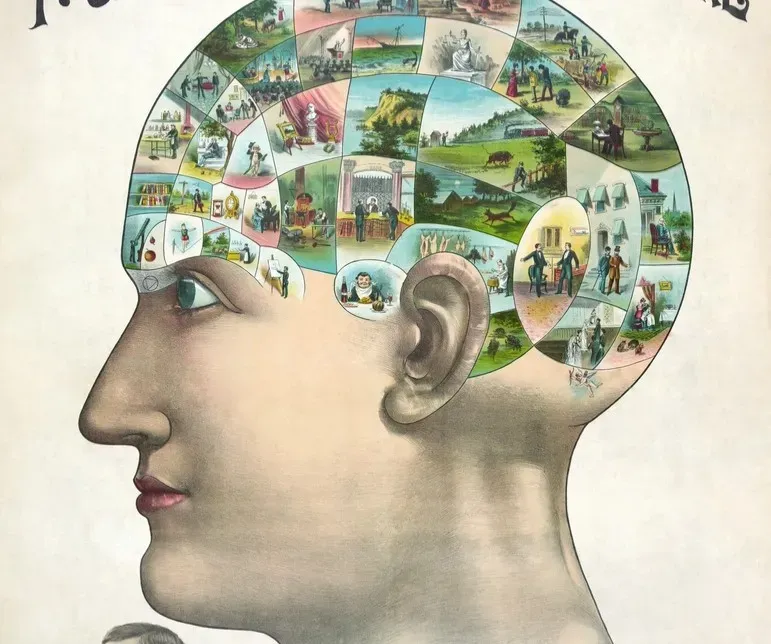
Your memory is not a perfect recording device; it is selective, emotional, and biased toward meaning. Dry facts slip away quickly, but attach those facts to a story and they suddenly stick. If you think back to what you remember from school, chances are you recall the historical anecdotes, personal examples from teachers, and dramatic case studies more easily than isolated dates or formulas.
For your ancestors, remembering the right details – which path led to water, which social misstep led to exile, which animal behavior signaled danger – was critical. Stories turned random information into structured, emotionally loaded episodes, making them easier to recall later under stress. You still use this trick instinctively when you turn a mistake into a story you tell friends; in doing so, you are also helping yourself not to repeat it.
Storytelling Helps You Cope With Fear and Uncertainty

Life has always been uncertain, but for early humans, that uncertainty could be brutal: sudden illness, lost food sources, unknown enemies. In that kind of world, you needed more than raw facts; you needed a sense that events, even the painful ones, fit into some kind of understandable pattern. Storytelling gave you that. When you explain a hardship as a test, a turning point, or the beginning of a comeback, you give chaos a frame.
You still do this with your own life. When something goes wrong – a breakup, a job loss, a health scare – you rarely leave it as a random, meaningless blow. You search for a storyline: what this taught you, how it fits who you are, what it might lead to next. That narrative might not change the event itself, but it can change how you feel, how you heal, and how much strength you carry forward from it.
You Constantly Tell Stories About Who You Are
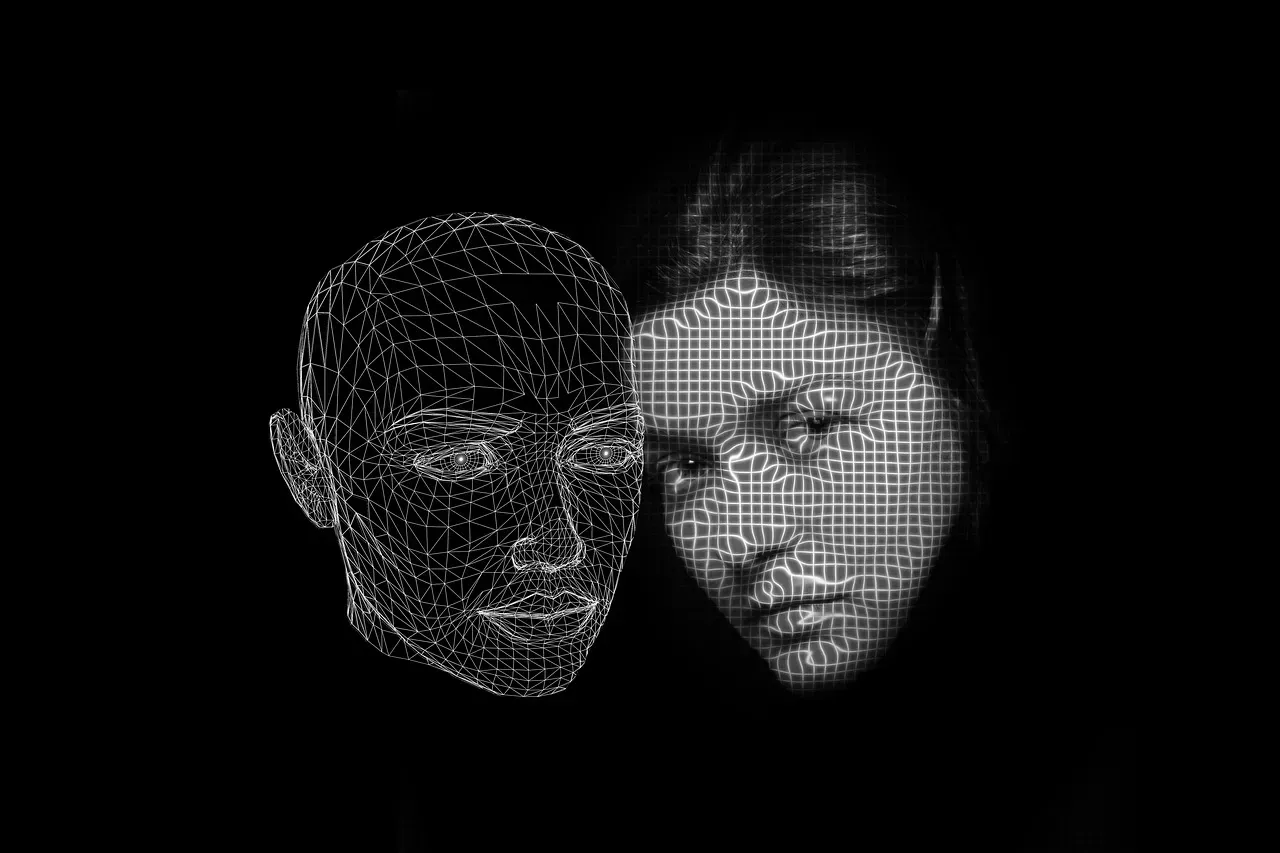
Beyond single events, you also carry a bigger story: your personal identity. You have a sense of who you are, what kind of person you have always been, and where you are going. That story might include chapters about being the reliable one, the black sheep, the late bloomer, or the one who always lands on their feet. It is not just a description; it guides what choices feel natural or impossible to you.
This inner biography is not fixed, though. You revise it over time, editing old scenes and reinterpreting past versions of yourself. When you say you are turning over a new leaf or stepping into a different chapter, you are openly using story language. Your ancestors did this too, though probably in more communal ways, with initiation rituals, coming-of-age tales, and shared myths that marked when someone’s social role changed.
Modern Media Hacks Your Ancient Story Circuits
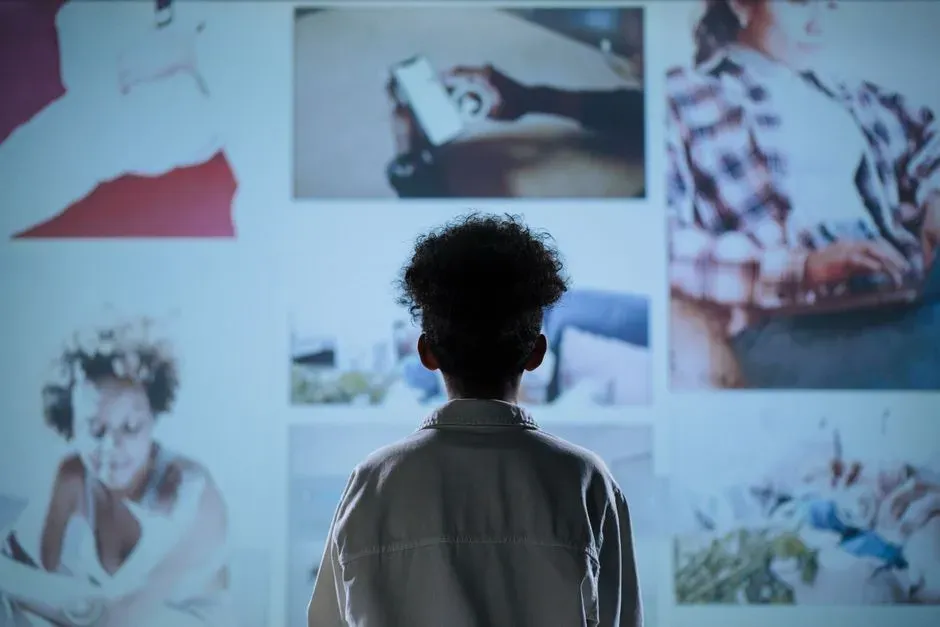
Today, you swim in stories all day long – social feeds, podcasts, streaming shows, games, news, ads. Modern technology did not create your love of stories; it discovered and amplified it. Every cliffhanger, every emotional twist, every “you will not believe what happens next” headline is tapping into the same ancient circuitry that once glued your ancestors to a firelit storyteller.
This can be a gift or a trap. On one hand, you can use stories to expand your empathy, learn new perspectives, and practice handling complex situations. On the other hand, sensational narratives can hijack your attention, fuel anxiety, or distort your sense of how the world actually works. Knowing that your brain is built to respond to stories lets you be a bit more deliberate about which ones you let in and which ones you quietly put down.
Conclusion: Honoring Your Inner Storyteller

When you zoom out, it becomes clear that storytelling is not just something you occasionally do; it is one of the main ways you think, connect, and survive. Your ancestors used stories to dodge predators, remember crucial lessons, maintain fragile alliances, and soothe their fears. You use them to do many of the same things, just in a different landscape, with different tools and pressures.
If you treat your storytelling habit as a serious power instead of a harmless pastime, you can shape it more wisely. You can ask what kind of story you are telling about yourself, your relationships, and your future – and whether those stories are helping you or holding you back. You may not be sitting around a fire under the stars every night, but you are still, in a very old and very human way, telling the stories that will shape how you live. What story are you choosing to tell next?