
Imagine walking through a forest where every tree, every bird, every insect suddenly vanished forever. That’s exactly what happened 252 million years ago during the Permian-Triassic extinction event. Scientists call it “The Great Dying” for good reason – it wiped out 96% of marine species and 70% of land animals in what many consider Earth’s closest brush with complete biological annihilation. The fossils tell a story more dramatic than any disaster movie, revealing how our planet’s life hung by the thinnest thread.
When 96% of Life Simply Disappeared
The numbers are staggering when you really think about them. Picture every creature you’ve ever seen in a nature documentary – now imagine almost all of them gone forever. The Permian-Triassic boundary marks the most severe biodiversity crisis in Earth’s history, making the asteroid that killed the dinosaurs look like a minor hiccup.
Marine ecosystems were hit hardest, with entire groups of animals vanishing completely. Trilobites, those iconic armored sea creatures that had survived for 270 million years, finally met their end. Brachiopods, which had dominated seafloors for eons, were nearly eliminated. Even the mighty rugose and tabulate corals that built massive reef systems simply ceased to exist.
On land, the devastation was equally brutal. Synapsids, the ancestors of mammals, were decimated. Entire forests of seed ferns withered and died. The fossil record shows layers where abundant life suddenly gives way to barren rock – a stark reminder of how quickly everything can change.
The Siberian Traps: When Earth Became a Volcano
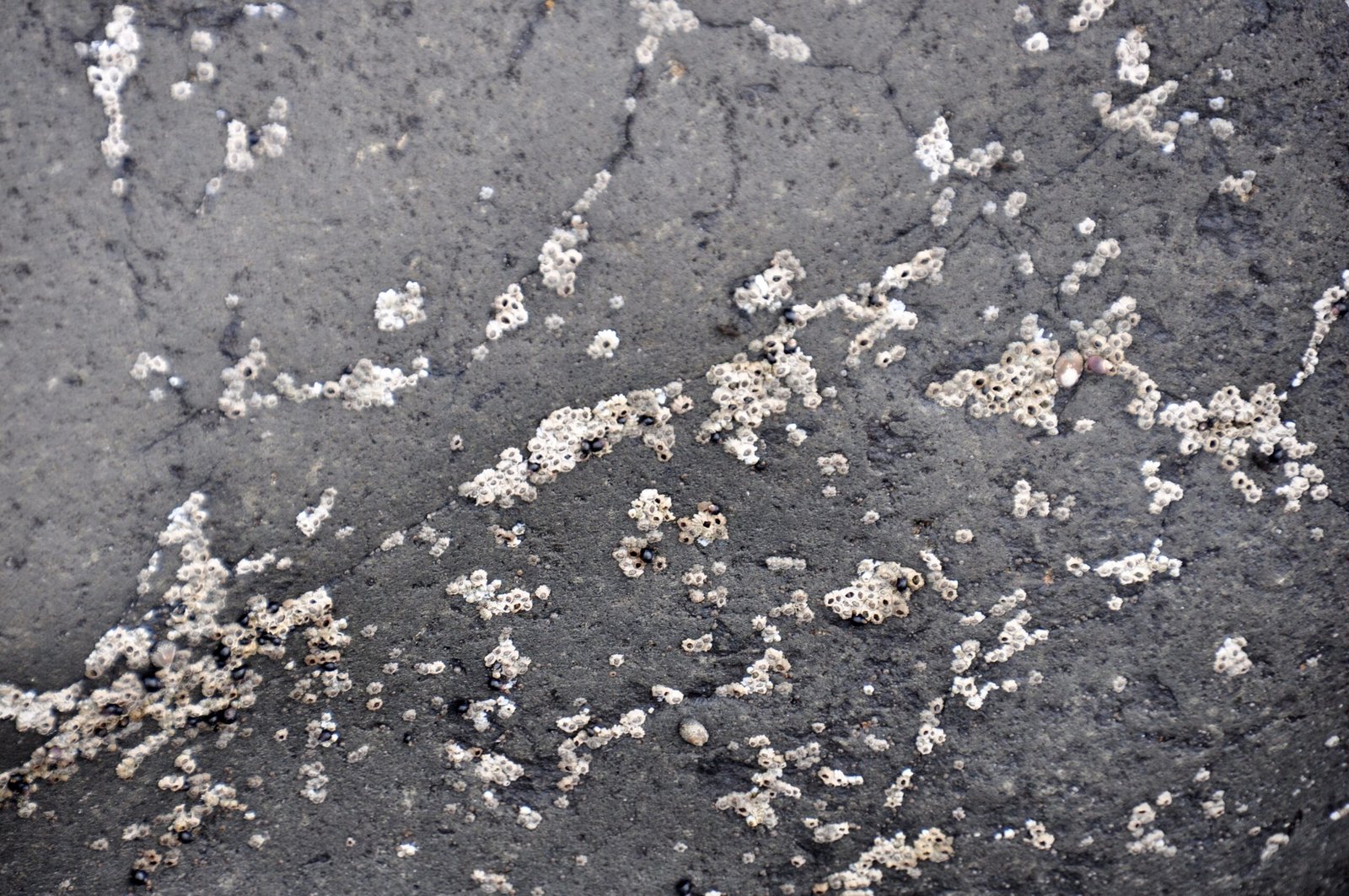
The smoking gun behind this catastrophe lies in what geologists call the Siberian Traps. Imagine an area the size of the continental United States erupting simultaneously – that’s the scale we’re talking about. These weren’t your typical volcanic eruptions; they were flood basalts that poured molten rock across vast landscapes for potentially millions of years.
The timing couldn’t be more perfect from a detective’s perspective. The volcanic activity began right around the time species started disappearing. Core samples from the Siberian Traps show layer upon layer of basaltic rock, each one representing another massive eruption that pumped greenhouse gases into the atmosphere.
What makes this volcanic event particularly deadly was its persistence. Unlike the quick impact of an asteroid, these eruptions continued relentlessly, giving life no time to recover between catastrophic episodes.
Acid Rain That Melted Shells

The volcanic eruptions didn’t just spew lava – they unleashed a chemical warfare campaign against Earth’s atmosphere. Sulfur dioxide gas mixed with water vapor to create sulfuric acid, which then fell as acid rain across the planet. For marine creatures with calcium carbonate shells, this was a death sentence written in chemistry.
Fossil evidence shows dramatic changes in shell thickness and composition during this period. Brachiopods and other shelled organisms developed thinner, more fragile shells as the ocean chemistry shifted. Some species tried to adapt by changing their shell composition, but the acidification was too rapid and severe.
The ocean itself became a hostile environment. pH levels dropped significantly, creating conditions similar to dissolving chalk in vinegar. Marine organisms that had thrived for millions of years suddenly found their basic biology incompatible with their environment.
The Greenhouse Effect Gone Wild

Carbon dioxide levels skyrocketed during the Great Dying, creating a greenhouse effect that would make today’s climate change look modest. Temperatures rose by an estimated 10 to 15 degrees Celsius globally – enough to fundamentally alter weather patterns and ocean circulation.
This wasn’t just about getting warmer; it was about the complete breakdown of Earth’s climate system. The poles, which had been cold enough to support ice, became tropical. Ocean currents that had circulated for millions of years shut down entirely. Weather patterns shifted so dramatically that previously fertile regions became uninhabitable deserts.
Plant fossils from this period tell the story of forests dying en masse. Pollen records show dramatic shifts in vegetation, with heat-loving plants suddenly appearing in previously temperate regions. The speed of these changes left most species unable to adapt or migrate to more suitable habitats.
Ocean Anoxia: When Seas Turned Purple
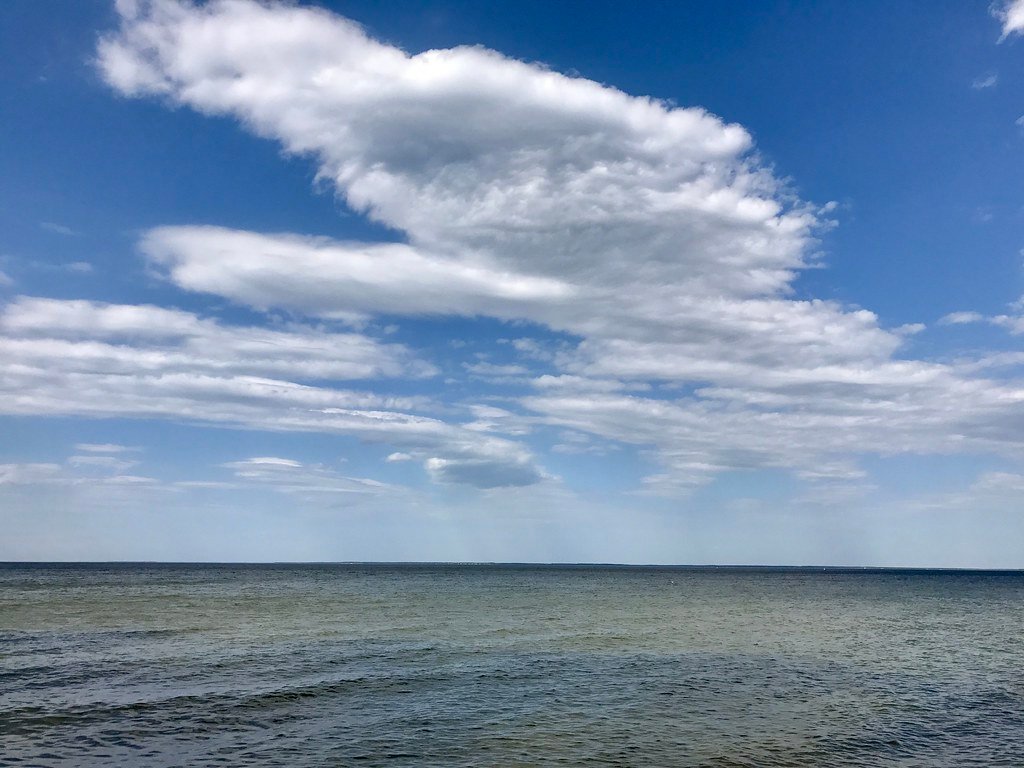
Perhaps the most haunting aspect of the Great Dying was what happened to the oceans themselves. As temperatures rose and circulation patterns collapsed, vast areas of the ocean became anoxic – completely devoid of oxygen. These dead zones expanded until they covered enormous portions of the seafloor.
The lack of oxygen created perfect conditions for hydrogen sulfide-producing bacteria. These microorganisms thrived in the toxic environment, potentially turning parts of the ocean purple and releasing poisonous gases into the atmosphere. Imagine beaches where the very air would kill you – that’s the world many organisms faced.
Fossil evidence shows mass mortality events in marine sediments from this period. Entire communities of seafloor dwellers were preserved in their death positions, creating haunting snapshots of ecosystem collapse.
The Fungal Apocalypse

After the initial wave of extinctions, something even stranger happened – fungi took over the world. Fossil spores from this period show an explosion of fungal diversity and abundance, creating what scientists call the “fungal spike.” It’s as if the planet became one giant decomposition zone.
This fungal bloom makes perfect sense when you consider the massive amounts of dead organic matter suddenly available. Entire forests, marine ecosystems, and animal populations became food for decomposers. The fossil record shows fungal spores making up unprecedented percentages of the total organic matter in rock layers.
The dominance of fungi also indicates how disrupted normal ecosystem processes had become. In healthy environments, fungi play important but relatively minor roles. During the Great Dying, they became the dominant form of life – a clear sign that something had gone terribly wrong with Earth’s biosphere.
Survivors in the Shadows

Not everything died during the Great Dying, though the survivors were a select few. Small, generalist species had the best chance of making it through the crisis. Among vertebrates, small synapsids and early archosaurs (ancestors of dinosaurs and crocodiles) managed to survive in reduced numbers.
Marine survivors included some brachiopods, gastropods, and small bivalves. These creatures typically had broad diets, simple ecological requirements, and the ability to survive in harsh conditions. They’re the biological equivalent of cockroaches – tough, adaptable, and able to make do with very little.
Plant survivors were equally humble. Ferns, which could reproduce quickly and tolerate harsh conditions, expanded into vacant ecological niches. Some gymnosperms also persisted, though their diversity was severely reduced. The survivors weren’t necessarily the most advanced or specialized – they were simply the most resilient.
The Slow Recovery

Recovery from the Great Dying took an incredibly long time by geological standards. Unlike other mass extinctions where life bounced back within a few million years, this catastrophe required nearly 10 million years for ecosystems to regain their complexity and diversity.
Early Triassic fossils show a world dominated by disaster taxa – opportunistic species that could exploit the empty ecological niches left by the extinctions. These weren’t necessarily the most sophisticated organisms, but they were the first to successfully colonize the devastated landscapes.
The prolonged recovery period suggests that the environmental damage was so severe that it took millions of years for Earth’s climate and chemistry to stabilize. During this time, evolution had to essentially start over in many ecological niches, rebuilding the complex food webs that had been destroyed.
Lessons Written in Stone

The fossil record of the Great Dying offers sobering lessons about the fragility of life on Earth. It demonstrates how quickly complex ecosystems can collapse when environmental conditions change too rapidly. The extinction didn’t happen overnight, but in geological terms, it was virtually instantaneous.
Perhaps most importantly, the fossils show that even the most successful and long-lived species aren’t immune to environmental catastrophe. Trilobites had survived multiple previous extinction events, but they couldn’t adapt to the rapid changes of the Permian-Triassic crisis.
The recovery also teaches us about resilience and adaptation. The species that survived weren’t necessarily the most advanced or specialized – they were the most flexible and adaptable. This pattern repeats throughout Earth’s history whenever environments change rapidly.
Modern Parallels That Can’t Be Ignored

Scientists studying the Great Dying find uncomfortable parallels with current environmental changes. The rapid release of greenhouse gases, ocean acidification, and rising temperatures all echo what happened 252 million years ago. The main difference is the speed – human activities are changing the environment even faster than the Siberian Traps did.
Today’s extinction rates are approaching those seen during the Great Dying. Species are disappearing at rates hundreds of times faster than normal background extinction. While we’re not yet at Permian-Triassic levels, the trajectory is concerning for researchers who study these ancient catastrophes.
The fossil record suggests that once certain tipping points are reached, environmental changes can become self-reinforcing and unstoppable. Understanding these ancient lessons becomes crucial as we face our own environmental challenges.
Technology Reveals New Secrets
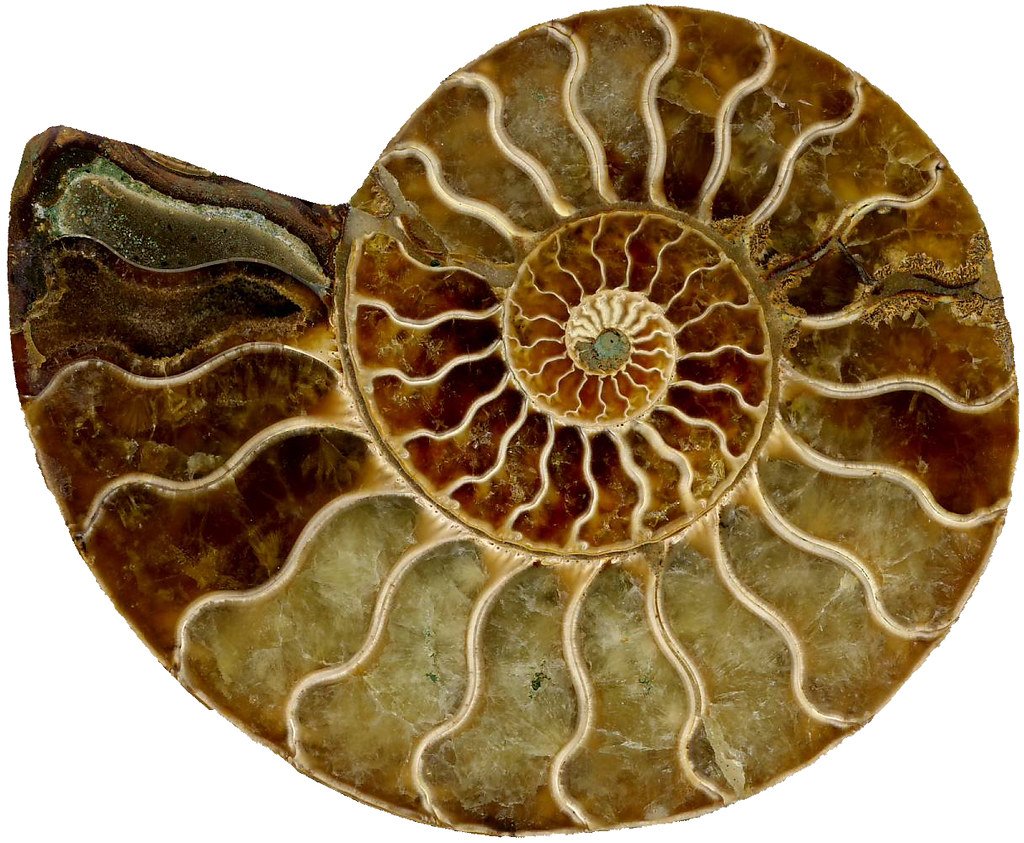
Modern analytical techniques are revealing details about the Great Dying that previous generations of paleontologists could never have imagined. Mass spectrometry can detect trace elements in fossils that indicate ocean chemistry during the extinction. Isotope analysis reveals temperature changes and atmospheric composition.
High-resolution CT scanning allows scientists to examine internal structures of fossils without damaging them. This technology has revealed new details about how organisms tried to adapt to changing conditions – thinner shells, altered bone density, and modified breathing structures.
Computer modeling now allows researchers to simulate the environmental changes that led to the extinction. These models help scientists understand how different factors – volcanism, climate change, ocean chemistry – interacted to create the perfect storm for mass extinction.
The Great Dying’s Evolutionary Legacy

The massive extinction event didn’t just remove species – it fundamentally reshaped the course of evolution. The vacant ecological niches left by the extinctions provided opportunities for entirely new groups of organisms to diversify and flourish. Without the Great Dying, dinosaurs might never have risen to dominance.
The extinction also changed the rules of evolutionary success. Pre-extinction ecosystems were dominated by highly specialized species that had evolved to exploit specific niches. Post-extinction recovery favored generalists and opportunists – organisms that could adapt quickly to changing conditions.
This evolutionary reset had profound implications for the development of life on Earth. The organisms that survived and thrived after the Great Dying became the ancestors of many modern groups, including eventually our own lineage.
Fossil Hotspots Around the World

Some locations around the globe preserve exceptional records of the Great Dying. The Karoo Basin in South Africa contains thousands of fossils showing the transition from thriving Permian ecosystems to the devastated early Triassic world. These deposits provide a detailed timeline of how the extinction unfolded.
China’s fossil beds have yielded remarkable specimens showing both the victims and survivors of the extinction. Marine sequences in southern China preserve the gradual disappearance of reef ecosystems and the temporary dominance of simple organisms in the aftermath.
In Russia, near the Siberian Traps themselves, fossils show the direct impact of volcanic activity on local ecosystems. These deposits provide crucial evidence linking the volcanism to the biological catastrophe.
The Role of Methane Hydrates
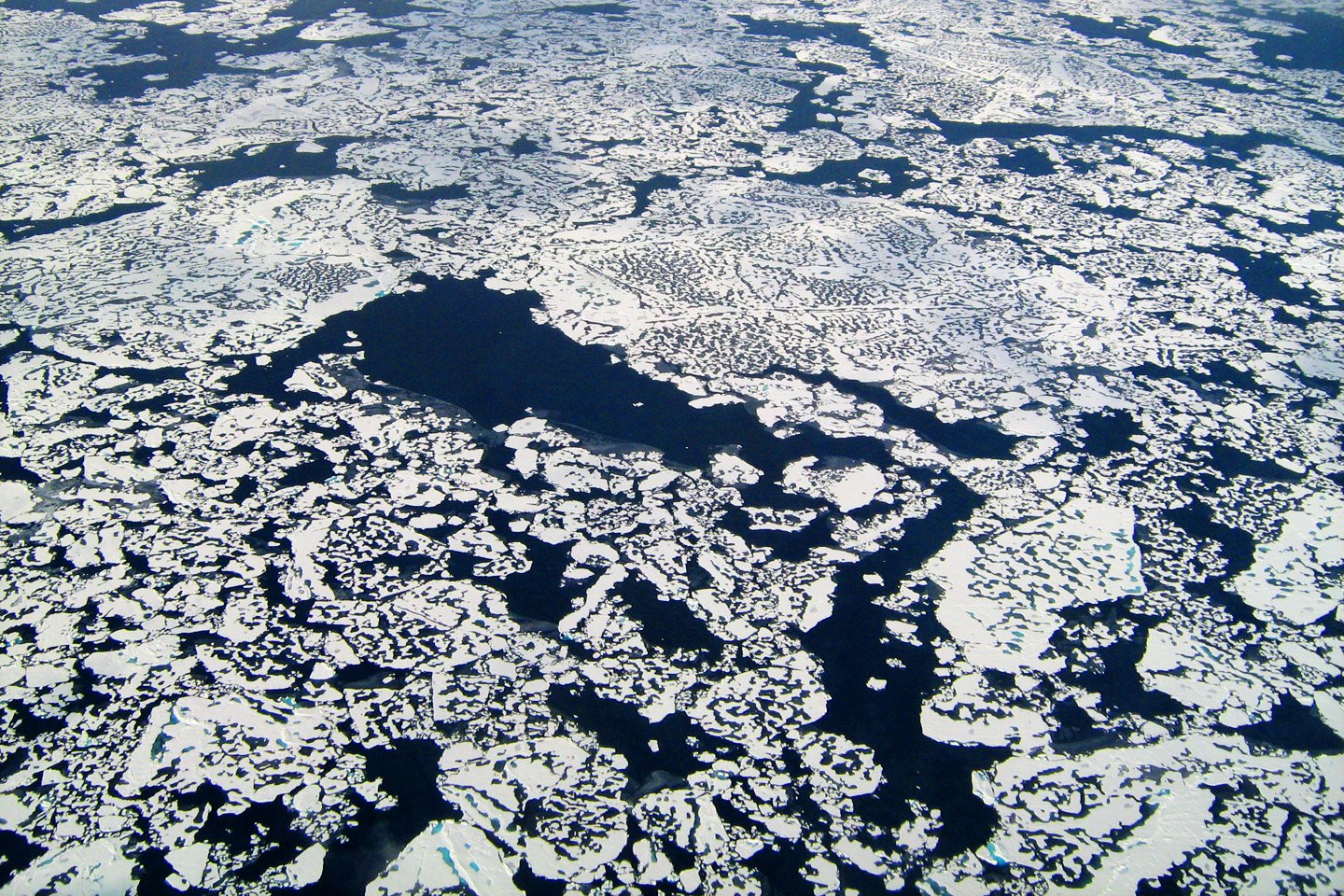
Recent research suggests that methane hydrates – frozen methane deposits on the ocean floor – may have played a crucial role in amplifying the Great Dying. As ocean temperatures rose due to volcanic greenhouse gases, these deposits became unstable and released massive amounts of methane into the atmosphere.
Methane is a much more potent greenhouse gas than carbon dioxide, so its release would have accelerated warming dramatically. This created a positive feedback loop where warming caused more methane release, which caused more warming, and so on.
Fossil evidence supports this theory through carbon isotope signatures that indicate massive methane release during the extinction period. This mechanism helps explain why the environmental changes were so severe and why recovery took so long.
Microscopic Witnesses
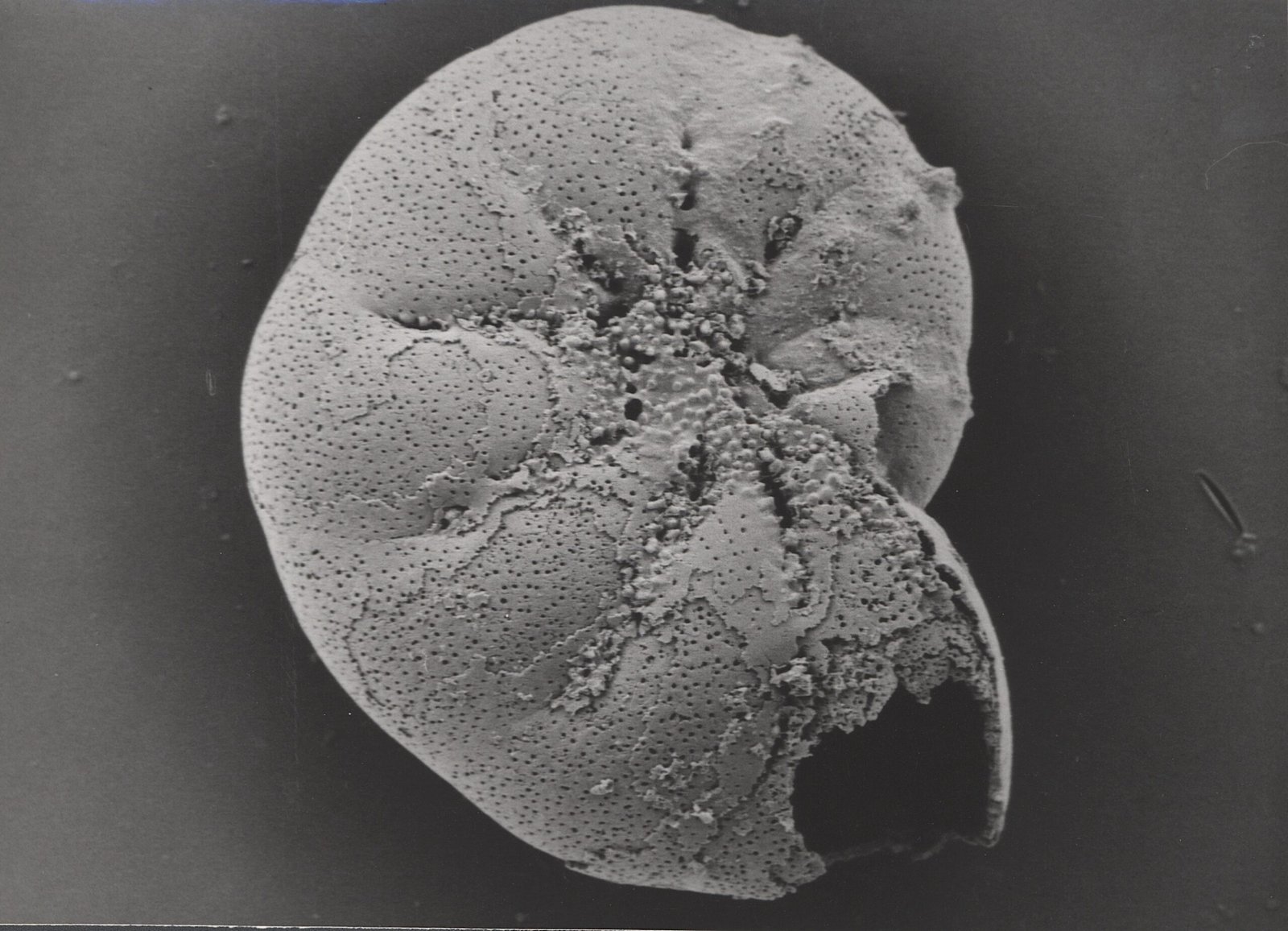
Some of the most important evidence for the Great Dying comes from microscopic fossils – tiny organisms that lived in ancient seas and soils. These microfossils provide detailed records of environmental changes because they’re preserved in huge numbers and respond quickly to changing conditions.
Foraminifera, microscopic marine organisms with shells, show dramatic changes in size and complexity during the extinction. Their fossil shells reveal information about ocean temperature, chemistry, and oxygen levels. The simplification of their forms during the crisis provides clear evidence of environmental stress.
Pollen and spore fossils tell the story of terrestrial ecosystem collapse. The diversity of plant species, recorded in their microscopic reproductive structures, plummeted during the extinction and remained low for millions of years afterward.
The Sound of Silence

Perhaps the most haunting aspect of studying Great Dying fossils is what’s missing. Rock layers that should contain abundant and diverse fossils instead show barren intervals where life simply wasn’t present. These gaps in the fossil record speak louder than any preserved specimen.
The absence of bioturbation – the churning of sediments by burrowing organisms – in post-extinction rocks indicates that seafloor communities were completely devastated. Sediments laid down in neat, undisturbed layers because there was nothing alive to mix them up.
Even trace fossils – the tracks, burrows, and other evidence of animal activity – become rare or disappear entirely. These traces are usually much more common than body fossils, so their absence indicates truly catastrophic ecosystem collapse.
Hope from the Ashes
Despite the devastation, the fossil record of the Great Dying also tells a story of remarkable resilience and recovery. Life didn’t just survive – it eventually flourished in entirely new ways. The diversity we see in modern ecosystems is partly a result of the evolutionary opportunities created by this ancient catastrophe.
The survivors developed new strategies for dealing with environmental stress. Many post-extinction species show greater physiological flexibility and broader ecological tolerances than their pre-extinction ancestors. These adaptations helped life become more resilient to future environmental changes.
The Great Dying also demonstrates that even the most severe environmental catastrophes are temporary on geological timescales. While the recovery took millions of years, it did happen. Life found a way to not just survive, but to create new forms of beauty and complexity.
What the Fossils Tell Us About Tomorrow

The fossils from Earth’s worst extinction event aren’t just windows into the past – they’re warnings about the future. They show us what happens when environmental changes occur faster than life can adapt. They reveal the interconnectedness of Earth’s systems and how the collapse of one component can trigger cascading failures throughout the biosphere.
Most importantly, they remind us that mass extinctions, while devastating, aren’t the end of the story. Life has an extraordinary capacity for recovery and innovation, even in the face of seemingly impossible odds. The question isn’t whether life will survive our current environmental challenges – it’s what form that survival will take.
The Great Dying teaches us that our planet has survived its worst catastrophe and emerged stronger, more diverse, and more beautiful than before. The fossils whisper across 252 million years, telling stories of loss and renewal, of endings that become beginnings. As we face our own environmental challenges, perhaps we should listen more carefully to what these ancient stones have to say. What will future paleontologists make of the fossils we’re creating today?