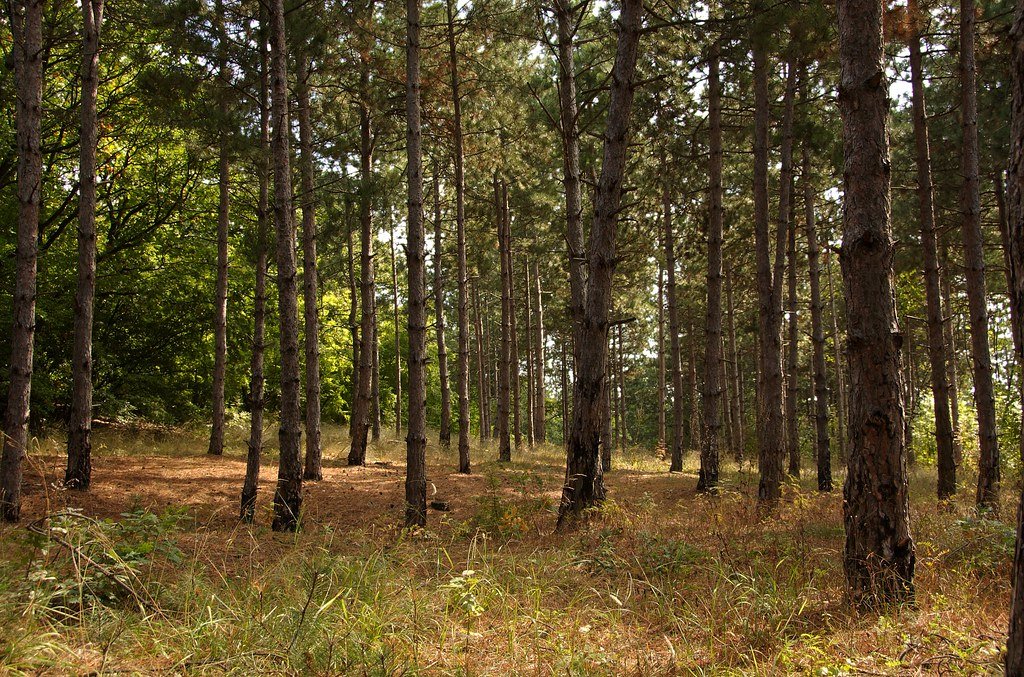
Detecting Light Across the Spectrum (Image Credits: Flickr)
Long regarded as passive elements of the ecosystem, plants actively monitor and interact with their environment through an array of sensory capabilities. Recent investigations have illuminated how these organisms detect specific light wavelengths, pick up on sound vibrations from pollinators and flowing water, register physical contact, interpret chemical messages from nearby plants, and store memories of environmental stresses via DNA modifications. These discoveries highlight a level of perceptual complexity that challenges traditional views of plant life and underscores their adaptive prowess in dynamic habitats.[1][2]
Detecting Light Across the Spectrum
Sunflowers twisting toward morning light offer a visible clue to plants’ light-sensing abilities, but the mechanisms run deeper. Specialized proteins known as photoreceptors enable precise detection of various wavelengths. Phytochromes respond to red and far-red light, while cryptochromes and phototropins handle blue and ultraviolet rays. These sensors trigger molecular signals that regulate daily rhythms and growth patterns.
Research on European beech trees revealed how such detection influences seasonal timing. A gene called Early-Flowering-3 appears to track the summer solstice – the longest day – prompting shifts in energy storage, hormone production, and winter preparations like bud setting and leaf aging. This capacity allows trees to anticipate environmental changes long in advance.[1]
Catching Sounds and Vibrations
Plants tune into acoustic cues that signal opportunity or danger, demonstrating an auditory dimension to their awareness. They register vibrations from buzzing bees or chewing insects, which prompt defensive adjustments. Roots even grow toward the sound of dripping water, optimizing hydration in dry conditions.
Stressed tobacco and tomato plants emit ultrasonic clicks detectable by recording devices, conveying their dehydration or injury status. Experiments playing these sounds back altered cell membranes and activated ion channels, mimicking neural signaling despite the absence of nerves. Leaf surface hairs may serve as vibration detectors, though further study continues.[2]
Sensing Touch and Mechanical Stimuli
The dramatic snap of a Venus flytrap or the folding leaves of Mimosa pudica showcase plants’ rapid touch responses. These movements rely on mechano-sensitive channels that convert physical pressure into biochemical signals, often involving calcium influx. Such sensitivity extends to subtler forces like raindrops or herbivore bites.
When damaged, plants bolster defenses by producing toxins or reinforcing tissues with lignin, making them less appealing to attackers. This mechanoperception parallels animal touch systems, enabling proactive adaptations to physical threats in real time.[1]
| Plant Sense | Key Mechanism | Response Example |
|---|---|---|
| Light | Photoreceptors (phytochromes, cryptochromes) | Seasonal bud setting |
| Sound | Vibration detection via hairs/channels | Root growth toward water |
| Touch | Mechano-sensitive channels | Toxin production |
Interpreting Chemical Signals from Neighbors
Plants exchange airborne chemical volatiles, allowing them to “overhear” distress calls from companions under attack. These signals trigger preemptive defenses in undamaged individuals, such as ramping up protective compounds. This form of communication fosters community resilience against pests.
Studies confirm that receiver plants distinguish self-emitted cues from those of others, fine-tuning their reactions accordingly. Such interactions reveal a social layer to plant existence, where chemical perception coordinates collective survival strategies.[1]
Forming Memories Through Epigenetic Changes
Plants do not forget harsh conditions; they encode experiences epigenetically – altering DNA packaging without changing the genetic sequence itself. Exposure to prolonged cold imprints a memory that ensures timely spring flowering, averting mismatches with weather patterns.
In New Zealand forests, trees synchronize massive seed production events known as masting, using temporary chemical tags to carry summer temperature data across years. These markers switch genes on or off as needed, balancing reproduction with pest risks. This memory system equips plants to predict and prepare for recurring challenges.[1]
Key Takeaways
- Photoreceptors allow plants to see colors and track seasonal light shifts for survival planning.
- Vibrations and touch activate defenses via ion channels, mimicking animal sensory pathways.
- Epigenetic memory helps plants recall past stresses, synchronizing life cycles with environmental cues.
These sensory and mnemonic faculties position plants as active participants in their ecosystems, not mere bystanders. As research deepens, it promises insights for agriculture, conservation, and our broader appreciation of life’s ingenuity. What aspects of plant perception intrigue you most? Share your thoughts in the comments.