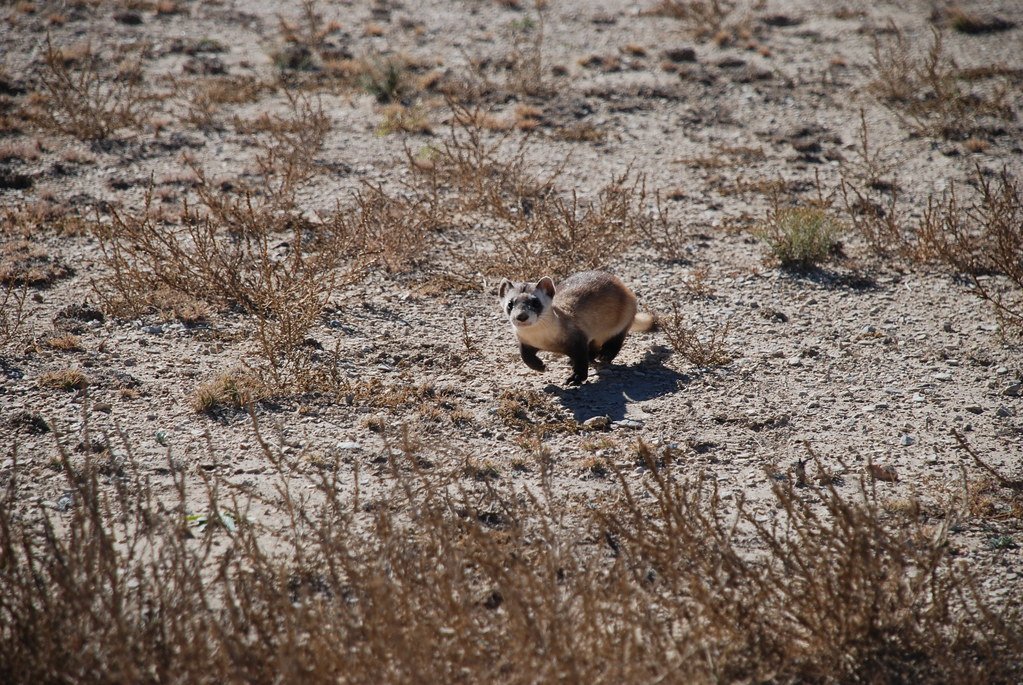

A century ago, the American prairies echoed with the silent footsteps of a small, elusive predator: the black-footed ferret. Once declared extinct, this masked mammal’s story is one of the most astonishing twists in wildlife conservation—a rollercoaster of heartbreak, hope, and hard-won triumph. Imagine a creature thought to be lost forever, reappearing against all odds, and then fighting its way back to life in the harsh landscapes of the Rocky Mountains. The black-footed ferret’s journey from extinction to reintroduction is a tale that stirs the spirit and reminds us of nature’s resilience—and the power of human determination to right the wrongs of the past.
Once Lost: The Mysterious Disappearance of the Black-Footed Ferret
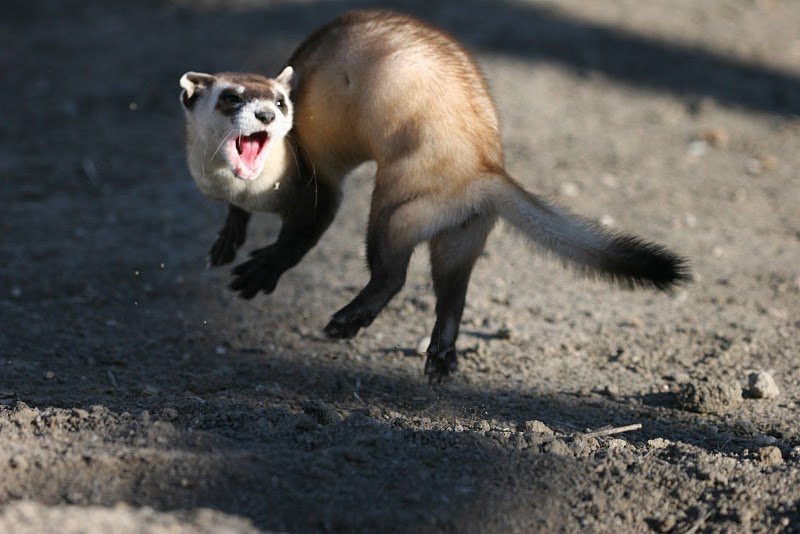
In the early 20th century, the black-footed ferret was a common but seldom-seen resident of the North American prairies. These slender, nocturnal mammals were perfectly adapted to a life underground, relying almost entirely on prairie dog colonies for food and shelter. However, as settlers expanded westward, the landscape changed drastically. Prairie dog populations were decimated by disease and eradication campaigns, leaving the ferrets with nowhere to hide and nothing to eat. By the late 1970s, biologists feared the worst—the black-footed ferret was declared extinct, vanishing as quietly as it had lived.
The Shocking Rediscovery in Wyoming
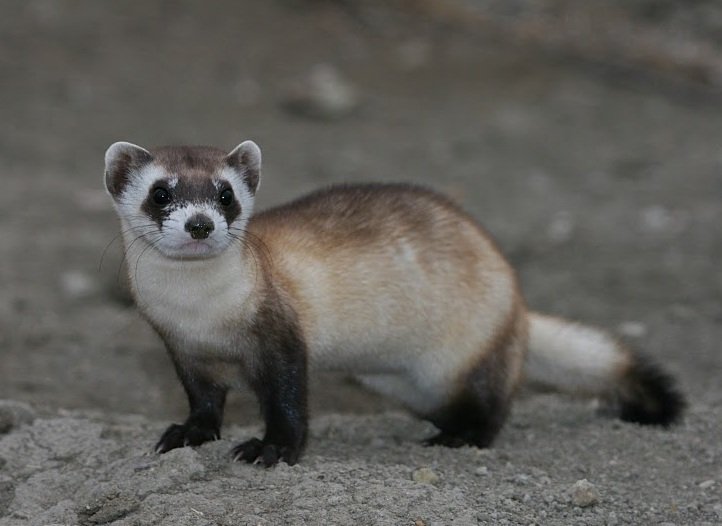
In 1981, an event occurred that can only be described as miraculous. On a ranch near Meeteetse, Wyoming, a dog named Shep brought home a lifeless, slender animal. To the astonishment of local wildlife officials, it was identified as a black-footed ferret—thought to be extinct for years. This discovery triggered an urgent search, and a small surviving population was found living secretly on the ranch. The news electrified conservationists and offered a rare second chance to save a species from oblivion.
Racing Against Time: The Last Wild Ferrets
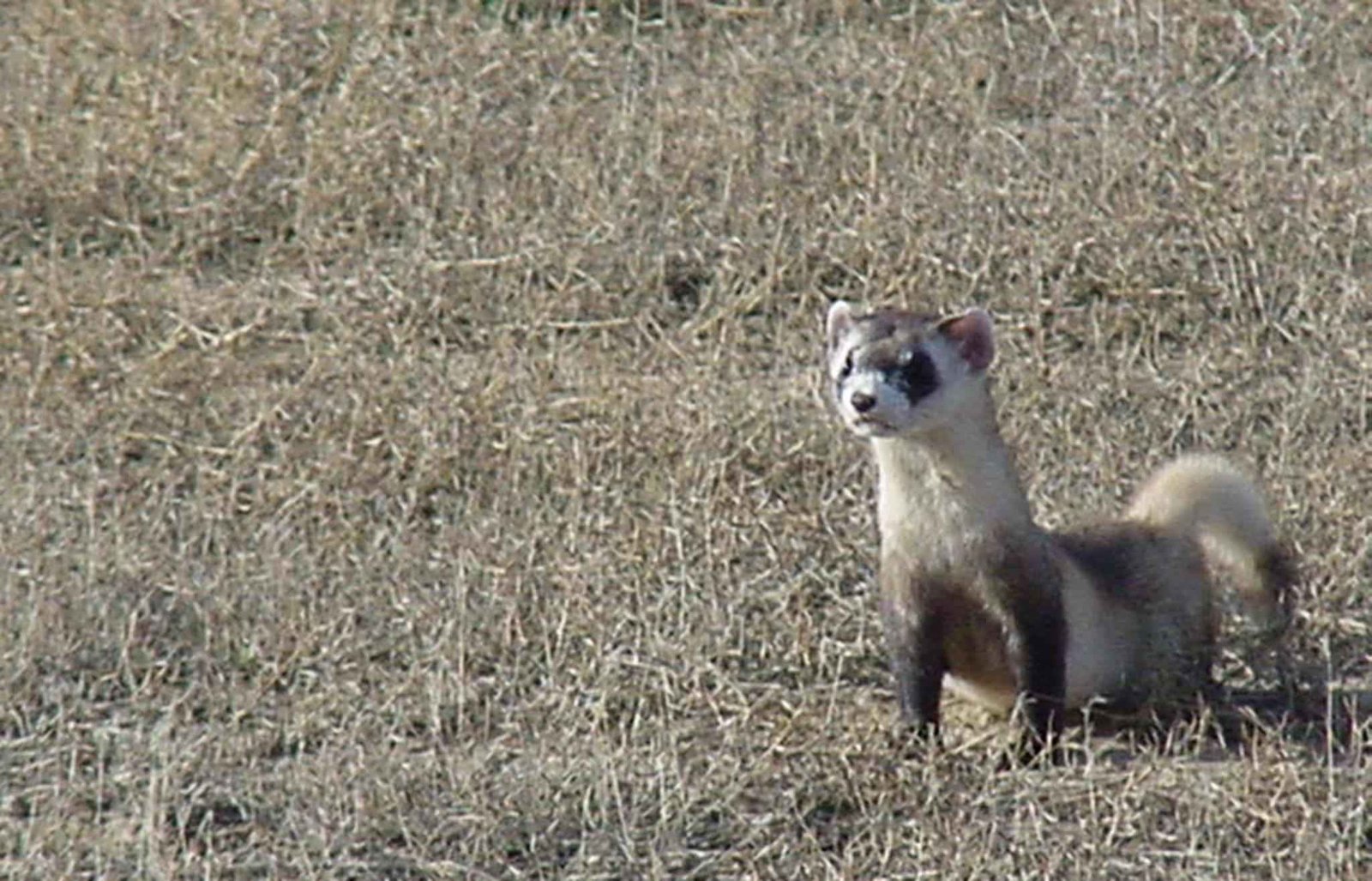
Realizing how fragile the situation was, scientists launched a desperate rescue mission. Disease and habitat loss still threatened the Meeteetse ferrets, and biologists knew they had little time. In 1985, all remaining individuals—just 18 ferrets—were captured and brought into captivity to form the foundation of a breeding program. Every single black-footed ferret alive today is descended from this tiny group, underscoring just how close the species came to being lost forever.
The Science of Saving a Species
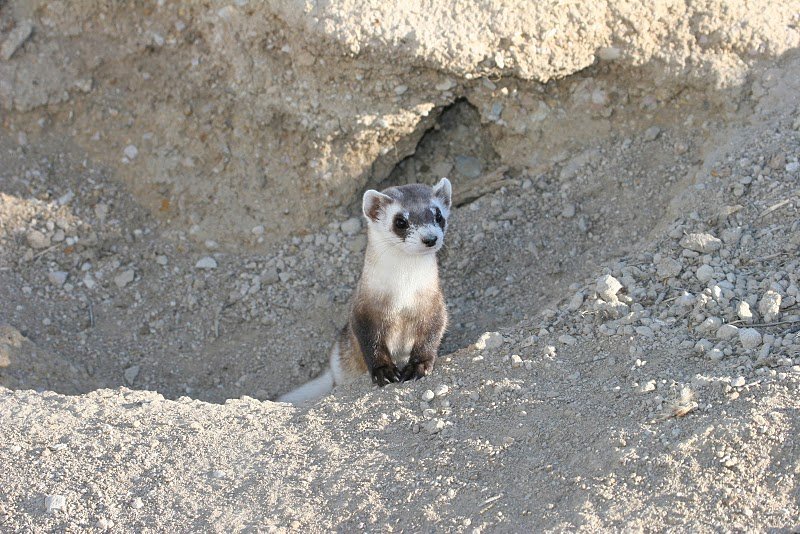
Bringing the black-footed ferret back from the brink was no simple feat. Breeding ferrets in captivity proved to be a complex challenge. Scientists had to develop new techniques to encourage mating and ensure the survival of delicate kits. Detailed genetic studies helped avoid inbreeding and maintain genetic diversity. Specialists even taught young ferrets how to hunt live prey, preparing them for a return to the wild. This hands-on approach combined cutting-edge science with a deep respect for the ferrets’ wild instincts.
The Role of Prairie Dogs: An Unbreakable Bond
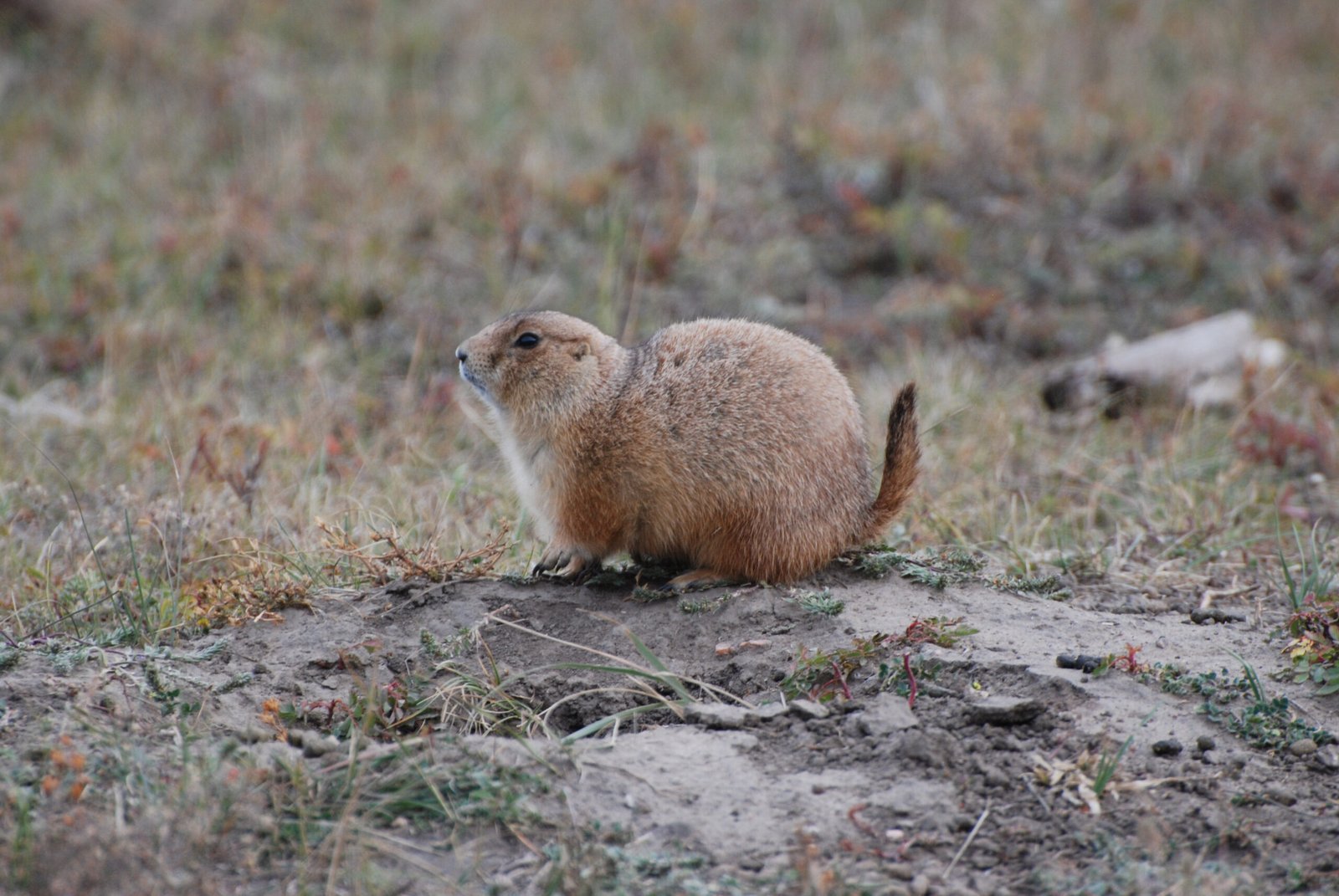
The fate of the black-footed ferret is inseparably tied to that of the prairie dog. These small burrowing rodents aren’t just the ferret’s primary food source—they also provide the underground homes ferrets need for protection and raising young. As a result, efforts to save ferrets have gone hand in hand with protecting and restoring prairie dog colonies. This symbiotic relationship highlights the complexity of ecosystems and the ripple effect that changes in one species can have on many others.
Reintroduction into the Rockies: A Bold Experiment
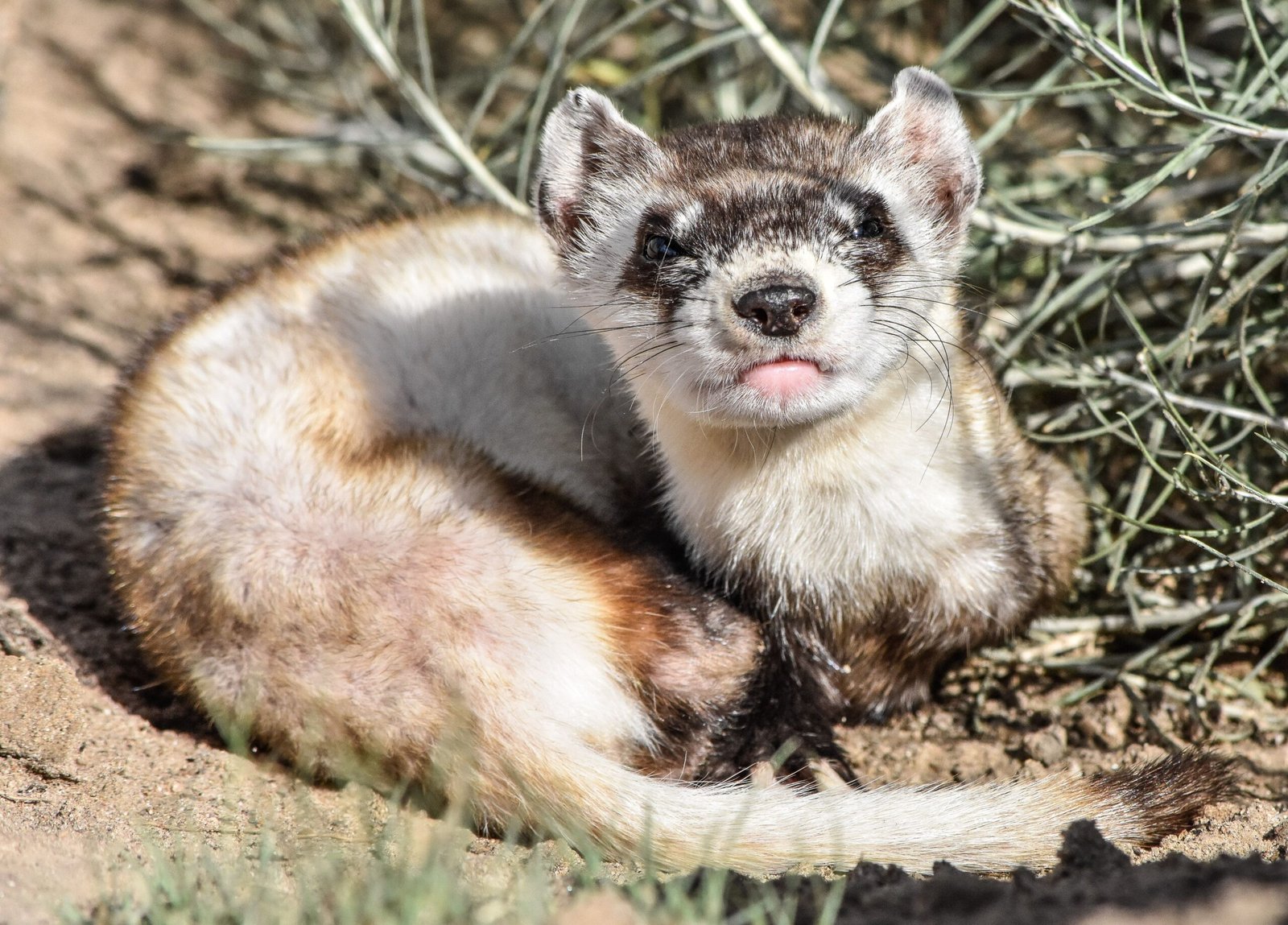
With captive breeding programs showing promise, conservationists turned their attention to returning black-footed ferrets to the wild. The Rocky Mountains and surrounding prairies, once part of the ferret’s range, became testing grounds for this unprecedented challenge. Carefully selected sites with healthy prairie dog populations were chosen, and the first reintroductions began in the early 1990s. Each ferret released represented not just hope for the species, but years of careful scientific planning and hard work.
Challenges on the Prairie: Survival and Setbacks
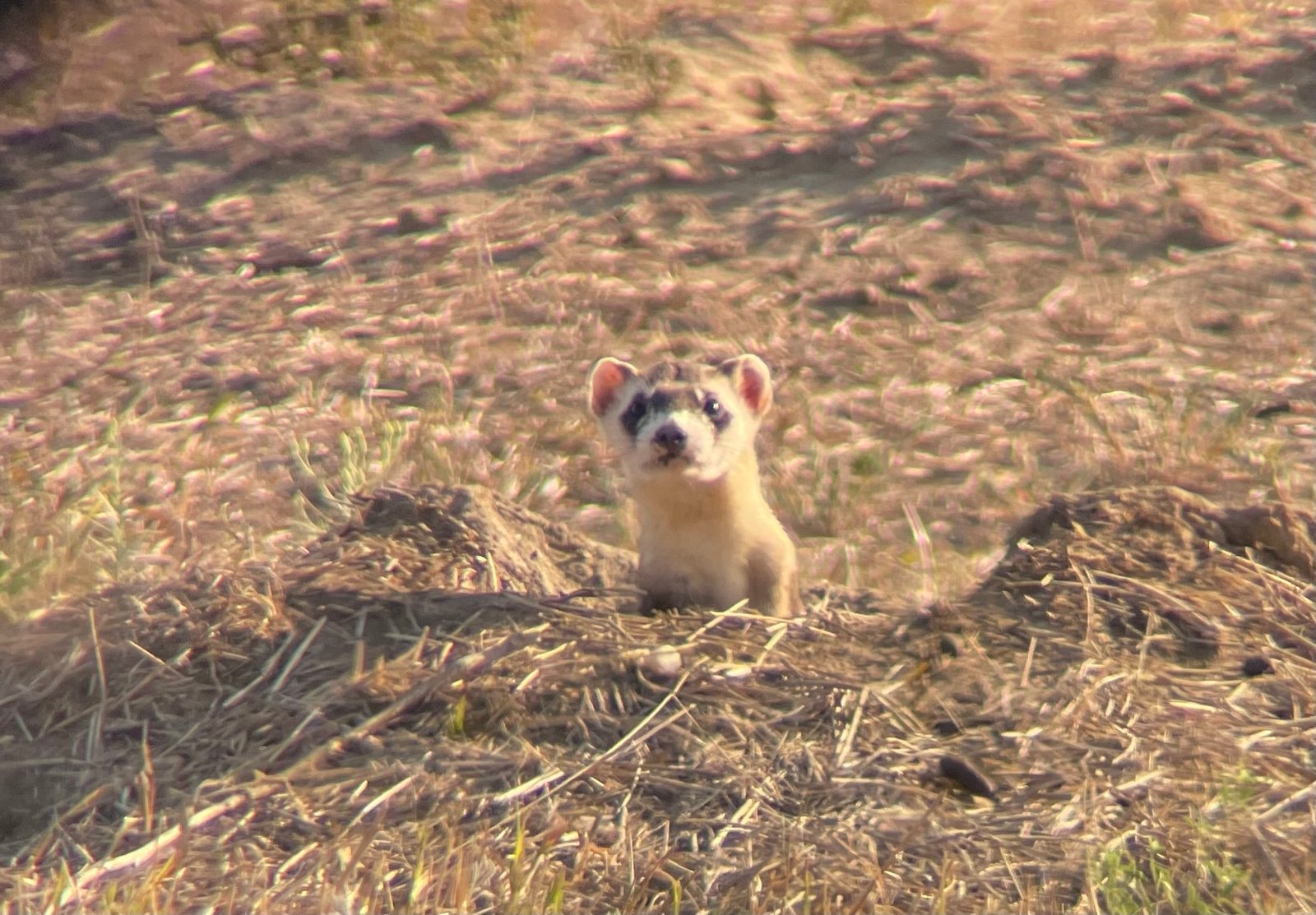
Life in the wild proved harsh for the reintroduced ferrets. Disease outbreaks, especially sylvatic plague, threatened both prairie dogs and ferrets. Habitat loss from agriculture and development continued to shrink their world. Predators and harsh weather added to the risks. Despite these setbacks, the ferrets demonstrated remarkable resilience. Intensive management, including vaccinations and supplemental feeding, helped boost survival rates and gave scientists valuable insights into the hurdles facing recovering species.
Technological Innovations in Conservation
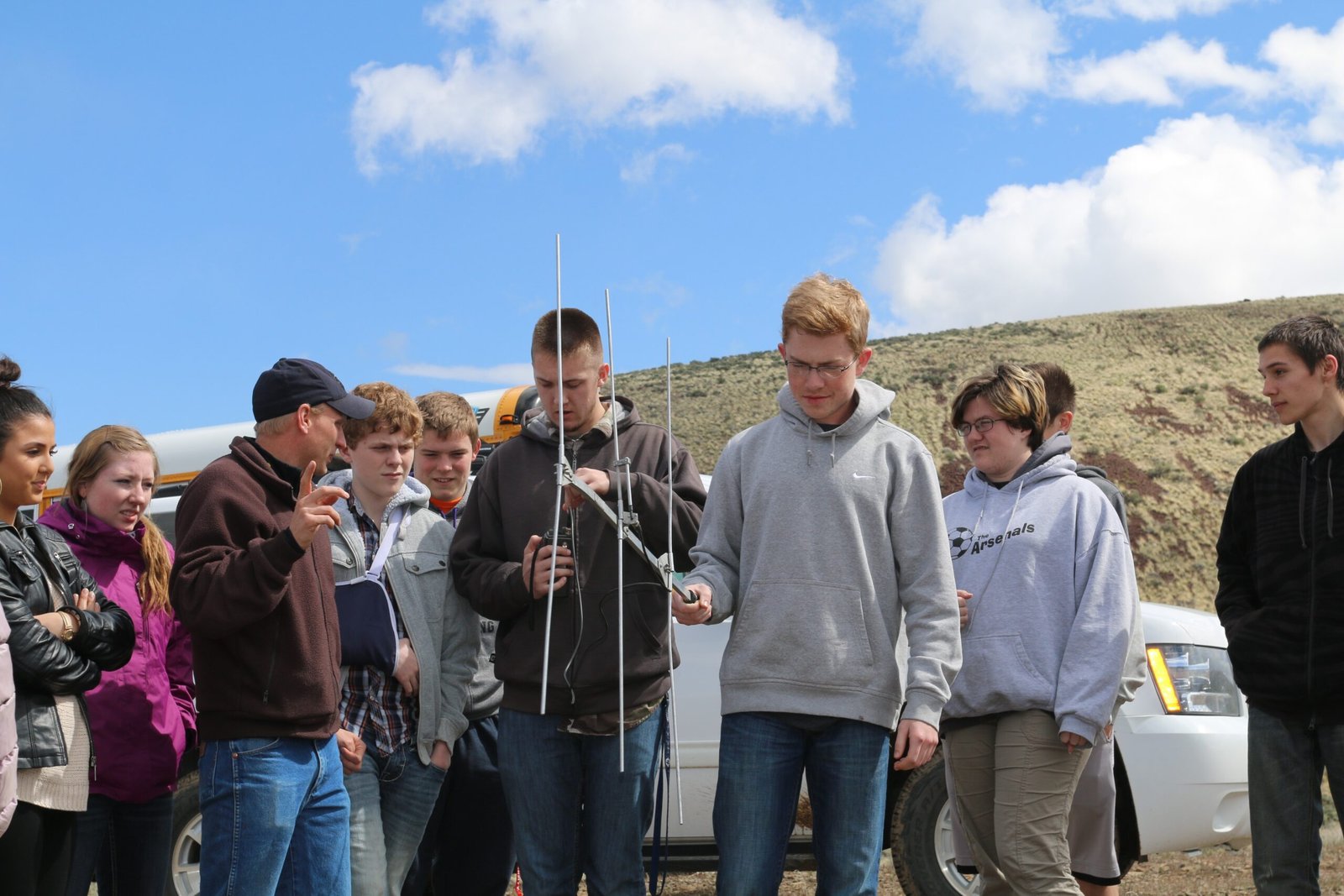
Modern technology has played a crucial role in the black-footed ferret’s recovery. Radio collars and remote cameras allow researchers to track ferrets’ movements and monitor their health without disturbing them. Genetic sequencing ensures the tiny population remains as healthy and diverse as possible. Even cloning has entered the picture, with the birth of Elizabeth Ann—the world’s first cloned black-footed ferret—in 2020, offering new hope for expanding the gene pool. These breakthroughs blend old-fashioned fieldwork with futuristic science in a race to secure the ferret’s future.
Community Involvement: Ranchers, Scientists, and Volunteers

The comeback of the black-footed ferret is not just a story of scientists in labs. Local ranchers, volunteers, and Native American tribes have played pivotal roles in restoring prairie habitat and monitoring ferret populations. Educational programs have turned former skeptics into passionate advocates, proving that conservation succeeds when communities are engaged and informed. This spirit of teamwork demonstrates what’s possible when people from all walks of life unite for a common cause.
Signs of Hope: Wild Populations in the Rockies
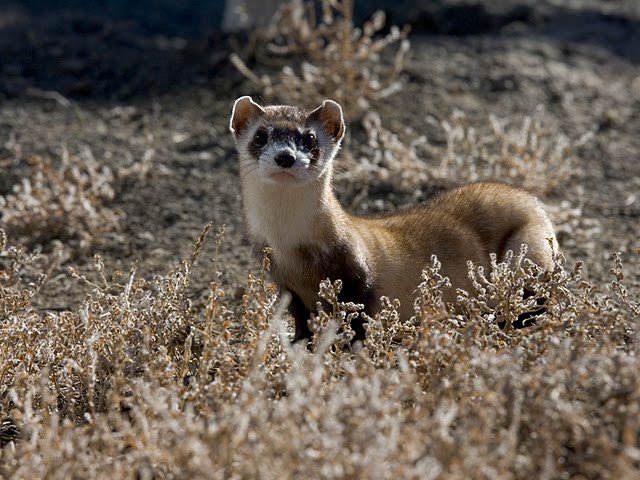
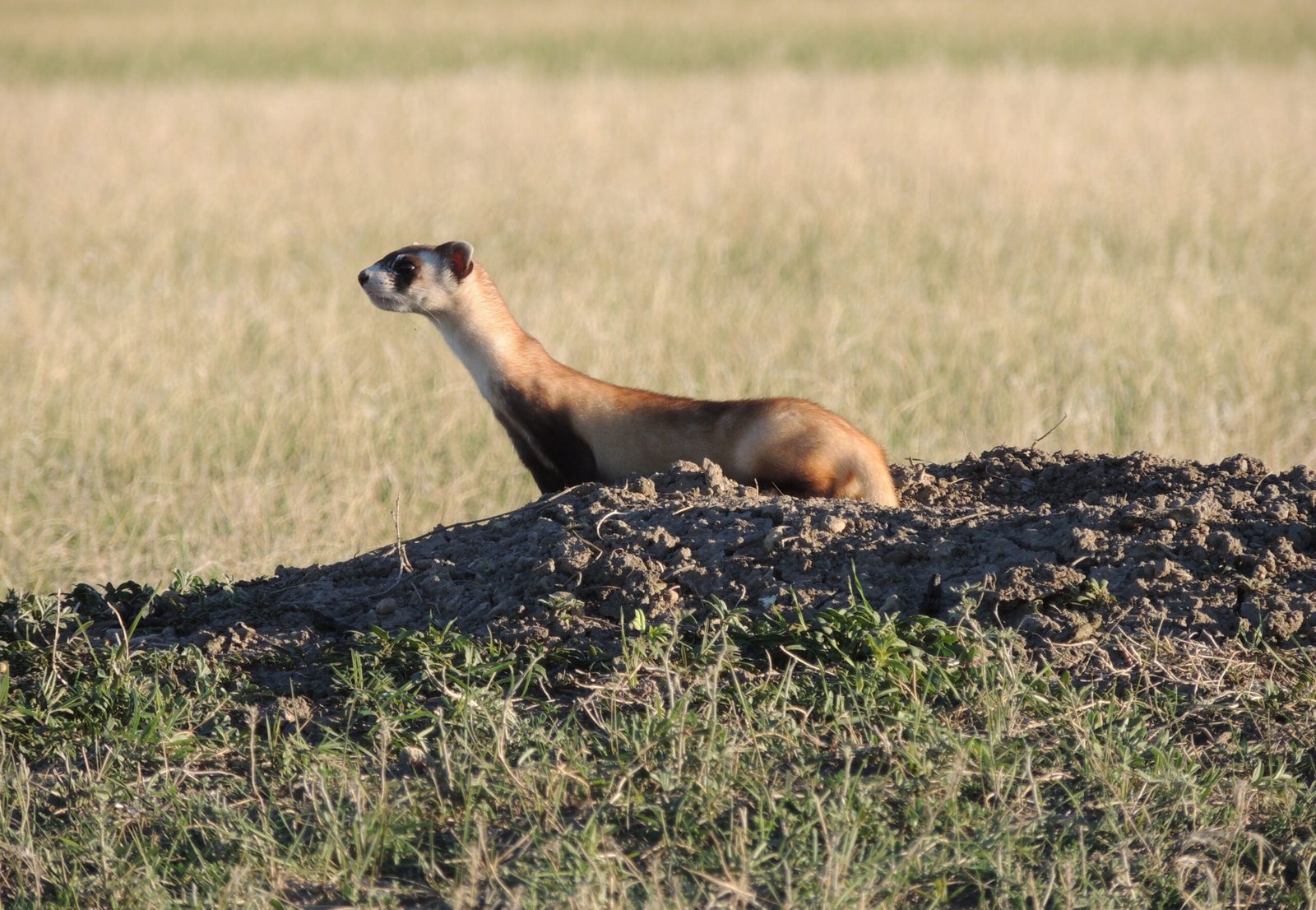
Today, black-footed ferrets once again roam select areas of the Rockies and Great Plains. Their populations are still small and vulnerable, but each litter of wild-born kits is a cause for celebration. Sites in Colorado, Wyoming, and Montana are home to established ferret colonies, with ongoing efforts expanding their range. These success stories serve as shining examples of what can be achieved when determination, science, and cooperation come together.
The Future: Continuing the Fight for Survival
The journey is far from over. Black-footed ferrets remain one of North America’s most endangered mammals, and threats like disease, habitat loss, and climate change continue to loom. However, the progress achieved so far fuels optimism. Conservationists are exploring new strategies, such as developing plague-resistant prairie dogs and expanding protected habitat. The story of the black-footed ferret is a living lesson in perseverance and the remarkable ability of life to bounce back when given a chance.