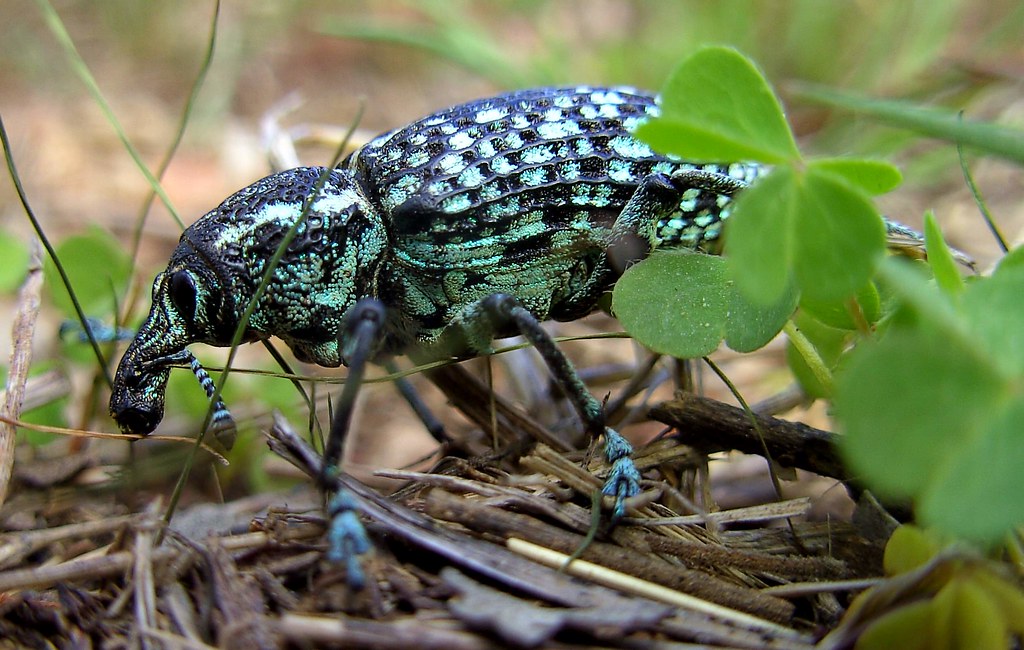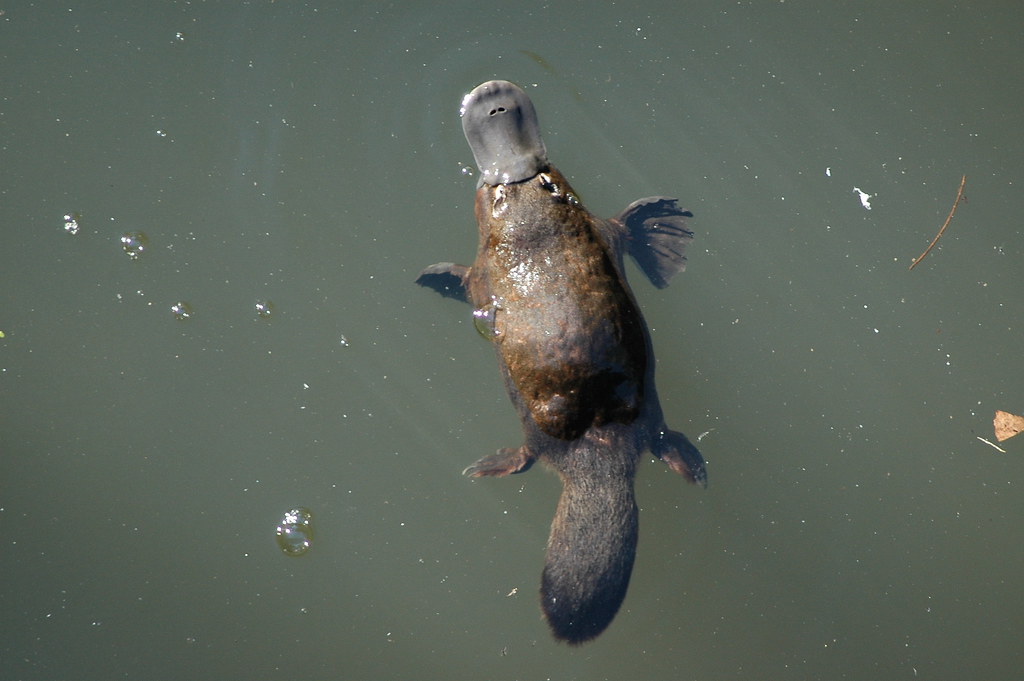
You probably grew up hearing that the oceans are warming almost everywhere, and that this steady heating is one of the clearest fingerprints of climate change. That story is still broadly true, but there’s a strange twist hiding in the North Atlantic: a patch of water that is cooling while almost everything else warms. At the same time, you have scientists pulling up fish, corals, and plankton from that region that seem wildly out of place, as if someone shuffled the marine deck and dealt the wrong cards into the wrong ocean.
This combination of rapid local cooling and unexpected species is not sci‑fi, and it is not a simple glitch in the data. It is a real, measured phenomenon sitting in the middle of one of the most important oceans on Earth, and it has quietly been challenging the confidence of the climate models you hear so much about. When you look closely, you start to see a deeper story about how sensitive the planet is, how much you still do not know, and how quickly life in the ocean tries to adapt when the rules change under its fins.
The Weird Cold Patch in a Warming Ocean
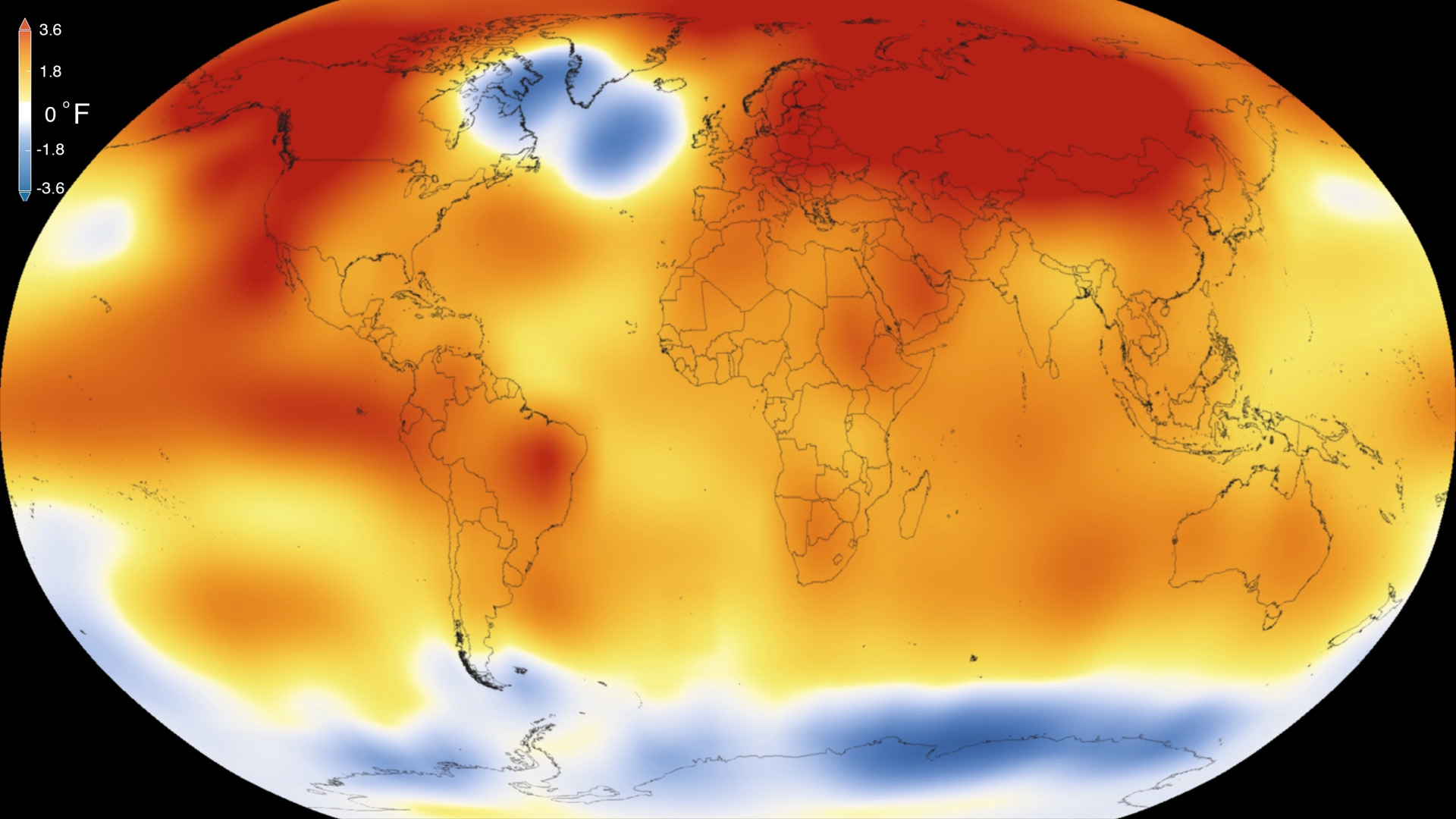
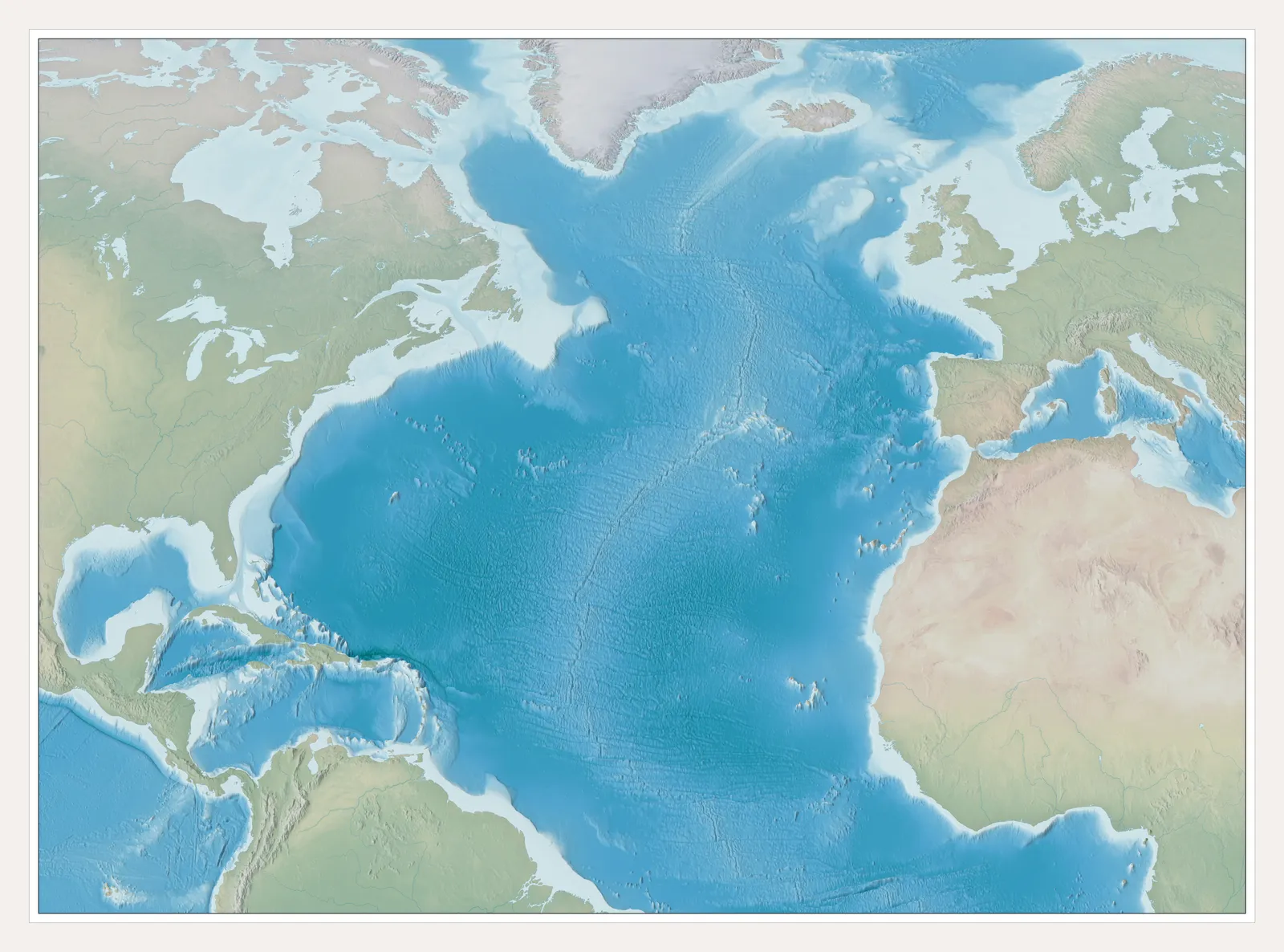
If you could see a global sea surface temperature map from above, you’d notice a stubborn blue blotch in a sea of red and orange warmth, sitting south of Greenland and east of Canada. That spot, often called the North Atlantic “cold blob,” has stood out for years as one of the only regions on the planet that has cooled or warmed far more slowly while the rest of the world’s surface heats up. You live in a time when the average ocean temperature is rising, yet there’s this one area that looks like someone put an ice pack on the planet’s skin.
What really grabs your attention is that this region is cooling faster than most climate models had projected for this point in time. Models did anticipate some relative cooling if a major ocean circulation slowed down, but observations suggest that the intensity and speed of this cool patch have surprised many researchers. You’re essentially watching the climate system do something in real time that your best mathematical guesses only partly captured, and that mismatch should make you both curious and a little uneasy.
Why This Spot Matters So Much to the Planet’s Climate

You are not just looking at a cold patch of water; you are looking at a strategic hinge in the Earth’s climate machine. That area sits along a key branch of the Atlantic Meridional Overturning Circulation, sometimes casually lumped together with what people call the Gulf Stream system. In simple terms, this circulation is like a giant conveyor belt that moves warm surface water northward and sends cold, dense water back into the deep ocean, helping to distribute heat around the globe.
When that conveyor slows down or changes, you feel the effects far beyond the North Atlantic. You can see them in European winters, West African rainfall, Atlantic hurricane patterns, and even subtle shifts in sea level along parts of the United States’ East Coast. So when you see a cooling patch in this crucial region, you are not just looking at local weather; you are looking at a warning light flickering on the dashboard of the global climate system. That makes any surprise there – like faster cooling or stranger species – something you cannot brush aside as a small regional quirk.
What Might Be Driving the Unexpected Cooling
You might assume that any cold patch means the world is somehow “fixing” global warming for you, but that is not what is happening. One leading idea is that fresh water from melting Greenland ice and increased Arctic runoff is spilling into the North Atlantic, making the surface water less salty and therefore less dense. When the surface water gets fresher and lighter, it does not sink as easily, and that can disrupt the overturning circulation that usually carries warm water northward and pulls cold, deep water up elsewhere.
As this circulation weakens, less warm water reaches that region, and the surface can cool even while the deeper ocean and most of the rest of the planet continue to gain heat. On top of that, you have natural climate swings, shifting wind patterns, and changes in storms that can stack on top of the long‑term trend and make the cooling appear even sharper in the short term. So you are dealing with a messy combination of human‑driven change and natural variability, and the truth is that you cannot yet pin a single, neat cause label on this patch without oversimplifying.
When the Models Miss: What the Cold Patch Tells You About Uncertainty
You often hear about climate models as if they are crystal balls, but this cold region reminds you they are really sophisticated, ever‑evolving approximations of a huge, chaotic system. Many models did point toward a relative cooling in the North Atlantic if the overturning circulation slowed, but the exact timing, size, and intensity of the observed patch have not lined up perfectly with the projections. That mismatch does not mean the models are useless, but it does mean you should treat them as living tools that need constant tuning as new observations roll in.
For you, the lesson is not that you can relax about climate change because the models are imperfect; it is almost the opposite. If the system can deliver bigger or earlier surprises in one region than expected, it suggests you may be underestimating just how quickly some tipping behaviors can show up. You are seeing how sensitive the ocean is to small shifts in salinity, temperature, and wind, and how important it is to keep measuring, updating, and questioning instead of assuming your current simulations have captured every twist in the story.
Species Out of Place: Creatures That “Shouldn’t” Be There
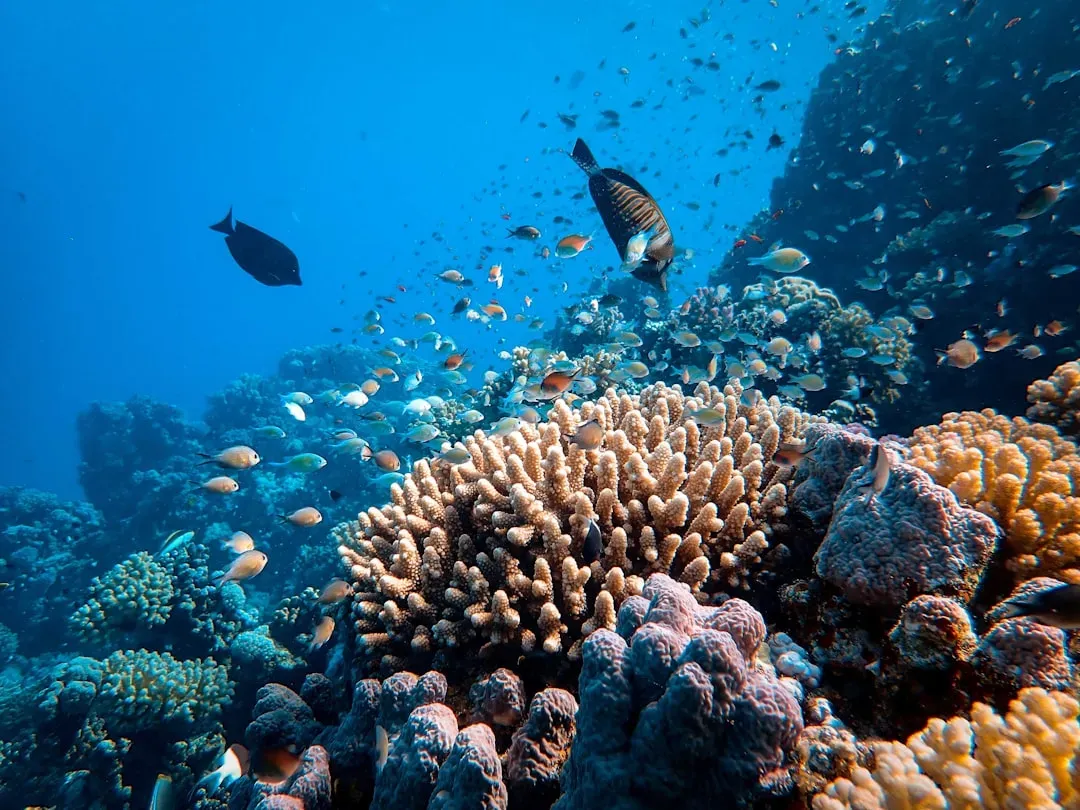
While you are trying to make sense of the physics, marine biologists are hauling in nets and samples from this region and noticing something else: a shift in who lives there. You have plankton communities changing in composition, with species that once dominated shrinking in number while newcomers begin to appear more regularly. At the fish and invertebrate level, you see changes in where certain cold‑loving or warm‑loving species show up, sometimes finding organisms farther north, deeper, or in different seasons than you would have expected based on older records.
When you hear that scientists are finding species that “shouldn’t” exist there, you are really hearing that the conditions those species prefer are showing up in new places. It might mean cold‑adapted organisms are lingering in zones that stay cooler than surrounding waters, using the cold patch like a refuge. It might also mean that shifts in currents are carrying larvae and juveniles into new neighborhoods where they can now survive. You are watching migration, redistribution, and local survival all tangled together, with the map of “who lives where” becoming fuzzier and more dynamic than the field guides on your shelf.
How Changing Oceans Scramble Food Webs and Fisheries

When the types of plankton in the water change, you are not just swapping tiny dots on a chart; you are rewriting the first lines of the ocean’s food web. Different plankton have different sizes, nutritional qualities, and seasonal cycles, and that shapes which small fish and invertebrates can thrive. As the base of the food chain shifts in this cooling patch, you can see knock‑on effects in the species that feed on them, ranging from small forage fish to larger predators.
If you depend on the ocean for food or work, this matters to you in a very practical way. Commercial fish stocks might move, shrink, or temporarily boom as conditions change, forcing you to adjust where and when you fish, and even which species you can reliably target. Local communities that built their cultural and economic life around certain familiar species may find themselves facing uncertainty as the ocean “rebrands” itself. The cold patch becomes more than a scientific curiosity; it becomes something that can alter livelihoods and traditions across borders.
What This Means for You, Even If You Never See It
You might never sail over this cold region or hold one of its strange new species in your hands, but you are still connected to what happens there. The North Atlantic helps shape the climate patterns that decide how hot your summers get, how much rain falls on your crops, and how violent some storms become. Subtle shifts there can ripple out over years and decades, influencing everything from heating bills in Europe to disaster preparedness budgets in coastal cities.
At the same time, this story challenges how you think about climate change in general. It shows you that global warming does not mean a smooth, uniform rise in temperature everywhere; it means a rearrangement of energy and patterns that can show up as both warming and local cooling. It reminds you that life in the ocean will not politely wait while you debate the details – it will move, adapt, and sometimes vanish. When you see a cold patch defy expectations and species cross invisible borders, you are getting a preview of how complex and uneven the future could feel.
How You Can Respond Without Getting Overwhelmed
Facing a story like this, you might feel a mix of fascination and anxiety. On the one hand, it is thrilling to realize how much there is still to discover about your planet; on the other, it is unsettling to feel the ground of predictability shift beneath your feet. One helpful step is to lean into information instead of turning away from it: you can follow reputable ocean monitoring programs, support organizations that carry out long‑term research, and back policies that keep those data streams flowing.
You can also make your own choices part of the solution, even if they seem small. Reducing your carbon footprint, pushing for cleaner energy, and protecting coastal and marine habitats may sound like slogans, but they directly affect the pressures that shape currents, temperatures, and ecosystems. When you treat the ocean as a living system you are tied to – rather than a distant backdrop – you help create the political and cultural will to act before the next surprise spirals out of control. You might not be able to stop a cold patch from forming, but you can help decide how vulnerable or prepared your society is when the unexpected arrives.
Conclusion: A Strange Cold Warning from a Warming World
When you step back, the picture is both simple and deeply unsettling: in a rapidly warming ocean, you have a single, critical region cooling faster than your best models predicted, while the living world inside it scrambles to rearrange itself. This is not a loophole that cancels global warming; it is a symptom of how uneven and complex that warming can be, and how much remains for you to understand about the way heat and salt dance through the Atlantic. The odd mix of chilling water and out‑of‑place species is like a postcard from the future, hinting at more surprises in places you think you already know.
You are living in a time when the ocean is telling you, very clearly, that it will not behave in neat, predictable lines on a graph. That means your tools, your policies, and your imagination all have to stretch to keep up, even when the story takes confusing turns. You cannot rewrite what is already unfolding in the North Atlantic, but you can decide whether to ignore its message or to treat it as a wake‑up call to pay closer attention and act with more urgency. When you look at that stubborn blue patch on a warming map, what do you think it is trying to tell you?