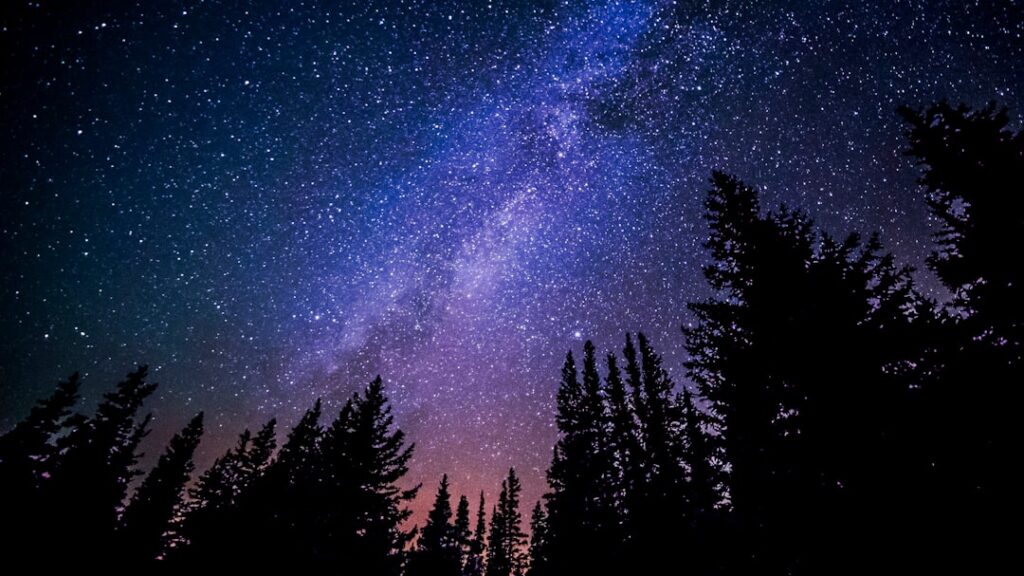

You have probably heard the dramatic claim that when you look up at the night sky, you might be seeing dead stars, their light still streaming toward you from across the ages. It sounds eerie, almost like cosmic ghost stories written in photons instead of ink. But how much of that is actually true, and how much is just a catchy line that gets repeated because it feels profound?
When you unpack what astrophysicists actually know about stellar lifetimes, distances, and the speed of light, the story turns out to be both less sensational and more deeply beautiful than the meme version. You are not usually staring at a graveyard of vanished suns, but you are always looking into the past, and sometimes that past really does belong to objects that no longer exist in the same form. Once you understand how that works, your everyday night sky suddenly becomes a time machine you can step into just by lifting your eyes.
The Night Sky Is Always a Look into the Past
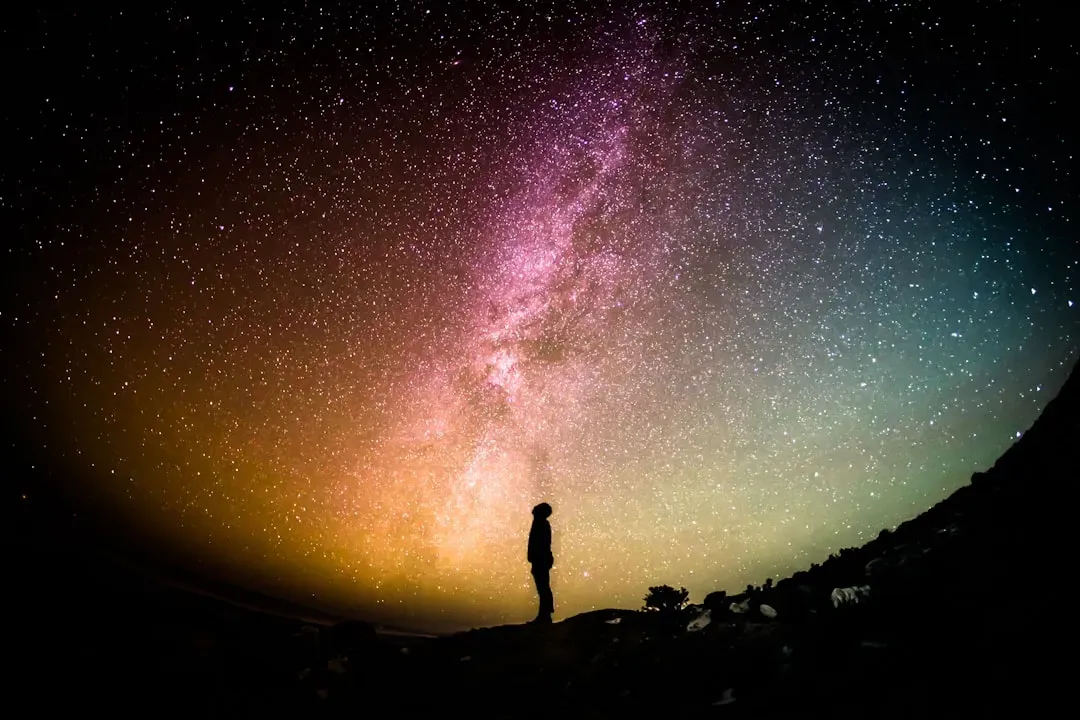
Every time you look at a star, you are not seeing it as it is right now; you are seeing it as it was when the light left it. Light travels incredibly fast by everyday standards, but in cosmic terms it is surprisingly slow. If a star is one hundred light-years away, the glow you see tonight began its journey about a century ago, long before you were born, and long before your current life circumstances even existed.
This means your night sky is not really a live broadcast; it is a highlight reel from different eras stitched together. One star might be showing you a snapshot from fifty years ago, another from a thousand years ago, and a distant galaxy from millions of years back. When you stand outside in the dark, you are surrounded by silent messages from different points in history arriving at your eyes all at once, like postcards from time instead of places.
How Stars Live, Age, and “Die” in the First Place
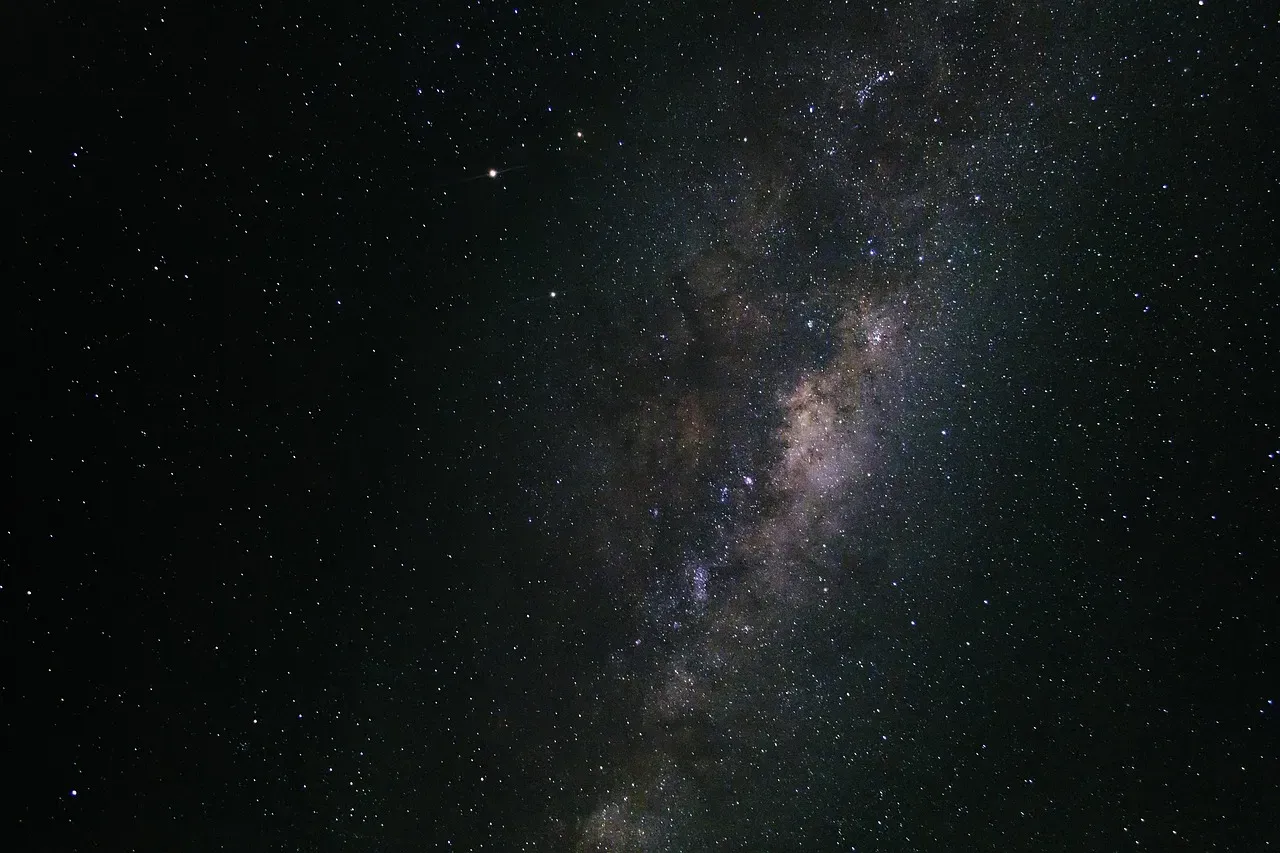
To know whether some of the stars you see are already dead, you first need to know what it even means for a star to die. A star is basically a huge ball of gas held together by its own gravity, with nuclear fusion in its core turning hydrogen into helium and releasing enormous amounts of energy. As long as fusion runs steadily, the star shines and resists collapsing under its own weight.
Eventually, though, that fuel gets used up and the balance fails. Depending on its mass, the star can swell into a red giant and gently shed its outer layers, leaving behind a white dwarf, or it can collapse and explode as a supernova, ending up as a neutron star or black hole. When you talk about a star being “dead,” you are usually talking about the moment it stops steady fusion and dramatically changes its structure, even though some remnants keep glowing faintly for billions of years after that central life phase has ended.
Do You Actually See Many Dead Stars with the Naked Eye?
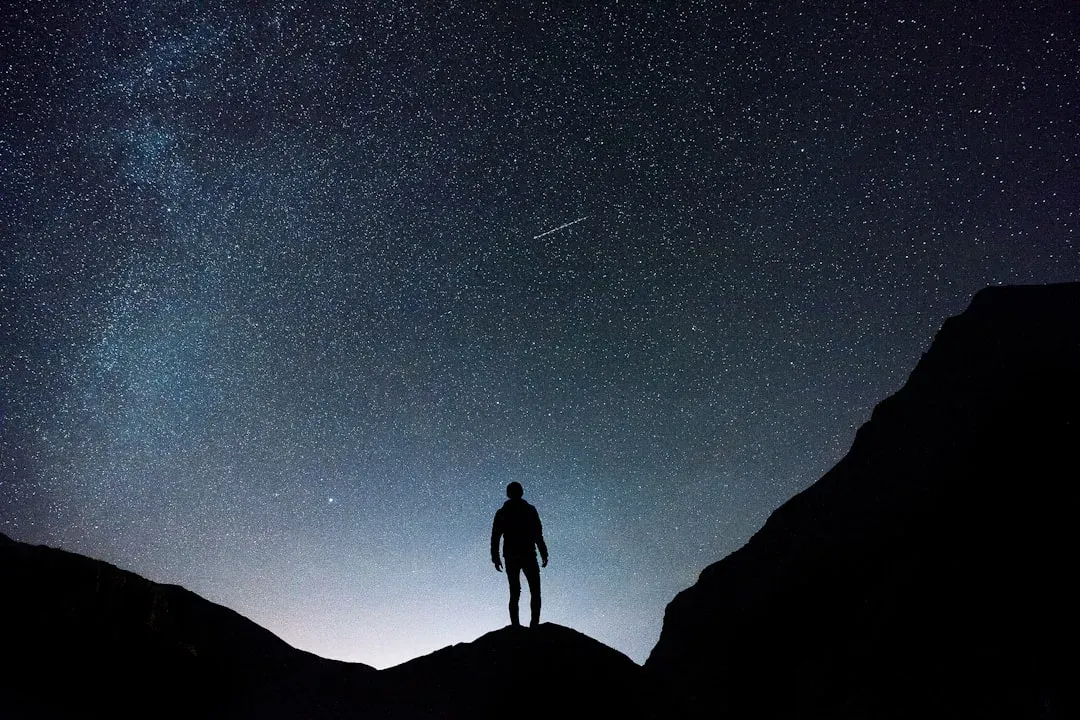
Here is the part that might surprise you: for the bright stars you can see without a telescope, the vast majority are probably still alive right now. Many of the naked-eye stars are relatively nearby on galactic scales, often within a few hundred light-years. Their light takes years to centuries to reach you, which is a delay you can easily grasp, but those timescales are tiny compared to how long most stars live.
Typical stars like the Sun shine for billions of years in their stable phase, and even the shorter-lived massive stars still tend to live for millions of years. When you compare a journey time of a few hundred years for the light you see to a stellar lifetime of millions or billions of years, the odds of catching a star in the tiny window after it has died but before its last light reaches you are very small. You might catch a rare case here or there over human history, but it is not like half the sky is made of ghosts.
Where the “Already Dead” Idea Actually Makes Sense
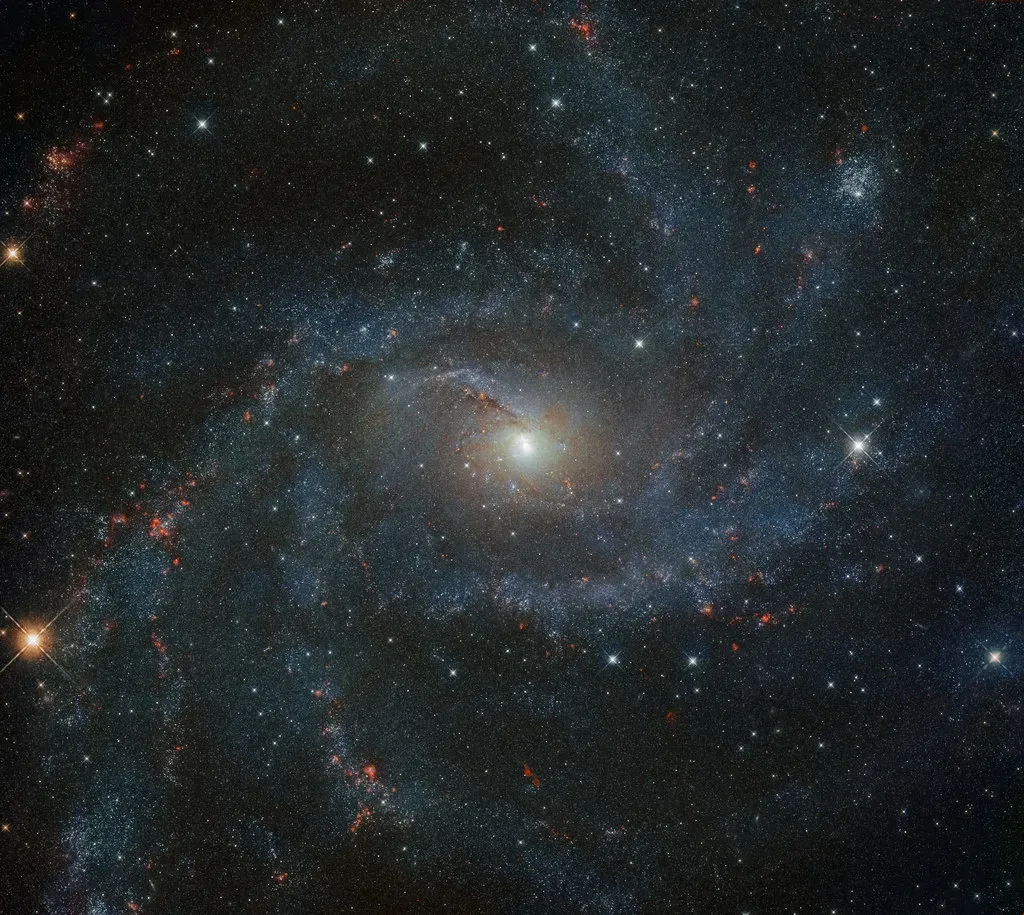
Even if most naked-eye stars you see tonight are still around, the basic idea behind the claim is not wrong: some objects you see in the sky have absolutely changed or even “died” since their light left them. This is especially true once you move beyond what you can see with your unaided eyes and start looking at more distant stars, star clusters, and galaxies through telescopes. Now you are dealing with distances so huge that the travel time of light is measured in many thousands or millions of years.
When astronomers look at faraway galaxies, they are often seeing them as they were long before humans even existed on Earth. In that time, countless stars will have been born, evolved, and died. For a very massive star with a short lifetime that sits many thousands of light-years away, there is a real chance that it has already exploded or collapsed by the time its earlier light is reaching you. So the idea that you sometimes see stars that are no longer shining in the same way is grounded in real astrophysics, just not at the dramatic frequency people like to imagine.
The Speed of Light: Your Built-In Cosmic Delay
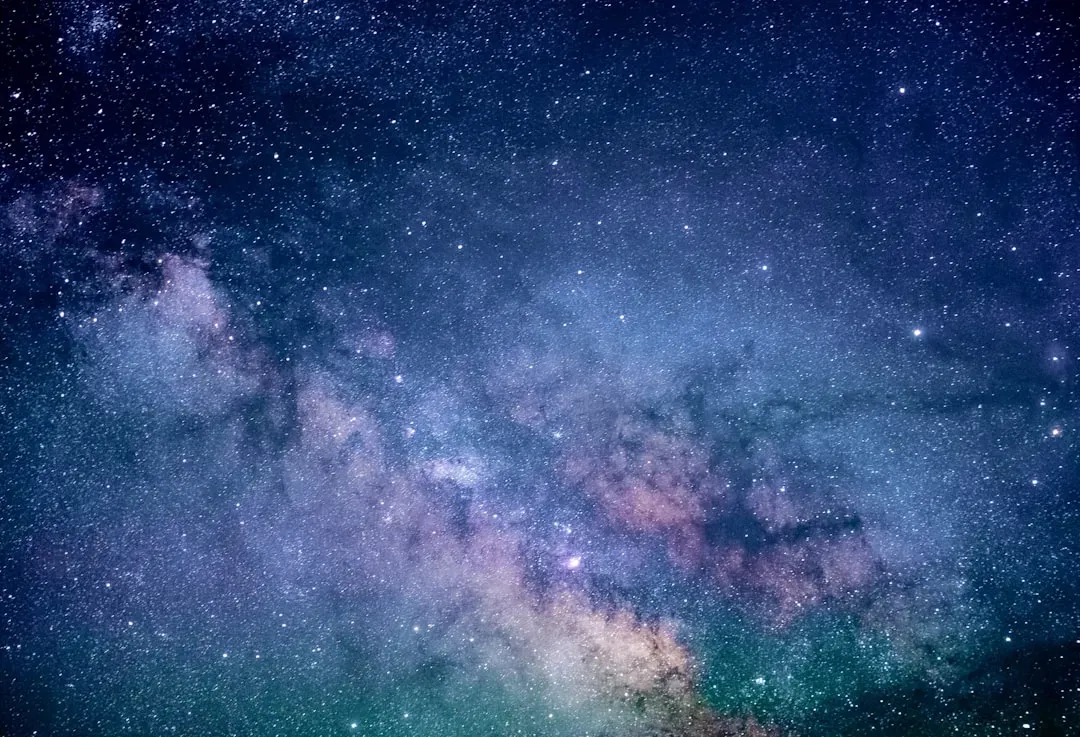
The heart of this whole story is the finite speed of light. You might think of light as instant, because on Earth the delays are too tiny for you to notice, but in space those delays stretch into centuries and beyond. When you hear that light travels about three hundred thousand kilometers every second, that sounds unimaginably fast, yet it still takes more than eight minutes for sunlight to reach you from the Sun, and over four years for light from the nearest star outside your solar system.
If you imagine the speed of light as a sort of cosmic postal service, then every extra light-year of distance adds another year of waiting for the envelope to arrive. Stars that are a thousand light-years away are mailing you updates from a thousand years in the past. If one of those stars ended its main life stage five hundred years ago, you would not find out for another five hundred years, because the news is still on its way, embedded in their last bursts of outgoing light.
Why Massive Stars Are the Most Likely “Ghosts”
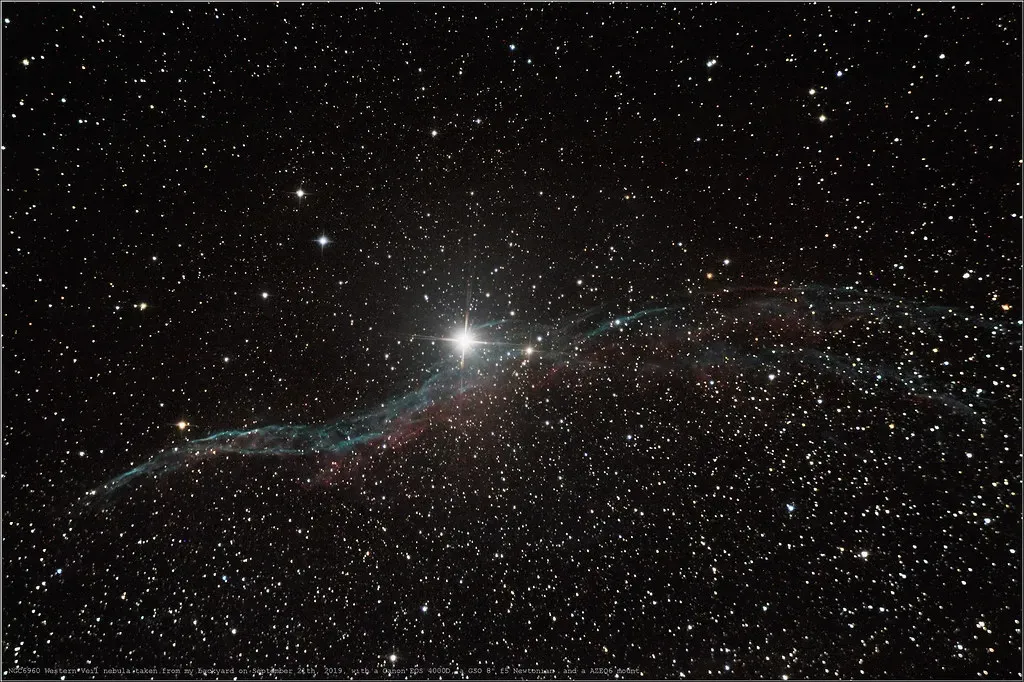
Not all stars live the same length of time, and that is where the story gets interesting for you as an observer. Massive stars burn through their fuel much more quickly than small ones; they shine hotter and brighter, but they pay for that brilliance with much shorter lives. Some of the most luminous blue or white stars you see in constellations could have lifetimes measured in only a few million years, which is short compared to the age of the universe.
Now compare that short lifetime to the distance their light must cross to reach you. If one of these massive stars is located many thousands of light-years away, then the total time its light has to travel can become a significant fraction of its lifetime. That opens up a real mathematical possibility that you see it in your sky as a bright point, while the star itself has already gone supernova or collapsed into a remnant that would look completely different if you could see it as it is today.
What This Means for How You Experience the Universe
Once you realize that the sky is made of time-delayed signals, your relationship with it changes. You are not just seeing where things are; you are witnessing where they were and how they used to be. Every twinkling point becomes a kind of diary entry written in light, giving you a quiet glimpse of ancient moments that are only now catching up to you. Some of those entries may come from stars that have already ended their main lives, even if their remnants still sit out there in the dark.
This can make the night sky feel strangely intimate and fragile. You stand on a small planet, looking back across centuries or millennia at events that have already played out. The stars you wish on might not be what you think they are anymore, but the wish still rides on a genuine physical connection between you and that distant place. For a brief instant, your present moment and that long-ago moment overlap inside your mind, stitched together by a beam of light.
How to Look Up Tonight with New Eyes
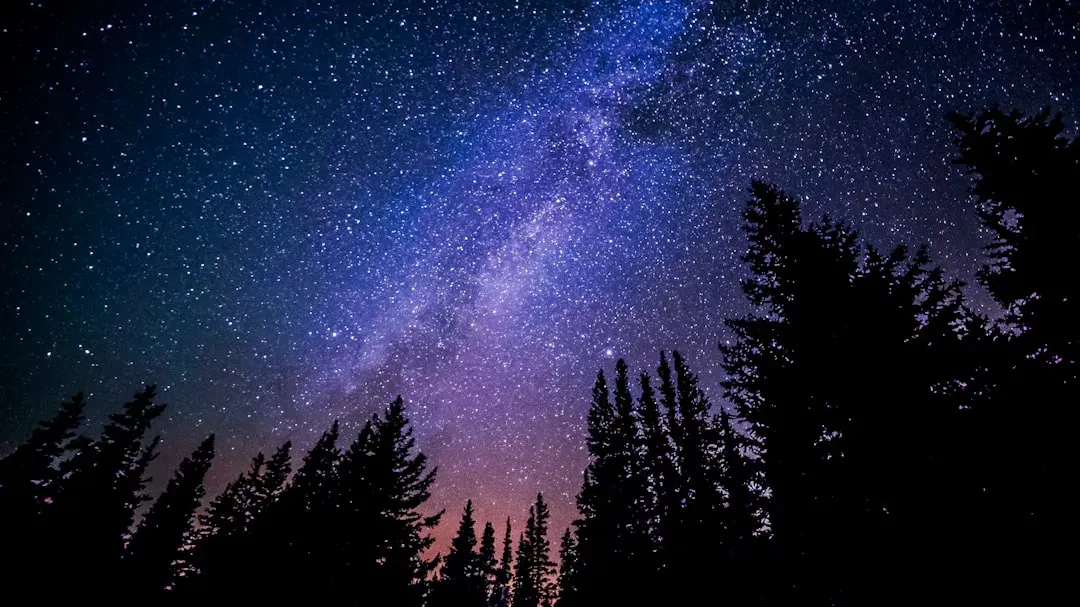
The next time you step outside on a clear night, try treating the sky like a museum of old photographs rather than a live webcam. Pick a bright star and imagine the world on Earth when that particular stream of light first set out. Maybe it left before your grandparents were born, or before any written record from your culture existed, or even before entire civilizations rose and fell. That beam has been traveling in a straight line through interstellar space, untouched, just to end its journey in the back of your eye.
If you use a stargazing app or a simple star map, you can look up rough distances to some of the brightest stars and convert those light-years into years of history. You do not have to know whether any given star is truly “already dead” to feel the deeper truth: you are always looking into a layered past. Knowing that, you may find yourself lingering a little longer under the sky, letting the eerie and beautiful idea sink in that what you see is not quite what is there right now, but a moving record of what once was.
Conclusion: A Living Sky Made of Ancient Light
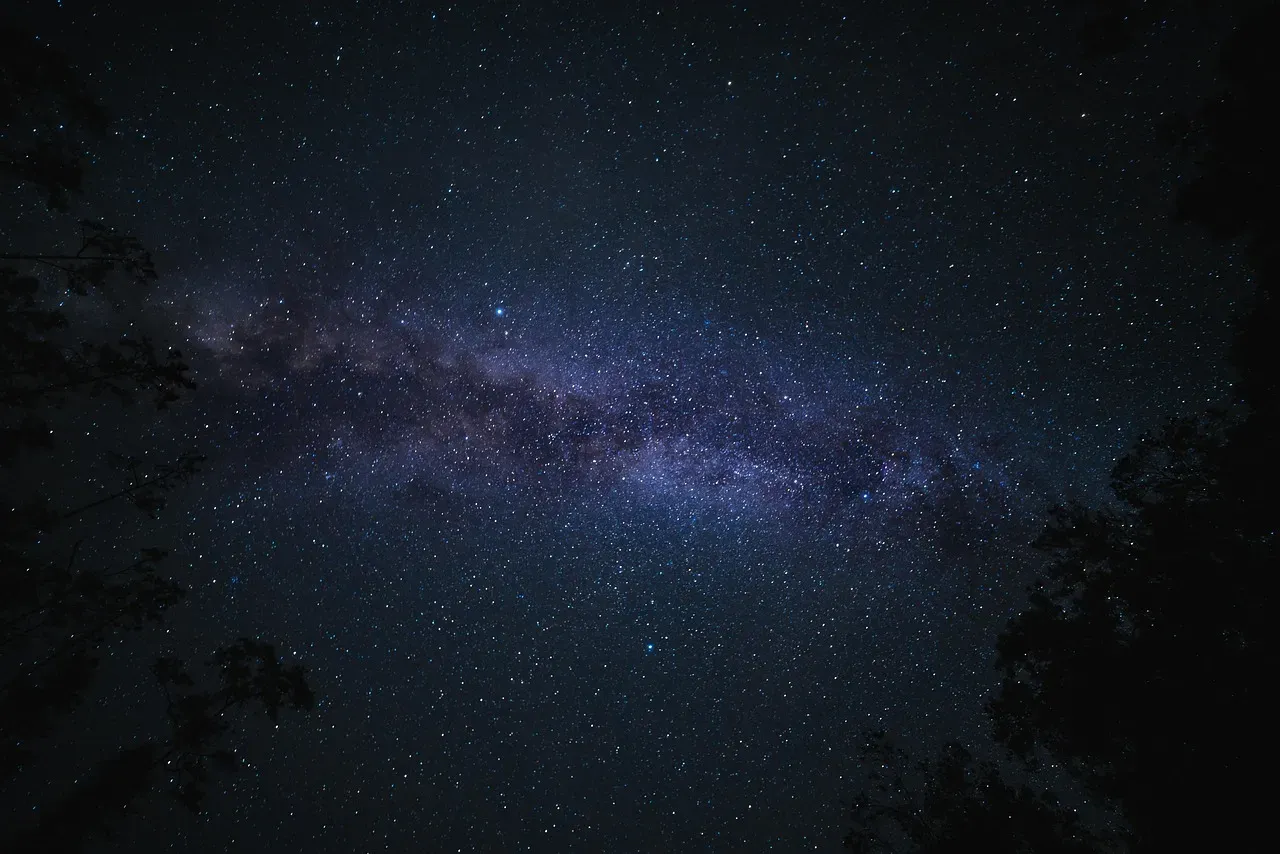
When you strip away the exaggerations, the headline claim becomes more nuanced but no less magical: you probably are not surrounded by a sky full of already-dead stars every single night, but you are absolutely surrounded by ancient light, and some of it really does come from stars that have already changed or ended. The drama is not in a constant graveyard above your head; it is in the quiet realization that your eyes are picking up signals that started their journey long before your lifetime, carrying news from a universe that never stands still. Those signals turn the ordinary act of looking up into a meeting between your present and someone else’s deep past.
If you let that thought sit with you, the night sky stops being just a backdrop and becomes a story that is still unfolding, even if the chapters you see tonight were written ages ago. You are not just an observer; you are the final stop for an unimaginably long journey of light. The next time you notice a bright star and wonder if it is already gone, you might smile and think: whether it is or not, you are holding a piece of its history in that moment. Did you expect the truth to be quieter than the myth, yet somehow even more astonishing?