If you zoom out from your daily routine for a second, the fact that you exist at all starts to feel almost absurd. You wake up, check your phone, make coffee, maybe complain about the weather, and all the while you’re standing on a spinning rock in space that only barely ended up being habitable in the first place. The universe is mostly empty, dark, and hostile to life, yet somehow you ended up here, breathing, thinking, wondering how it all lined up.
When you start unpacking what had to go right, it feels less like a simple chain of events and more like an outrageous streak of cosmic good luck. From the properties of atoms to the way your planet orbits its star, tiny tweaks at any point along the way could have made your existence impossible. You do not need to believe that any of this was “meant” to happen to feel awe at just how narrow the path turned out to be. Once you see these coincidences clearly, it becomes very hard to take your ordinary, everyday life for granted.
The Universe Had to Be Born with Just the Right Settings
Before you ever get to planets and people, you need a universe that even allows complex structures to form. When you look at what physicists call the fundamental constants of nature – things like the strength of gravity, the charge of the electron, or how fast the universe expands – you discover that if you nudged some of these values slightly, you would get a universe with no stars, no chemistry, and no chance for life. If gravity were much stronger, matter could collapse so quickly that everything might end up as dense clumps or black holes; if it were much weaker, clouds of gas might never pull together into stars at all.
You do not need advanced math to appreciate how delicate this balance is. Imagine trying to bake bread where the oven temperature, the yeast, and the water all have to fall within a tiny range or the dough either never rises or explodes all over the kitchen. The difference here is that the “recipe” was written once, at the birth of the universe, and never changed afterward. You are living inside the one cosmic loaf that managed to rise instead of burning or collapsing into a hard lump of nothing.
Stars Had to Forge the Elements You’re Made Of
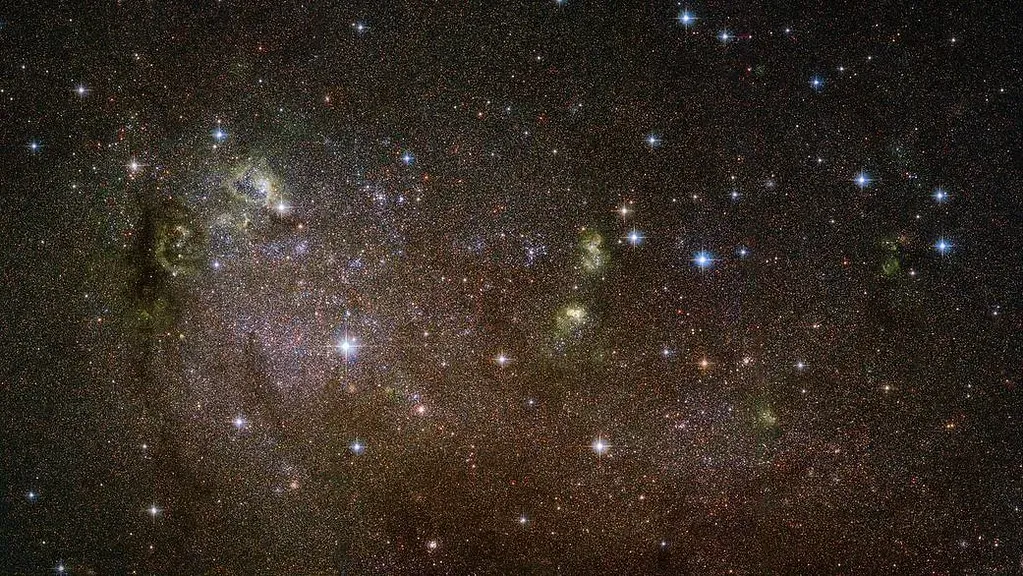
If you strip your body down to the basic ingredients, you are mostly made of a handful of chemical elements like hydrogen, carbon, oxygen, nitrogen, calcium, and a bit of iron. Those heavier elements did not exist in the earliest universe; they were built inside stars through nuclear fusion and then scattered into space when massive stars exploded. If the laws of physics did not allow these fusion chains to run, or if they stopped at only a few simple elements, you would be stuck in a universe with nothing more interesting than clouds of gas.
You can think of stars as enormous pressure cookers that ran for billions of years so that you could eventually show up and complain about Mondays. The details of nuclear reactions inside stars are surprisingly delicate: some reactions only work because of narrow energy resonances that allow certain atomic nuclei to form efficiently. If those energy levels were different, you would get far less carbon or oxygen, and complex life like you probably never appears. Every breath you take is only possible because long-dead stars did their slow, patient work and then died dramatically enough to spread their ashes across the galaxy.
Your Galaxy Needed the Right Neighborhood and Shape
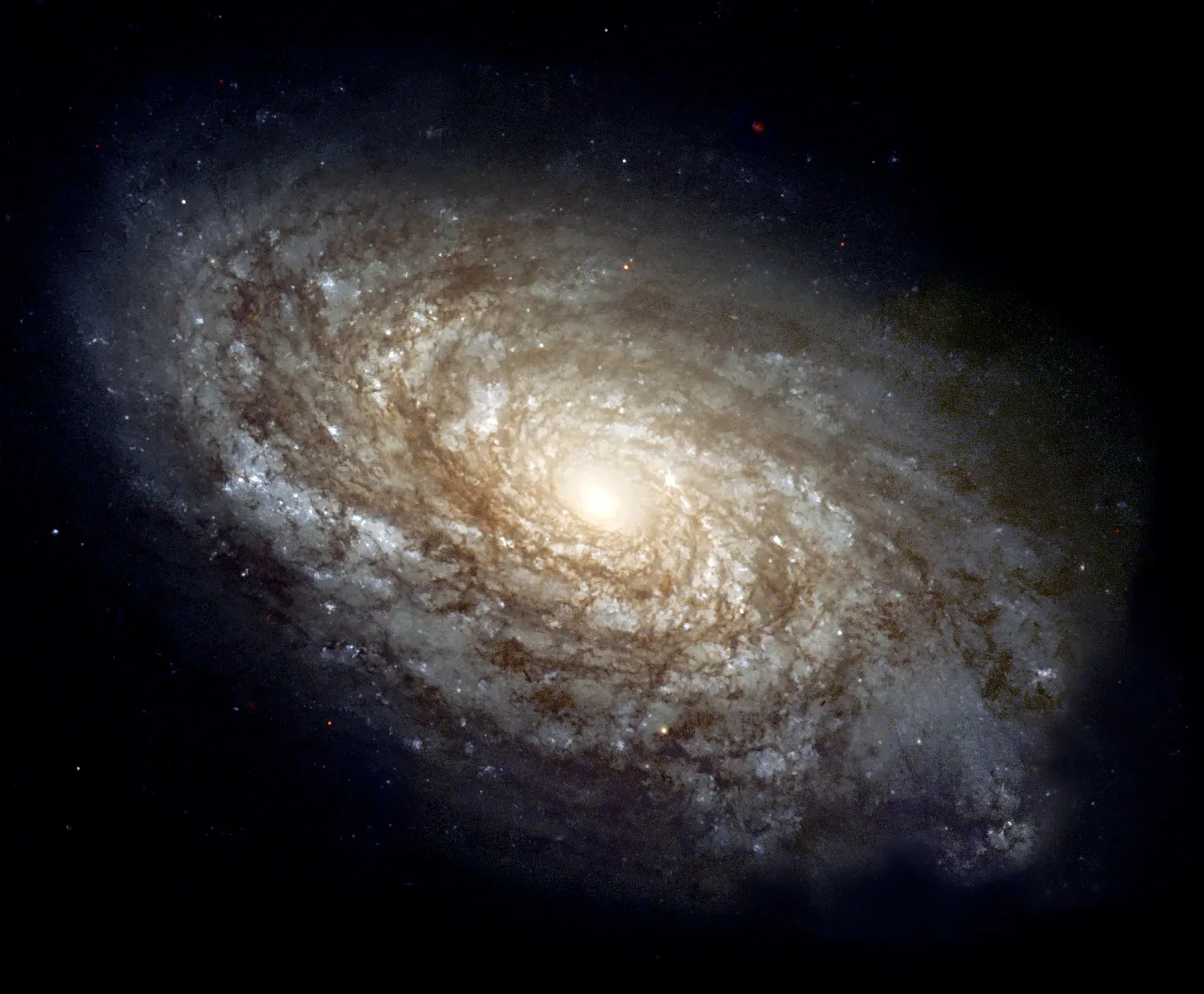
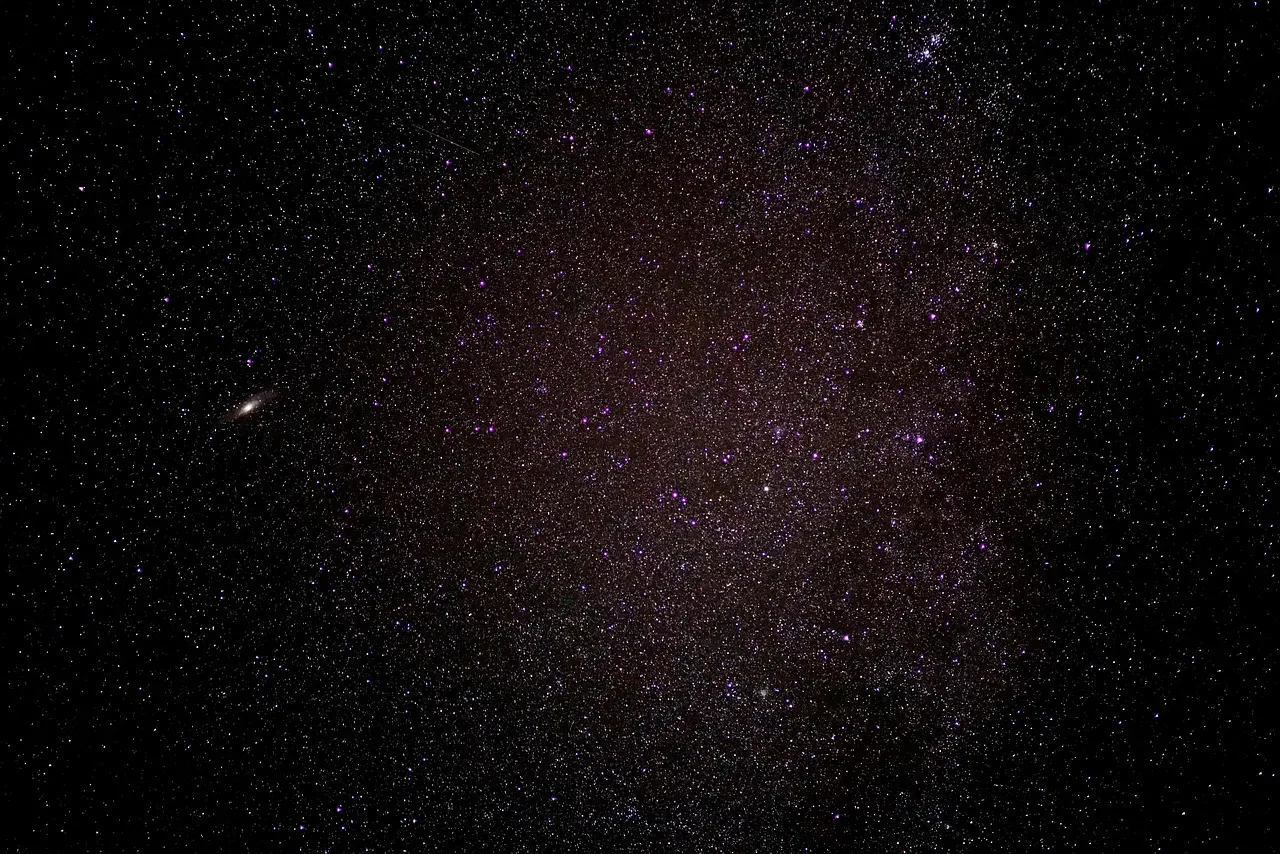
Even with the right laws and a supply of heavy elements, you still need a galaxy that gives planets like Earth a stable home. The Milky Way has a spiral structure with long arms where gas, dust, and stars orbit the center in a relatively organized way. Your solar system sits in one of these arms but not too close to the crowded, dangerous center, where radiation, black holes, and frequent supernova explosions make things much harsher. If you were located there instead, your planet might be constantly blasted by high-energy events that strip away atmospheres or fry fragile molecules.
On top of that, your corner of the galaxy is not too empty either. You are in what astronomers sometimes call a “galactic habitable zone,” where there are enough heavier elements to build rocky planets, but not so many catastrophic events that everything is repeatedly wiped clean. Picture choosing an apartment: you do not want to live in the middle of a chaotic nightclub district, but you also do not want a cabin so remote it cannot get electricity or water. Your solar system essentially ended up in a cosmic suburb with just enough activity to be interesting but not so much that it is deadly.
The Sun Had to Be an Exceptionally Calm, Long-Lived Star
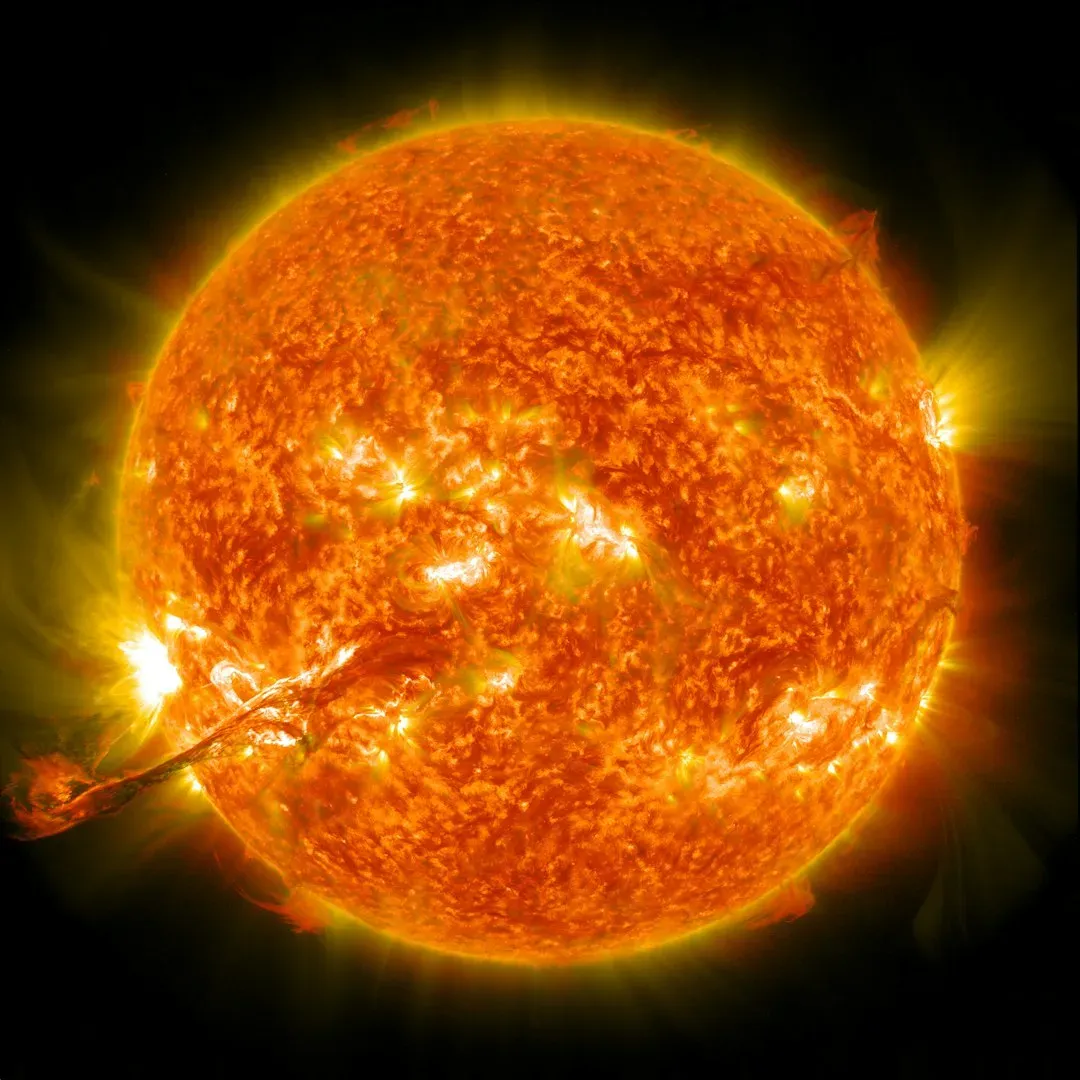
Your star is surprisingly boring, and that is exactly what you needed. The Sun is a middle-of-the-road star: not one of the smallest, dimmest red dwarfs that can flare violently, and not one of the massive, short-lived giants that burn out quickly. Because of its mass and composition, it can shine steadily for billions of years, giving life on Earth time to emerge and evolve without the ground rules changing every few million years. If the Sun had been more volatile, constant extreme flares and radiation storms could have stripped Earth’s atmosphere or sterilized the surface.
The Sun also happens to be fairly stable in brightness, with only small variations over long stretches of time. You are effectively living under a lamp that almost never flickers. That stability matters when you are dealing with fragile things like DNA, ecosystems, and climate. In star terms, the Sun is like the reliable friend who shows up every day at the same time and never makes a scene, and your entire biological history has depended on that quiet consistency.
Earth’s Orbit and Tilt Landed in a Narrow Goldilocks Zone
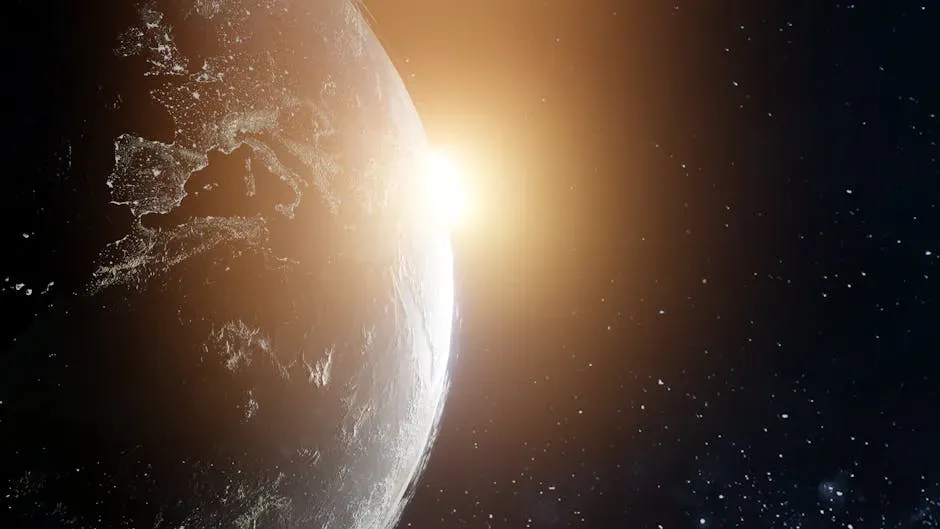
On top of distance, you rely on Earth’s axial tilt and relatively circular orbit to keep seasons and climate patterns within a range that living systems can adapt to. The tilt gives you changing seasons, which shape ecosystems and migration patterns, but it is not so extreme that large parts of the planet alternate between scorching and freezing. If the orbit were highly elongated, you might swing between brutal heat and bitter cold every year. Instead, your world follows a nearly round path that keeps things surprisingly moderate for a planet hurtling through space at enormous speed.
The Moon’s Unlikely Formation Helps Keep Your Planet Steady
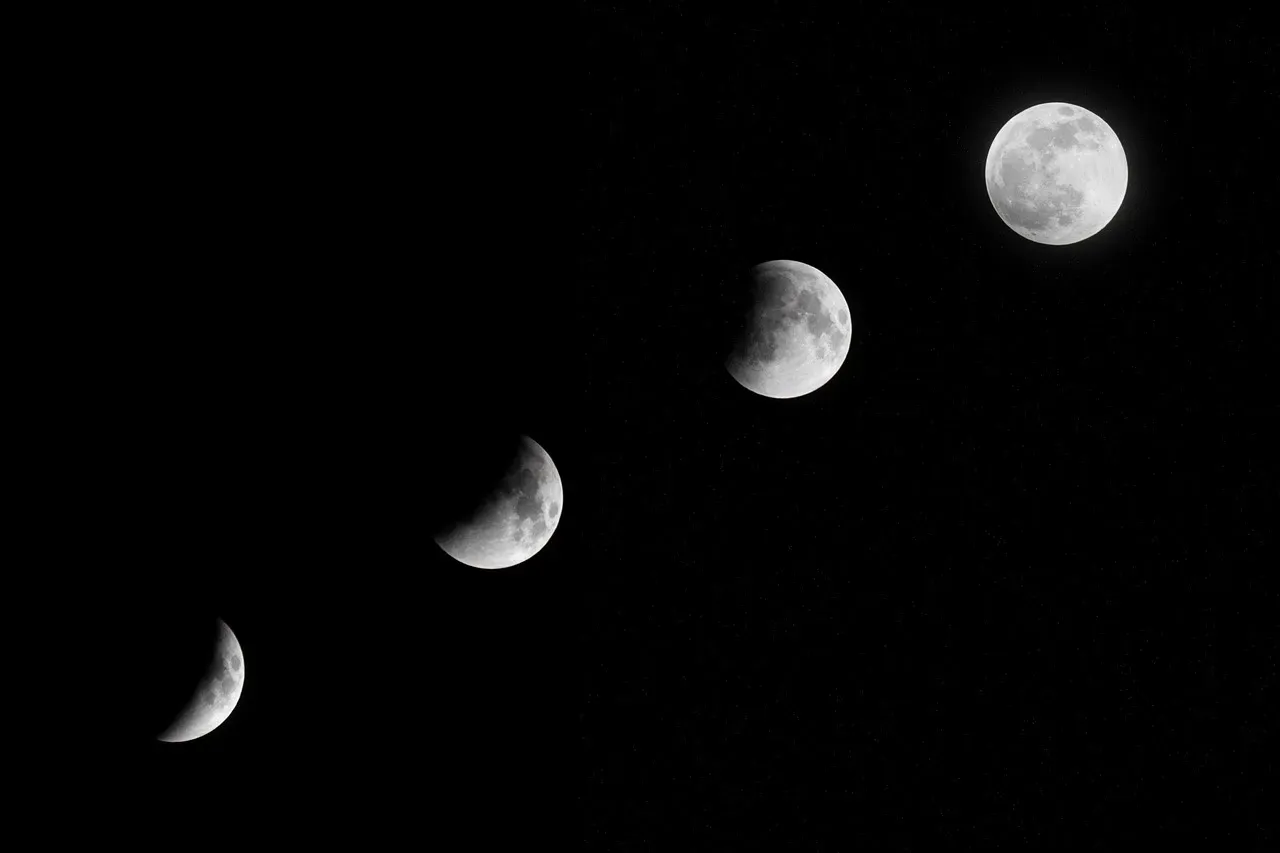
When you look up at the Moon, it feels familiar and almost ordinary, but its existence is tied to a dramatic event in Earth’s early history. The leading idea is that a Mars-sized object slammed into the young Earth, and the debris from that collision eventually formed the Moon. That impact reshaped the planet, affected its rotation, and likely helped melt and mix its interior. Without this violent beginning, your world would look very different today, and not just in the night sky.
The Moon now acts like a stabilizer for Earth’s axis, limiting how wildly the tilt can wander over long timescales. If Earth’s tilt swung too much, you could get extreme climate shifts that might repeatedly disrupt or even prevent complex life from settling in. The Moon also drives tides, which may have played an important role in early life by creating coastal environments where wet and dry cycles helped complex molecules assemble and evolve. So the calm, pale disk you see at night is a quiet reminder of a catastrophe that turned out, improbably, to be exactly the sort of chaos you needed.
A Delicate Balance of Water, Atmosphere, and Plate Tectonics

Plenty of planets probably have rock and gas, but Earth hit a rare combination that gives you oceans, air you can breathe, and a geologically active surface. You have just the right amount of water: enough to cover most of the surface and support life, but not so much that the entire planet is an endless deep ocean with no continents. Your atmosphere is thick enough to shield you from many space hazards and keep the surface warm, but not so thick that it crushes you or traps heat uncontrollably. The mix of gases, including oxygen produced by life itself, forms a kind of feedback loop where life shapes the planet that supports it.
Then there is plate tectonics, the slow shifting of huge slabs of Earth’s crust. That constant rearranging recycles carbon and other elements between the surface and the interior, helping to regulate long-term climate. Without those moving plates, carbon dioxide might either build up too much or get locked away completely, leading to a frozen snowball or a suffocating greenhouse. You live on a world that is constantly adjusting itself over millions of years, almost like a thermostat that keeps temperatures within a range compatible with liquid water and living chemistry.
Time: The Universe Had to Stay Calm Long Enough for You
Even if all the physical conditions were just right, you still needed time, and lots of it. Complex life did not appear overnight; it took billions of years of slow evolution, false starts, mass extinctions, and recoveries to eventually lead to beings like you, able to think about the process itself. If the universe were much younger, there might not have been enough heavy elements or stable environments for life to evolve this far. If your Sun’s lifetime were shorter, evolution might be cut off just as it was getting started.
What you often forget is that the universe has also been quiet enough, on average, for this long story to unfold. Yes, there have been asteroid impacts and volcanic outbursts that reshaped life on Earth, but not so many that everything gets wiped out forever. You ended up in a cosmic era where stars like the Sun are common, heavy elements are plentiful, and energy sources are steady enough for long-running experiments like life. In a sense, you live in a surprisingly peaceful middle chapter of the universe’s story, and your entire existence depends on that lull.
The Biological Lottery: From Simple Cells to Self-Aware Minds
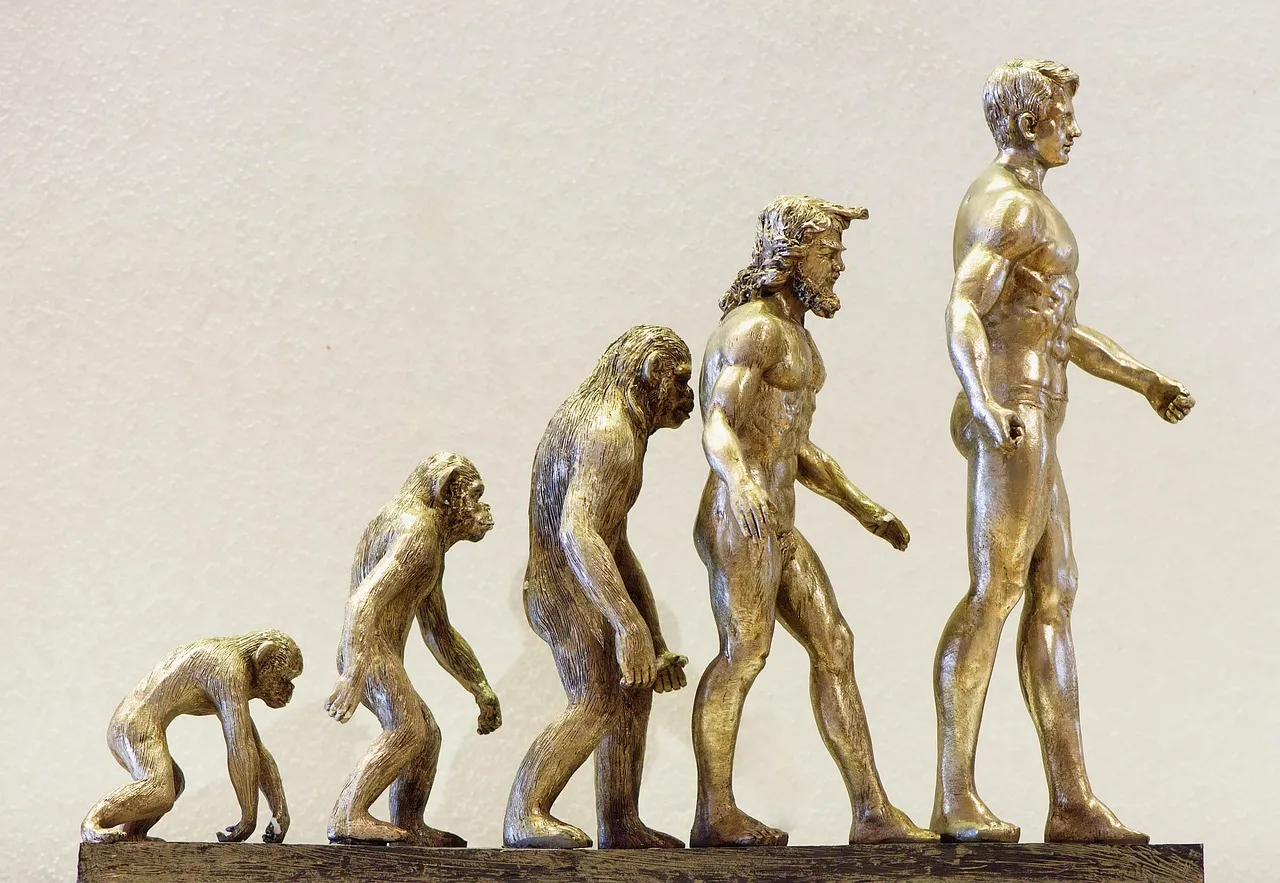
Once basic life got going on Earth, there was no guarantee that it would ever become anything as complex or self-aware as you. The jump from simple cells to more complex, nucleus-bearing cells, and then to multicellular organisms, may have involved rare steps that took enormous stretches of time. Many of the key transitions in evolution seem contingent: if certain symbioses had not happened, or if certain lineages had not survived particular extinctions, your evolutionary path could easily have dead-ended with only simple microbes. You are the outcome of one particular branch of an unimaginably tangled family tree that could have grown in countless other ways.
Even within that tree, your specific lineage depended on countless individual accidents: which ancestors survived, who reproduced with whom, and how tiny genetic variations stacked up over generations. From that perspective, you are not just unlikely at the cosmic scale but also at the level of your own family history. Every time you look in the mirror, you are seeing the end point of a chain where each broken link would have erased you completely. It is hard to feel ordinary once you really sit with that thought.
Conclusion: Living with the Weight of Improbability
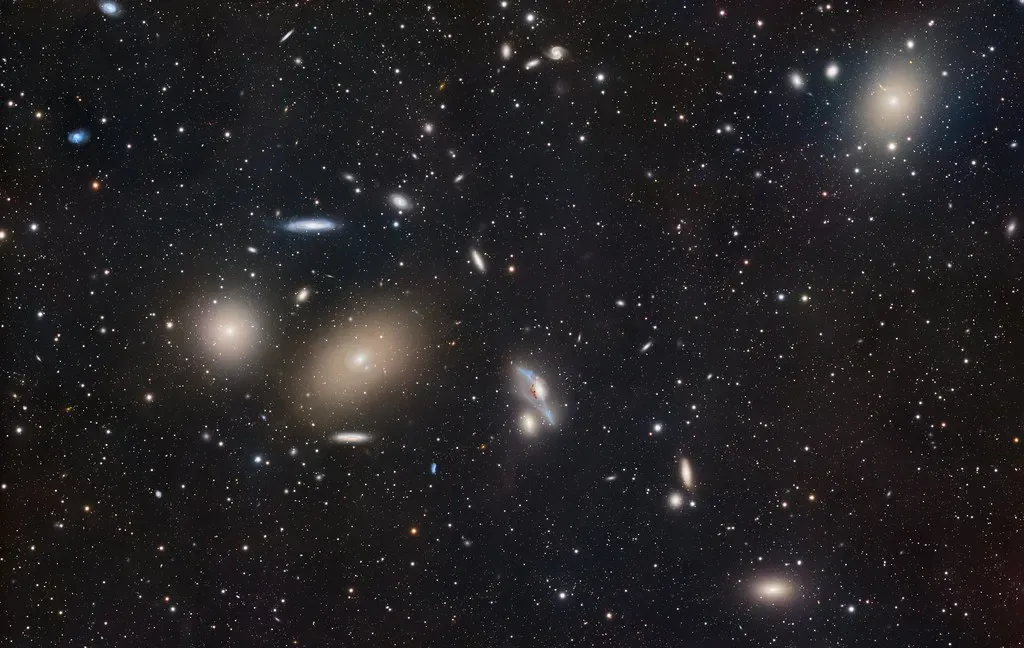
When you put all of these coincidences together, your existence stops feeling like a basic fact and starts looking more like an outrageous stroke of cosmic fortune. The universe had to have particular laws, stars had to forge your atoms, your galaxy had to offer a safe neighborhood, and your planet required a whole series of rare features and events, from its orbit to its Moon to its shifting crust. Then evolution had to stumble, step by step, toward a creature capable of asking how any of this was possible. None of these pieces alone guarantees life like you, but together they sketch a path so narrow it almost seems unbelievable that you get to walk it.
You can respond to that realization in different ways: you might feel humbled, energized, unsettled, or quietly grateful. But it is hard to deny that, on any reasonable scale, you are astonishingly lucky just to be here, reading these words, breathing this air, and thinking these thoughts. The universe did not owe you this moment, yet somehow it arrived anyway. The real question is what you choose to do with a life that, by every measure, should have been almost impossibly unlikely – what will you make of a chance this rare?