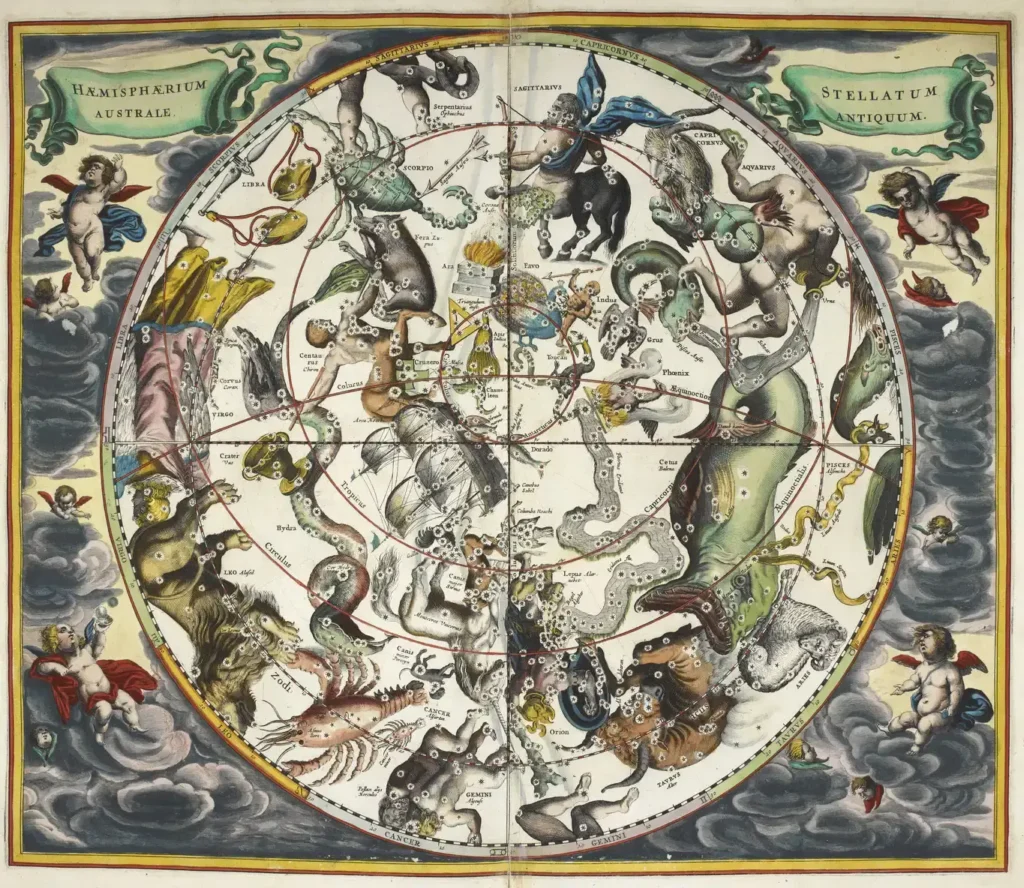
When you look up at the night sky, it is tempting to feel that the constellations are somehow about you: your personality, your love life, your destiny. But when you strip away the horoscopes and the vague promises, you find something far more astonishing and real underneath. The zodiac is not a magic script written for you; it is the record of how your species once tried to make sense of a confusing, often frightening universe using the only tools it had: careful eyes, patient memory, and a sky full of stars.
In other words, the zodiac is not just a list of star signs. It is a map of how people long before you watched the heavens, tracked time, planted crops, and navigated oceans. When you discover the astrophysical story behind those constellations, you start to see them less as fortune cookies and more as fossils of human thought laid out across the Milky Way. You are not supposed to worship them; you are supposed to understand them.
The Ecliptic: The Real Backbone of the Zodiac
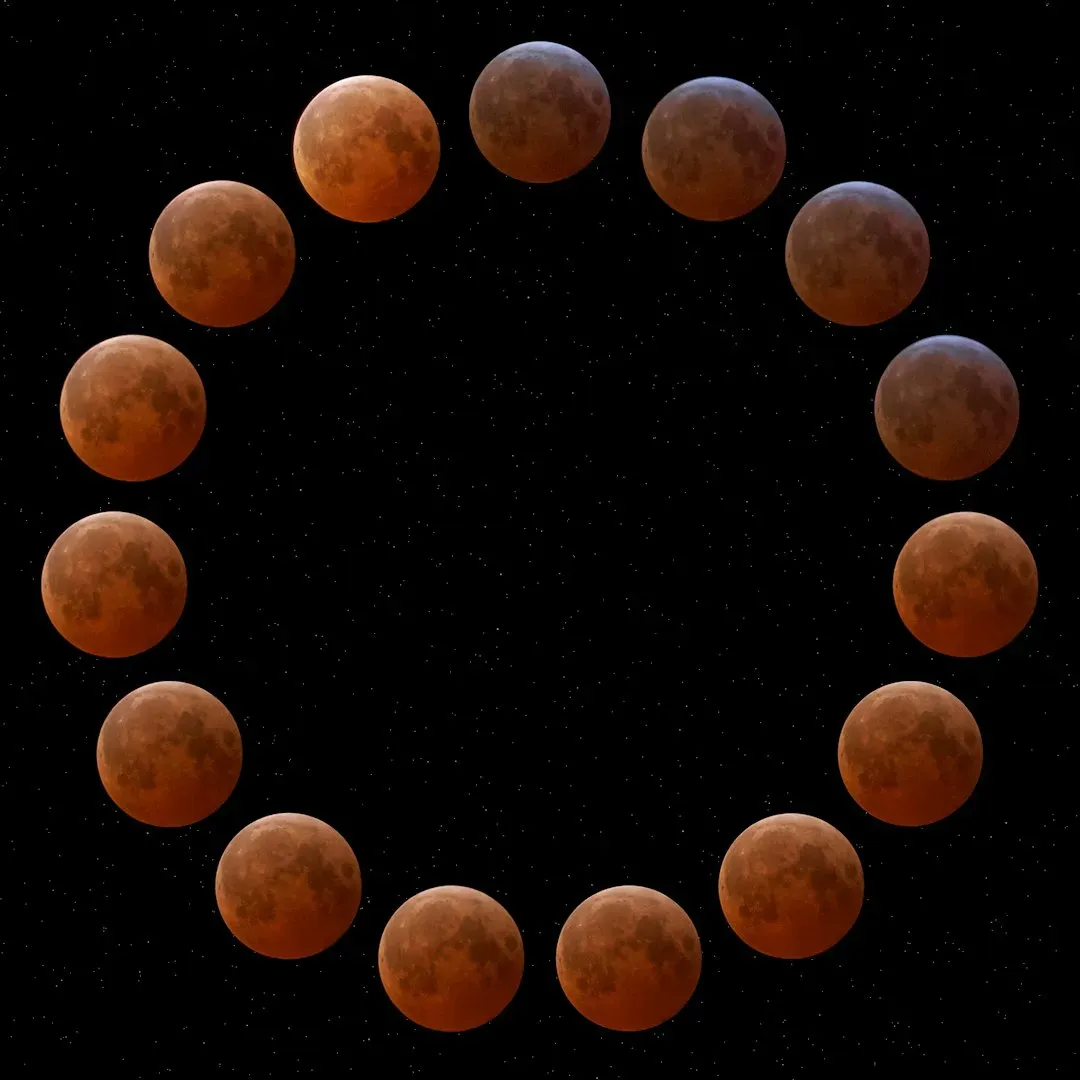
If you want to understand the zodiac in a serious, astrophysical way, you need to start with one simple line in the sky: the ecliptic. This is the apparent path the Sun takes across the celestial sphere over the course of a year, and it is not a guess or a metaphor; it is pure geometry, defined by the plane of Earth’s orbit around the Sun. When people long before you watched the sky night after night, they noticed that the Sun, Moon, and visible planets all moved only through a narrow band of constellations along this path.
Those constellations that sit along this band became the zodiac. You can think of them as the backdrop against which the solar system does its slow, elegant dance. The reason the zodiac feels special is not mystical; it is simply where the action is. The Sun’s yearly journey along the ecliptic marks your seasons, the Moon’s monthly path shapes its phases, and the planets wander back and forth against that same strip. When you talk about Aries or Leo from an astrophysical point of view, you are really talking about landmarks along the highway of the solar system.
How Agriculture, Seasons, and Survival Created the Zodiac

You might imagine the zodiac was invented for personality readings, but its original purpose was brutally practical: survival. If you were a farmer in the ancient world, knowing when to sow and when to harvest meant the difference between life and death. Without calendars and smartphones, you used the sky. Certain star patterns rising just before dawn or setting just after sunset became reliable seasonal markers, telling you when the rainy season was coming, when winter was fading, or when it was time to bring animals in from the pastures.
Over generations, people noticed that the Sun seemed to move from one star pattern to the next over the year, and they broke this annual cycle into segments. That is how the zodiac signs emerged: as a sky-based calendar, not a personality quiz. When you see Taurus in astrology tied to themes of stability and material comfort, you are really looking at the faint echo of an agricultural calendar, where the time of Taurus once lined up roughly with plowing, planting, and watching herds. The “meaning” started with the land and the seasons, not with your love compatibility.
Why There Are Thirteen Zodiac Constellations (Not Just Twelve)
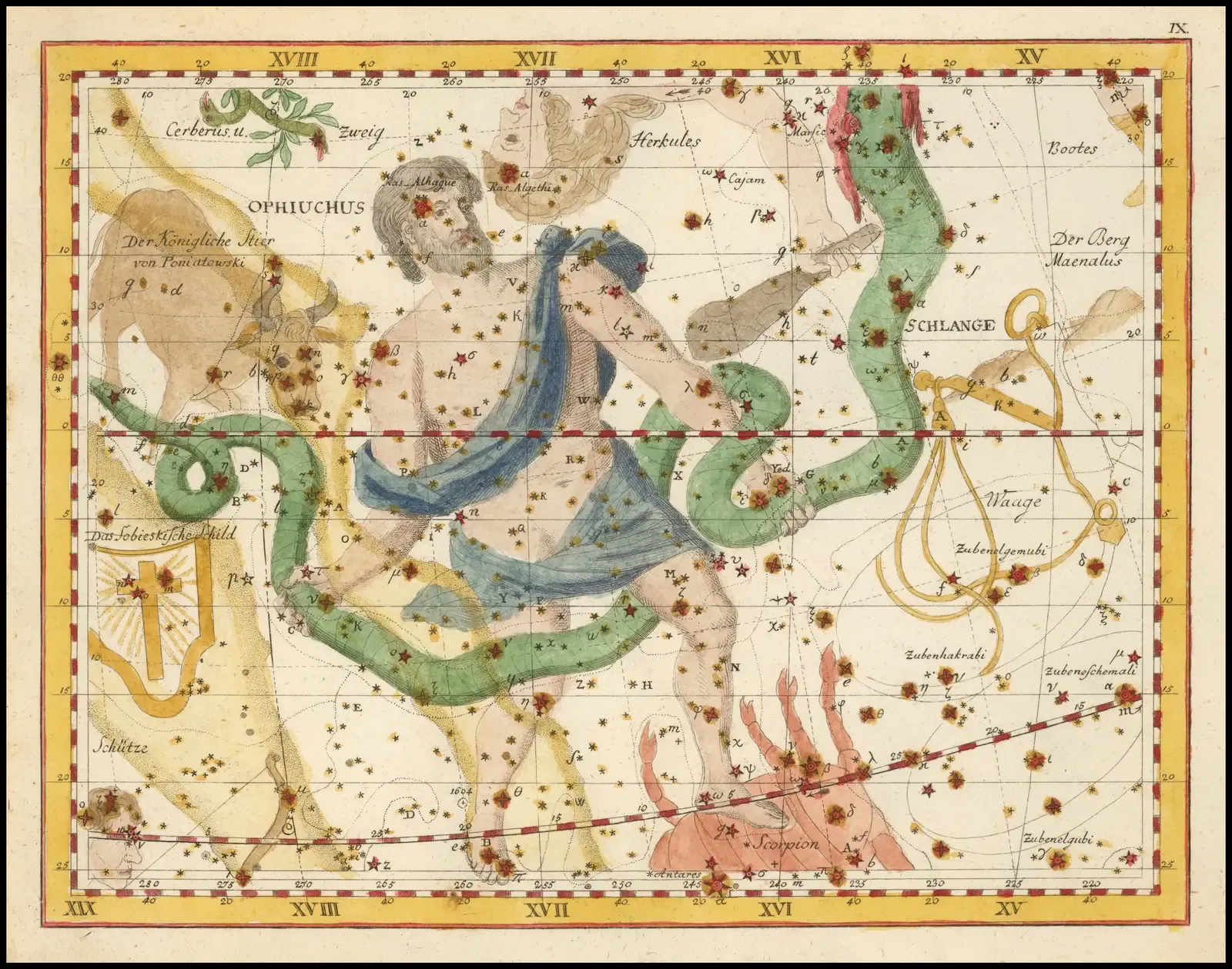
You have probably heard about the twelve zodiac signs so many times that they feel fixed and official, but the sky does not care about your neat dozen. Along the ecliptic, the Sun actually passes through thirteen constellations, not twelve. In addition to Aries, Taurus, and the rest that you already know, there is also Ophiuchus, the serpent bearer, which sits between Scorpius and Sagittarius along the solar path. From a purely astronomical perspective, it is just as “zodiacal” as any other.
The reason you usually do not hear about Ophiuchus has nothing to do with science and everything to do with historical convenience. Ancient astrologers wanted a simple system tied to twelve equal slices of the year, roughly one per lunar cycle, so they kept the pattern tidy and ignored the uneven reality of the sky. If you care about the actual heavens above you, you have to accept that the Sun spends time in Ophiuchus too. The sky is messy, and your neat human categories are the ones that are artificial.
Precession: How Earth’s Wobble Scrambles Your Star Sign
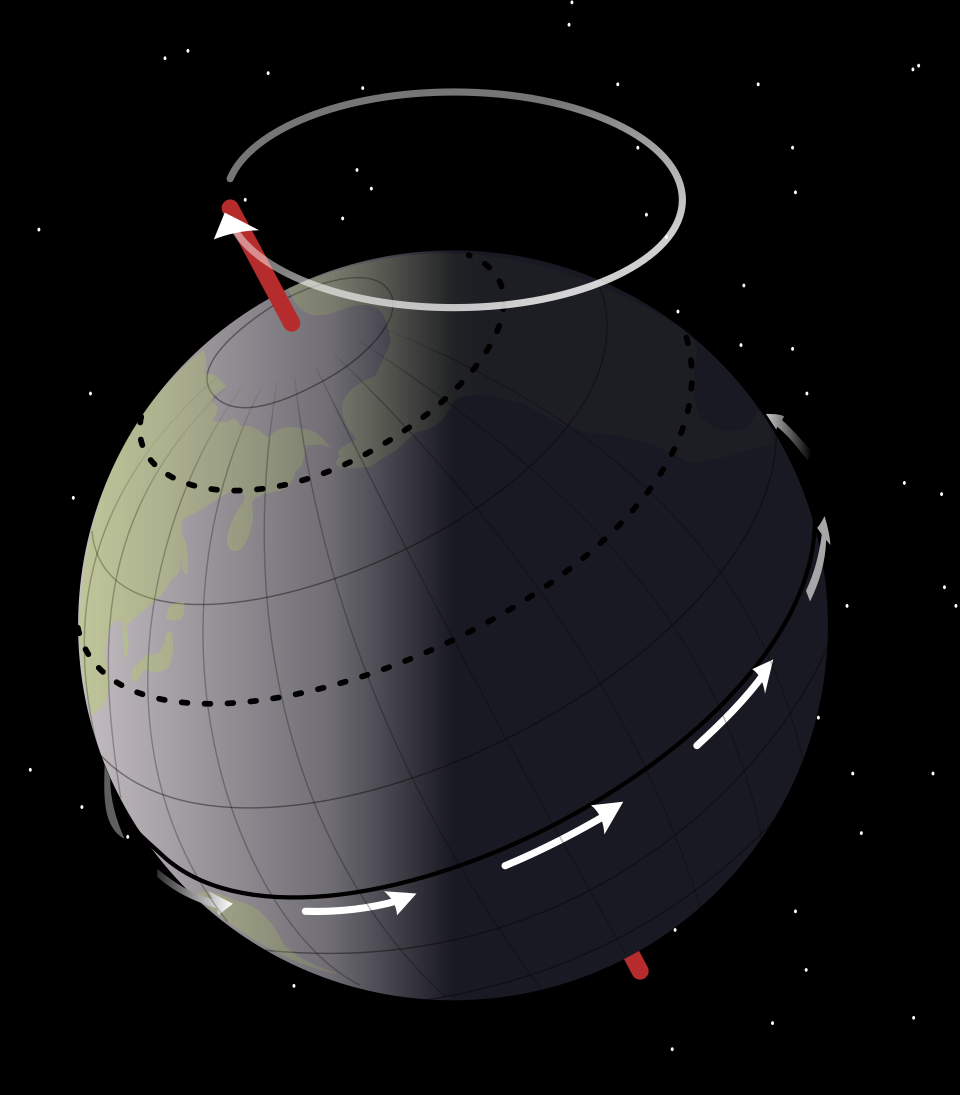
One of the most surprising astrophysical facts you run into is that your “sign” in modern astrology often does not match where the Sun actually was in the sky when you were born. The reason is a slow, relentless effect called axial precession. Earth does not simply spin like a perfectly balanced top; its axis wobbles over time, tracing a circle in the sky roughly every twenty-six thousand years. This wobble gradually shifts the apparent positions of the equinoxes and solstices relative to the constellations.
When the zodiac system you know was originally codified, the Sun was indeed in Aries at the time of the March equinox. But because of precession, that point has slid backward through the constellations over the centuries and now sits in Pisces, slowly moving toward Aquarius. If you were born under “Aries” according to a newspaper horoscope, the actual Sun at your birth might have been in Pisces astronomically. That mismatch is not a minor technicality; it shows you clearly that the zodiac signs in popular use are locked to a two‑thousand‑year‑old reference frame, not to the current sky above your head.
The True Nature of Constellations: Patterns in Your Mind
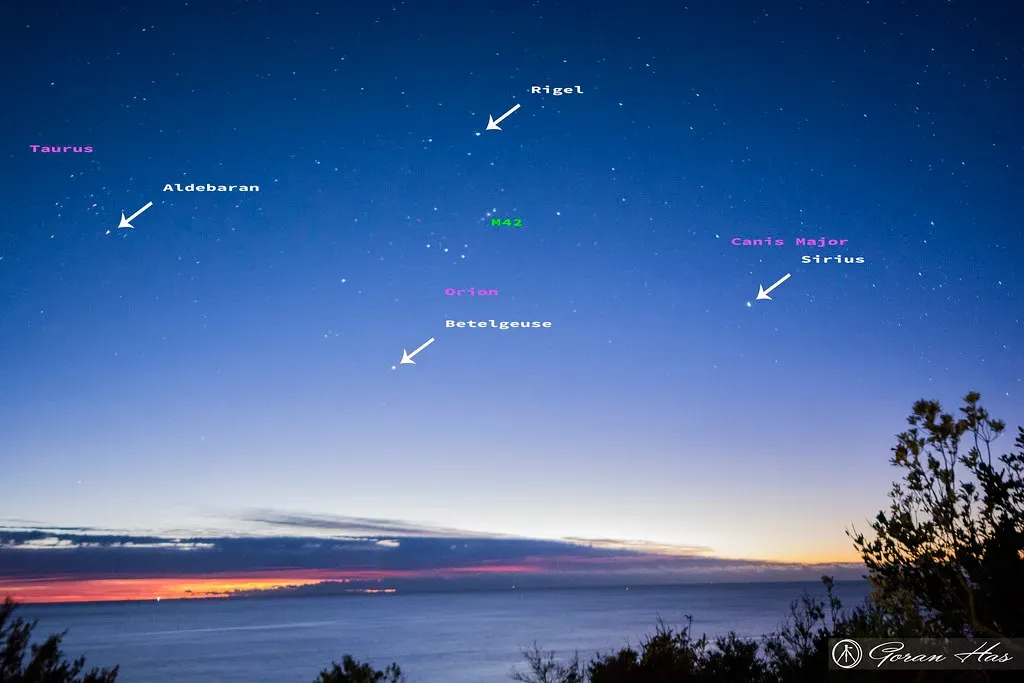
When you step back and ask what a constellation actually is, you discover something humbling: it is a pattern your mind imposes on unrelated stars. The points of light you connect into a ram, a scorpion, or a lion are not close together in space; they only line up from your viewpoint on Earth. Some of those stars may be dozens of light-years apart, moving in different directions, born at different times from entirely different clouds of gas. The creature you think you see in the sky exists only in your imagination.
Astronomers today define constellations as official regions of the sky, like countries on a cosmic map, so that when you say a star is “in” Sagittarius, you mean it lies inside that border, not that it participates in a picture of an archer. In reality, what you call Leo or Capricornus is a story draped across a patch of the Milky Way. The zodiac constellations are psychological Rorschach tests printed on starlight: powerful, culturally rich, and emotionally meaningful, but not literal animals or people etched into the universe just for you.
Stars, Planets, and Gravity: What Actually Shapes Your Life
Once you understand the physics involved, you can see clearly why zodiac constellations cannot control your personality or fate. The forces that truly shape your life are things like gravity, radiation, chemistry, and biology, and they do not know or care whether Mars is in Virgo. The gravitational influence of distant planets and stars on you at birth is minuscule compared to the pull of the doctor standing next to you or the hospital building around you. The photons from distant zodiac stars may take hundreds of years to reach Earth, but they arrive as a faint drizzle of light, utterly drowned out by the Sun, streetlamps, and even your bedroom ceiling.
What has a tangible impact on you instead are features like Earth’s tilt, which creates seasons and influences agriculture, and solar activity, which can affect satellites, power grids, and high-altitude flights. Your brain and personality are shaped by your genes, your upbringing, your experiences, and your choices, not by the outline of a stick figure in the sky. You are living in a universe governed by measurable laws, where mass, distance, and energy set the rules, not by a cosmic script based on which pattern the Sun happened to cross in late April.
The Real Meaning You Can Take from the Zodiac Today
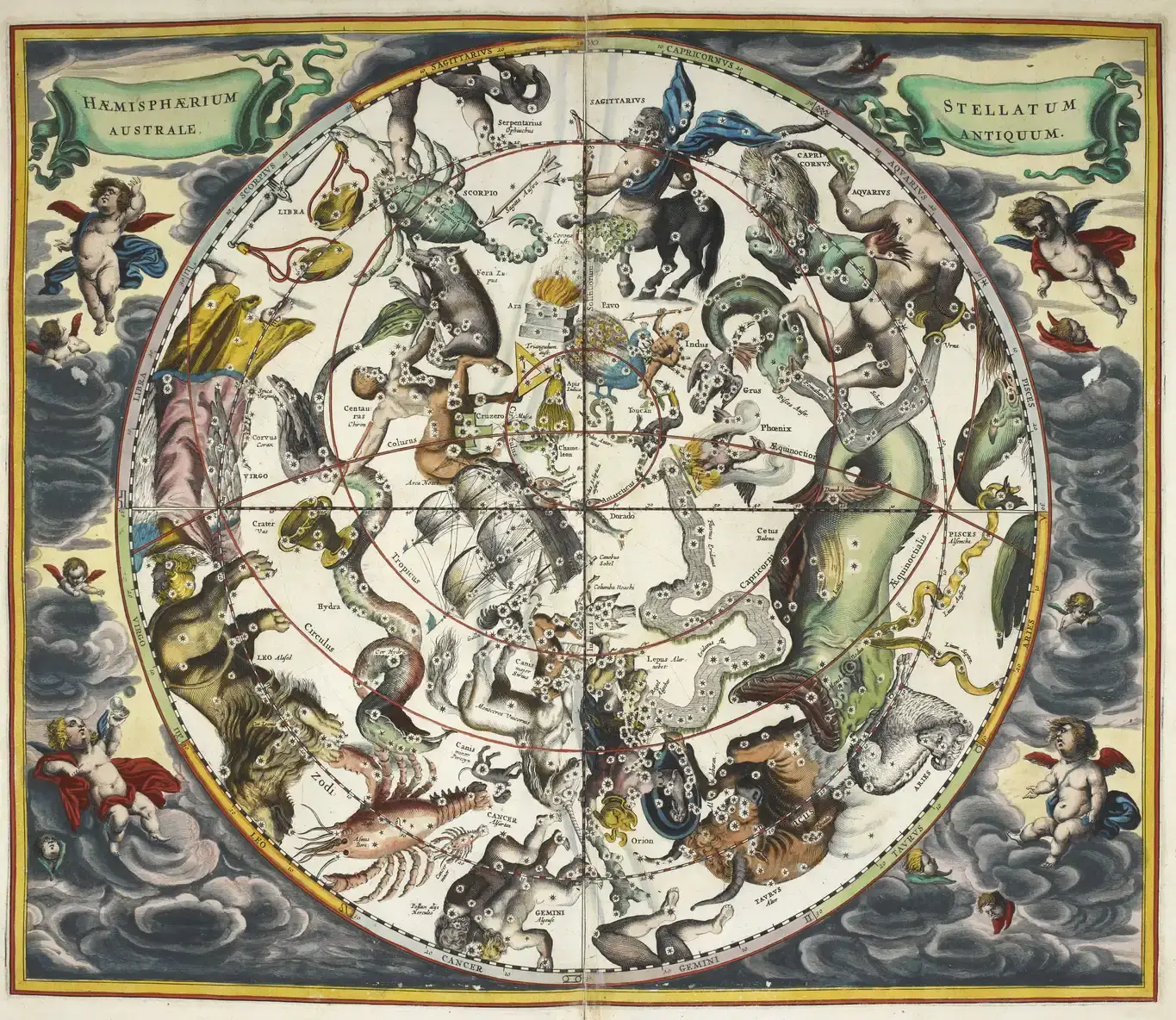
So if the zodiac does not secretly run your life, what real meaning can you honestly take from it? You can treat it as a cultural heirloom, a record of how your ancestors turned the night sky into a calendar, a storybook, and a guide. When you say you are “a Leo” or “a Virgo,” what you are really doing is reaching back through centuries of myth, language, and shared imagination. The constellations become a kind of shared vocabulary that lets you talk about time of year, mood, or identity in a poetic way, even if the physics underneath does not support the predictions.
You can also use the zodiac as a gateway drug into real astronomy. Instead of stopping at the horoscope page, you can step outside on a clear night and actually find those constellations. You can notice how the Sun’s position changes over the year, how the Moon moves against the background stars, and how certain constellations mark the turning of seasons. The real meaning, then, is not that the universe is whispering your fate through symbolic animals, but that you are capable of learning the language of the sky for yourself.
From Myth to Science: Letting the Sky Be More Honest and More Beautiful

When you approach the zodiac astrophysically, you are not disrespecting tradition; you are maturing your relationship with the sky. You move from asking what the stars are saying about you to asking what they are, how they formed, and how they evolve. You start to see that the Sun’s path through Aries or Sagittarius is not a coded message about your career, but a consequence of orbital mechanics, stellar evolution, and the geometry of space. The myths become the doorway, not the destination.
As you let go of the idea that constellations control you, you make room for a kind of meaning that does not depend on being chosen or singled out by the cosmos. You realize you are part of a species that once feared the dark, then mapped it, then learned to read it in the language of light and gravity. The zodiac becomes a reminder that you stand on a small world, tilted just so, circling an ordinary star, in a galaxy full of others, all following the same laws. That story may not tell you whether you will meet a mysterious stranger next month, but it does tell you something better: you are capable of understanding where you are, and that understanding is its own quiet kind of wonder.
Conclusion: Reading the Sky Without Reading Your Fate
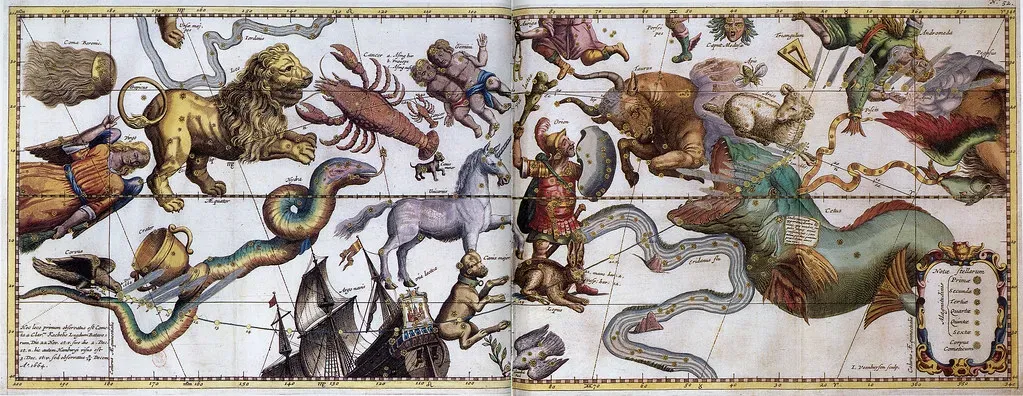
When you put all of this together, the zodiac constellations stop being a secret code about your personality and start becoming what they always were: a beautifully imperfect human map of the heavens. You see how the ecliptic, the seasons, agriculture, and navigation wove themselves into stories of rams, lions, and scales, and how those stories were later repackaged into horoscopes. You also see how Earth’s slow wobble, the uneven sizes of constellations, and the sheer physics of stars and planets quietly undermine the idea that your destiny is written in the sky.
That does not mean you need to throw away the zodiac entirely; it means you can use it more honestly. You can enjoy the symbolism, the myths, and the sense of connection they give you, while recognizing that the real forces shaping your life are gravity, biology, society, and your own choices. The sky above you is not a scoreboard or a script; it is a vast, indifferent, astonishing reality you get to explore. When you look up at your “sign” from now on, will you see a prediction about yourself, or a doorway into a universe that is far stranger and more beautiful than any horoscope could promise?