
Imagine a world where the only light after sunset is firelight, and the loudest sound you hear all day is a thunderstorm or a roaring river. In that kind of world, a single human voice singing in the dark would feel almost magical. Long before cities, writing, or organized religion, sound was already weaving people together, helping them make sense of danger, joy, grief, and the mystery of being alive. Music did not arrive as a luxury; it emerged as a tool for survival, identity, and connection.
What makes this even more fascinating is that the oldest musical traces we have are older than many of the things we usually think of as “civilization.” Flutes carved from animal bone, hollow logs used as drums, and rhythmic clapping patterns point to a deeply human urge to turn simple noise into meaningful sound. When we talk about the ancient origins of music, we’re really talking about how early humans learned to use sound as a bridge: between body and mind, the individual and the group, fear and courage, chaos and order.
The First Instruments: Bones, Stones, and Simple Genius
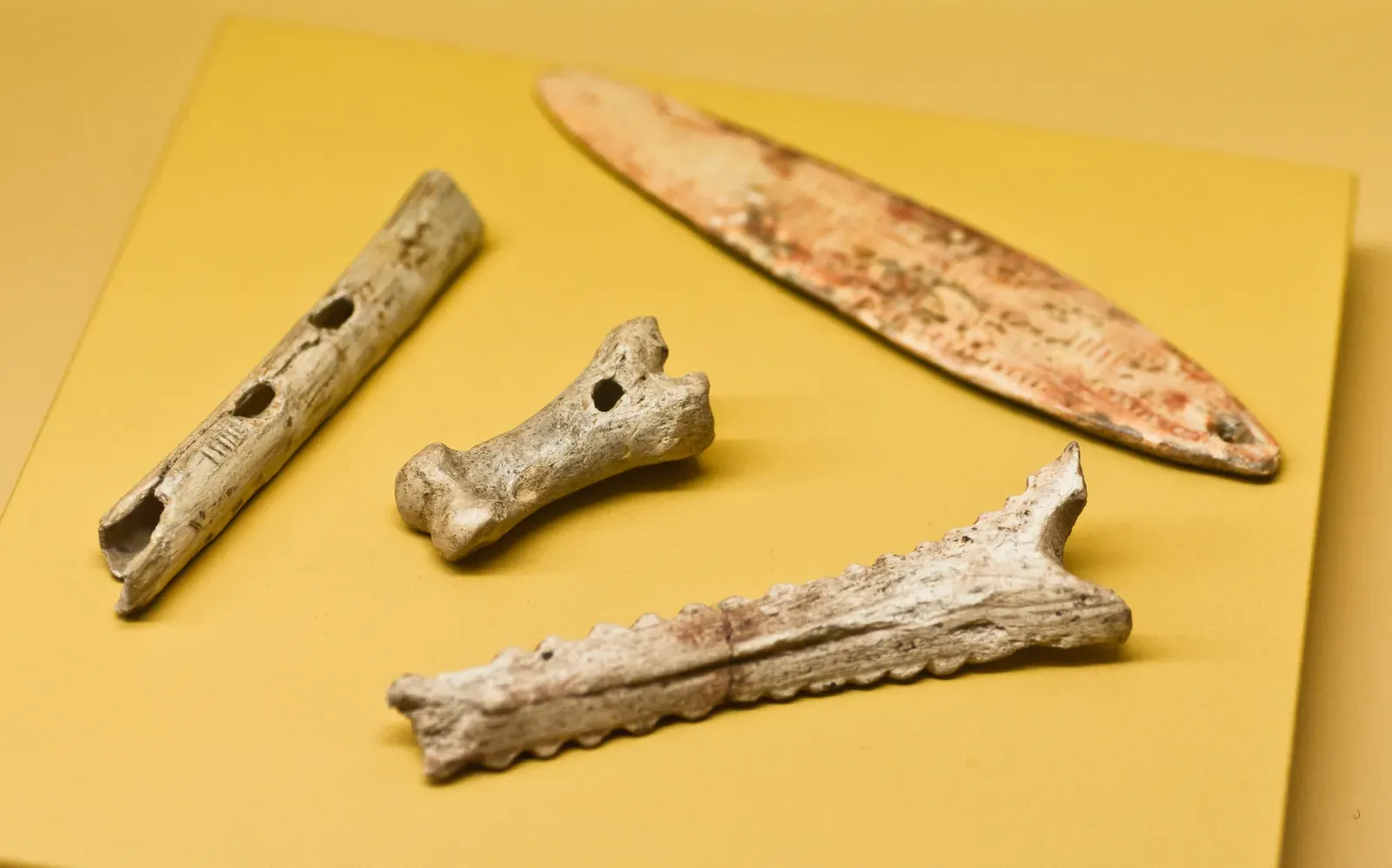
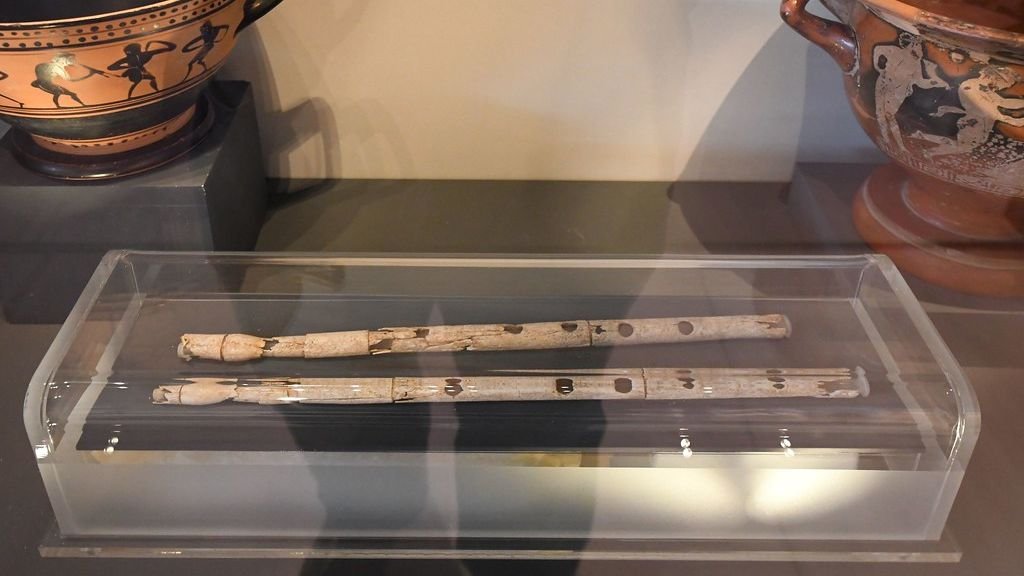
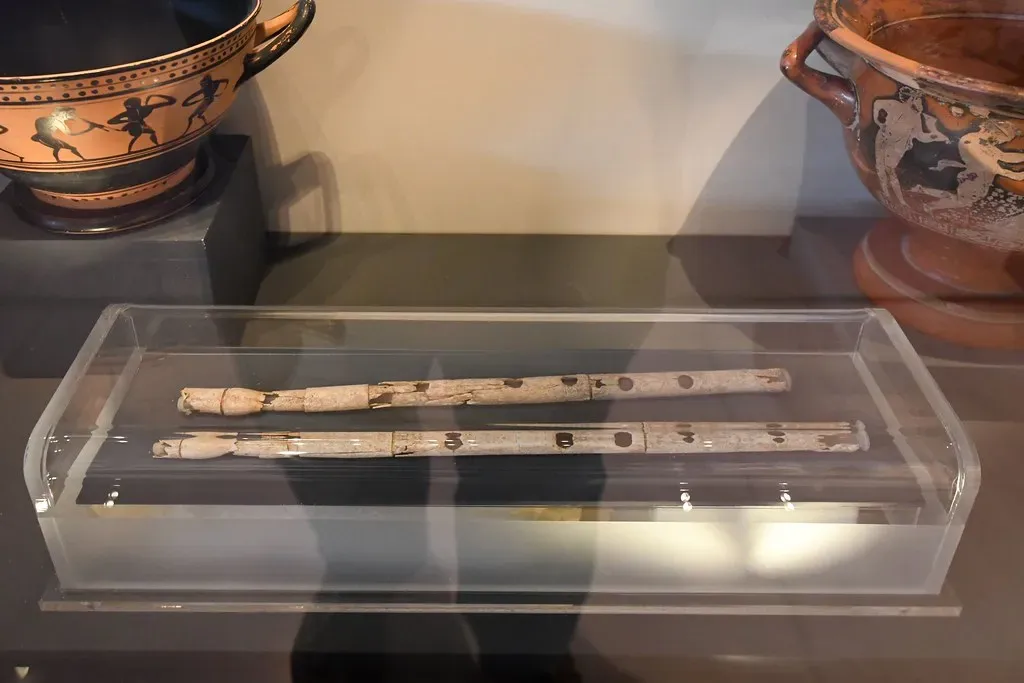
One of the most striking discoveries in archaeology is that some of the earliest known instruments are tens of thousands of years old. In caves in Europe, researchers have found flutes carved from bird bones and mammoth ivory, some dating back roughly to the time when humans and Neanderthals still coexisted. These aren’t crude noisemakers; they have carefully spaced holes, suggesting that early humans understood pitch, tuning, and the idea that specific sounds could be repeated and shared. It’s wild to think that someone, long before recorded history, sat down with a bone and the patience to shape it into something that sings.
It wasn’t just flutes, either. Stones that ring when struck, hollow logs, shells, and even human bodies became part of early sound-making toolkits. A rock that makes a bright, bell-like tone when hit is suddenly more than a rock; it’s a portable sound source, a way to call, warn, or celebrate. From there, it doesn’t take much imagination to see how patterns emerged: tap, tap, pause, tap-tap-tap. These patterns become recognizable and repeatable, and with that, you have the seeds of rhythm, maybe even the first “songs” passed from one person to another.
Rhythm and Survival: Music in the Hunt and the Camp
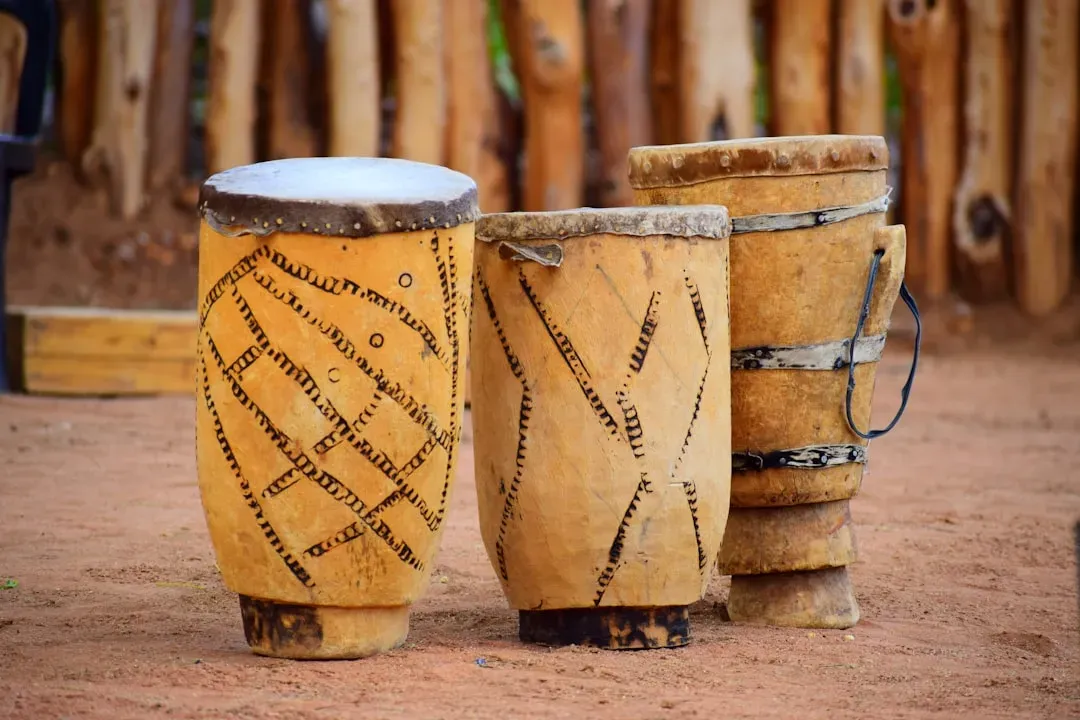
In small, vulnerable groups trying to survive in harsh environments, coordination is everything. Music’s earliest role might have been brutally practical: helping people move together, work together, and act as a single, coordinated force. A steady beat can regulate walking speed during long migrations, help paddlers row in sync, or keep a group focused during a dangerous hunt. When everyone moves on the same beat, the group becomes smoother and more efficient, almost like a single organism. That’s not just nice to have; in a world full of predators and scarce food, it can be the difference between life and death.
Back at camp, rhythm and voice would have helped structure life when the physical work paused. Simple call-and-response patterns, chants, and communal drumming could reinforce group identity and reduce tension after stressful days. You can picture a circle around a fire: kids copying the rhythms of elders, people clapping or stomping, laughter cutting through the night. That combination of pulse and shared attention can calm the nervous system, ease fear of the dark, and keep people emotionally tethered to one another. In a way, rhythm was early humanity’s social glue and stress relief rolled into one.
Voices in the Dark: Emotion, Memory, and Early Song
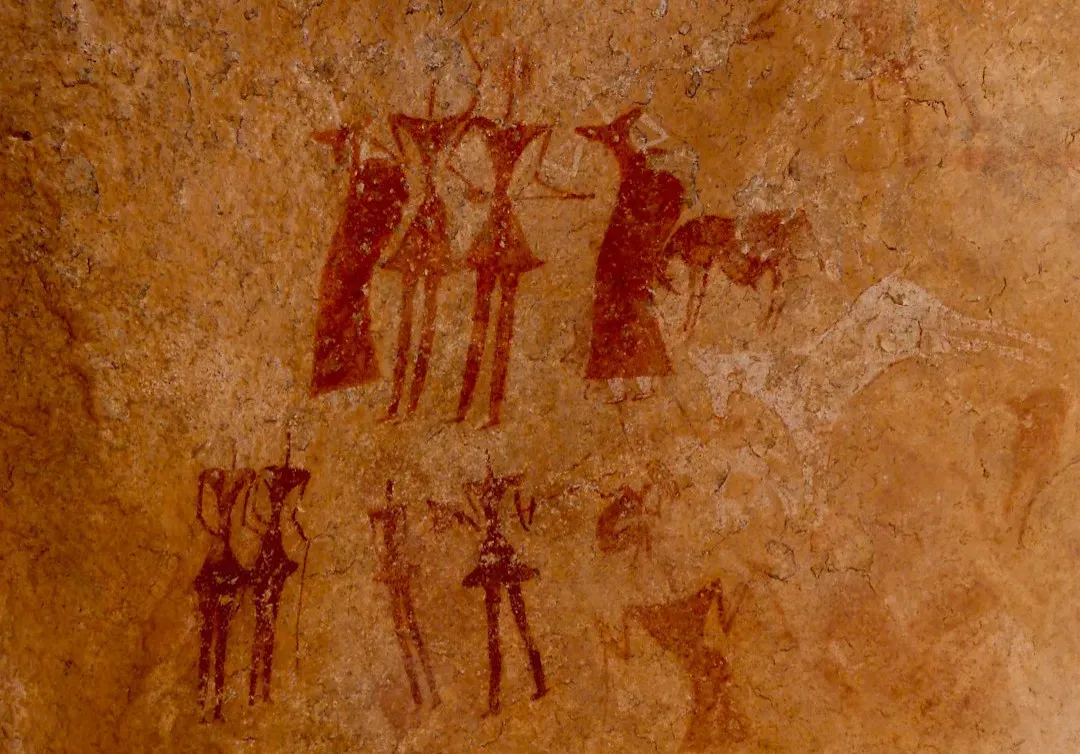
The most accessible “instrument” early humans had was their own voice, and there’s a strong case that singing emerged naturally from speech, crying, and laughter. You hear this echo in babies today: long before they speak, they explore pitch, volume, and rhythm through coos and wails. Now imagine a small group sitting in deep darkness, telling a story or mourning someone who didn’t make it back; it’s not hard to see how a voice might stretch out a sound, linger on a note, or repeat a phrase for comfort. From there, you’re only a small step away from something that we’d clearly recognize as song.
Song also helped with memory in a time when nothing was written down. It’s easier to remember words that follow a tune or a clear rhythmic pattern than plain speech. Early people could encode practical knowledge – about animals, seasons, landmarks, or rules of behavior – into melodic, repetitive forms. Think of it like the original “playlist” of survival information: sing the migration route, sing the warnings about that river, sing the story of what happens when someone breaks a taboo. The melody acts as a hook, pulling crucial information back into the mind when it’s needed most.
Ritual, Trance, and Contact with the Invisible
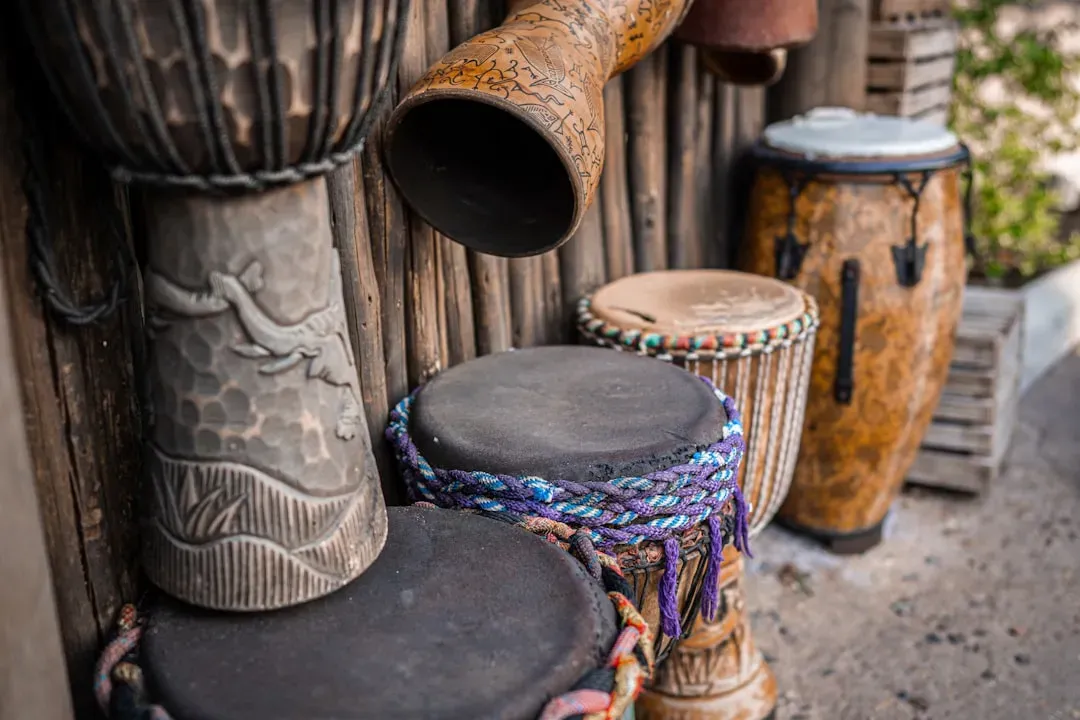
In many early societies, music, dance, and spiritual practice were not separate categories; they were different faces of the same thing. Drumming that speeds up slowly, chanting that repeats beyond the point of comfort, and swaying or spinning movements can all push the human brain into altered states. Long before anyone had words for “neuroscience,” people knew that certain sounds and rhythms could open a door in the mind. Whether they interpreted that as contacting spirits, ancestors, or some unseen force, the experience would have felt deeply real and emotionally powerful.
These communal sonic experiences also drew clear emotional lines in the landscape of life: birth, death, harvest, victory, and disaster each developed their own soundscapes. Grief might be marked by slow, low tones and repetitive laments, while success in hunting or warfare might be celebrated with loud, rapid drumming and shouting. Over time, those patterns became tradition, giving people something to hold on to when words alone felt empty. Ritual music, in that sense, gave structure to the chaos of existence, turning formless fear of the unknown into a shared, repeatable experience.
Sound as Social Technology: Bonding, Belonging, and Identity
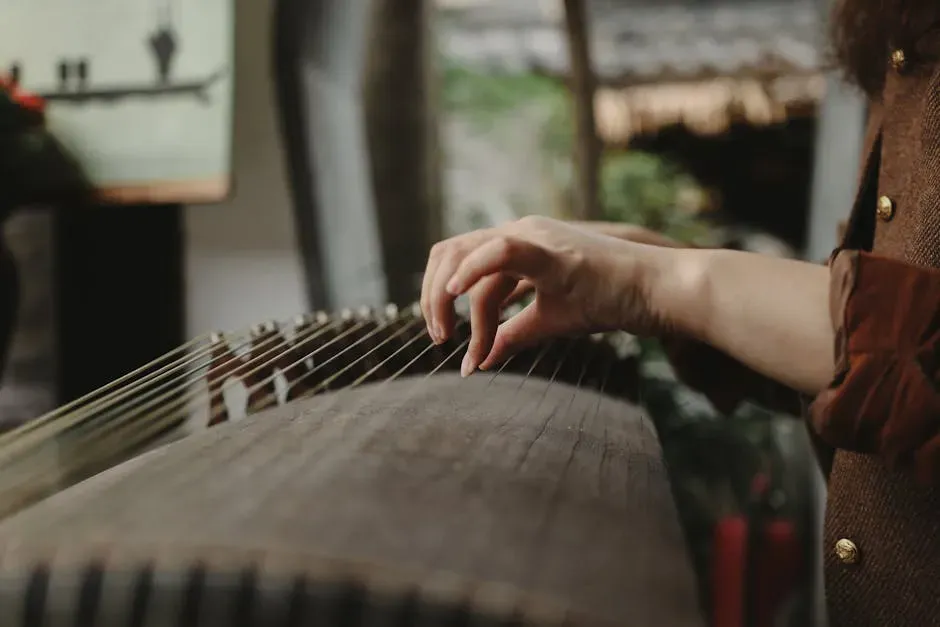
One of the most powerful things about music is how it turns a random group of bodies into a single, coordinated mass. When people sing or move in unison, their breathing syncs up, their heart rates can drift closer together, and the barriers between “me” and “us” feel thinner. For early humans, living in small bands surrounded by uncertainty, this kind of bonding would have been priceless. A group that feels closely knit is more likely to share resources, protect each other, and stick together when things get rough.
Music also became a way to say “this is who we are” without needing to explain anything. Different groups could develop distinct rhythms, chants, or vocal styles that marked their identity as clearly as language or clothing. Those sounds would travel across valleys and along rivers, a kind of early broadcast signal announcing presence and territory. Even today, you can see faint echoes of that in the way different cultures hold on fiercely to their musical traditions, using them as a shield against being erased or absorbed by others. For early people, sound was not just entertainment; it was a statement of existence.
The Landscape as Instrument: Echoes, Caves, and Natural Acoustics

Ancient humans didn’t make music in isolation from their surroundings; they played directly with the natural acoustics of the world. Caves with strong echoes, overhangs that amplified voices, and rock walls that vibrated under drumming would have been discovered through trial and error. Some of the most famous prehistoric cave sites show a curious overlap: areas with vivid paintings often line up with places where sound carries or echoes especially well. It’s as if those spaces became early stages or sanctuaries where sound and image merged into a single, immersive experience.
Naturally occurring sounds – like wind whistling through cracks, stones clattering in streams, or animals calling at night – almost certainly pushed human imagination further. You can picture someone hearing a distant echo for the first time and trying to answer it, or imitating the call of a bird until it turns into a recognizable pattern. In a sense, the environment was co-composer: it suggested ideas, shaped what was possible, and rewarded curiosity with surprising acoustic effects. The line between “music” and “the sounds of the world” would have been blurry, and that blur may be exactly where creativity took root.
From Ancient Echoes to Modern Ears: What Early Music Still Teaches Us
When you listen to music today – from a symphony to a simple beat on your headphones – you’re hearing the distant echo of those first experimental sounds made by firelight. The emotional core hasn’t really changed: we still turn to music to calm ourselves, to get braver, to feel less alone, and to mark the big moments that shape our lives. Modern instruments and digital tools are more complex, but the basic human need they serve is recognizably ancient. That gap between then and now is smaller than it looks.
For me, the most humbling part of this story is realizing that music is not an extra feature bolted onto human life; it’s woven into how we became who we are. Early humans used sound to solve real problems: fear, isolation, coordination, grief, and the hunger for meaning. When you hum under your breath walking down the street or tap your fingers in time without thinking, you’re doing something with roots far older than writing, farming, or metalworking. It makes you wonder: when you press play on your favorite song, how much of you is listening – and how much of you is remembering?