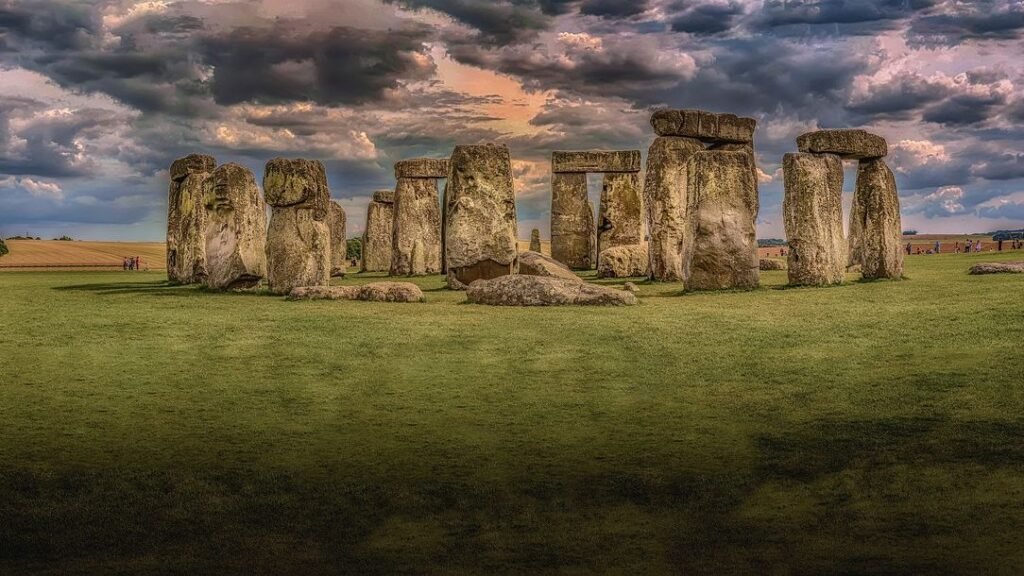

You’ve probably heard about Stonehenge, the famous circle of stones standing proud on England’s Salisbury Plain. Maybe you’ve even seen photos of it. Yet that’s just the tip of the iceberg when it comes to Europe’s ancient stone structures.
Across the continent, more than 35,000 megalithic structures have been scattered from Sweden in the north all the way to the Mediterranean Sea in the south. These monuments weren’t built by a single civilization or even during one era. They emerged over thousands of years, each telling a different story about the people who hauled, shaped, and arranged massive stones without the machinery we rely on today.
Let’s be real, when you stand before one of these ancient wonders, a strange feeling washes over you. How did they do it? Why did they go through all that trouble? These aren’t just piles of rocks. They’re feats of engineering, astronomy, and sheer human willpower that continue to baffle researchers even now, in 2026.
Stonehenge: The Iconic Mystery That Refuses Simple Answers
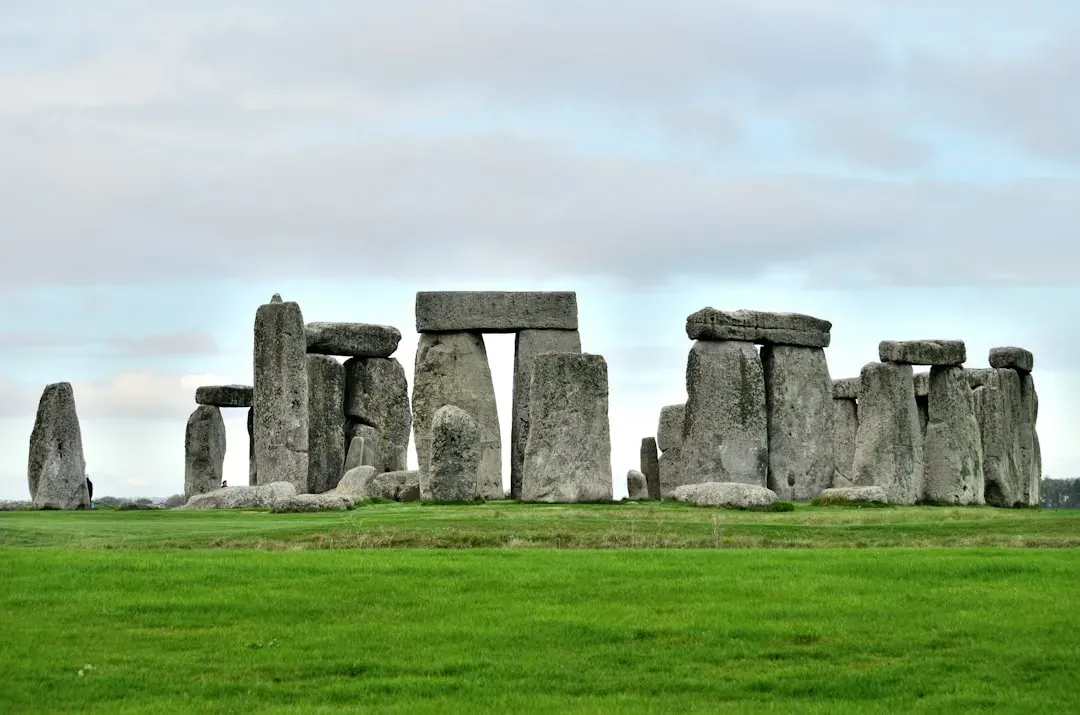
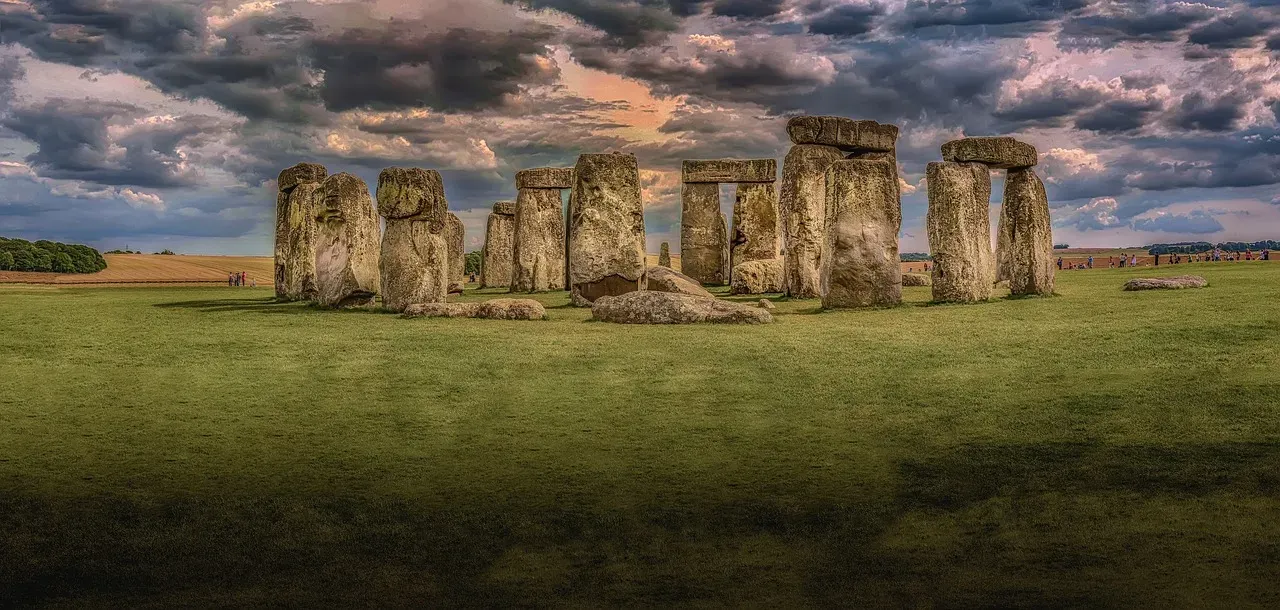
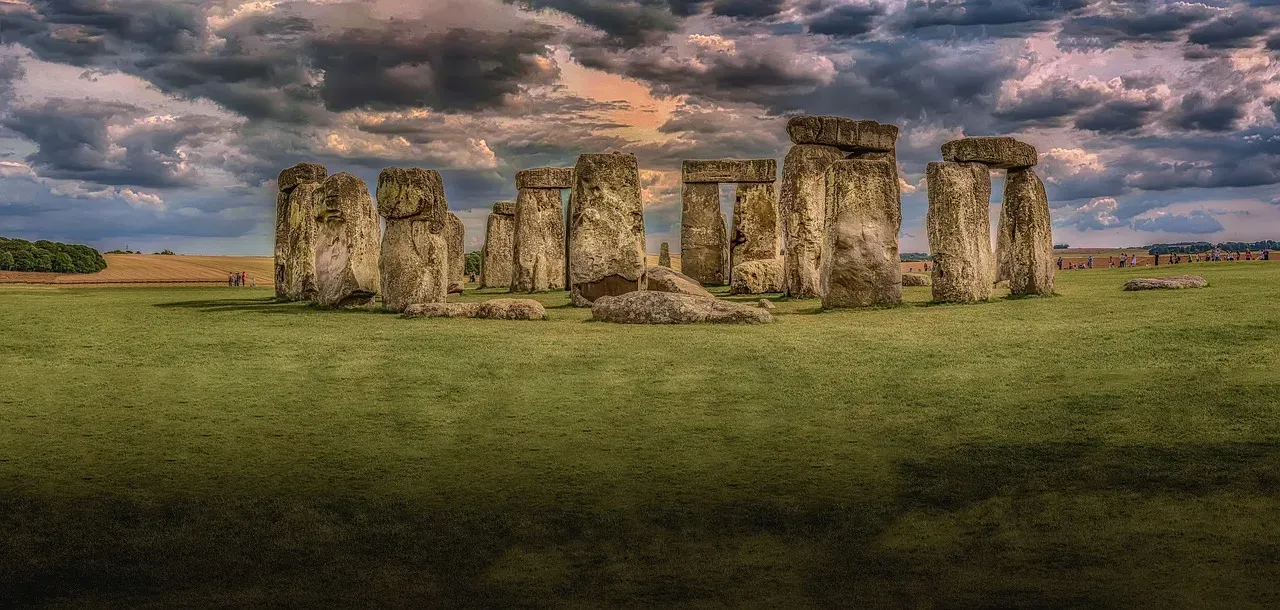
Stonehenge sits on Salisbury Plain in Wiltshire, England, consisting of an outer ring of vertical sarsen standing stones around 13 feet high and weighing around 25 tons, topped by connecting horizontal lintel stones held in place with mortise and tenon joints. The whole monument, now in ruins, is aligned towards the sunrise on the summer solstice and sunset on the winter solstice.
Construction began about 3100 BC and continued until roughly 1600 BC, with the famous circle of large sarsen stones placed between 2600 BC and 2400 BC. Honestly, the fact that this monument evolved over more than a millennium tells you something about the dedication involved. Generation after generation returned to the same spot, adding to what their ancestors started.
What’s truly mind-boggling is how the stones got there. The smaller bluestones all came from the Preseli Hills in southwest Wales, a journey of over 140 miles. Workers somehow transported these 4-ton boulders over such a great distance. The bigger sarsen stones came from closer by, but they still weighed upwards of 25 tons each. Imagine trying to move that without wheels, cranes, or engines.
Multiple theories exist about the transport methods. One common theory has them creating a track of logs along which the large stones were rolled, while another involves the use of a type of sleigh running on a track greased with animal fat. Some researchers concluded that Neolithic workers may have used wooden or stone balls and long grooved planks to slide the heavy slabs, potentially transporting the massive rocks some 10 miles a day with a team of oxen. Still, the engineering involved would test even modern construction teams.
The Carnac Stones: France’s Enigmatic Stone Rows
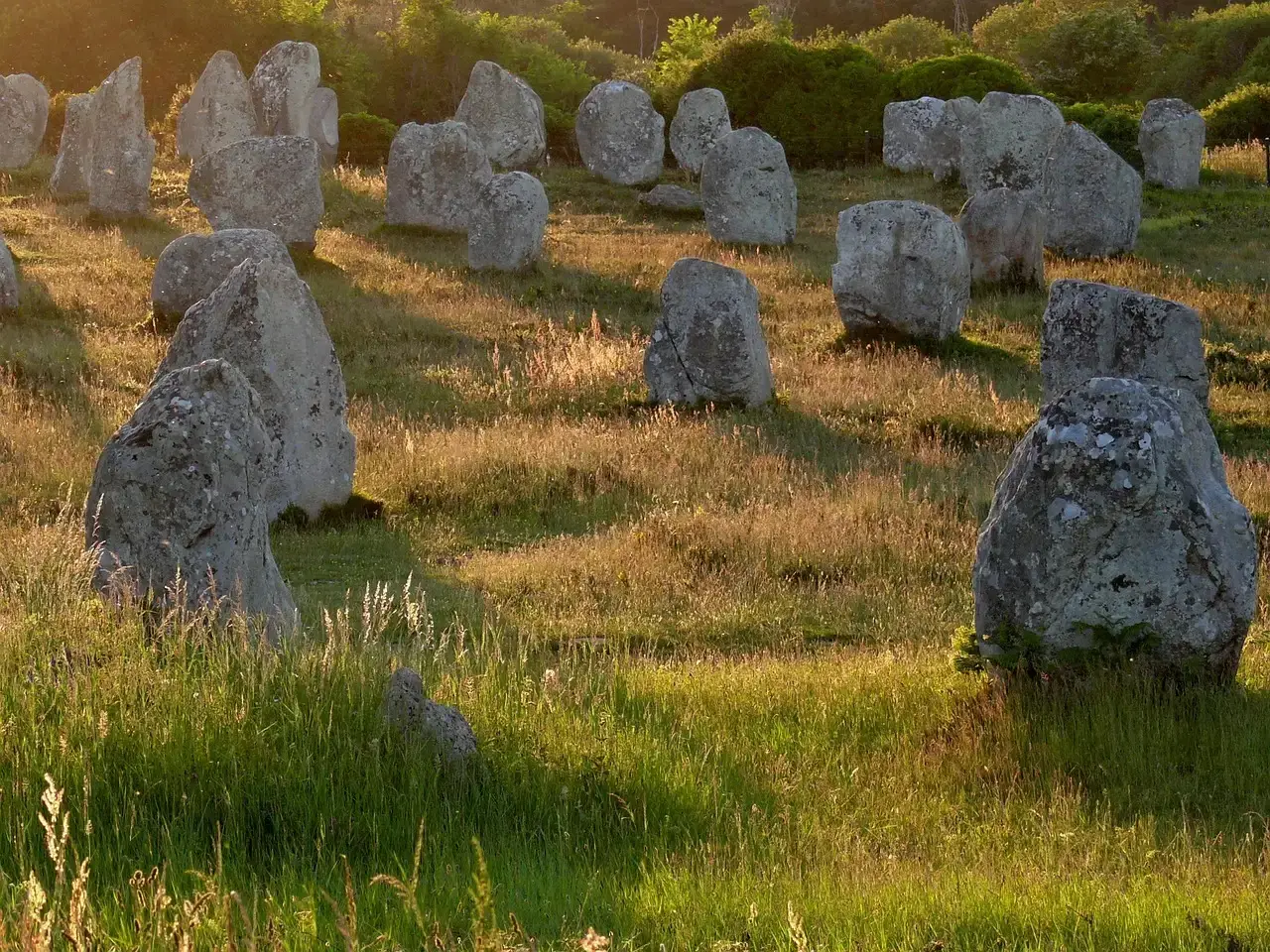
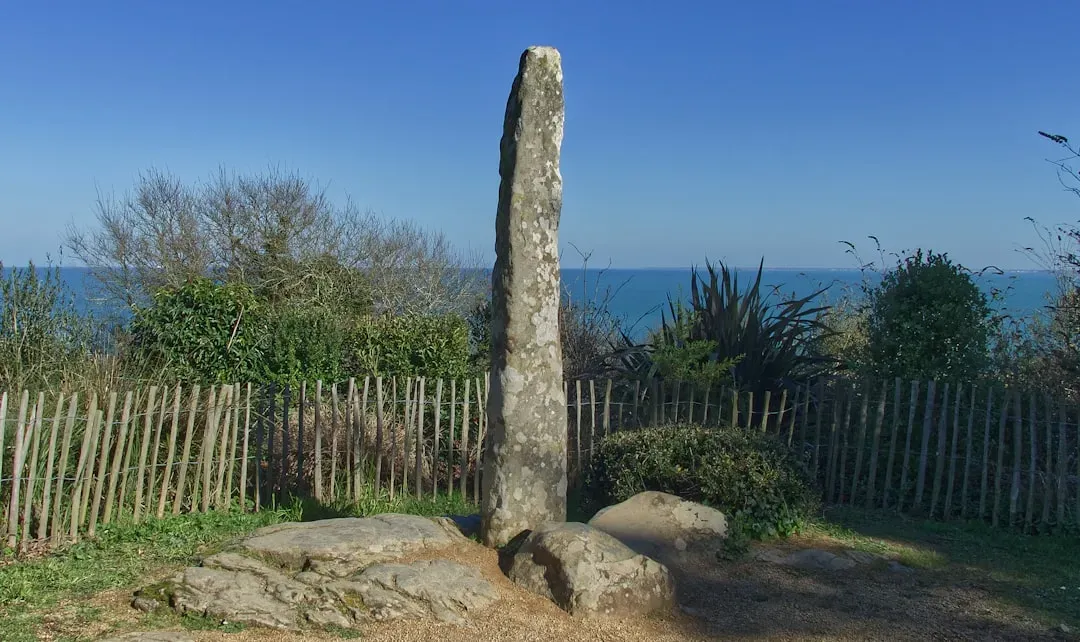
Over in Brittany, France, you’ll find something completely different from Stonehenge’s circles. The Carnac stones are an exceptionally dense collection of megalithic sites consisting of stone alignments, dolmens, tumuli and single menhirs. We’re talking about thousands upon thousands of stones arranged in perfectly straight rows stretching for kilometers.
The Carnac area is the world’s greatest concentration of megalithic sites, with no fewer than 3000 upright stones erected between 5000 and 3500 BC, predating Stonehenge by around 100 years. Walking among these alignments feels surreal. The stones aren’t enormous like those at Stonehenge, but their sheer number and precise arrangement create an overwhelming sense of purpose.
The main group of stone alignments involves 12 converging rows of standing stones stretching more than a kilometer, with the remains of a stone circle at either end, with the largest stones around 4m high at the western end becoming smaller along the length of the alignment, reaching around 0.6m in height. This gradual decrease in size wasn’t random. Somebody planned this meticulously.
Up to today, there is still no 100% proved explanation for their existence. Some archaeologists suggest astronomical purposes. Others point to ritual or religious functions. Other stones in the Carnac complex are aligned with the moon and stars, indicating that the pre-Celtic people who built them may have had a sophisticated understanding of astronomy. Here’s the thing, though: we may never know for certain. The people who built Carnac left no written records, only these silent stones standing in rows.
Newgrange: Ireland’s Window to the Winter Solstice
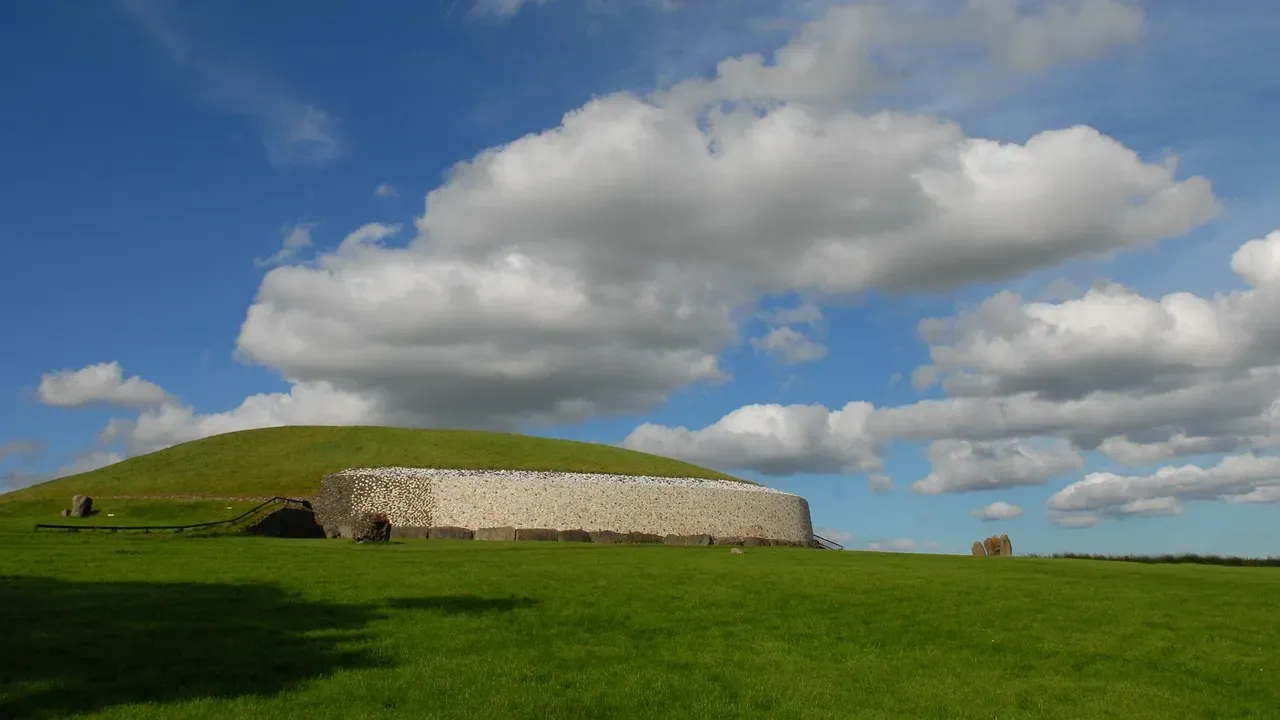
If Carnac leaves you guessing about its purpose, Newgrange in Ireland’s Boyne Valley makes its intentions crystal clear once a year. This prehistoric monument is an exceptionally grand passage tomb built during the Neolithic Period, around 3100 BC, making it older than Stonehenge and the Egyptian pyramids.
The great circular mound measures approximately 85 metres in diameter and 13 metres high, covering an area of about one acre, with a stone-built passage 19 metres in length leading to an inner chamber with three recesses. The whole structure looks impressive from the outside, but the real magic happens at dawn during the winter solstice.
Once a year, at the Winter Solstice, the rising sun shines directly along the long passage, illuminating the inner chamber and revealing the carvings inside, notably the triple spiral on the front wall of the chamber, lasting for approximately 17 minutes. The sunlight enters the passage through a specially contrived opening known as a roofbox directly above the main entrance, and the alignment is such that although the roofbox is above the passage entrance, the light hits the floor of the inner chamber.
Let that sink in for a moment. Over five thousand years ago, Neolithic builders calculated the exact angle and position needed to capture the winter solstice sunrise. The builders of the passage tomb had such an acute understanding of celestial movements to deliberately position the entrance and the passage to allow this phenomenon to occur each year on the Solstice, suggesting a very sophisticated knowledge of astronomy and a deep connection to the natural rhythms of the Earth. This wasn’t accidental. It required precise astronomical knowledge, mathematical calculation, and flawless execution.
Malta’s Megalithic Temples: Older Than the Pyramids
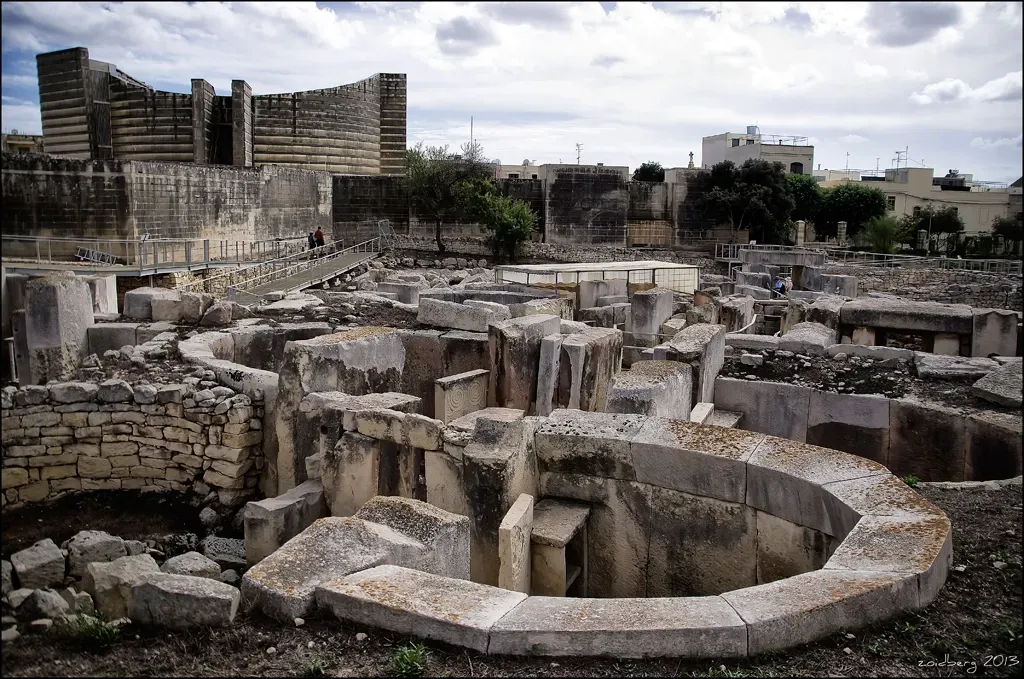
Malta might be tiny, but it packs a historical punch. The Megalithic Temples of Malta are several prehistoric temples built during three distinct periods approximately between 3600 BC and 2500 BC, and they had been claimed as the oldest free-standing structures on Earth until the discovery of Göbekli Tepe in Turkey. Think about that. These islands in the Mediterranean harbor some of humanity’s oldest architectural achievements.
Ġgantija is a megalithic temple complex from the Neolithic era on the Mediterranean island of Gozo in Malta, and the Ġgantija temples are the earliest of the Megalithic Temples of Malta, older than the pyramids of Egypt, with their makers erecting the two Ġgantija temples during the Neolithic, which makes these temples more than 5,500 years old and the world’s second-oldest existing manmade religious structures after Göbekli Tepe.
Some of the stones used in the construction of these ancient temples are truly massive, with weights estimated to be up to 20 tons or more, and at the Ħaġar Qim temple complex, one of the largest stones measures around 7 meters in length and weighs approximately 20 tons. Moving those stones on a small island with limited resources seems almost impossible. Yet there they stand.
The Megalithic Temples of Malta are prehistoric monumental buildings constructed during the 4th millennium BC and the 3rd millennium BC, and they rank amongst the earliest free-standing stone buildings in the world and are remarkable for their diversity of form and decoration. The temples feature intricate stone carvings, including spirals and representations of animals. The temples are elements of a ceremonial site used in a fertility rite, and researchers have found that the numerous figurines and statues found on the site are associated with that cult. This suggests a complex belief system and a society capable of organizing large-scale construction projects for religious purposes.
The Mystery of Megalithic Engineering Without Modern Tools
Here’s what really gets me: none of these structures were built with metal tools. Construction of these temples started around 3500 BCE, an impressive architectural feat for their time, particularly given that the builders had limited access to materials and did not have metal tools at their disposal. They used stone hammers, antler picks, wooden levers, and sheer human muscle.
Sarsen and flint hammerstones in various sizes have been found at Stonehenge, with the larger ones used to roughly flake and chip the stone and the smaller ones to finish and smooth the surfaces. To fit the upright stones with the horizontal lintels, mortice holes and protruding tenons were created, the lintels were slotted together using tongue and groove joints, and these types of joint are usually found only in woodworking. This shows that these ancient builders transferred techniques from one material to another, innovating as they went.
One modern engineer noted that there would be no engineer today that would be able to build the Menga monument in Spain with the resources and means available 6000 years ago. Yet our ancestors did exactly that, repeatedly, across the continent. Recent studies argue that builders had a far more sophisticated understanding of engineering and scientific principles than prehistoric people are usually given credit for, with the engineering on display reflecting a process of trial, error, and learning similar to how scientists solve problems today.
Astronomical Alignments and Celestial Knowledge

If you needed proof that these weren’t just random stone piles, look at their astronomical alignments. Many European megaliths demonstrate precise orientation toward celestial events. Many megaliths from across the world were likely designed as tools for tracking time and the passing of seasons, serving as celestial clocks significant for tracing the movement of stars or measuring the sun’s location during the annual summer and winter solstices or the spring and fall equinox.
Newgrange provides the most dramatic example with its winter solstice alignment, but it’s far from alone. Stonehenge’s alignment with the summer solstice sunrise has been documented for centuries. Even the Carnac stones show signs of lunar and stellar alignments. Other stones in the Carnac complex are aligned with the moon and stars.
This astronomical knowledge served practical purposes. Tracking seasons would have been crucial for agricultural societies that needed to know when to plant and harvest. Yet there’s something more at play here. These weren’t simple calendars carved into rock. They were massive communal projects that took generations to complete, suggesting that astronomy held deeper cultural and spiritual significance.
The precision involved still impresses modern astronomers. These ancient builders didn’t just notice that the sun rose in different positions throughout the year. They calculated exact angles, measured distances, and constructed buildings that would capture specific celestial events for thousands of years into the future. It’s hard to say for sure, but that level of foresight and planning challenges many assumptions about prehistoric societies.
The Origins and Spread of Megalithic Culture
For decades, researchers debated whether megalithic construction emerged independently in different regions or spread from a single source. Recent research leans toward the latter. Research suggests that not only was northwestern France the origin of such megalithic structures, but the practice spread out from the region, likely borne on ancient boats navigating the Mediterranean, and though multiple population centers made the decision to build such structures, the findings provide more evidence that the idea for the European megalith style of burial has a singular origin.
The earliest of the European megaliths are apparently the Carnac stones in Brittany, which date to about 4,700 BCE, with even older complex earthen tombs and dolmens in the same region going back about 5,000 years, built in a relatively brief 200 to 300 year period. From there, the practice spread along Europe’s coastlines. The original megaliths from Brittany are etched with ocean imagery, including sperm whales and other ocean creatures, suggesting that their builders were part of seagoing culture, and this helps explain why megaliths are so concentrated near coasts.
This maritime connection changes our understanding of Neolithic societies. These weren’t isolated farming communities stuck in one place. They were seafarers who navigated dangerous waters, traded goods and ideas across vast distances, and spread architectural innovations from one coast to another. The maritime skills, knowledge, and technology of these societies must have been much more developed than hitherto presumed.
What These Monuments Tell Us About Prehistoric Society
When you strip away the mystery and speculation, what do these megaliths actually reveal? They tell us that prehistoric Europeans were far more organized, skilled, and knowledgeable than many people assume. Building Stonehenge took huge effort from hundreds of well-organised people. Their growing communities, shared resources, and cooperation over generations enabled construction of the massive stones with careful planning and skillful coordination.
These projects required social organization on a massive scale. Someone had to coordinate workers, organize food supplies, solve engineering problems, and maintain the vision across multiple generations. Some individuals specialized in shaping, transporting, and positioning megaliths, and these experts applied remarkable precision, knowledge of materials, and problem-solving skills to achieve alignment and stability over centuries.
The religious or ceremonial purpose of many sites suggests complex belief systems. Like many great pieces of architecture in history, Stonehenge was constructed by people with a strong desire to express their belief systems and customs, and because Stonehenge was not lived in nor used as a defensible space, it must be rooted, at least to some degree, in a spiritual purpose. These monuments served as focal points for communities, places where people gathered for rituals, ceremonies, and perhaps even political assemblies.
Archaeologists have provided ample explanations for how hunter-gatherers could still create these megaliths, which simply requires us to stop thinking simple living equaled simplistic, primitive thinking. These ancient Europeans possessed sophisticated knowledge of astronomy, engineering, geology, and mathematics. They innovated, experimented, and solved problems in ways that continue to impress us millennia later.
Conclusion
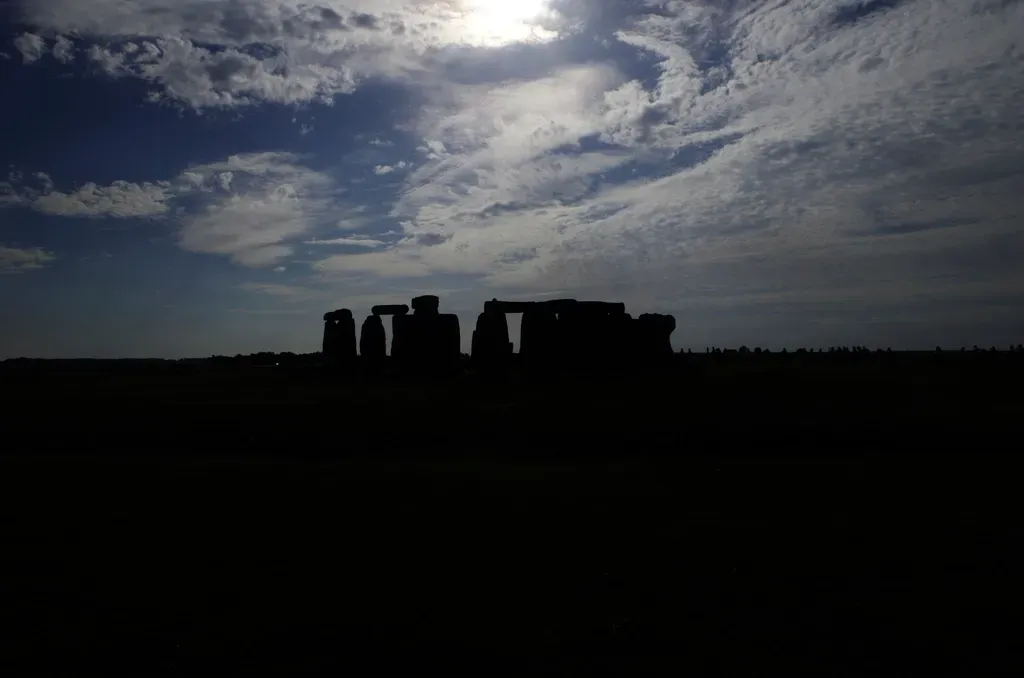
Europe’s ancient megaliths stand as silent witnesses to human ingenuity, determination, and vision. From the stone rows of Carnac to the solstice alignment at Newgrange, from Malta’s ancient temples to Stonehenge’s iconic circle, these monuments push us to reconsider what prehistoric societies could achieve. They didn’t have our technology, but they had knowledge, skill, and collective will that produced structures still standing thousands of years later.
The fact that we still debate their exact purposes and construction methods makes them even more fascinating. These stones force us to confront the limits of our knowledge and respect the capabilities of our ancestors. They remind us that ancient doesn’t mean primitive, and that human creativity and ambition have always pushed boundaries.
Next time you see a photo of Stonehenge or read about Malta’s temples, remember that you’re looking at more than just old rocks. You’re seeing evidence of societies that dreamed big, worked together across generations, and left behind mysteries that captivate us even now. What drives you to explore these ancient wonders? Would you wait in the darkness at Newgrange for that 17 minutes of winter solstice light?